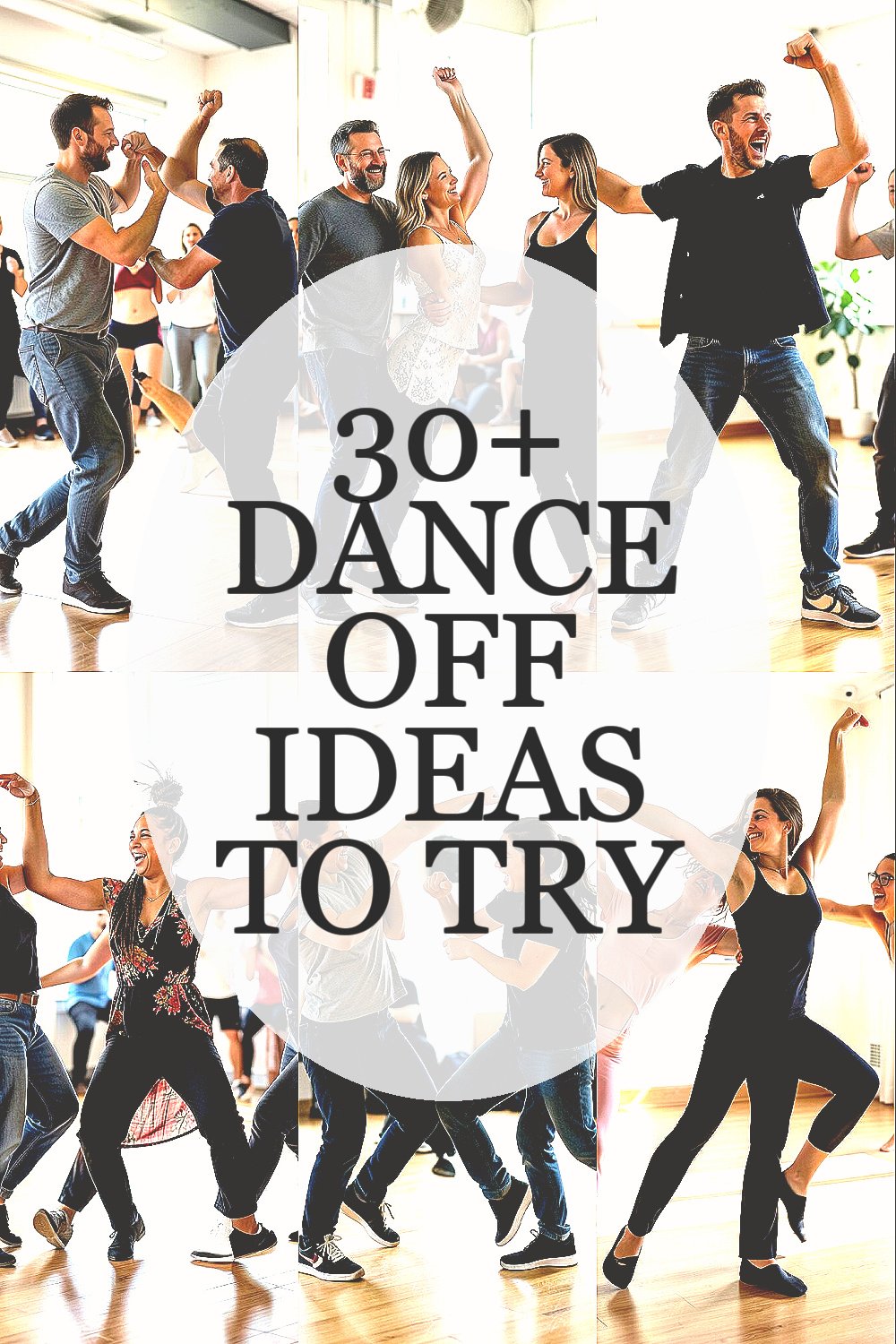
Dance off games can make any get-together feel more fun and easy to join. They can also help people laugh, move, and share a good time with little setup.
1. Mirror Move Match
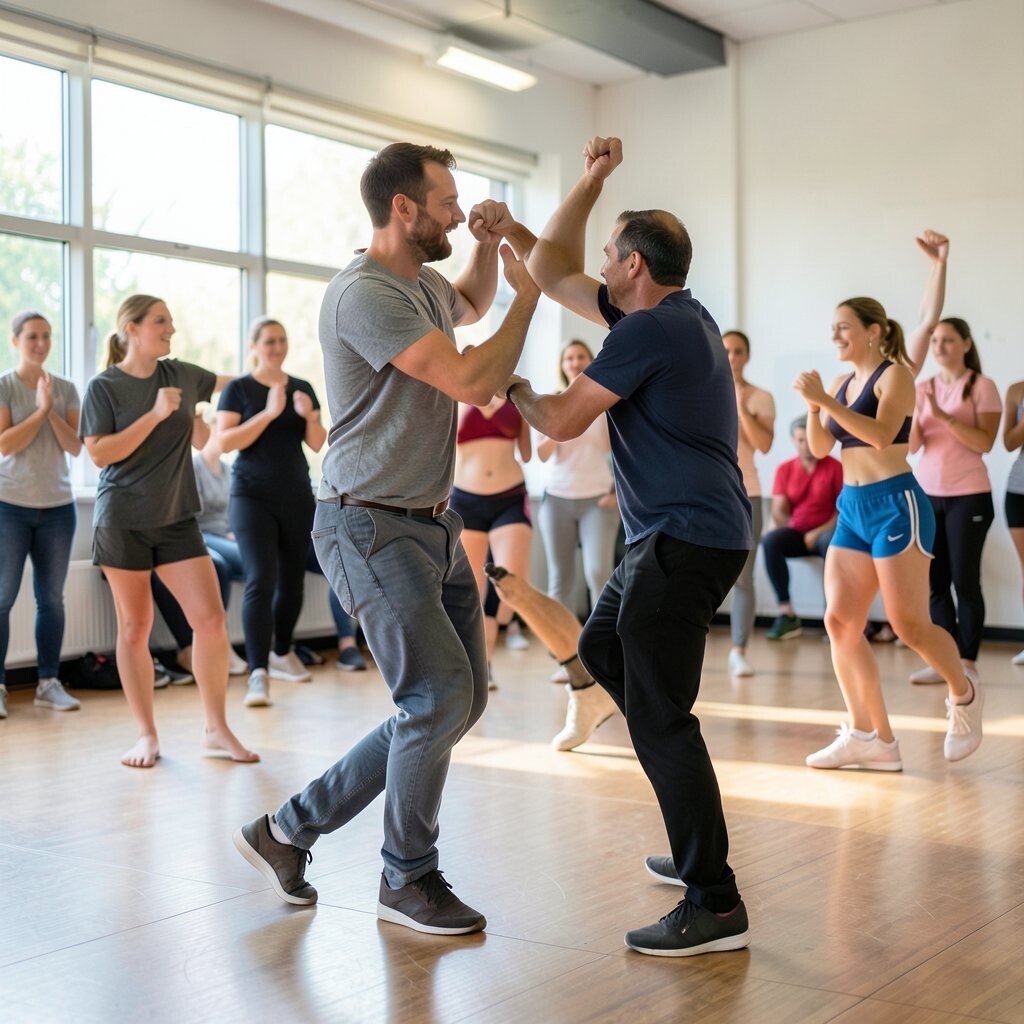
In this dance off, one person makes a move and the other tries to copy it like a mirror. The look is simple and fun, and it works well in a living room, school gym, or backyard.
This game helps people pay attention and work on timing. It also gives shy dancers a safe way to join in, since they only need to copy what they see.
You can use any song and any style, from slow sways to fast arm waves. If you want a low-cost game, this one needs no gear at all.
2. Freeze Dance Face-Off
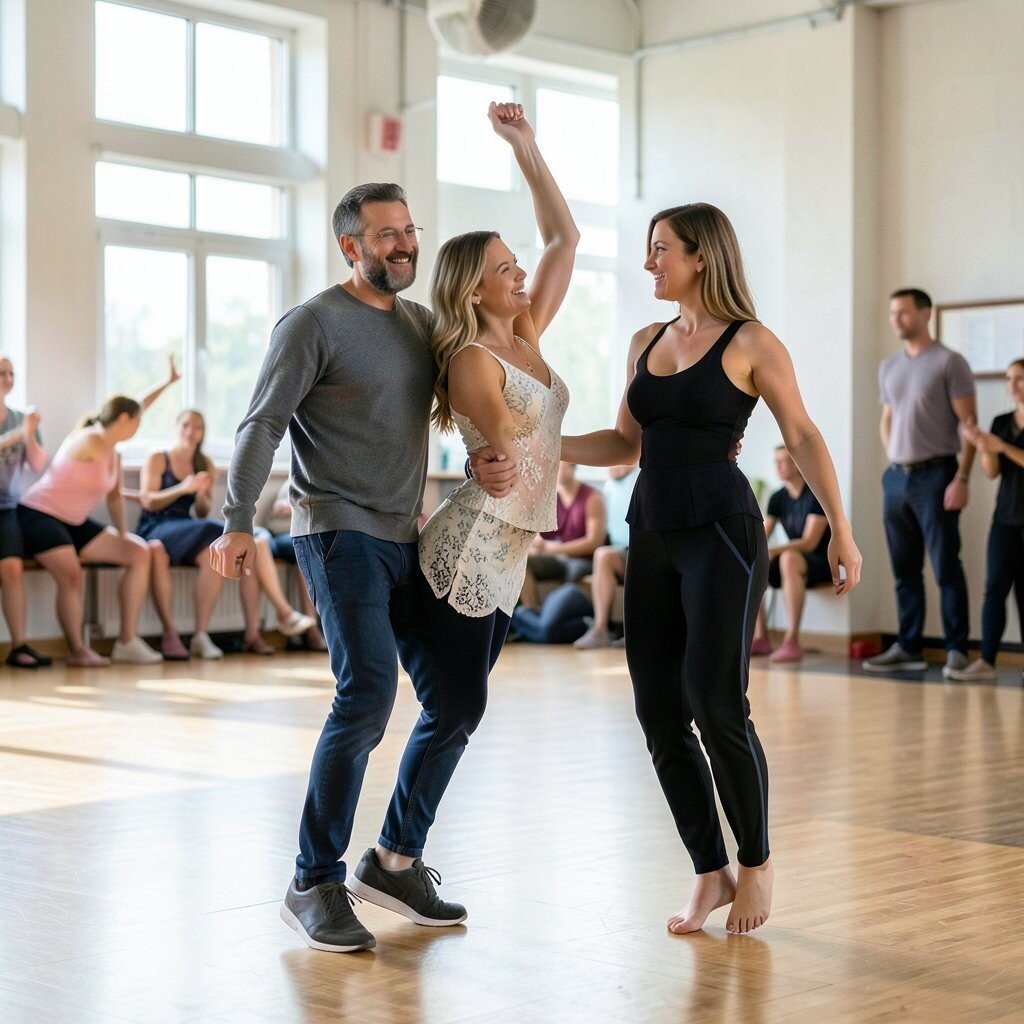
Play music and have everyone dance until the music stops. When it cuts off, each person must freeze in place and hold a funny pose.
This idea is great for kids and adults because it is easy to start. It can build balance, focus, and quick reaction skills while still feeling light and playful.
For a fresh twist, ask players to freeze with a theme, like robot, superhero, or animal style. You can also make it part of a trend by using short clips from songs people already know.
3. Copycat Crew Battle
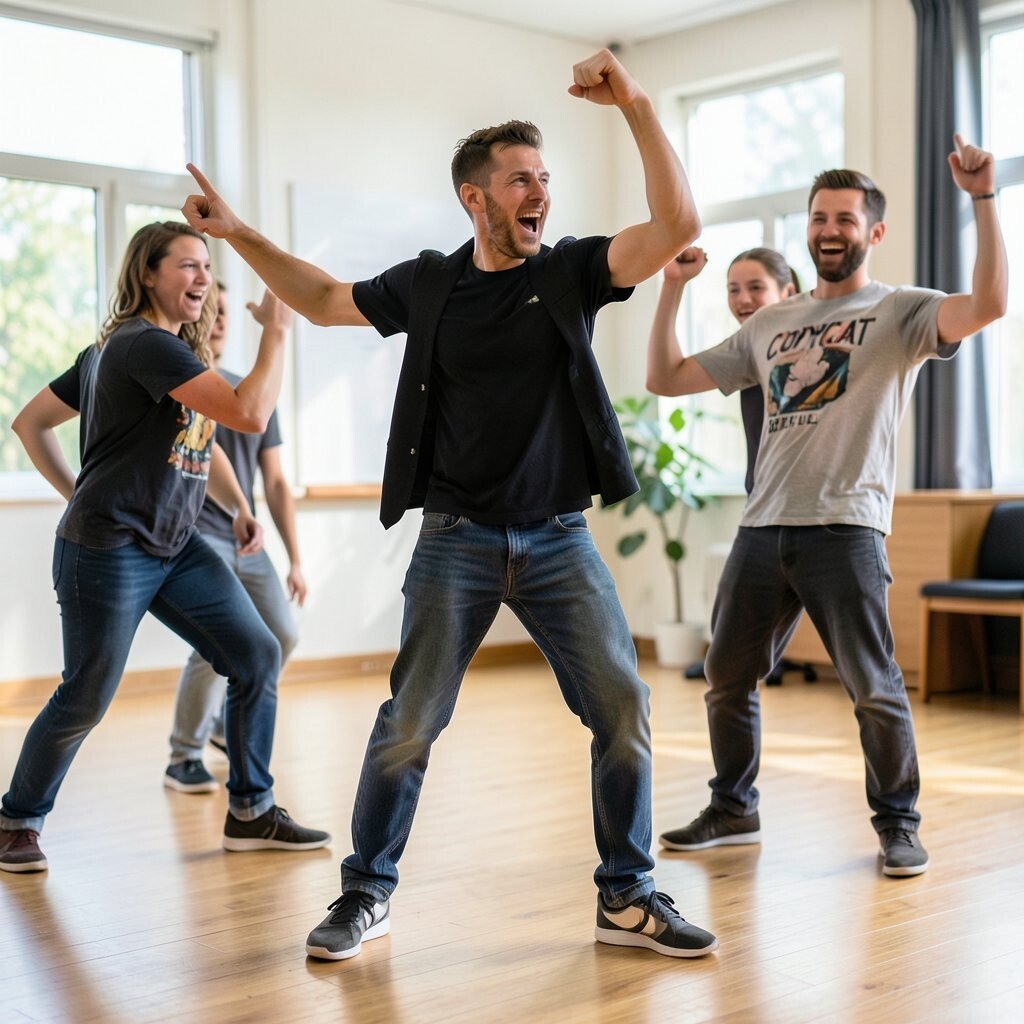
Split into two small groups and have one group make a short dance set. The other group watches, then tries to copy the same steps with the same feel.
This style works well for parties because it gives each group a turn to lead. It can also help people feel more sure of themselves as they try new moves in front of friends.
Keep the steps easy if the group is new to dance offs. If you want a more polished look, add a simple color theme with shirts or hats that match.
4. Song Swap Showdown
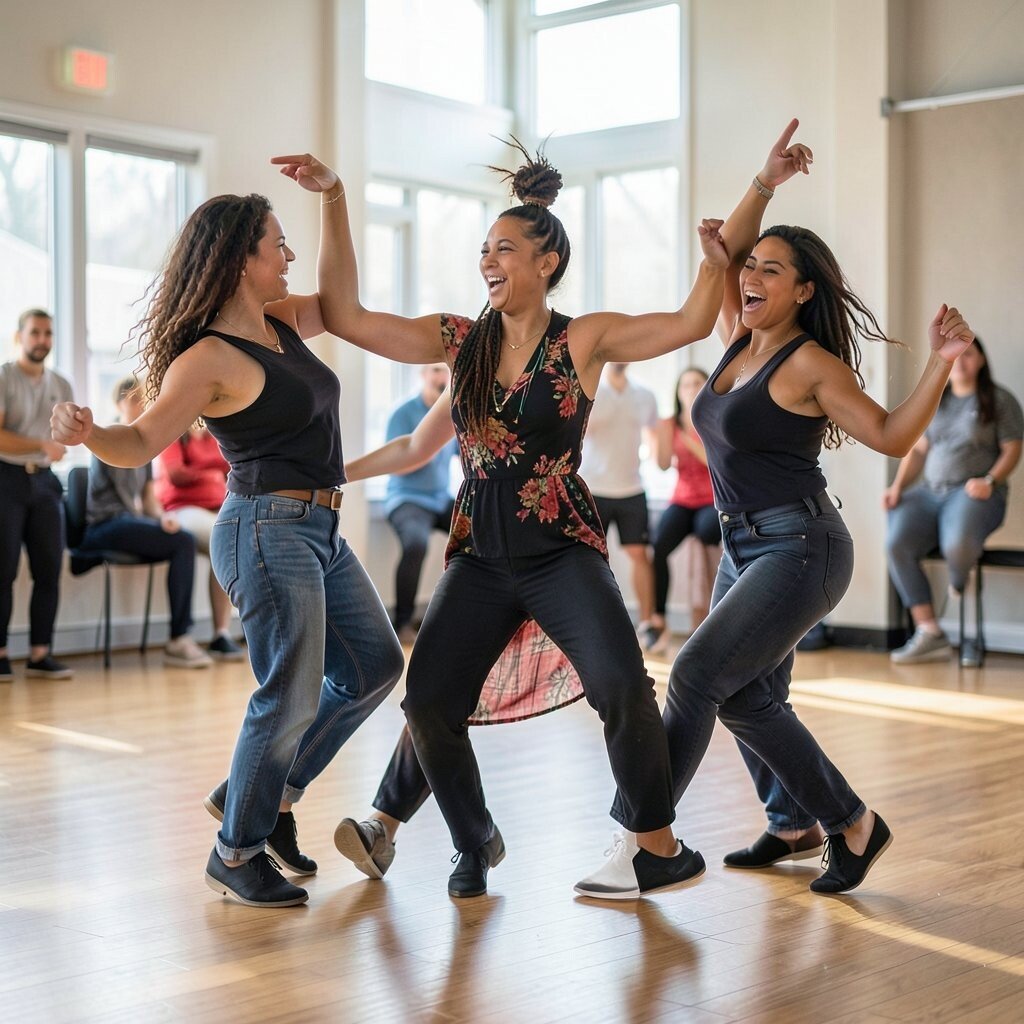
In this game, each dancer gets a song they did not pick. They must make up moves on the spot and match the mood of the music as best they can.
This is a fun way to test quick thinking and show style. It can also help people try music they do not usually hear, which keeps the game fresh.
The cost stays low because you only need a speaker and a playlist. To make it more personal, let each person bring one song that means something to them.
5. Slow Motion Battle
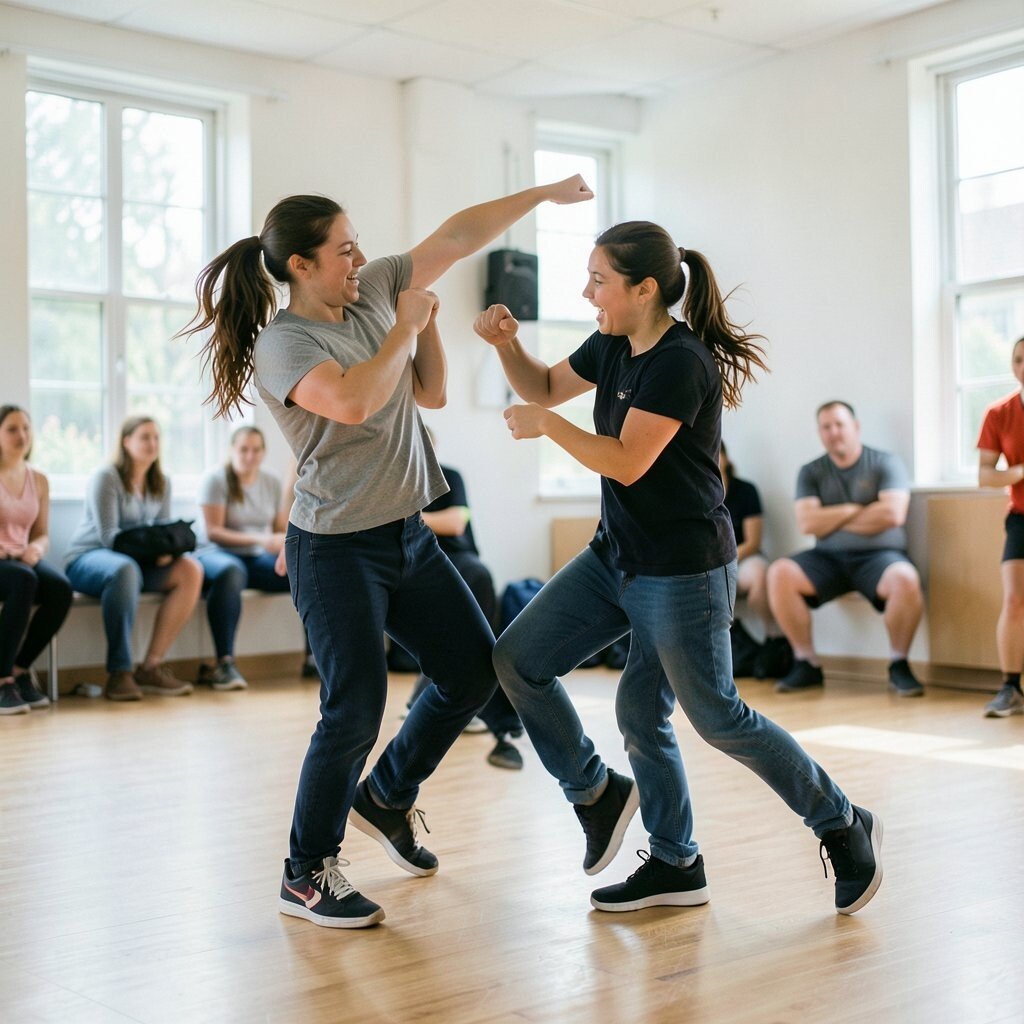
Ask dancers to perform in very slow motion, as if time has almost stopped. The result looks funny and neat, with long arm moves and careful steps.
This kind of dance off can help with control and body balance. It also makes people laugh, which can help break the ice in a new group.
Use a song with a steady beat so the slow moves still feel tied to the music. You can even add a simple rule that each dancer must hold one pose for a few seconds.
6. Spotlight Solo Round
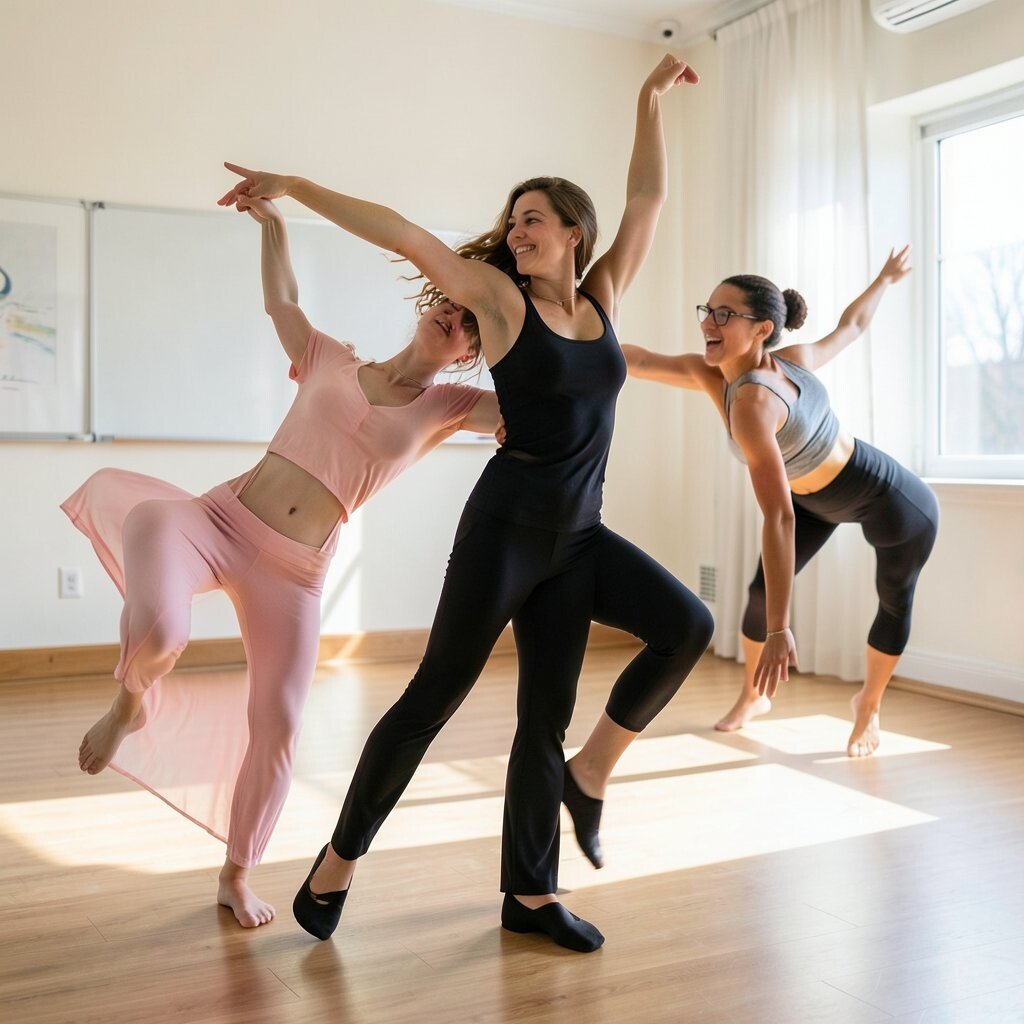
Give one person the floor while the others watch and cheer. The solo can be short, so the dancer gets a clear moment without too much pressure.
This format is good for building confidence and helping people show their own style. It also lets the crowd notice small details like footwork, hand shape, and facial expression.
To make it feel fair, give each dancer the same amount of time. A small light or phone flash can make the solo feel special without much cost.
7. Dance Style Switch
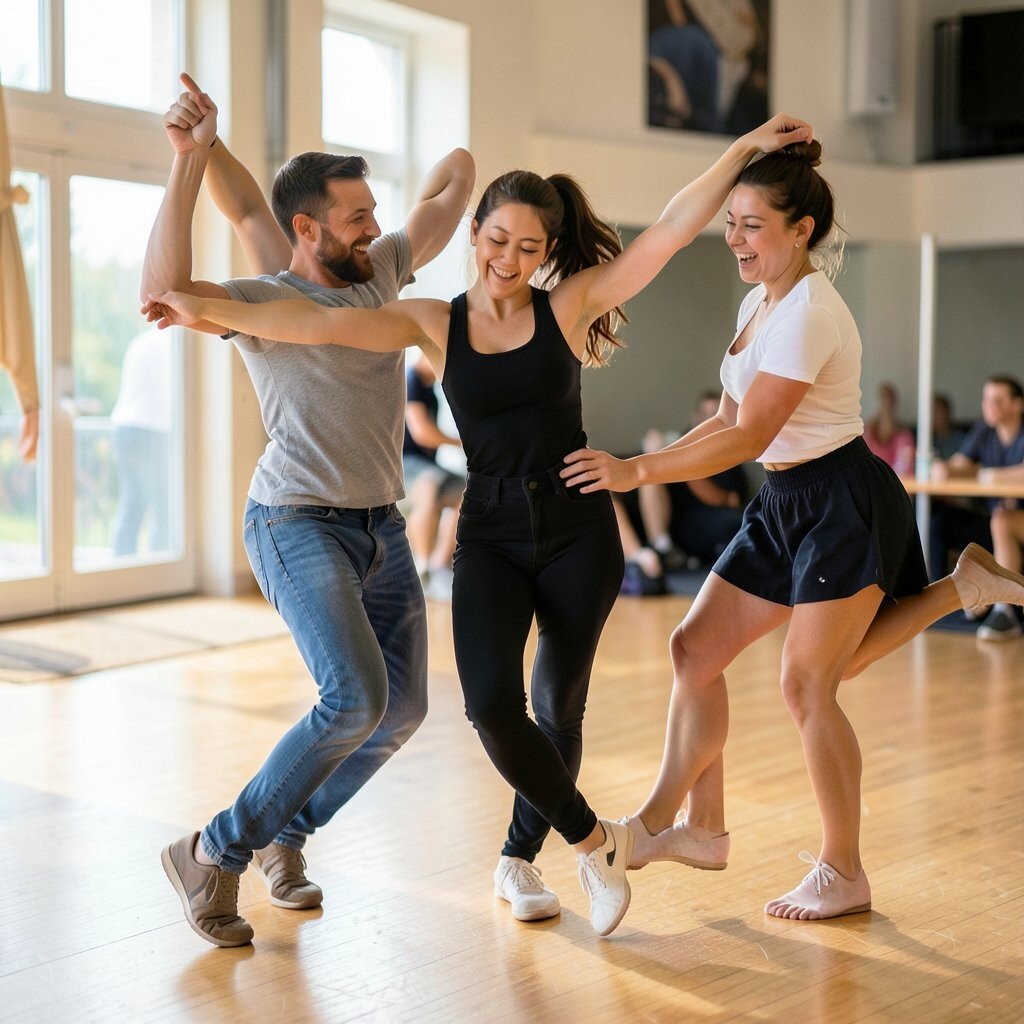
Pick a style like hip-hop, jazz, disco, or salsa, then switch to a new one after each song. Dancers must change their moves fast and match the new beat.
This game keeps people alert and helps them learn the feel of many dance types. It can also be a good group activity for classes or family nights.
You can make a list of styles ahead of time so the game moves fast. If you want a trend-based version, use styles that people often post in short dance clips online.
8. Prop Power Dance Off
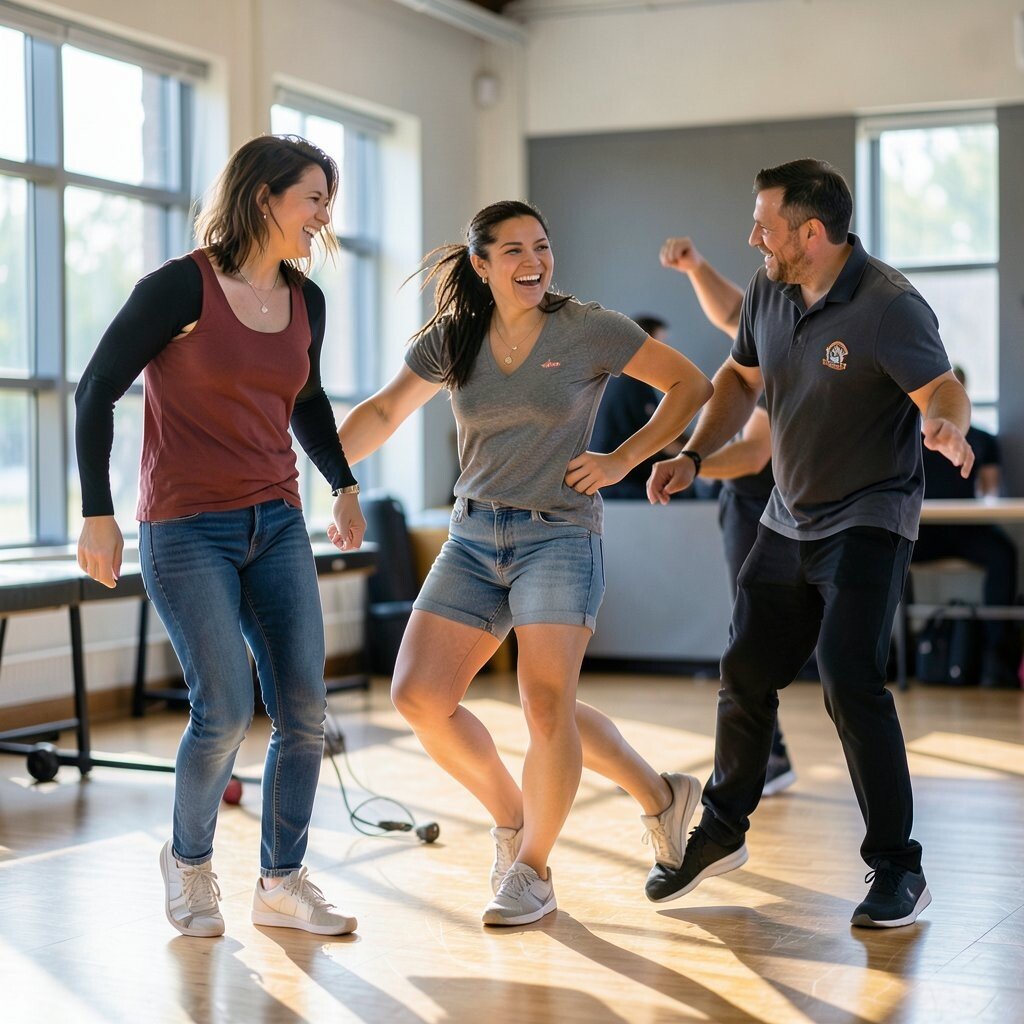
Give dancers a simple prop like a scarf, hat, towel, or ribbon. They must use it in their moves and make it part of the dance.
This adds color and motion, which makes the dance look more fun on camera or in person. It also helps people think in new ways, since the prop can change how they move.
Props can be low-cost if you use things from home. Try asking each person to bring one item that shows their own taste or style.
9. Chair Groove Challenge
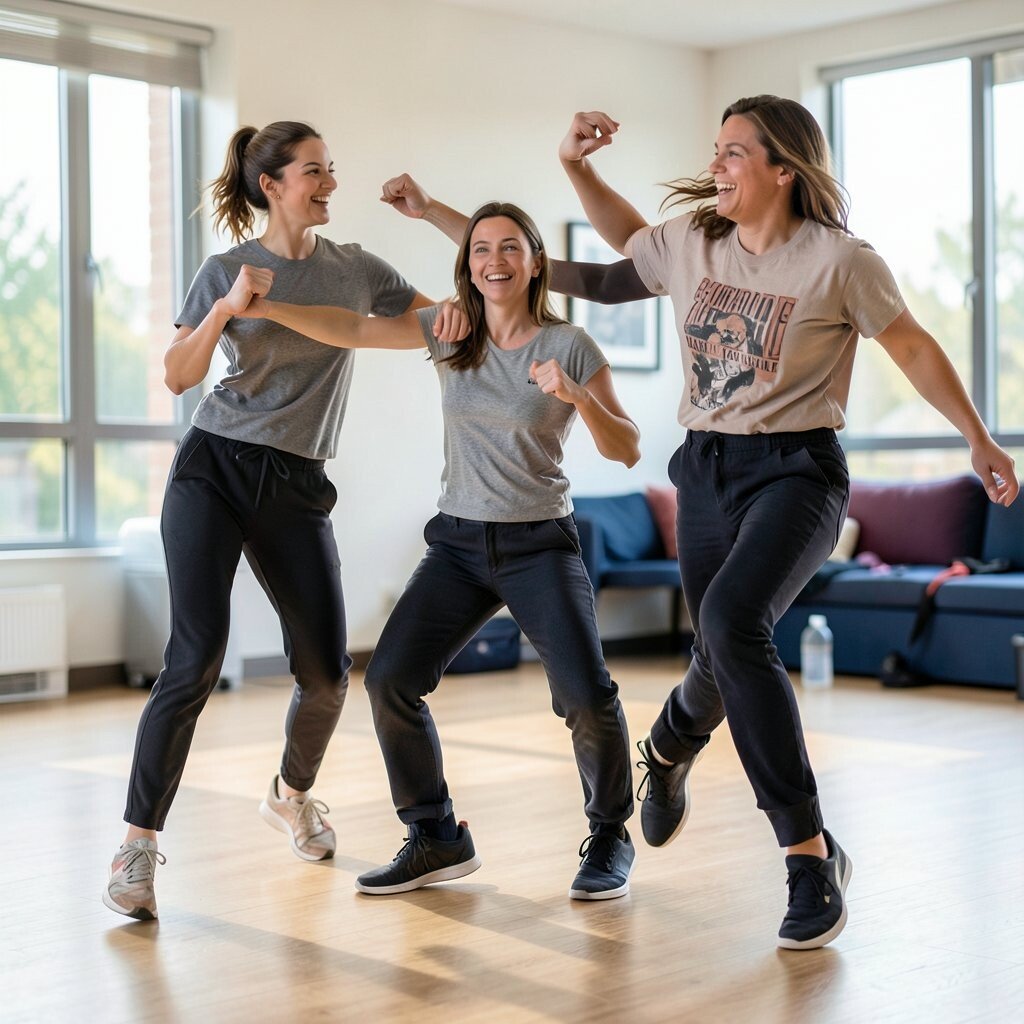
Use chairs as the main stage and have dancers move while seated. They can use arms, shoulders, head, and upper body to make the dance feel lively.
This is a good choice for small rooms or for people who want less jumping and running. It can still build rhythm, timing, and confidence in a simple way.
To make it look better, set the chairs in a neat line or circle. Add a fun theme like office day, movie night, or retro party for a more personal touch.
10. Partner Sync Battle
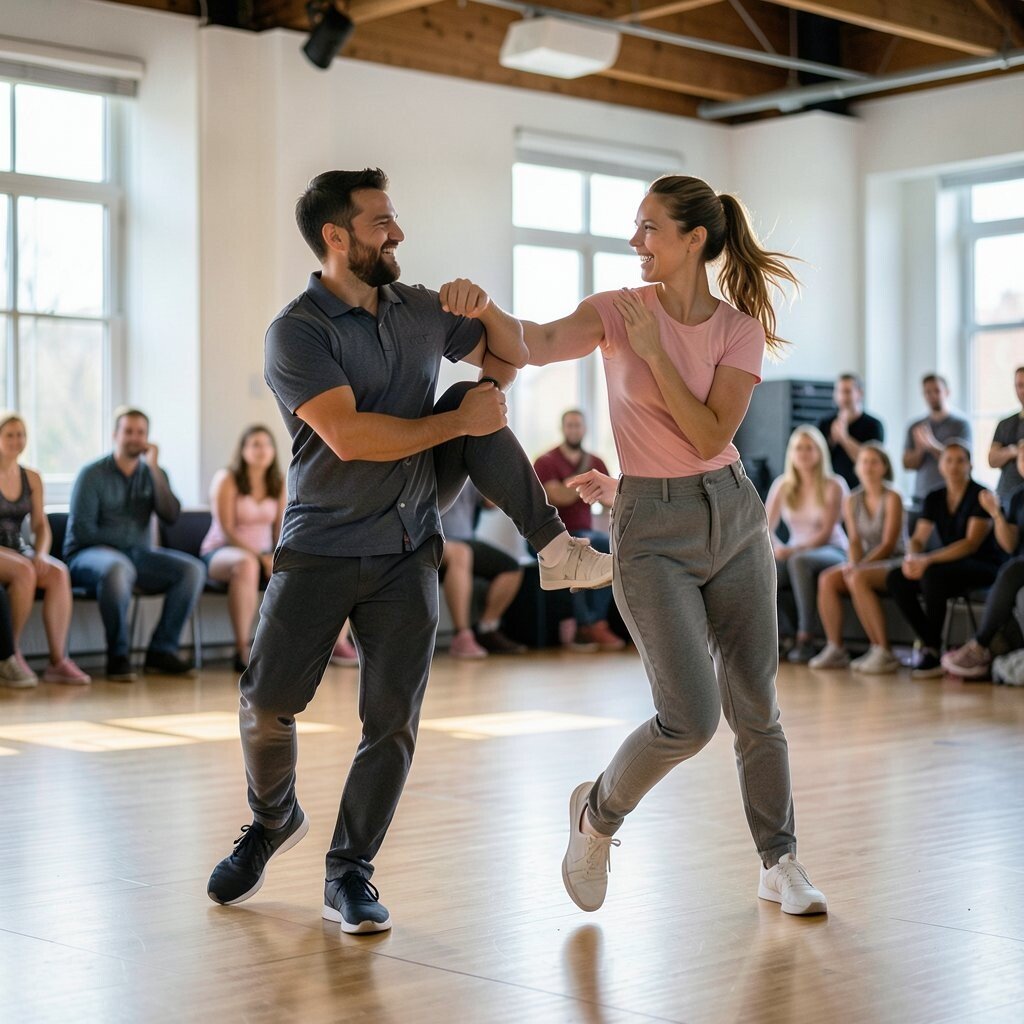
Pair up dancers and have them move as one team. They can match each other’s steps, copy side by side, or make a short routine together.
This style helps people work together and stay in time with another person. It can also make new friends feel more at ease because they are not dancing alone.
Use simple moves at first so both partners can stay in sync. Matching outfits or the same color shoes can make the pair look more put together.
11. Battle of the Decades
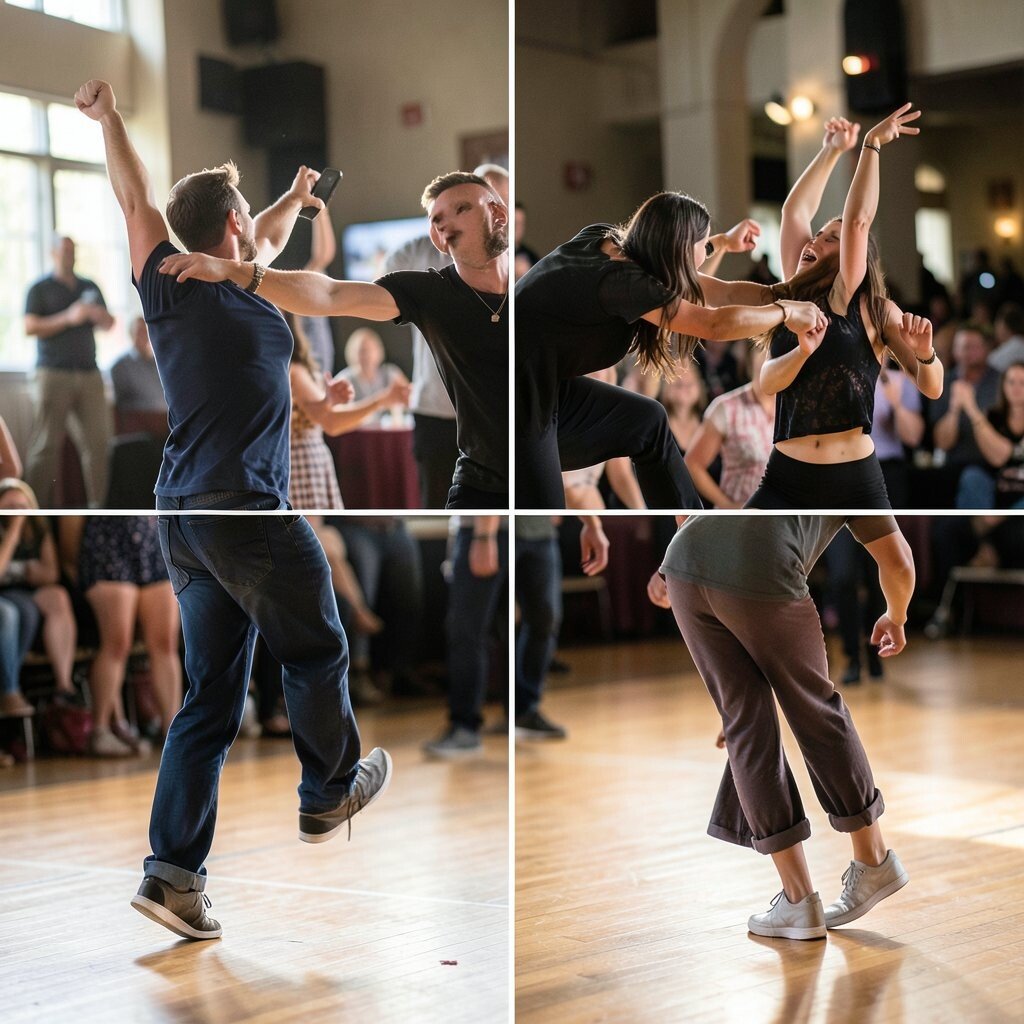
Pick dance moves from different time periods and have each person or group perform one era. Think old-school swing, disco, pop from the early days of music TV, or newer street styles.
This idea gives the dance off a fun look and lets people try many kinds of motion. It can also be a nice way to talk about music history in a light, easy way.
Use songs that fit each time period so the moves make sense. If you want to keep costs down, use simple clothes from home to match the era.
12. Emoji Move Game
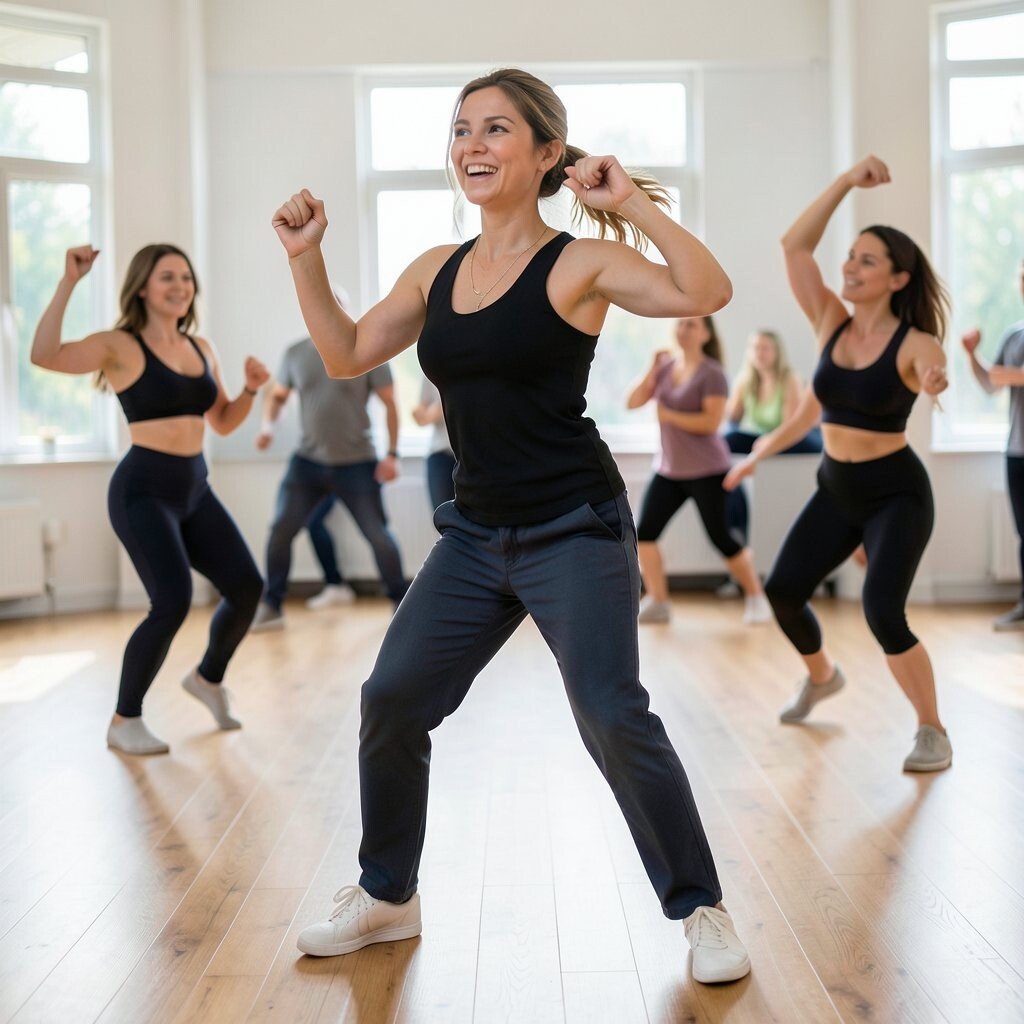
Pick an emoji and have dancers make a move that fits it. A smile, fire, star, or heart can each turn into a different dance shape or mood.
This game is simple, playful, and easy for all ages to join. It also helps people think fast and turn a small idea into a full move.
You can write emojis on paper or show them on a phone screen. This is a cheap way to add a fresh trend feel, since emoji games are easy to share online.
13. Battle With Levels
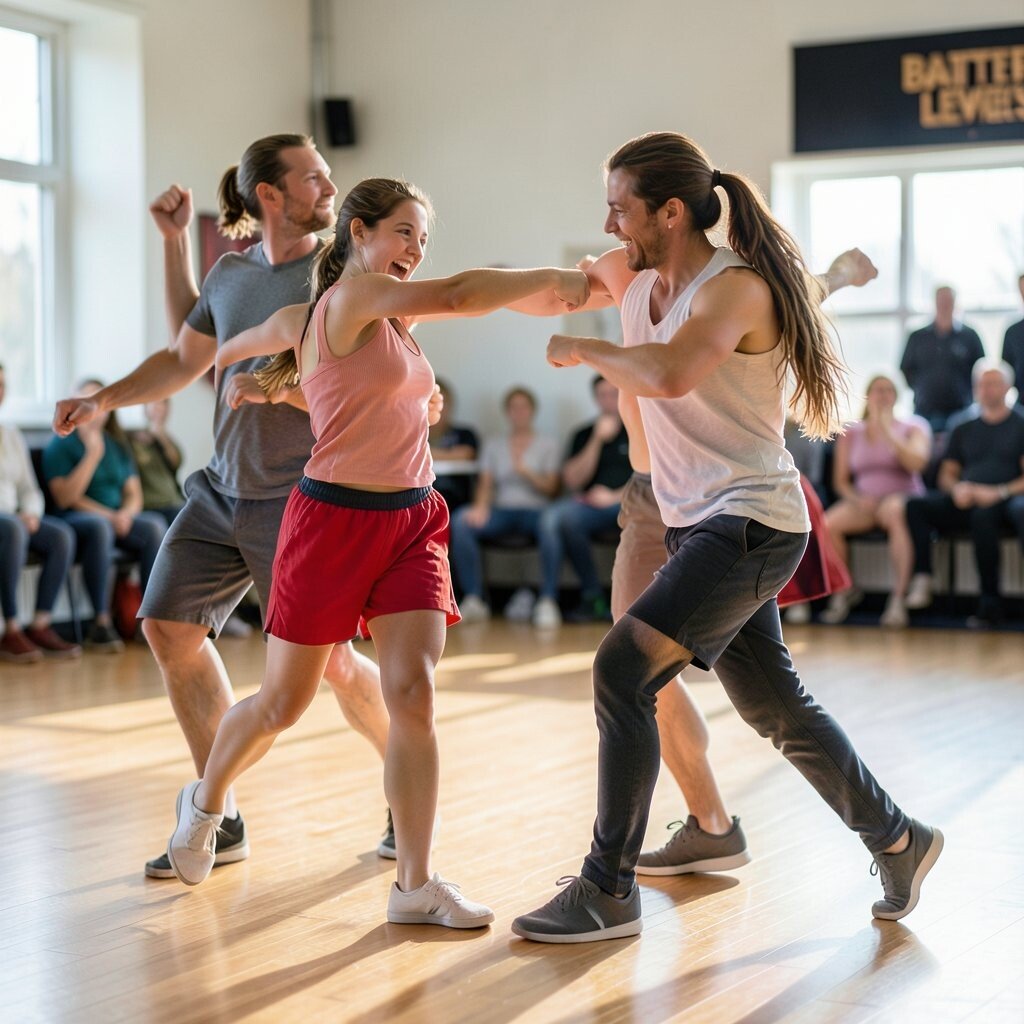
Start with a basic move and make it a little harder each round. Dancers can add speed, footwork, turns, or a new arm pattern as the level goes up.
This gives the game a clear path and helps people improve step by step. It is also useful for groups with mixed skill, since everyone can begin at the same level.
Keep the changes small so people do not feel lost. A simple score card can help track who handled each level best.
14. Silent Disco Dance Off
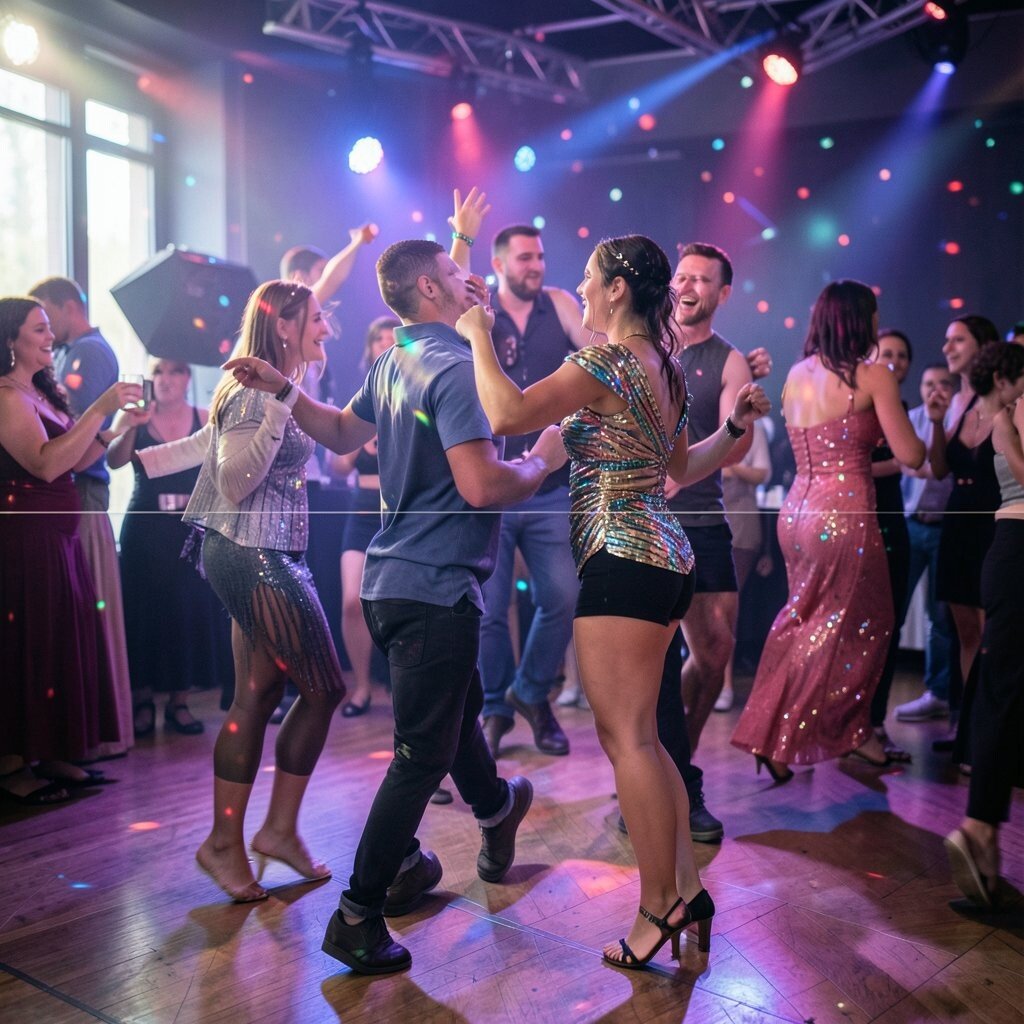
Use headphones or low sound and have each person dance to the same song in their own way. The room may feel quiet, but the moves can still be big and fun.
This style gives dancers more room to focus on their own rhythm. It can also make the event feel a bit different from a normal dance party.
If you do not have headphones, you can still play soft music and keep the mood calm. This idea works well in shared spaces where loud sound is not a good fit.
15. One-Song Story Dance
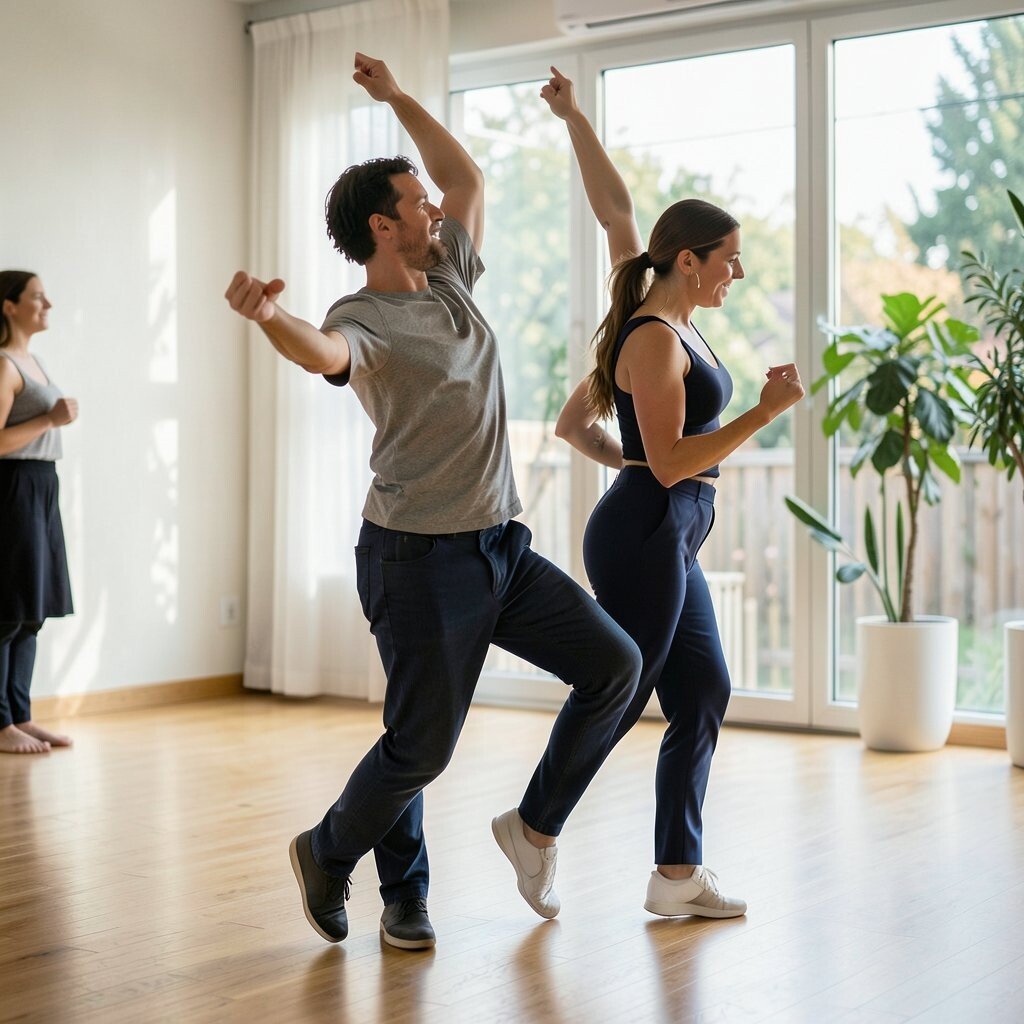
Ask each dancer to tell a small story with their moves during one song. The story can be about waking up, going to school, finding a lost pet, or any simple idea.
This makes the dance off more personal and helps people use face and body in a clear way. It can also help shy dancers, since they can focus on a small story instead of a big show.
Keep the story short so it fits the song. A few clear actions can make the whole thing easy to follow and fun to watch.
16. Copy the Leader Game
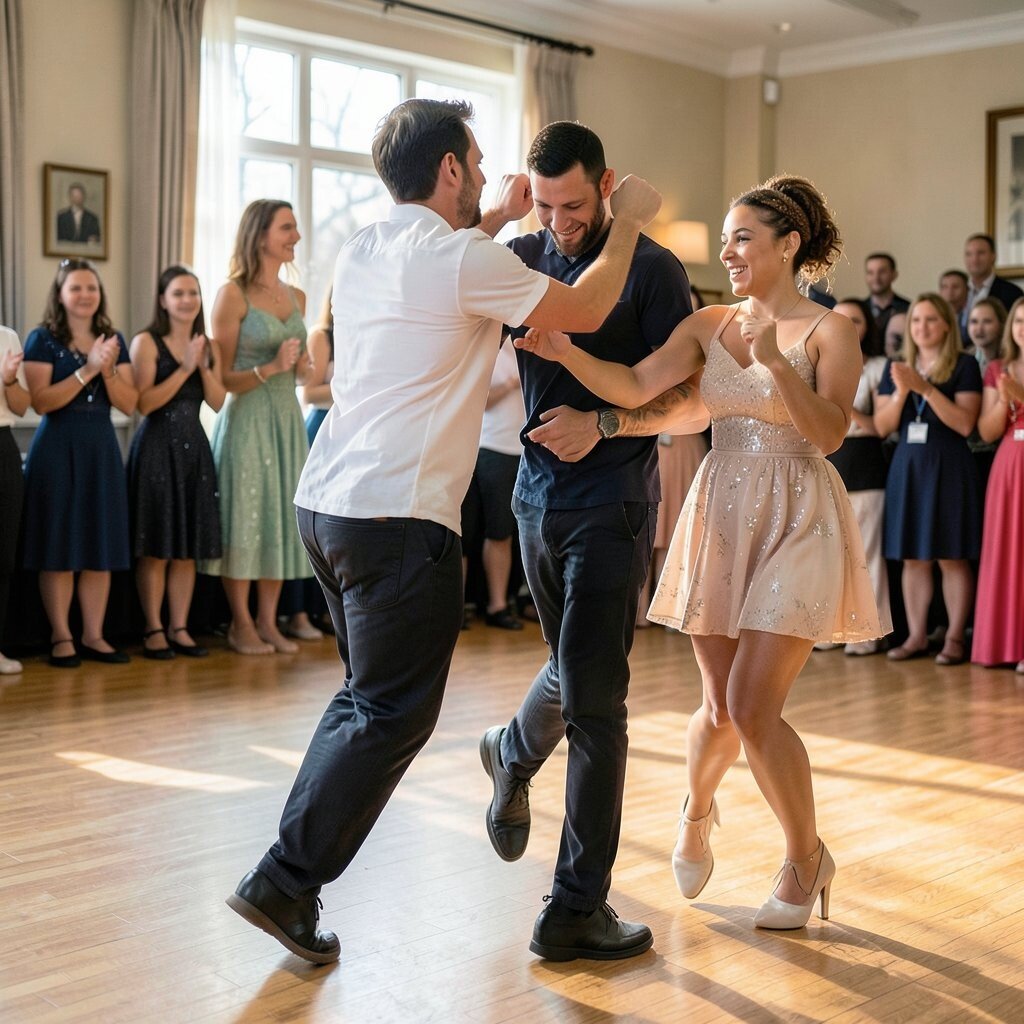
Choose one leader who makes the moves while the others follow. The leader can change often so each person gets a chance to guide the group.
This is a nice way to build trust and group flow. It also helps people listen to each other and stay in step without much stress.
Use easy moves if the group is new, then add more shape and speed later. A leader can also call out the mood, like happy, cool, or silly, to make the dance more personal.
17. Footwork Only Round
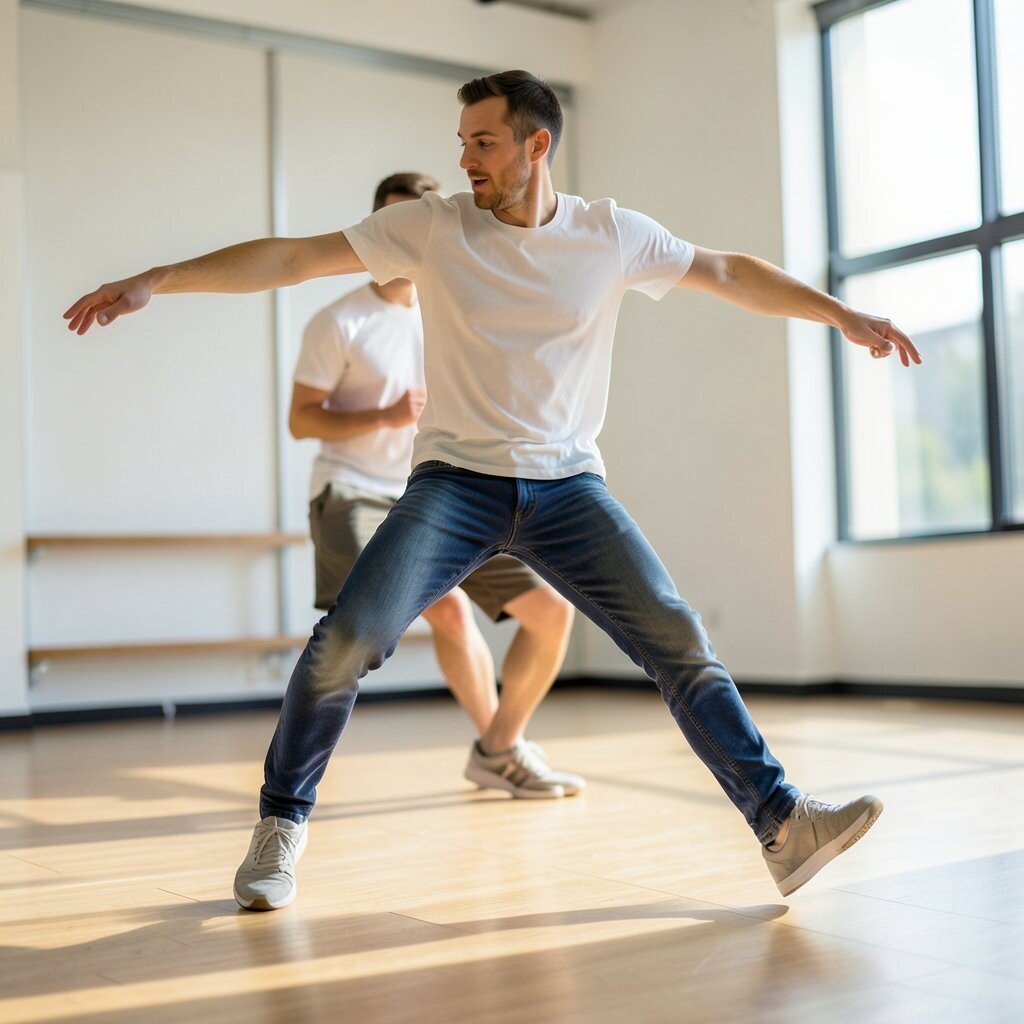
In this round, dancers may only use their feet and legs. No big arm moves are needed, so the focus stays on steps, taps, slides, and turns.
This helps people work on balance and lower-body control. It can also look sharp and clean, which is nice for a crowd that likes skill-based dance.
Use a smooth floor and clear space so everyone can move safely. If you want to keep it simple, use sneakers and a beat with a strong rhythm.
18. Hand Move Throwdown
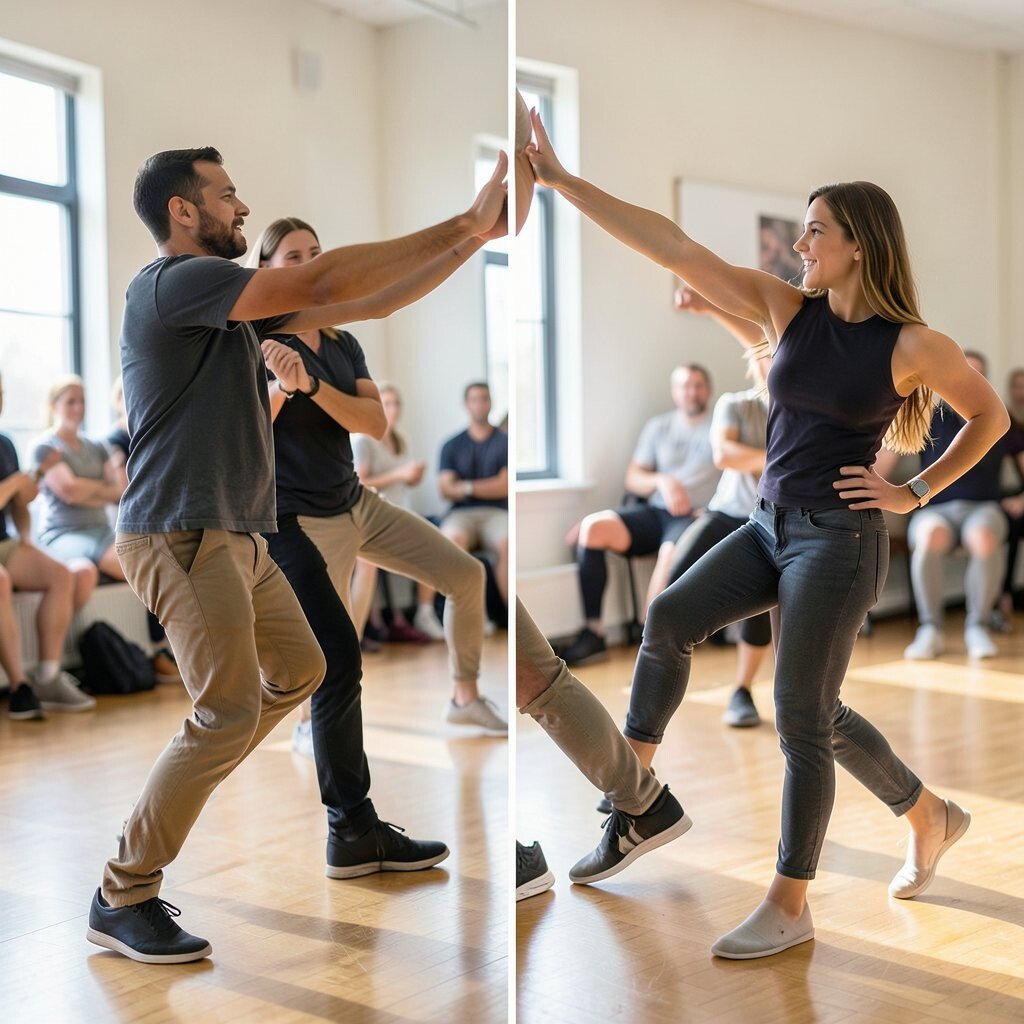
Make the whole dance off about hands, arms, and upper body motion. Dancers can point, wave, snap, reach, and shape the air in many ways.
This works well when space is tight or when people want a less tiring round. It also helps with timing and can look great in photos or short clips.
Try setting a theme like ocean waves, robot arms, or dance signs. The cost is low, and the style can feel fresh without needing much setup.
19. Costume Swap Dance Battle
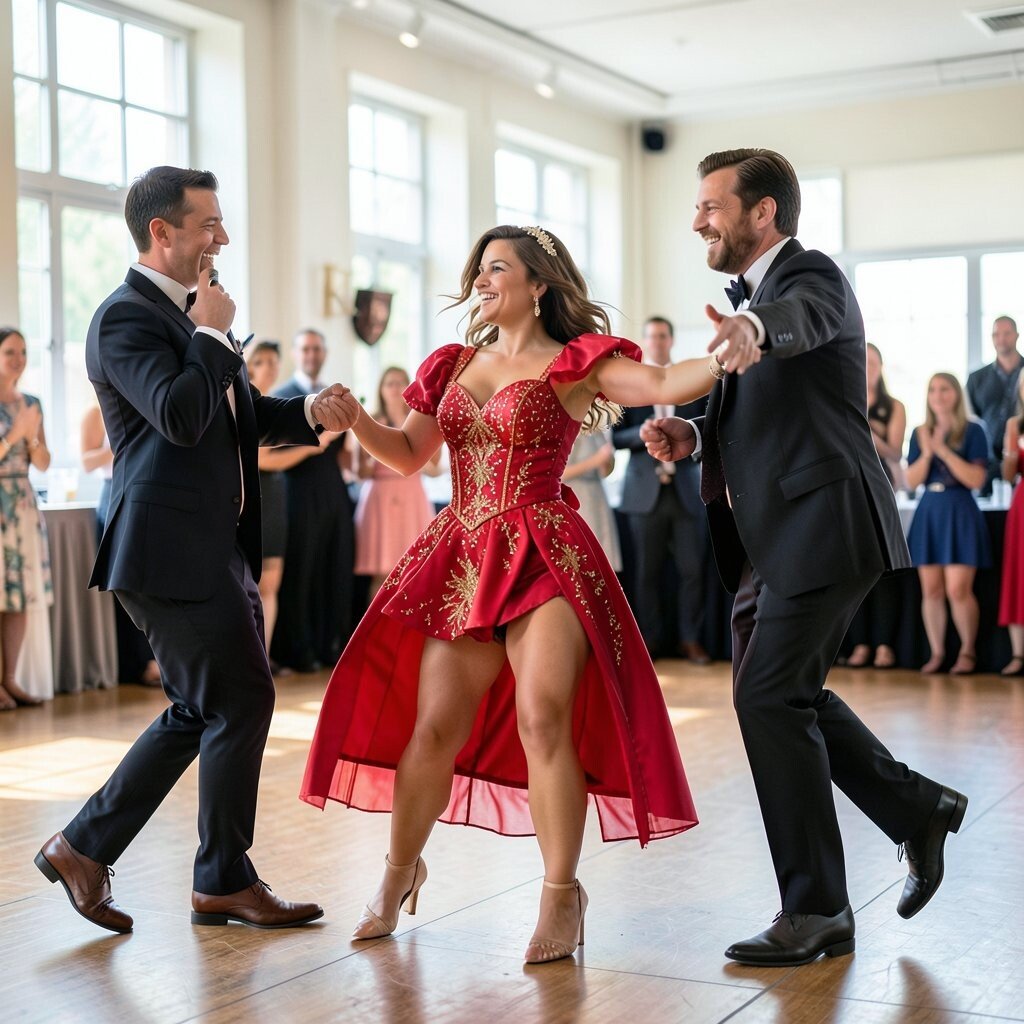
Have each person wear a simple item that is not their usual look. A jacket, scarf, sunglasses, or hat can change the whole feel of the dance.
This adds humor and helps people step out of their normal style. It can also make the dance off feel more like a party with a clear visual twist.
Use items from home to keep the cost low. If you want a trend feel, choose bright colors or bold shapes that stand out on camera.
20. Rhythm Clap and Dance
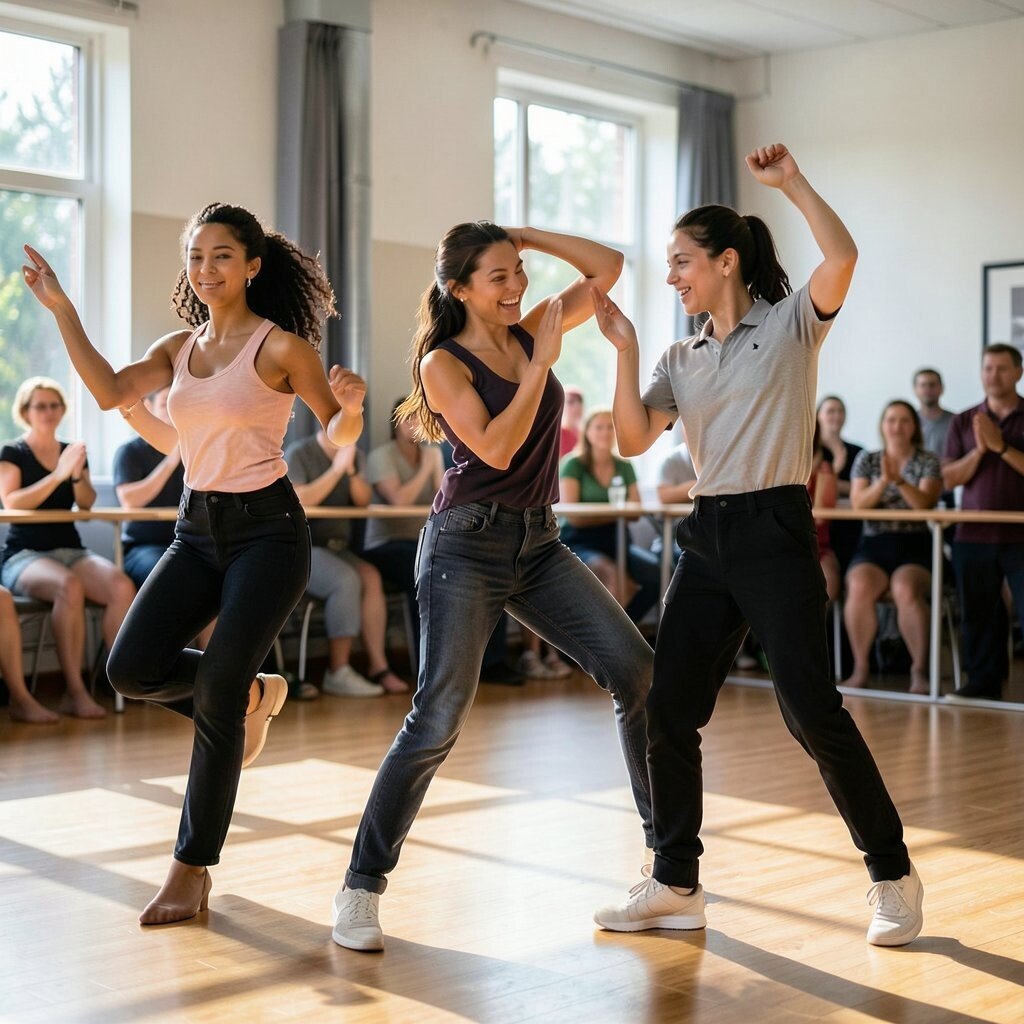
Start with claps, snaps, or taps before the dancing begins. Then each dancer must turn that rhythm into a short move or step pattern.
This game is useful for teaching beat and timing in a simple way. It can also help people who are new to dance feel more sure before they move.
You can make the claps easy at first and then make them trickier. A group can even take turns making the rhythm, which adds a personal touch.
21. Animal Move Match
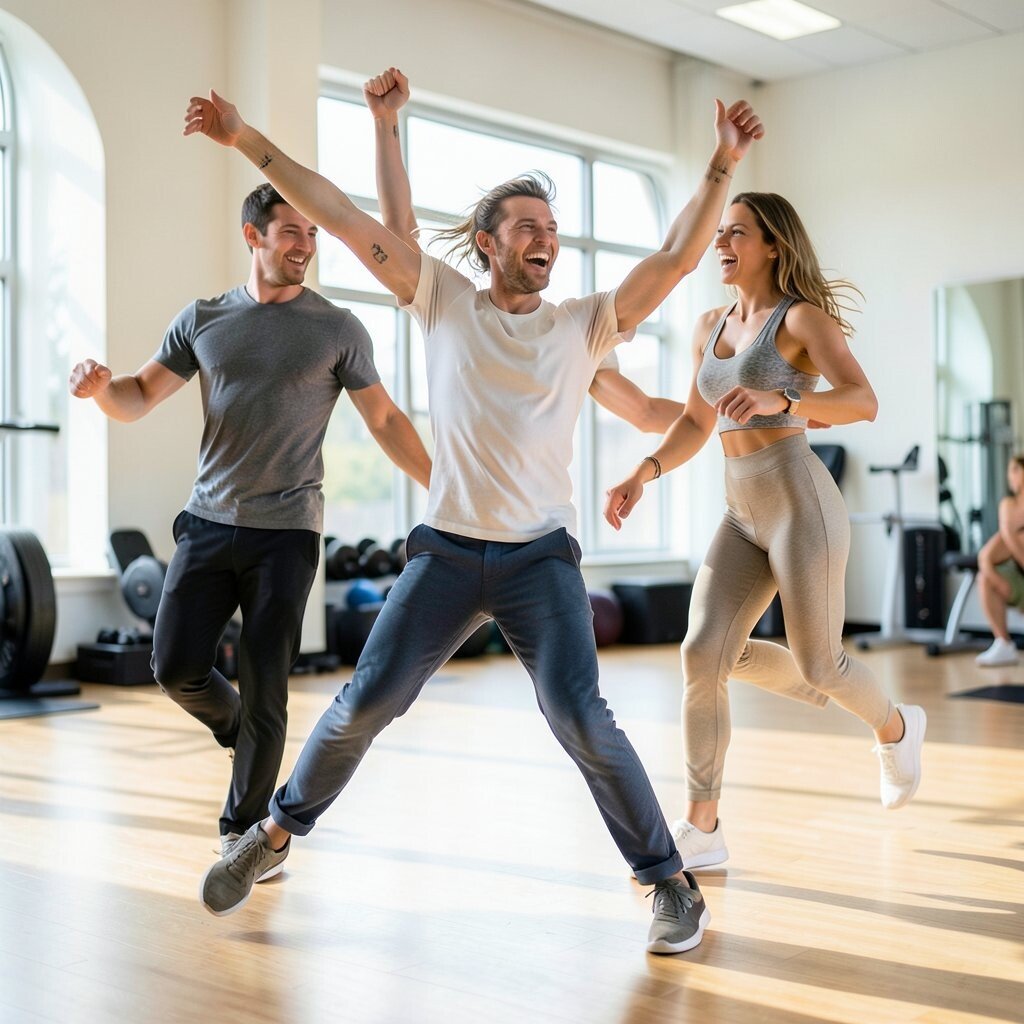
Pick an animal and have dancers use moves that fit it. A cat might be smooth, a bird might be light, and a bear might be slow and strong.
This idea is easy for kids, but adults can enjoy it too. It helps people use their face, body, and space in a more playful way.
Use simple music and let each dancer choose an animal they like. If you want a more modern feel, film the round and share the best clips later.
22. Battle of the Best Pose
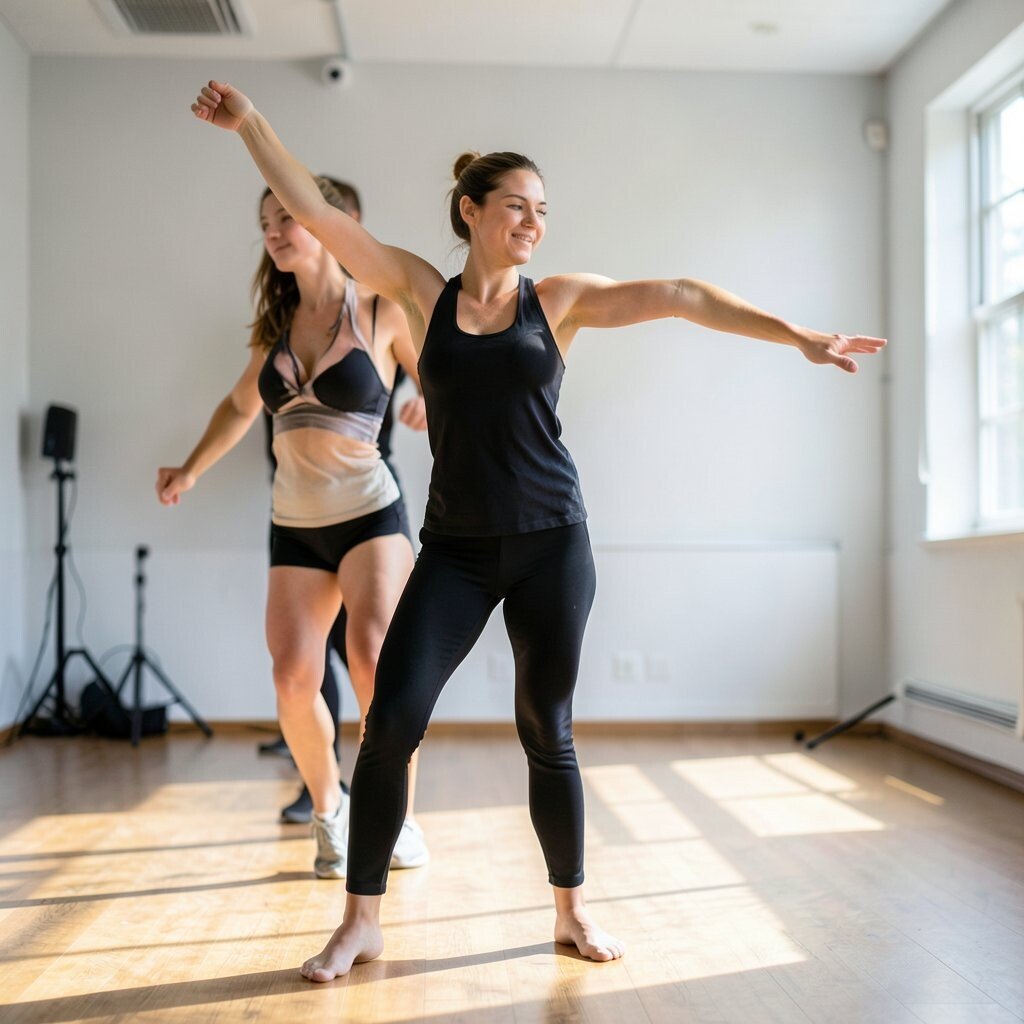
Each dancer must end with a strong pose after a short dance. The pose can be cool, funny, bold, or even a little silly.
This gives the crowd a clear end point and makes each round feel complete. It also helps dancers think about shape and balance, not just steps.
Ask friends to vote on the best pose if you want a little extra fun. A good pose costs nothing, but it can leave a strong memory.
23. Speed Round Shuffle
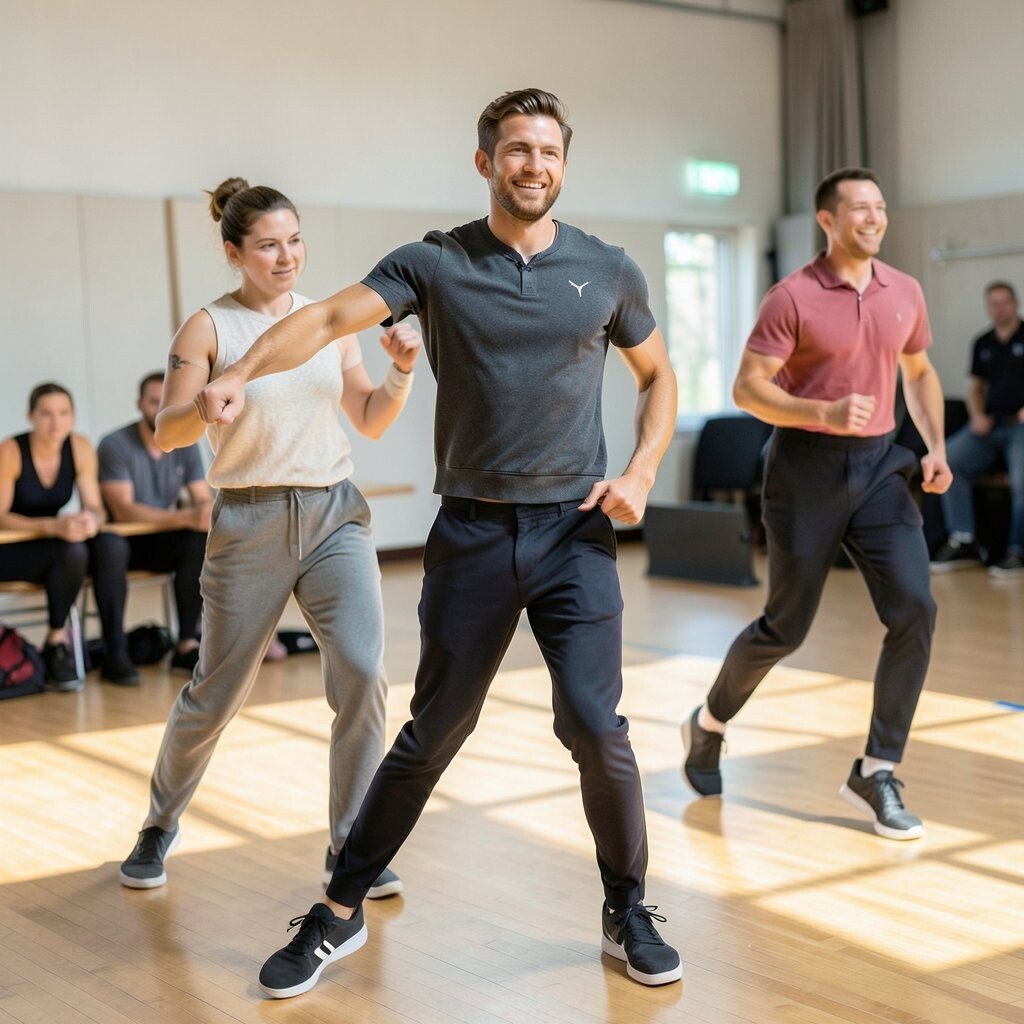
Play short clips of songs and give dancers only a small amount of time for each one. They must move fast and keep up as the music changes.
This is a good way to bring energy to the room without needing a long setup. It can also help people react quickly and stay focused under pressure.
Use a playlist with clear changes so the round feels fair. You can also let each person pick one clip, which makes the game feel more personal.
24. Dance Off in the Dark
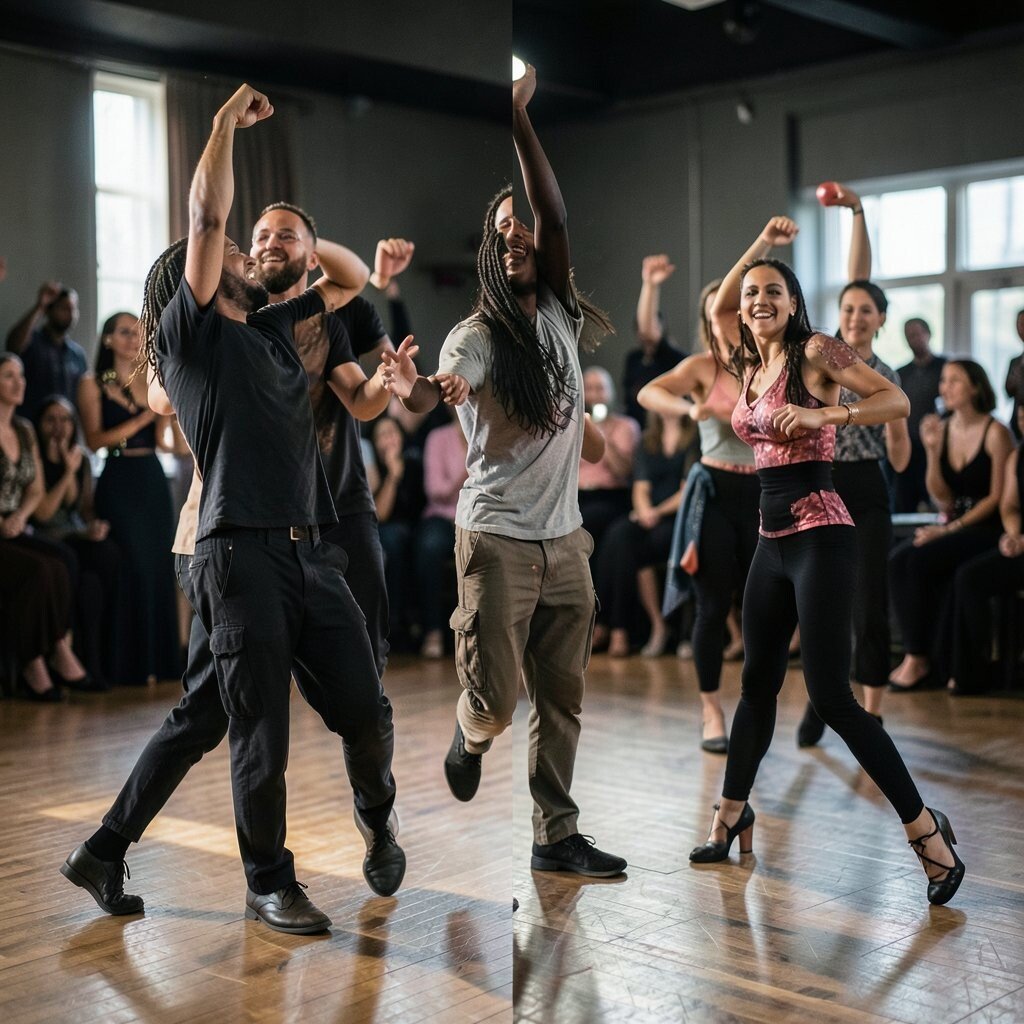
Dim the lights and use glow sticks, flashlights, or phone lights for a fun effect. The room will look different, and the moves may feel more bold.
This style can make simple steps look new because the light shapes catch the eye. It also works well for night parties and indoor events with a small crowd.
Keep the floor clear for safety and use soft light that does not blind anyone. Glow items are often cheap, so this can be a low-cost way to add style.
25. TikTok Style Remix
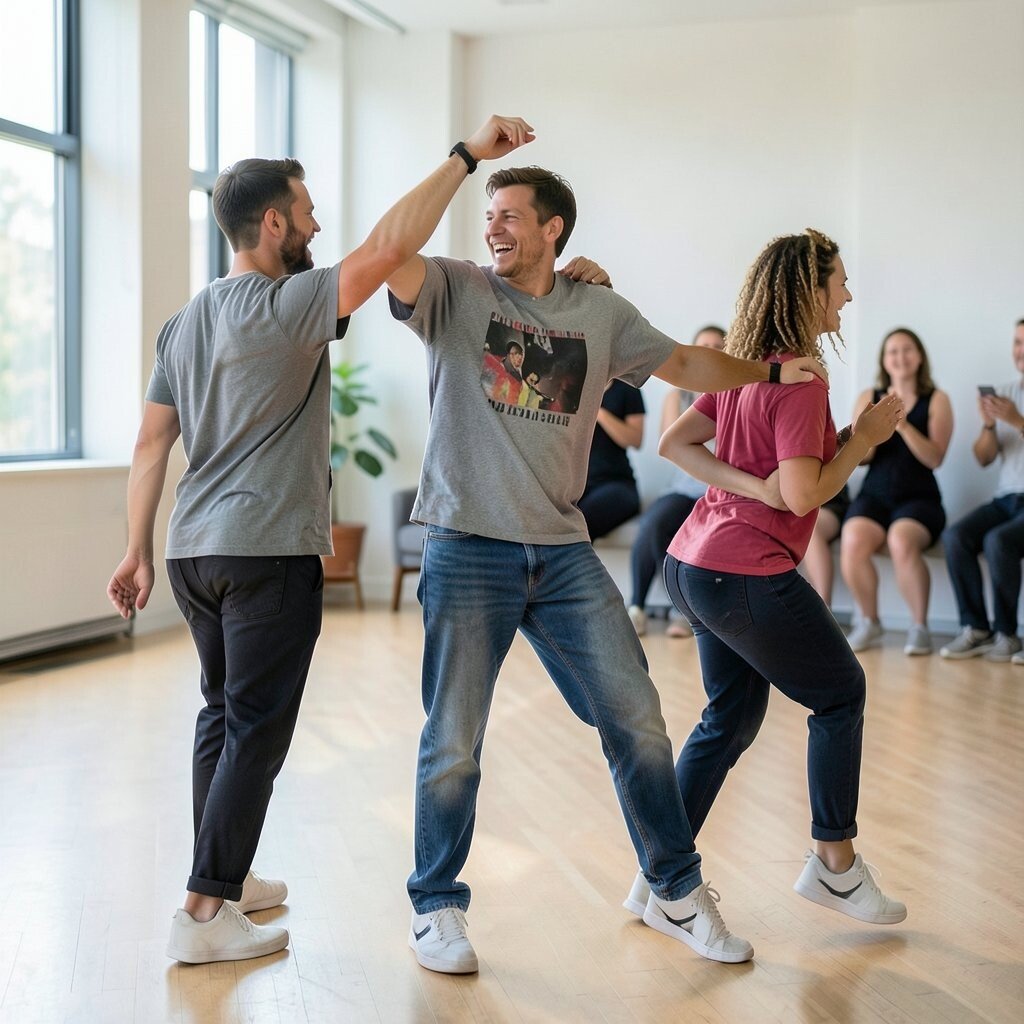
Use short dance ideas that people know from online clips, then change them a bit. Dancers can mix two trends, add a funny move, or make the steps their own.
This keeps the game current and easy for people who like social media dance styles. It also gives room for personal taste, since each dancer can add a small twist.
Do not copy a clip exactly if you want a fresh round. A remix can be more fun than a perfect repeat, and it may fit the group better.
26. Battle With a Theme
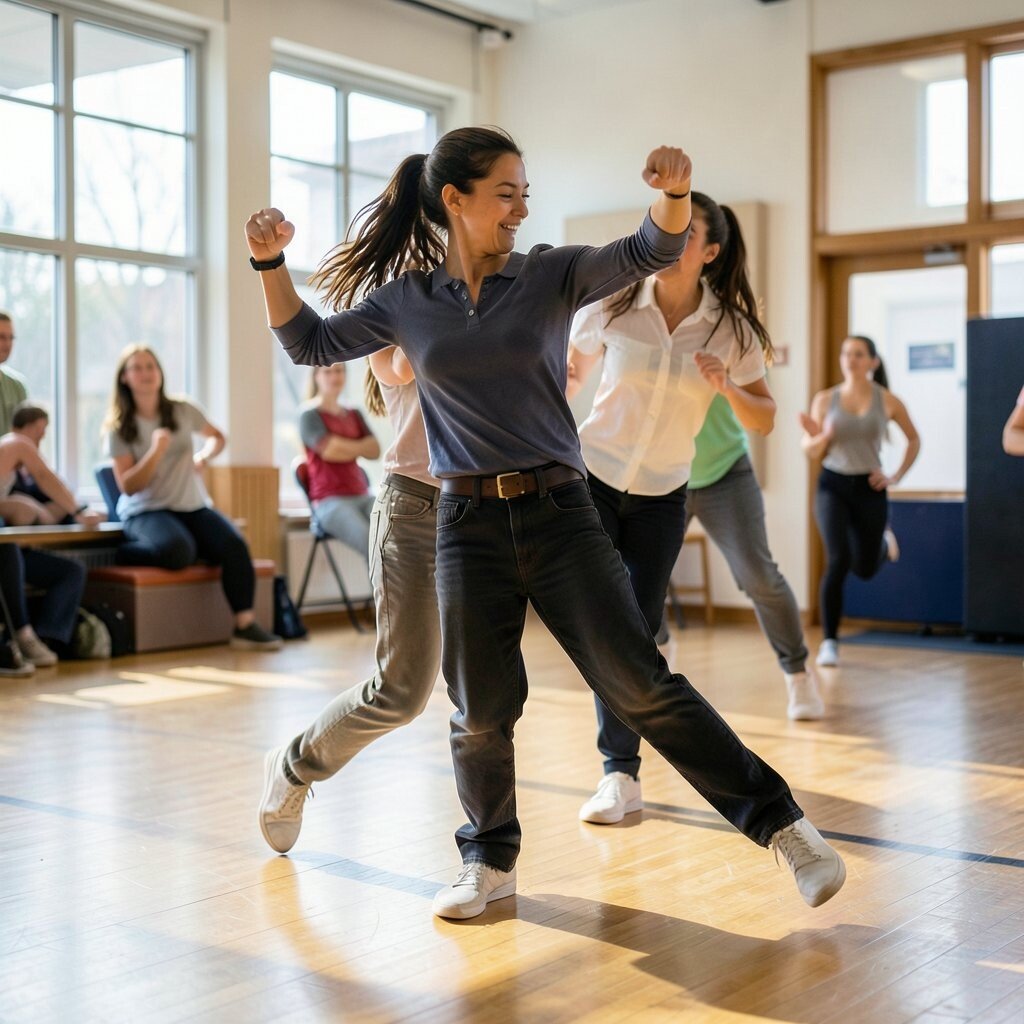
Pick a theme such as beach day, school day, space trip, or party at home. Dancers must make their moves fit the theme in some clear way.
This helps the dance off feel more focused and gives people ideas when they get stuck. It can also make the event look better because the moves and clothes match.
Use simple props or colors to support the theme. A theme can be done on a small budget if everyone uses things they already have.
27. One Move, Many Ways
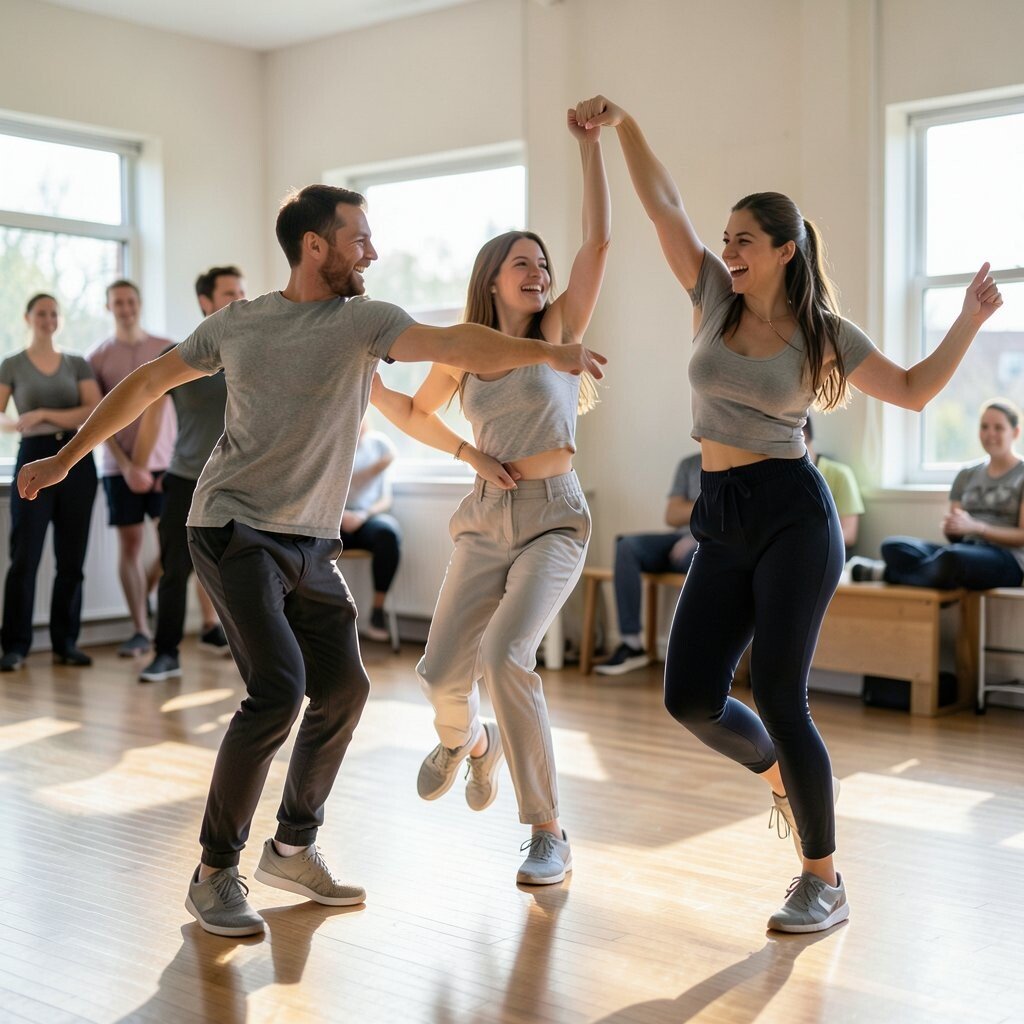
Choose one move, like a spin, step, wave, or bounce, and have everyone change it in their own way. The goal is to keep the same base move while making it feel new.
This can help dancers see how much style can come from one simple idea. It also builds confidence because the move stays familiar even as the shape changes.
Try this with music from different styles to make the changes more clear. You can also ask people to make their move big, small, fast, or slow.
28. Dance Off Relay
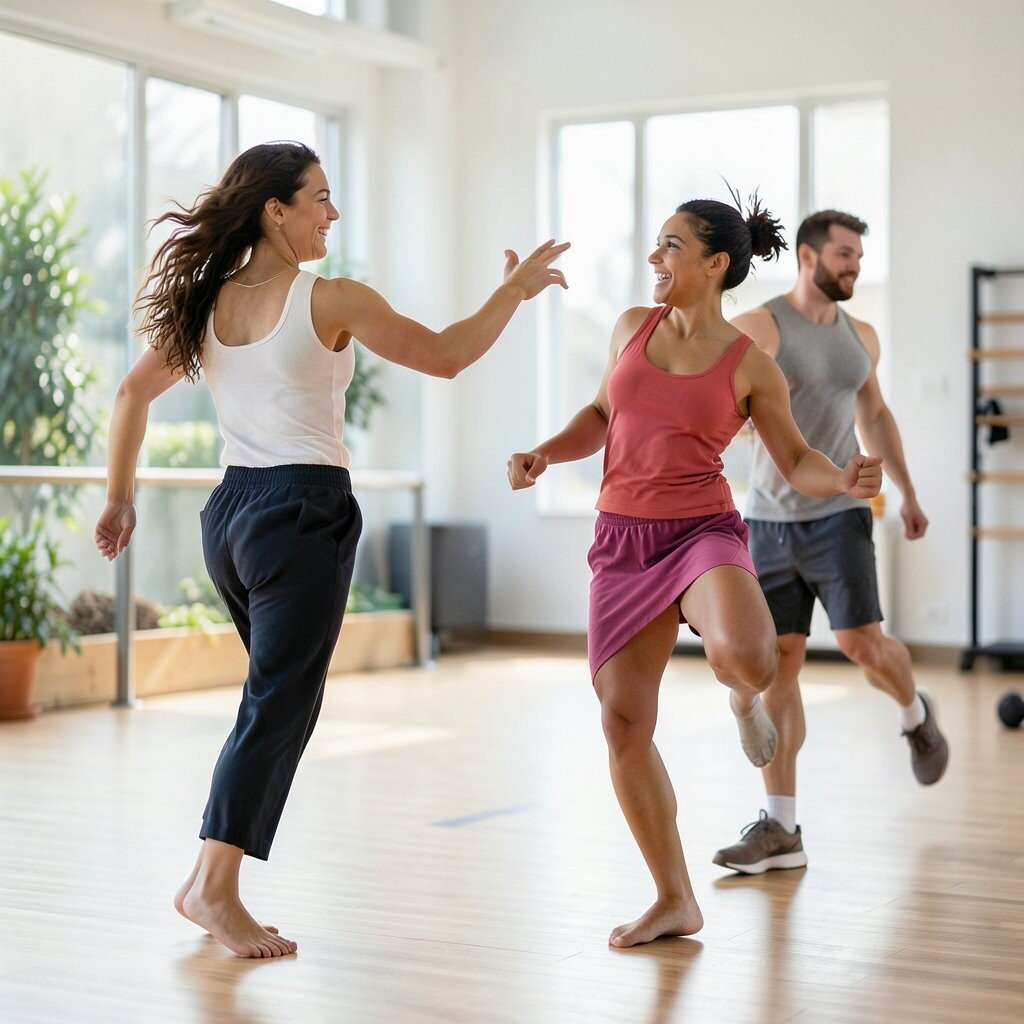
Split into teams and have each person dance for a short turn before tagging the next dancer. The team keeps going until everyone has had a chance.
This format adds teamwork and keeps the game moving at a good pace. It can also help larger groups stay involved instead of waiting too long.
Use a clear start and stop point so the relay feels fair. A simple cone, chair, or line on the floor can work as the tag spot.
29. Crowd Choice Dance
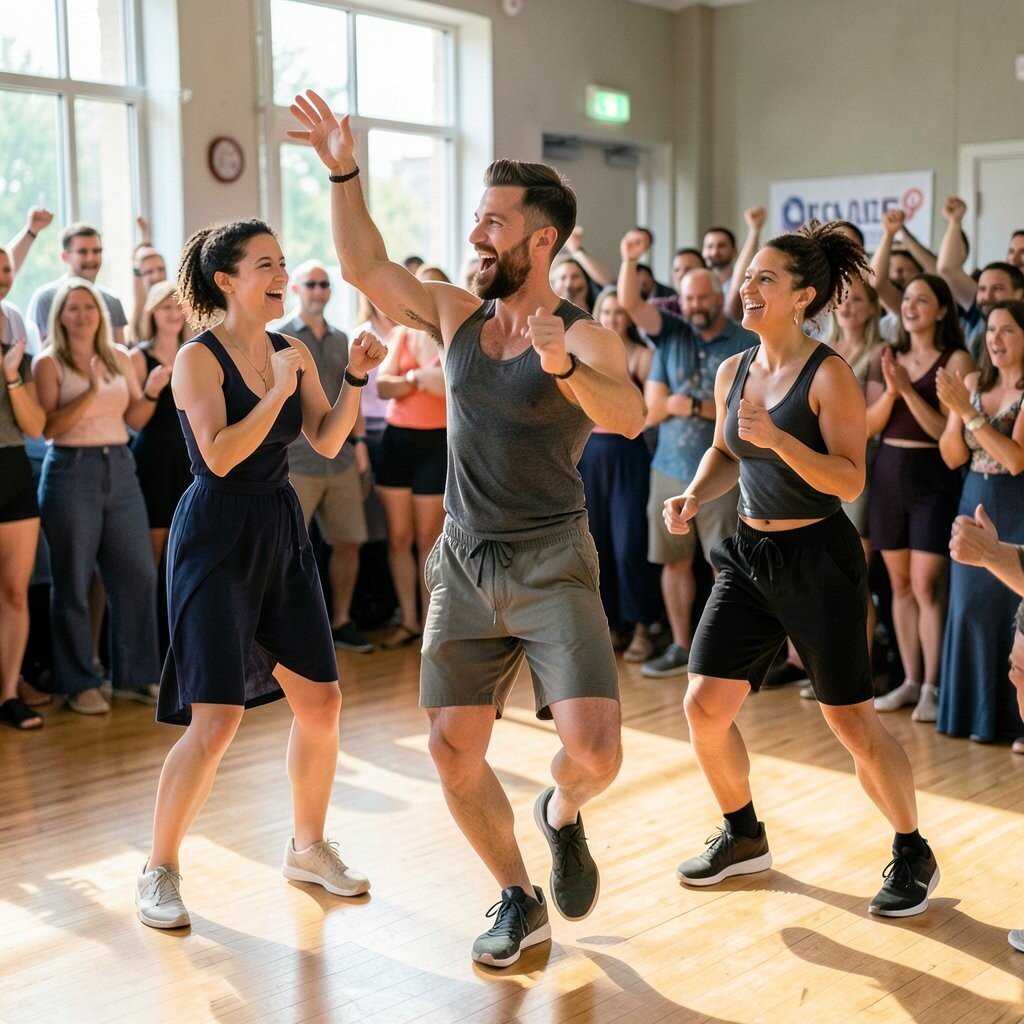
Let the crowd choose the song, style, or next move for each dancer. The audience becomes part of the game, which can make the room feel more alive.
This works well when you want more group input and less planning. It also helps dancers adapt, since they must handle choices they did not make.
Keep the choices simple so the round does not drag. If you want a trend feel, use quick vote cards or a phone poll to make the picks.
30. Battle of the Big Finish
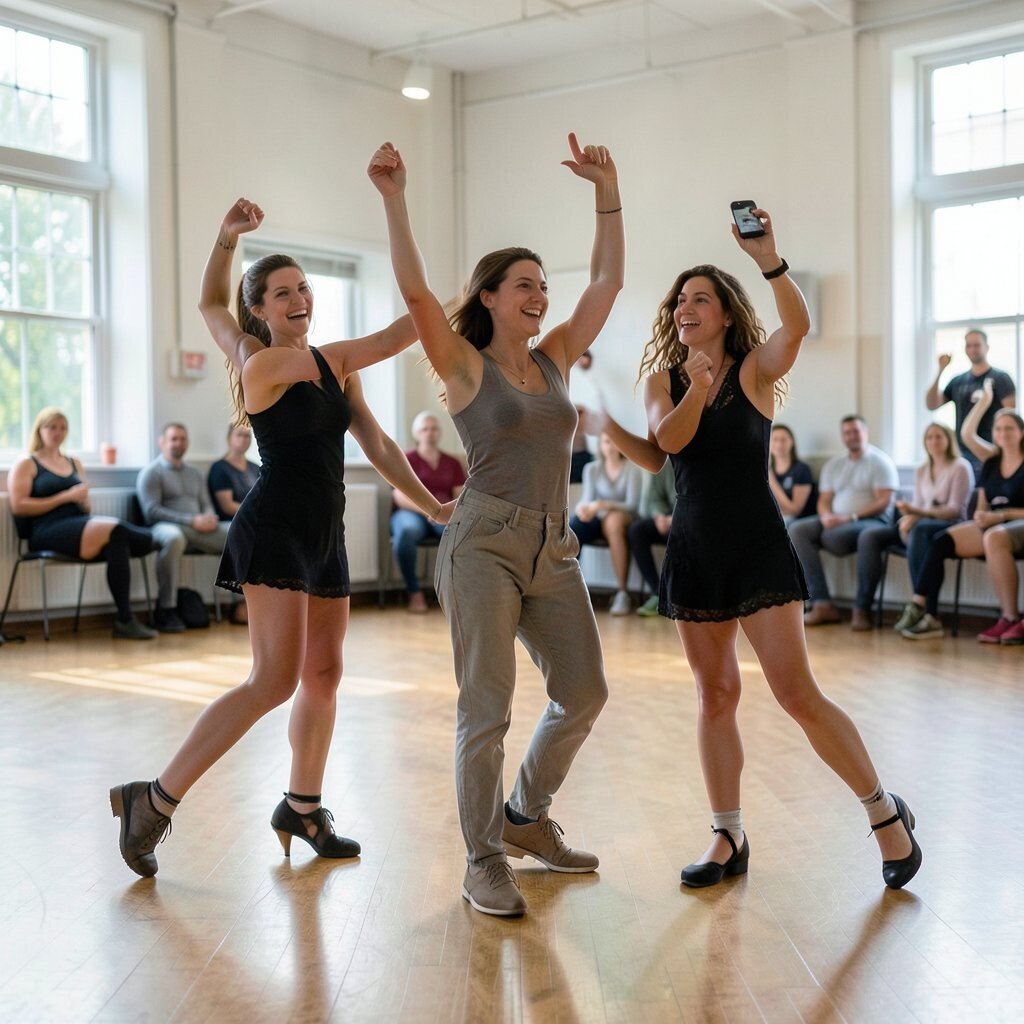
Here the main goal is to end with the biggest final move you can make. Dancers can jump, spin, drop into a pose, or use a sharp final step.
This gives the round a clear last moment and makes the crowd pay close attention. It also teaches timing, since the finish should match the end of the song.
Practice the ending a few times so it feels smooth. A strong finish costs nothing, but it can make even a simple dance look more planned.
31. Your Own Signature Round
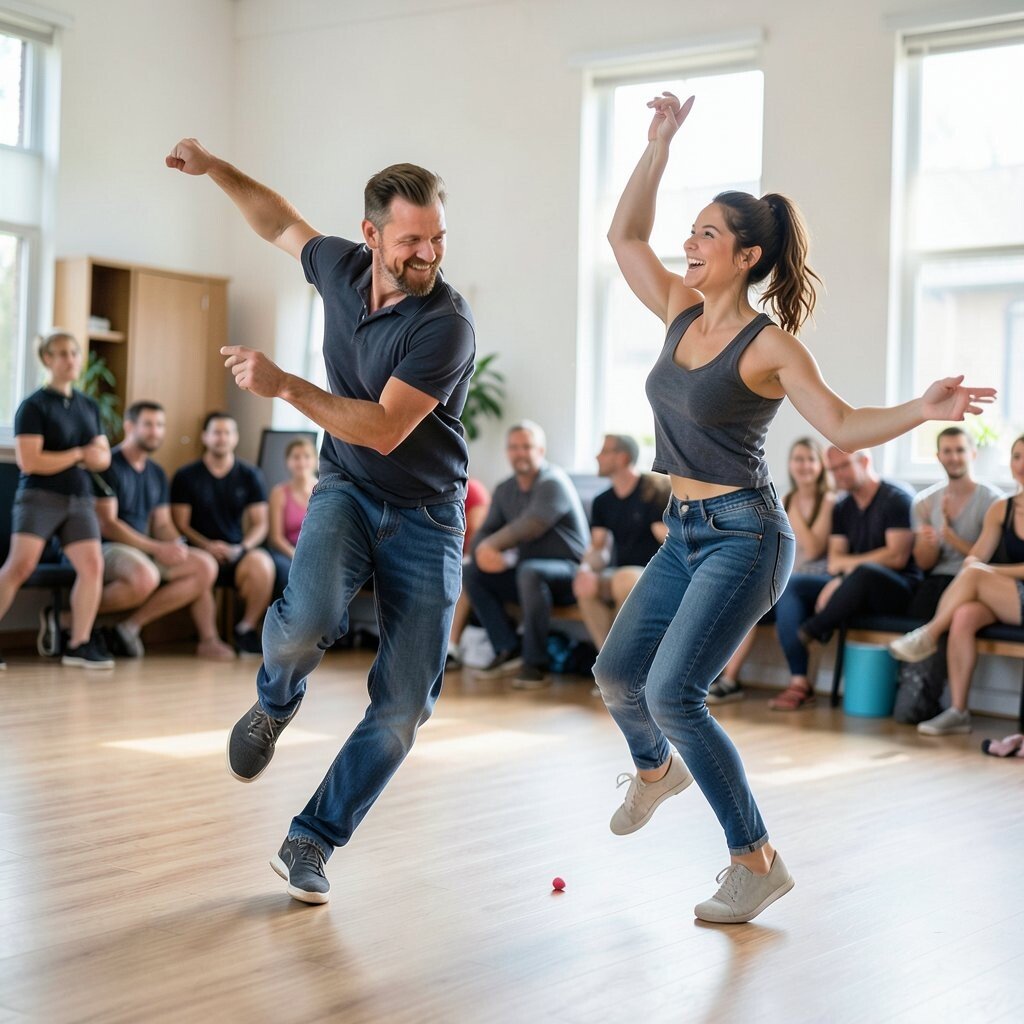
In this dance off, each person makes one move that feels like them. It can be a step, hand sign, turn, bounce, or pose that friends can spot right away.
This is a nice way to end a party game list because it gives full room for style. It can also help people feel proud of their own way of moving, not just copied steps.
Ask each dancer to keep the move short so others can learn it fast. A signature round can be low-cost, easy to set up, and very personal at the same time.