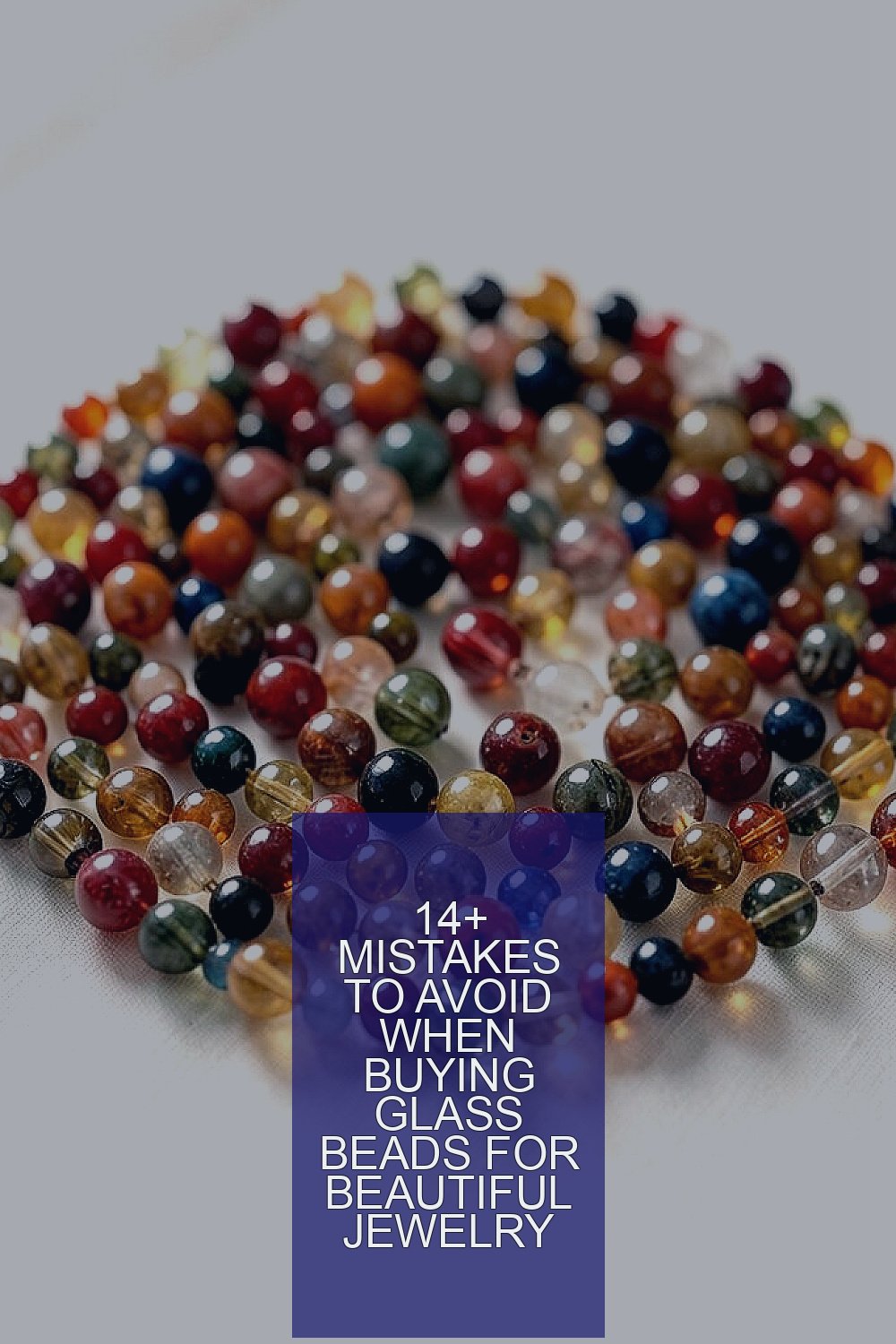
The moment you spot shiny glass beads in a tray, your creative brain starts racing. The trick is buying the right ones so your finished jewelry looks amazing and feels great to wear.
Small mistakes can lead to dull color, weak stringing, or beads that never match your vision. Use the points below to shop with confidence and pick beads that truly belong in your next piece.
1. Choosing Beads by Color Alone

You may fall in love with a color in a photo, but glass can look different in real life. One bead might glow under warm light while another turns flat in daylight.
Look for how the color behaves across the bead’s surface, including any speckle, swirl, or glow effect. Hold a few beads near your wrist or next to fabric you plan to wear them with, then imagine them in motion. This helps you choose beads that stay beautiful in everyday lighting, not just on a screen.
2. Ignoring the Bead Size for Your Design

Many shoppers grab whatever beads look pretty and only later notice the scale feels off. Big beads can overwhelm delicate chains, while tiny beads can disappear on a bold bracelet.
Match bead size to the design style you want, like airy accents for small clusters or strong focal points for larger shapes. Measure the finished space you have, including clasp and spacing, so your layout has room to breathe. When your sizing fits the plan, your jewelry will look balanced from the first glance to the last clasp.
As you shop, picture the bead on your body and think about comfort as well as style. Lighter, smaller beads can feel nicer for long wear, while heavier beads may suit shorter statement pieces. Choosing with size in mind helps you get the look you want without surprises.
3. Overlooking Surface Finish and Texture

Glass beads can be smooth, faceted, matte, or slightly textured, and each surface reflects light in its own way. If you only check the color, you might miss that some beads feel slick while others catch light beautifully.
Run a bead gently between your fingers to understand its texture before committing. Smooth beads often slide easily and pair well with tight, polished designs. Textured finishes can add personality and make even simple patterns look lively.
Also pay attention to any intentional roughness or coating, since it can affect how the bead matches other materials. When you mix finishes, aim for harmony so the jewelry feels planned, not random. A thoughtful surface choice gives your piece a polished, designer-ready feel.
4. Buying Without Checking Hole Size and Thread Compatibility

The hole size is one of those details that can ruin your day if you ignore it. Too-small holes can damage thread, while too-large holes can cause sliding and uneven spacing.
Before buying, test with the stringing material you plan to use, such as wire, nylon thread, or beading cord. Consider the needle size too, since glass can be tricky when you push through repeatedly. Choosing compatible holes helps your beads sit neatly and keeps your knots or crimps secure.
5. Skipping Quality Checks on Color Coating and Coating Wear

Some glass beads have coatings or painted layers that look rich at first, then fade with handling or friction. If you plan to wear your jewelry often, durability matters as much as beauty.
Examine beads for uneven paint coverage, chips, or tiny scratches that catch the light. Try rubbing two beads together lightly, then check for transfer or dull spots. When the surface holds up, your design stays crisp instead of slowly losing its charm.
Because trends now favor bold color pops and layered looks, your beads should handle daily wear without becoming dull. Buying better quality now can save money later because you won’t need to replace pieces that don’t last. You’ll also enjoy a smoother stringing process when the bead surface is intact.
6. Confusing Similar-Looking Glass Types

Not all glass beads are made the same, and that difference shows up in sparkle, weight, and finish. Some beads look like fine gems, while others lean more toward playful craft beads.
Pay attention to whether beads are handmade lampwork, pressed glass, or other glass styles, since each type gives a different vibe. Handmade beads often show tiny variations that make them feel personal and one-of-a-kind. If you know the bead type, you can pick pieces that match the mood of your jewelry.
7. Ignoring Shape Differences That Affect How Beads Sit

Two beads can both be called “round,” yet one might be slightly oval or have a unique silhouette. That tiny difference changes how the bead rolls and how it lines up with neighbors.
Choose shapes based on how you want your pattern to behave, like smooth loops, crisp angles, or a soft drape. Faceted shapes can create dramatic reflections, while rounded shapes keep the look gentle. If your design includes patterns, lay out sample rows first so the shapes align the way you imagined.
When you plan for shape, you avoid a common frustration where your bracelet looks great on the table but shifts awkwardly on the wrist. A little pre-check also helps you estimate how many beads you need. Your final piece will feel more comfortable and look more “put together.”
8. Forgetting About Bead Weight and How It Changes Comfort

Heavier beads can turn a cute design into something you want to take off quickly. Glass is gorgeous, but weight adds up fast when you stack many beads.
If you love a bold look, balance heavier beads with lighter ones or use them as accents rather than the full base. Think about the wearer’s comfort, especially for earrings and bracelets that move with daily life. Picking a good weight mix helps your jewelry stay wearable, not just photogenic.
9. Not Considering Current Trends in Color and Finish
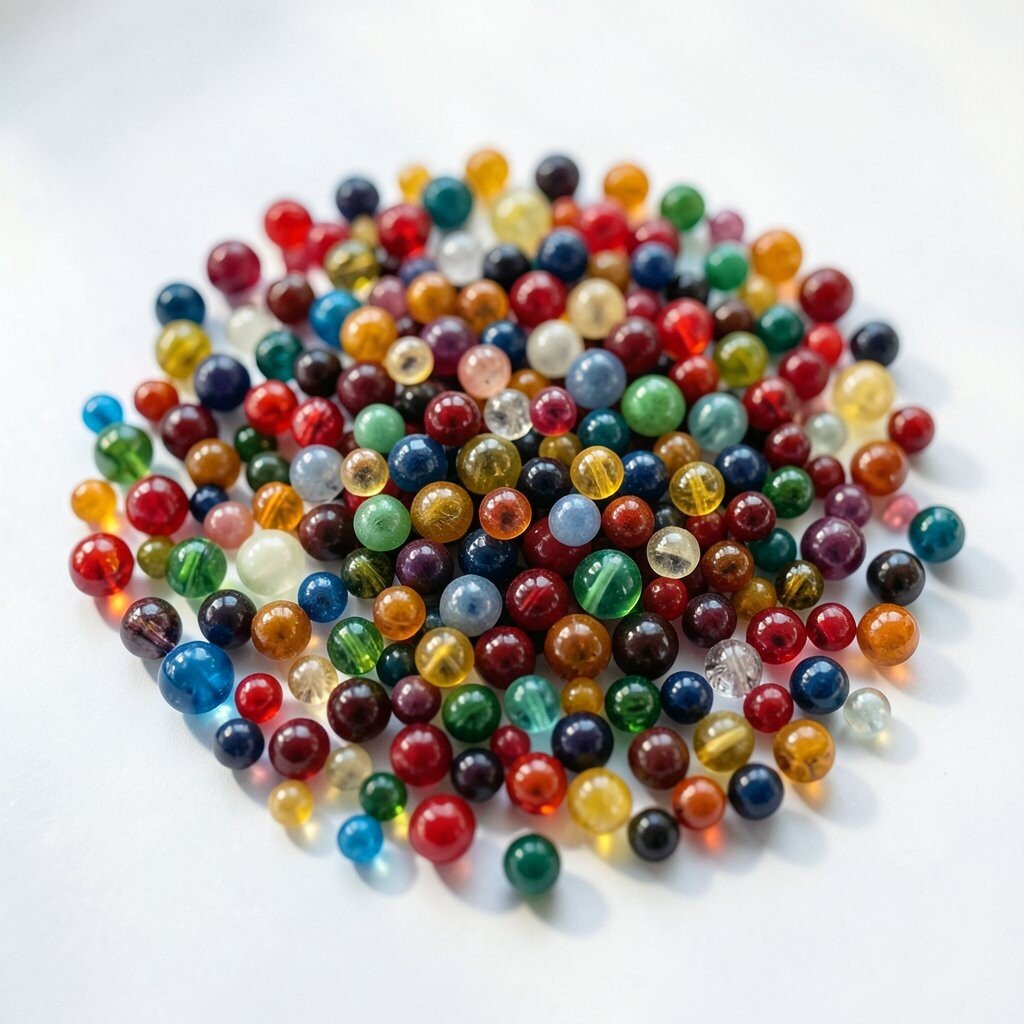
Jewelry trends change, and right now many people love rich jewel tones, glossy finishes, and glass beads that look slightly magical. That “caught in the light” effect is a big draw in modern designs.
Look for beads with depth, like iridescent glows, crackle textures, or gentle gradients that feel current without copying anyone. You can also blend trend colors with classic neutrals so your piece lasts beyond a season. Matching your bead choices to what people are craving helps your finished jewelry feel fresh.
10. Buying Too Many Beads Without a Clear Plan
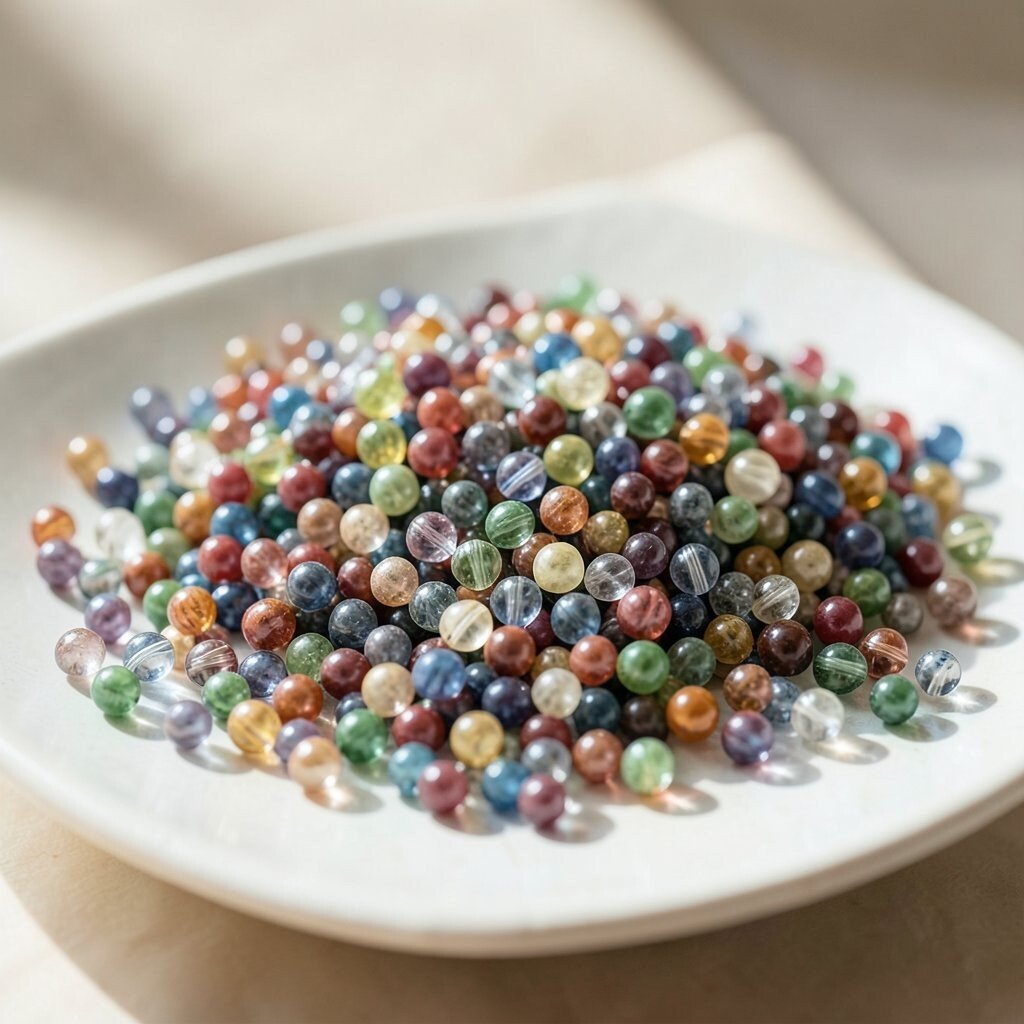
It’s tempting to stock up when you see a variety you like, but random purchasing can lead to leftovers you never use. When beads don’t match in tone or size, your creativity gets stuck.
Bring a small plan to the shop by selecting a target color family and a rough layout idea, even if you keep it flexible. Shop for enough beads to complete one piece, then save extra options for the next project. This strategy keeps your budget calmer and helps you finish things you will truly wear.
You can even take a photo of the colors you choose and compare them later at home. That simple step helps you avoid the “same color, wrong shade” problem. With a focused approach, your pieces start looking intentional from the first bead.
11. Underestimating Total Cost Beyond the Beads
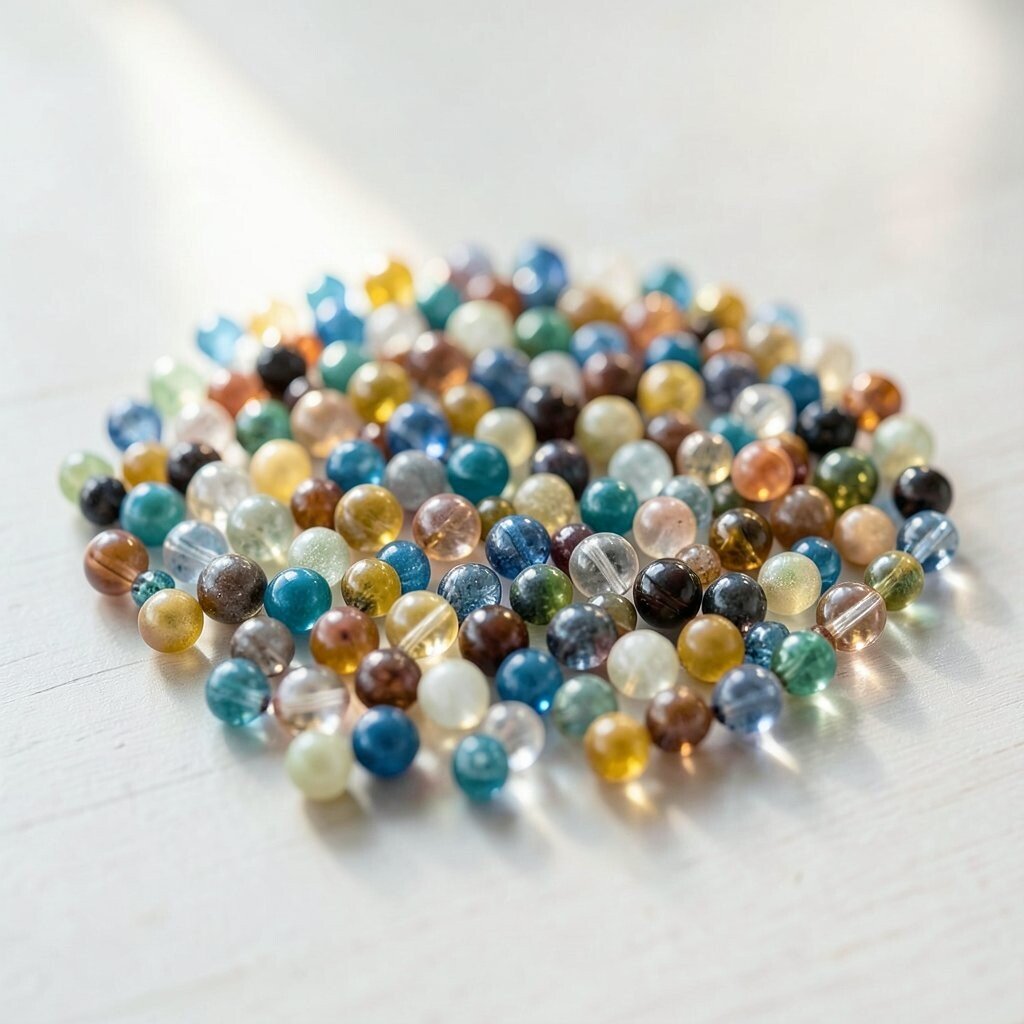
The price per bead can look reasonable, then the final total jumps when you add shipping, stringing supplies, and extra beads for mistakes. Glass beads also sometimes require more time to sort and match.
Factor in materials like thread, wire, crimp covers, clasps, and any tools you need for secure finishing. If your beads are pricey, consider buying smaller quantities for focal areas and using more budget-friendly beads for the rest. Smart balancing lets you keep the wow factor without overspending.
When you watch for discounts, remember that shipping cost and return policies matter too. Buying from sellers with clear descriptions can reduce the chance of ordering beads you can’t use. Thinking about the full budget helps you create beautiful jewelry without stress.
12. Ignoring Variations Between Batches and Listings
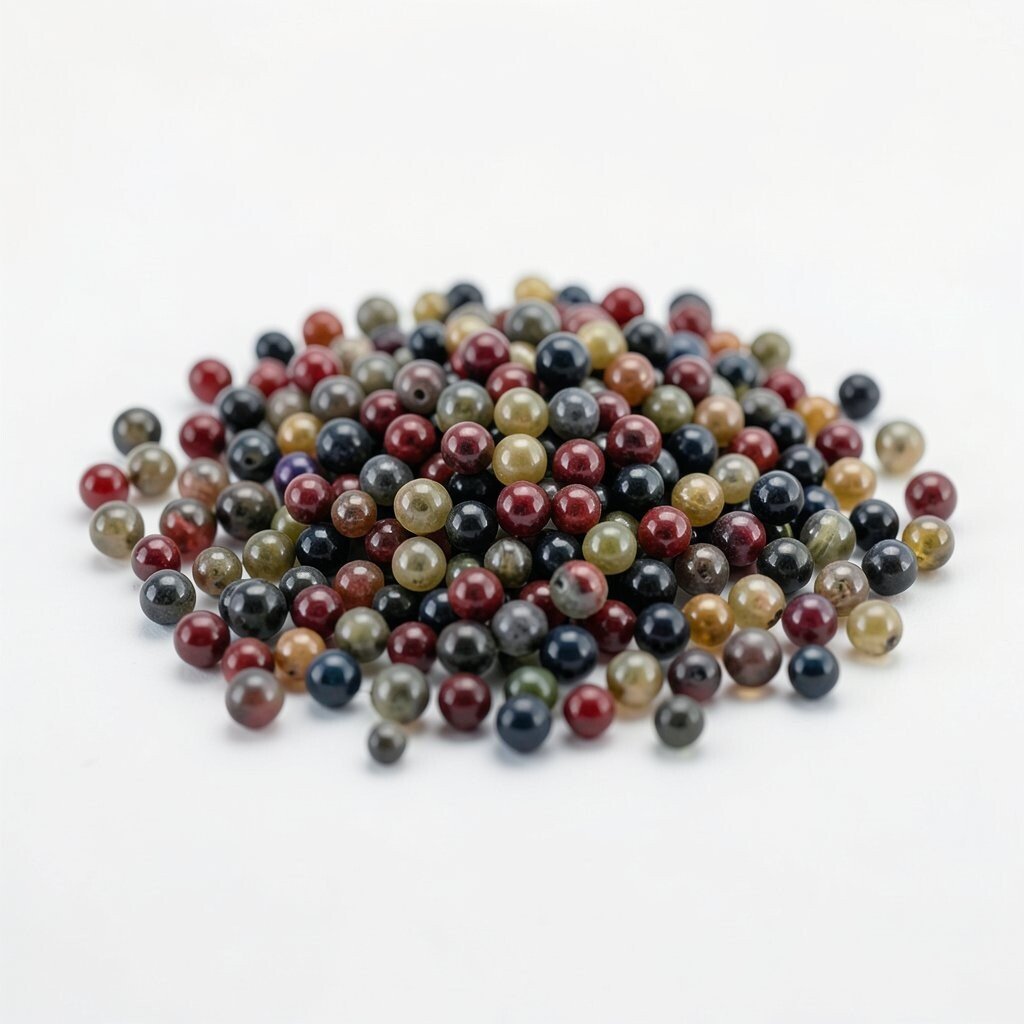
Even within the same style, glass beads can vary from batch to batch in color intensity and sparkle. You might love the first set, then the second set arrives and looks slightly different.
Try to buy the full amount you need in one go when possible. If you must add later, compare photos or request more details from the seller before ordering. Sorting beads by shade at home also helps you create even gradients and consistent patterns.
Batch variation is also where uniqueness can shine, but only when you plan for it. For example, you can use slightly different shades to create a fade effect across a necklace. Planning turns a potential mismatch into a design feature.
13. Using the Wrong Finish Pairings With Metal and Findings

Beads don’t live alone, and the metal findings you pick can make or break the final look. Silver-tone beads can look dull with one finish, while warm gold-tone beads can clash with the wrong undertone.
Check bead undertones by holding them near different metals, like silver, gunmetal, and gold. If the glass has warm red or amber notes, gold-tone findings often feel more natural. If the beads lean cool with blue or green, silver-tone or gunmetal can flatter the sparkle.
Also think about style consistency, since glossy beads pair differently with matte clasps. When your beads and findings share a visual language, your jewelry looks expertly matched. This detail gives your work that “shop-bought quality” feel.
14. Neglecting Safety and Edge Care for Handling

Even beautiful glass can have sharp edges, especially when holes are drilled or when beads have chips from shipping. Handling careless beads can snag thread or even cause irritation when you wear finished jewelry.
Inspect holes and edges under good light, and smooth any tiny snags using proper techniques if needed. Consider adding simple finishing steps, like using crimps and protective components, to keep the thread secure. Taking a few minutes for safety helps your jewelry stay comfortable and sturdy.
Also think about storage, because beads can scratch each other in a bag. Use small compartments or soft pouches to keep the shine intact. When your beads arrive in great condition and stay that way, your final piece will look better longer.
15. Forgetting to Personalize for the Wearer and the Occasion

The most beautiful jewelry feels like it belongs to someone, not like it was pulled from a random rack. When you buy beads without thinking about the wearer, the piece may look pretty but feel missing.
Personalize by choosing colors connected to favorite outfits, meaningful memories, or a shared hobby. You can also customize bead placement, like adding a brighter focal bead near the center of a necklace or using softer tones for everyday wear. This approach makes the jewelry feel thoughtful and special.
Consider current styling trends too, such as mixing textures, layering shorter and longer necklaces, and pairing bold earrings with simple chains. Your beads can still fit the trend while keeping the design personal. When you shop with individuality in mind, you end up with jewelry people want to wear again and again.