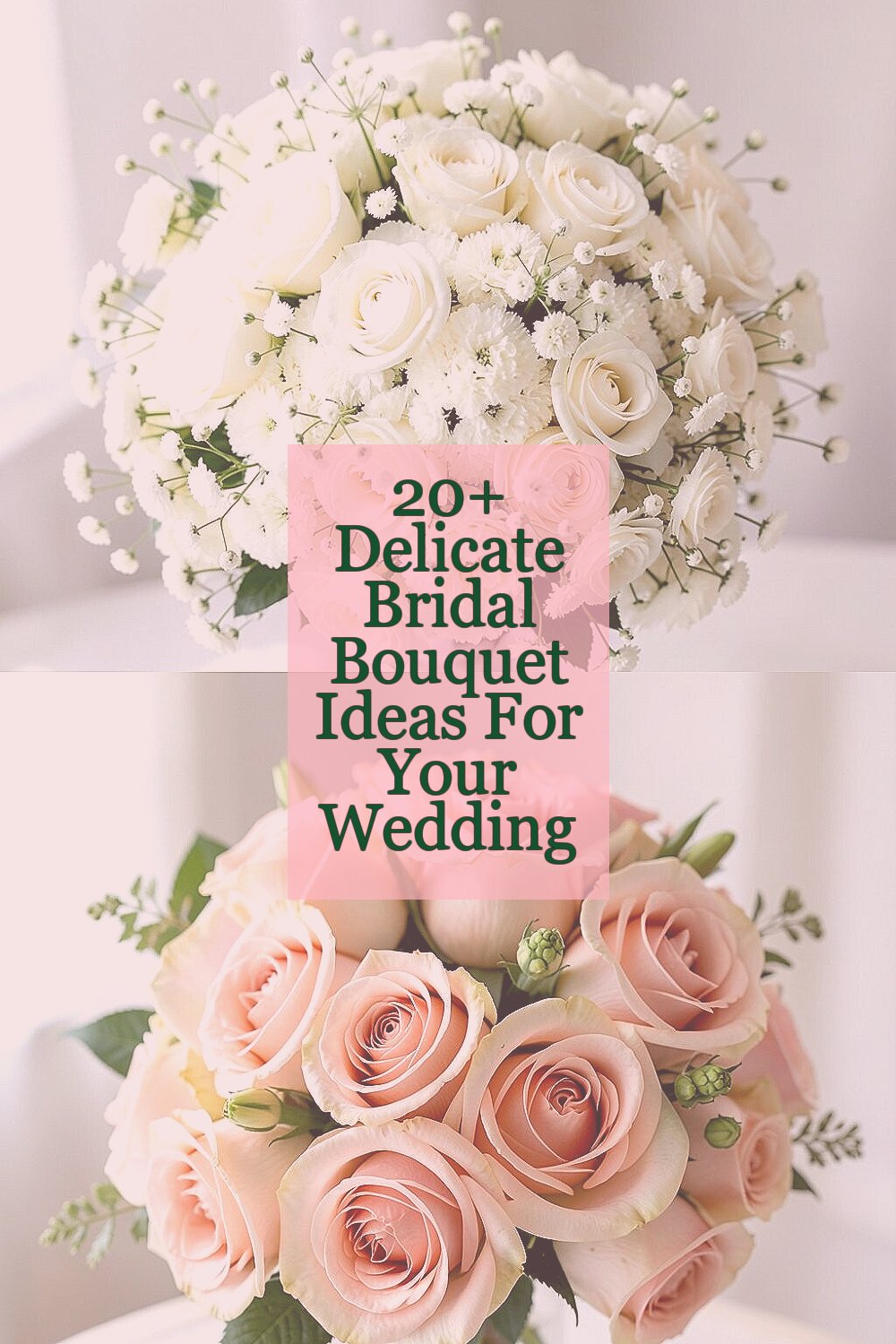
Your bouquet can feel like a love letter you carry all day. The right blend of petals, textures, and color can make every photo look soft and dreamy.
Try these ideas to find something delicate yet unforgettable, built for your style, budget, and wedding day timeline.
1. Whisper-Soft Gypsophila Cloud
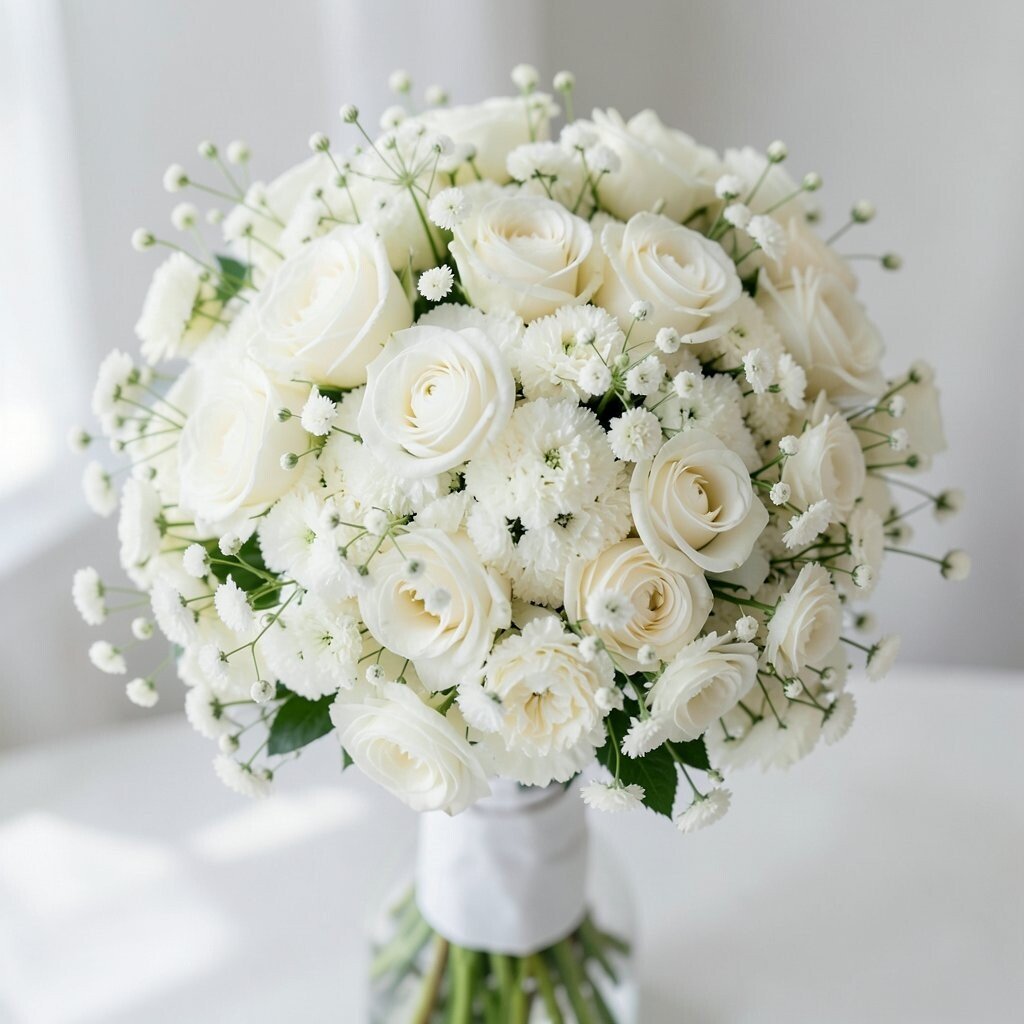
Think of airy baby’s breath-like blooms that look like a tiny snowfall around your wrist. Their pale, feathery texture creates a gentle halo that photographs beautifully from every angle.
To keep the look delicate, choose small bunches and avoid overstuffing the stems. This style is budget-friendly because you can use fewer focal flowers and rely on volume from the airy greenery.
For personalization, tuck in a few ribbon loops that match your dress buttons or veil trim. If you want it to feel more modern, add a thin satin ribbon in a cool tone like dusty blue or soft silver.
2. Blush Roses With Silk-Like Petals
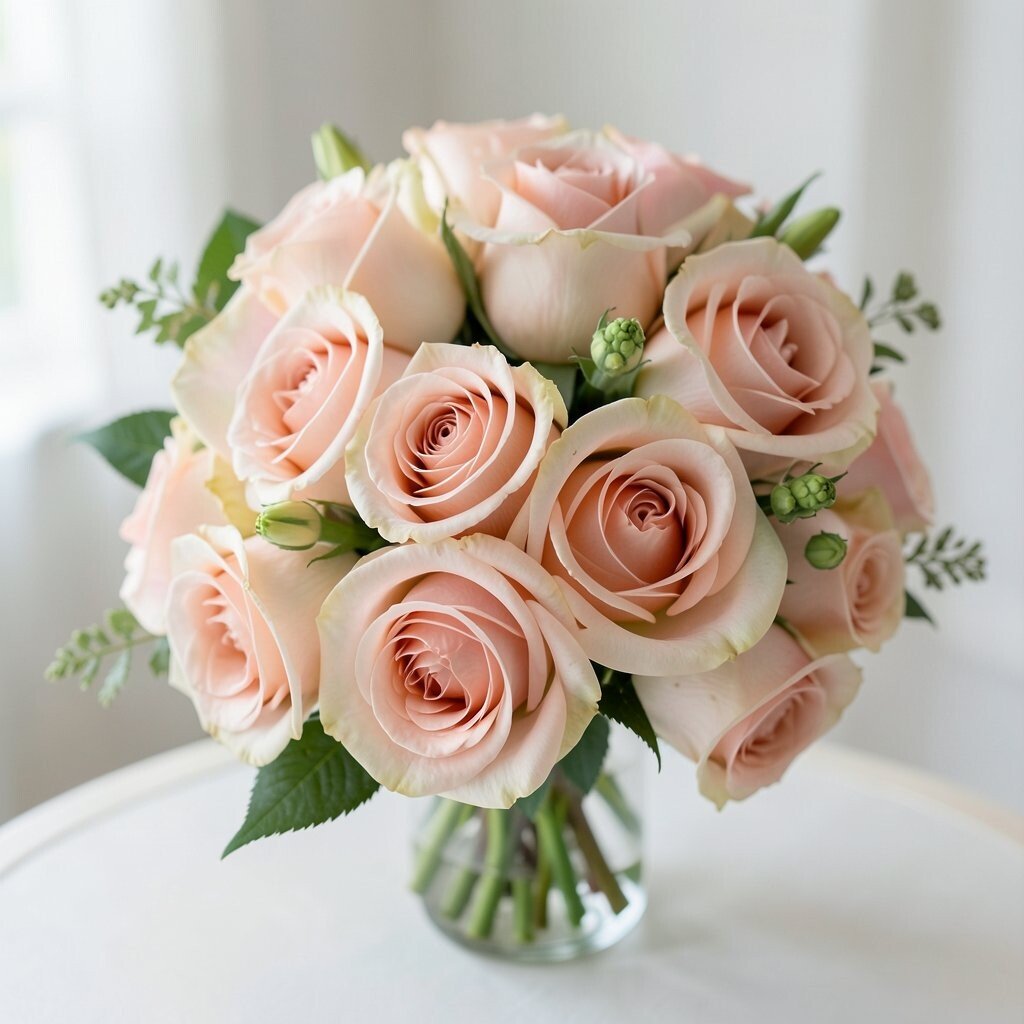
Choose blush roses that open slowly, showing layers that look like satin. They give a romantic vibe without heavy, dramatic colors.
You can balance the softness by adding a small amount of pearl-toned filler and light green leaves. This bouquet stays classic, and it’s easy to re-create with seasonal availability.
For practical comfort, pick rose varieties known for strong stems so the bouquet holds up through photos and dinner. If your wedding is outdoors, mist the petals lightly before you leave the venue.
3. Garden Ranunculus in Cream and Peach
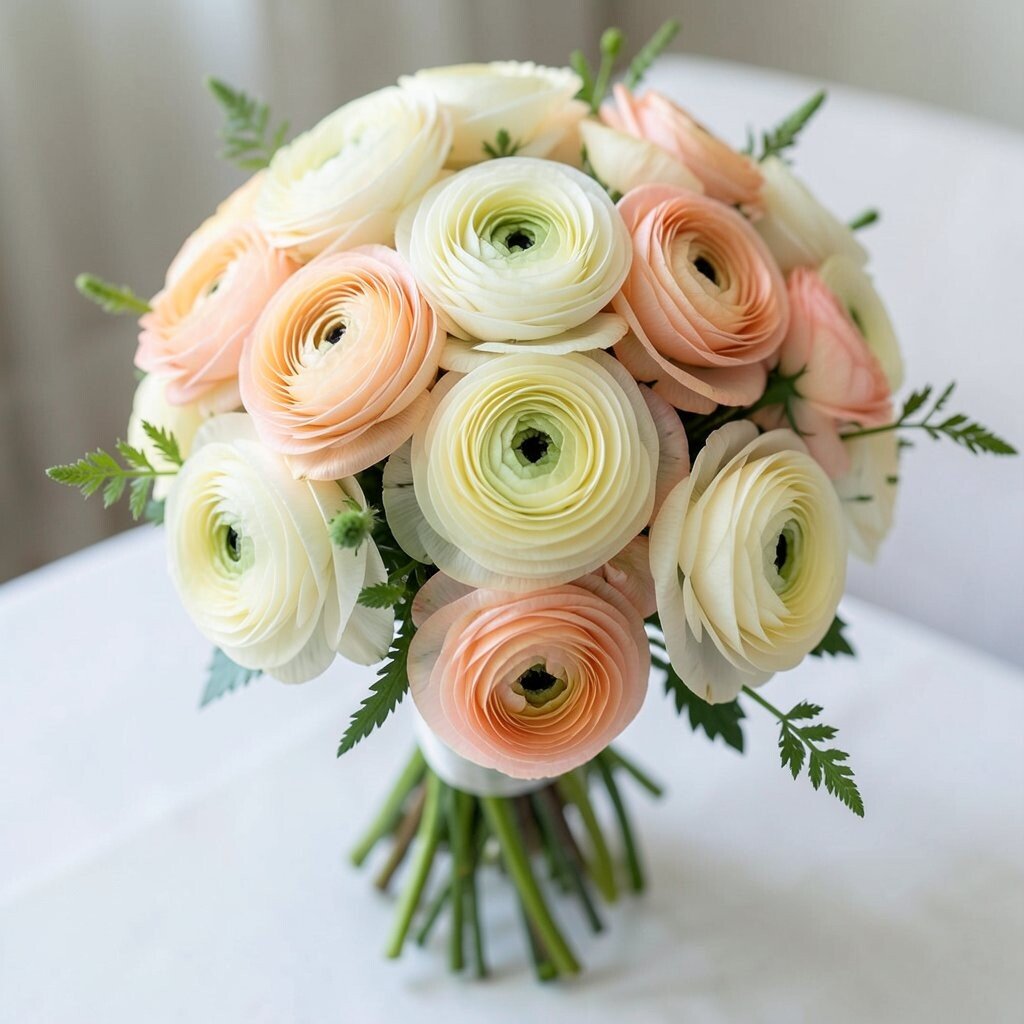
Ranunculus blooms look like tiny rosettes, with petals that curl into neat spirals. In cream and peach tones, they create a delicate “just picked” feeling.
Pair them with soft foliage like eucalyptus or ruscus for a light scent and airy movement. This combination feels fresh and unique compared to the usual all-rose bouquets.
To keep it practical, aim for a mixed stem count so the blooms sit evenly without sagging. You can also ask your florist to add a small foam-free support wrap to hold stems together.
Personalize with a charm or small locket tied near the ribbon, especially if you want something sentimental but understated. If you’re watching costs, pick ranunculus as the main bloom and keep secondary flowers minimal.
4. Anemone Accents With Buttery Centers
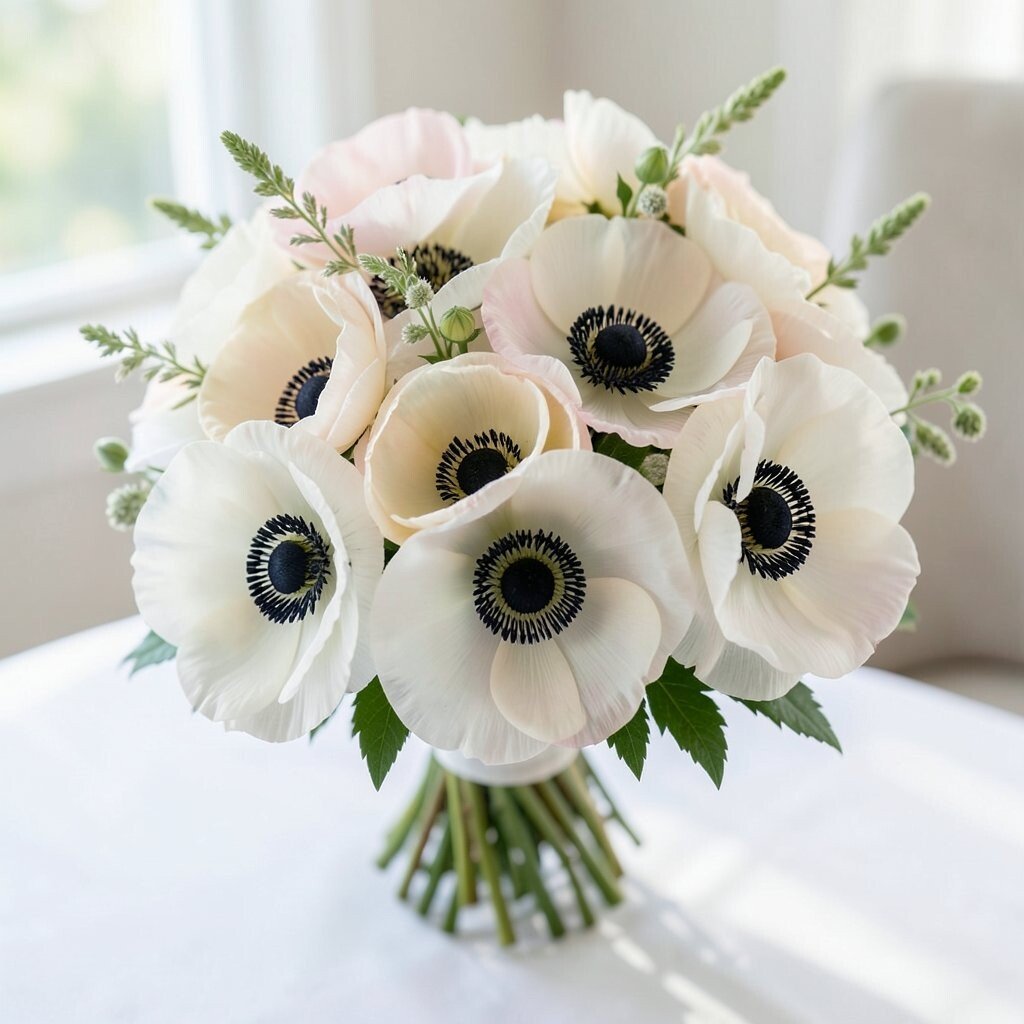
Anemones have dark, buttery centers surrounded by delicate petals. That contrast makes your bouquet look artistic while still feeling light and bridal.
Use fewer blooms and more negative space so the flowers look intentional, not crowded. This is a great option if you want uniqueness without going bold on color.
5. Peony-Look Bouquet Without the Peony Pressure
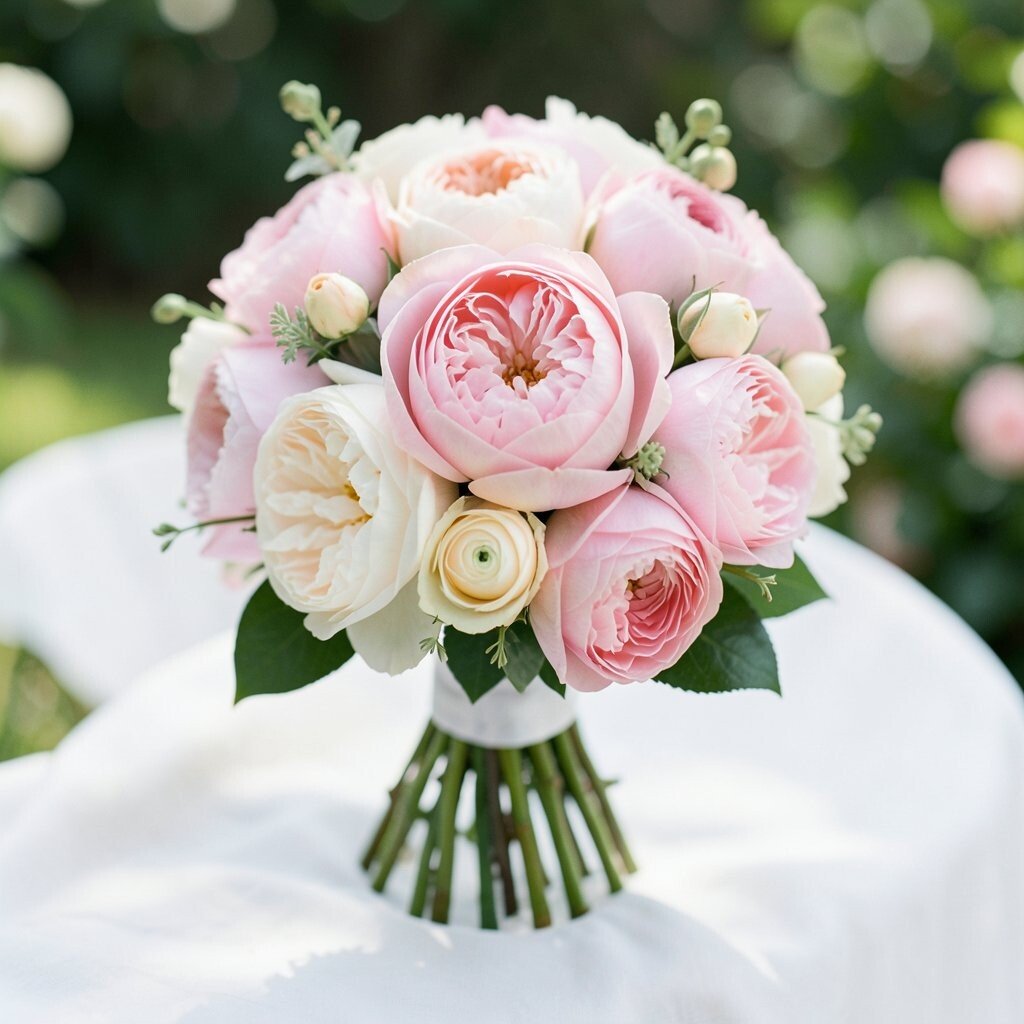
If peonies are in your dream list, you can get a similar vibe using peony-inspired blooms or mix-and-match garden flowers with layered petals. The result looks lush, yet still delicate because the palette stays soft.
Choose dusty pink, warm cream, and pale blush to keep the overall mood gentle. This approach can also help with cost, since peony-type options may be more available at different times of year.
For personalization, add a small sprig of sweet-smelling herbs like rosemary or lemon thyme for a subtle, refreshing twist. Ask your florist to shade the greens so they blend smoothly with your dress tone.
6. Wildflower-Inspired Stems With a Neat Shape
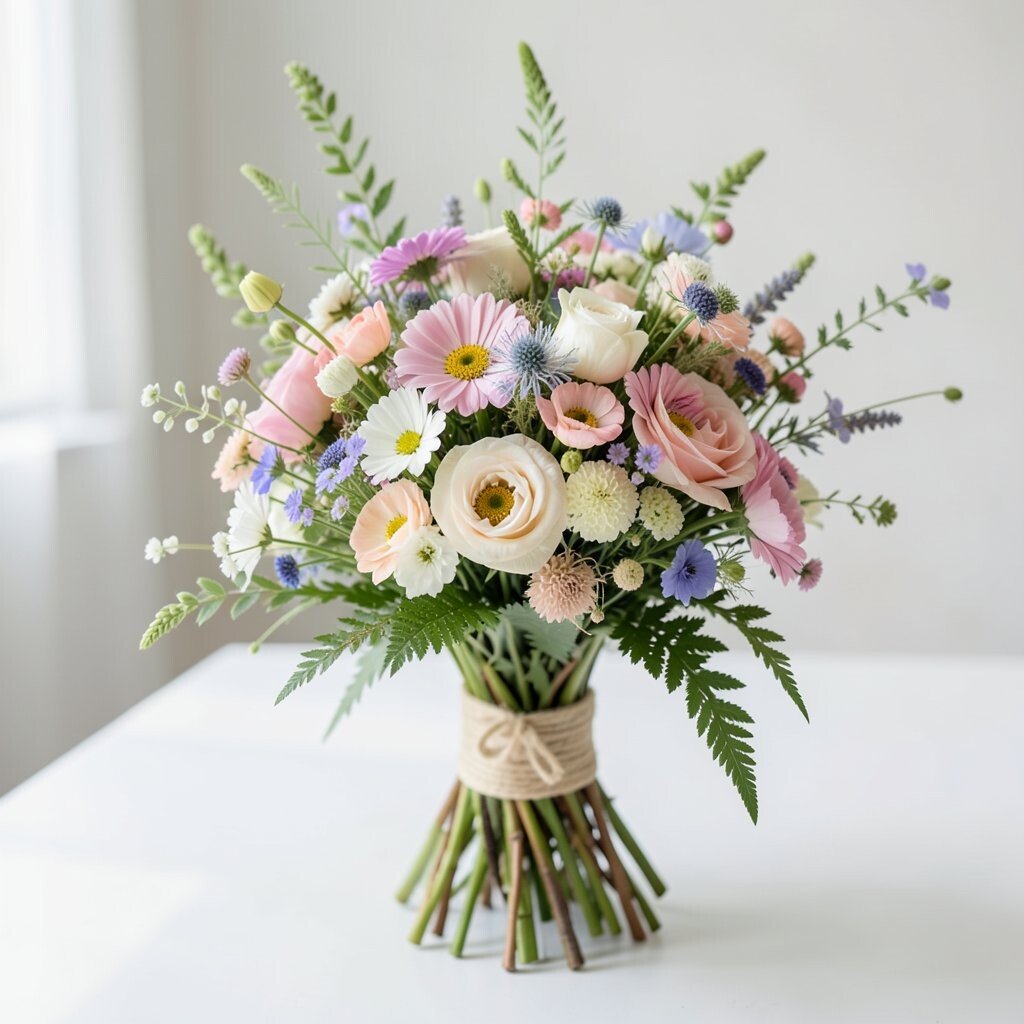
Wildflower styles can look delicate when you keep the bouquet in a simple rounded shape. Think soft daisies, tiny blooms, and airy grasses mixed with careful spacing.
This look feels fresh and personal, especially for outdoor ceremonies and relaxed venues. It can also be budget-friendly if you use seasonal stems that are easy to source.
To make it practical, request short stems at the base so the bouquet stays comfortable to hold. You might also consider a soft ribbon wrap at the grip so the bouquet doesn’t slip in your hands.
Personalize with a color echo from your bridal outfit, like a hint of mauve or a touch of sage-green. Keep the arrangement light so it won’t overpower your photography.
7. Sweet Pea Elegance in Pastel Layers
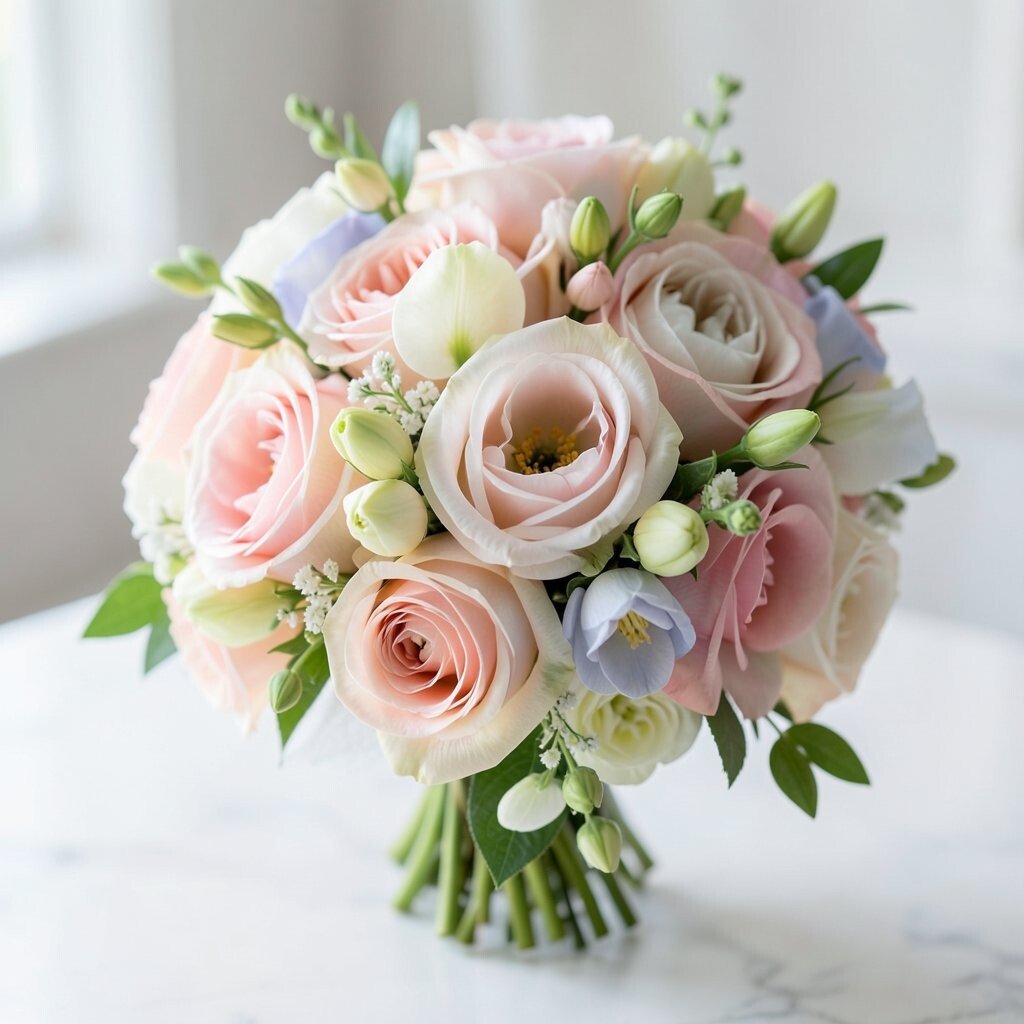
Sweet peas look like tiny butterflies with fluttery petals and gentle fragrance. In soft lavender, blush, or pale pink, they create a delicate, romantic bouquet.
You’ll get extra beauty in close-up photos because the blooms look lovely even from the side. This style feels unique without needing unusual flowers, and it’s often in season during popular spring months.
For practical tips, keep the stems hydrated and keep the bouquet out of direct sun while you get ready. If your day runs long, ask for a simple wrap-around water container during transport.
8. Classic White Lilies With Minimal Branching
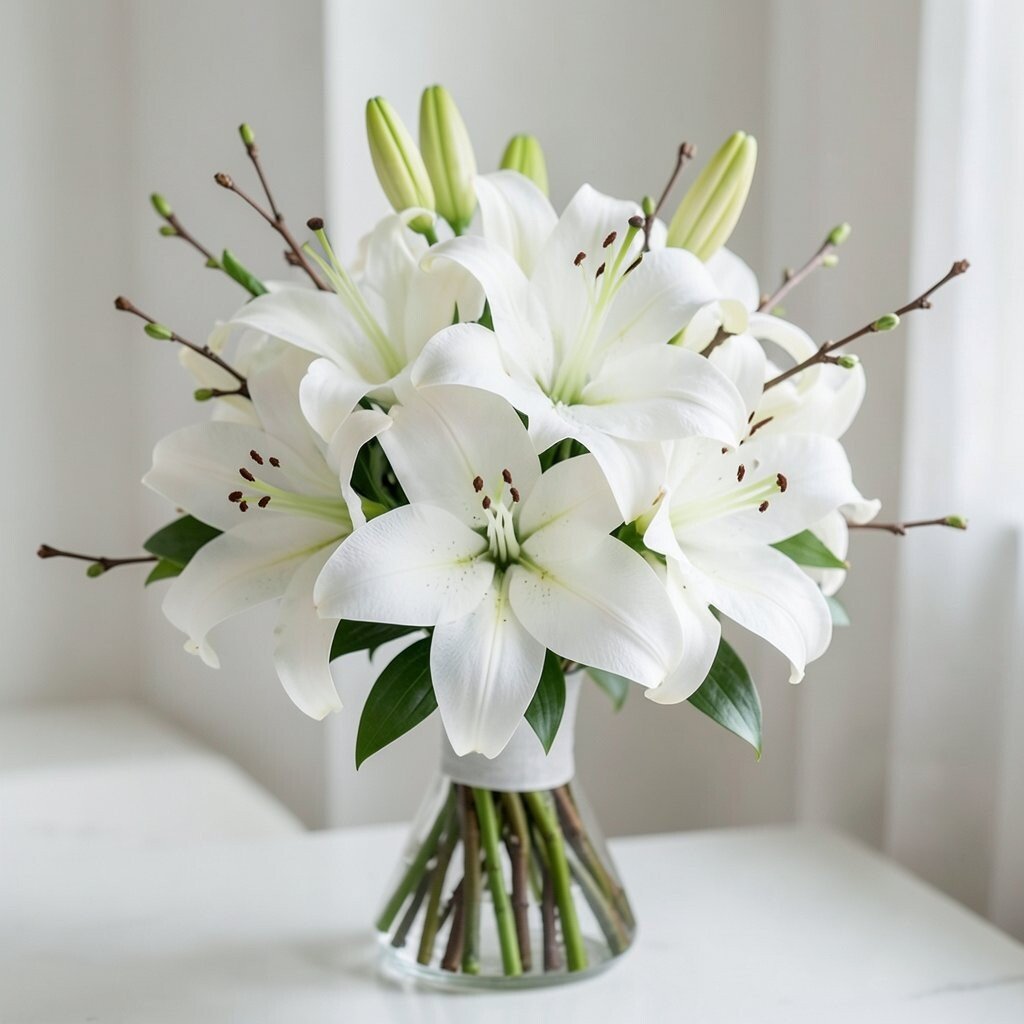
White lilies look refined and delicate when you choose a few key stems instead of a huge cluster. Their sleek petals create an elegant silhouette against your dress.
They offer a clean, timeless feel and a gentle fragrance that many guests notice in a good way. To keep the bouquet light, ask for minimal branching and add small filler only where needed.
For personalization, consider matching the lily tone to your veil, such as pure white or slightly creamy ivory. If cost matters, use lily as an accent by pairing fewer lily stems with lower-cost filler flowers.
9. Soft Dahlia Moments in Warm Blush
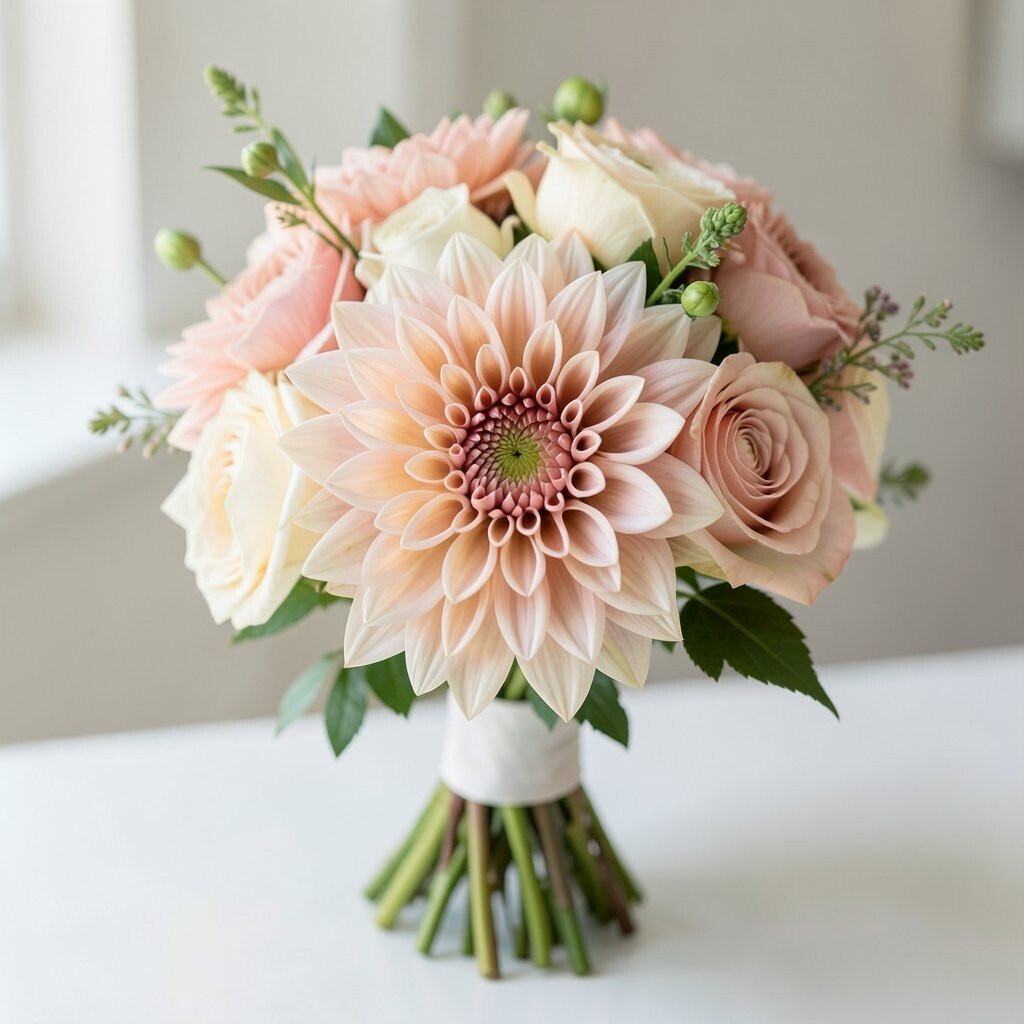
Dahlias can be delicate when you choose smaller varieties with lighter, layered petals. In warm blush and peachy tones, they add a cozy romance.
This bouquet feels unique because it has a gentle structure, unlike totally airy bouquets. It also works well for fall weddings when you want something seasonal and elegant.
To keep the look practical, ask for stems trimmed at a comfort height so your arm doesn’t tire during photos. Add a ribbon that matches your wedding colors so the bouquet looks cohesive in every shot.
10. Hydrangea Tips With Airy White Edges
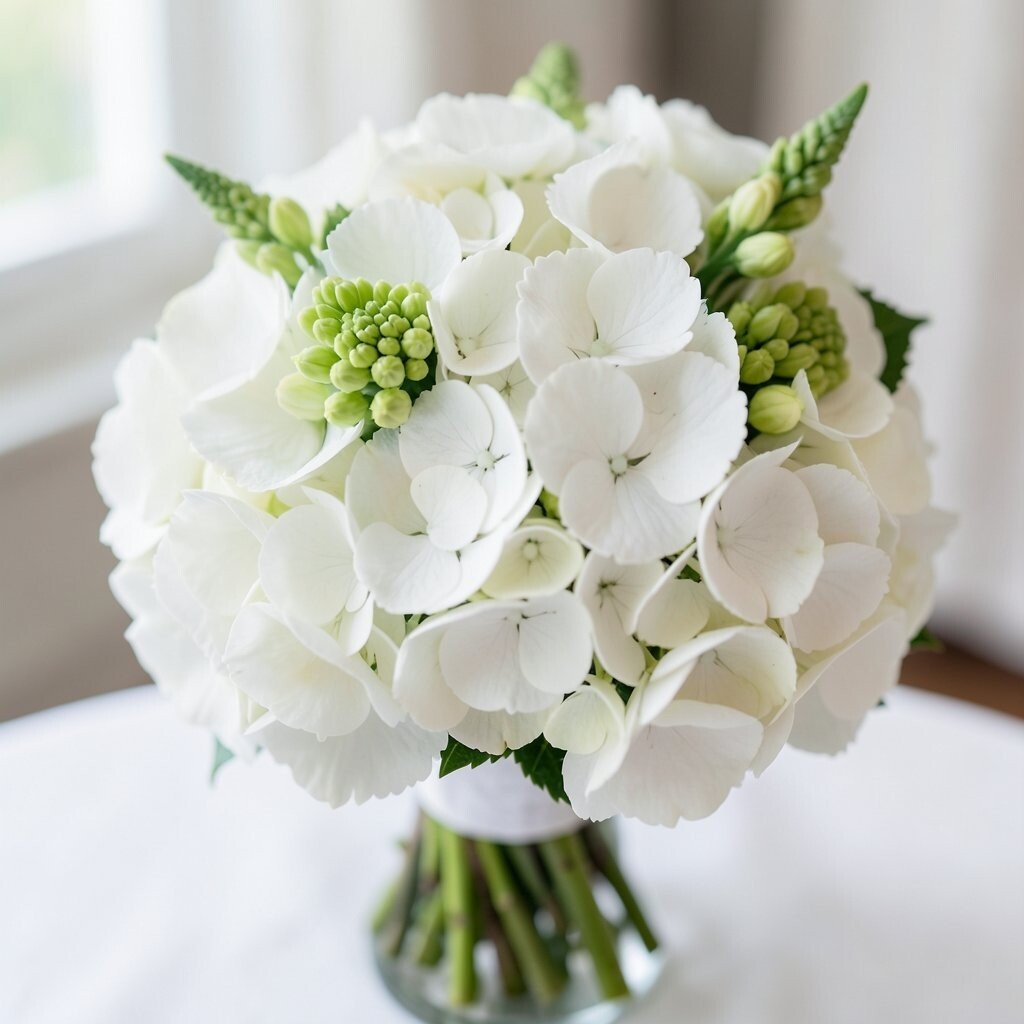
Hydrangea can look delicate when you select smaller blooms and keep the arrangement airy. White or soft cream petals with light greens create a cloud-like effect.
The benefit is that hydrangea holds its shape well, so your bouquet looks full without feeling heavy. It also gives strong texture, which means your bouquet still looks beautiful even when the background is simple.
For personalization, mix in a few sprigs of seasonal greenery like olive leaf or soft ruscus. If your budget is tighter, use hydrangea as the main texture and keep accent flowers limited.
To protect delicate petals in heat, plan for shade during portraits and keep the bouquet cool. Your florist can also suggest hydration steps that won’t cause drooping.
11. Ranunculus and Peony-Soft Mix With Sage Green
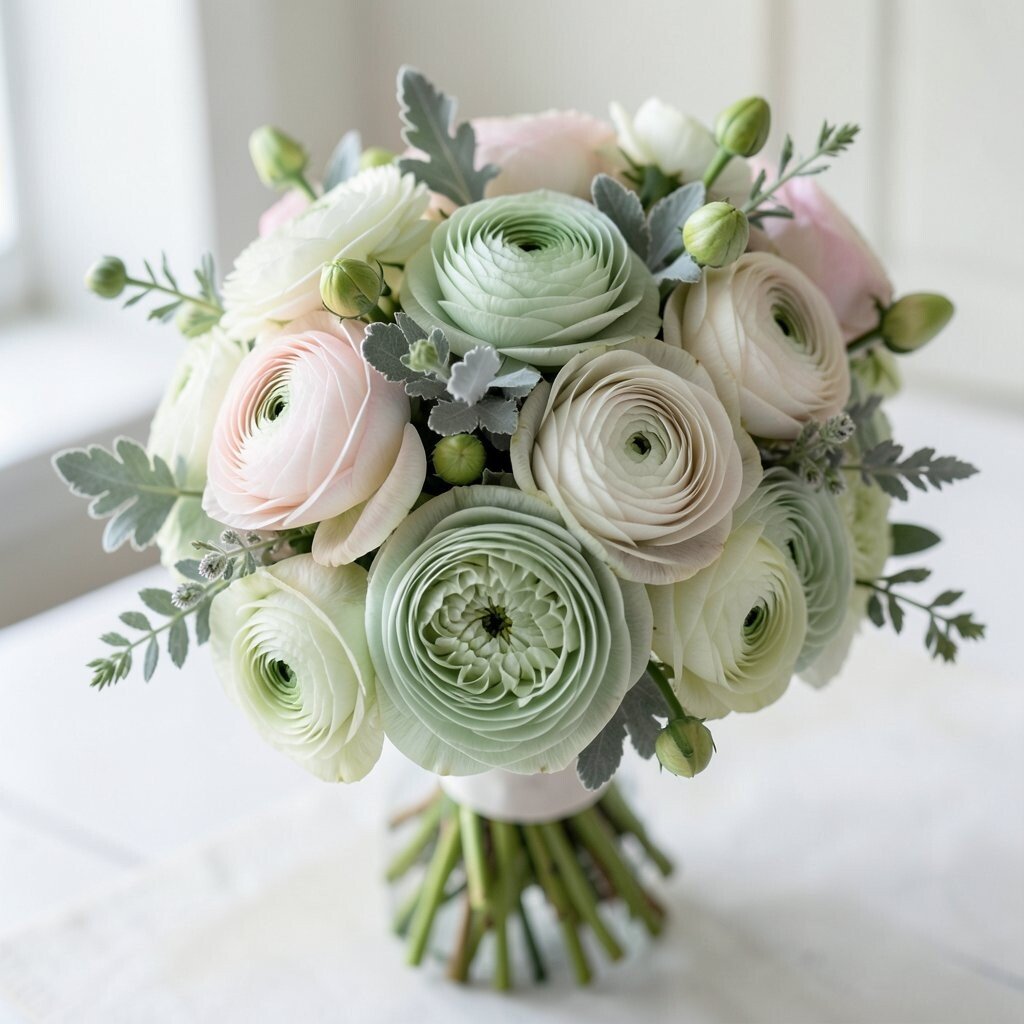
Combine ranunculus and peony-like blooms with a gentle sage-green filler for a fresh, vintage mood. The colors blend naturally and feel romantic without looking heavy.
Because you’re mixing textures, the bouquet looks rich up close while staying light at a distance. This also makes it easier to match your wedding palette, since sage pairs well with many tones.
12. Elegant Orchid Sprigs With a Minimal Hand-Tied Look
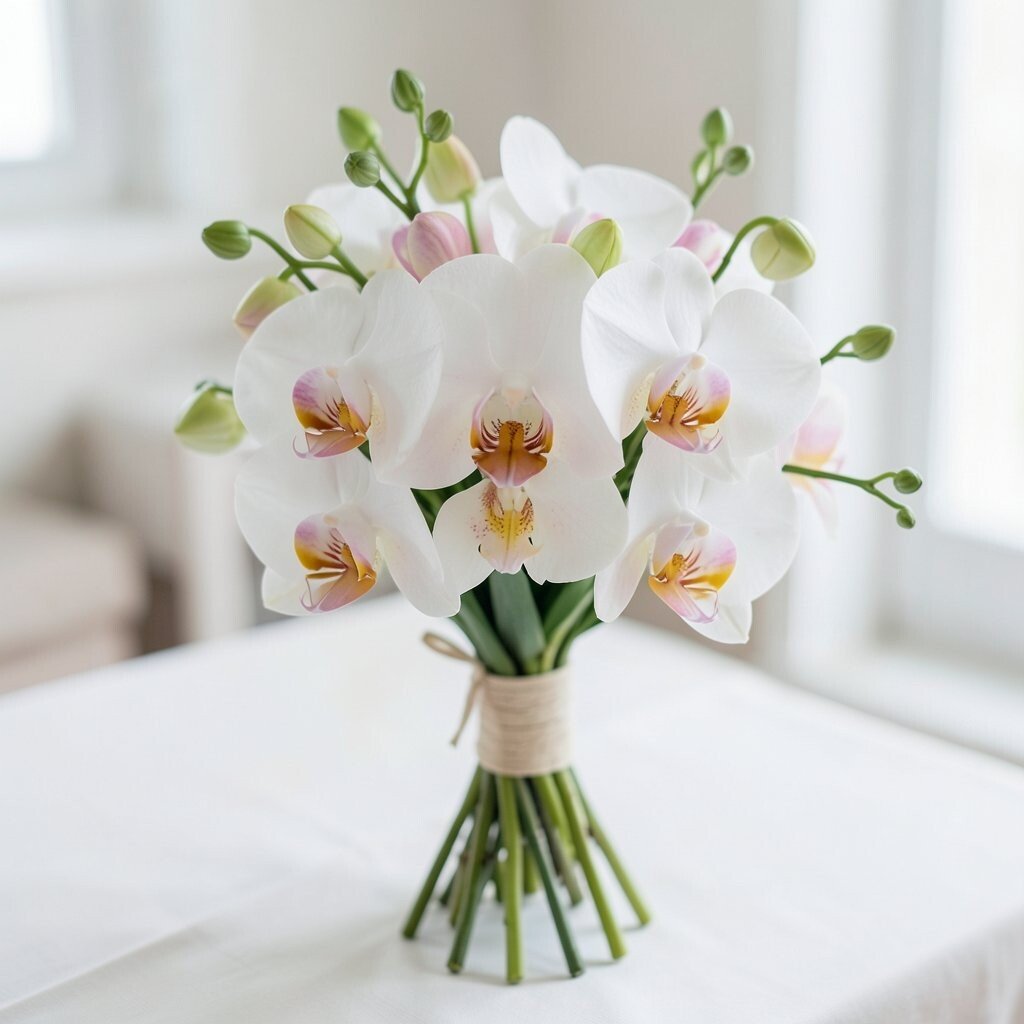
Orchids bring a polished delicacy, especially when you use a few sprigs rather than a dense cluster. Their graceful lines make your bouquet feel modern and refined.
For uniqueness, choose orchids with soft blush, white, or pale lilac shades. This style is also practical for weddings in warm weather because orchid petals often handle heat better than some fragile blooms.
Cost considerations can vary, so ask your florist about using fewer orchid stems and adding budget-friendly filler around them. You can also request orchids as accents near the handle for a high-end look without going overboard.
13. Soft Anemones With Creamy Ribbon Accents
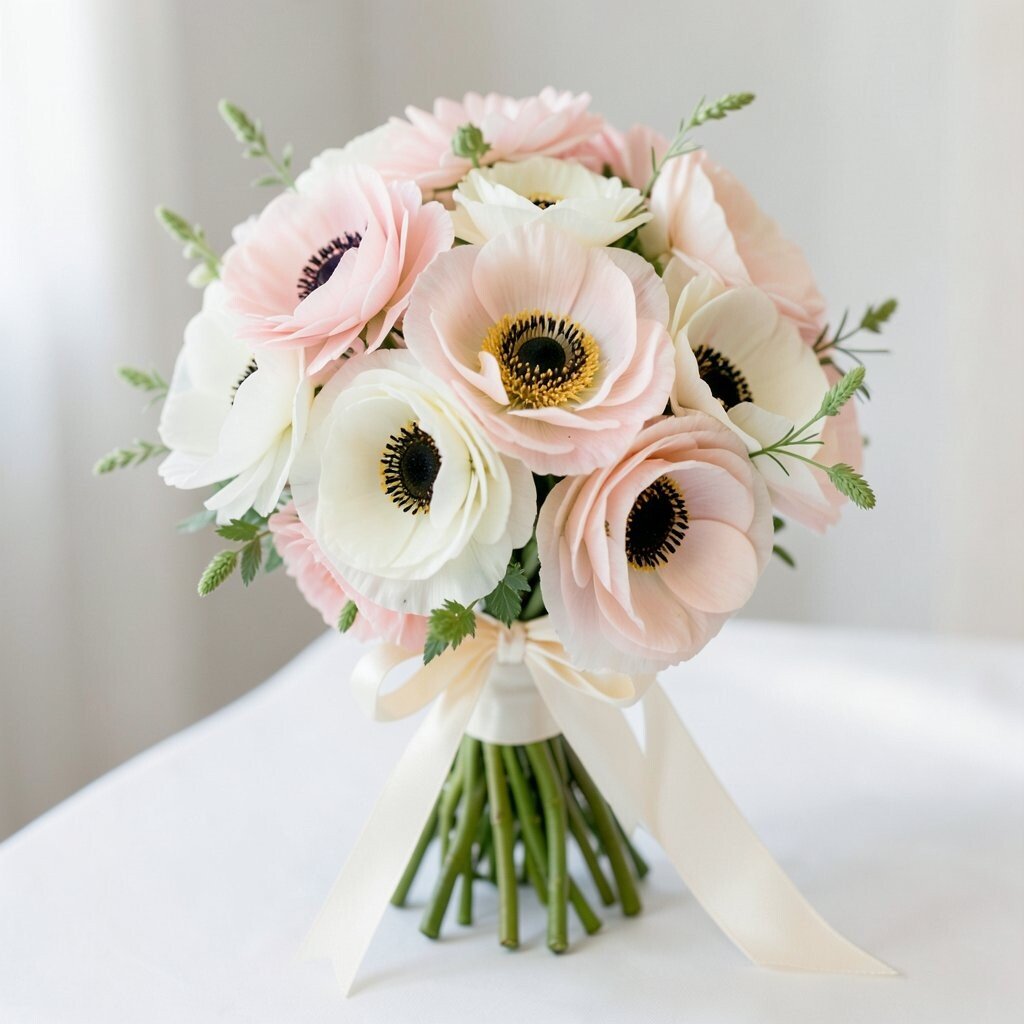
Anemones add a delicate graphic touch when you pair their dark centers with creamy petals and soft ribbons. The overall look feels light, but it still stands out in photos.
To keep the bouquet balanced, use a few focal anemones and fill the rest with airy white flowers. This method makes the bouquet feel custom and avoids the “too busy” look.
For personalization, match the ribbon to your dress trim, like subtle embroidery or a satin belt. If you want cost control, treat anemones like the star and keep other blooms simple and seasonal.
14. Baby Rose Buds With Featherlight Greenery
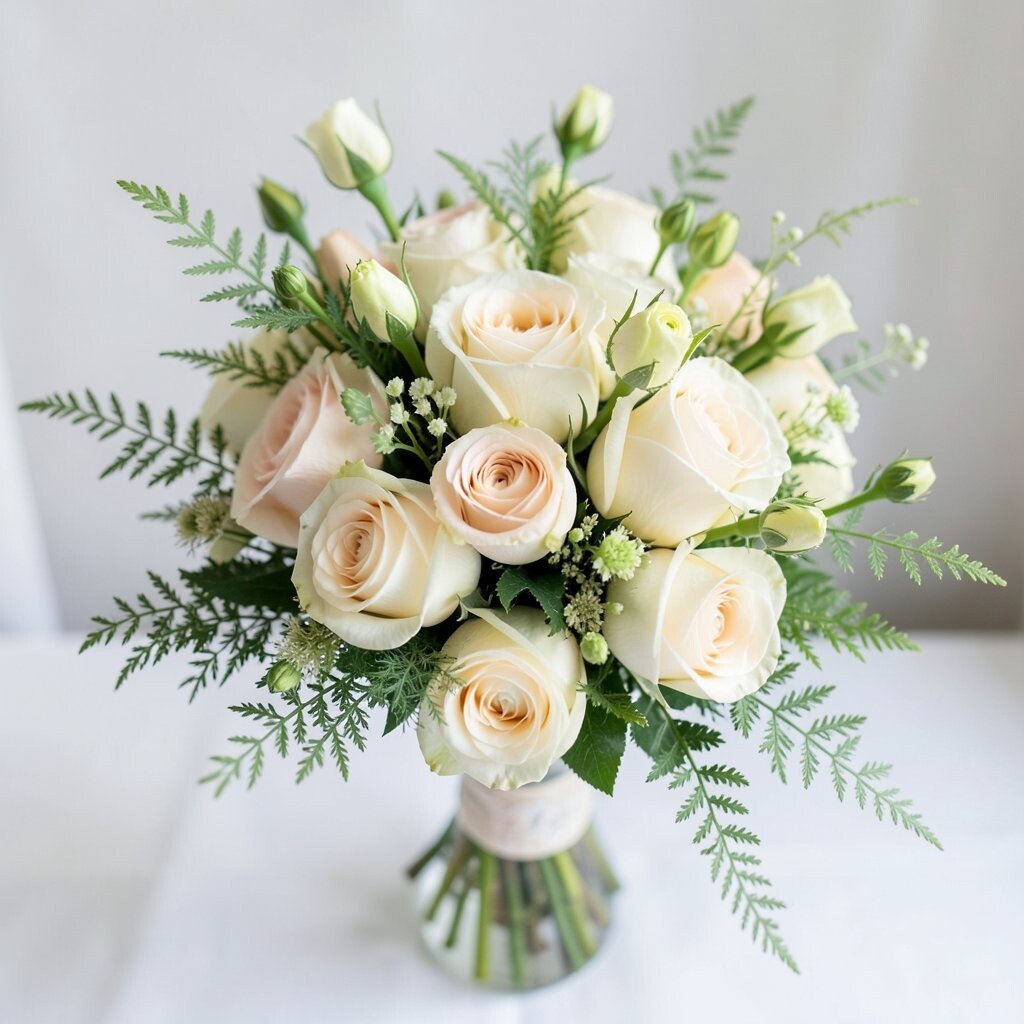
Small rose buds look sweet and delicate, like a bouquet that’s just beginning to bloom. When you keep the greens minimal, the flowers feel airy and elegant.
This is a lovely benefit for brides who want a gentle, youthful vibe without big, heavy petals. It also works great for smaller bouquets, like hand-held styles for intimate weddings.
For practical tips, choose buds that are ready to open but not too fragile. Ask your florist to wrap the stems securely so they don’t shift during the ceremony.
Personalize with a thin, twisted cord tied near the wrist, especially if your wedding has a boho touch. If your budget is limited, baby rose buds can stretch further than larger blooms.
15. Pastel Sweet Pea and Eucalyptus Breath
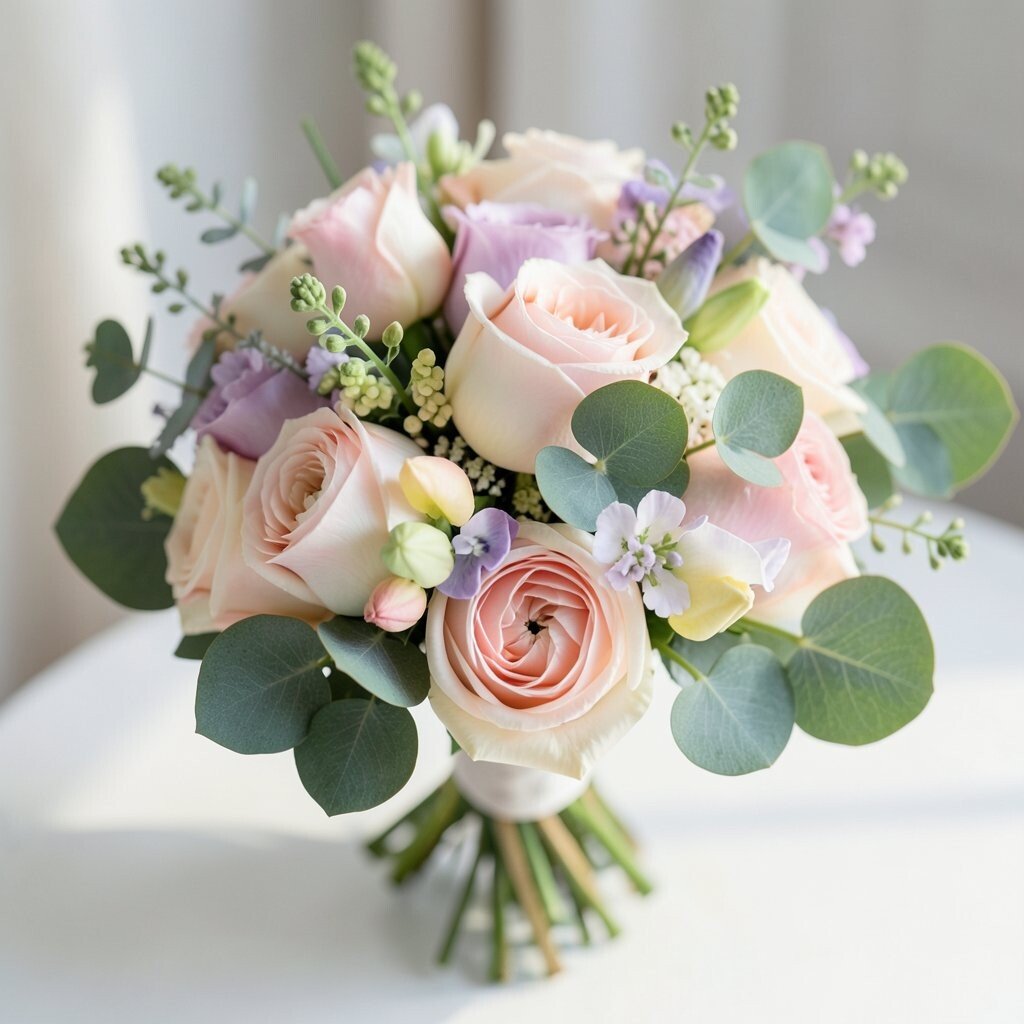
Sweet peas plus eucalyptus makes a bouquet that smells fresh and feels airy. The eucalyptus leaves add a soft, silvery green frame that highlights delicate petals.
This combination looks unique because it blends a romantic flower with a clean, modern herb. It also gives you variety in texture, which makes photos look more interesting.
For personalization, tie the bouquet with a ribbon that matches your stationery or bridesmaid dress tones. If cost considerations matter, use sweet peas as the main bloom and eucalyptus as the supporting texture.
16. Soft Blue Delphinium With Whispers of White
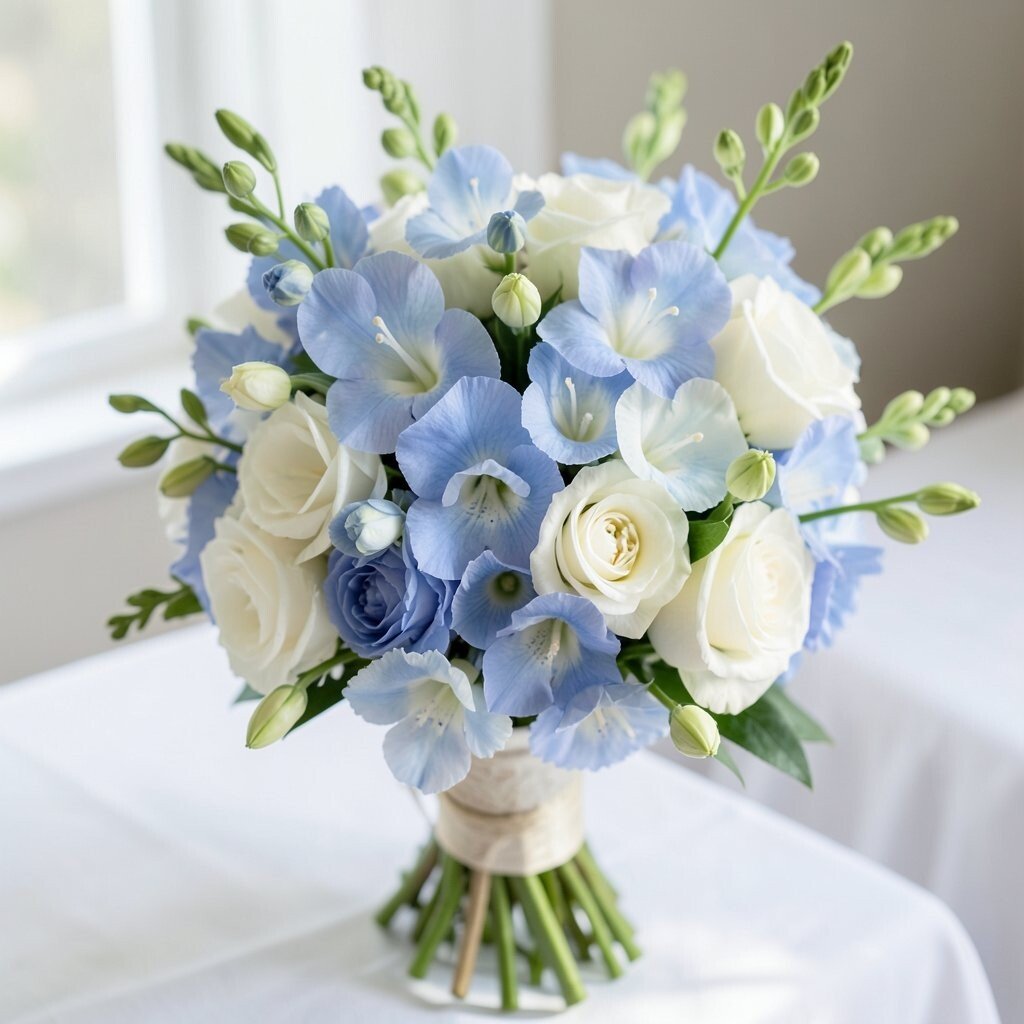
Delphinium adds a light, tall charm even in a delicate bouquet. When you pair soft blue petals with small white filler, the bouquet feels dreamy and airy.
The benefit is that delphinium creates vertical movement, which can make your wedding photos look elegant and graceful. It’s also a unique choice for couples who want something other than classic white rose-only arrangements.
To keep it practical, ask for shorter delphinium lengths so it fits comfortably in your hands and doesn’t block your face in pictures. If your wedding time is hot, keep stems cool and away from direct sunlight while you wait.
For personalization, add tiny touches of silver-gray greenery for a modern twist. If you’re budgeting, use delphinium as a focal accent and keep the rest of the bouquet simple.
17. Blush Bridal Bouquet With Pearl-Like Filler Blooms
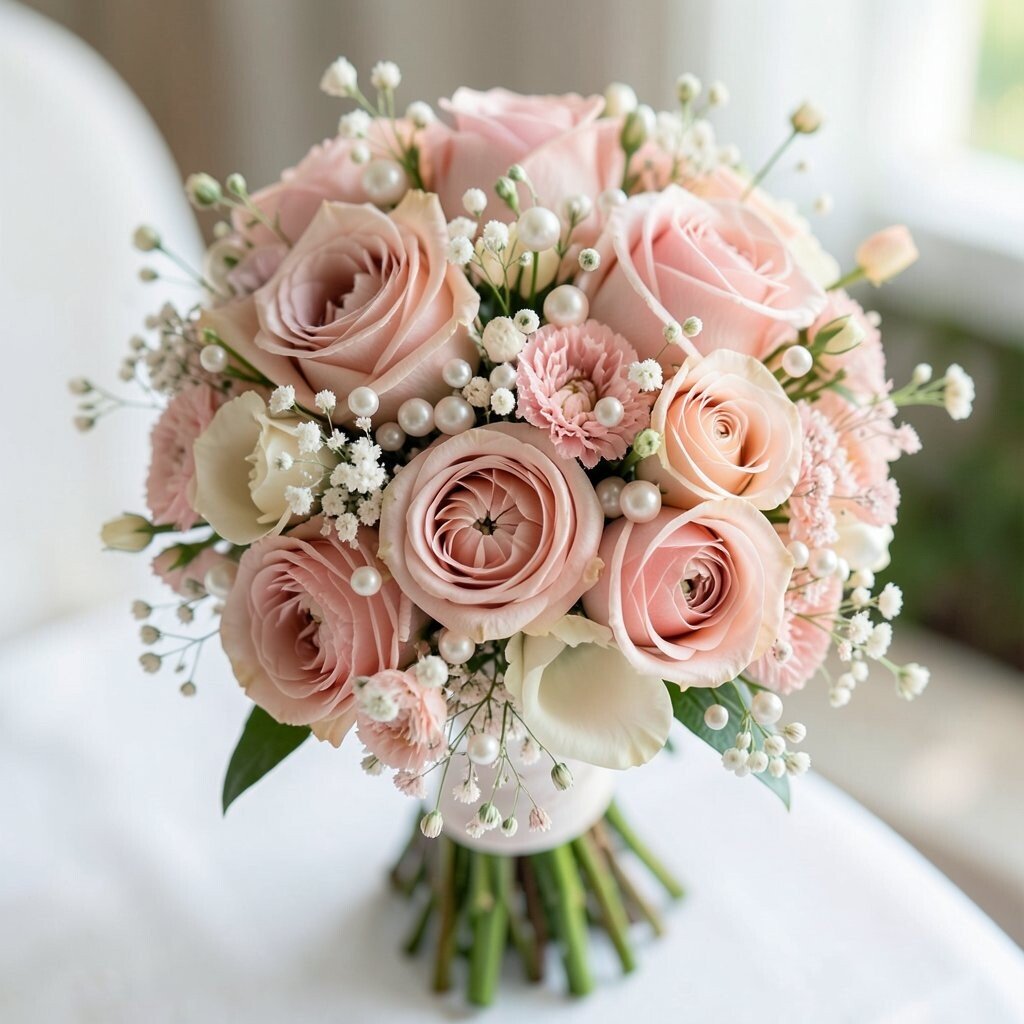
Choose blush blooms paired with small, pearl-like filler flowers for a delicate, twinkling effect. The overall look feels soft, bridal, and slightly magical.
This style is beneficial for brides who want a cohesive color story without using many different flower types. It also keeps the bouquet lighter, so it’s easier to hold and less tiring during long photo sessions.
Personalize with a tiny cluster of matching pearls or a subtle brooch hidden near the ribbon. For cost considerations, fewer flower types usually mean less complexity for your florist, which can help keep pricing steady.
18. Ivory Tulips With a Gentle Hand-Wrapped Handle
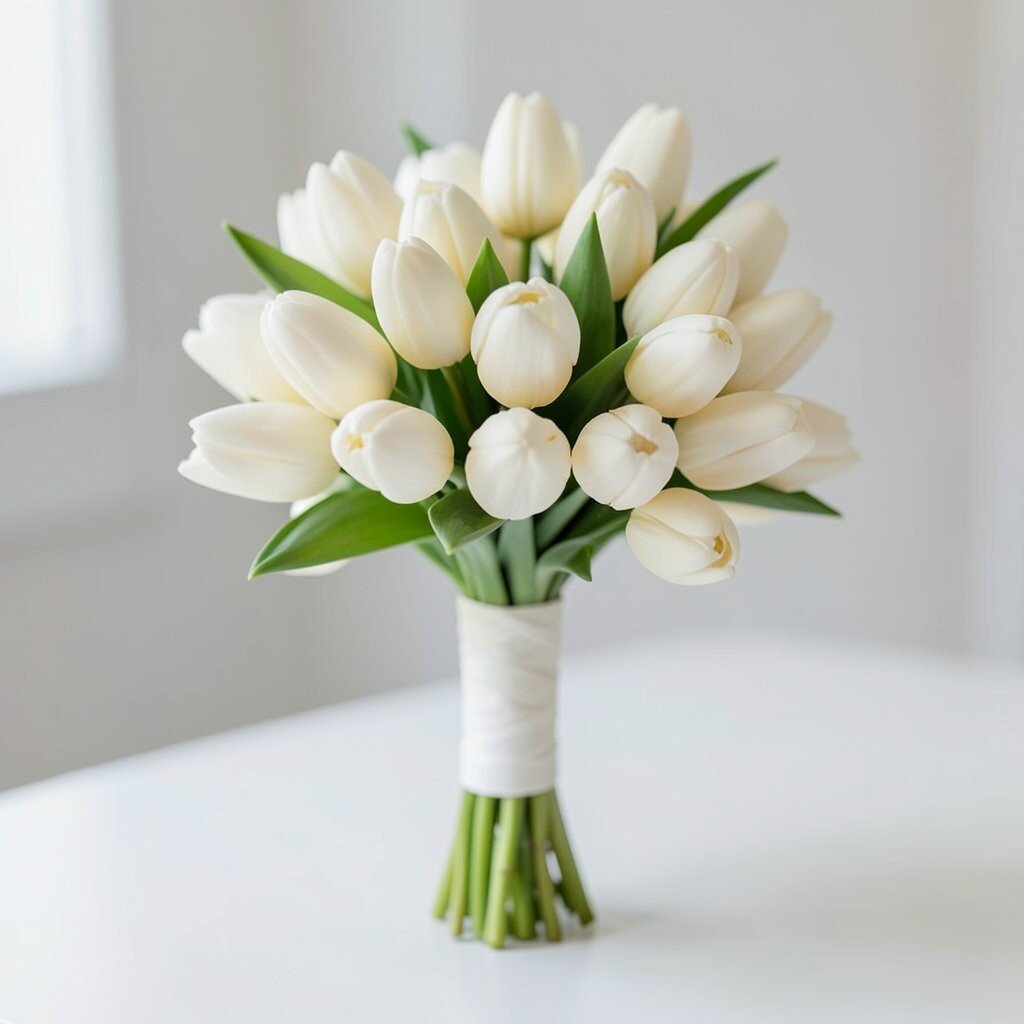
Tulips can look delicate when you choose ivory or cream shades with slender petals. Their clean shape makes the bouquet feel modern while staying soft and romantic.
This is a practical choice because tulips last well when kept cool and hydrated. They also feel unique for brides who want something different from roses and peonies.
For personalization, wrap the handle with ivory satin or textured linen for a cozy, romantic touch. If you want cost control, tulips can be a smart option when seasonal pricing is favorable.
19. Minimal White Bougainvillea-Like Texture With Soft Blooms
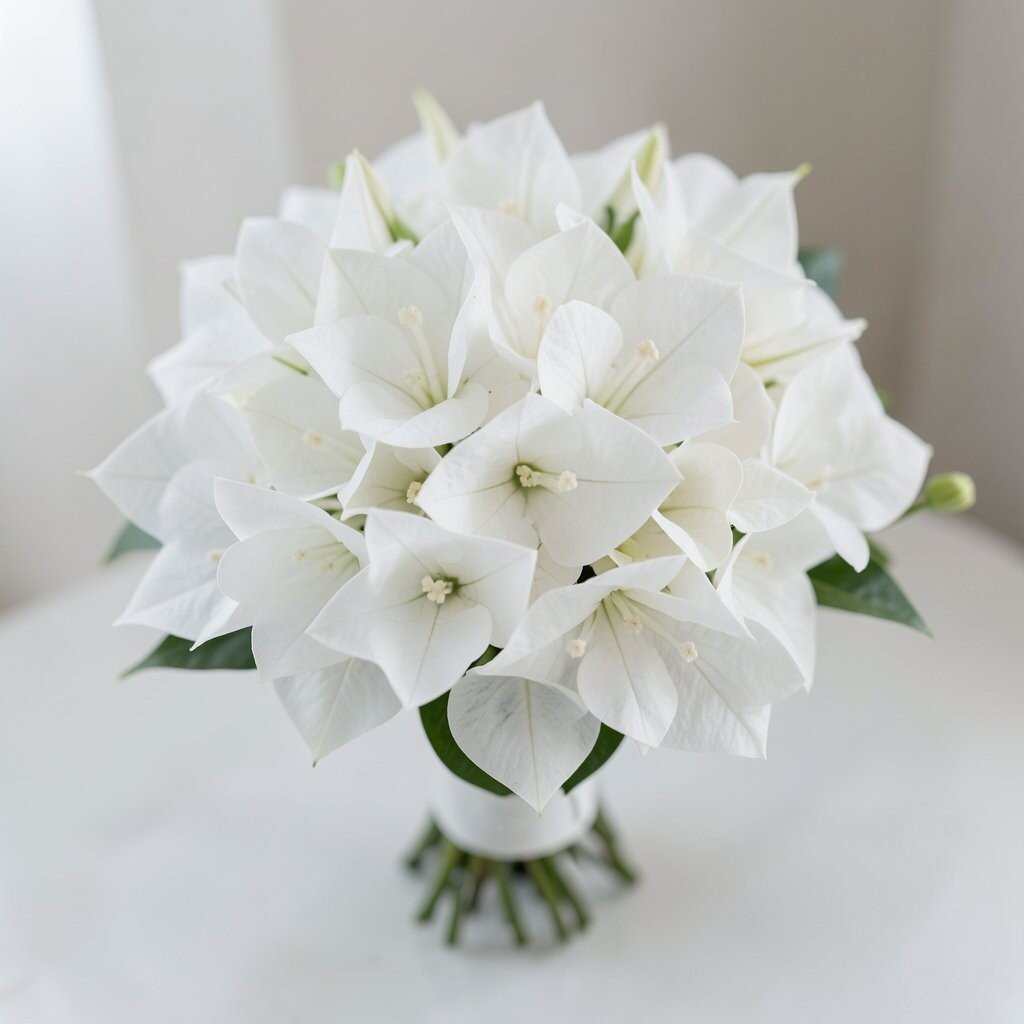
Look for airy, papery-textured accents that mimic a bougainvillea vibe, then pair them with small soft blooms. When kept sparse and balanced, the bouquet feels delicate and artistic.
This uniqueness is in the way the petals catch light, adding a gentle shimmer in photos. It can also be practical for outdoor weddings because many papery textures hold up well.
To personalize, match the accent tone to your wedding colors, like a faint blush, warm apricot, or light rose. For cost considerations, use the textured element as an accent and rely on simple filler flowers for the rest.
Ask your florist to secure the stems firmly so the accent texture doesn’t shift or snag your dress lace.
20. Monochrome Cream Bouquet With Layered Textures
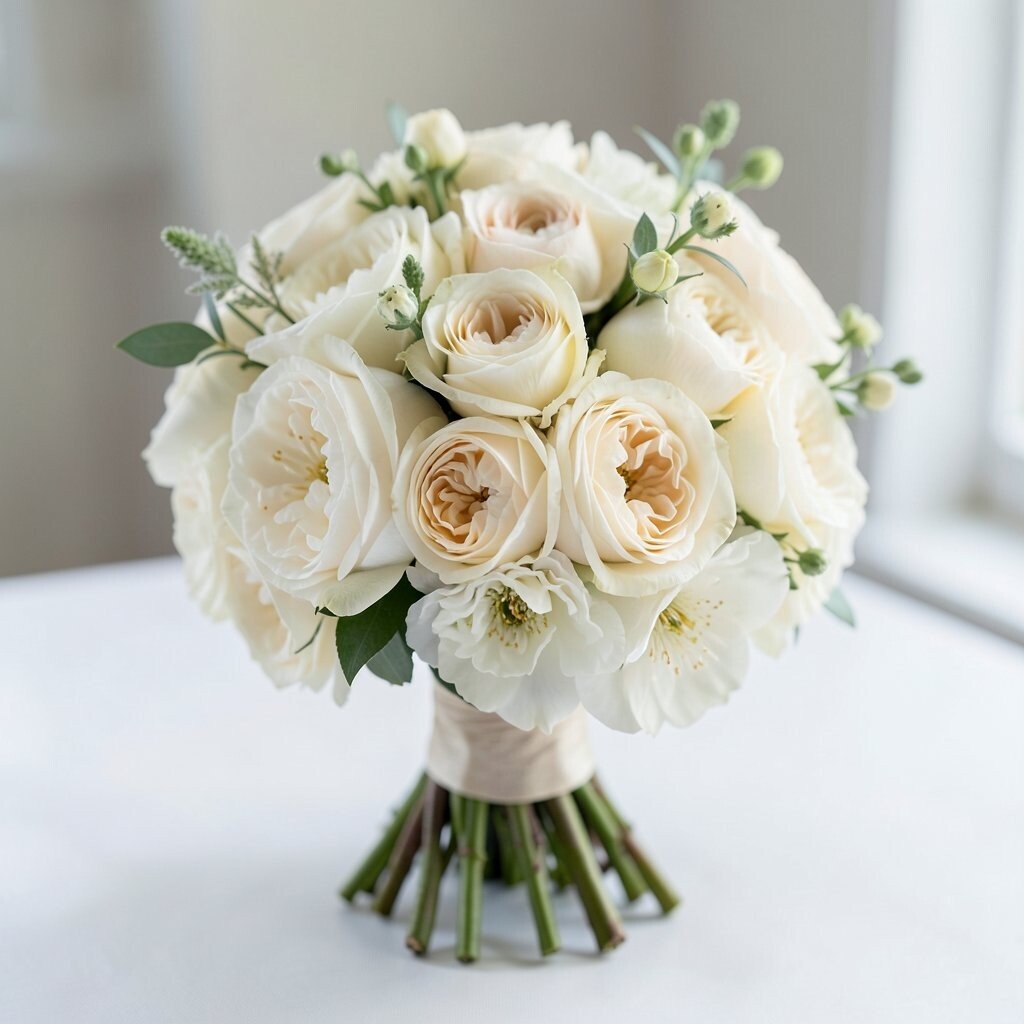
A monochrome cream bouquet looks delicate and luxurious when it uses varied textures. Combine roses, ranunculus, or small blossoms with creamy filler and gentle greenery.
The benefit is that it always matches your dress and venue, even if your lighting changes from ceremony to reception. This also makes personalization easy, since you can focus on ribbons, brooches, or even a family heirloom charm.
For practical tips, choose flowers with similar hydration needs so the bouquet stays fresh. If you want to manage cost, keep the palette simple and spend money on a few standout blooms that create the most visual impact.
21. Soft Pink Bouquet With Garden Green and Tiny Charms
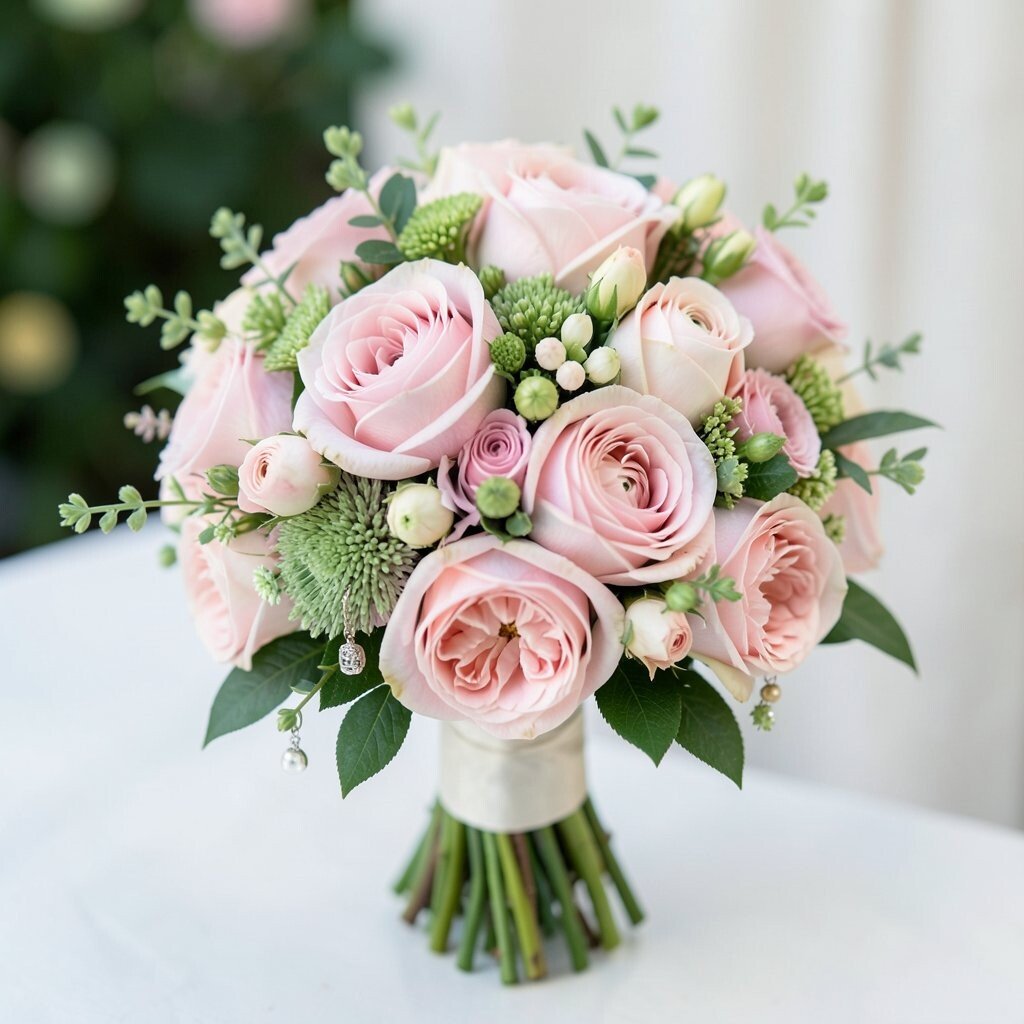
A soft pink bouquet feels sweet and bridal, especially when you add garden greens that look fresh and light. Tiny charms can make it feel personal without making it feel cluttered.
This bouquet is unique because it mixes delicate color with meaningful details. It’s also a great benefit for brides who want something special that still feels modern and refined.
For personalization, tie a small charm near the base of the stems, like a tiny star, heart, or a discreet initial tag. For cost considerations, you can keep the charm budget small while letting the flower selection do the heavy lifting.
To keep it practical, choose a charm that won’t snag your veil or jewelry, and request a secure knot near the bouquet handle. Your florist can also help place the charm so it stays visible in photos without pulling attention away from the flowers.