Filigree has a way of turning everyday surfaces into little works of art. It adds airy detail, gentle sparkle, and a handmade feeling that sticks with you.
When you pair delicate patterns with your own taste, the result can feel both classic and fresh.
1. Lace-Like Paper Filigree for Wall Art
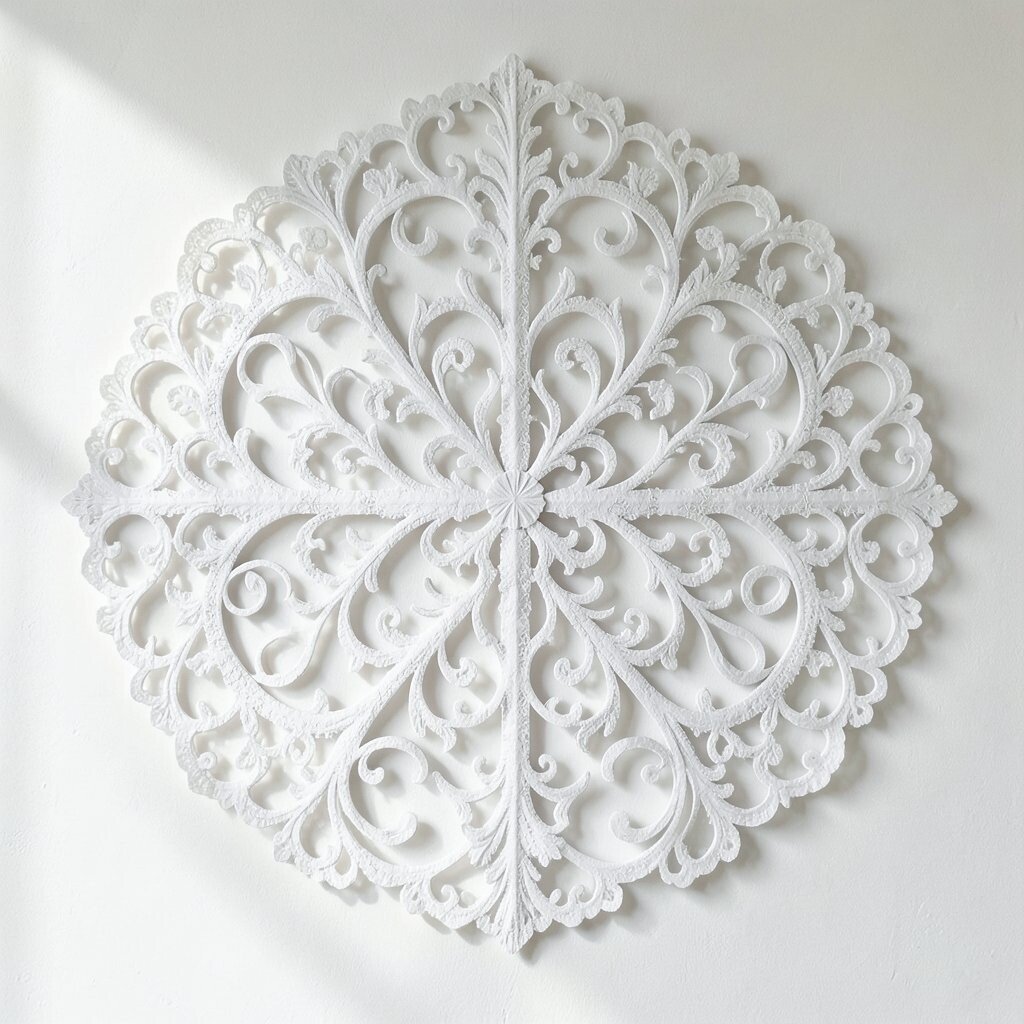
Imagine thin strips of paper curling into loops and swirls, like lace floating on a blank wall. Each coil catches light at different angles, so the pattern feels alive.
Use strong paper strips or pre-made quilling paper and shape them with a slim tool or tweezers. Build your design slowly from the center outward, and keep your curves consistent by working on a flat surface. Finish with a clear, matte glue seal so the edges stay crisp and tidy.
2. Copper Wire Filigree Coasters
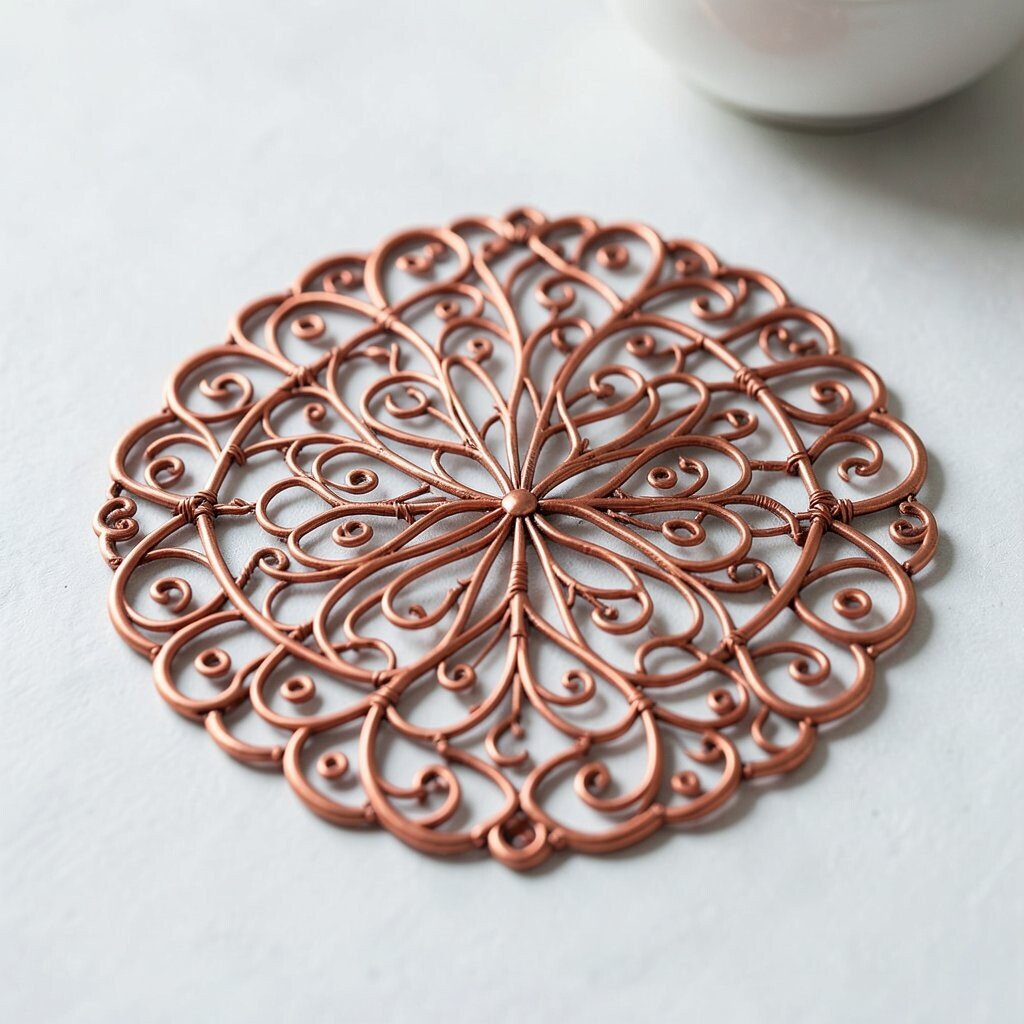
Picture tiny copper lines wrapped into starbursts, spirals, and leaf shapes on a round base. The metal color warms up any table and looks fancy without needing heavy pieces.
Start with a cheap cork or felt circle, then anchor wire ends with a strong craft adhesive. Bend the wire by hand over a pencil for smooth curves, and leave a small gap between loops for a light, open look. To keep costs low, use thinner wire for the outer pattern and thicker wire only for the center line work.
For personalization, match the shapes to your favorite plants or to the vibe of your room, like tropical, vintage, or minimalist. A light clear coat helps slow tarnish, which is a practical step if you live in a humid area. This style also fits current trends since many makers are using warm metals and open, airy layouts.
3. Resin and Filigree Pendant with a Floating Charm
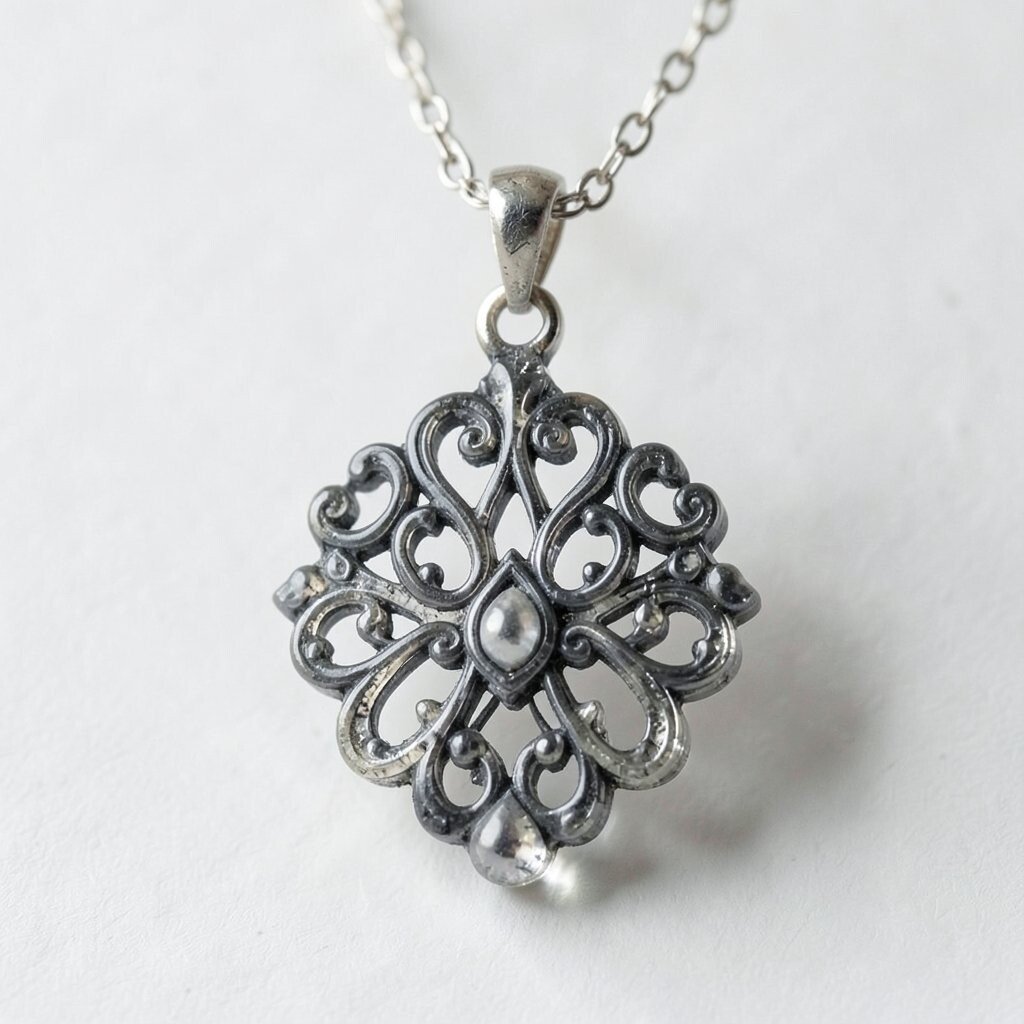
Think of a clear resin pendant where delicate filigree seems suspended inside like a tiny constellation. When it catches a lamp, the curves glow and the whole piece feels dreamy.
Choose a pre-made filigree insert or build one from fine wire, then place it in a resin mold. Use a thin layer first, so the filigree sits without shifting, and let it cure fully before adding the final pour. If bubbles form, pop them gently with a pin and keep the resin level.
To make it personal, add a small charm under the filigree, such as a seed, a miniature star, or a dot of dried flower. Consider cost by using small molds and only enough resin to cover your insert, since resin can add up fast. Today’s trend toward transparent jewelry makes this a great wearable idea for everyday outfits.
4. Embroidery Filigree on Plain Linen
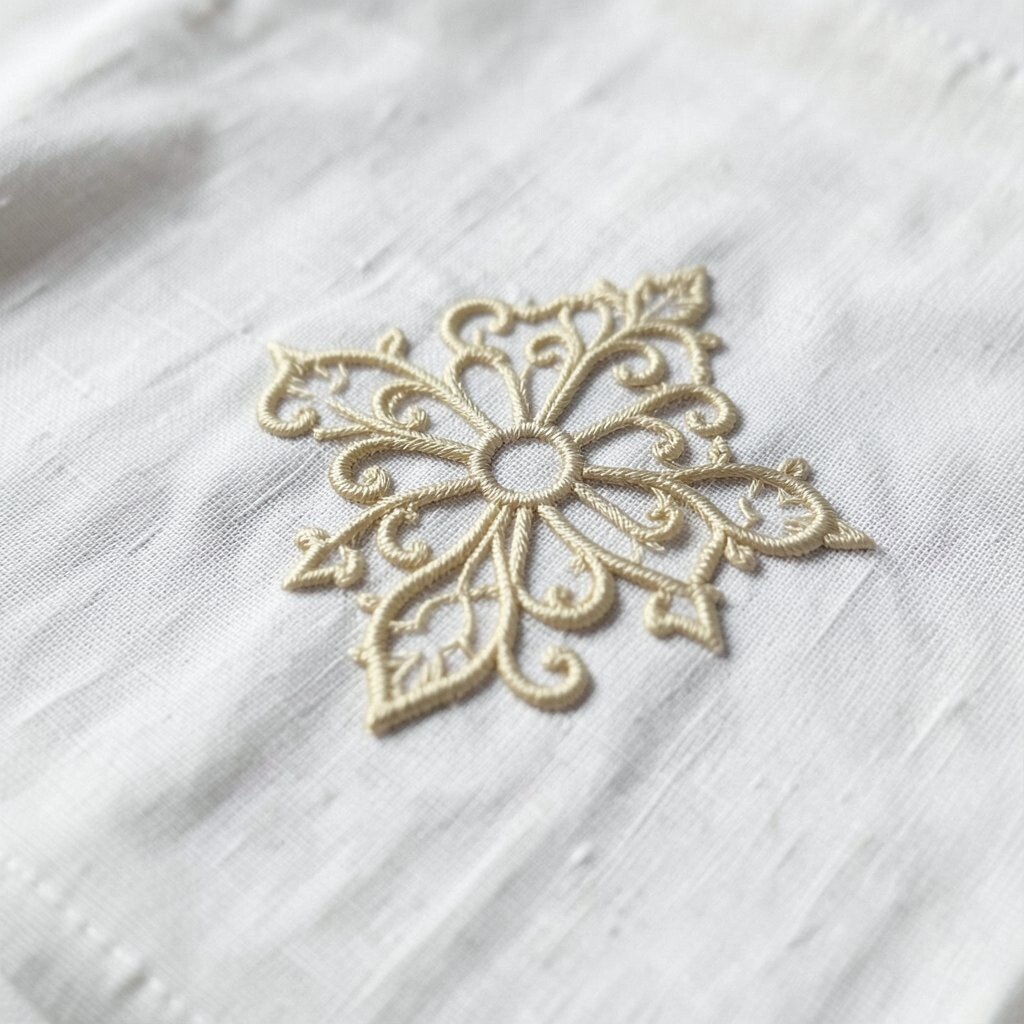
Start with a plain linen napkin or tote, and let thread form delicate net-like patterns. The texture of fabric makes the filigree feel softer, like it belongs naturally in your home.
Use a simple stitching guide in your head, then work in small sections so the pattern stays neat. Try backstitch for solid outlines and satin stitches for filling tiny leaf shapes. Keep tension light so the fabric doesn’t pucker, and always test your thread thickness on a scrap first.
5. Vintage Frame Filigree with a New Photo
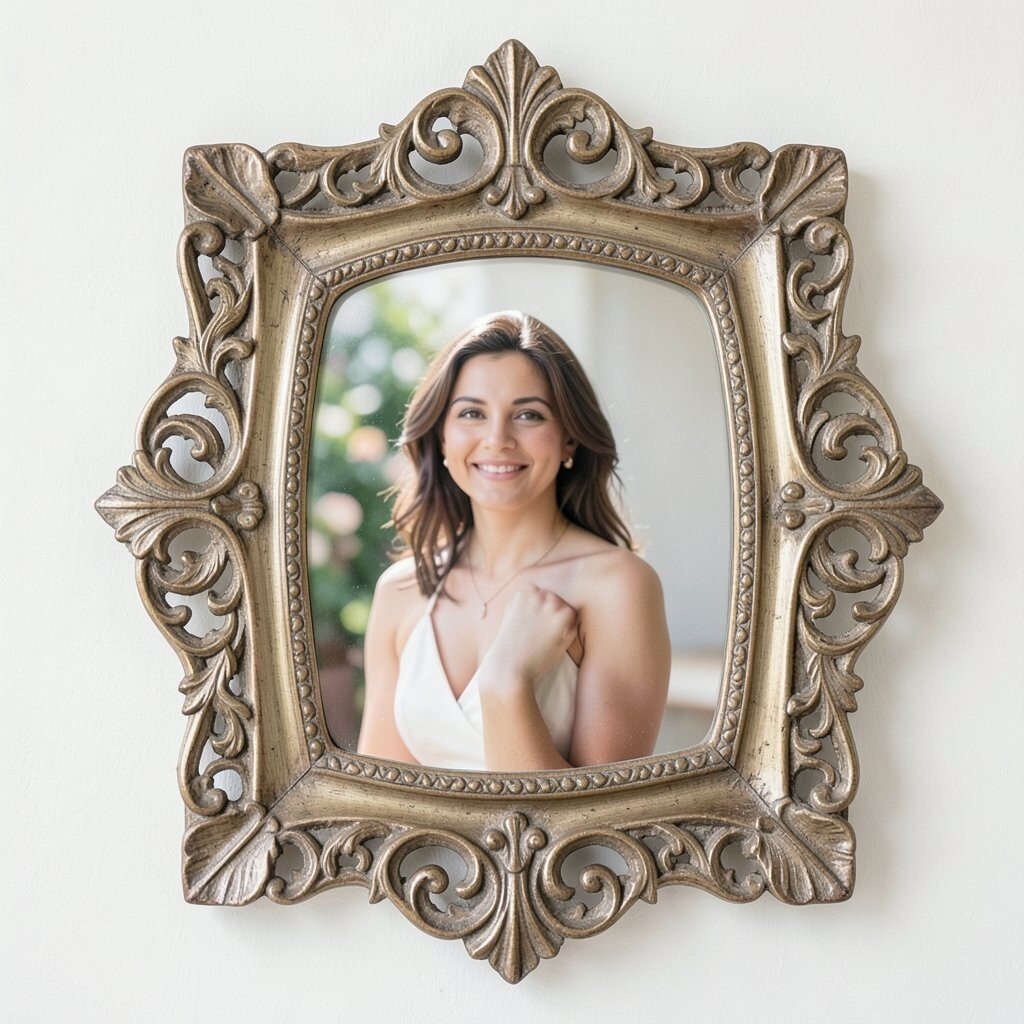
Picture an old wooden or metal frame covered in scrollwork, turning a basic photo into a family heirloom. Even if the frame is worn, filigree patterns can bring it back with a crisp, polished look.
Search for a cheap thrift frame, clean it well, and add filigree using paint, stencil, or craft wire. Stencil layers work great if you want clean lines, while wire adds a raised, tactile feel. Seal everything with a clear varnish so your finish stays smooth and protected.
For personalization, use colors that match your photo tones, like muted creams, deep greens, or brushed gold. Cost stays reasonable when you reuse the frame and focus your spending on one strong accent color. This also fits the current trend of “found” decor and creative upcycling.
6. Tile and Mosaic Filigree Border for a Tray
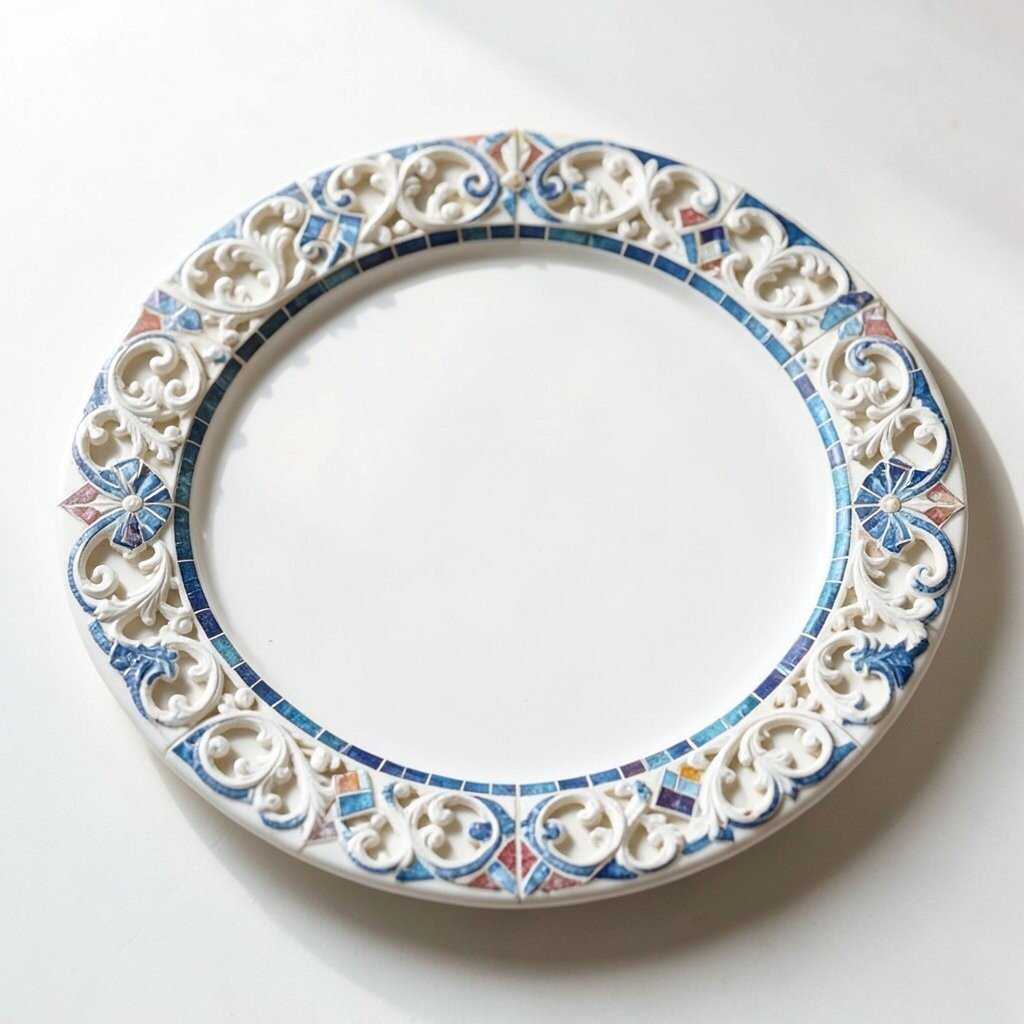
Envision a simple wooden tray edged with tiny mosaic shapes that curl like filigree. The border becomes a frame for your everyday items, like keys, candles, or jewelry.
Use small tile pieces, glass gems, or even broken ceramic shapes, then lay them in curved arcs around the rim. Dry fit first so you can adjust spacing, then glue with a thin layer of mosaic adhesive. Once it’s set, grout gently or use grout-like filler to make the lines look smooth and finished.
Personalize by choosing mosaic pieces that reflect your style, such as sea glass colors for a coastal look or bold jewel tones for a modern feel. If you want lower cost, use leftover tile bits from repair projects. This border style is popular right now because it adds artful detail without covering the whole surface.
7. Laser-Cut Filigree Shelf Sign for a Tiny Plant Corner
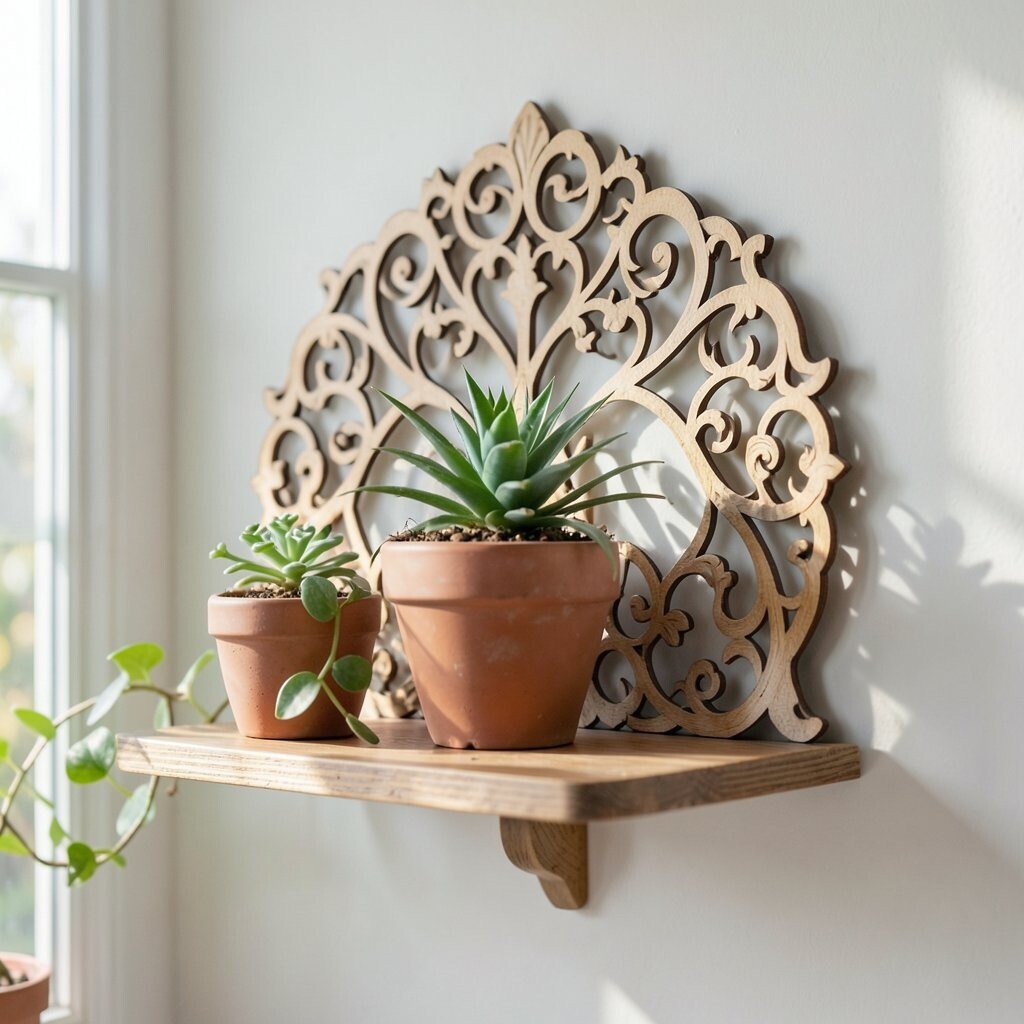
Imagine a small shelf sign with filigree cutouts shaped like petals and vines. It turns a plain corner into a mini gallery for your plants.
Use laser-cut wood, acrylic, or thin metal if you have access, or use printable stencil templates if you’re working by hand. Attach the filigree piece to a sturdy backing, then mount it near your plant shelf for an instant decorative upgrade. Paint the background one color and keep the filigree contrast in another for a clean look that reads well from far away.
To personalize, match the filigree motifs to the plant you keep, like tiny leaf swirls for herbs. Costs can be controlled by cutting a smaller sign and using leftover material. The trend toward cozy, organized plant displays makes this idea feel very current.
8. Chalk Paste Filigree on Glass Jars
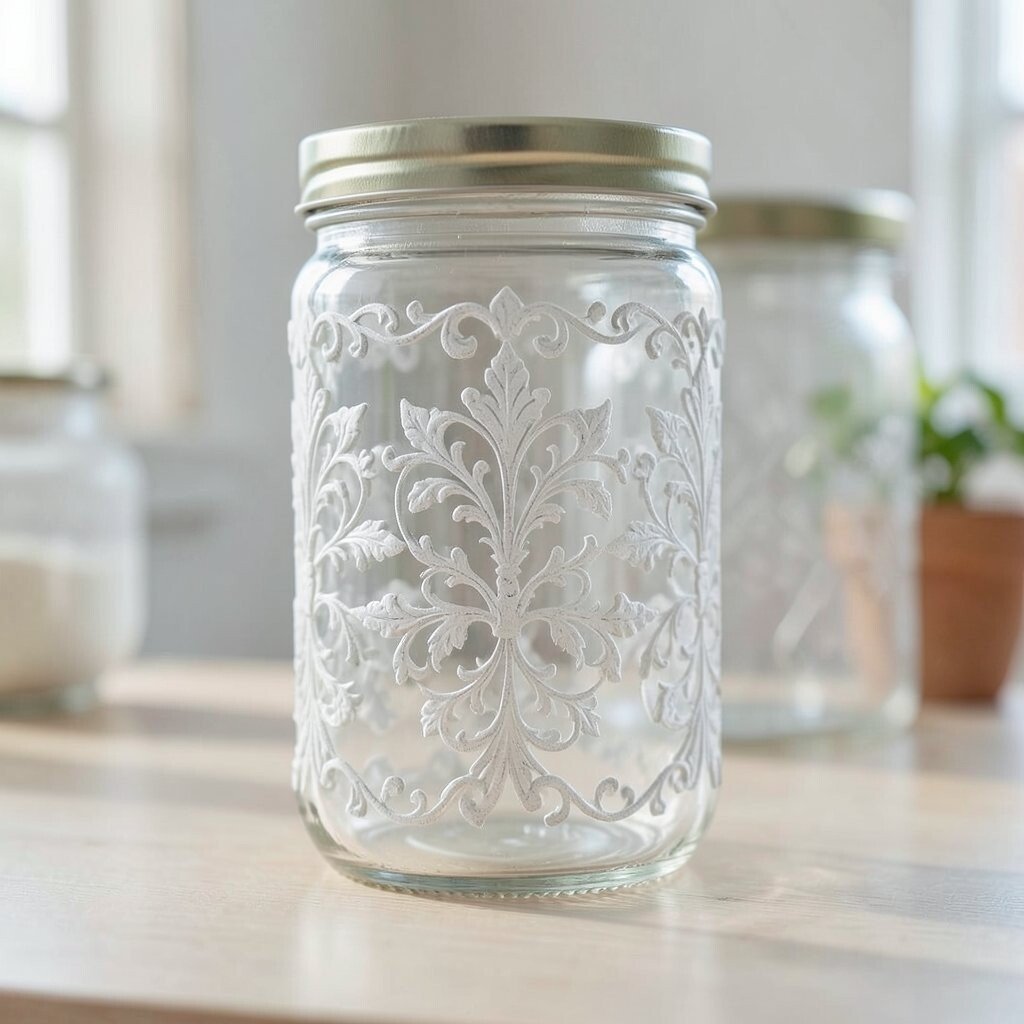
Think about glass jars with airy filigree lines drawn using chalk paste or paste paint. The pattern looks soft and vintage, especially on light-colored shelves.
Outline your design with a fine nozzle, then build thin layers for thicker curves. Use stencils for uniform swirls, and keep your hands steady by resting your wrist on the counter. Let the paste dry fully before handling so the lines don’t smear.
9. Filigree Knitting or Crochet Edging for Simple Blankets
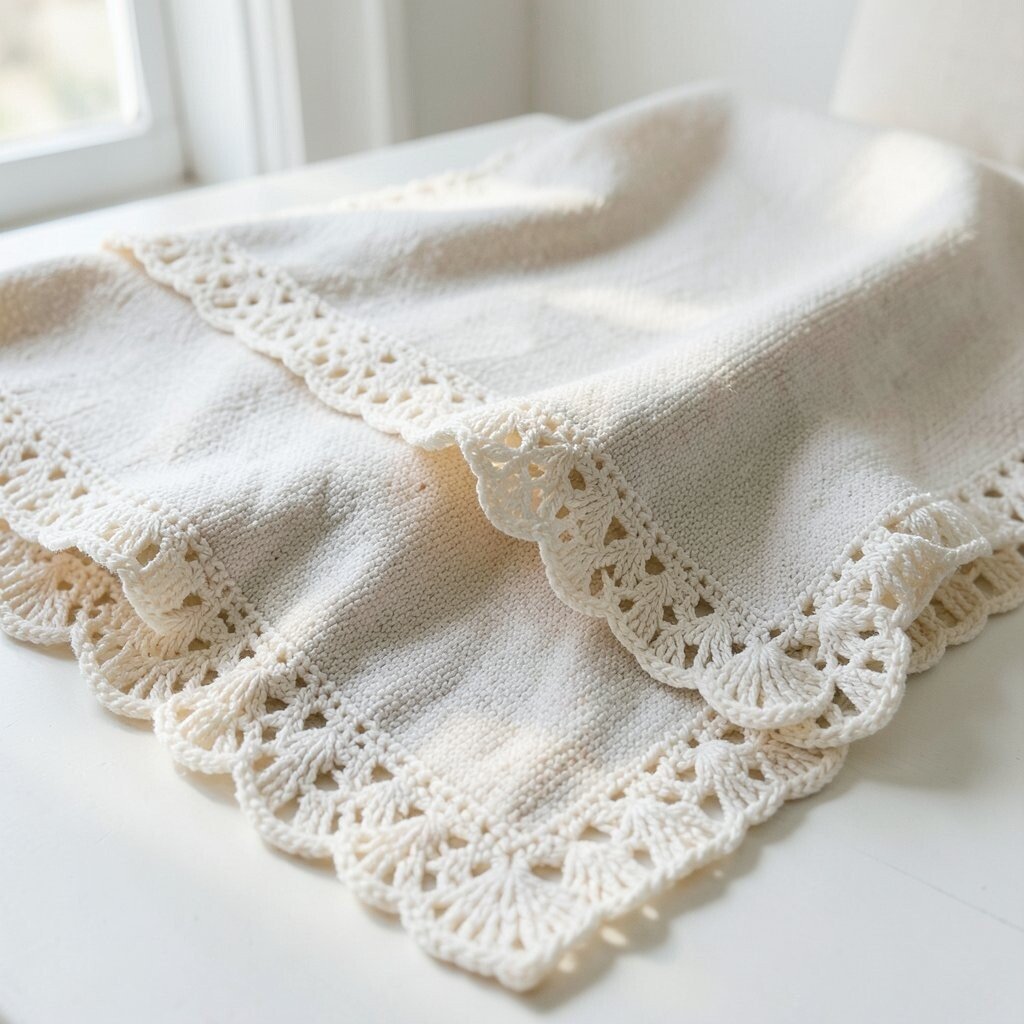
Picture the edge of a plain blanket blooming with delicate, lacy filigree-like stitches. It makes the whole piece feel special even if the main body stays simple.
Choose a lightweight yarn so the lace pattern drapes nicely, and pick an edging chart that includes repeated loops and curves. Work the border around the blanket carefully, counting stitches so corners stay tidy. Block your finished piece to help the filigree shapes open up and look even.
Personalize by changing yarn color, adding a subtle color stripe, or mixing two textures for contrast. Cost can stay low by using stash yarn and focusing spending on one lovely highlight shade. This style matches current trends for handmade home textures and cozy “soft” aesthetics.
10. Soldered Filigree Keychain with a Hidden Initial
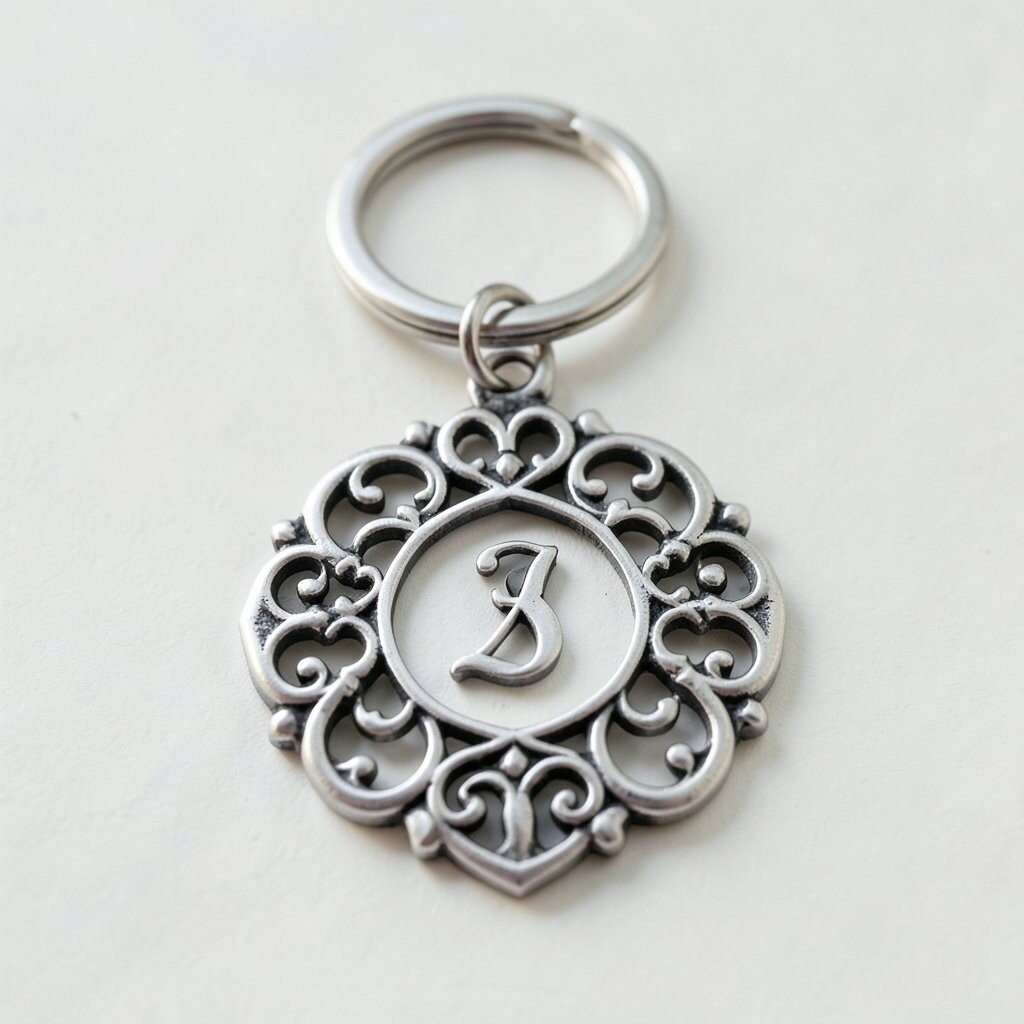
Imagine a slim keychain where filigree curls wrap around a small charm. The metal spark feels modern, but the delicate loops give it a vintage heart.
Use beginner-friendly metal craft supplies like brass or copper strips and wire, then form a simple frame around a tiny initial charm. Solder if you’re comfortable, or use strong metal adhesive as a safer alternative for quick builds. Keep the loops small enough to stay sturdy, and avoid sharp edges by filing carefully.
11. Patterned Fondant Filigree for Fancy Cupcake Tops
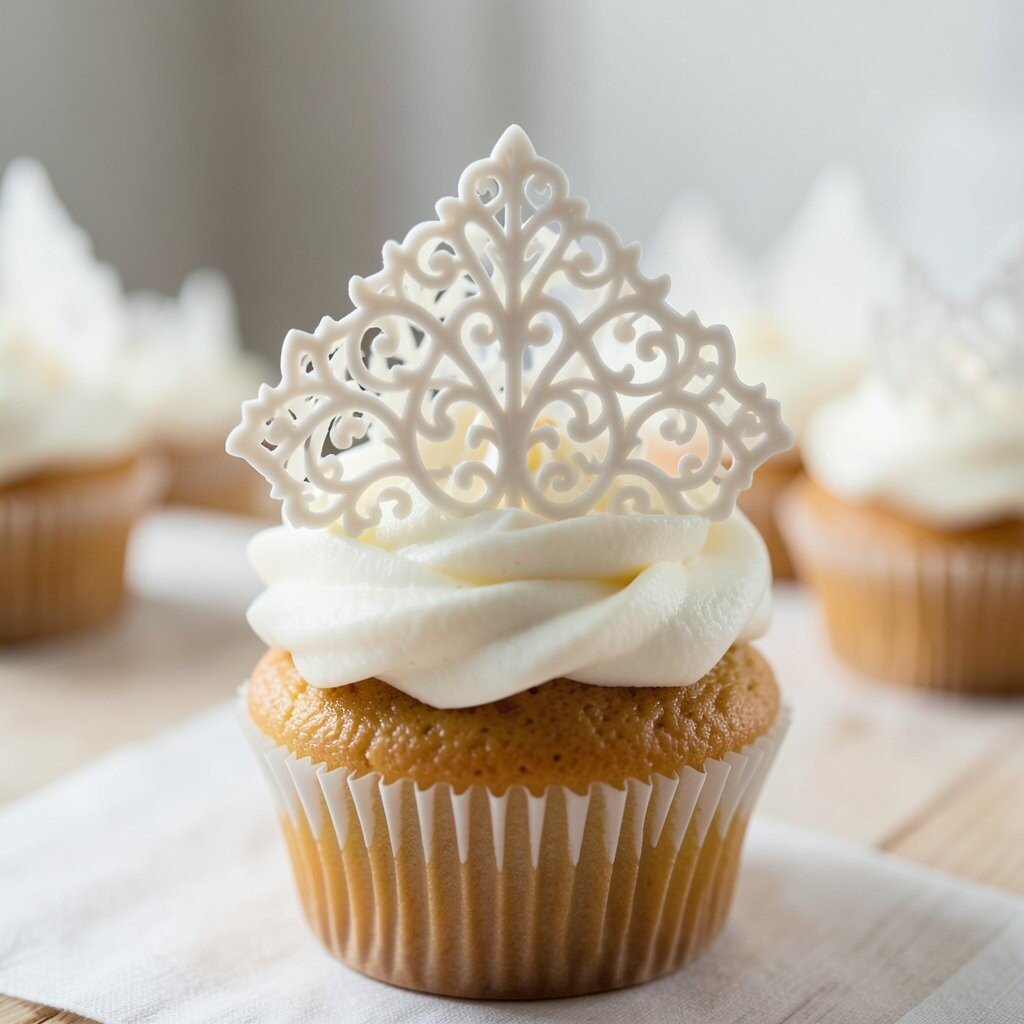
Think of cupcakes topped with sugar swirls that look like tiny ornaments. The filigree effect makes the treats feel bakery-level, perfect for celebrations.
Roll fondant thin, then cut or emboss filigree shapes with small cutters or sculpting tools. Press the pattern gently onto the top so it sticks without tearing, and add a little edible glue if needed. For a clean finish, brush lightly with edible dust or shimmer powder, then let the frosting set before serving.
Personalize with colors that match your party theme, like gold and white for weddings or bright jewel tones for birthdays. Costs stay manageable because you can make filigree parts from a small amount of colored fondant. This idea fits today’s trend of high-detail desserts that look like wearable art.
12. Screen-Printed Filigree T-Shirt Panels
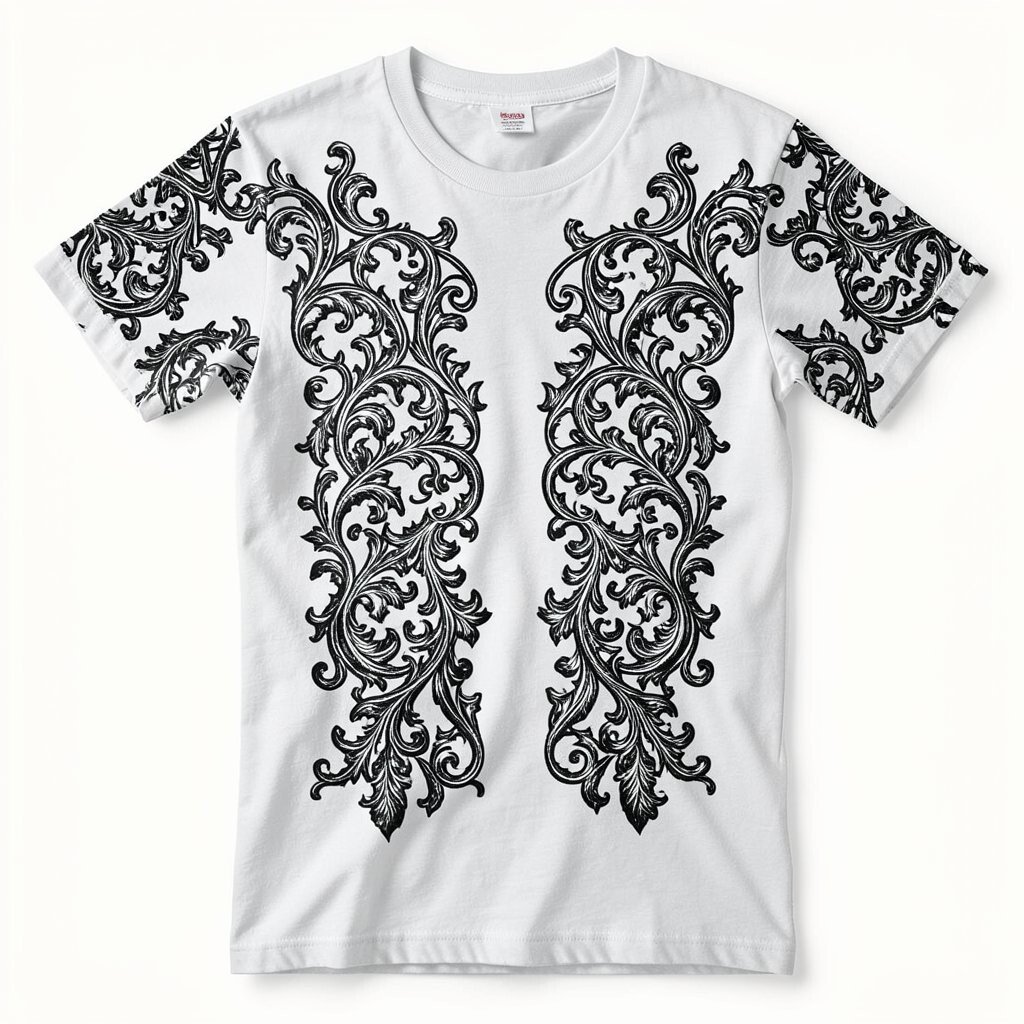
Picture a simple t-shirt with filigree panels on the sleeve or along the hem like a decorative border. The design looks crisp and gives your everyday clothing a stylish upgrade.
Start with a stencil of filigree scrolls, then screen print or paint in thin layers. Use fabric-safe ink or paint and let each layer dry before adding the next. After it’s fully dry, heat-set the print according to the product directions for better durability.
For personalization, combine filigree with a meaningful symbol, like a small moon, heart, or initials in the negative spaces. Keep cost in check by printing one or two accents instead of covering the whole shirt. Many people are currently leaning into DIY streetwear touches, so this fits right in.
13. Filigree Bookmarks with Rolled Paper Stars
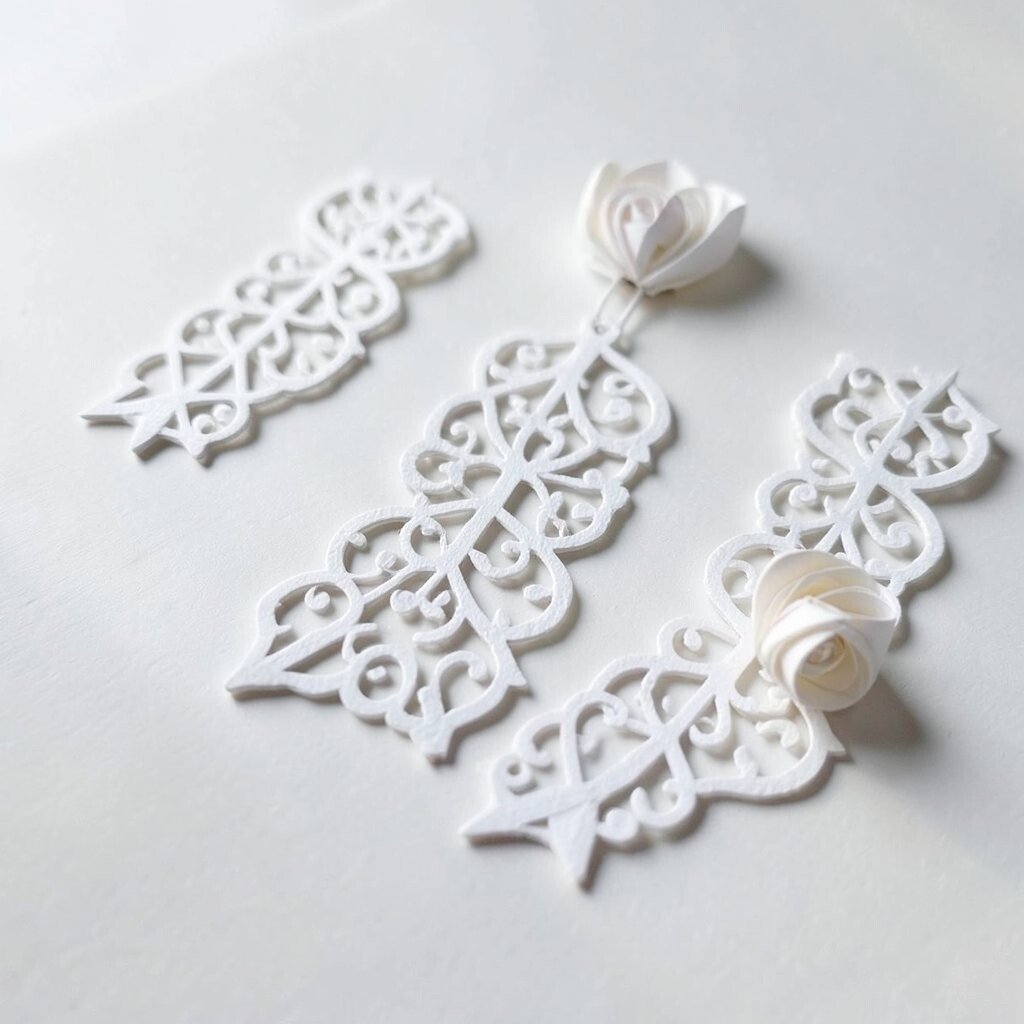
Imagine bookmarks made of rolled paper spirals forming starbursts and airy scrollwork. They’re light, pretty, and fun to make while you’re relaxing.
Roll and coil paper strips into consistent shapes, then glue them into a layered filigree pattern. Attach a sturdy ribbon or thin cardboard strip so the bookmark doesn’t bend too much. Seal with a craft varnish or glue mix so the coils hold their shape over time.
To personalize, vary the paper colors by season, like soft pastels for spring or deep tones for winter. Costs are low because paper strips are cheap, and you can use scrap pages. This style is unique because it turns reading time into a small art ritual.
14. 3D Filigree Wall Hanging from Plaster and Texture Molds
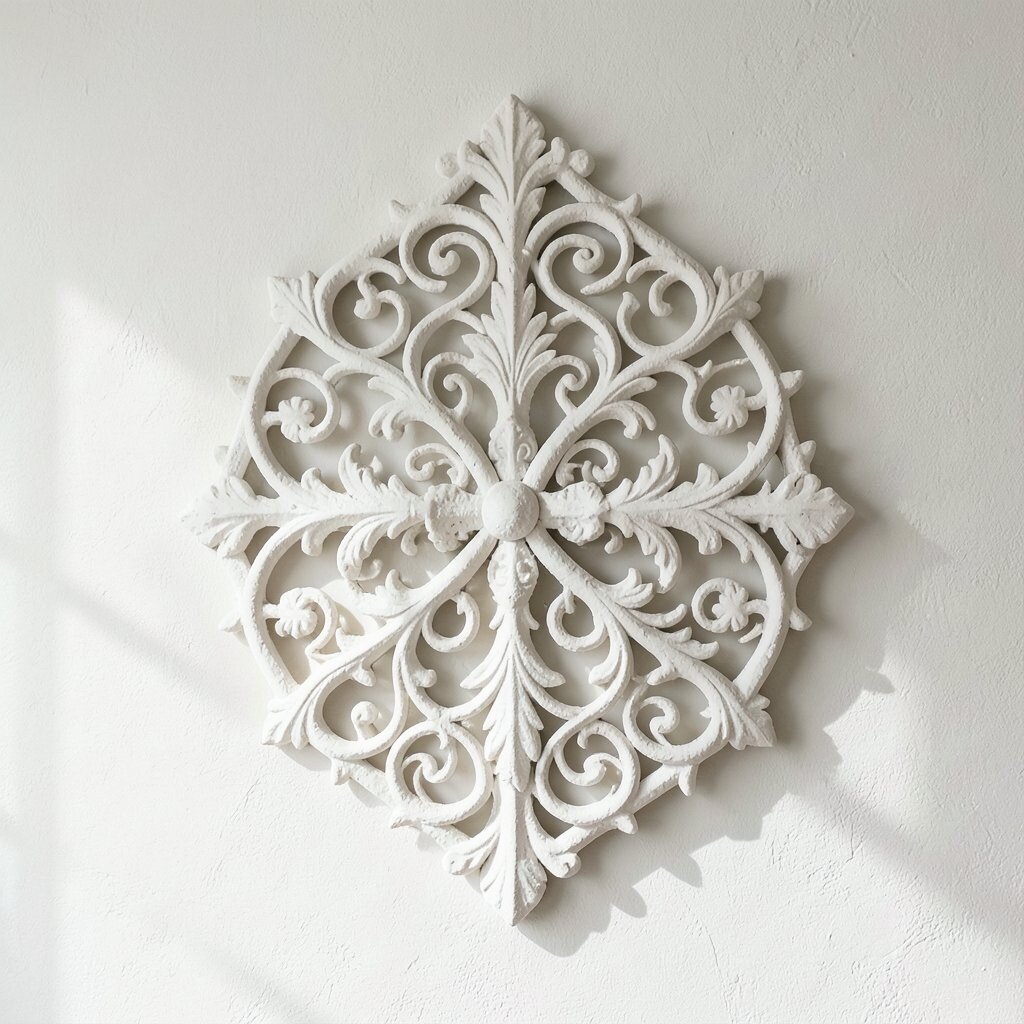
Picture a wall hanging with raised filigree curls molded in plaster, catching shadows like lace. The texture gives depth, so it looks different from morning to night.
Use a flexible texture mold with filigree patterns, then mix plaster or lightweight casting material. Pour carefully, tap out bubbles, and let it cure fully before removing it from the mold. Sand lightly for smooth edges, then paint with a wash of metallic or soft matte color.
Personalize by adding a fabric backing or hanging it with macramé cords for a cozy look. Cost considerations are friendly here because molds can create multiple pieces and plaster is usually affordable. The current trend of textured, shadow-playing decor makes this an especially striking choice.
15. Filigree Ceramics Look Using Paint and Crackle Medium
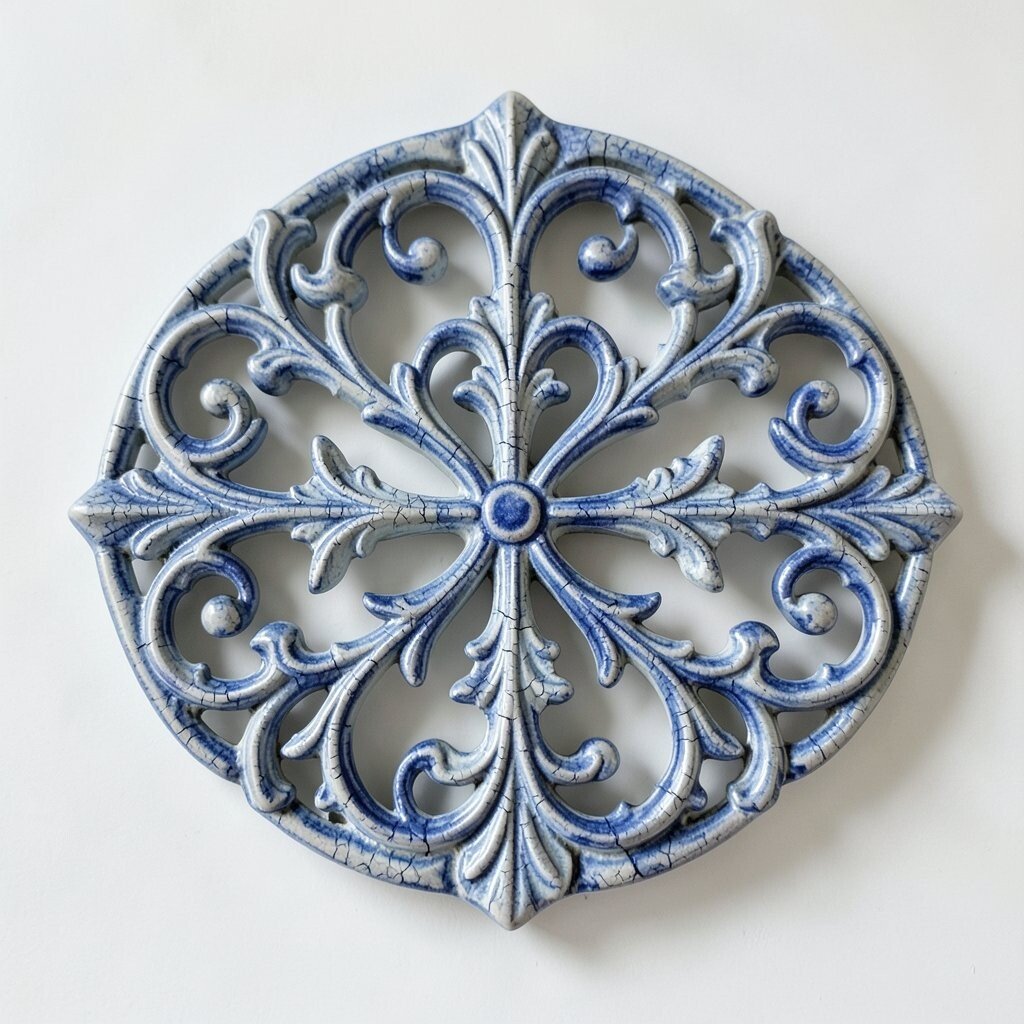
Imagine a ceramic planter or shallow bowl painted with filigree lines that look like old-world glaze. Add crackle medium and the pattern appears aged, like it has a history.
Paint filigree using fine detail brushes or stencil guides, then apply crackle medium carefully over the areas you want to age. Once it dries, you’ll see tiny splits that make the scrollwork feel more dimensional. Finish with a protective seal so the piece stays safe for daily use, like holding pens or small plants.
To personalize, match crackle color to your room palette, such as warm terracotta lines with antique gold accents. Costs can be kept low by starting with plain ceramic items from craft stores and using only small amounts of detail paint. This style feels unique because it blends elegant patterning with a popular “timeworn” finish look.