
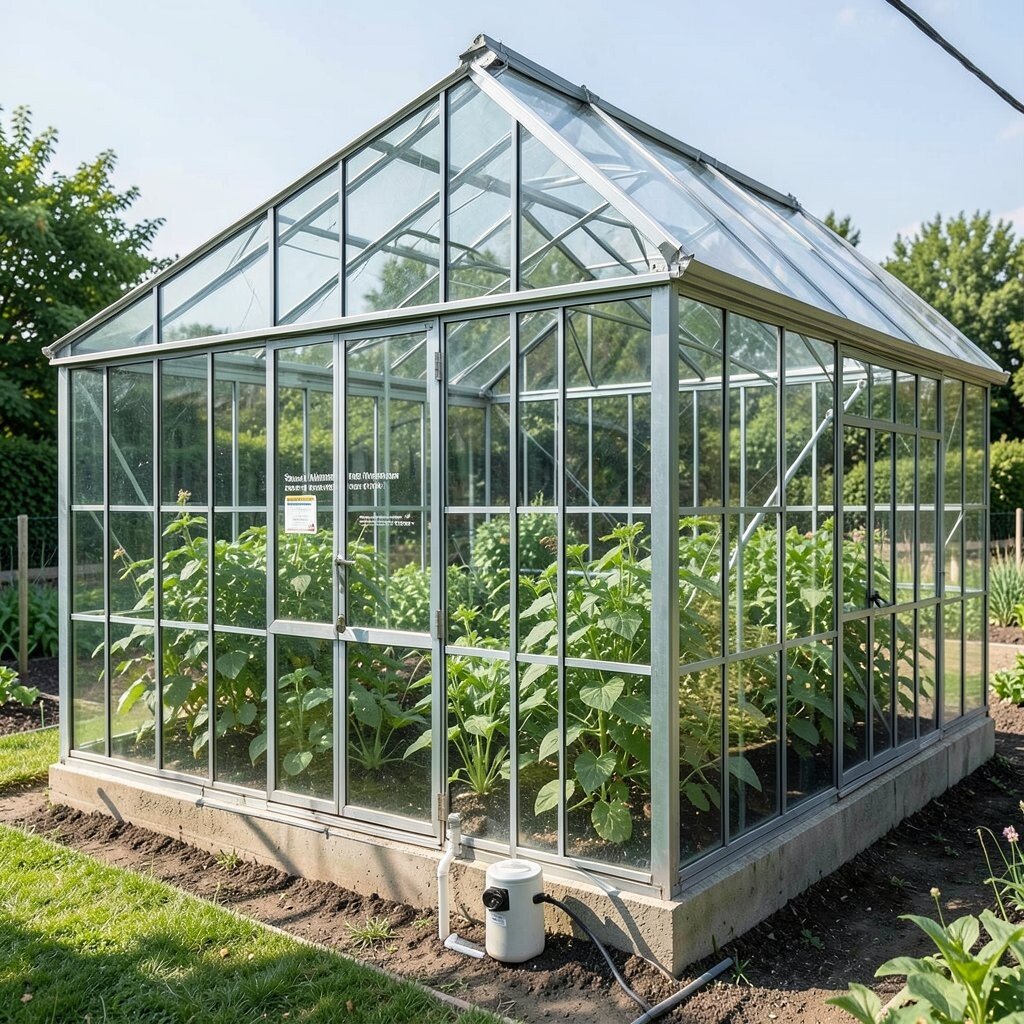
The air feels calm, yet everything can be timed and monitored. A glass greenhouse can be both cozy and clever at the same time.
When smart tech is added, plants get steady conditions and you spend less time guessing.
1. Automated Climate Control With Smart Vents
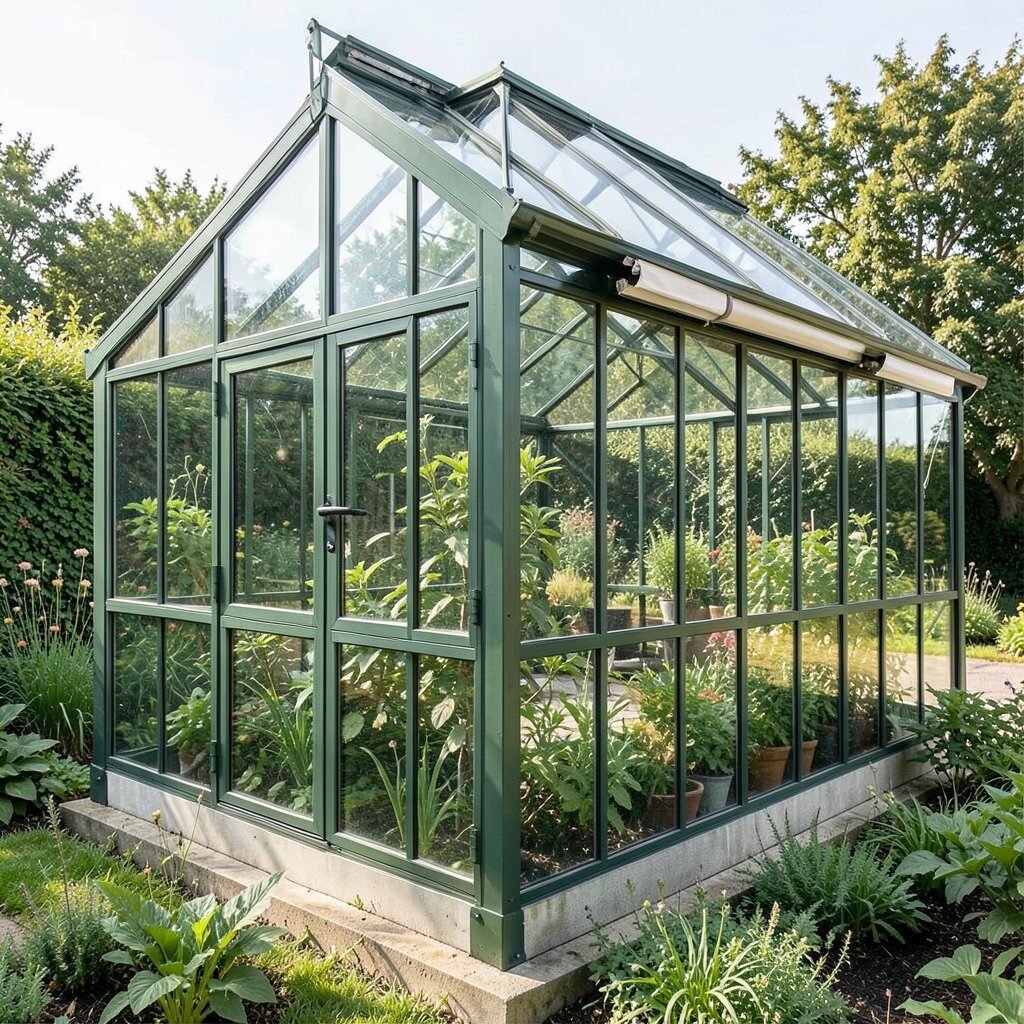
Imagine walking past clear glass panels and seeing tiny vent flaps opening and closing on their own. Sensors keep track of temperature and humidity so your plants stay in a comfy range.
You get steadier growth, fewer stress swings, and less time spent carrying a thermometer around. For practical setup, place sensors at plant height and avoid direct sunlight blasting the sensor face. Pair the vents with a simple phone dashboard so you can check live conditions and adjust schedules when the weather changes.
2. Wi‑Fi Weather Forecast Alerts for Venting and Shade
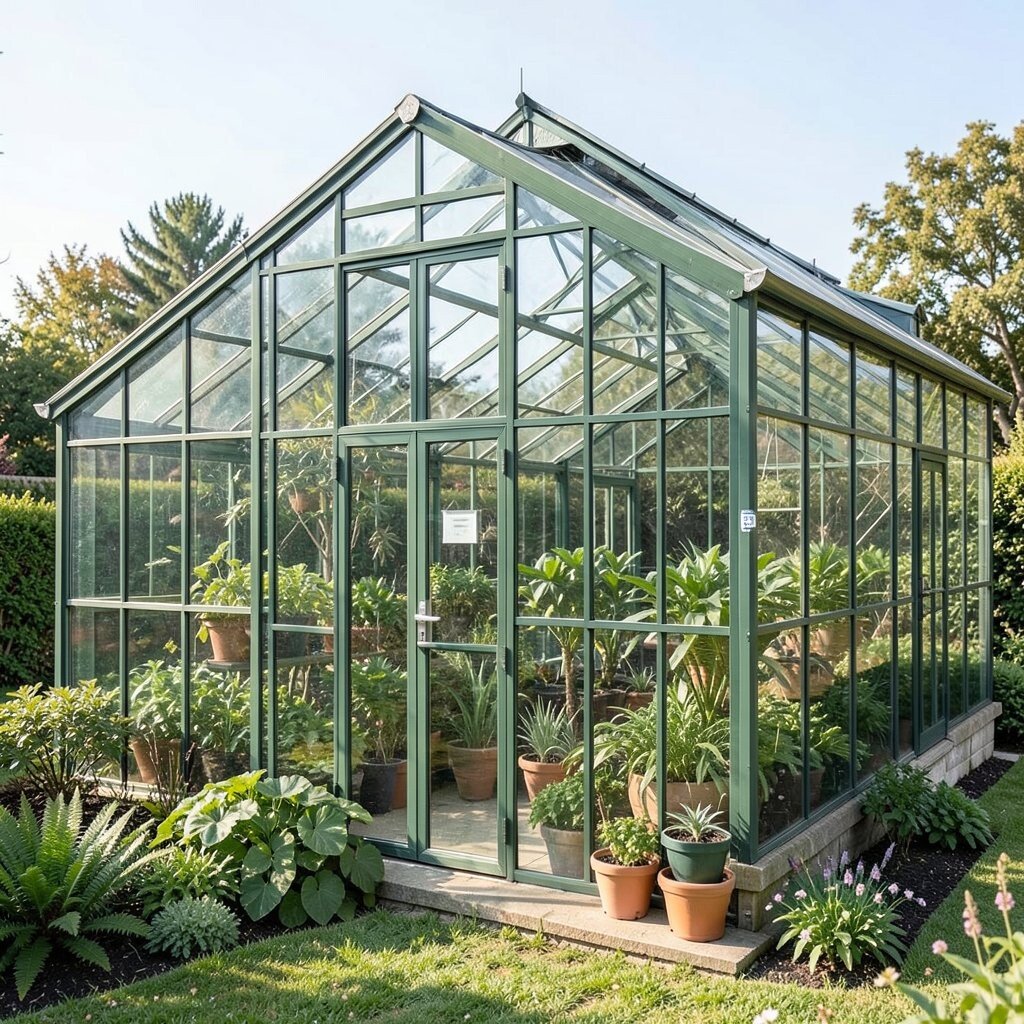
Picture a greenhouse where the roof and sides react before hot or windy weather arrives. Instead of waiting for leaves to droop, you get alerts that hint at what the next hours might bring.
That means you can close vents earlier during gusty periods and open shading sooner when bright sun ramps up. A useful trick is to set different actions for mornings and afternoons, since light intensity rises fast. If your area gets sudden storms, program alerts to trigger gentle ventilation rather than abrupt changes.
Many systems offer subscriptions for advanced forecasts, so consider total yearly cost before you commit. Look for options that still work with local sensors even if the internet connection is shaky.
3. Smart Irrigation With Soil Moisture and Leak Checks
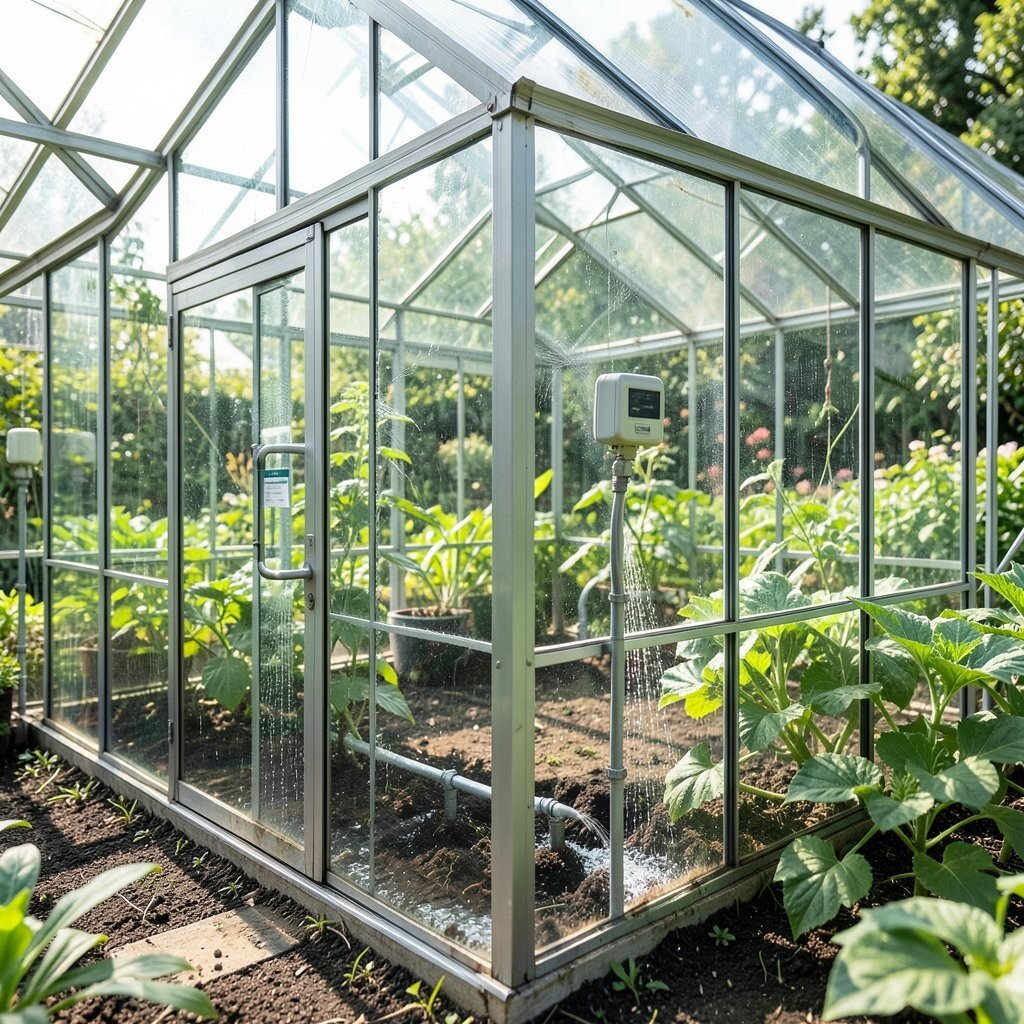
Clear walls make it easy to see drips, but smart irrigation prevents them before they start. Moisture probes placed near roots can guide watering only when the soil truly needs it.
You avoid overwatering and dry patches, and plants look happier because they get steady water. Choose a setup that includes flow monitoring so leaks are detected quickly.
For personalization, group beds by plant type and set different schedules for herbs, leafy greens, and seedlings. Check pipe fittings during installation and use simple strainers to protect valves. Think about water filter needs and replacement costs for emitters, since regular upkeep keeps everything working smoothly.
4. Energy‑Smart Glass Heating With Heat Cables and Thermal Mass
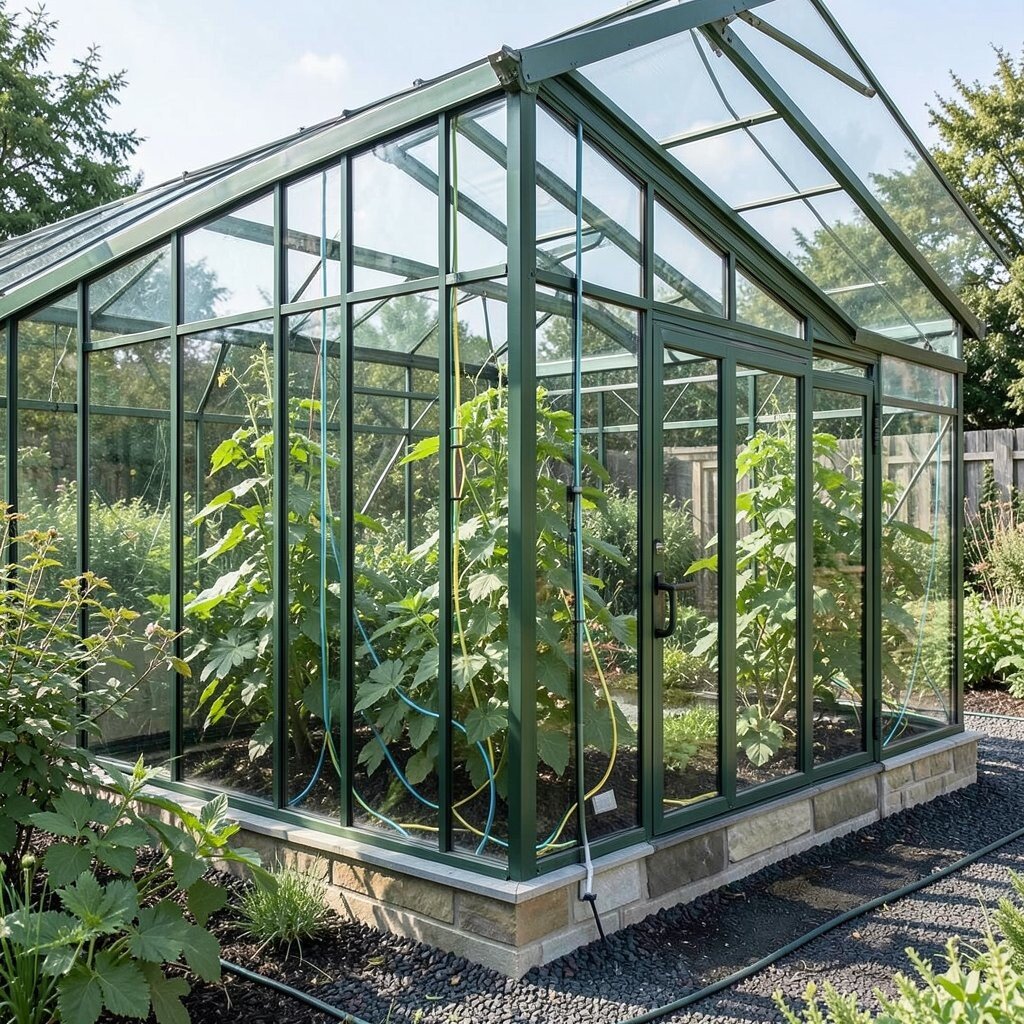
Warmth can be built into the greenhouse in a gentle, even way. Heating cables along walkways and thermal mass blocks help smooth out chilly nights.
When smart controls manage heating based on indoor temperature, you use less energy and keep plants from sudden cold shocks. To make it practical, test your heat response on a cold evening and fine-tune the threshold so it cycles calmly. You can also match heat times to your plant stages, such as extra stability for young seedlings.
5. Automated Shade Curtains for Glare Control
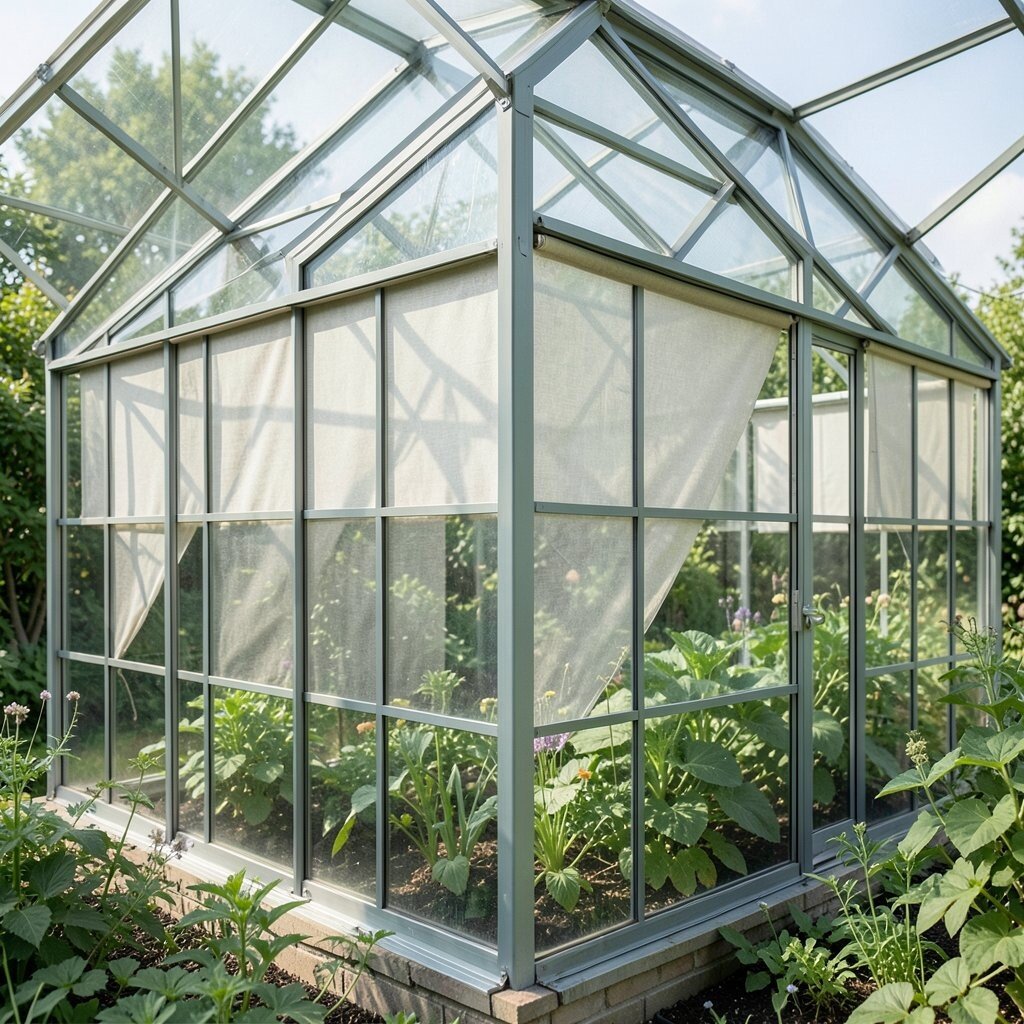
Sunlight through glass can be beautiful, but it can also get too intense on hot days. A smart shade curtain rolls across the inside to soften glare and reduce heat spikes.
Your plants benefit from more stable leaf temperatures and fewer signs of scorching. A simple personalization move is to set different shade levels for different seasons and plant types.
Before you buy, check the curtain fabric rating and make sure the rails fit your greenhouse width. Even small motors add cost, so estimate the price of replacement parts and plan for yearly inspection.
6. High‑Accuracy CO₂ Monitoring and Enrichment Scheduling
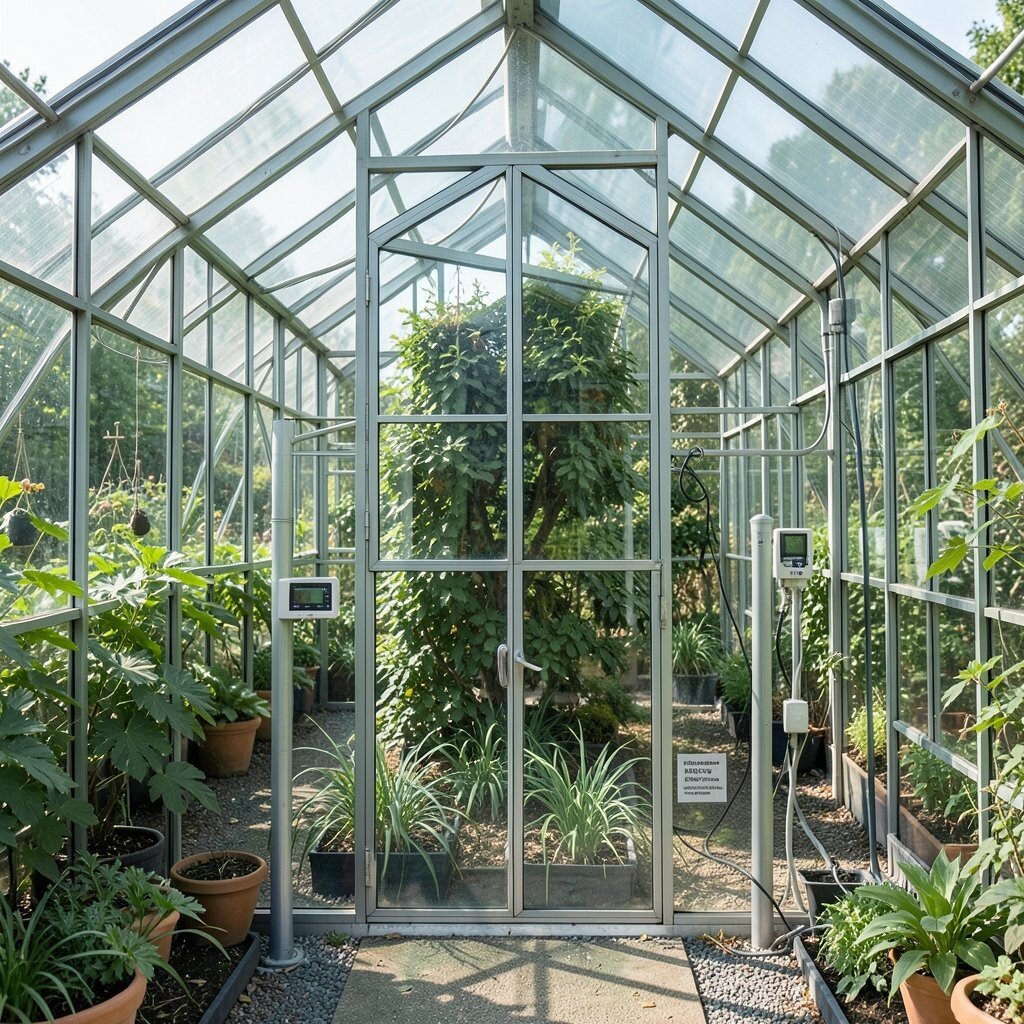
In a glass greenhouse, CO₂ levels can matter as much as light. A sensor tracks gas concentration, and enrichment can be timed when plants need it most.
This can support faster growth and better yields, especially in crops that respond strongly to extra CO₂. Keep safety in mind by using proper regulators and placing controls where they can measure air flow without being blocked by tall plants.
For practical tips, start with conservative enrichment and observe plant behavior over a few weeks. If you already have good ventilation, you can fine-tune enrichment periods to avoid wasting gas during windy hours.
7. Smart Lighting With Dimming, Timers, and Plant‑Friendly Spectra
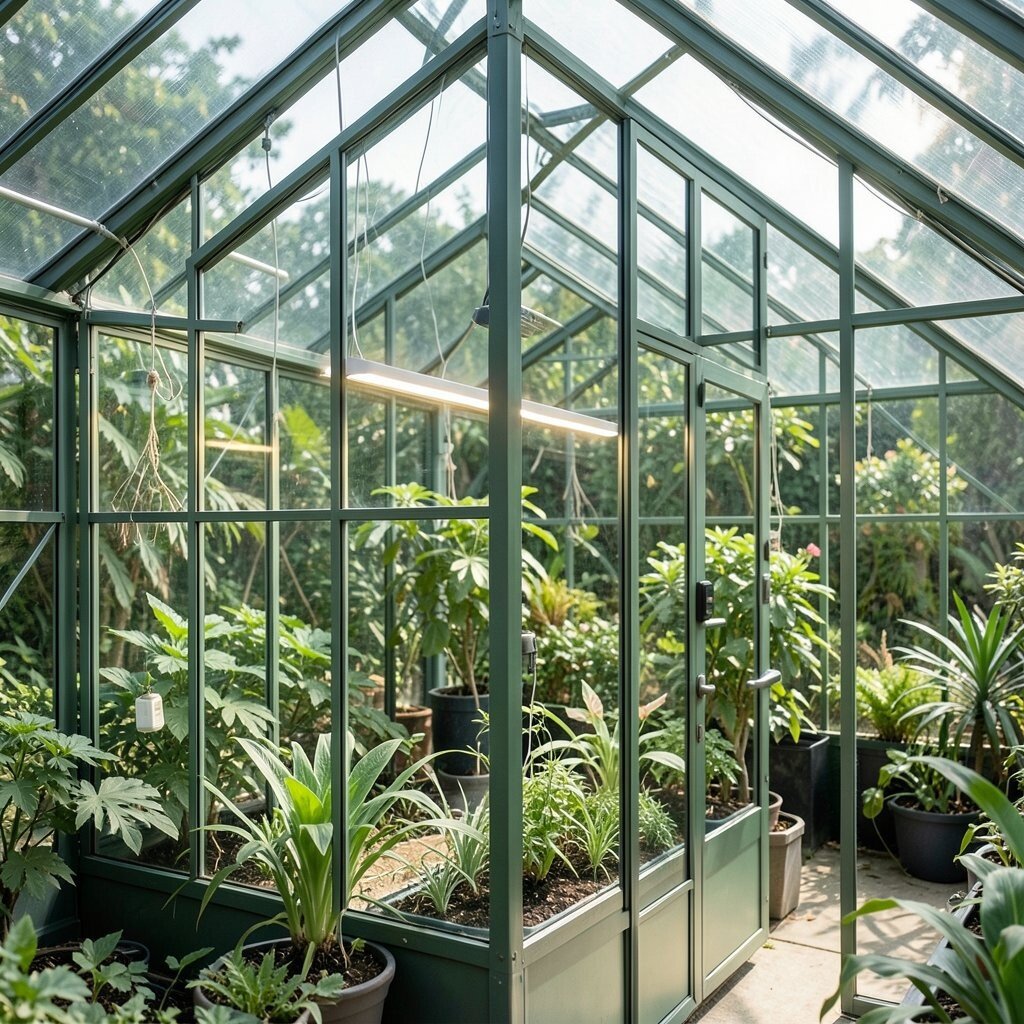
Even the best glass can’t control night length, so smart lighting becomes a helpful partner. Adjustable LED bars can be dimmed and set to plant-friendly schedules.
This helps seedlings stay sturdy and helps leafy crops maintain consistent growth. A great personalization idea is to create lighting profiles for each growth stage, such as stronger light for germination and gentler light for acclimation.
To keep costs realistic, compare wattage, expected runtime, and how often you’ll need replacements. Look for fixtures with warranties and good heat management, since LEDs last longer when they run cool.
8. Camera Monitoring for Germination Checks and Plant Health
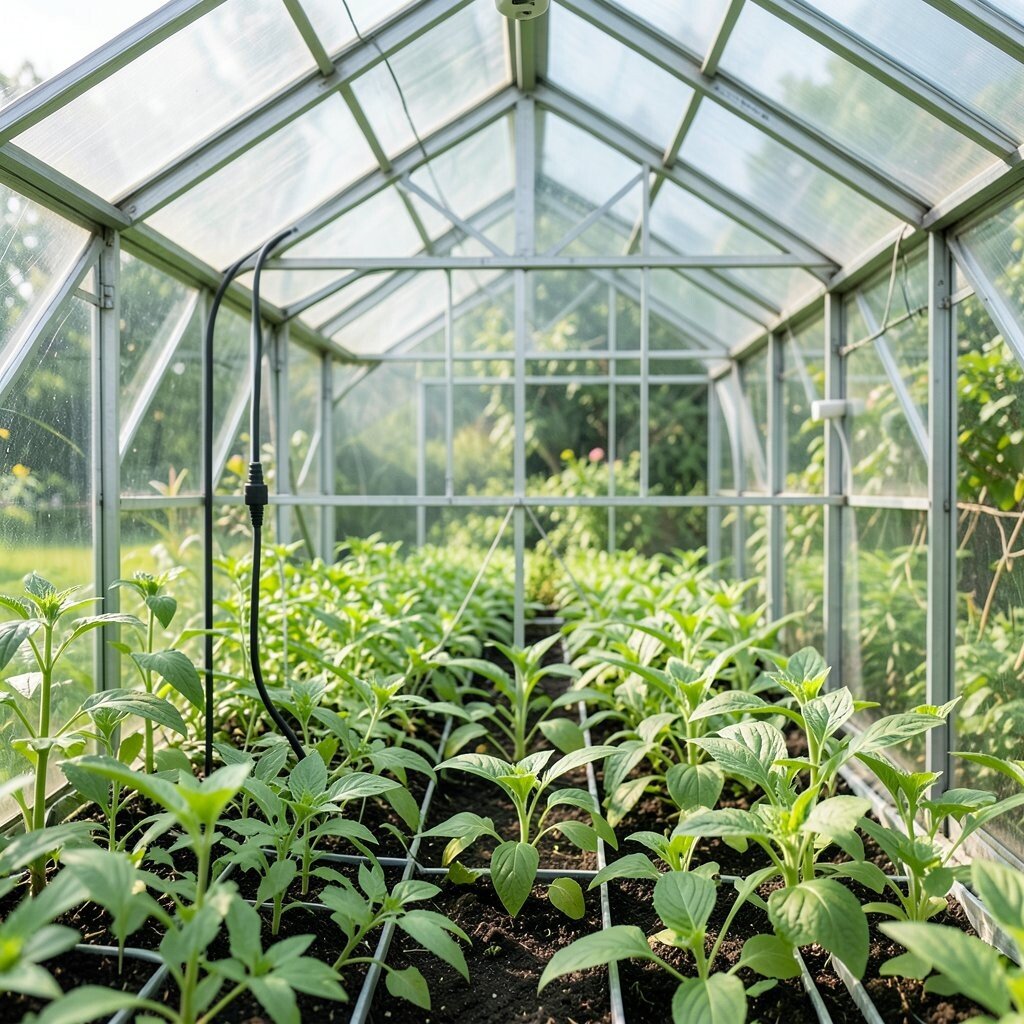
Clear walls are excellent for seeing plants, but cameras add a second pair of eyes. A smart camera can capture images on a set schedule so you can spot issues early.
You may notice yellowing leaves, pest hotspots, or wilting patterns before they become serious. For practical setup, aim the camera to include both the seedling area and the main growing rows.
Personalize your alerts by choosing zones, so you get notified when certain areas change rather than constant noise. Many systems store clips locally or in the cloud, so factor in storage costs and privacy controls before selecting a model.
9. Automated Pest Detection With Sticky Trap Analytics
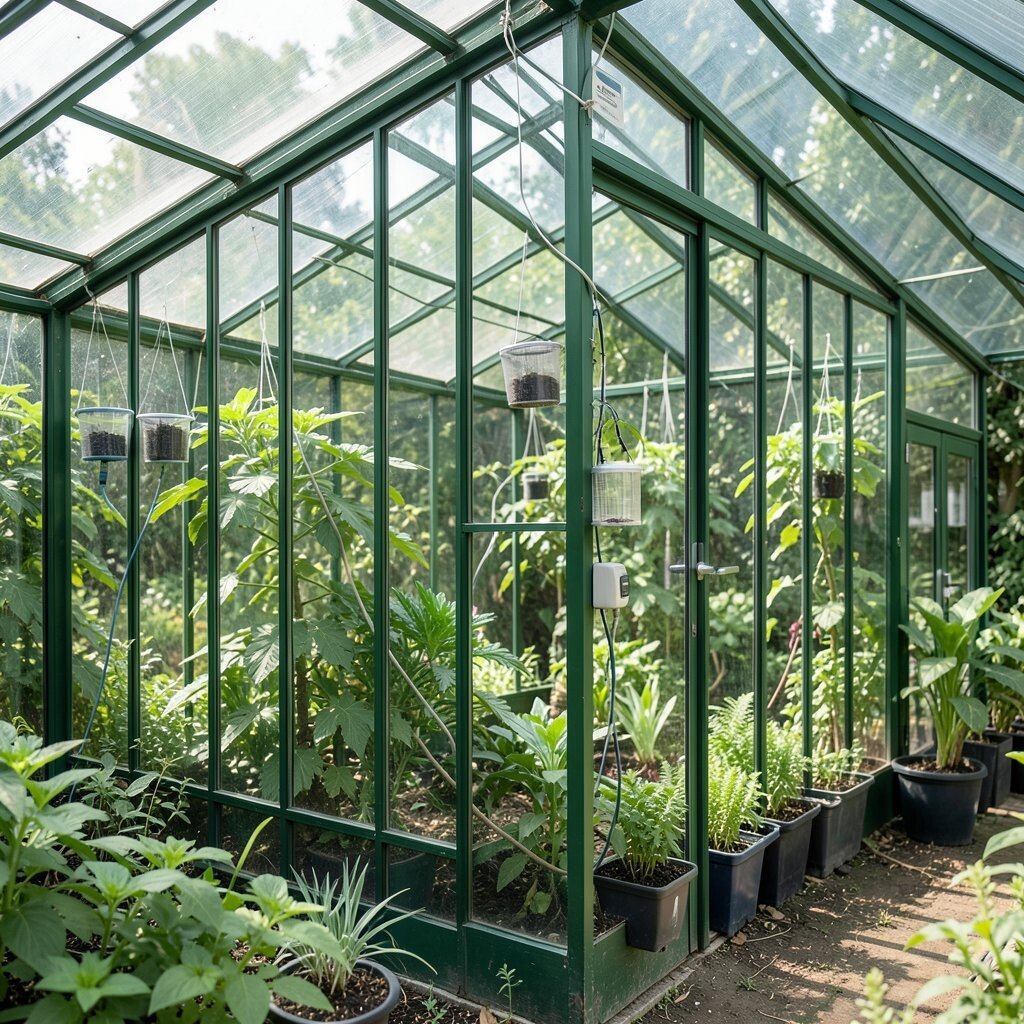
Sticky traps are simple, but smart tracking makes them even more useful. Sensors or cameras can count pests on traps and show which zones are getting hit.
This helps you respond quickly and use fewer sprays because you target the right area. A practical tip is to place traps near vents and doors where pests often enter.
For personalization, adjust trap density based on your crop type, since some plants attract pests more than others. Consider ongoing costs for trap replacements, especially if you plan to keep data-driven monitoring running year-round.
10. Smart Water Quality Monitoring With pH and EC Probes
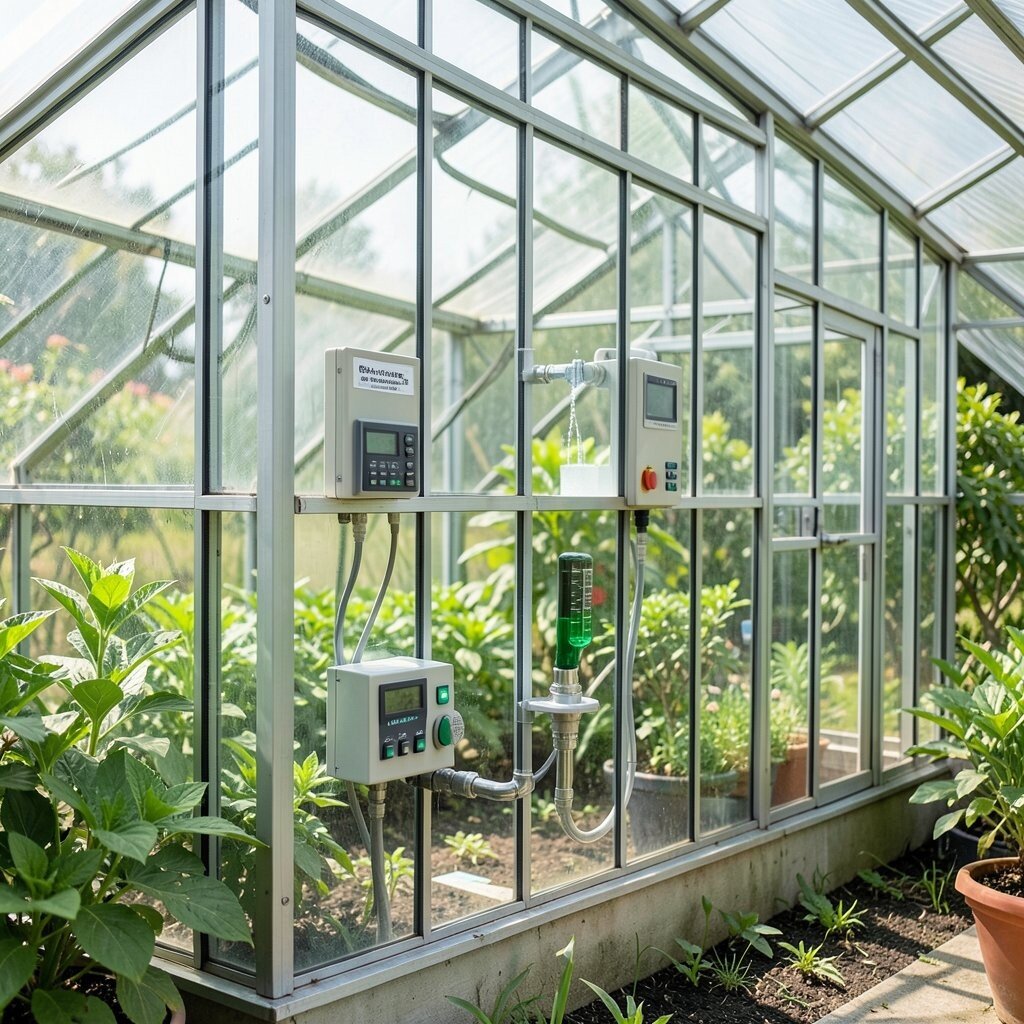
Even with careful watering, nutrient balance can drift over time. pH and EC probes can track water quality so plants receive the right mix.
You gain more consistent results and fewer problems like slow growth or leaf tip issues. Keep it practical by calibrating probes on schedule and cleaning them gently so readings stay accurate.
For personalization, create profiles for hydroponic setups, soil amendments, or coco-based beds. Costs can add up with probe replacements, so check expected lifespan and replacement pricing for the sensors you choose.
11. Robotic or Assisted Bench Positioning for Better Sun Exposure
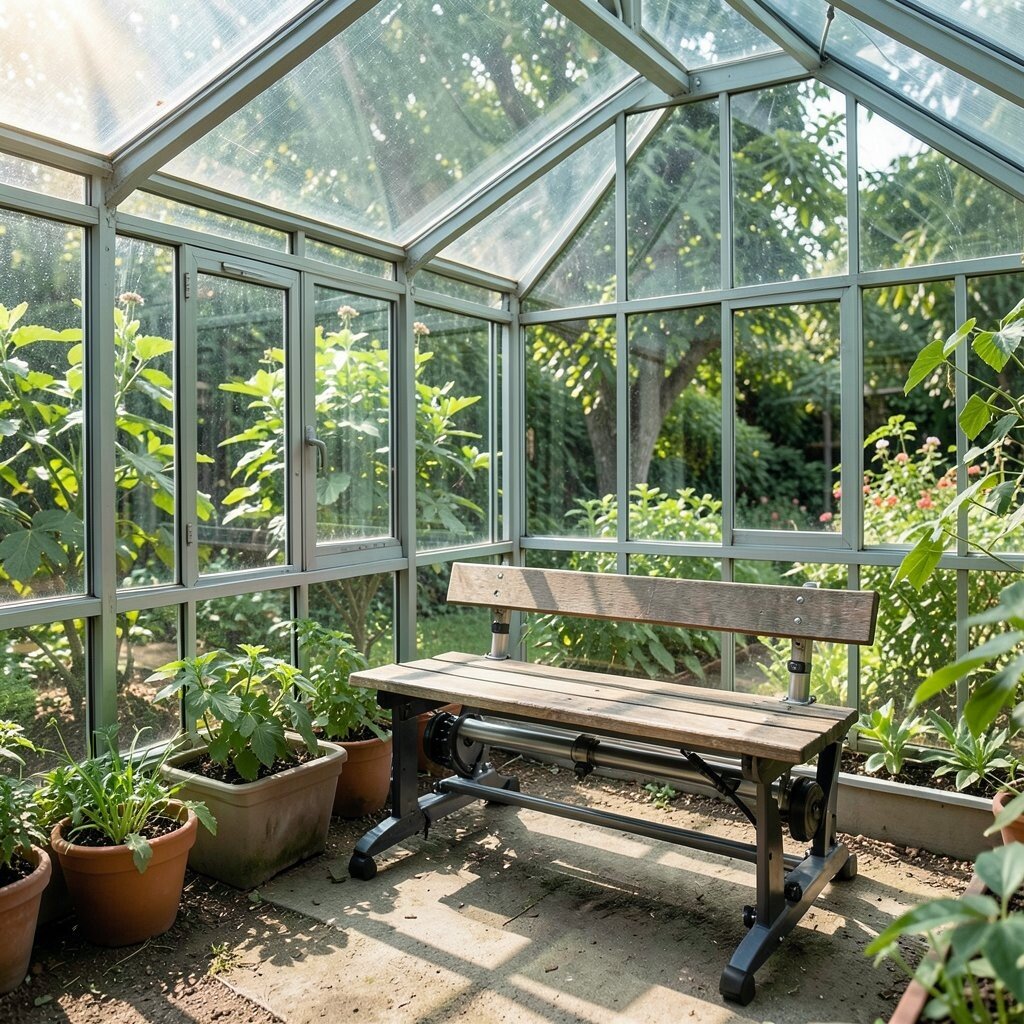
Some greenhouses use clever staging so plants move closer to light without heavy lifting. Smart-controlled benches can shift angles or locations to balance sun and shade.
You can reduce uneven growth and make it easier to manage tall crops and compact seedlings in the same space. For practical tips, measure your walkway clearance and verify that the mechanism stays stable during power changes.
Personalize the schedule by shifting benches based on the sun path, which works especially well for winter mornings. If you’re on a budget, consider a simpler motion system first and upgrade later when you’re confident in your setup.
12. Door and Vent Security Sensors With Smart Access
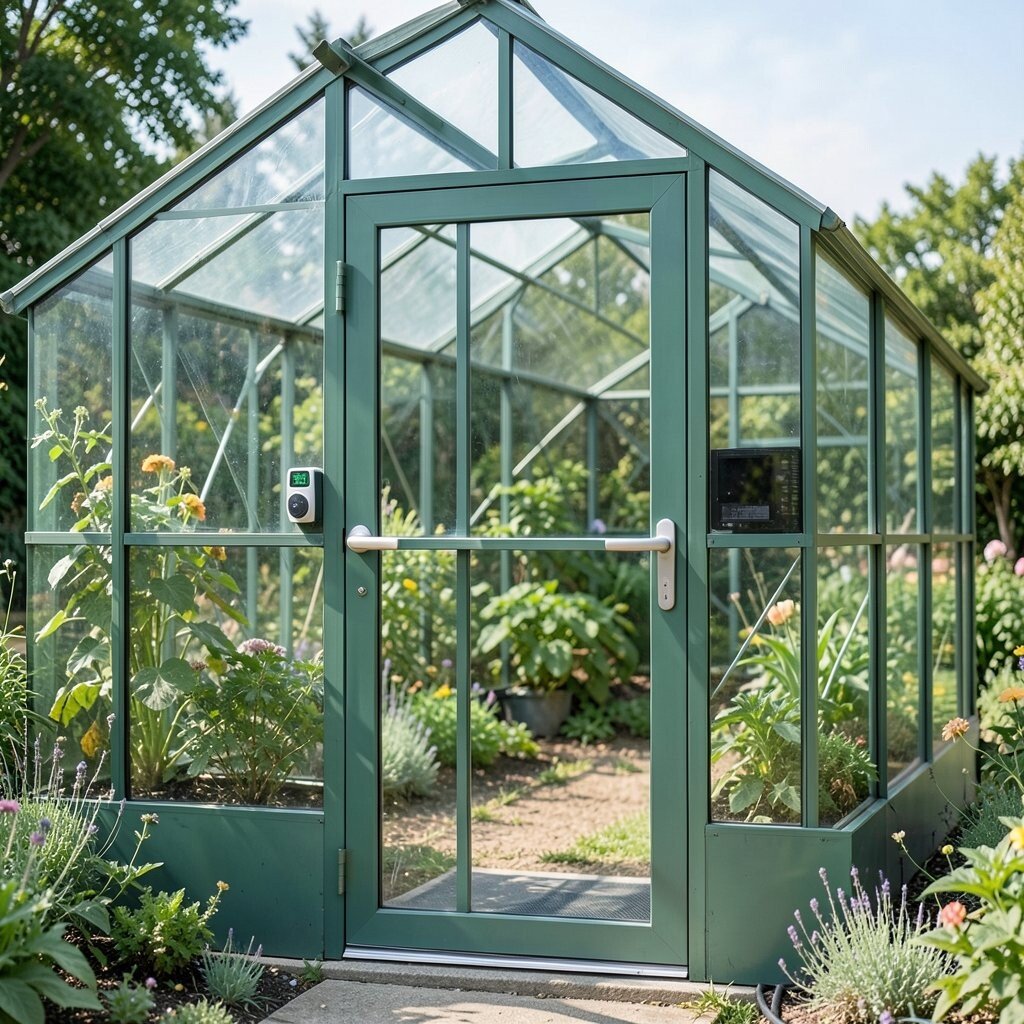
A greenhouse is a safe place for plants, but it still needs smart protection. Door sensors and vent position monitors can alert you if openings are left unlatched.
This protects your crop from sudden weather and helps prevent animals from sneaking in. For practical setup, install sensors where they can detect movement clearly and add a simple lock routine that matches your daily schedule.
You can personalize access rules for family members or a gardener by using different permissions in the app. Consider ongoing costs if you need extra hubs or additional sensor packs, especially for larger greenhouses.
13. Smart Energy Monitoring to Track Power Use by Zone
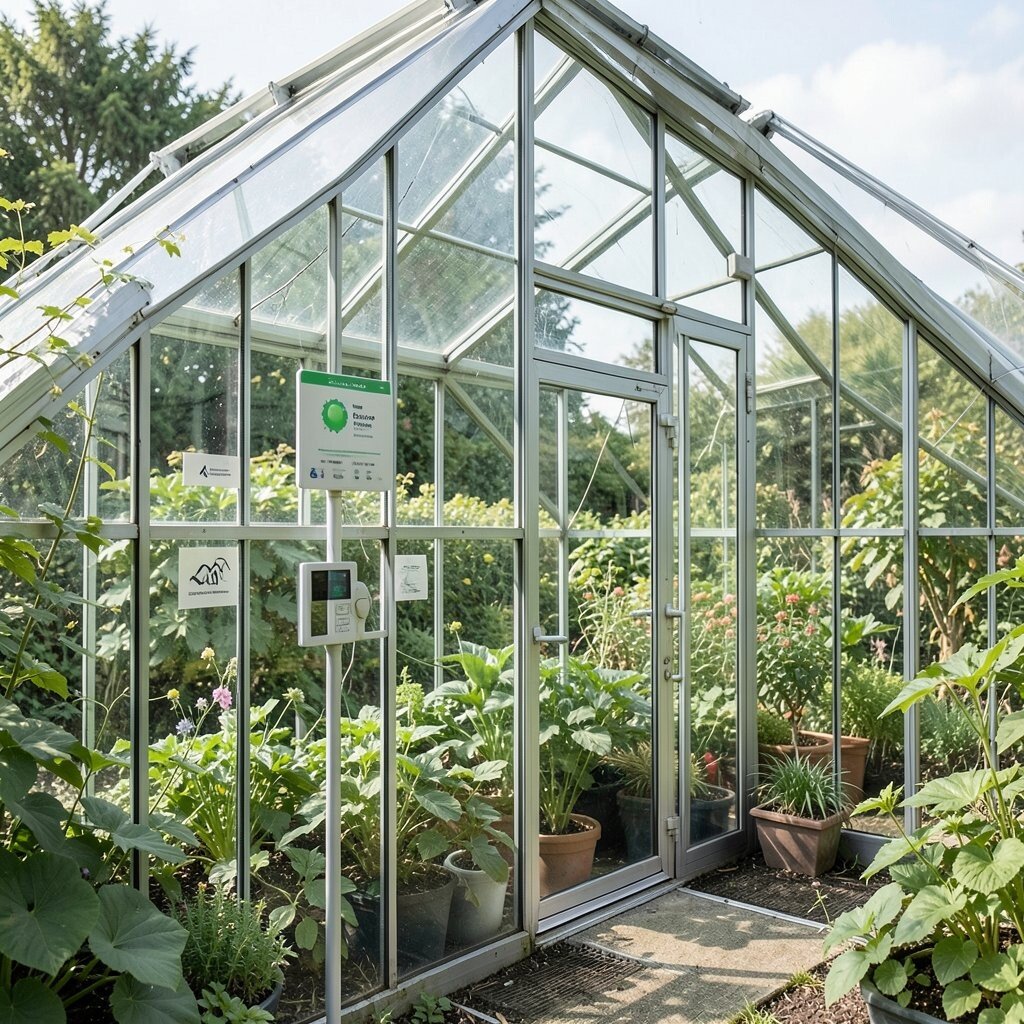
When lights, heaters, and pumps run together, it’s hard to guess what costs the most. Smart meters can show power usage and help you see which zones need tuning.
You can keep budgets under control and reduce waste by changing schedules based on real data. A practical tip is to monitor for a couple of weeks during normal operation, then adjust the timers once you see patterns.
For personalization, you might run heating only where seedlings sit and let other zones rely on insulation. If you’re curious about cost considerations, check how utility companies bill energy and whether demand charges apply in your area.
14. Smart Fan Control With Airflow Mapping
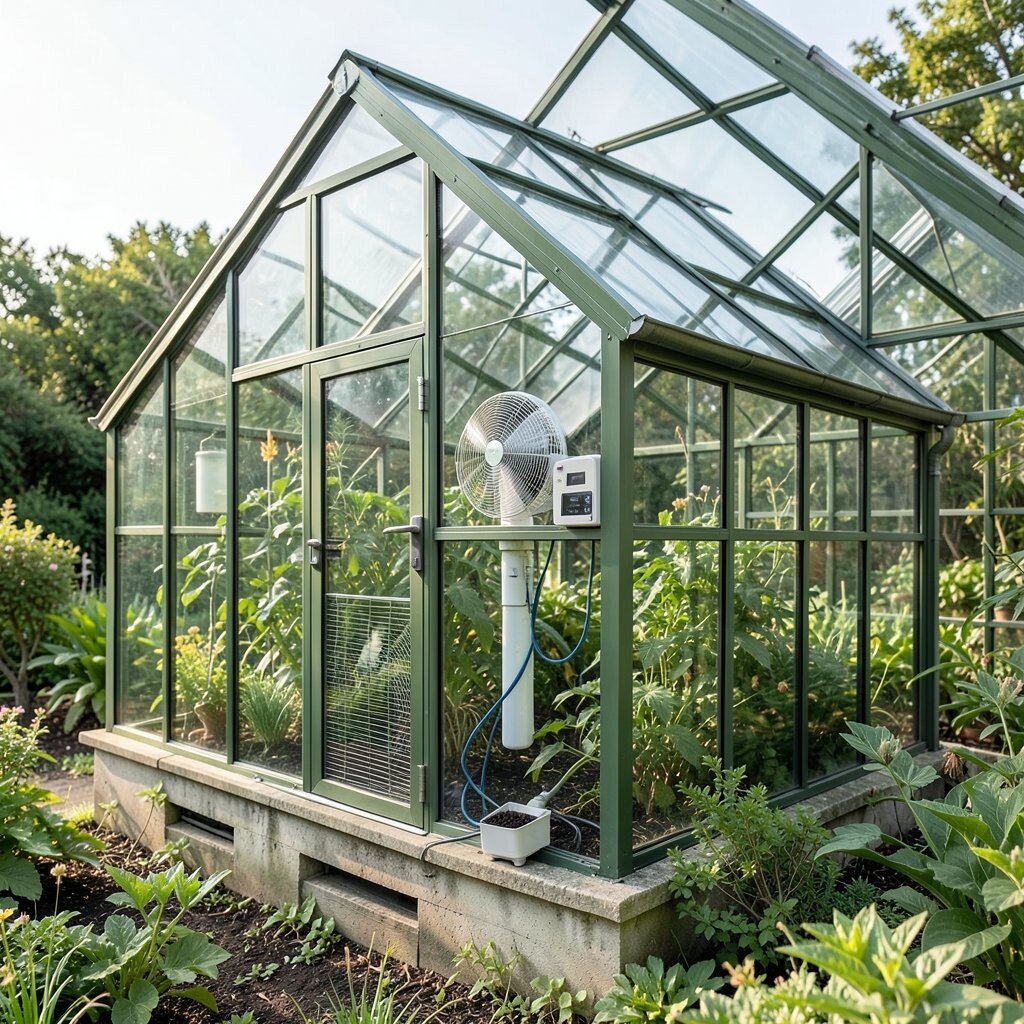
Good airflow keeps leaves dry and helps prevent mildew inside glass walls. Smart fans can respond to humidity and temperature while maintaining comfortable circulation.
This reduces stagnant pockets and supports even growth across the greenhouse. For practical setup, aim fans to move air gently rather than blasting plants, and test airflow direction after rearranging benches.
Personalize your airflow schedule for mornings, midday, and evenings, since humidity often rises at different times. Many systems offer staged fan speeds, and choosing the right number of stages can improve comfort and cut noise.
15. Smart Shelving Layout With Sensor‑First Placement Plans
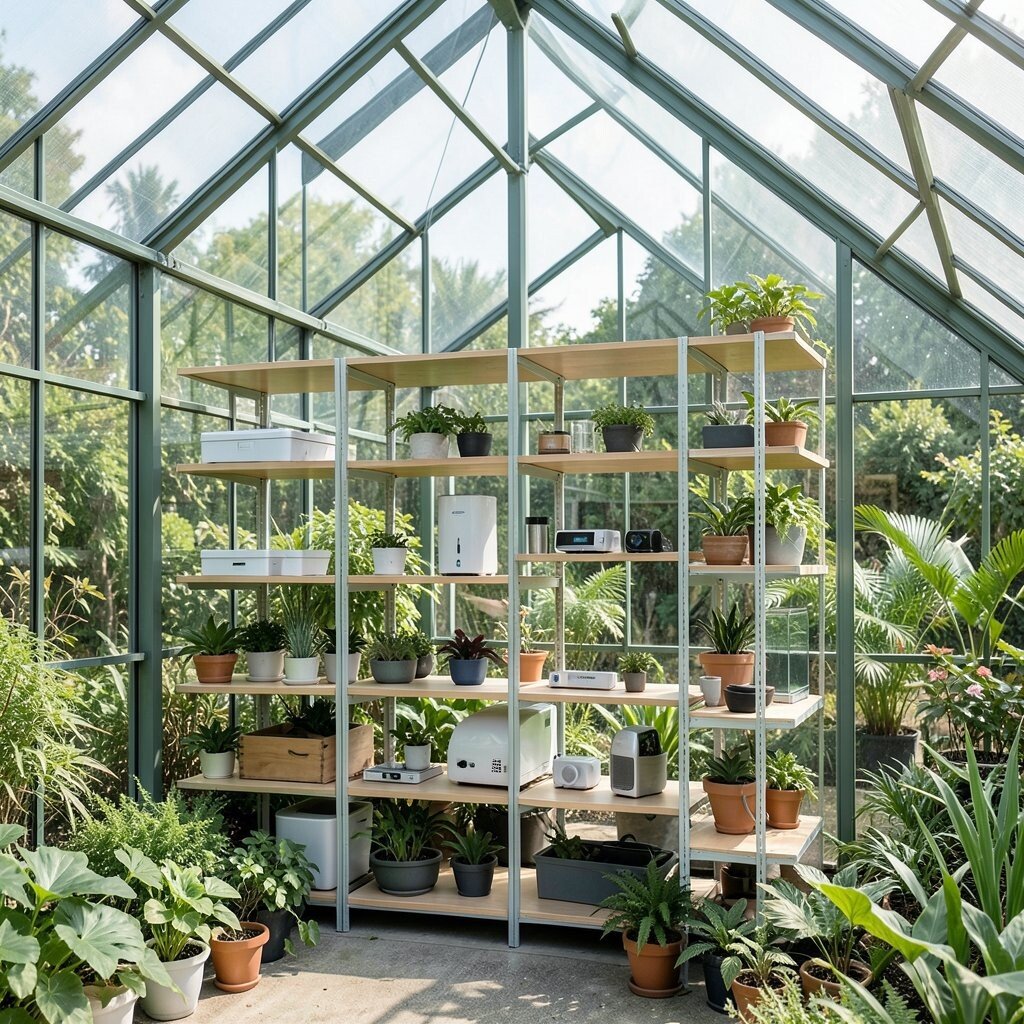
Instead of scattering sensors randomly, you can design the layout around where measurements matter. Clear greenhouse space makes it easy to add slim sensor posts and place probes near key plant areas.
You get more accurate readings, which leads to better decisions about watering, ventilation, and light timing. A practical tip is to keep sensor locations consistent, especially if you rotate crops throughout the year.
For personalization, plan a “nursery zone” with dense sensors for seedlings and a “steady growth zone” with fewer sensors for mature plants. Cost-wise, you can start with a smaller sensor set and expand as you learn which areas need the most attention.
16. Weather‑Resilient Smart Controls With Surge Protection and Backup Power
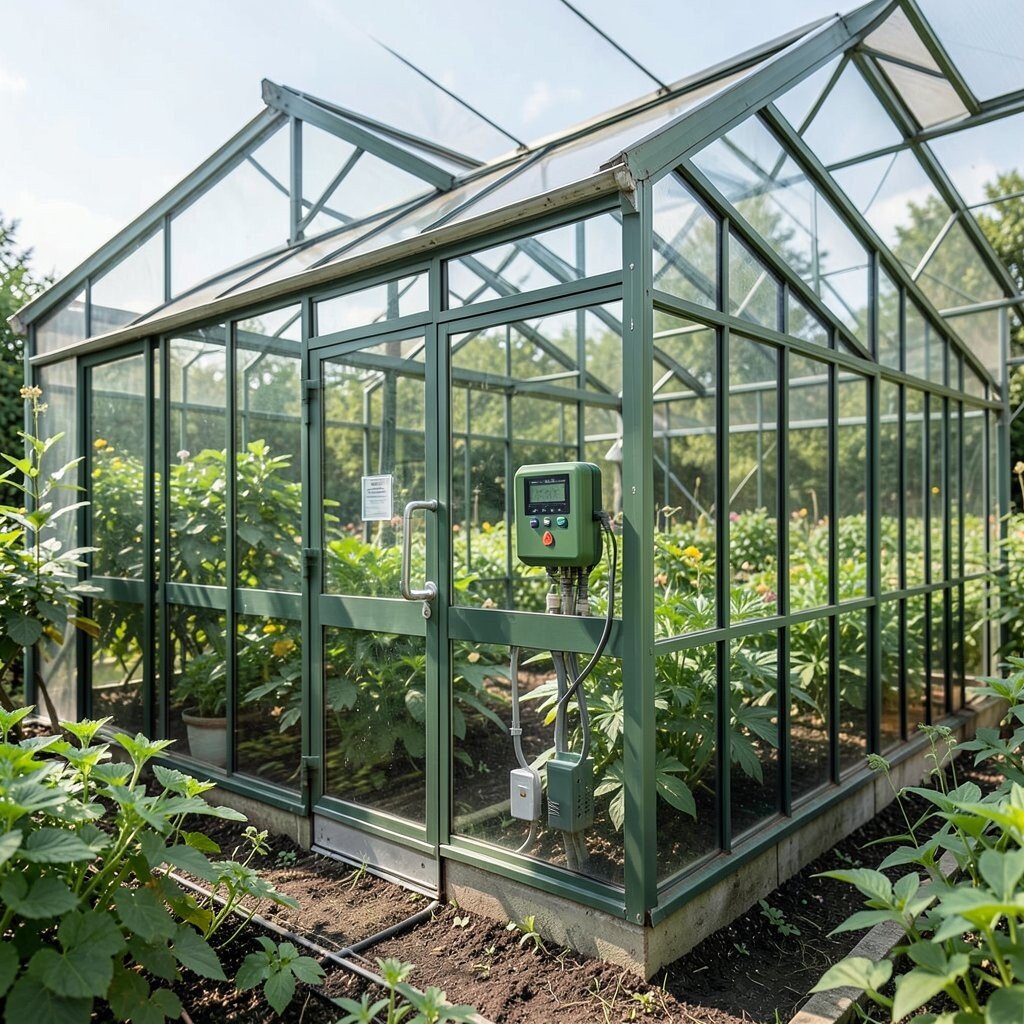
Glass greenhouses can act like outdoor electronics racks, so protection matters. Smart controllers mounted safely with weather resistance, surge protection, and backup power help keep everything steady.
This uniqueness shows up when storms roll in and your system continues monitoring and shutting vents at the right time. For practical tips, route cables neatly, use drip loops, and keep electronics away from splash zones.
Personalize your resilience plan by deciding which actions must continue during an outage, like closing vents or maintaining minimum ventilation. Backup power can be a cost consideration, so calculate battery runtime needs based on the longest typical outage in your area.
17. Smart Maintenance Reminders and Inventory Tracking for Inputs
Smart tech can also help you remember the simple things that keep plants healthy. Inventory tracking can remind you when fertilizer, seed-starting supplies, filters, and wicking materials run low.
You’ll spend less time searching for items and more time caring for plants, which makes the whole greenhouse experience smoother. For practical personalization, set schedules for calibration checks, filter changes, and sensor cleaning based on your usage.
Cost considerations matter here too, since app subscriptions or replacement labels may appear after purchase. If you choose offline-friendly tools, you can keep the system useful even during poor connectivity.