The scent of fresh herbs can turn an ordinary day into something special. Even a small corner can grow flavors you love.
1. Kitchen Windowsill Herb Garden
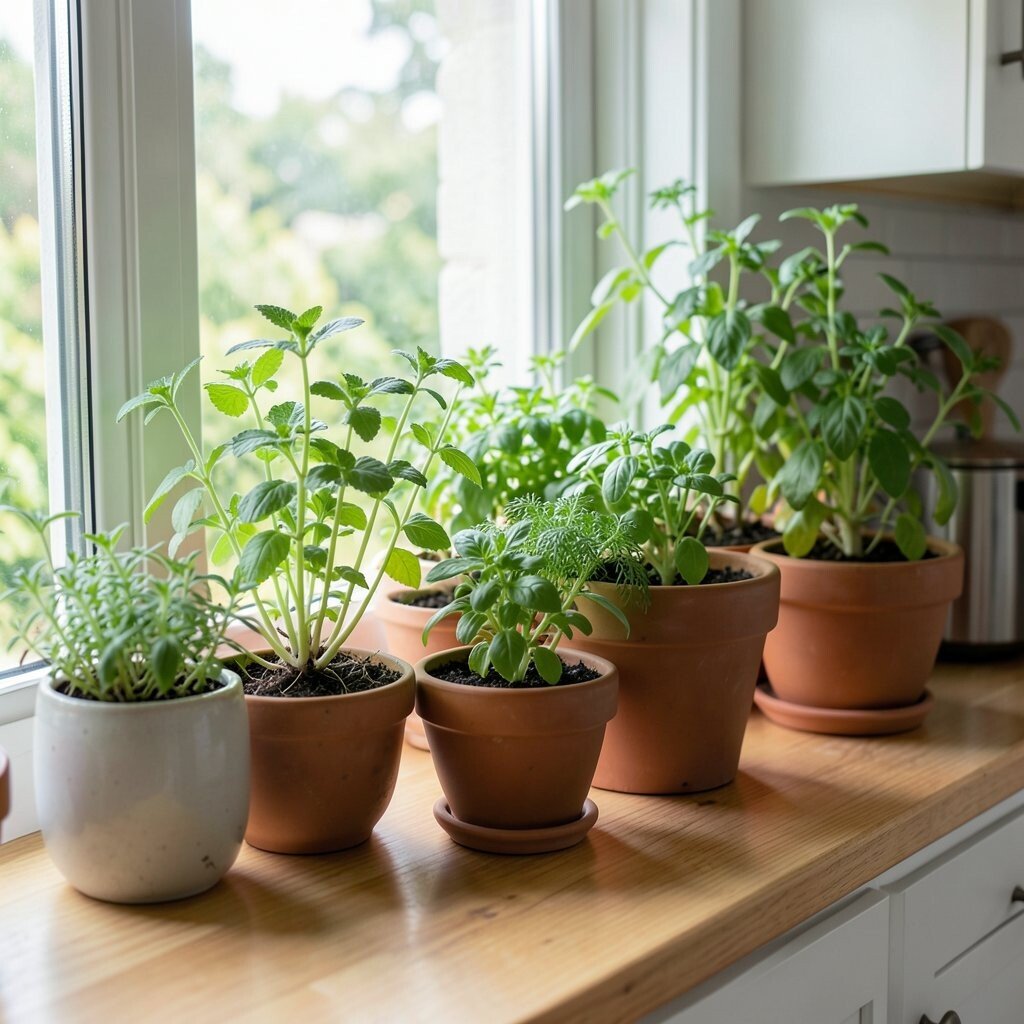
A sunny windowsill is a simple stage for herbs that enjoy bright light. You can picture tiny pots lined up like colorful bookmarks, each one promising quick flavor when you cook.
Choose hardy herbs that handle indoor life, like chives, parsley, and thyme. Use a shallow tray to catch water, rotate the pots every week, and pinch growth often so plants stay bushy and productive.
2. Vertical Herb Wall in Reused Containers

A vertical herb wall can look like living artwork, with trailing greens spilling down from neat rows. It also saves floor space, which is great when your room feels full.
Try mounting small planters, repurposed cups, or stacking containers onto a sturdy frame or board. Use a lightweight mix, add a simple drip line if you can, and keep the bottom containers supported so soil stays in place.
For cost control, raid thrift stores for matching containers and paint them with food-safe outdoor paint. This style matches a popular trend toward small-space sustainability, and the visual rhythm of the plants feels calm and modern.
3. Self-Watering Planters for Busy Days
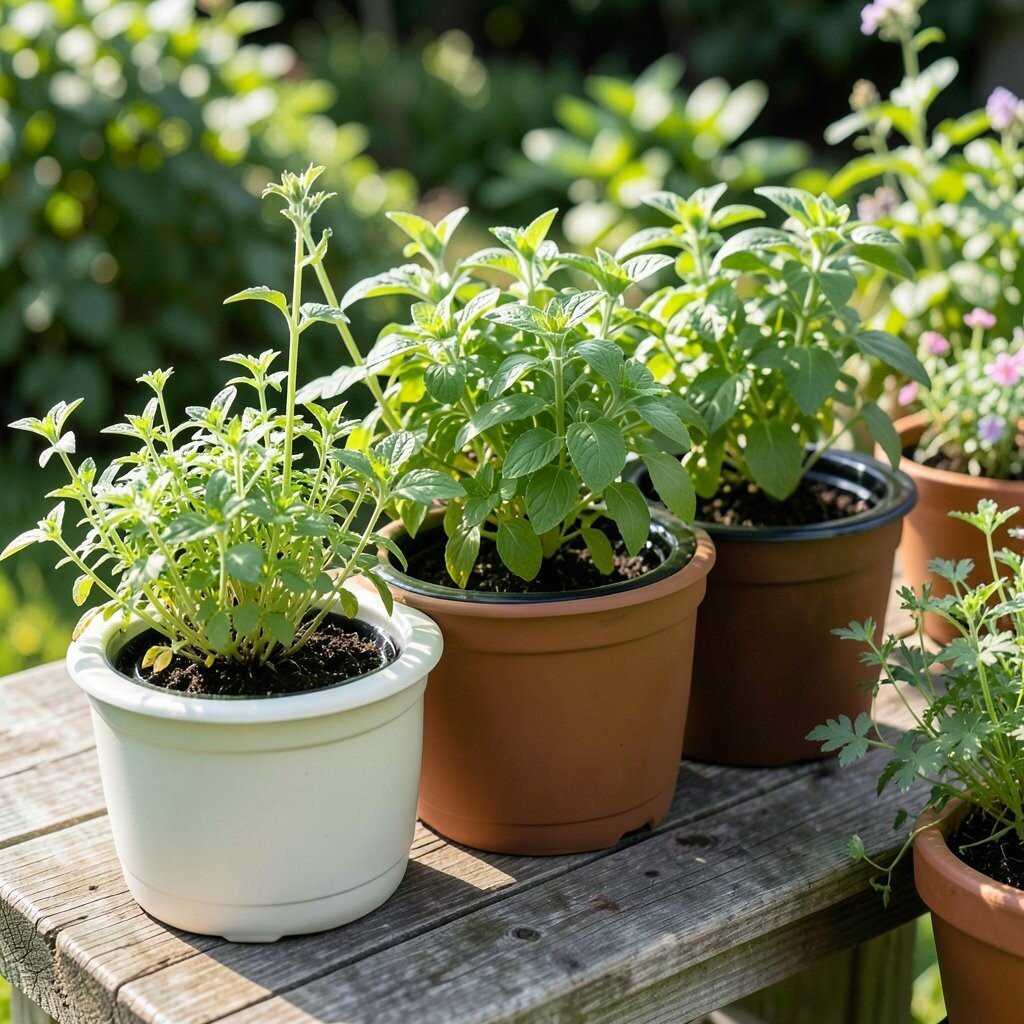
Self-watering planters can make herbs look consistently healthy, with leaves that stay perky even when you forget a day. The setup feels like having a quiet helper that keeps moisture steady.
This matters because herbs often struggle from swings between dry and soggy soil. Pair the planter with herbs like basil, oregano, and mint, then check the water reservoir weekly and top it off before it empties.
To keep it personalized, paint the outer casing to match your kitchen colors or add small plant markers made from cut wood. Although these planters may cost more at first, fewer failures can save money on replacements over time.
4. Raised Bed Filled With Culinary Variety
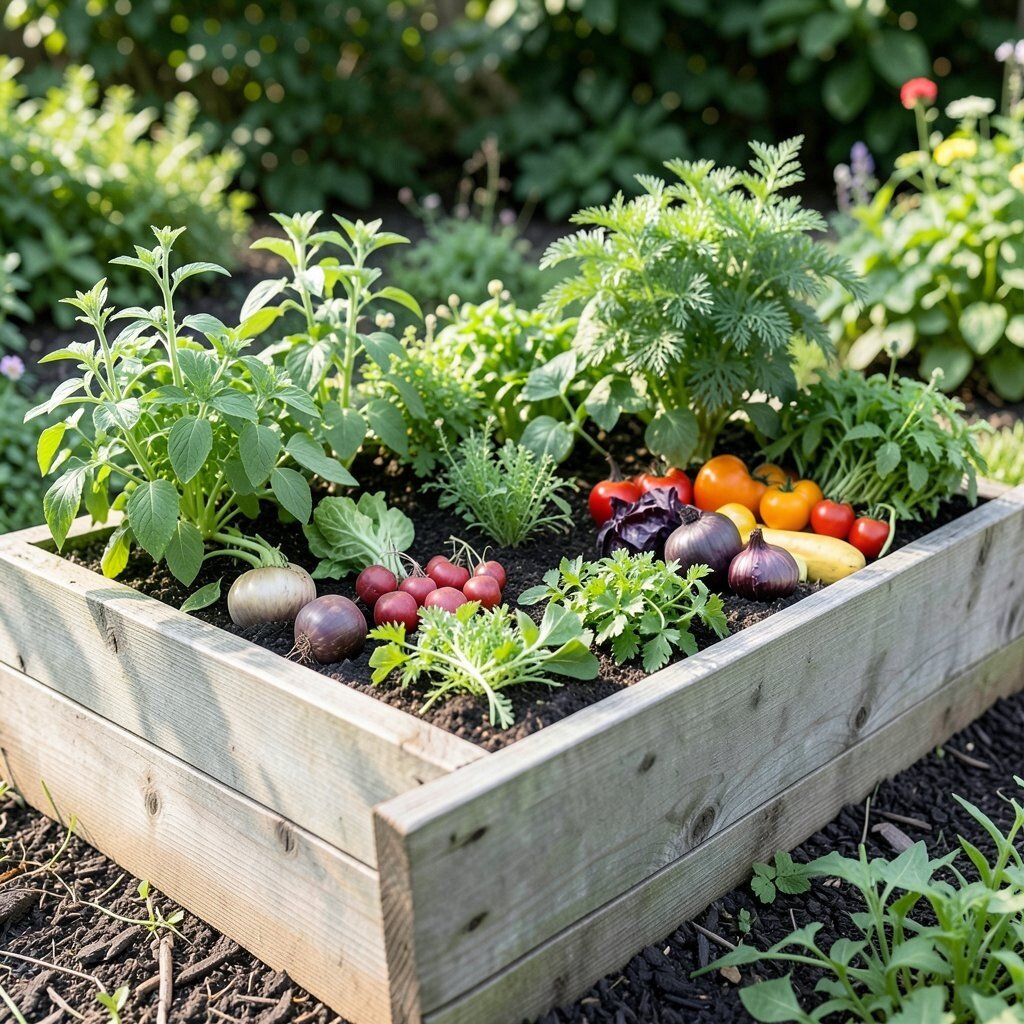
A raised bed gives you a tidy view of many herbs growing together, and the soil warms faster than ground planting. When you step outside and see neat clumps of green, you feel motivated to harvest.
Build the bed to suit your height so you don’t have to bend too far when snipping leaves. Fill it with quality compost and a mix that drains well, then group herbs by how much sun they need.
5. Herb Spiral Garden for Shared Sunlight
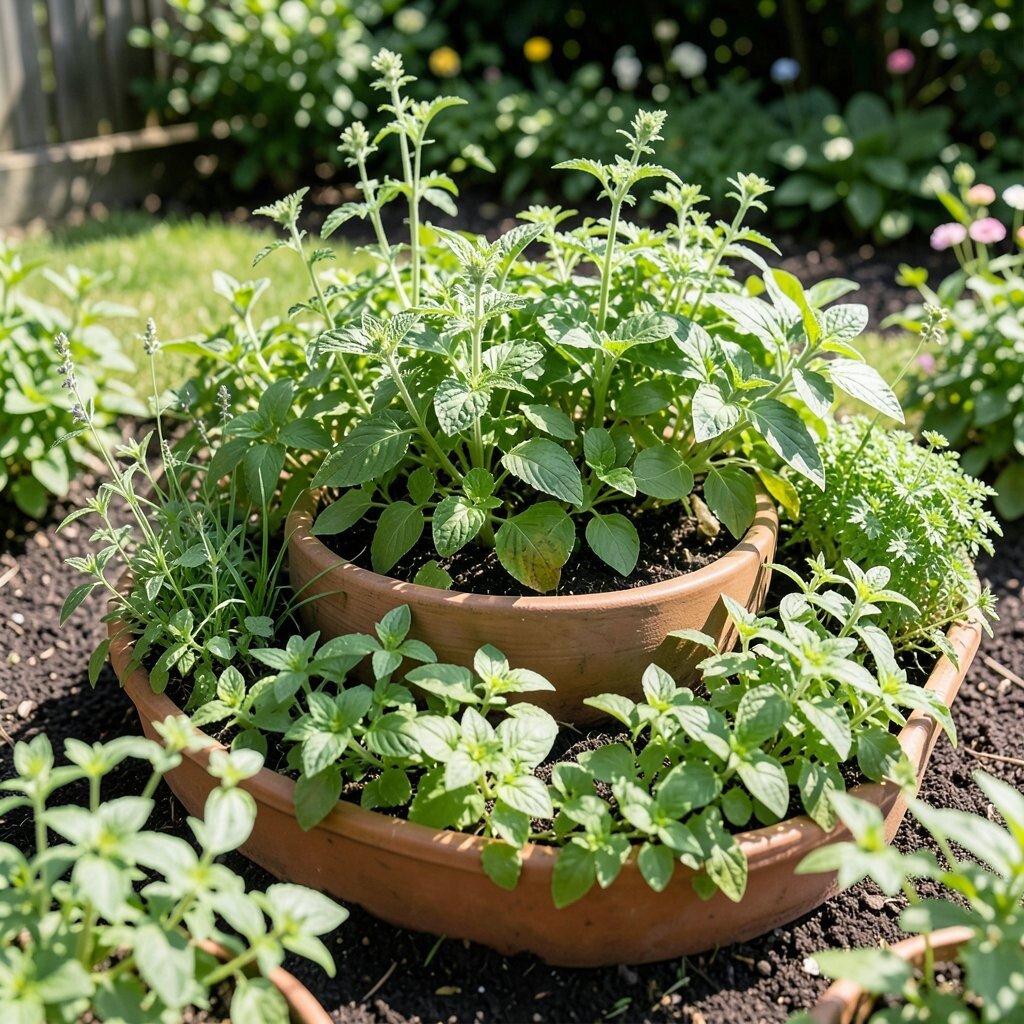
A herb spiral can look like a mini landscape, with herbs placed on curving levels that mimic natural slopes. You may spot rosemary and thyme sitting higher and drier, while mint and chives find a slightly cooler spot below.
Shape the spiral using stones or bricks, then fill each level with soil that fits the herbs you plan to grow. Water carefully during the first weeks, and once established, you will usually notice less trouble from overly wet soil.
Make it unique by adding small stepping stones or a tiny label stake near each group of plants. The upfront cost can be moderate, but you can use salvaged stone and compost to keep it friendly for your budget.
6. Compostable Hanging Herb Pouches
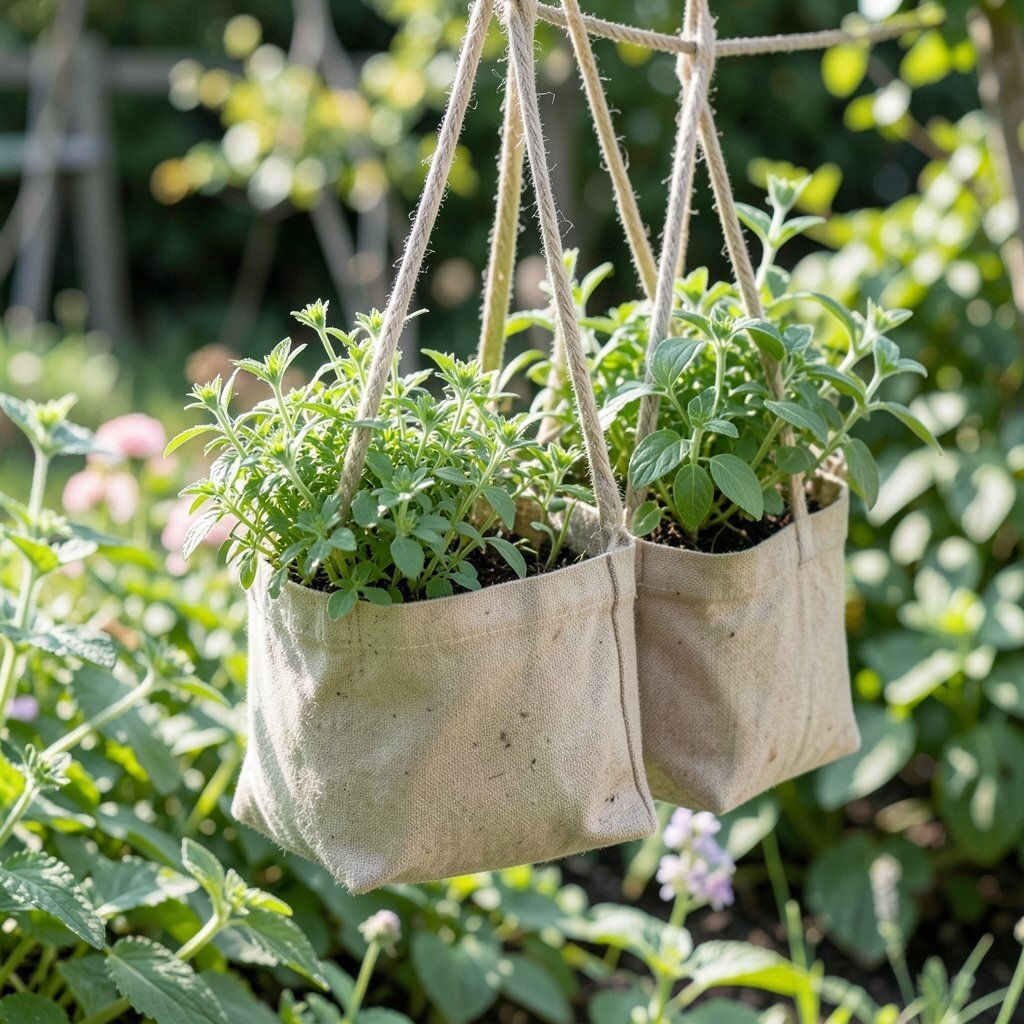
Hanging herb pouches bring a playful, garden-like vibe to patios, balconies, or even a porch railing. When the plants spill down, the whole area looks refreshed and fragrant.
They work especially well for compact herbs like cilantro and basil, and the vertical setup improves air flow. Use a potting mix that holds moisture without turning soggy, then water gently and check the pouch weight so you learn the right rhythm.
To personalize your look, choose pouch colors that match your outdoor cushions or hang them at different heights for a layered effect. This idea feels in step with current trendiness around living decor, and it can stay cost-smart because many pouches can be reused season after season with fresh soil.
7. Tiny Herb Corner With a Bordered Planting Tray
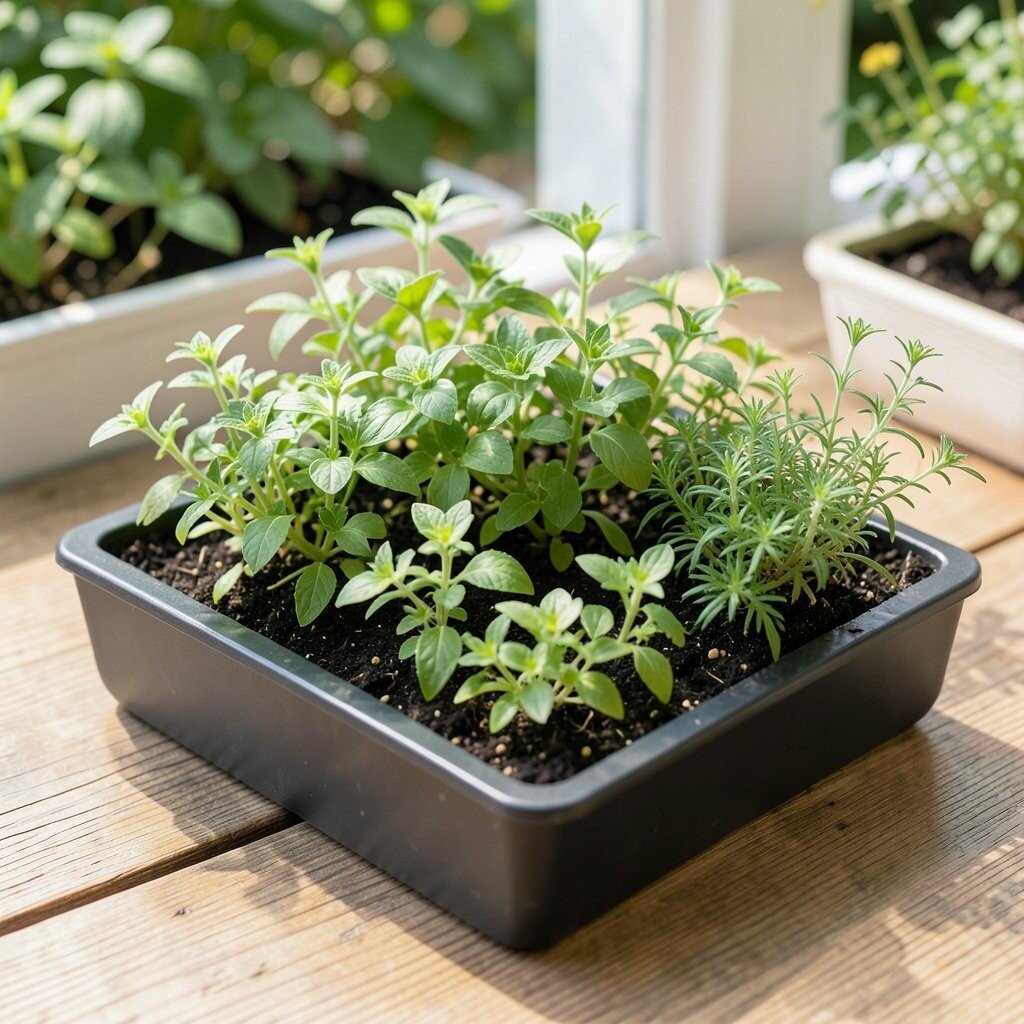
If you only have a small floor or balcony space, a bordered planting tray can feel like a dedicated herb zone. Imagine a tidy rectangle of soil with neat rows, making harvesting feel easy and satisfying.
Choose a tray with drainage holes, line the edges with wood strips or metal edging, and fill it with compost-rich soil. Plant in clusters so you can harvest often, and keep taller herbs toward the back so shorter ones still get light.
8. Repurposed Tin Can Planters With Labels
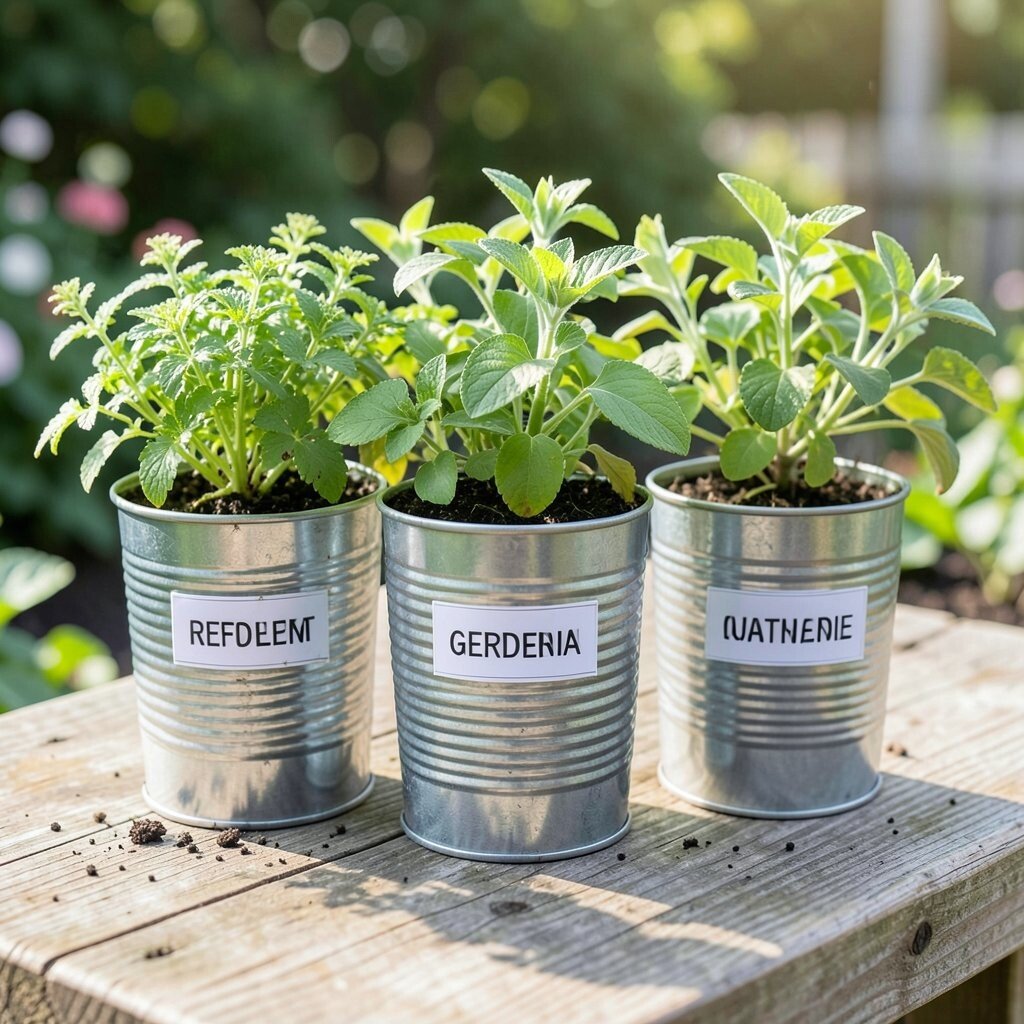
Repurposed tin cans can give your garden a charming, rustic look, especially when they’re painted in bright colors. Every time you cook, you’ll notice how handy it is to grab herbs from containers that match your style.
Punch drainage holes in each can, fill with a lightweight potting mix, and choose herbs that suit container life. Add simple labels using waterproof markers, and remember to water when the top inch of soil dries out.
For uniqueness, let each can hold one herb so the arrangement looks intentional, like a mini herb museum. This can be one of the lowest-cost options since you may already have the containers, and the effort feels extra rewarding when the plants thrive.
9. Indoor Herb Grow Light Setup for Year-Round Harvests

With the right grow light, herbs can look vivid and upright even when outdoor weather is gloomy. The glow adds a cozy, science-y feel, and your kitchen stays connected to the garden.
Pick a light with adjustable height, set it so leaves don’t overheat, and run a consistent schedule. Choose reliable indoor performers like parsley, chives, and mint, then pinch tops to encourage side growth.
10. Water-Wise Herb Garden Using Mulch and Smart Scheduling
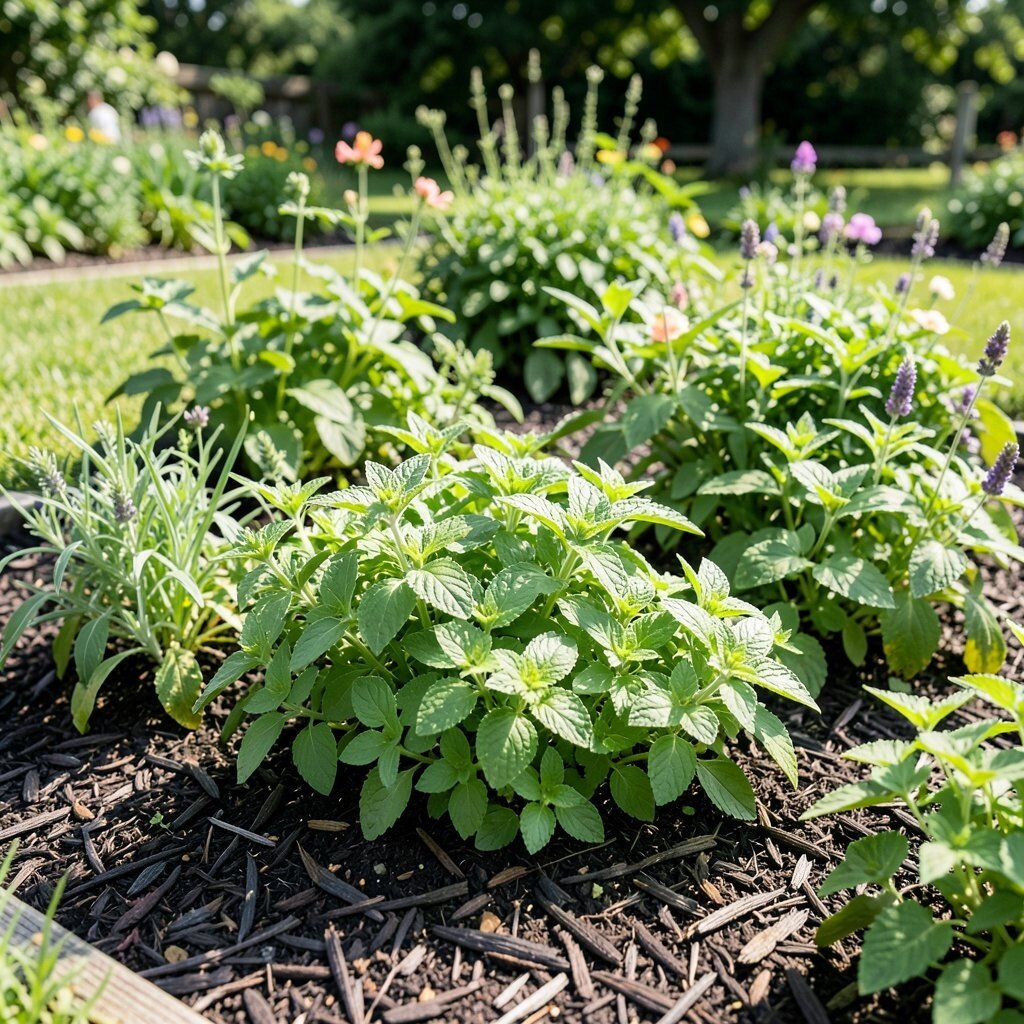
A water-wise herb garden can look glossy and clean, with mulch covering the soil like a protective blanket. You may notice fewer weeds too, because the mulch blocks light and helps keep moisture stable.
Use organic mulch such as shredded leaves or straw around herbs, keeping it a little away from stems. Water early in the day, check soil moisture with a finger test, and adjust based on heat and wind.
Personalize your setup by choosing mulch colors that match your surroundings, or add a simple drip line for convenience. While mulch itself is usually inexpensive, the real cost can be your time, so plan one gentle system you can maintain easily.
11. Herb Garden With Edible Flowers Nearby

Growing herbs alongside edible flowers makes your garden look cheerful and helps pollinators feel welcome. You might see tiny blooms hovering near basil or oregano, turning your space into a buzzing, colorful scene.
Try pairing calendula, nasturtiums, or borage with herbs, since many prefer similar growing conditions. Harvest flowers carefully so the herbs keep pushing fresh leaves, and snip in the morning for the best flavor.
12. Sun and Shade Plan for Mixed Herb Placement
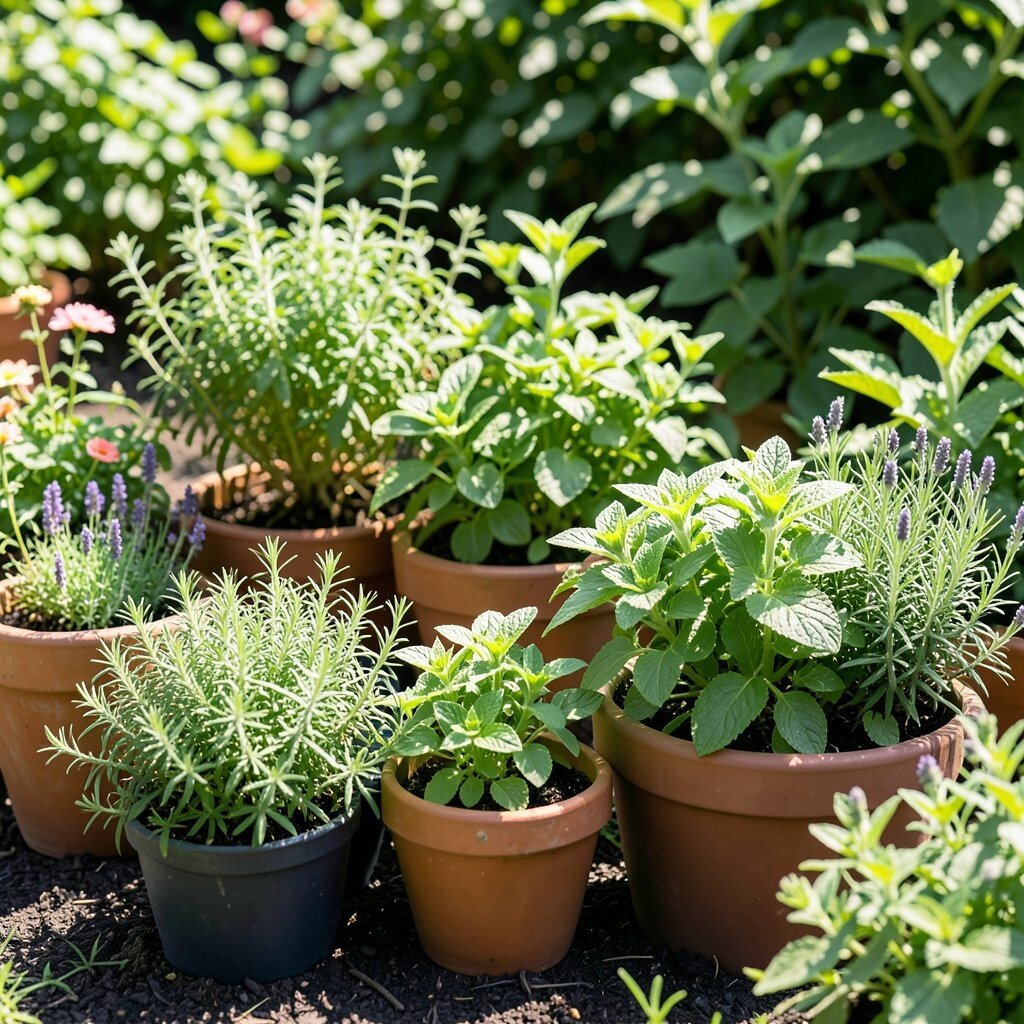
Planning for sun and shade helps your herbs look balanced, with each one positioned where it can shine. When you walk outside and see different shades of green in the right spots, the whole space feels thoughtfully designed.
Observe your yard for a few days and note where light stays strong, then place basil and rosemary in the brightest spots. Put mint, parsley, and chives in areas with gentler light, and remember that even indoor spaces can shift with the seasons.
To personalize, you can create a “flavor map” by grouping herbs used in the same meals, like Italian favorites on one side and tea herbs on another. The cost is usually low since the main investment is observation and simple containers or soil amendments if needed.
13. Herb Tea Garden With Calm, Cozy Plant Choices
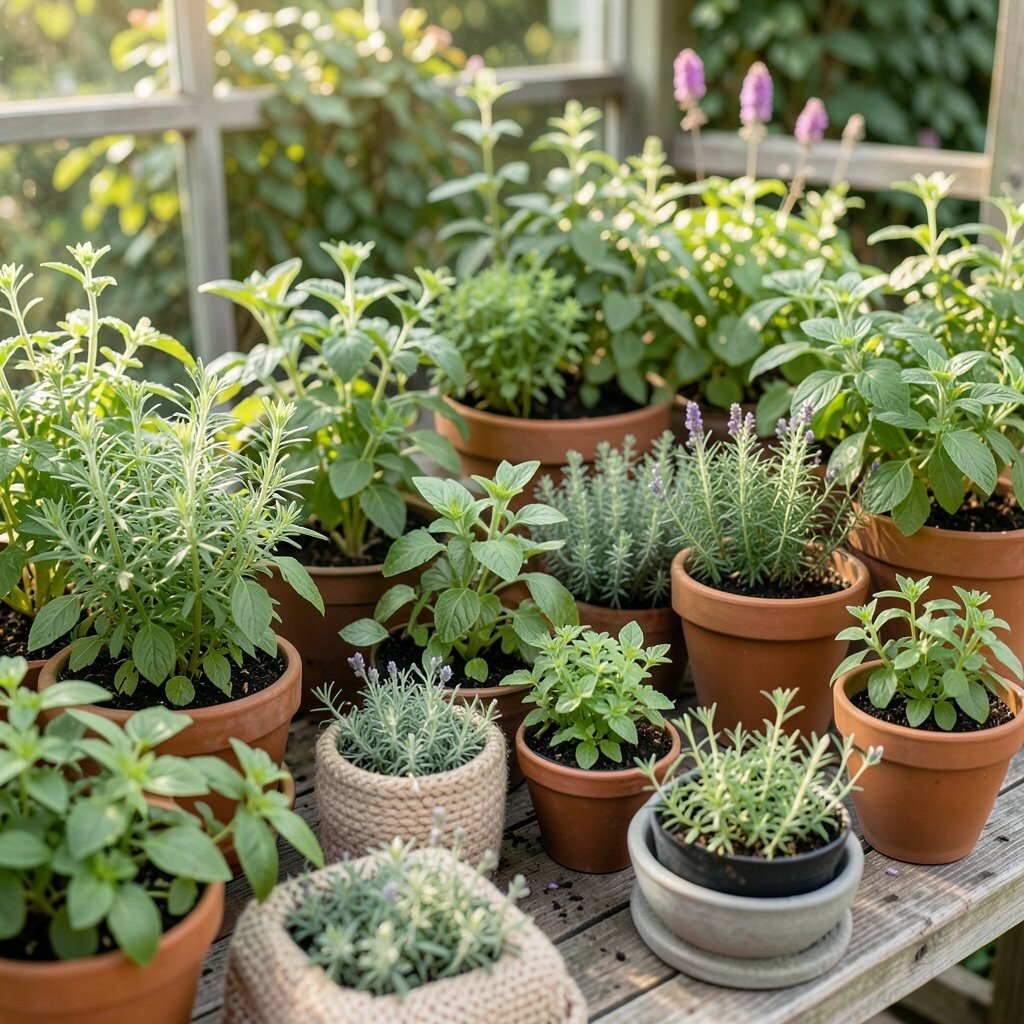
A tea-focused herb garden feels relaxing before you even brew anything, because you can grow plants with comforting aromas. Picture soft mounds of lemon balm, gentle chamomile heads, and tidy mint leaves gathering near your door.
Keep mint in its own pot so it stays contained, and choose sun levels that match each tea herb. Harvest lightly at first, then increase snips once plants settle, so you never stress the roots.
14. Container Herb Collection With Matching Trays and Colors

A coordinated container herb collection can look like a boutique display, with matching pots and trays making everything feel intentional. When every container shares a similar look, your space feels neat, even while the herbs grow quickly.
Pick containers that match your style, then use trays so water stays controlled on patios or window sills. Combine herbs with similar watering needs, such as rosemary and thyme together, while keeping thirstier herbs separate if needed.
For uniqueness, vary pot sizes slightly so some plants look like they’re leading the group. Costs can range widely, but you can hunt for sales, use smaller pots to start, and upgrade one container at a time.
15. Seed-to-Harvest Plan With Staggered Sowing

Staggered sowing helps herbs last longer, so your harvest feels steady instead of rushed. You might picture tiny seedlings emerging every couple of weeks, then gradually growing into usable clippings.
This approach is great for herbs that you love daily, like basil, cilantro, and dill, because you will not run out at the same time. Start seeds in small trays or starter pots, keep them evenly moist, and transplant when they’re strong enough to handle their new spot.
Personalize it by labeling sowing dates and planning harvest goals for your favorite recipes. Although starting from seed can require a bit of patience, it usually reduces cost compared with buying full-size plants and keeps your garden feeling fresh all season long.