A vegetable centerpiece can look like a work of art and still be practical for everyday life. It turns a simple table moment into something fresh, bright, and full of color.
With the right choices, you can make guests feel welcomed before the first bite. The best part is that you can tailor everything to your space, your budget, and your favorite produce.
1. Build a Color Wheel From Fresh Produce
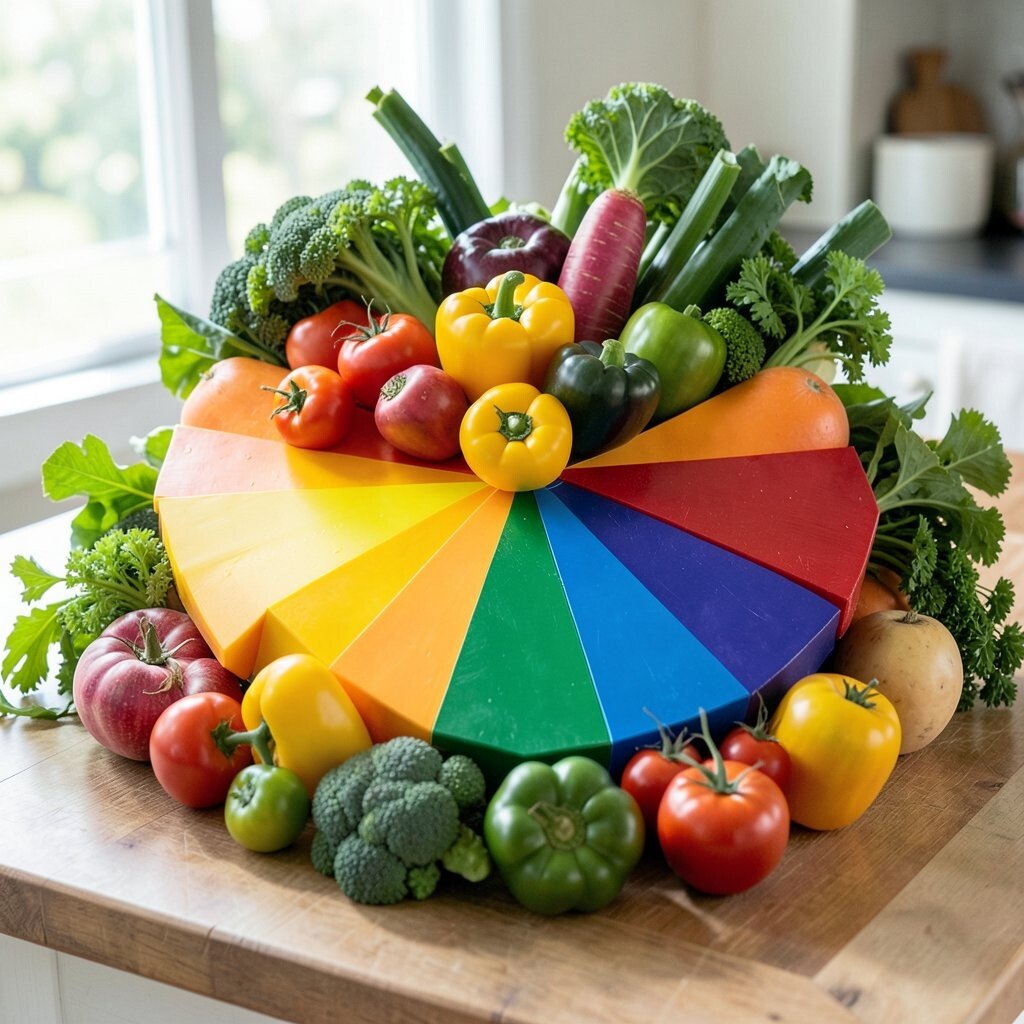
Choose vegetables in bold shades so the whole arrangement feels lively. Think reds, oranges, yellows, greens, and purples lined up like a gentle rainbow.
Use firm items that hold their shape, such as cherry tomatoes, baby carrots, bell peppers, cucumber spears, and purple cabbage curls. Add soft texture with herb leaves like parsley or dill, and place them where colors need a little breathing room.
2. Stack Carrots and Celery Into a Tall Crown
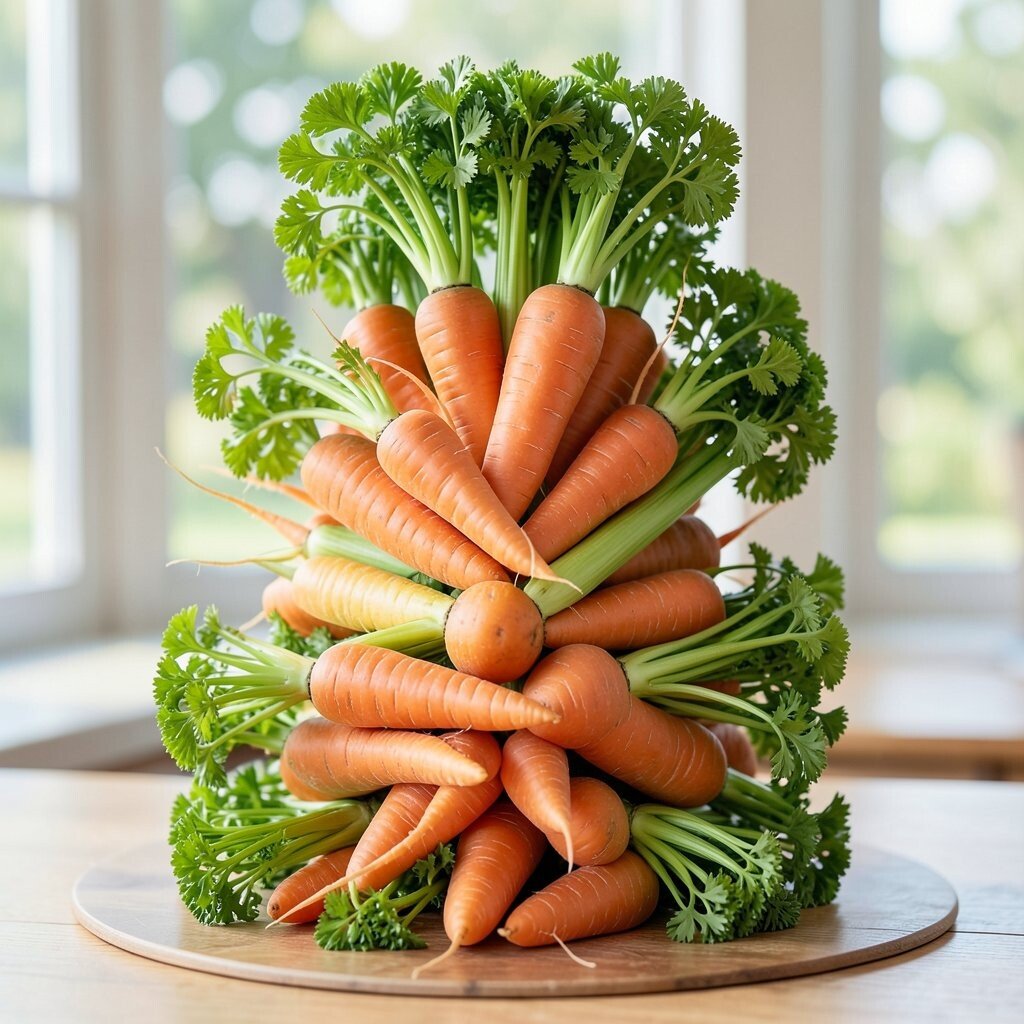
Make height without using heavy flowers by stacking crunchy vegetables into a crown shape. Carrot sticks and celery can stand upright and create an elegant silhouette.
Cut celery into short batons, then fan them outward from a center point so it looks intentional. Wrap the base with a damp paper towel so the greens stay crisp longer.
For extra flair, tuck small radishes or cherry tomatoes between the stems so the crown feels festive and not rigid. This style looks great on a dining table, a holiday buffet, or even a casual brunch spread.
3. Carve a Cabbage Bowl for a Natural Center
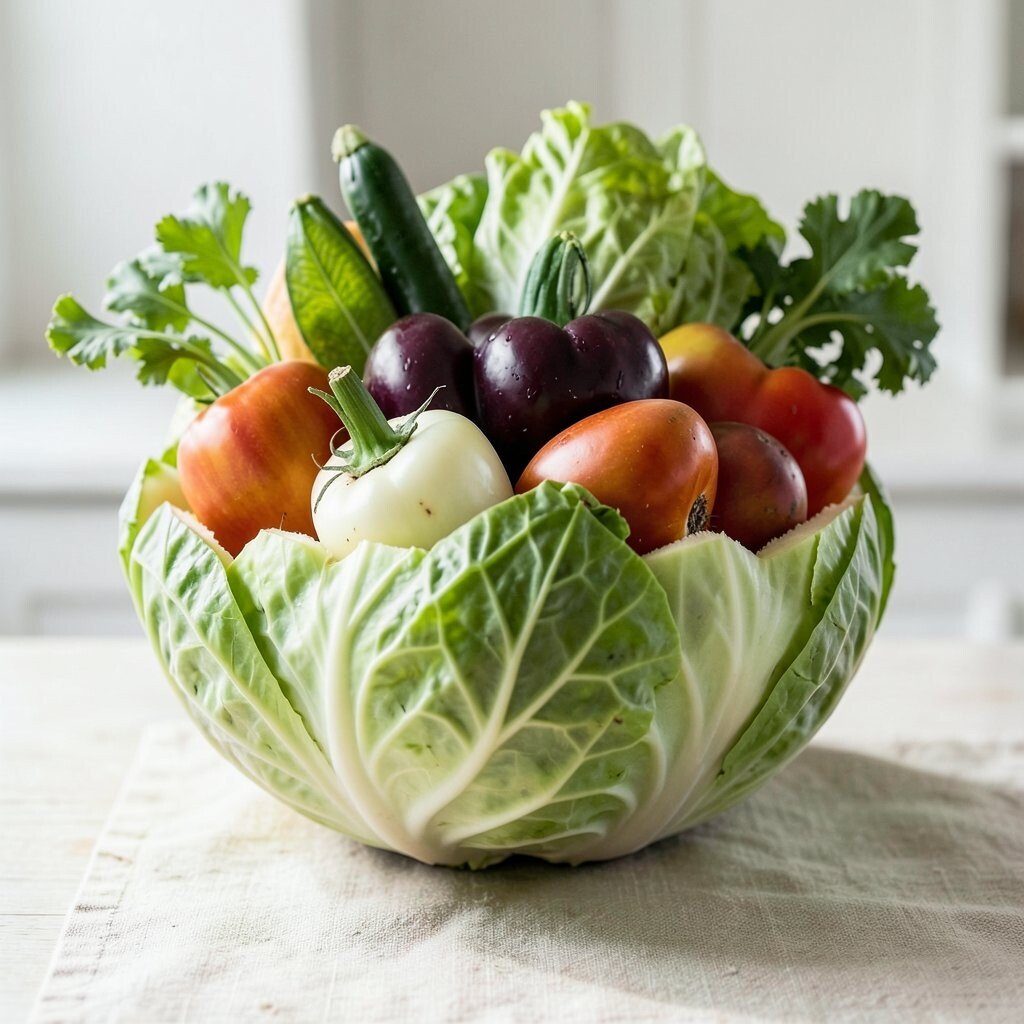
Use a green cabbage as your main “container” and carve out a shallow bowl. A little cutting turns it into a rustic centerpiece that looks surprisingly polished.
Trim the outer leaves so they frame the hollow like petals. Then place cucumber slices, roasted or raw vegetables, and colorful toppings inside so everything stays in one tidy spot.
Keep the inside clean by blotting excess moisture before you fill it. This centerpiece feels unique because it doubles as a serving piece and brings a cozy, homegrown vibe.
If you’re hosting, consider pairing it with a dip in a small bowl placed on the side for easy grabbing. It also saves money because the cabbage does double duty.
4. Create a Garden Scene With Edible Mini Flowers
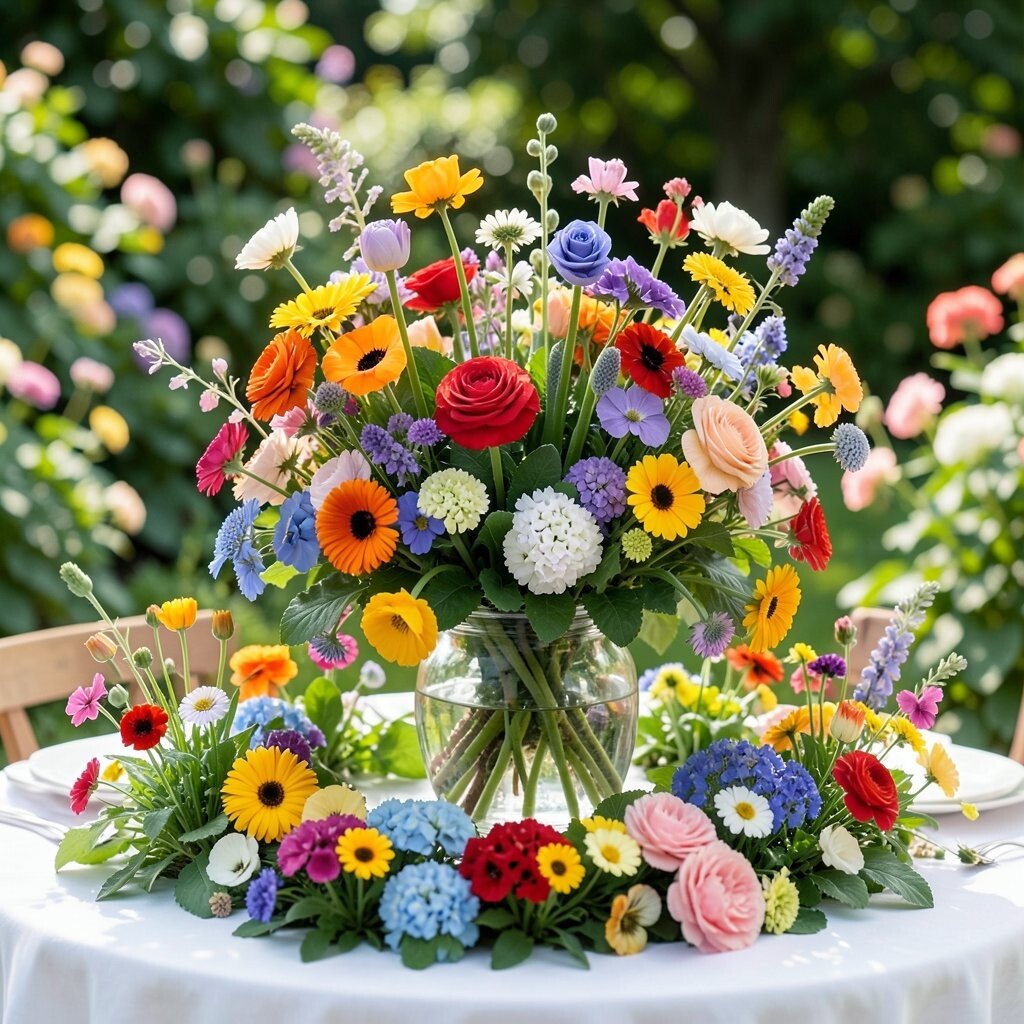
Turn vegetables into “flowers” by shaping thin slices and curling leafy pieces. Radish rounds, cucumber ribbons, and carrot ribbons can look like blooming petals.
Use a base layer of lettuce or shredded cabbage for a soft green background. Scatter herbs for that just-gathered feel, and arrange the shapes in clusters rather than straight rows.
5. Use a Ring Tray With Roasted Veggie Colors
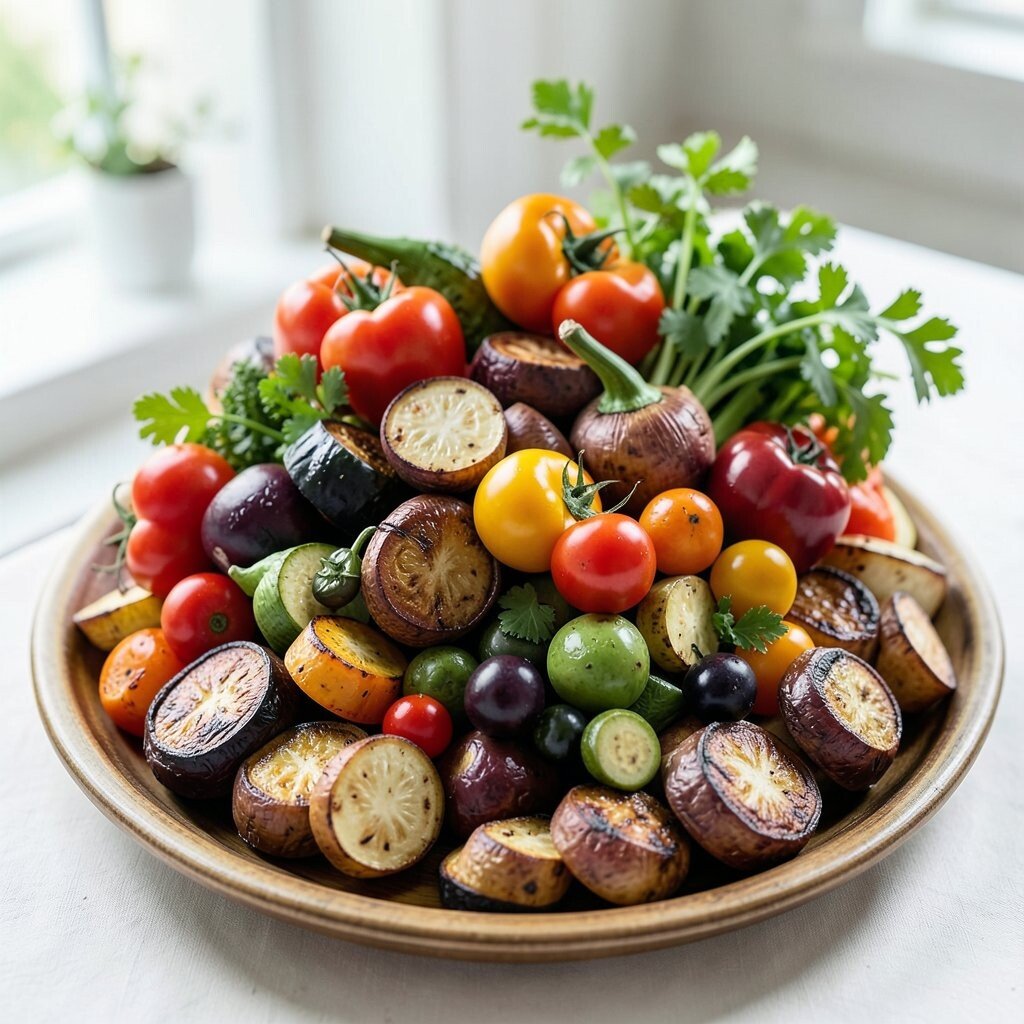
Instead of only raw produce, try roasted vegetables for deeper color and a cozy look. A ring tray helps you arrange everything like a centerpiece that never spills.
Roast red peppers, zucchini, mushrooms, and sweet potatoes until caramelized, then let them cool slightly. Arrange them in a circle and add fresh herbs on top so the smell feels inviting.
To keep it looking neat, choose pieces that are similar in size and use a spoon to gently nestle them. This option can cost a little more if you buy pre-cut items, but it often stretches well for large gatherings.
6. Make a “Rainbow Slaw” Style Pile in a Wide Glass
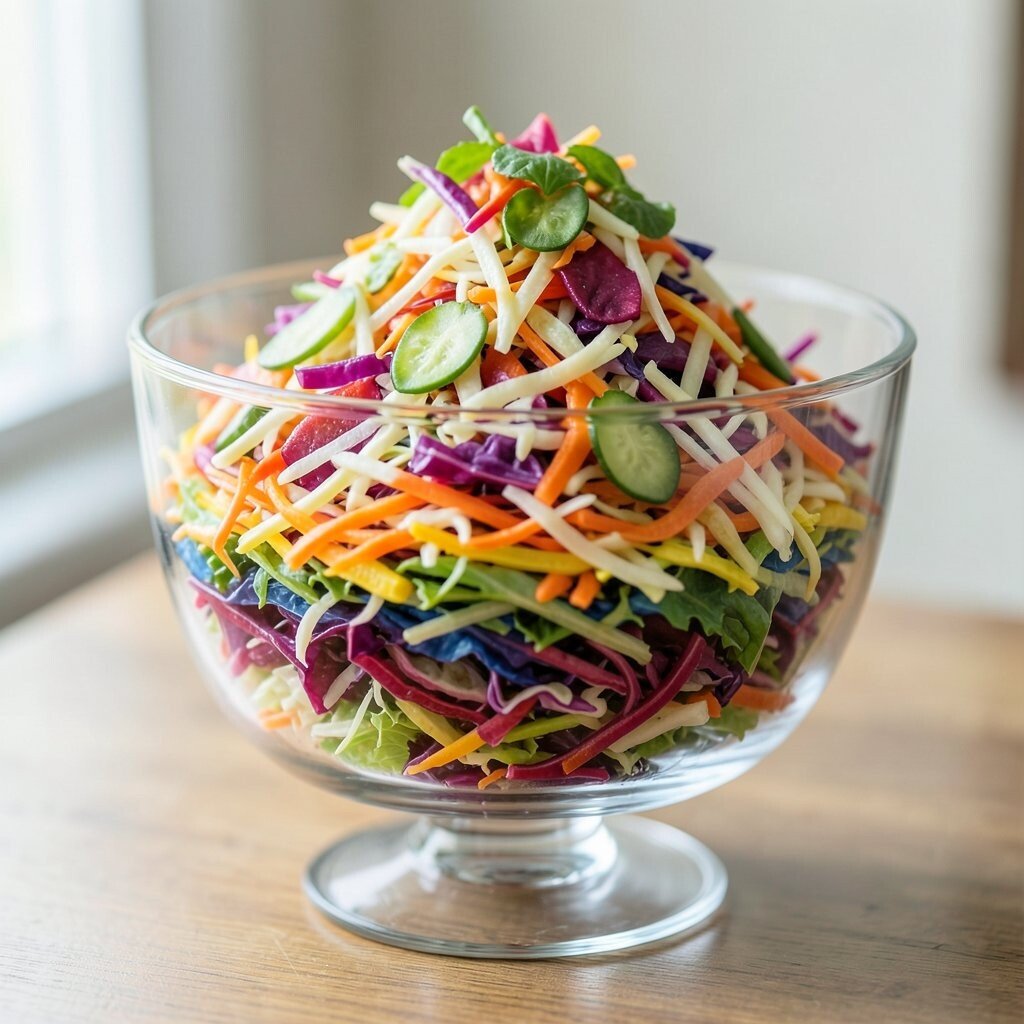
A wide glass bowl makes vegetables look crisp and modern. Build a colorful slaw-style arrangement with thinly sliced cabbage, carrots, and radishes.
Layer ingredients so every color shows, then top with a sprinkle of chopped chives or cilantro. This style is quick, trendy, and great for people who want a centerpiece that also works as a salad.
7. Form a Spiral of Cucumber, Zucchini, and Peppers
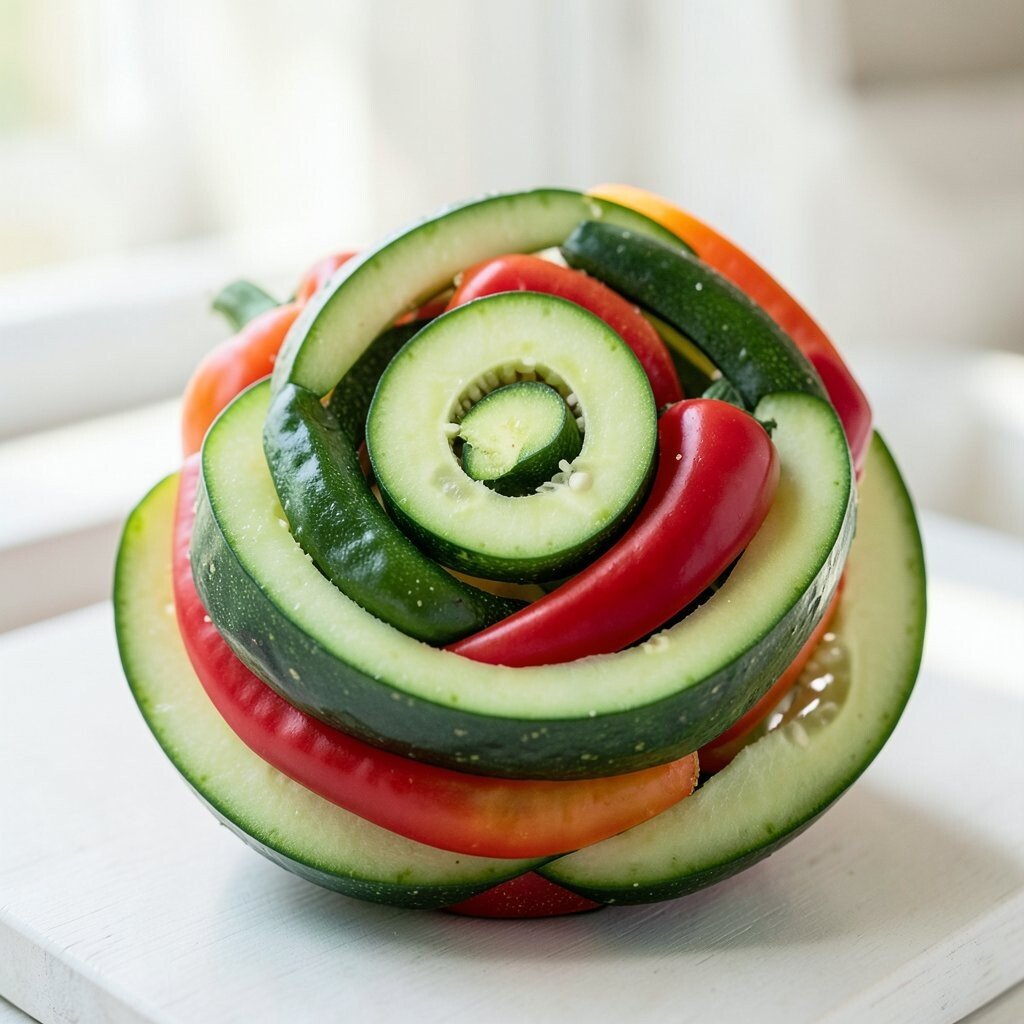
Spirals look fancy even when the materials are simple. Start with a sturdy base, then roll slices into a curved pattern around it.
Use cucumber for cool green ribbons, zucchini for soft texture, and strips of bell pepper for bright pops. Secure the stack with toothpicks only if needed, and keep the tips hidden for a clean look.
For personalization, add a small cluster of olives or cherry tomatoes near the center like a “jewel.” Guests love how the shapes feel intentional, and you can tailor the spiral to match your table theme.
8. Turn Potatoes and Sweet Potatoes Into a Rustic Rose Bed
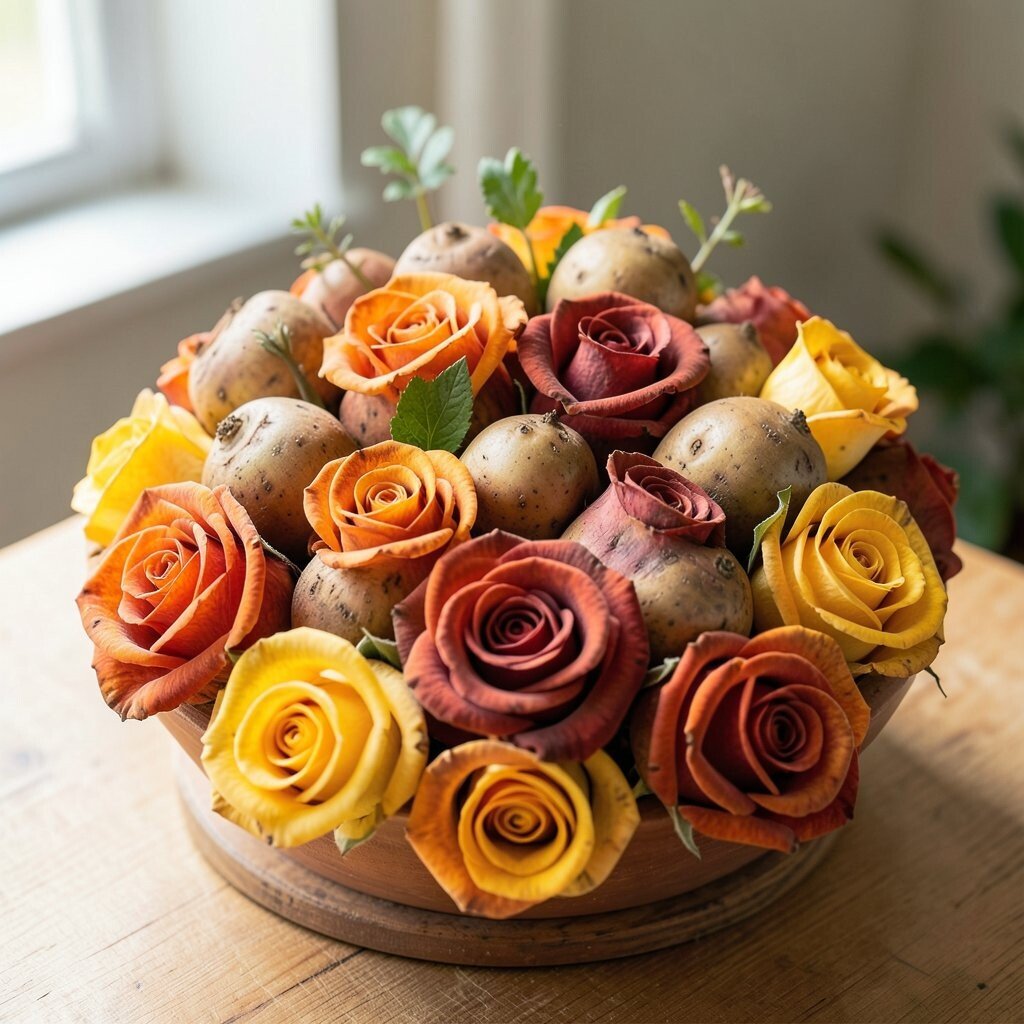
Slice potatoes into thin rounds, then lightly roast or pan-sear them for more color and structure. Arrange the slices in overlapping circles so they resemble flower petals.
Use sweet potato in one section and regular potato in another for a warm mix of tones. This centerpiece is unique because it looks like decor, but it’s still food you can serve later.
9. Mix Crunchy Veg With Fruit for a Bright Contrast
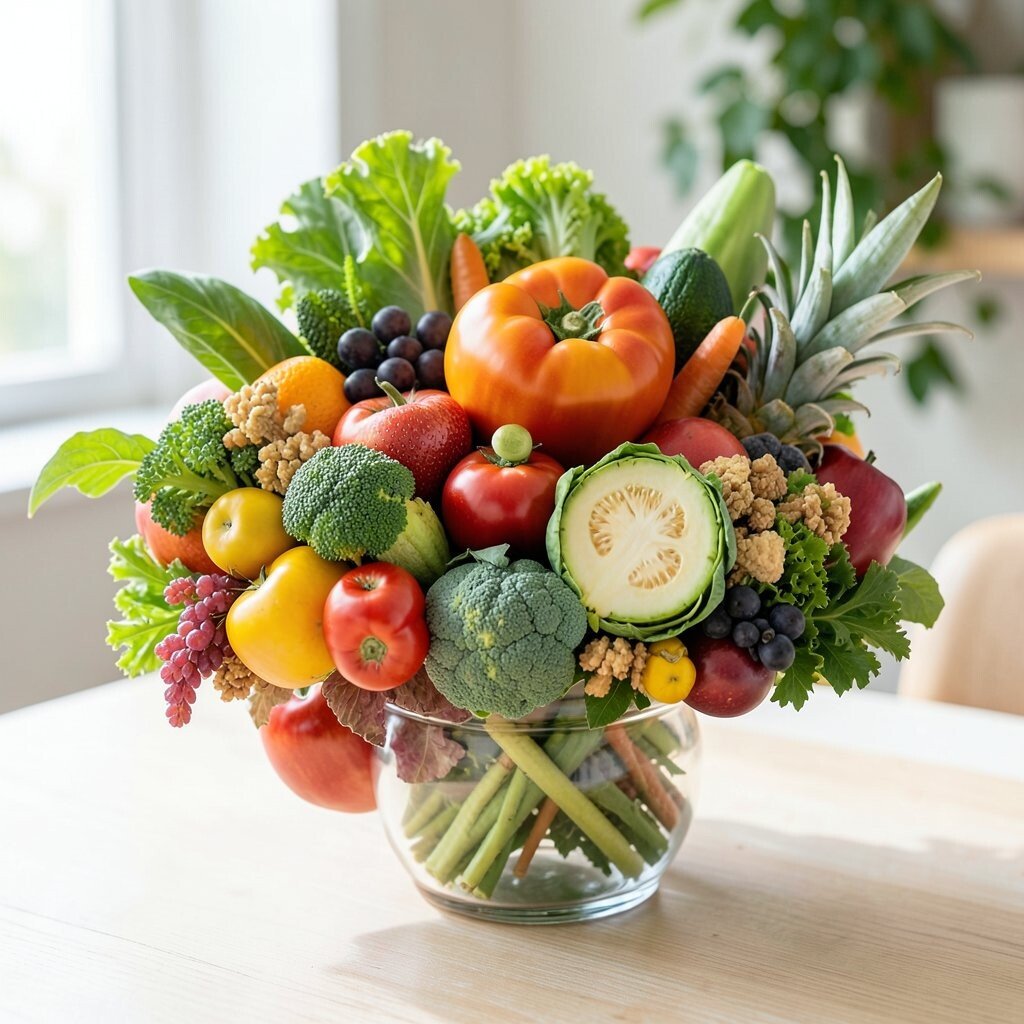
Pair vegetables with fruit to add surprise and sweetness. Try grapes near broccoli florets, or pineapple bits beside roasted peppers for a fresh, playful vibe.
Choose fruit that doesn’t turn mushy too fast, like grapes, apple slices cut thin, or blueberries in small clusters. Then keep the vegetable pieces firm so the whole centerpiece stays attractive for longer.
This mix feels current because people love colorful grazing tables and snack boards. If you want to keep cost under control, pick one fruit and one “special” vegetable, then fill the rest with inexpensive staples like carrots and cabbage.
10. Set Up a “Mini Market” With Small Bowls of Colors
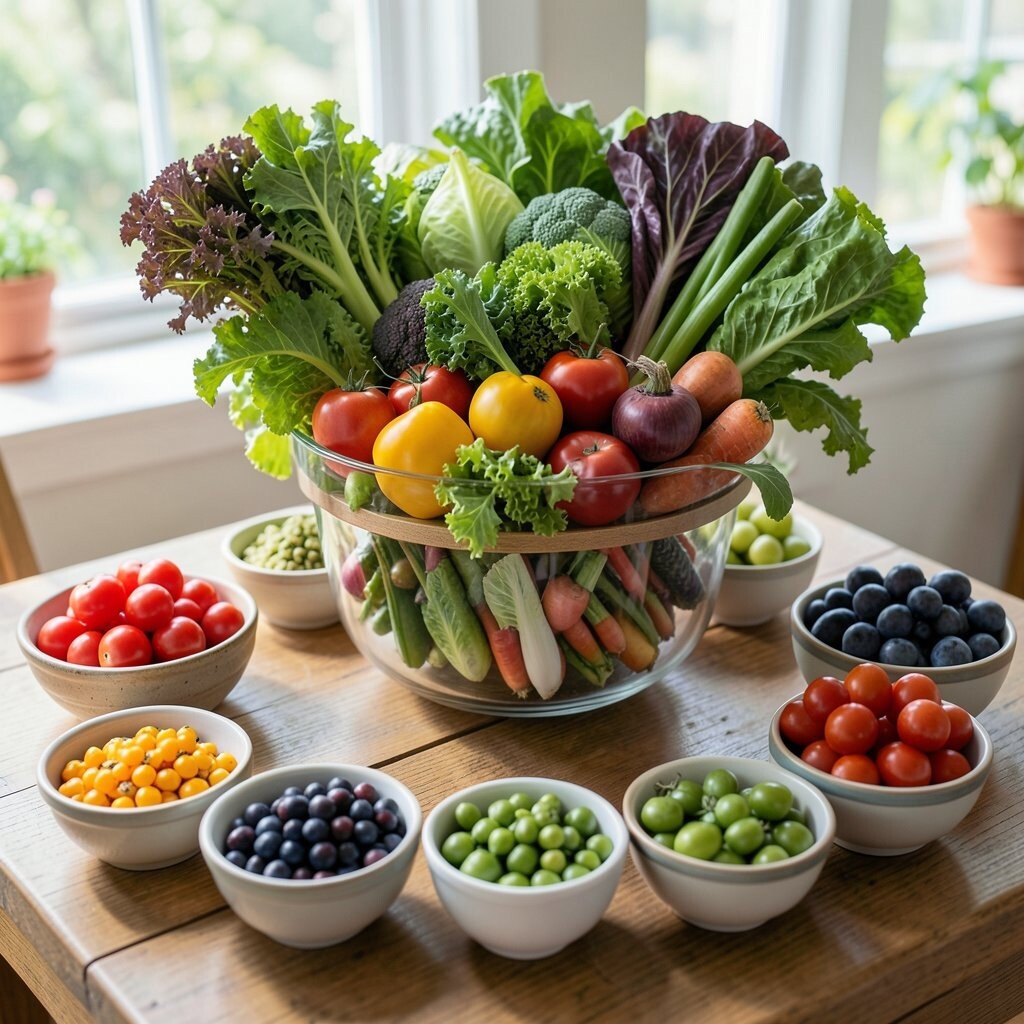
Instead of one pile, use small bowls to create sections that look like a farmer’s market. Place one bowl for each color group so the centerpiece feels organized and fun.
Fill bowls with snap peas, baby carrots, sliced cucumbers, cherry tomatoes, and chopped herbs. Nestle the bowls into a larger base of lettuce so everything looks connected.
11. Center the Table With a Hollowed Pumpkin or Squash
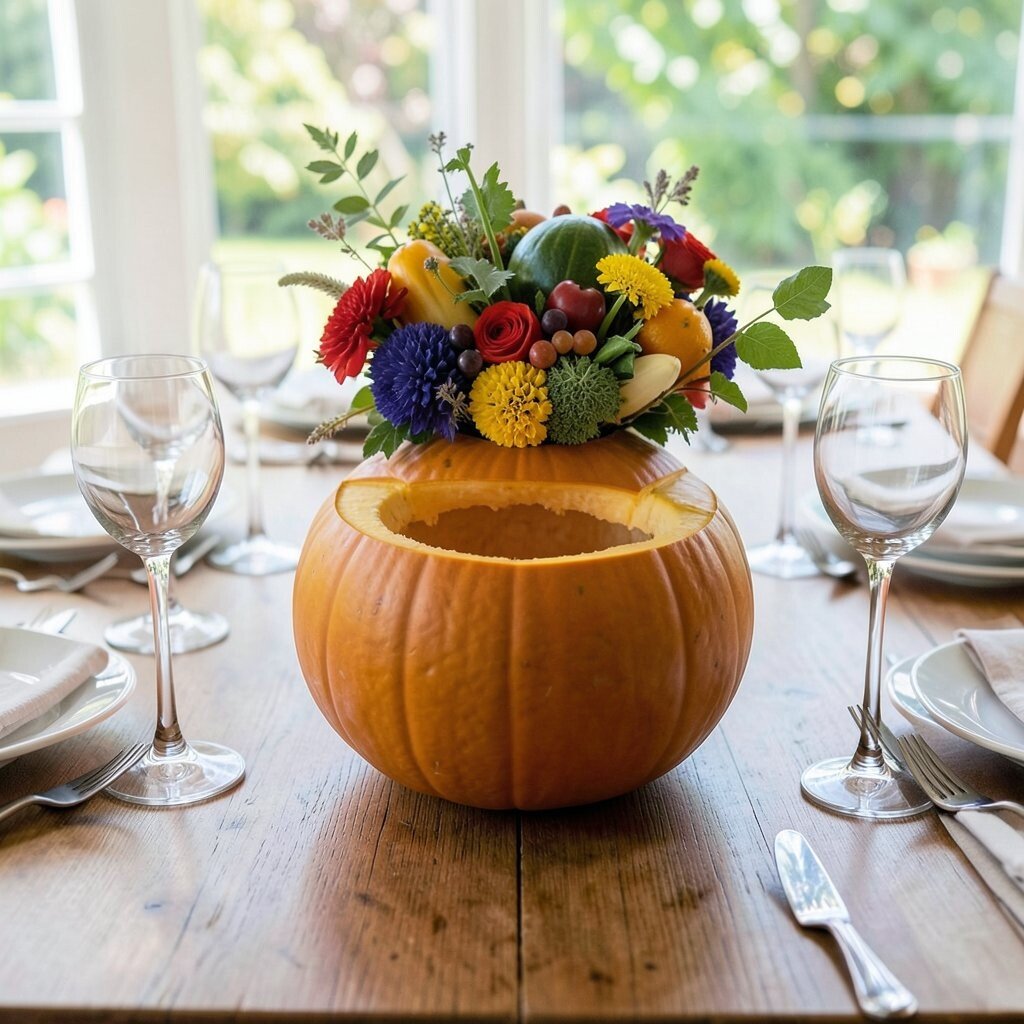
A carved squash makes a stunning centerpiece that fits seasonal themes beautifully. Hollow out the center, then line it with foil or a thick plastic wrap barrier so it stays tidy.
Fill the inside with mixed vegetables such as roasted Brussels sprouts, carrot coins, and green beans laid in layers. Add a few leafy herbs like rosemary for a fragrant touch that makes the arrangement feel warm and welcoming.
12. Build a Geometric Block With Vegetable Cubes
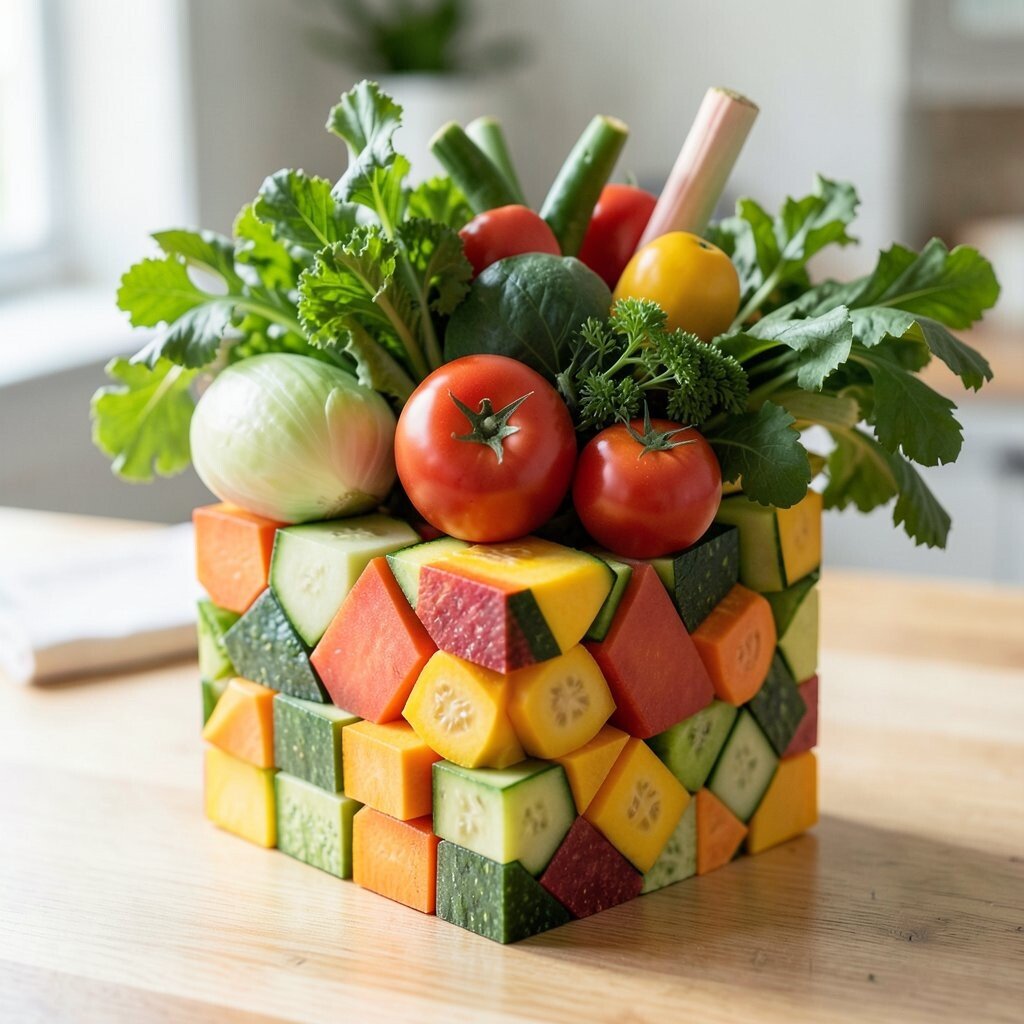
Geometric designs look modern and calm, especially when the shapes are consistent. Cube vegetables like cucumber, bell pepper, zucchini, and firm turnips, then stack them into a block.
Use a base board or tray so the structure holds steady. Finish the top with a small “flag” of herbs or a neat row of cherry tomatoes to create a clean focal point.
For personalization, match cube colors to your table linens or a holiday palette. This style also helps reduce waste because you can trim ends into cubes and use more of what you buy.
13. Create a Waterfall Effect With Green Beans and Herbs
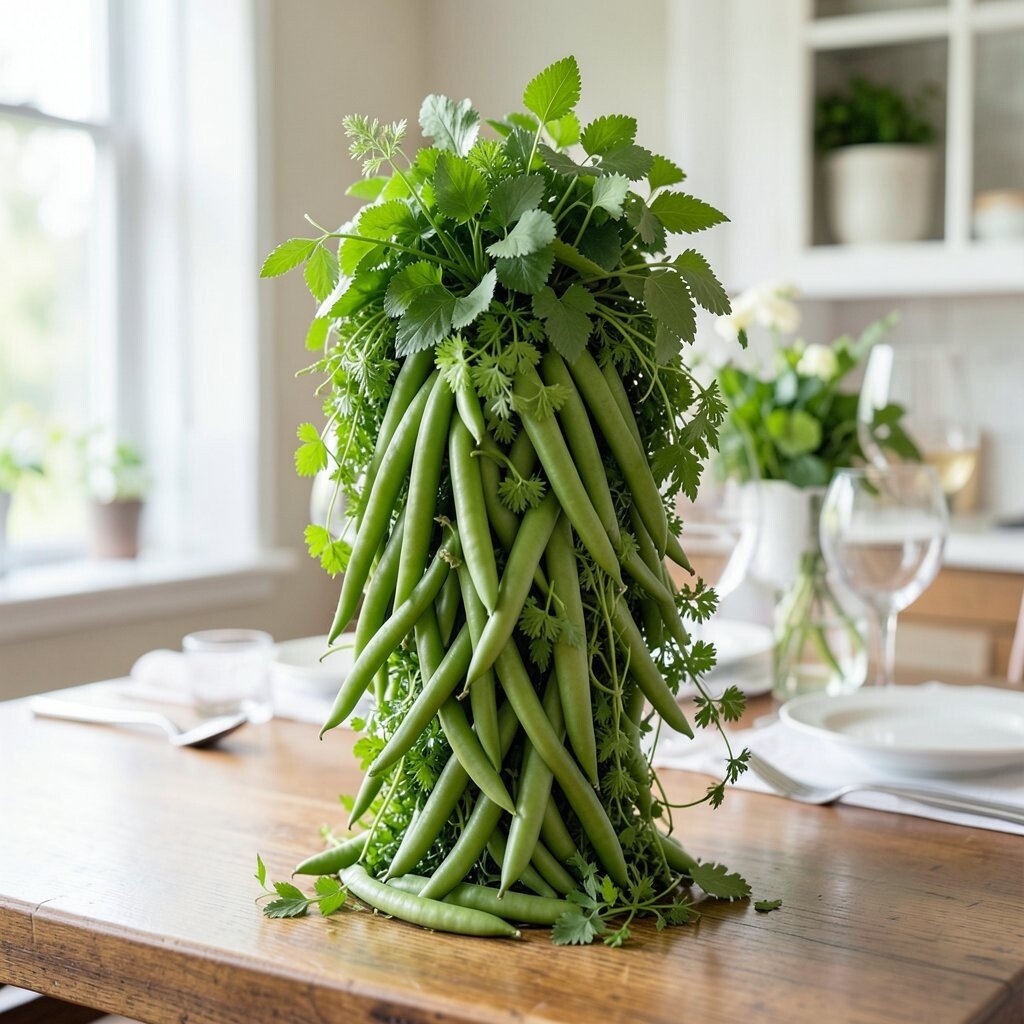
Arrange long green beans so they drape downward like a waterfall. The movement makes the centerpiece feel dynamic, not still.
Start by placing a thicker base of lettuce or shredded cabbage, then guide the green beans in arcs. Tuck herb sprigs in between for a fresh look and a gentle fragrance.
If you’re worried about wilting, keep everything slightly cool before serving and add moisture to the base. This is a practical way to use greens that might otherwise seem “too plain” for decorative projects.
14. Make a “Dip Garden” With Veg Arranged Around a Sauce
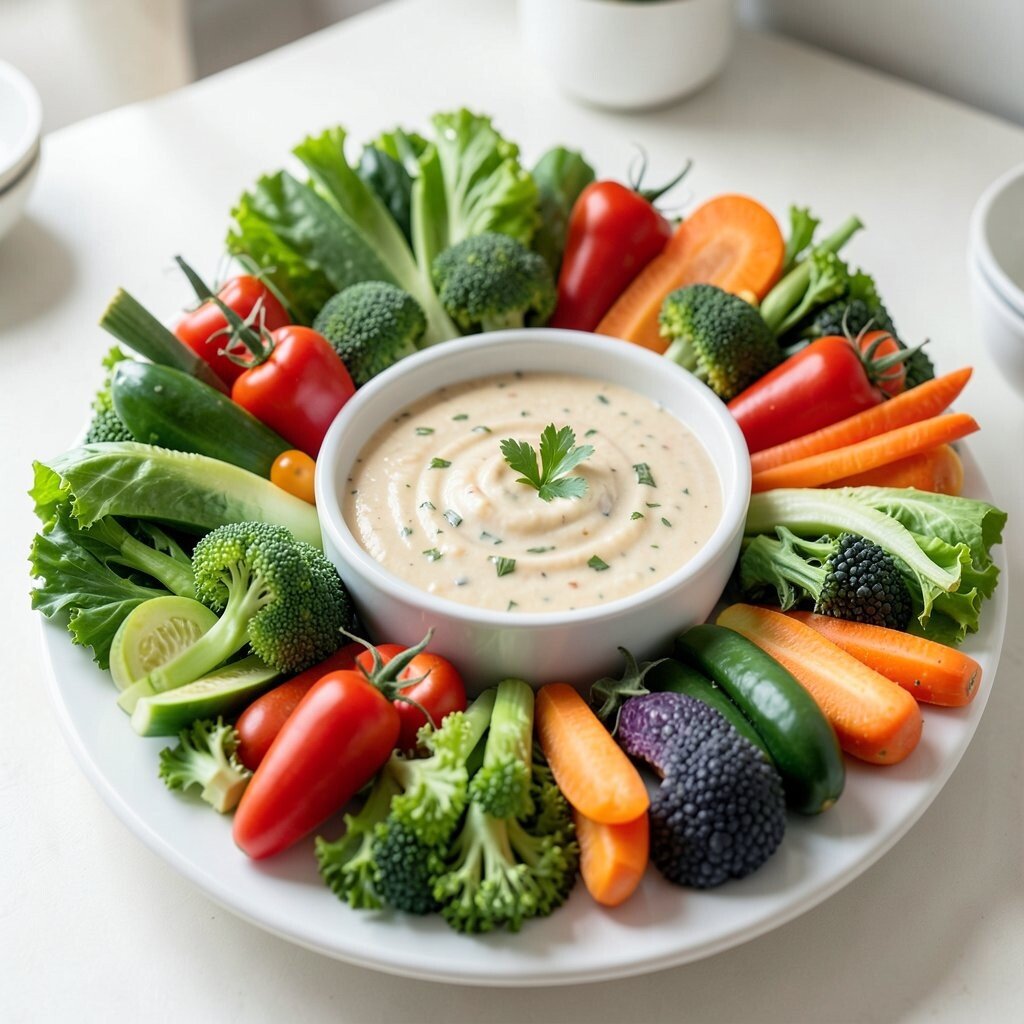
Put a bowl of dip at the center, then arrange vegetables around it like petals around a sun. Hummus, yogurt dip, or a simple ranch-style sauce can make the centerpiece both pretty and useful.
Choose vegetables that scoop well, such as bell pepper strips, cucumber rounds, broccoli florets, and carrot sticks. Keep the sizes similar so the whole ring looks smooth instead of messy.
For cost control, make one dip using what you already have, like plain yogurt with lemon and herbs. This centerpiece is also easy to customize for guests by offering mild and tangy flavors side by side.
15. Craft a Themed Arrangement for Holidays and Parties
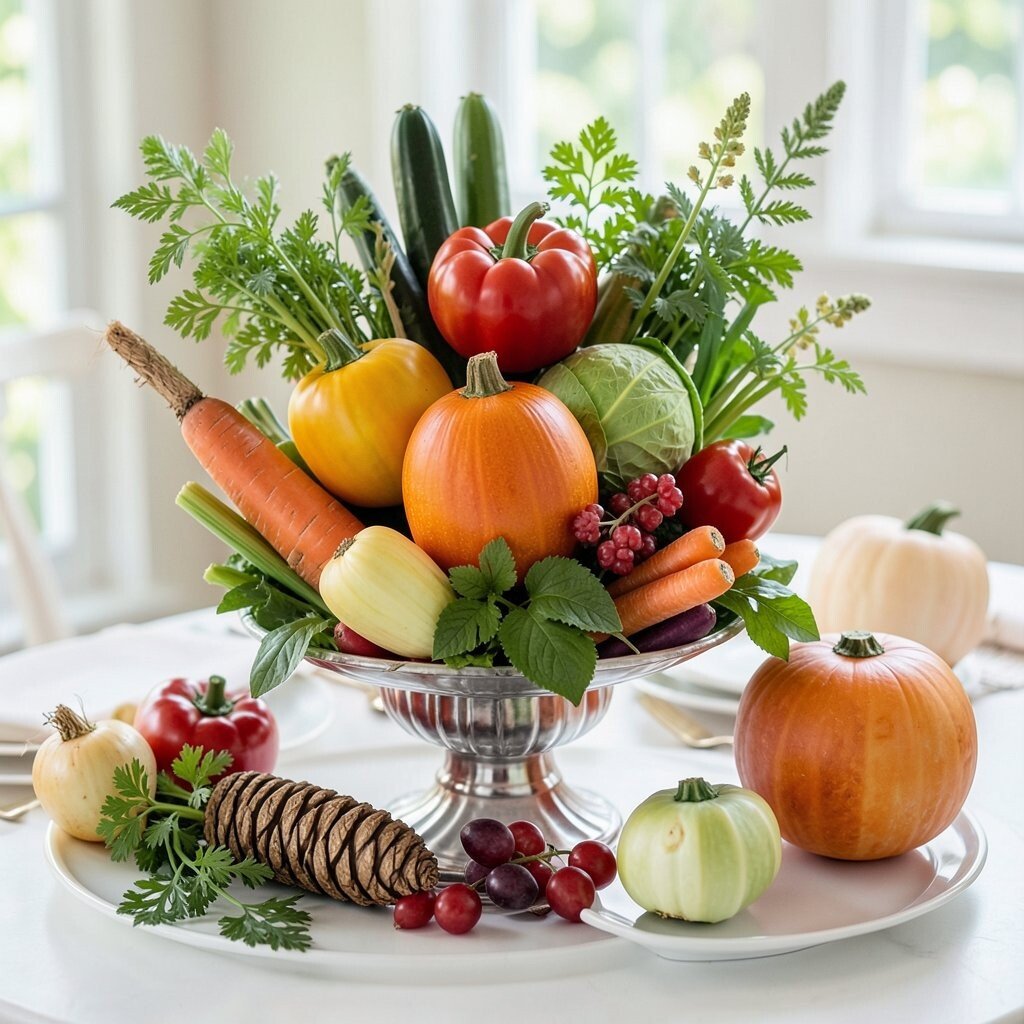
Seasonal themes make your centerpiece feel personal and memorable. For autumn, use deep orange carrots, roasted squash, and rosemary; for spring, focus on peas, radishes, and fresh herbs.
Match your vegetables to a color story your guests will recognize, like red-and-green for celebrations. Add small edible touches, such as pomegranate seeds or sliced olives, to make it feel like a special event without extra decor.
This idea is unique because it turns produce into a message. You can keep costs steady by choosing mostly produce, then spending only a little on one “wow” ingredient like edible flowers or a standout fruit.
16. Personalize With Your Favorite Bowl, Platter, or Liner
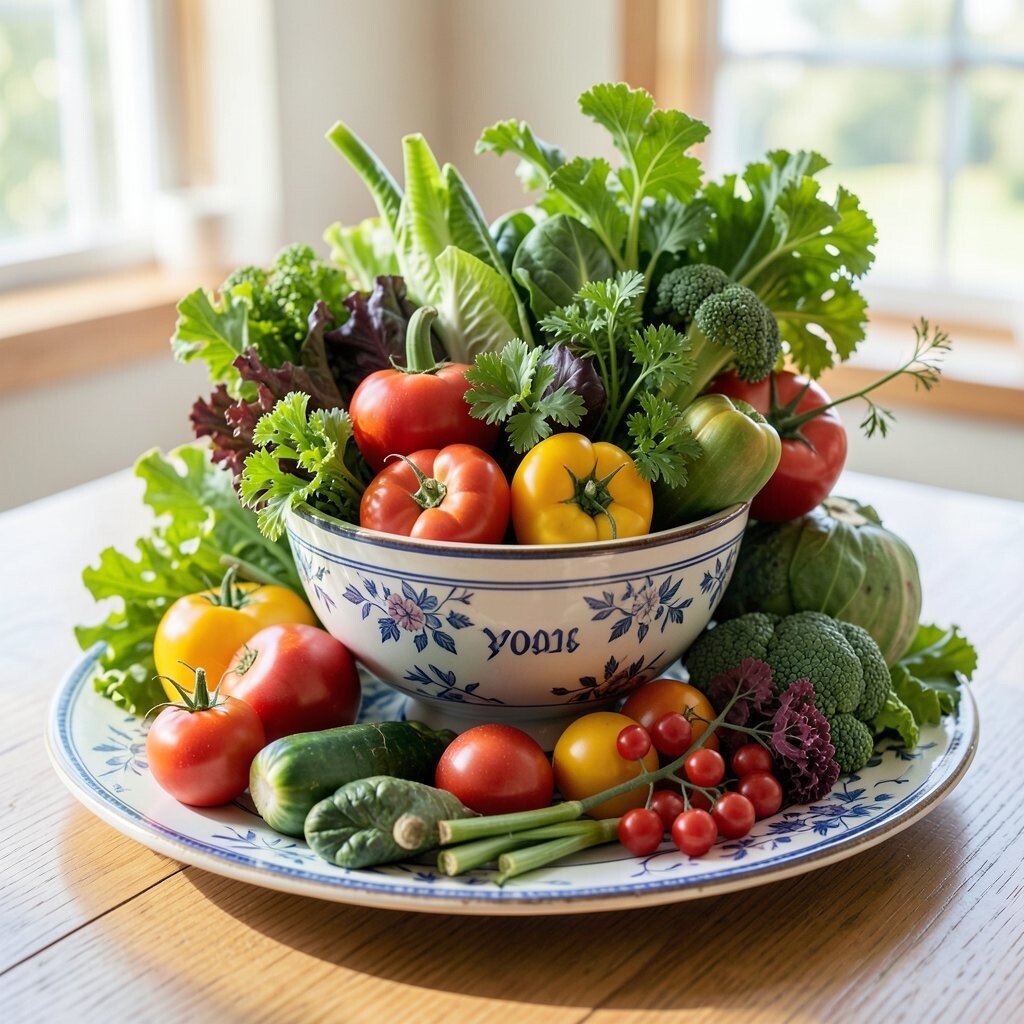
The vessel matters more than people think, and your favorite bowl can instantly make the centerpiece feel like yours. Try a ceramic platter, a clear glass compote, or even a woven tray lined with a neat cloth.
Use a liner like lettuce leaves, parchment under a light layer of moisture, or a ring of cabbage to protect the base and keep everything tidy. Add your own signature touch, such as chili flakes for heat, sesame seeds for crunch, or a drizzle of olive oil for shine.
When you personalize, you also control cost because you can use what you already own instead of buying new decorations. The centerpiece will look styled, not random, and it will fit naturally with your everyday kitchen vibe.