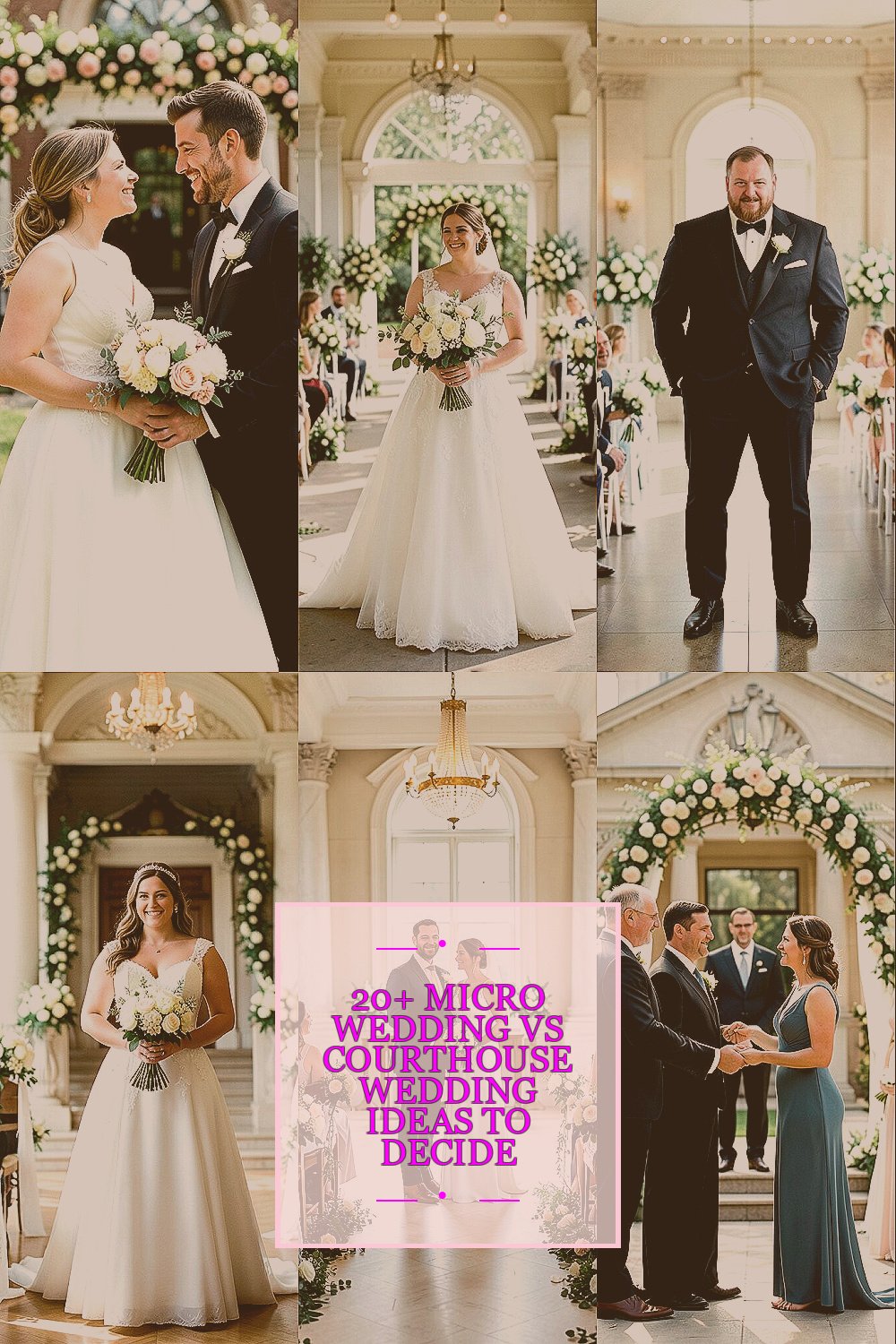
Two kinds of weddings can feel just as heartfelt when the details fit your life. Your job is picking the style that matches your day, your people, and your budget.
In the sections below, you’ll find ideas that help you choose between a micro wedding and a courthouse wedding, plus ways to make either one feel like you.
1. Pick the vibe you can actually wear
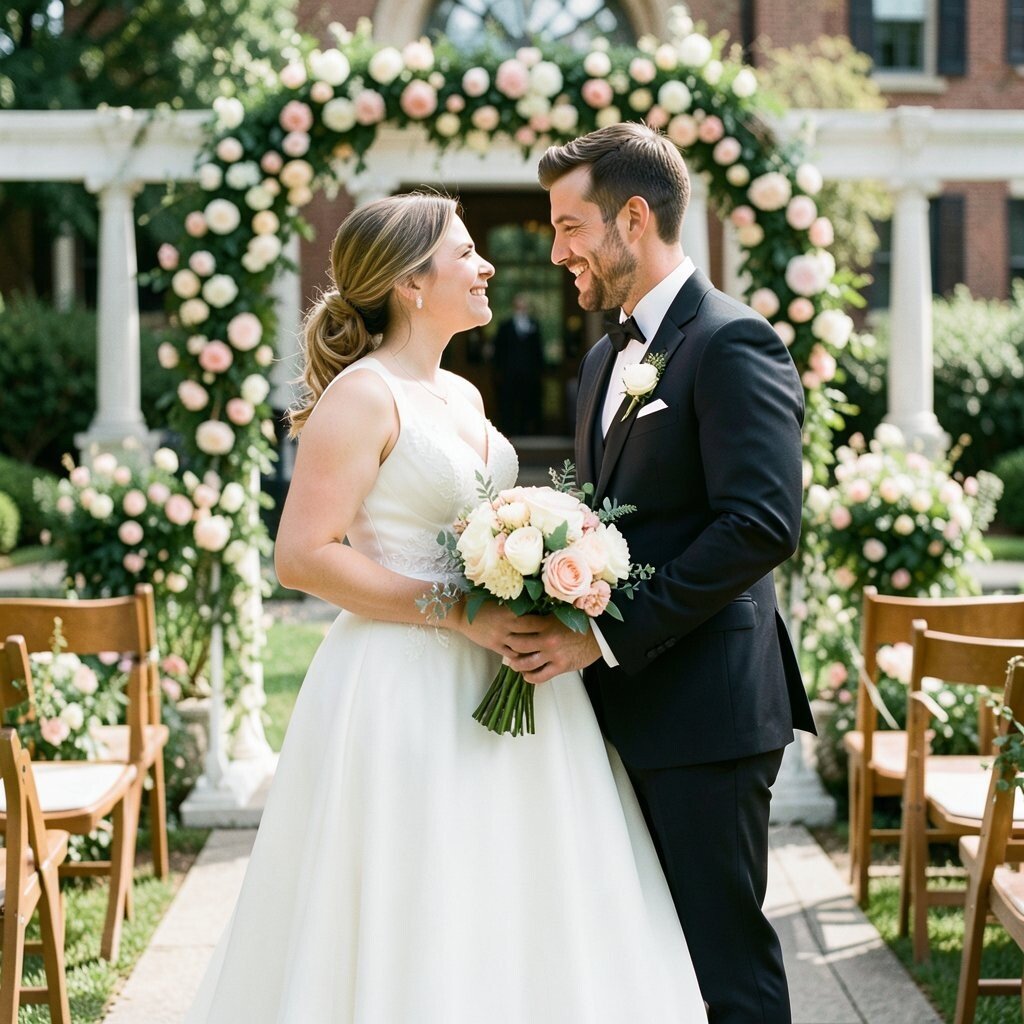
Picture yourself in the outfit you feel best in. Then decide if you want a full wedding look or something that feels lighter and easier.
A micro wedding can lean romantic and photo-ready, with you and a small group in coordinating colors. A courthouse wedding can still look amazing, but you’ll want comfort in the shoes and pockets for quick fixes. Try choosing one “anchor” item, like a veil, a bold boutonniere, or a shawl, and build everything around it. That keeps the day stylish even if you keep the guest list small.
2. Choose a venue that matches your commute
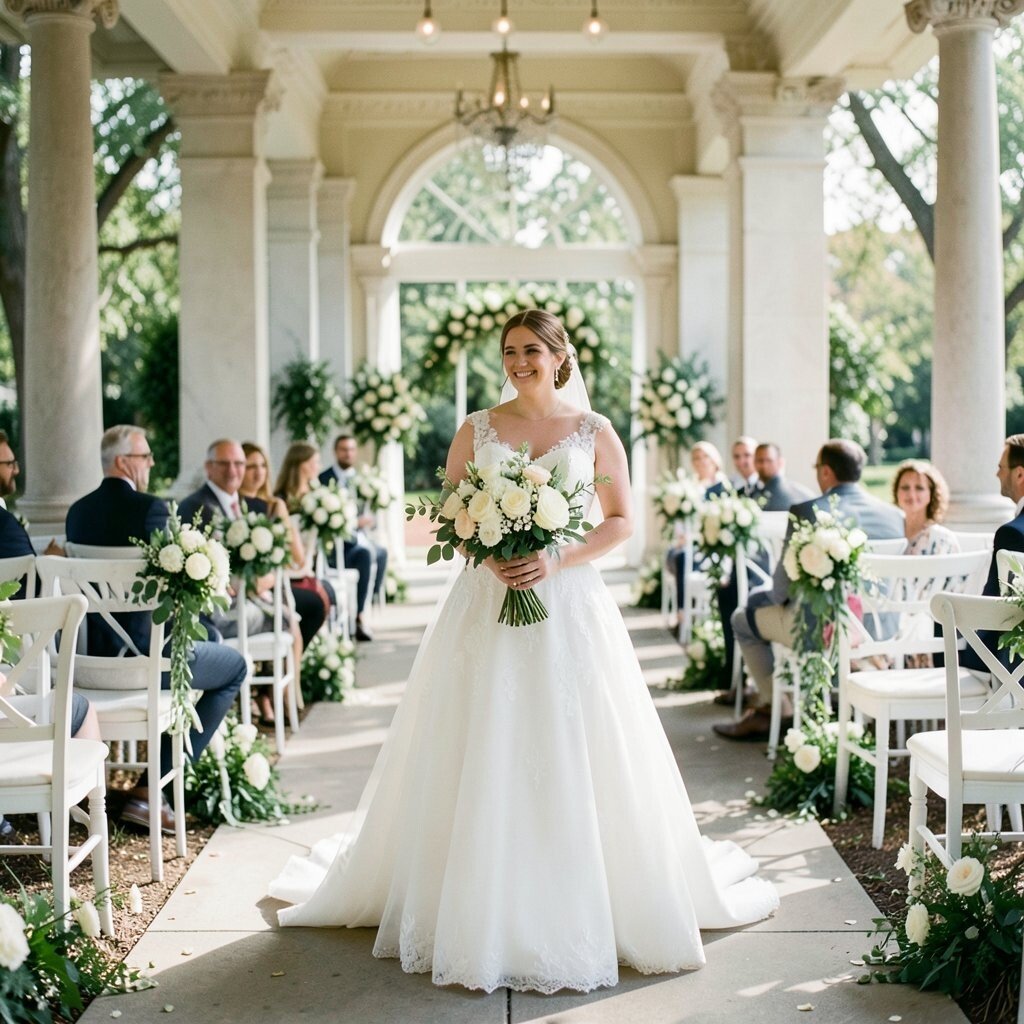
Think about where your loved ones will feel relaxed, not rushed. The easiest route often becomes the best memory.
A micro wedding works beautifully with intimate venues like a garden café, a small chapel, or a beach house where the sound stays cozy. A courthouse ceremony can feel more formal, yet it’s straightforward because the location is fixed. If family members are traveling, pick a spot close to hotels and parking. That choice saves energy and helps everyone show up smiling.
For a micro wedding, plan a simple timeline with a little buffer for photos and weather. For a courthouse wedding, arrive early for hair touch-ups and calm breathing. Both styles become more fun when the logistics are friendly.
3. Make guest count feel intentional, not limited
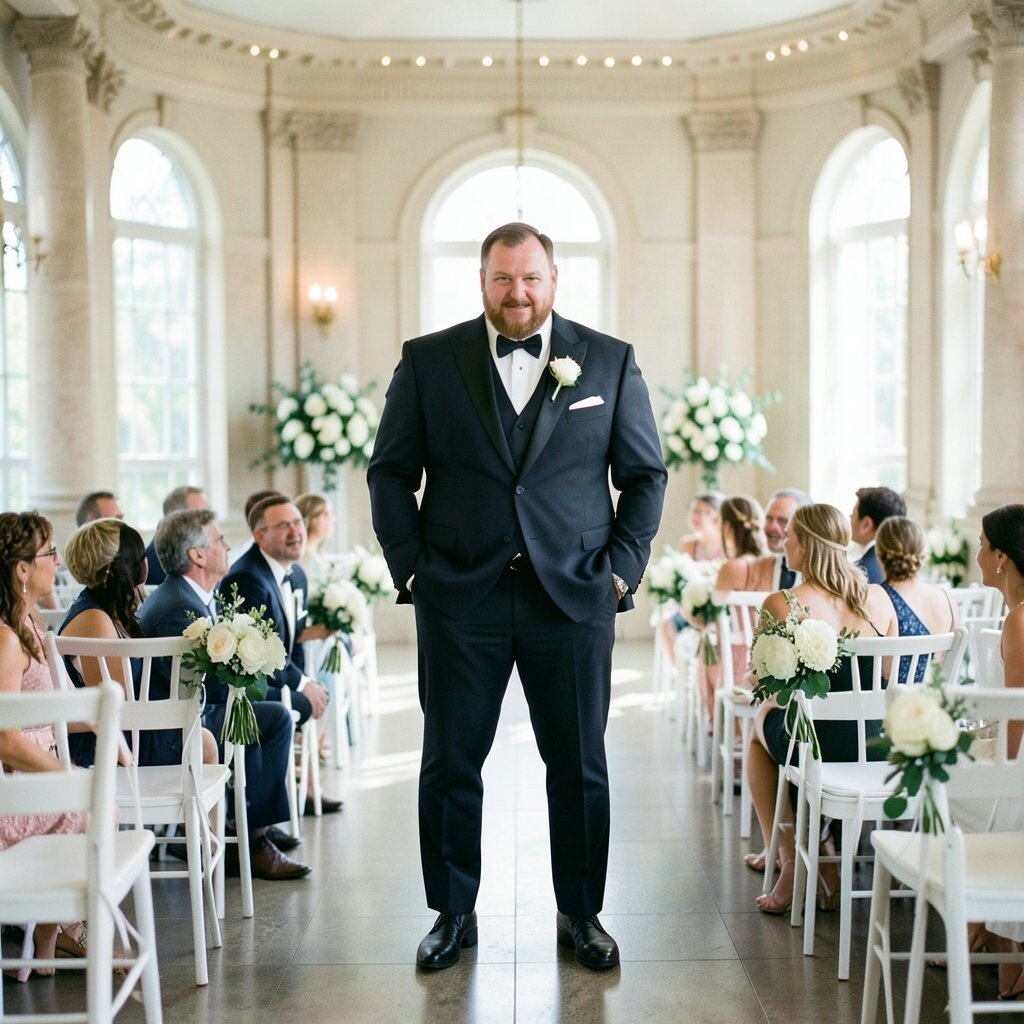
When the guest list is small, each person matters more. It feels meaningful when you invite people who truly show up for you.
With a micro wedding, you can create a “core circle” moment where every seat has a purpose. With a courthouse wedding, you can keep it small while still honoring your story. A practical way to handle the smaller number is to add a few guided experiences, like a short toast from each person you brought. It turns a simple room into an emotional stage.
If you want personalization, write tiny notes for your guests that mention what you love about their friendship. That makes them feel seen even without a big celebration. Keep it light and doable, like handwritten cards held in a small basket at check-in.
4. Use a “photo-first” plan to avoid rushing
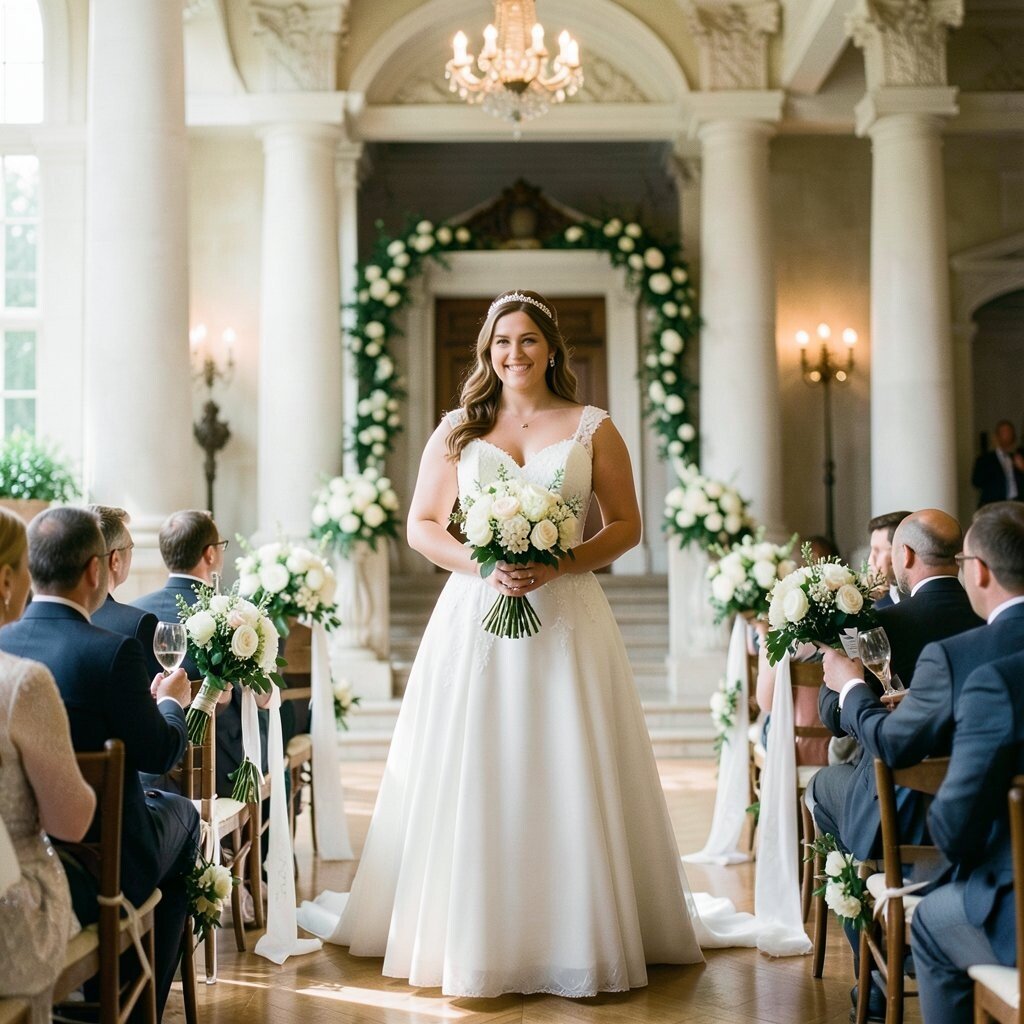
Great photos need breathing room, not a tight schedule. A calmer pace usually gives better smiles.
For a micro wedding, build in a dedicated photo window while the lighting is best. You can do first look portraits, small-group shots, and even a few close-up details like rings or bouquet textures. For a courthouse wedding, schedule portraits immediately after the ceremony so you’re not waiting through paperwork. Ask someone trustworthy to watch the timing so you can stay present.
5. Create a tiny ceremony with big meaning
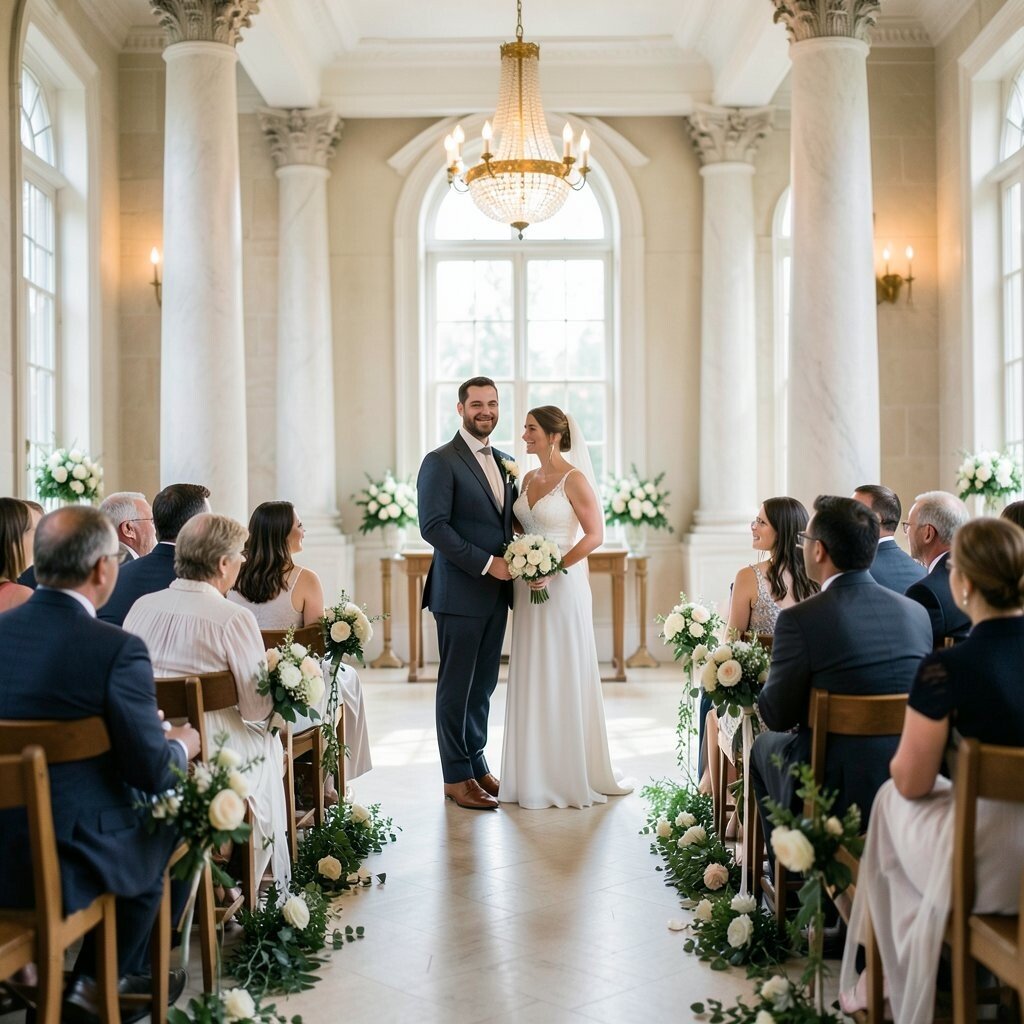
Even if the room is small, the vows can feel huge. The secret is speaking like you mean it.
Micro weddings often shine because you can add personal touches like a favorite reading or a short song. Courthouse weddings can include meaningful vows too, and many couples bring a symbolic item like a family heirloom ring box. Consider a vow prompt you both love, like “What I promise on ordinary days.” Keeping it simple helps the moment land without stress.
You can also add a “memory line” where guests hear one sentence about your story. It can be read before the ceremony or shared right after. When people understand why you’re choosing this day, they respond with warm attention.
6. Decide what happens after the ceremony
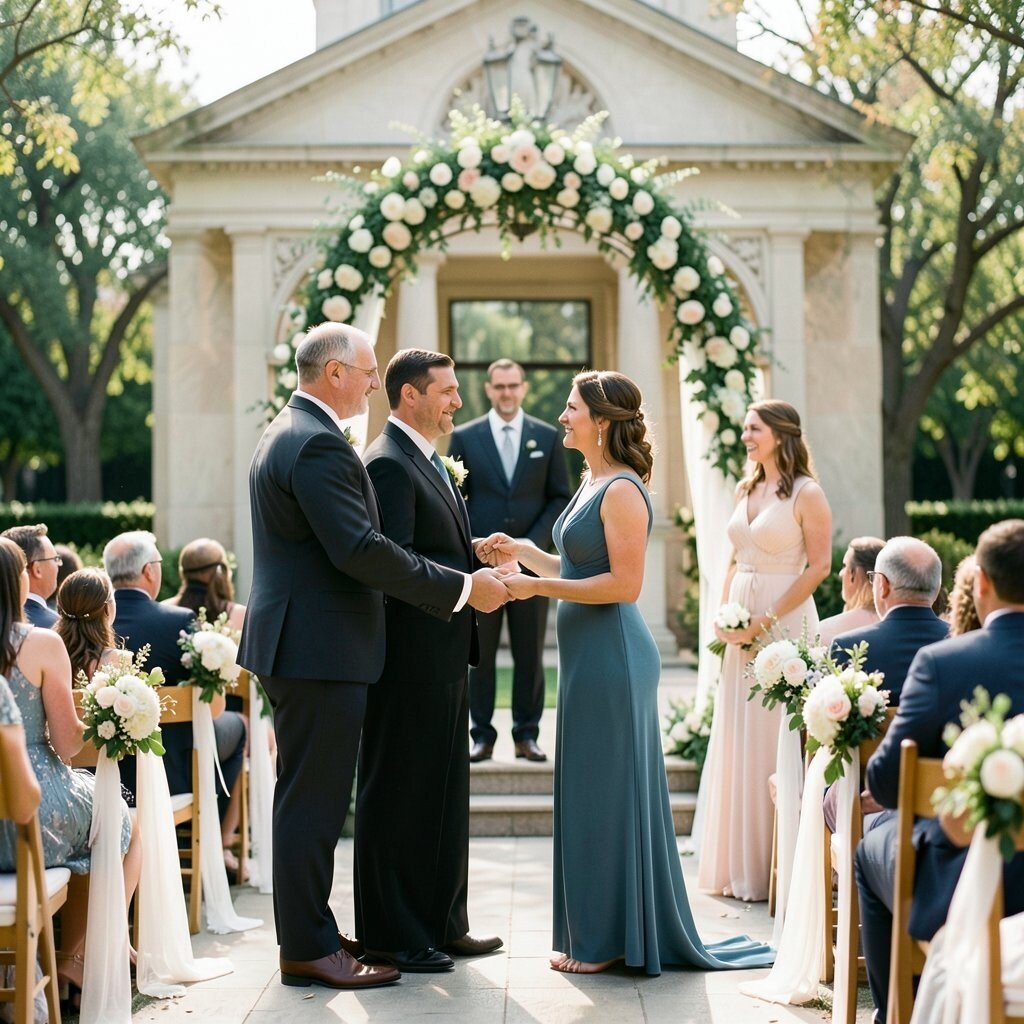
After you say yes, the next hour shapes how people remember the day. A clear plan keeps everyone from wondering what’s next.
A micro wedding usually includes an intimate reception, dinner, or dessert meet-up that feels celebratory. A courthouse wedding can be followed by a meal at a favorite restaurant, a picnic in a nearby park, or a quick toast at home. Choose something that fits your actual energy level, not someone else’s idea of “proper.” If you want the day to feel romantic, keep it slow with one special dish and plenty of conversation. If you want it fun, add a short activity like bowling or a dessert bar walk.
For cost control, pick one food moment that feels premium, then keep everything else simple. Ordering a set menu for a small group can be easier than juggling many individual choices.
7. Build a color story that reads well in photos
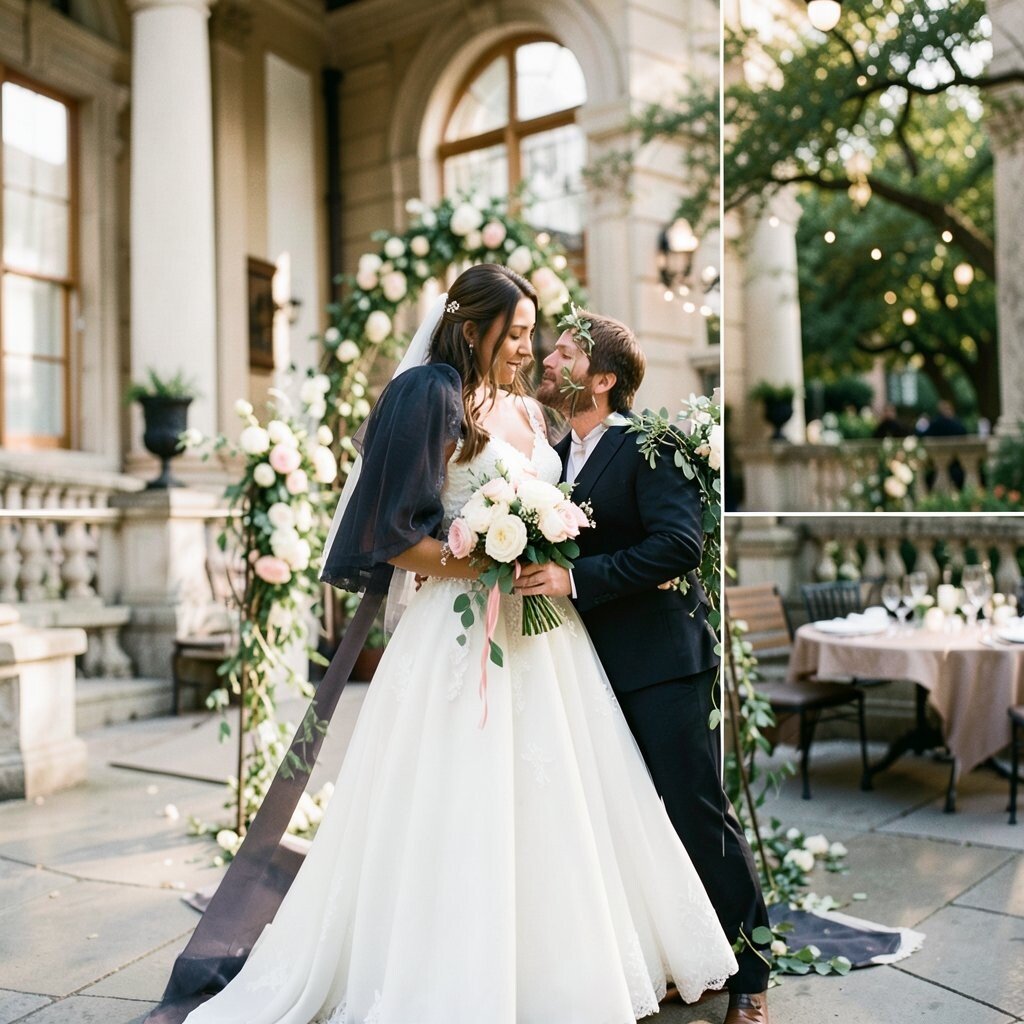
Choose colors that look great in real life and on camera. Soft shades and rich accents often photograph beautifully.
Micro weddings give you room to style tables, backdrops, and florals without overdoing it. Courthouse weddings can still be styled with a bouquet, a few matching details, and a clean background for photos. One practical approach is to select a palette with one neutral base and one strong accent. Think cream plus deep green, or light blue plus warm gold.
To personalize, add a “hidden color” that matches something you both love, like a fabric from an old sweater or a ribbon from a meaningful gift. Keep styling wearable so you can reuse pieces later. That reuse also reduces waste and cost.
8. Think about your guest “comfort moments”
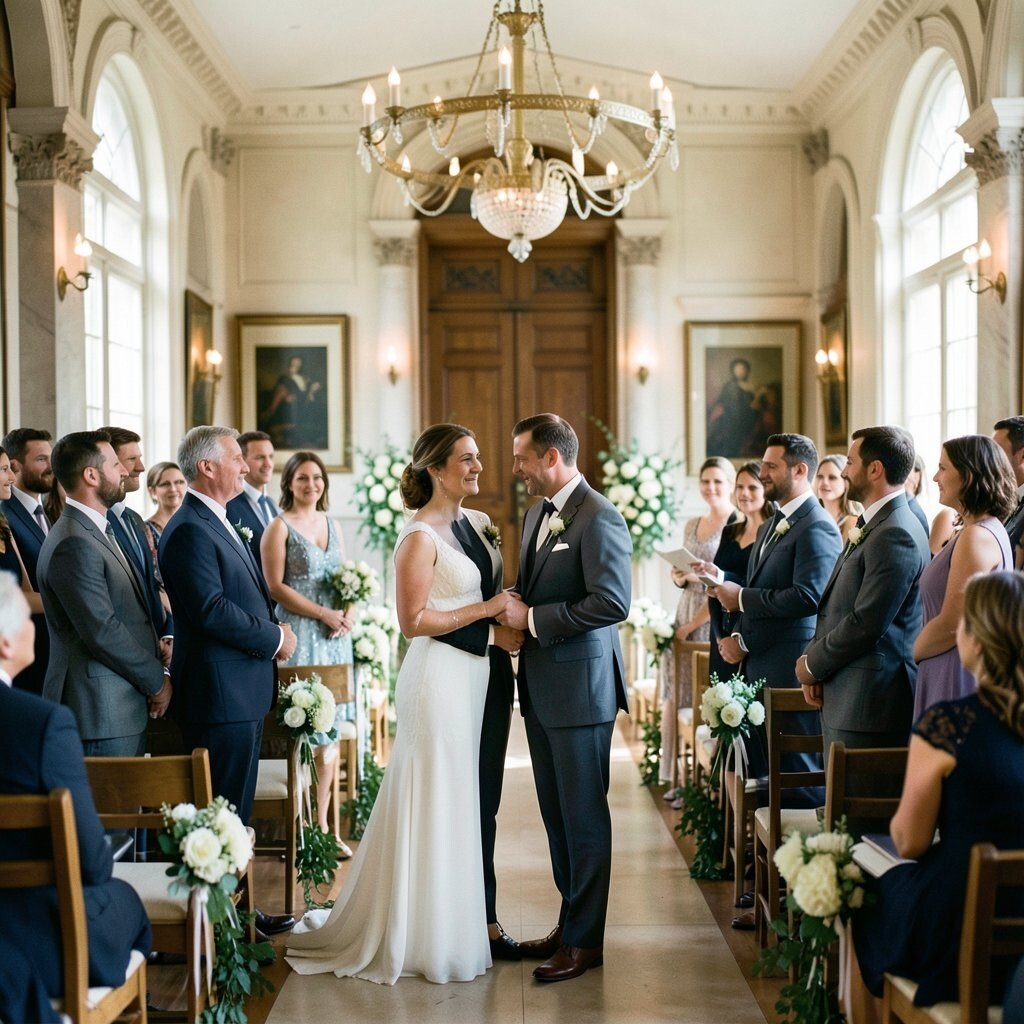
A wedding can be beautiful and still practical. Comfort is part of the romance when people feel relaxed.
Micro weddings can include little comforts like blankets for evening breezes or a small fan station in warm weather. Courthouse weddings benefit from planning for quick transitions, like a place to sit while documents are checked. Bring a mini kit with lint roller, lipstick, pain reliever, and blotting papers. Also include an umbrella or rain cover if your area is unpredictable. These items help everyone, not just you. Guests will appreciate the calm when something unexpected happens.
9. Add flowers with a “one focal point” approach
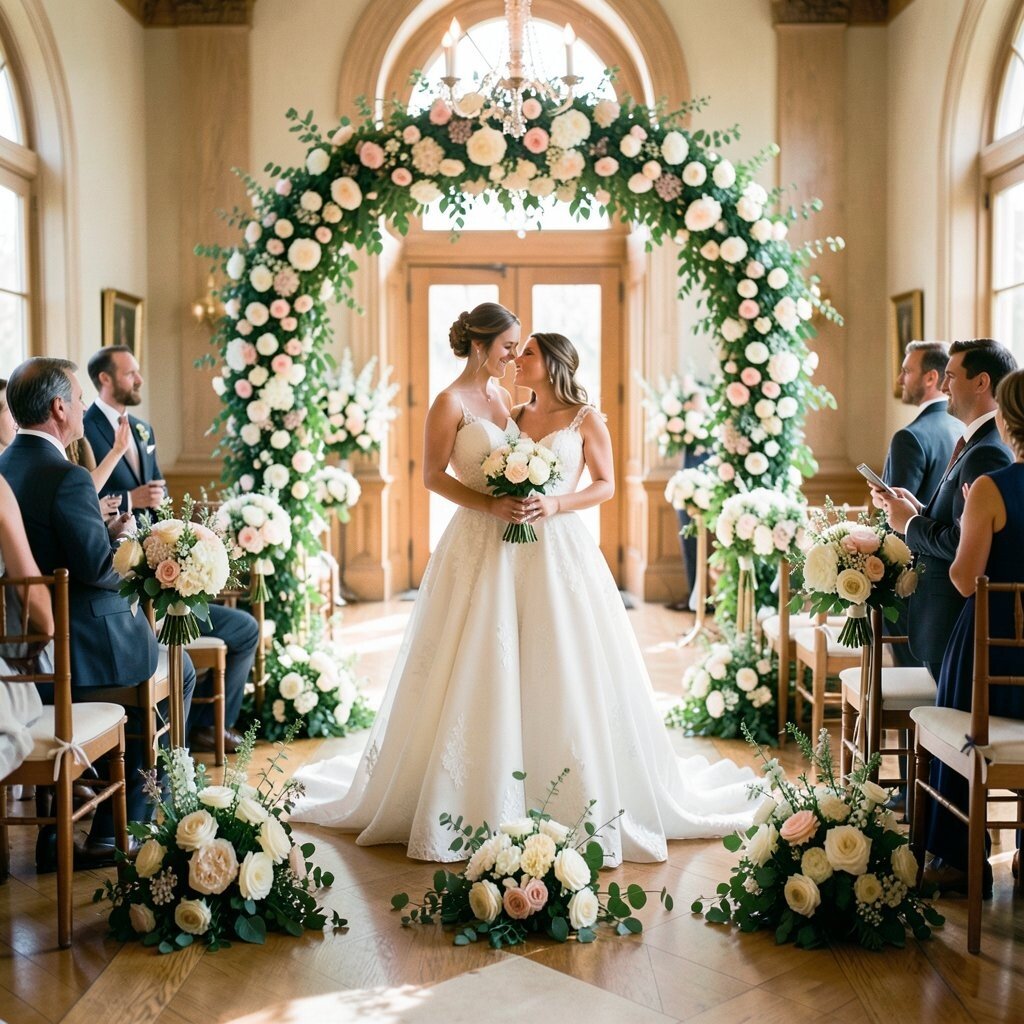
Flowers can be budget-friendly when you pick the most visible pieces. One perfect moment is better than many rushed ones.
For a micro wedding, choose a bouquet that stands out, then coordinate smaller stems like boutonnières or hair pins. A courthouse wedding can look elegant with a simple bouquet and one extra arrangement for photos. A practical tip is to choose in-season blooms because they cost less and look fresher. Ask the florist for an arrangement plan that focuses on texture and shape rather than rare varieties.
For uniqueness, include one “story flower,” like the same bloom from a garden you visited together. You can also add a handmade element, such as a ribbon tied in your shared color. That small touch makes your floral moment feel one-of-a-kind.
10. Decide how formal you want the ceremony to feel
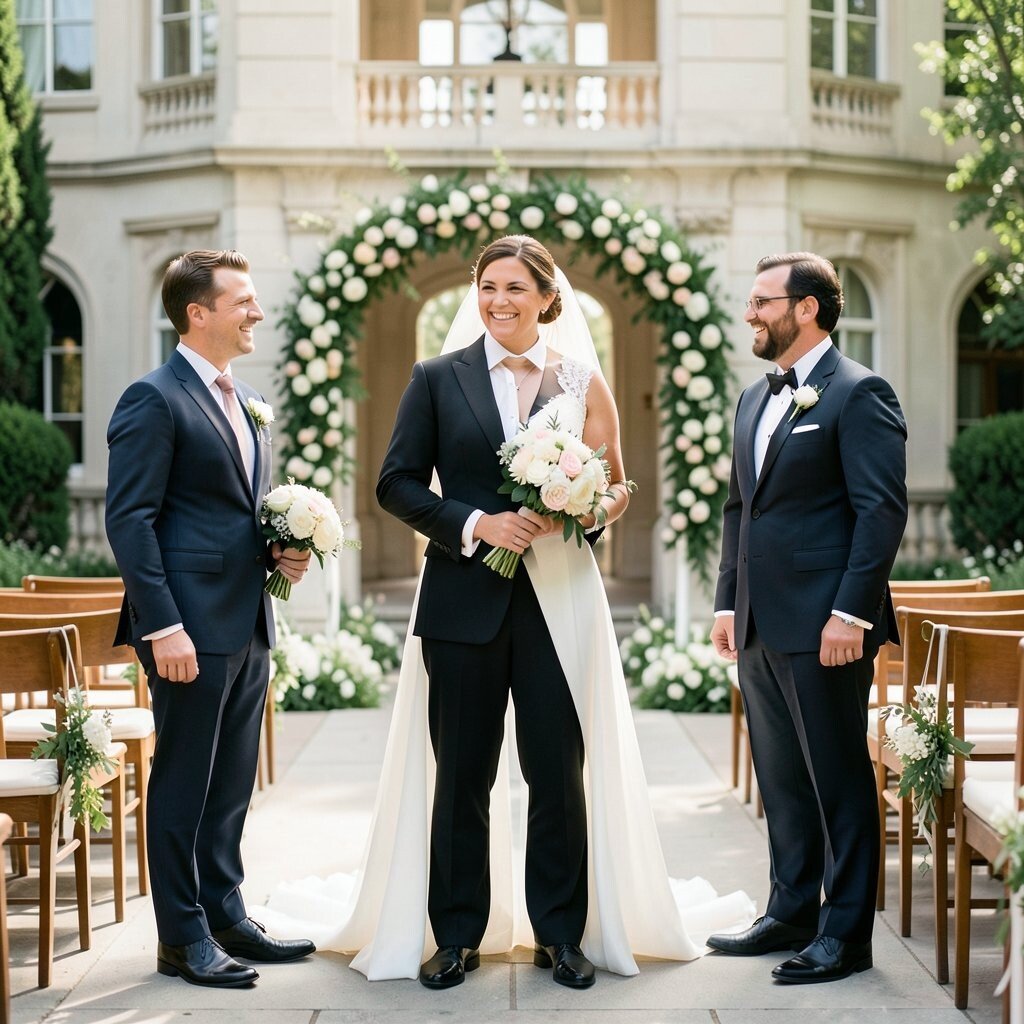
Formality is a mood, not a rule. Your day should match how you want to show love.
Micro weddings often allow you to add music, a styled aisle, and a fuller ceremonial flow without going too large. Courthouse weddings are usually more structured, but you can soften the feel with thoughtful details like candlelight, gentle lighting, and a personal bouquet. Choose what matters to you, like more quiet time or more vows. If you want less formality, keep the officiant script simple and focus on your words. If you want more tradition, keep the ceremonial order classic and add a modern twist later during celebration.
11. Choose ring style that looks great up close
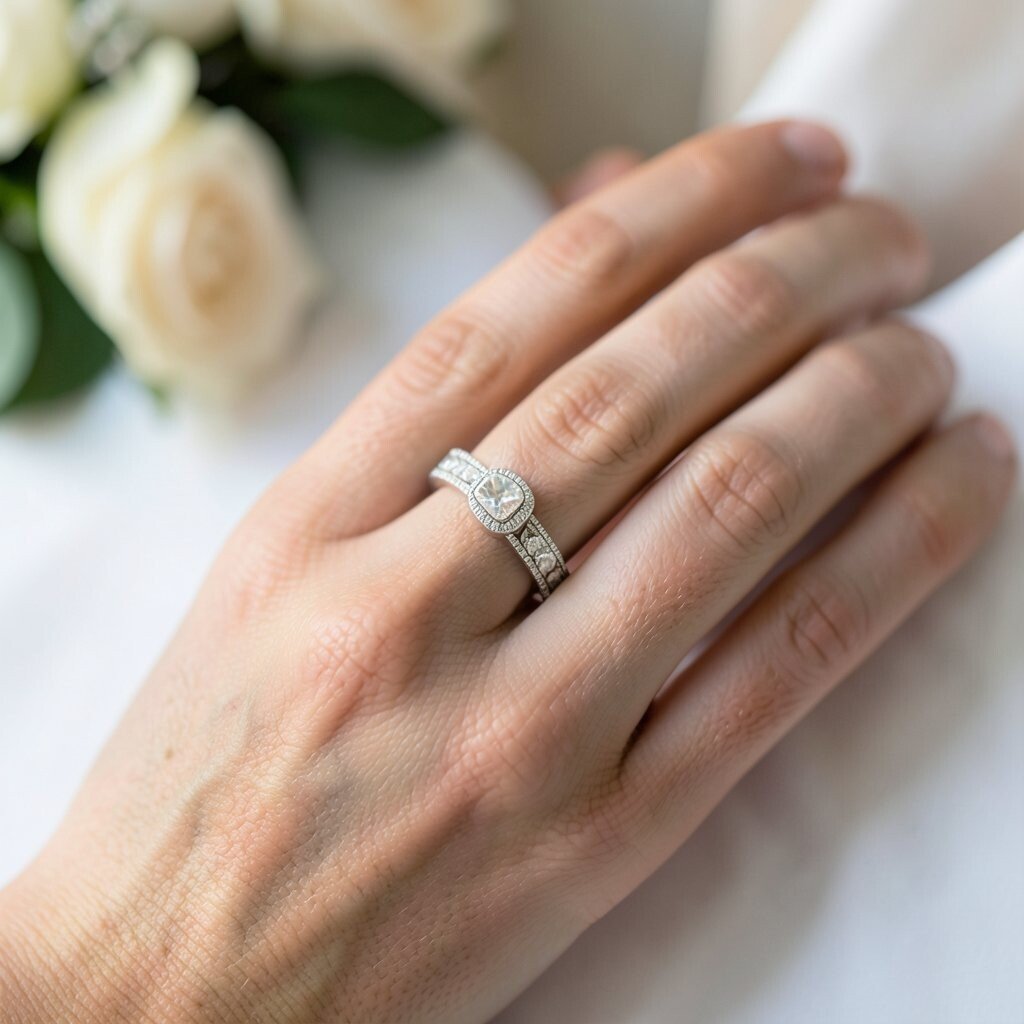
Your rings will be in every photo, every handshake, and every close-up. Pick a style that feels confident and comfortable.
A micro wedding lets you enjoy details, like a ring dish at the ceremony table or matching nails for a cohesive look. A courthouse wedding still deserves the same care, even if you don’t have a long reception. Consider a practical test by trying rings on at different times of day, since comfort can change as your fingers swell slightly. If you want cost control, think about a classic metal and a smaller stone that still sparkles.
For personalization, engrave the inside with a short line that you both understand. Keep it meaningful, like a date, a nickname, or a promise phrase. This tiny detail is one of the biggest “wow” moments for you, not for the crowd.
12. Plan the seating so it feels welcoming
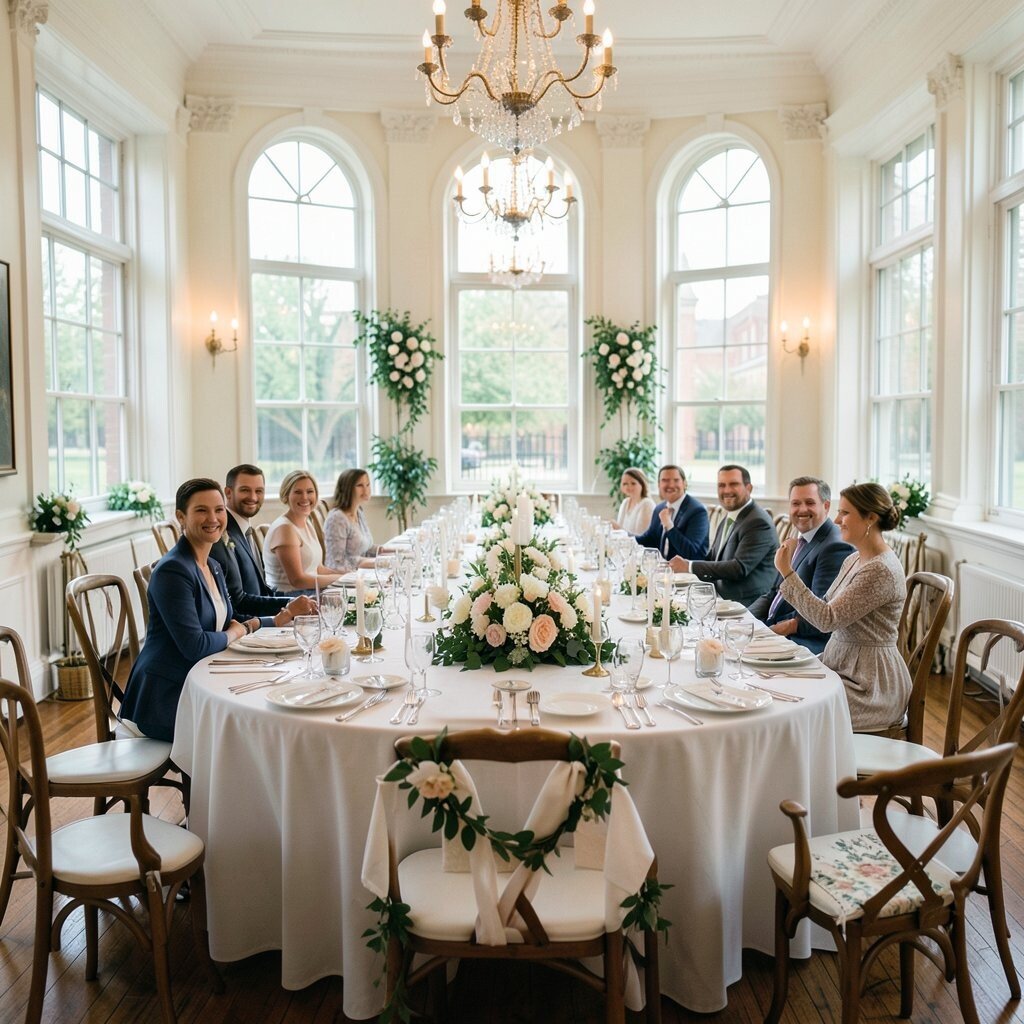
Seating can either feel stiff or feel like a warm hug. A simple plan keeps people comfortable and ready to celebrate.
Micro weddings can use styled chairs, a small seating chart card, or even a cozy circle setup that encourages conversation. Courthouse weddings can still look welcoming by arranging the group so older relatives can sit near an exit. Ask a friend to help escort guests so nobody feels lost. For personalization, add small place cards with a personal note about each guest’s role in your life. If you want it to stay low-cost, write on elegant paper and keep it minimal.
This detail also helps your photos, since faces are angled toward you and not toward empty space. When guests feel at ease, the energy in pictures looks effortless.
13. Add music that fits the moment, not the playlist trend
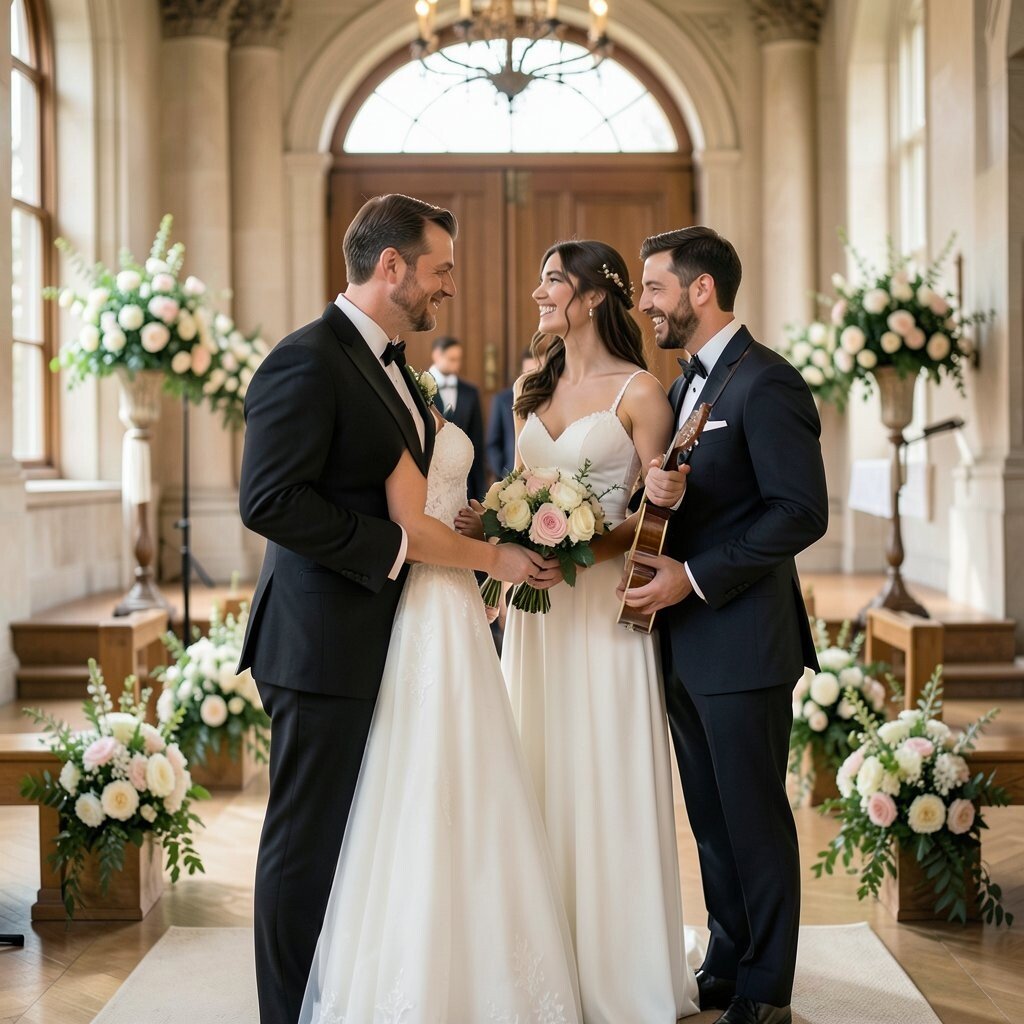
Music can set the tone instantly, so choose what sounds like you. The goal is calm joy, not loud chaos.
Micro weddings can include live music, a playlist with a smooth flow, or a short performance during photos. Courthouse weddings might not allow a full setup, but you can still bring a simple soundtrack for pre-ceremony photos and a meaningful song for your entrance. Keep it practical by checking rules about audio in your chosen space. Choose one song for your walk-in, one song for your first photo moment, and one song for a final group picture. That structure gives you control without overplanning.
For uniqueness, pick a song that connects to a memory, like the one you heard on a road trip. If you want a modern touch, use instrumental covers or acoustic versions that feel romantic in any room.
14. Consider officiant style and how you want to be addressed
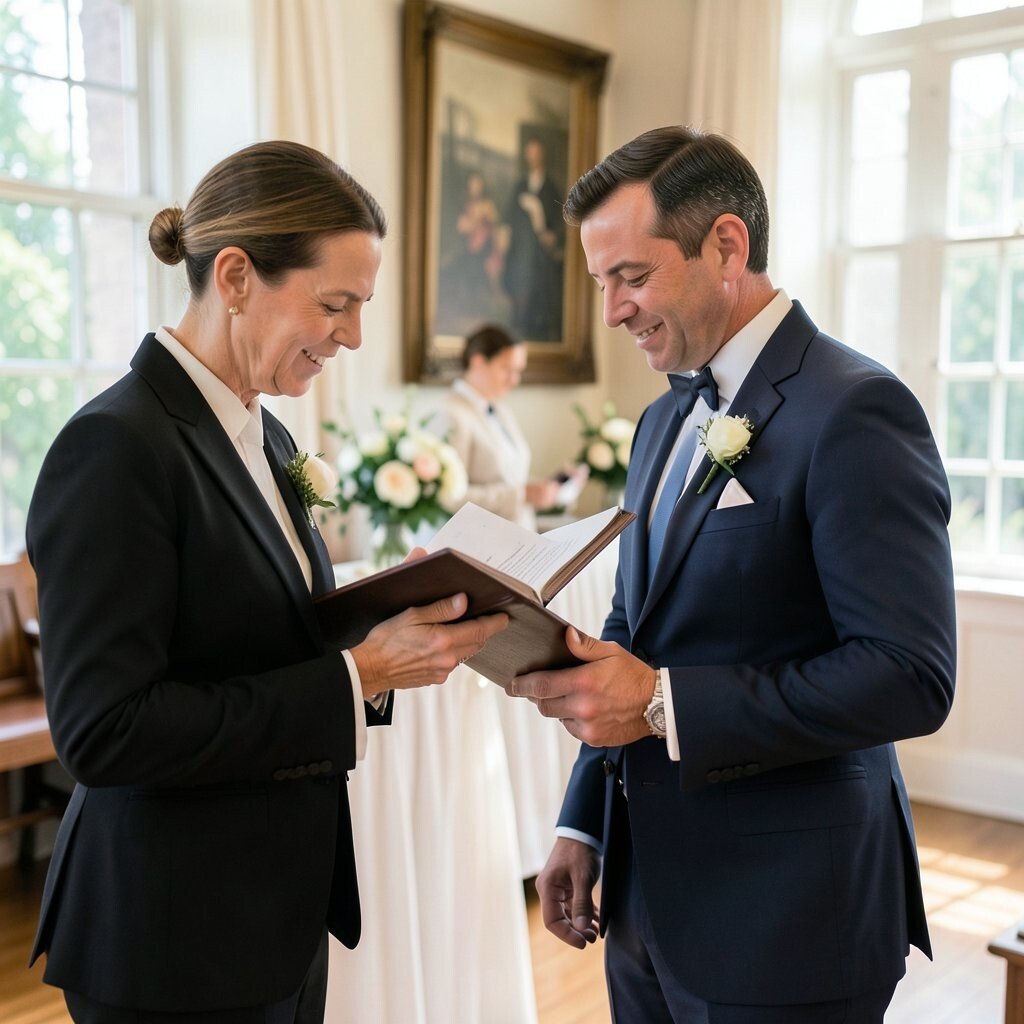
How you’re introduced can change the whole mood of the ceremony. Choose words that feel respectful and natural.
Micro weddings often give you options like a friend as officiant, a celebrant, or a tailored script from a professional. Courthouse weddings typically use a set format, but you can sometimes add personal vows or a special reading. Ask early what’s allowed so you don’t accidentally build plans that can’t happen. A practical tip is to bring a short copy of your desired vows or reading if the venue permits it. That way, you avoid last-minute uncertainty.
Personalization also can come from your tone, like speaking slowly, looking at each other often, and taking a small breath before the important lines. Even in a courthouse setting, sincerity wins.
15. Use contemporary styling that doesn’t feel overdone
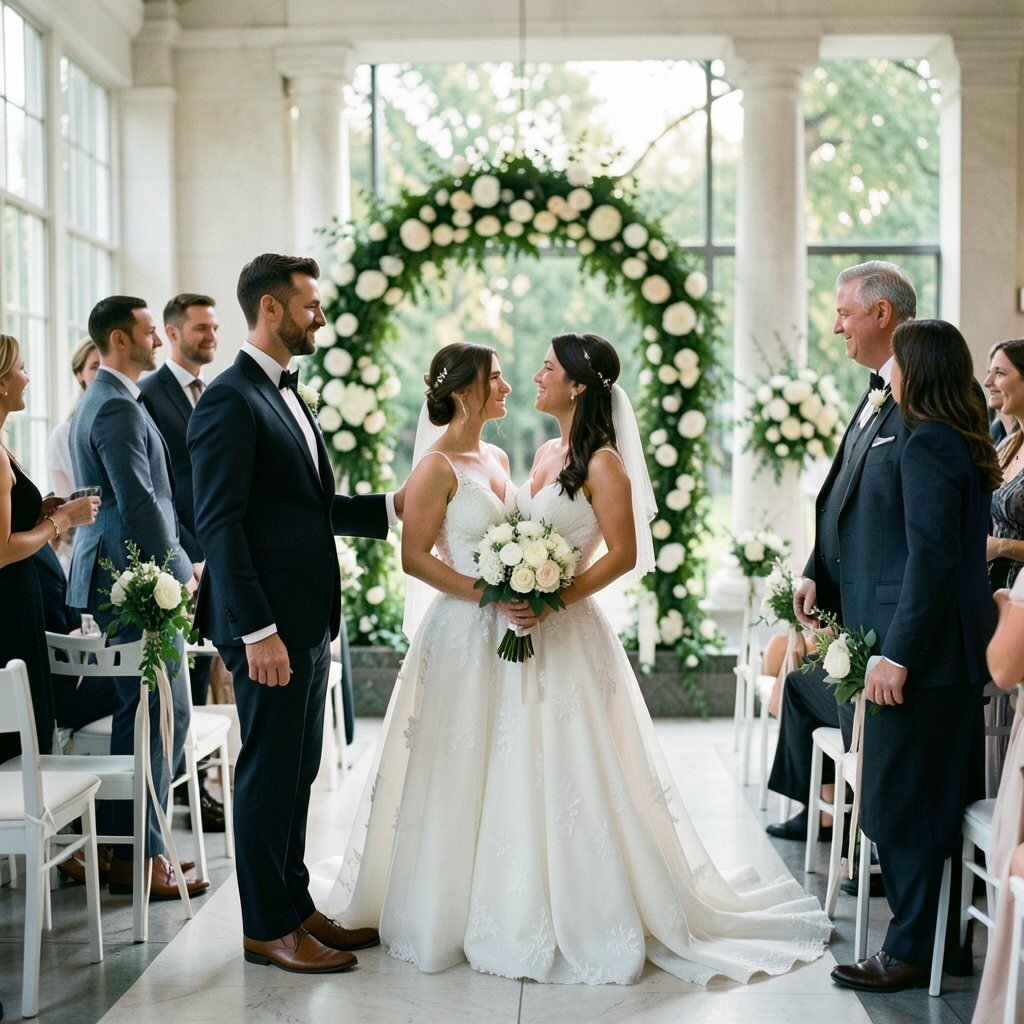
Modern wedding looks often focus on texture, clean lines, and simple styling. Small choices can make the day feel current without chasing every trend.
Micro weddings can use modern backdrops, like fabric draping, a minimal floral arch, or a statement mirror for photos. Courthouse weddings can still feel modern with a sleek bouquet shape, a stylish wrap, and a tidy hairstyle. If you want something fresh, focus on one trend element like a ribbon detail or a clean satin finish. Keep the rest classic so the photos don’t feel dated quickly.
For cost considerations, buy only the trend item you can reuse later. For example, a statement ribbon can be reused as a gift wrap or hair accessory after the wedding. That smart move stretches your budget and your keepsakes.
16. Make paperwork feel less stressful
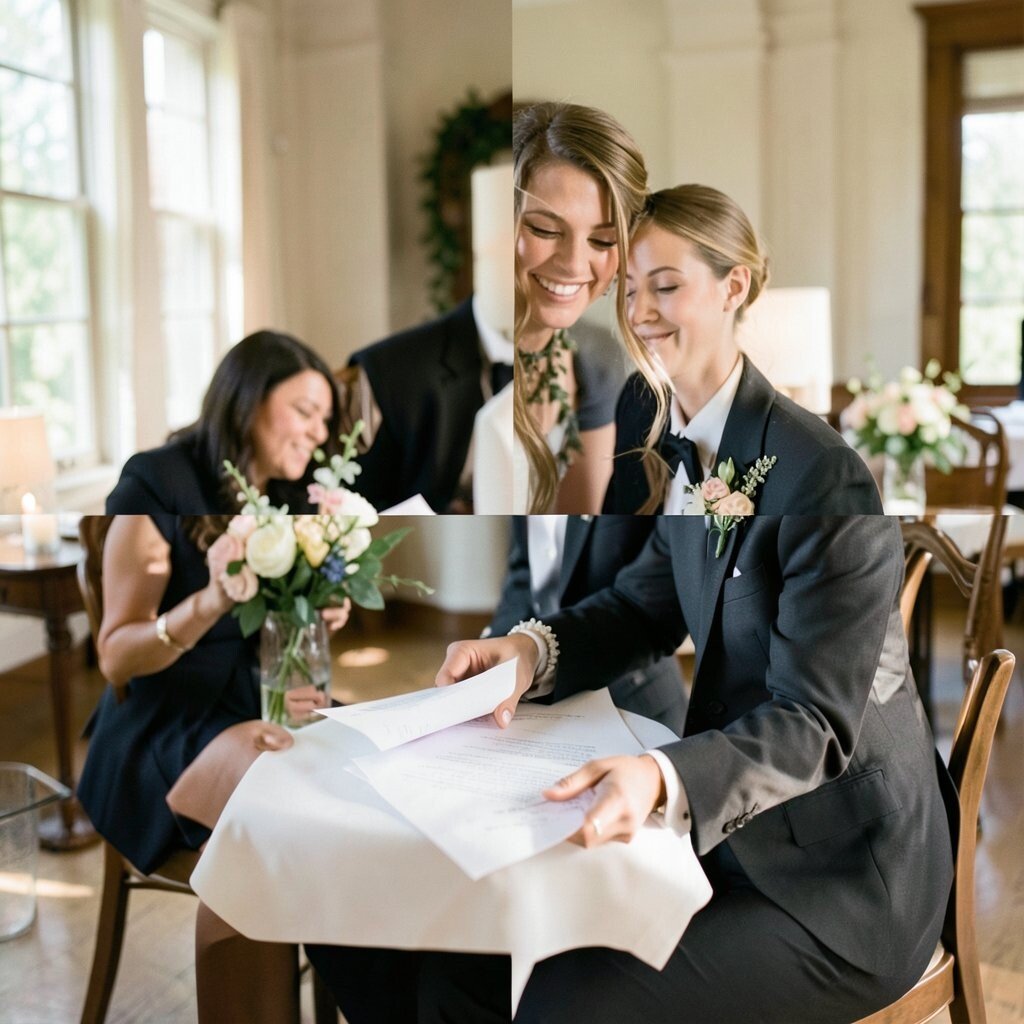
Legal steps are part of the day, but they shouldn’t steal your joy. Handling them early makes everything smoother.
Courthouse weddings are built around documents, so create a checklist and gather forms ahead of time. Call the office and confirm what you need, since requirements can vary. Micro weddings sometimes still include courthouse requirements if you’re doing a legal ceremony first. If you’re splitting legal and celebratory moments, schedule legal steps first so you’re emotionally free later.
For personalization and calm, keep a small folder with copies of everything, plus a pen and ID-ready items in one place. On the day itself, ask one trusted person to hold the folder. That reduces stress and lets you focus on each other.
17. Choose a dessert moment that people remember
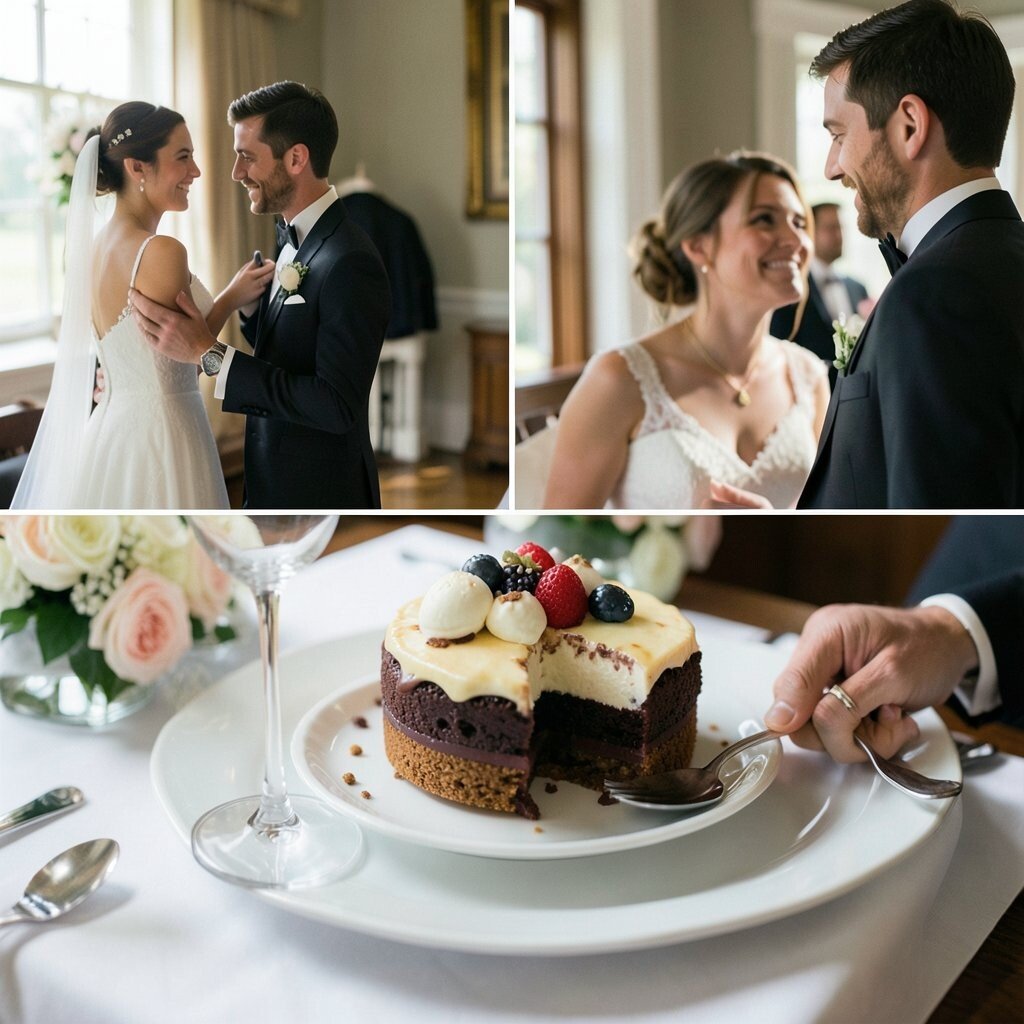
Dessert can be your signature even when everything is small. One special sweet can feel like a grand finale.
Micro weddings can include a small cake, mini desserts, or a dessert table with just a few standout items. Courthouse weddings can follow with cupcakes from a local bakery, a slice of cake to share, or a favorite pastry box picked from your go-to spot. For cost considerations, limit variety and choose quality. One bakery item plus a simple drink can feel elegant without overspending.
To add uniqueness, match dessert flavors to your story, like a childhood favorite or a flavor from a trip. If you want a modern twist, consider a dessert that looks great in photos, like a glossy tart or a layered treat. Keep it easy to serve, so you’re not stuck behind plates while guests wait.
18. Plan transportation like a real-life shortcut
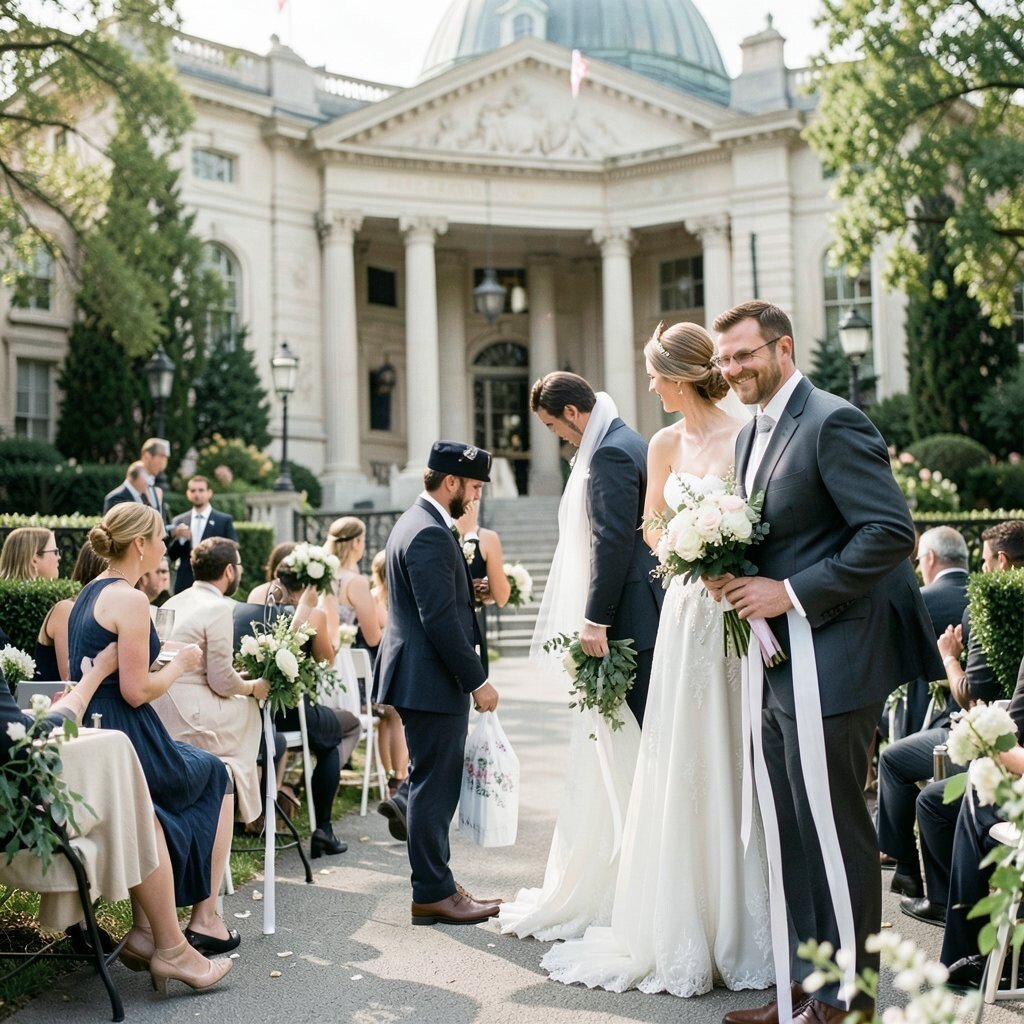
Getting there smoothly is one of the best gifts you can give yourself. A good plan means less waiting and more togetherness.
For a micro wedding, you can arrange a short shared ride, like a single car for you and your person plus a backup for family. For a courthouse wedding, consider rideshare timing and parking plans so the day stays simple. A practical tip is to schedule arrivals with extra minutes for parking and walking. Build a small buffer because even perfect plans can face traffic or weather.
Personalization can be fun without being expensive, like adding a small “welcome” playlist in the car or bringing a scent you love for your final outfit touch. If you want a stylish look in photos, choose a location background near the parking area. That way, you don’t need a long trip just for one great shot.
19. Keep outfits coordinated without forcing matching
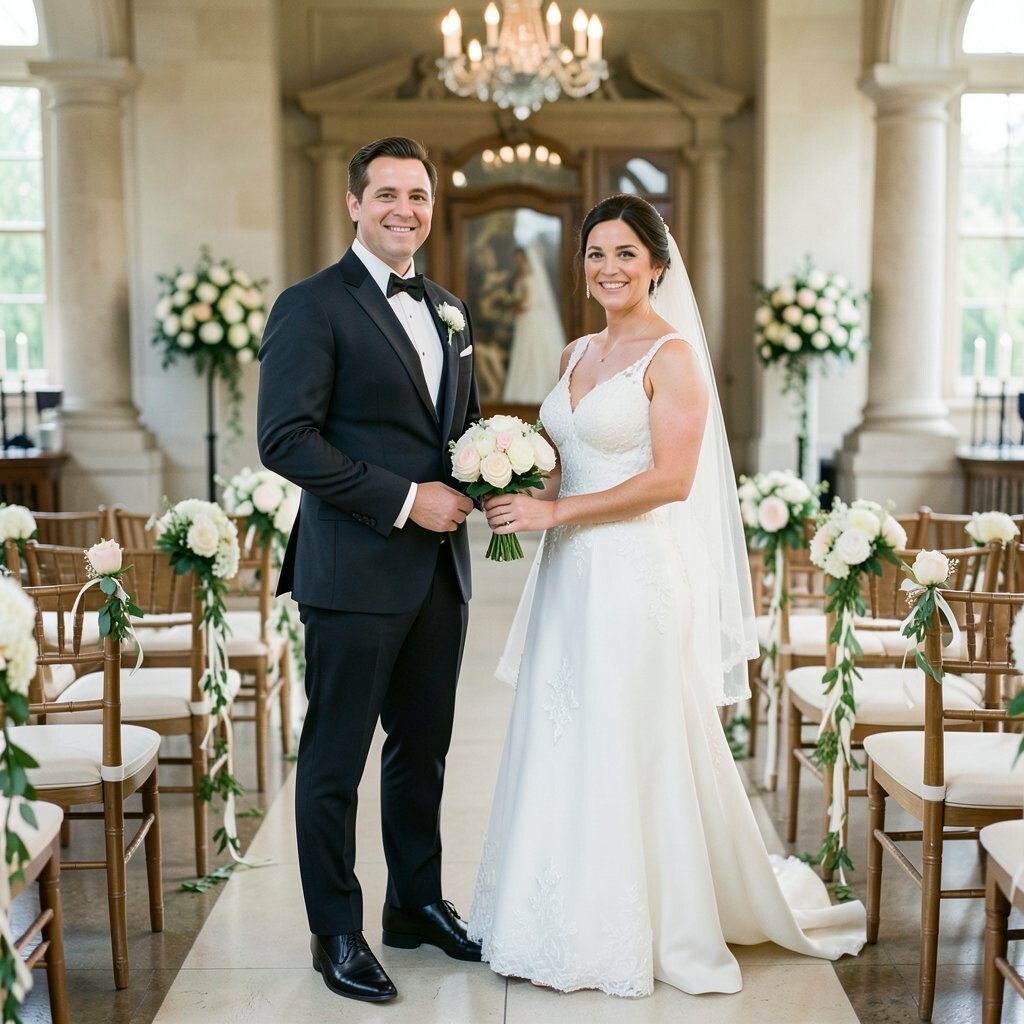
Coordinated style looks best when it feels personal. Matching everything can feel rigid, but matching in spirit feels effortless.
In a micro wedding, you can guide guests with a light color theme, like jewel tones or earthy neutrals, without requiring identical outfits. For a courthouse wedding, you can coordinate through a single detail, like matching boutonnières, scarves, or a shared fabric color. A practical tip is to set expectations clearly in your invite text or group chat so guests know the mood. That reduces confusion and prevents last-minute mismatched outfits.
For uniqueness, choose a “signature detail” that you also wear, like a pinned charm, a bracelet stack, or a specific shoe style. Then let everyone else choose what feels good for them. This keeps your photos cohesive without wasting money on strict matching.
20. Add one meaningful activity for guests to enjoy
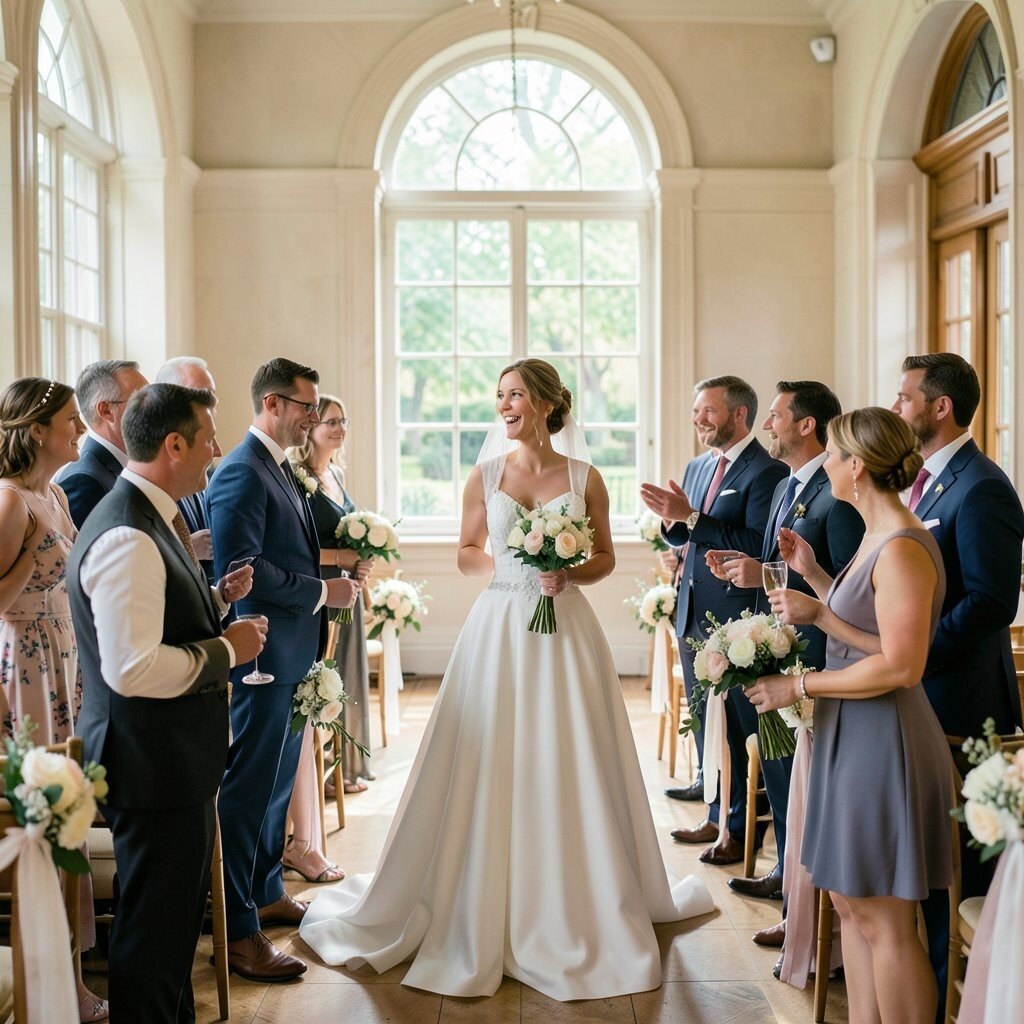
Guests feel more connected when there’s a small shared moment. It doesn’t need to be a whole program.
For a micro wedding, you can include an activity like a short group toast, a Polaroid-style photo capture, or a simple game with a few prompts. For a courthouse wedding, consider a “meet and greet” at a nearby café where everyone can talk before heading home. A practical way to keep costs low is to choose activities that use what you already have, like prompts on cards or a jar for messages. Make it easy for one friend to manage so you don’t have to run around.
To personalize, write prompts that reflect your story, like favorite memory or advice for newlyweds. Guests love leaving messages, and those notes become keepsakes you can revisit later. When the day includes a shared moment, it feels celebratory even without a large reception.
21. Make your decision using your real priorities
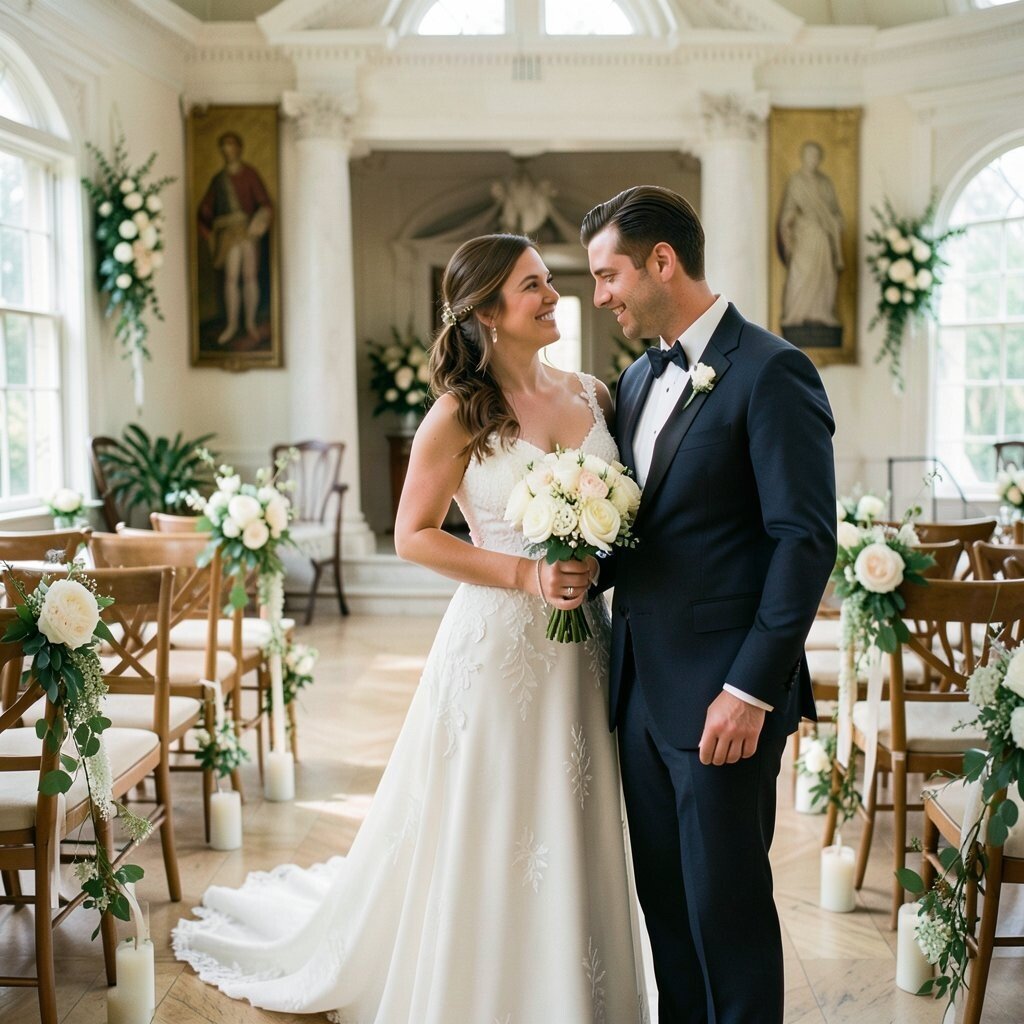
Start by naming what you care about most, like intimacy, convenience, tradition, or style. Then let that guide every choice, from location to timing.
A micro wedding often fits couples who want a fuller experience with room for photos, décor, and a small celebration after. A courthouse wedding often fits couples who want a simple legal ceremony with less planning and less spending pressure. To decide, compare your stress levels, not just the guest list. If planning makes you anxious, courthouse-style simplicity can feel like a relief. If you crave a romantic setting with personal details, micro wedding planning can feel exciting rather than exhausting.
For a smart practical move, draft a short plan for both options and price only the essential pieces. This helps you see what you’re really paying for, including how much you spend on styling, food, and photography. Your final choice should feel like you, not like you’re trying to meet someone else’s idea of perfect.