
The art gallery setting turns a wedding into a living exhibit. A minimalist silk skirt adds softness, shine, and an unmistakable sense of calm.
When every detail is intentional, the whole day feels both modern and romantic, like a new piece placed carefully on the wall.
1. Choose a Liquid-Satin Look That Matches the Gallery Lighting

Think about how silk catches light when people move through the room. A minimalist skirt in a subtle sheen will mirror the gallery glow without shouting for attention.
Opt for a fabric weight that drapes smoothly from the waist, so the folds look graceful in photos. The benefit of silk is how it stays elegant from ceremony to portraits, even when you’re dancing or walking between artworks.
For a practical fit, press the skirt at low heat before the event and steam it again right before photos. If the gallery uses cool spotlights, consider a champagne, ivory, or soft blush tone that looks warm rather than flat.
2. Pair the Skirt With a Clean Bodice for a Gallery-Quiet Silhouette

A minimalist skirt works beautifully when the top is simple and well-structured. Choose a fitted bodice or a smooth slip style so your outfit feels like one continuous line.
This pairing makes it easier to move and keeps your photos crisp, especially in wide gallery shots. It’s also unique because the focus shifts to texture, proportion, and the way the silk flows.
When you plan the look, ask the tailor to check how the bodice seams sit under gallery lighting. Small adjustments around the waist and neckline can reduce glare and keep the silhouette flattering from every angle.
3. Let the Color Stay Classic, Then Personalize With One Soft Accent
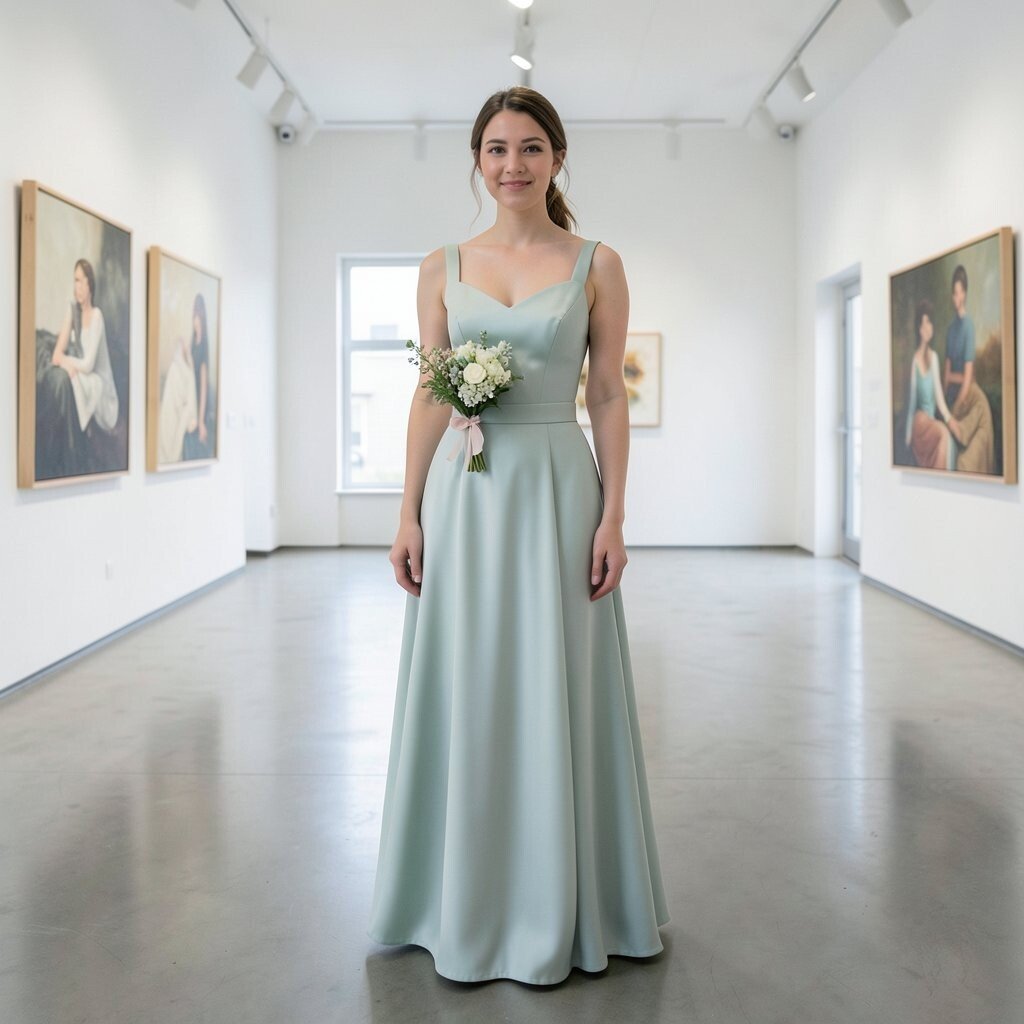
Classic ivory or natural silk feels timeless inside white walls and framed art. If you want personality, add one gentle accent instead of many competing details.
A small cluster of ribbon at the back, a single satin-covered button, or a delicate belt can make the outfit feel yours. You get uniqueness without losing the calm, modern vibe that minimalist looks bring.
For personalization, coordinate the accent color with something meaningful, like the shade from your bouquet wrap. Keep cost in mind by choosing a small accessory you can reuse, such as a belt or hair ribbon that works for future events too.
Today’s style leans toward quiet refinement, so one thoughtful detail often looks more current than an entire costume of extras.
4. Plan Your Footwear for Marble Floors and Long Photo Sessions

Gallery floors can be polished, cool, and slippery, so choose shoes that feel secure. Minimalist skirts usually look best with sleek footwear, but comfort matters just as much.
Consider low heels, dressy flats, or a slim heel height with good grip so you can walk smoothly between rooms. This approach helps you stay confident and keeps your photos stress-free, because you won’t be constantly adjusting your stance.
If you’re worried about scuffs, bring heel protectors or wear discreet shoe covers during setup. Matching the shoe color to the silk also keeps the look clean, and that matters when you’re photographed from many angles.
5. Work With the Gallery’s Layout for Easy Movement
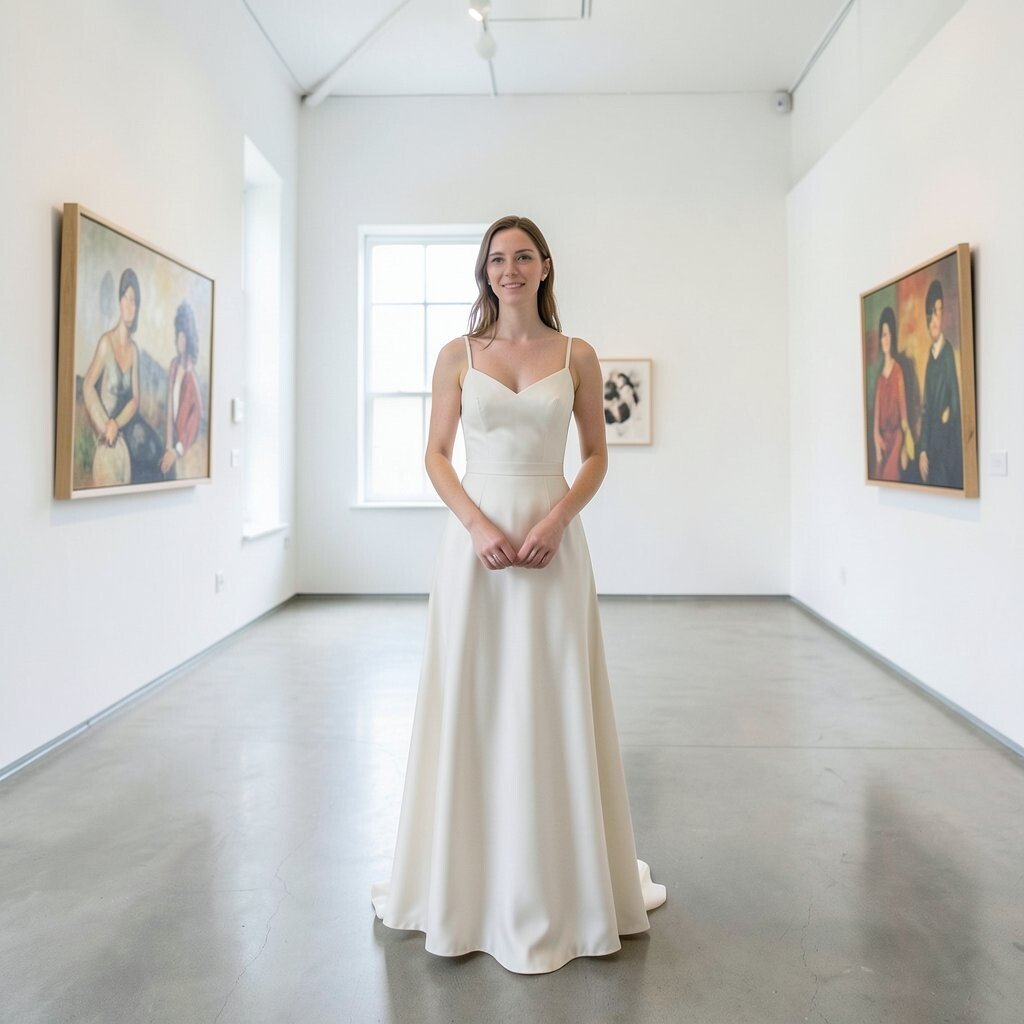
Before the day arrives, picture how you’ll move from the entrance to the portrait spots. A minimalist skirt looks stunning when it’s allowed to swing and sway, so plan your route like choreography.
Choose a hem length that won’t drag on steps or get caught on door thresholds. The benefit is practical comfort and fewer last-minute fixes when your schedule is already busy.
Try holding the skirt gently at key moments for portraits, especially when you step near sculptures or tall paintings. Personalize the movement by practicing a few poses that let the fabric show its drape, not just the front view.
Art gallery trends often favor candid, in-between moments, so build in small pauses for quiet, natural body language. When you plan for movement, your outfit becomes part of the story rather than a thing you worry about.
6. Select a Skirt Length That Shows the Silk Without Overexposing It

Minimalist designs look best when they balance coverage and display. A mid-calf or ankle length often feels elegant in an art gallery because it frames the shoes and keeps the line long.
If your gallery has dim corners, a slightly higher hem can help the silk catch light consistently in photos. For cost considerations, remember that length changes at the tailor are usually simpler than changing the entire pattern or lining.
Unique styling comes from how the hem moves rather than how many details it has. Choose a skirt that swishes with each step so the fabric becomes the visual feature, even when you’re standing still.
7. Keep the Waist Simple for the Cleanest Draping

A minimalist skirt shines when the waist treatment is smooth and understated. Look for a clean waistband that sits comfortably and doesn’t add bulky layers under a structured top.
A simple waist helps the silk fall in a natural curve, which is a big benefit for both comfort and flattering photos. It also keeps the look unique because the drape does the work instead of decorative elements.
For personalization, you can add a removable waistband detail like a thin silk tie or a subtle bow at the back. That way you can change the vibe slightly for different photo sets without buying a whole new outfit.
8. Build a Color Palette That Matches the Art, Not the Walls

White walls can make any gown look bright, but matching the gallery art can create a more polished story. Choose your silk tone to echo a color you love from the exhibits, like muted gold, dusty rose, or soft slate.
This approach makes your wedding feel intentional and helps the outfit blend in a beautiful way with the surroundings. It’s also a practical way to avoid unexpected color clashes in lighting that can shift the way fabrics appear.
If you’re unsure, bring a swatch of your fabric to a photo appointment under similar gallery lighting. Adjusting undertones after you see the silk in real conditions can save you money and reduce last-minute stress.
9. Style the Veil or Headpiece Like an Artwork Detail

Minimalist silk skirt looks pair beautifully with a veil that behaves like a soft accent. Try a short veil, a simple edge, or a comb style that stays secure without covering your whole face.
When the headpiece is airy, it keeps the focus on your expression and the elegance of the skirt. The uniqueness comes from texture and placement, like choosing a veil edge that catches light similarly to the silk.
For practical use, select a headpiece that can stay in place during photos and indoor movement. Consider a lightweight option that won’t pull on your hair, especially if you’ll be wearing it for hours.
Current trends often lean toward minimal accessories, but they still want personality, so choose one small element that feels meaningful to you.
10. Choose Jewelry That Looks Good in Close-Up Shots
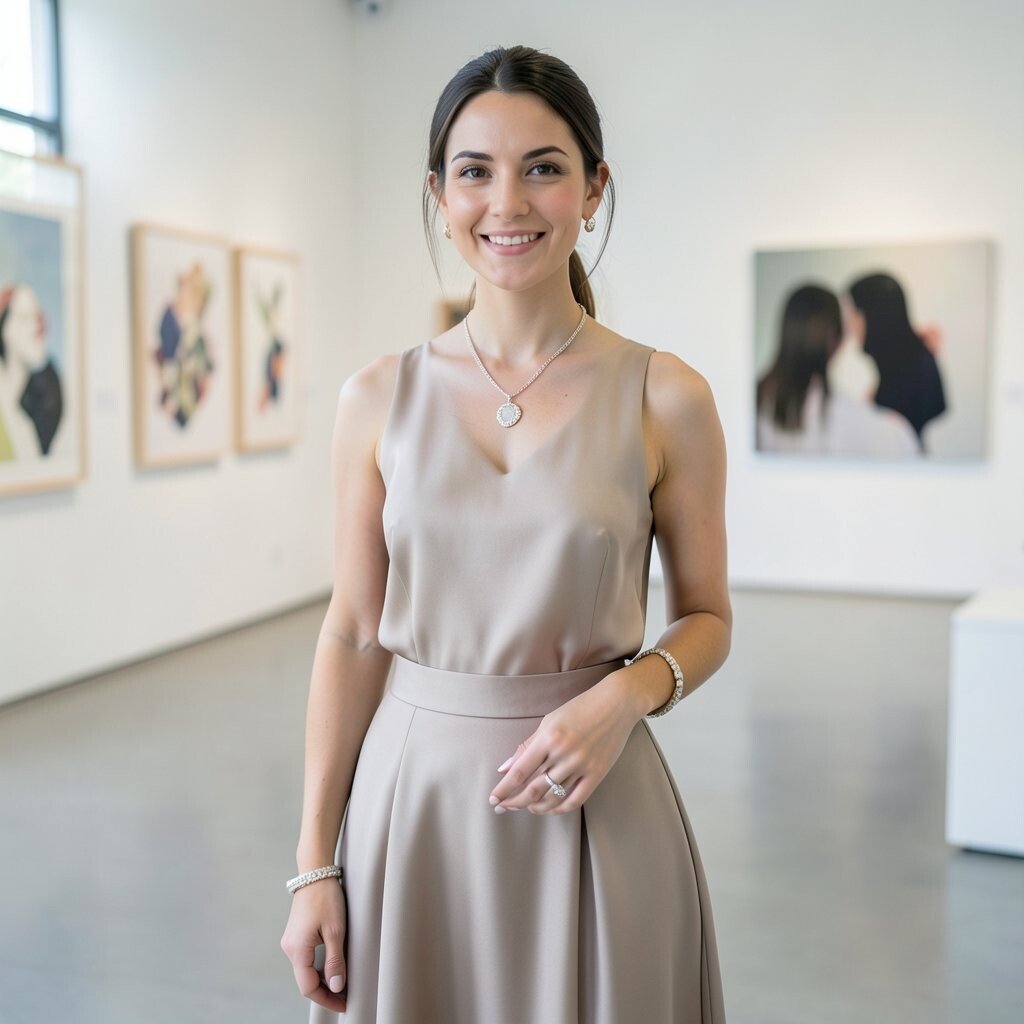
Art gallery photography tends to include close angles, so jewelry should be simple but camera-friendly. Small earrings, a delicate bracelet, or a thin necklace can look elegant against silk without competing with it.
In terms of benefits, lighter jewelry is easier to wear during long sessions and won’t tug at collars or hair. For uniqueness, pick pieces that echo the gallery vibe, like clean metal shapes or pearls that resemble sculpted forms.
To manage cost, consider borrowing or using a treasured heirloom piece and pairing it with one affordable item. You can still create a fresh look by matching your metal tone to your shoe buckles or belt hardware.
11. Add a Minimal Belt or Sash for Instant Shape
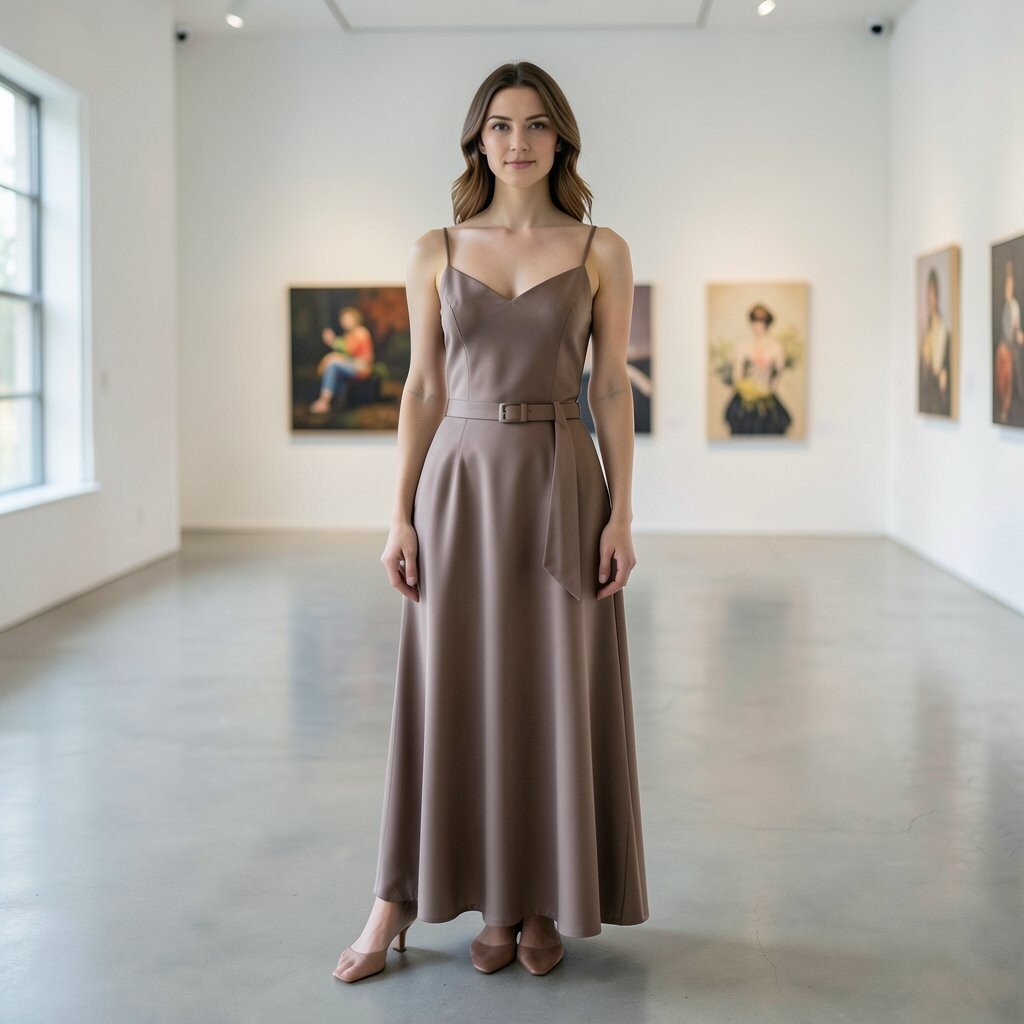
If you want a little extra structure, a slim belt or sash can define your waist without heavy decoration. Silk skirts already drape beautifully, and a gentle tie adds a polished line to your silhouette.
This detail is helpful when the gallery has lots of vertical sightlines, because it keeps your outfit visually balanced. It also feels unique since the belt can be positioned slightly differently depending on whether you prefer a classic or modern look.
For personalization, choose a belt color that mirrors a highlight color from your bouquet wrap or wedding stationery. If you’re cost-conscious, pick a belt that can be reused later for dinners, birthdays, or future celebrations.
12. Plan Your Bouquet to Complement the Silk, Not Crowd It
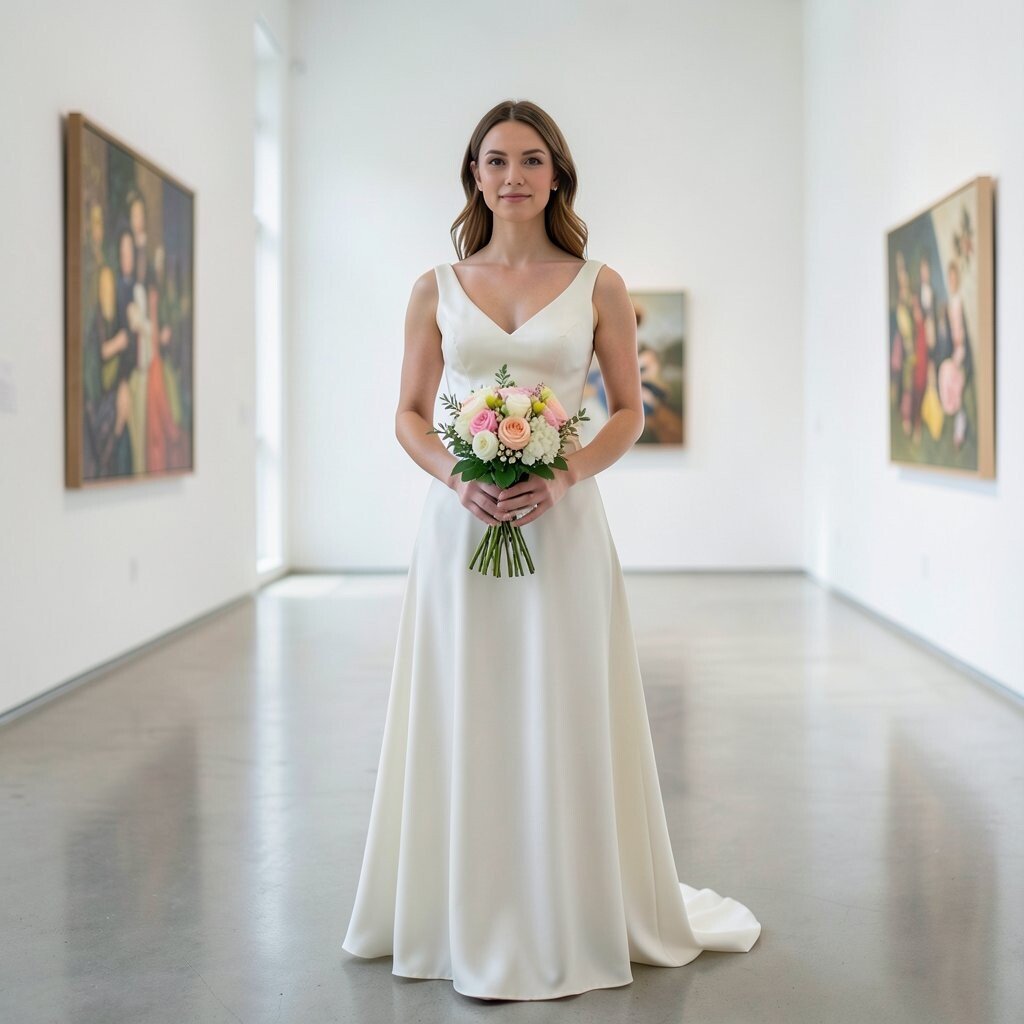
A minimalist skirt pairs best with a bouquet that stays clean in shape. Choose fewer stems, tight groupings, or a soft cascading style that looks airy rather than bulky.
This gives you a benefit that’s both visual and practical, because lighter bouquets are easier to hold for long photo sessions. It also creates uniqueness by letting the silk and bouquet work together like two complementary textures.
For personalization, wrap the bouquet in a ribbon that matches your accent detail, like the belt, headpiece, or shoe tone. Consider seasonality too, because in-season flowers can reduce costs and look more vibrant on camera.
13. Use a Lightweight Layer for Ceremony Comfort
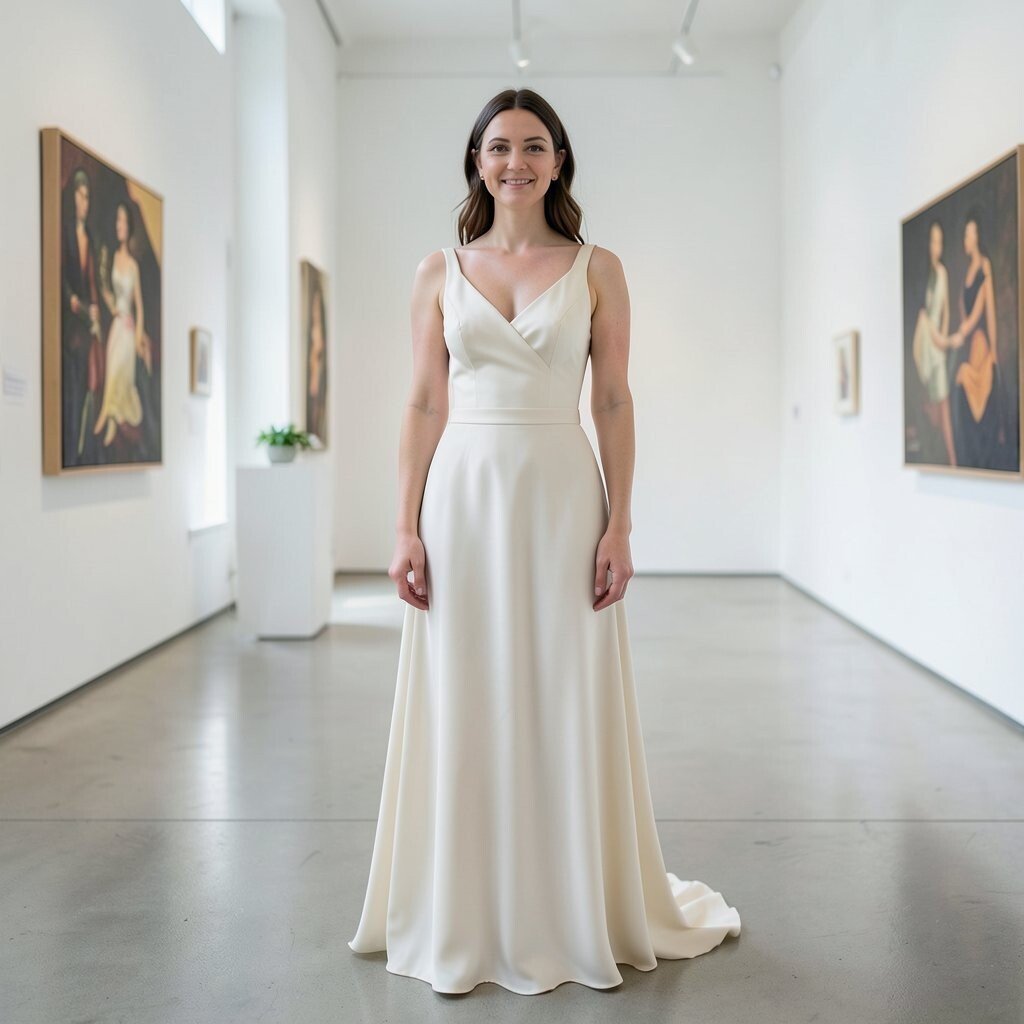
Galleries can be chilly, especially during evenings or when doors open and close. A lightweight layer helps you feel comfortable while keeping the minimalist style intact.
Look for a sheer shawl, a cropped wrap, or a simple tailored layer that won’t hide the silk’s drape. This is a practical tip that keeps you warm without turning the outfit into something heavy and busy.
Uniqueness comes from how the layer frames your skirt as you walk past artworks. If you want cost control, choose something you can wear again later, like a soft wrap or a minimal jacket in a neutral tone.
14. Photograph in Natural Angles Where the Fabric Can Flow

In an art gallery, photos look best when you place yourself near interesting lines and then let the fabric move naturally. Step slowly, turn your shoulders, and let the skirt catch the light from overhead fixtures.
This benefits you because you’ll get elegant motion without constant posing. It also helps the outfit look unique, since the silk’s folds become part of the background story instead of just a static garment.
Practical planning helps too, so schedule a short photo window while the gallery is quiet. Bring a small lint roller and a travel steamer, because silk shows texture and dust more clearly than sturdier fabrics.
15. Balance Modern Minimalism With One Romantic Detail

Minimalism doesn’t have to mean no romance. Choose one subtle romantic detail, like a soft slit, gentle gathers, or a satin trim at the hem.
This balance is unique because it keeps the outfit clean while still feeling warm and personal. It also gives you a practical way to stand out without going overboard on decorations.
For personalization, pick the romantic detail based on what you love most about your relationship, such as softness, resilience, or playful energy. If you’re thinking about cost, focus your budget on the skirt itself, because a beautiful fabric and perfect drape usually matter more than extra accessories.
Current trends often favor this middle path, where the look is sleek but still emotionally expressive through texture and movement.
16. Match Your Entire Styling to the Gallery’s “Quiet Drama” Feel

Art galleries often create a calm, thoughtful mood, and your wedding styling can mirror that energy. A minimalist silk skirt works like a blank canvas, so choose supporting elements that feel intentional and refined.
When everything aligns, the benefits show up in how you feel and how the pictures turn out. You’ll look composed in front of bold art, and your outfit will feel like it belongs in the same visual world.
To personalize, coordinate details with the gallery atmosphere, like using soft neutrals, clean silhouettes, and a limited color palette. Keep cost in check by investing in key pieces, then borrowing or renting things you won’t wear often, like certain hair accessories or specialty jewelry.
Consider current trends toward fewer, better details, where each choice has purpose and nothing feels random. When you build a unified look, the silk becomes the star, and the art gallery becomes the perfect frame.