A clean room can feel like a deep breath for your day. Small choices in light and layout make the difference you can actually see.
White space is not empty. It is a deliberate pause that helps everything else speak clearly.
1. Choose a Single “Hero” Surface

Pick one surface to feel important, like a coffee table, bedside shelf, or entry console. Keep the rest calm so your eyes know exactly where to rest.
Use one or two items only, such as a simple tray with a candle and a small plant. Leave the remaining area bare, then step back and notice how the room feels quieter. If you want it to feel personal, choose objects that matter to you, like a travel photo in a thin frame or a book with a fabric cover.
2. Let Light Pull Your Layout Together
Place furniture so sunlight can move across the room without getting blocked. Even on cloudy days, bright areas make empty space feel warm instead of cold.
Choose sheer curtains or lighter drapes to soften harsh edges. Keep window ledges mostly clear so daylight has room to land. You can try a small lamp in a corner that matches the color of your walls, which looks modern and costs less than replacing big pieces.
Track which times of day the room looks best, then align your “rest zones” with that light. When you adjust daily routines around natural brightness, the space feels easier to use.
3. Use One Tray, One Basket, One Place
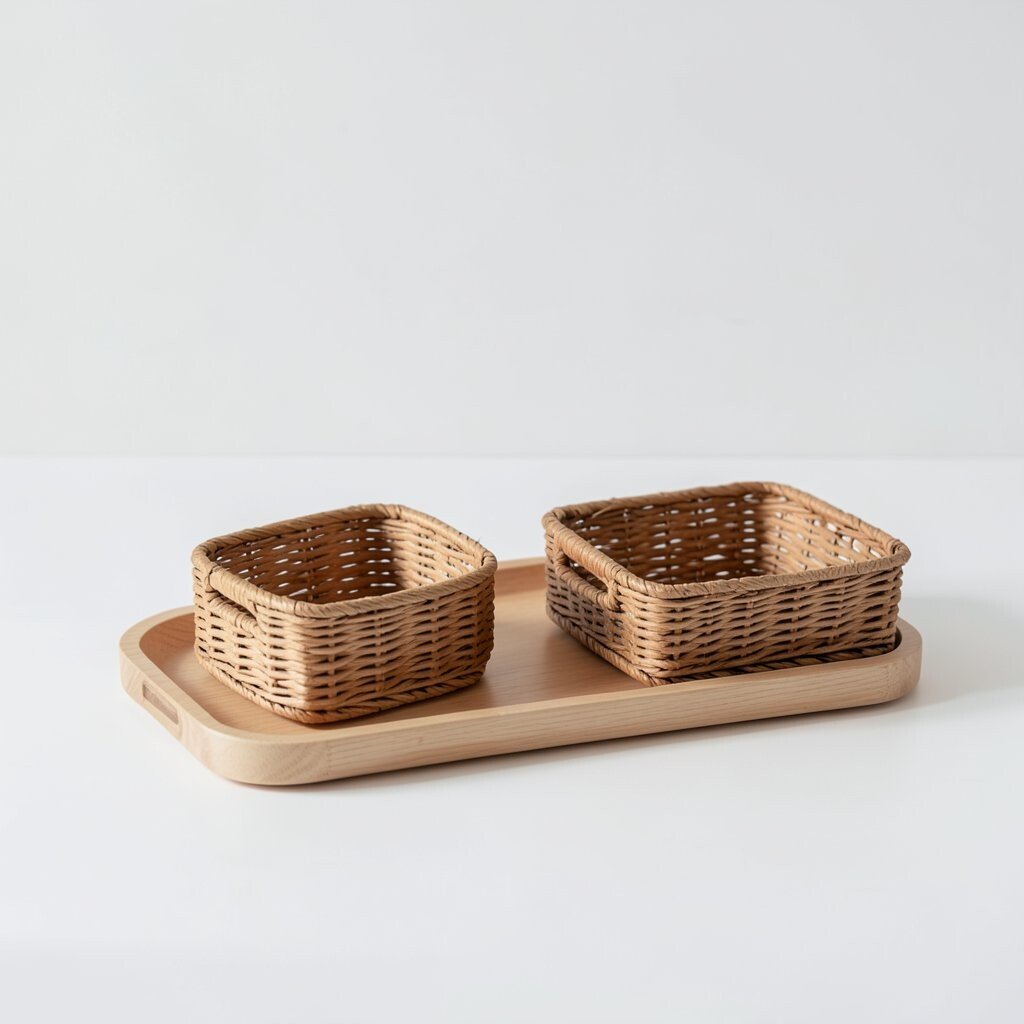
When small things have no home, they spill into the open. A single tray or basket can catch keys, chargers, and tiny daily items before they scatter.
Keep the container in plain sight, but limit what goes inside. If you use more than one basket, the room starts to look busy fast. Try a neutral wood or matte ceramic basket so it blends with the white space instead of fighting it.
Make the setup easy by placing it near where you start and stop your day. Labeling is optional, but a simple visual rule helps, like always returning items to the same tray at night.
If you want a budget-friendly upgrade, thrift a container and wipe it clean with a gentle paint or finish, then match it to your existing tones.
4. Keep Floors Mostly Clear
Open floor space helps a room feel taller and calmer. When the floor is clear, the visual “noise” drops instantly.
Choose furniture that supports storage, like a bench with hidden compartments or a side table with a drawer. Use a small rug with a simple pattern to create a boundary, then keep the surrounding area empty. If you have kids or pets, add a catch-all bin for toys so the open floor comes back each day.
5. Frame Walls With Calm Negative Space
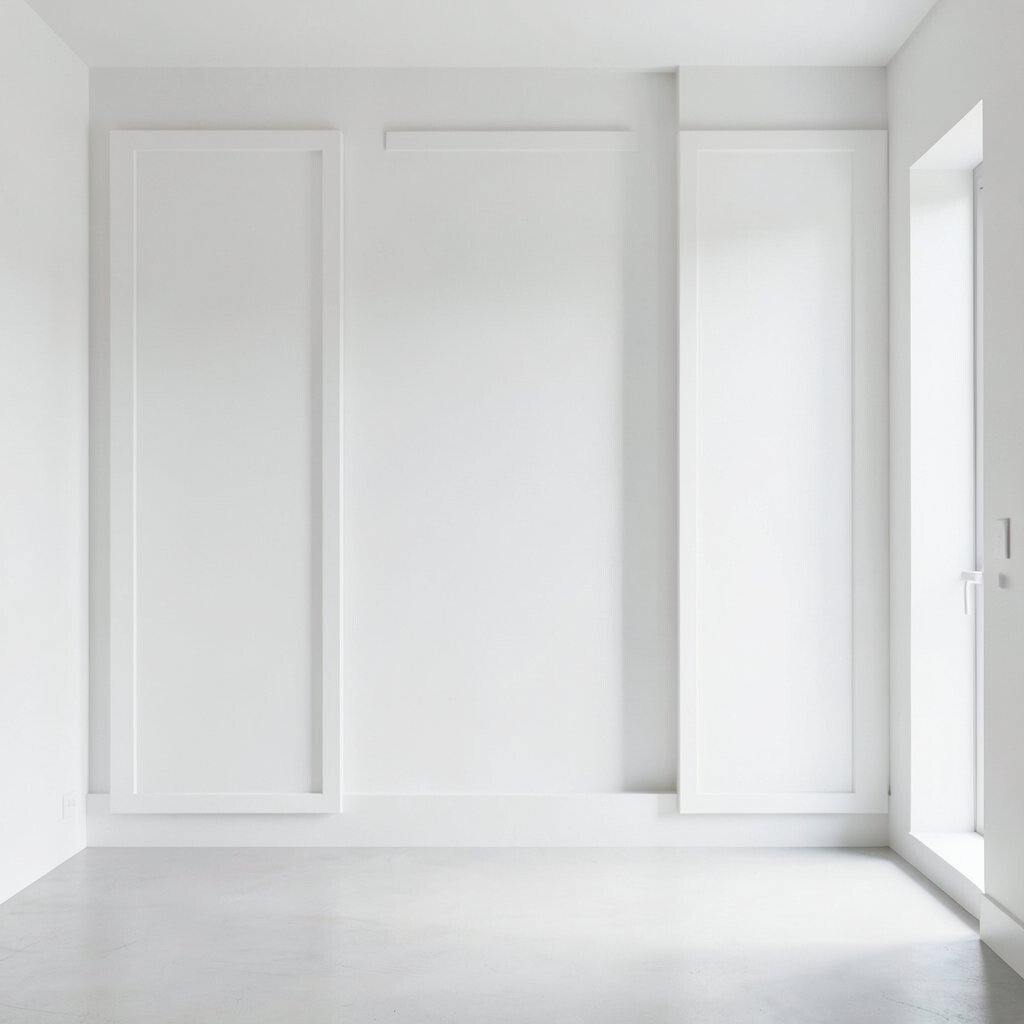
Try hanging art with space around it, not art crowded close to other items. A little margin makes even one print feel intentional.
Instead of filling a whole wall, place a single larger piece or a small group with consistent spacing. Leave the rest of the wall airy so the room has breathing room. For a modern look, choose frames in the same color and keep the art palette simple, like black and white, soft earth tones, or muted blues.
If you rent, use removable hooks and reposition as your style changes. This makes the room feel current without major cost.
6. Turn Storage Into Quiet Architecture
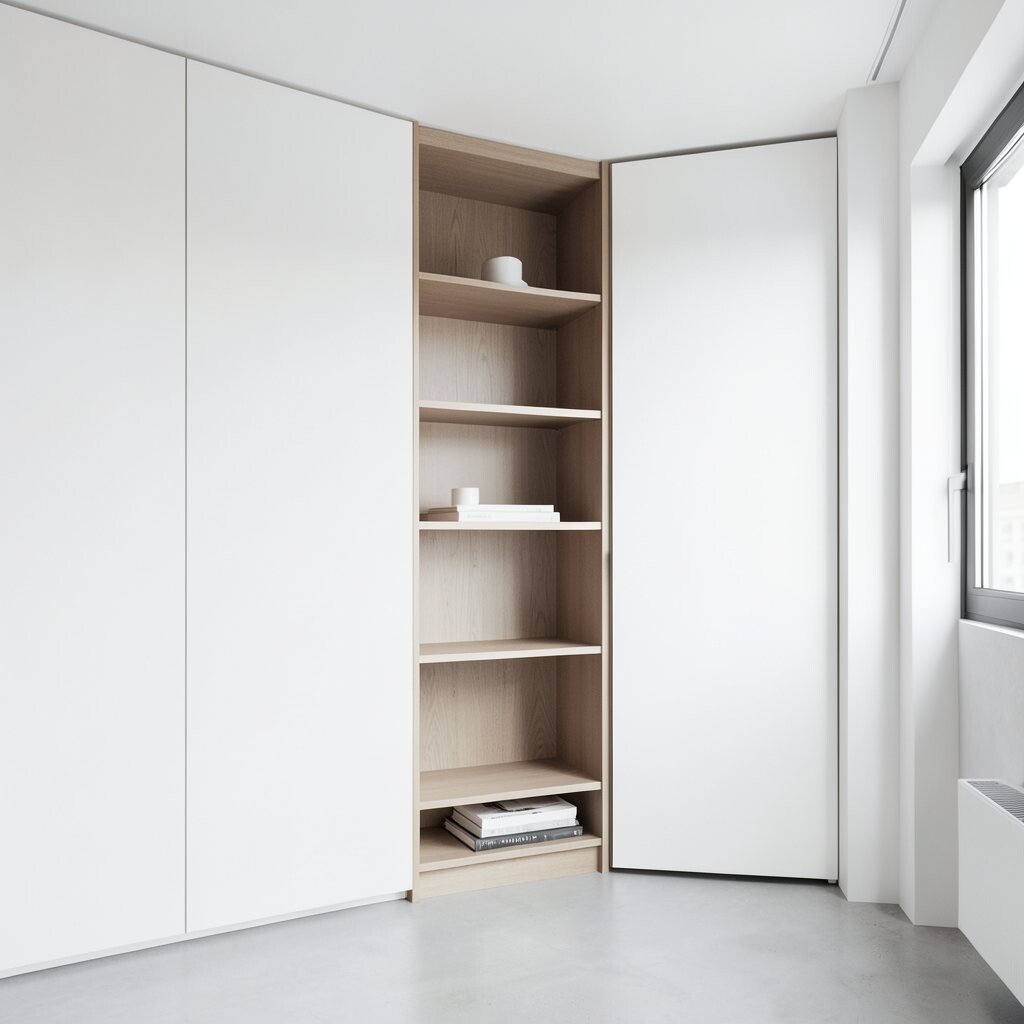
Minimalism works best when storage does not look like clutter. When you hide things well, open space stays clean and calm.
Use closed cabinets, sliding doors, or curtains to tuck away supplies. If you have open shelves, style them like a scene with a few calm pieces instead of a pile. A useful rule is to keep no more than a handful of items visible at once, then store the rest in drawers.
For personalization, mix one meaningful item in a neutral color, like a ceramic vase or a minimalist photo holder. You can also match the color of the shelf items to your walls to make everything feel like it belongs.
Budget-friendly options include reorganizing with clear containers and adding shelf liners that match your color scheme. Small changes often look expensive when the layout is thoughtful.
7. Create Breathing Room Around Seating
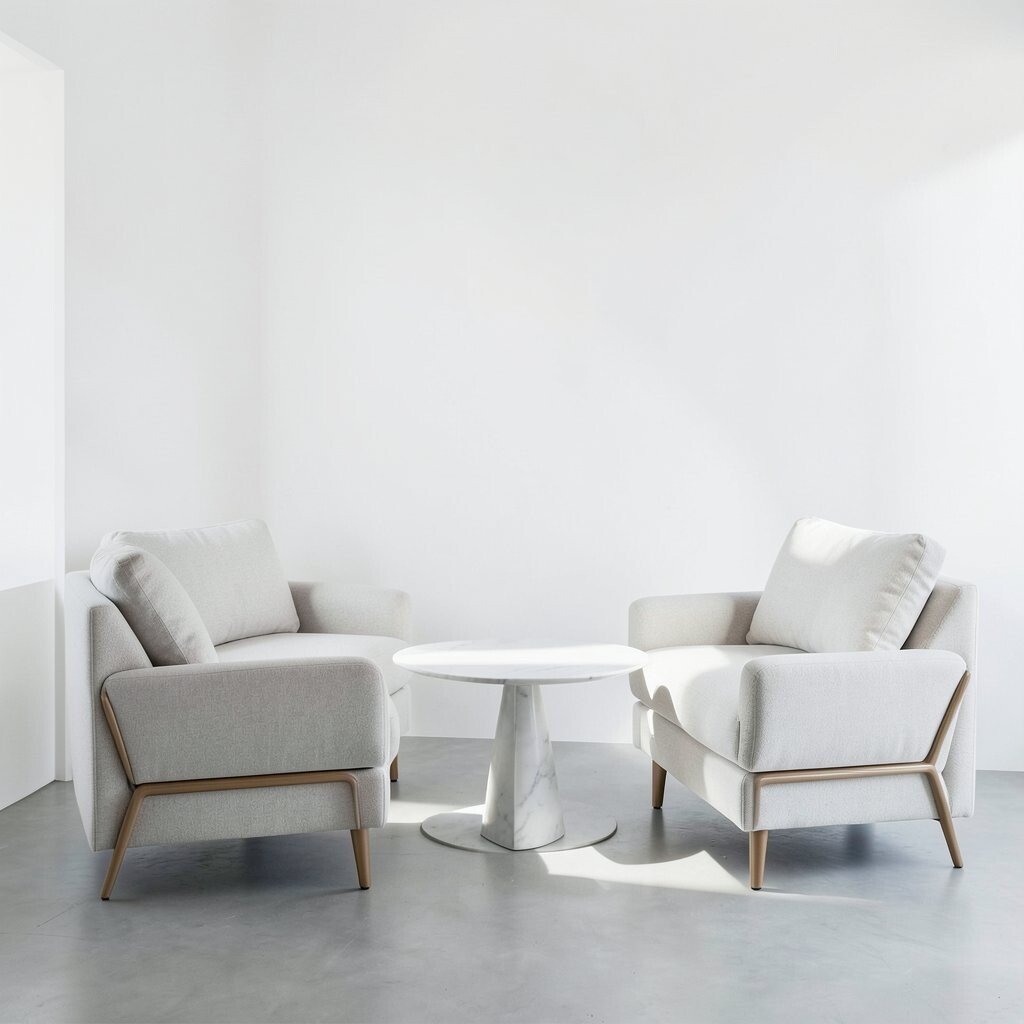
Leave space between chairs and tables so movement feels easy. Tight seating makes a room feel crowded even if it is not full of stuff.
Arrange furniture so you can walk behind a chair without turning sideways. Use a narrow side table for essentials instead of spreading objects on the floor. If the room is small, place seating to face a clear path, which makes daily routines feel smoother.
Choose throw pillows and blankets that repeat colors from other parts of the room. That creates a gentle rhythm, so the open space feels intentional rather than unfinished.
8. Keep Your Color Palette Light and Limited

White space looks best when color is calm and repeated. If too many colors show up at once, empty areas start to feel less clean.
Pick a main light base, then add one or two accent shades for depth. For a trend-aligned feel, many people now combine warm whites with soft greige or light oak tones, especially in kitchens and living rooms. Keep small items in those same tones, like matching dishware, coordinated baskets, and simple linens.
Personalize with texture instead of loud color, such as linen, matte stone, or a woven basket. This keeps the room airy while still showing who you are.
9. Design a Calm Entry With Clear Catch Points
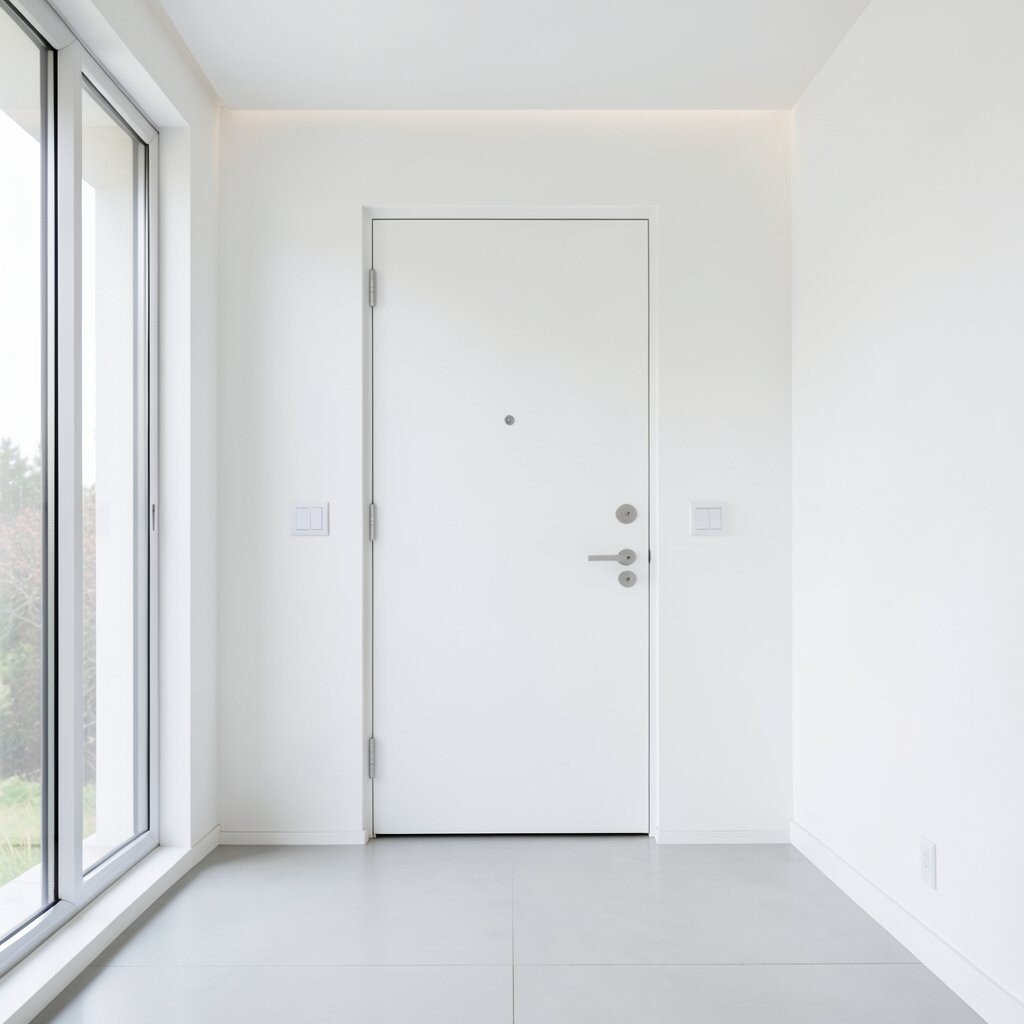
Your entry sets the mood for the entire home. If it becomes a drop zone, the rest of the house feels messy even when it is tidy.
Create one catch point for the daily essentials, like a small console plus a hook for bags and a tray for mail. Keep the surface mostly empty except for a single item that feels welcoming, such as a small vase or a framed card. Use a shoe organizer that tucks away at the end of the day so the open floor stays open.
For cost control, start with what you already own. Move items off the floor, then add only one upgrade piece if you need it, like a slim shoe rack or a second hook.
10. Edit the Countertop Like a Gallery
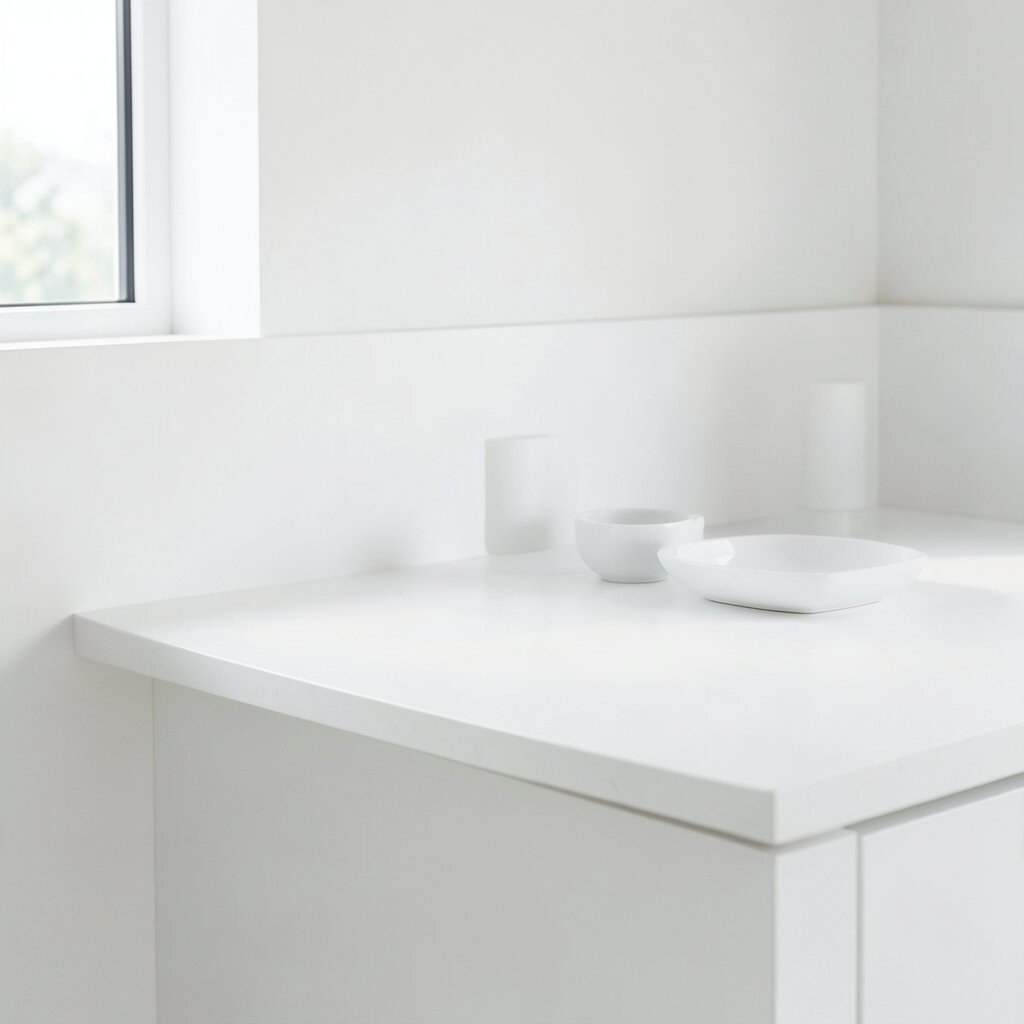
Kitchen counters tell on you fast because people see them every time they cook. A minimalist approach means fewer objects and better spacing.
Keep only daily tools out, like a soap dispenser and a drying rack, then store the rest in cabinets. When you use appliances, hide them after cooking if you can. Even a simple switch to a canister set with matching lids can make a cluttered counter look calm.
Try grouping items by function, such as one section for baking tools and one section for everyday prep. Then leave a gap between groups so the counter has pauses. This small gap makes the space look more expensive and helps you find what you need faster.
If you enjoy seasonal decor, swap one item at a time and keep the rest neutral so the room stays clear.
11. Use Vertical Space for a Lighter Feel
When you move storage upward, the room feels less crowded. Vertical organizing makes floors and tables calmer without losing usefulness.
Install simple shelves, peg rails, or wall-mounted baskets to hold items you use often. Keep frequently used items within easy reach, and store less used items higher up. Using a consistent hardware finish, like matte black or brushed metal, can add a modern touch that pairs well with white space.
If drilling is not ideal, use freestanding racks or tension rods to create quick storage lines. For personalization, display one plant or a small stack of books on a shelf, then keep the rest empty so the arrangement looks curated.
12. Keep Surfaces Ready for Real Life
White space fails when it becomes a “never touch” zone. The goal is clarity that still works for how you live.
Set up zones for movement, food, and rest so daily activity has a path. For example, keep a clear wall area for hanging towels and a clear table edge for charging devices. When you allow a little daily use, you will maintain the look instead of fighting it.
Use simple systems that support the habit, like a charging station with a neat cable path and a drawer for random items. If you want it to feel unique, choose one signature object, like a calm-looking tray or a sculptural lamp, and give it a fixed spot.
Today’s minimalist trend leans warm, not sterile, so add soft materials and natural textures while keeping open areas clear. That balance gives you a home that feels calm, personal, and actually livable.