
Minimalism can feel soft, not strict. When you choose fewer things with more care, your room starts to breathe.
1. Airy Color Palettes That Still Feel Warm
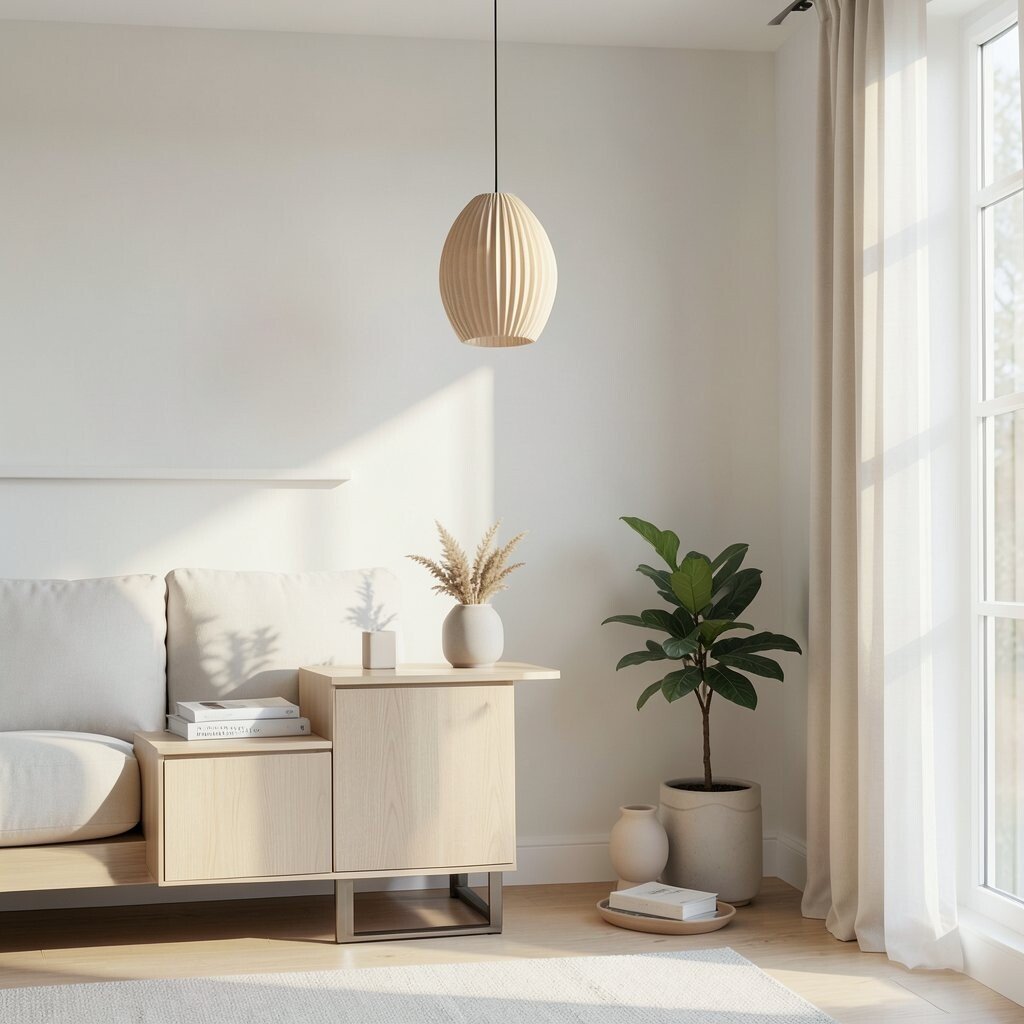
Pick a calm base like warm white, light sand, or soft greige, then keep the accent colors very limited. You’ll notice the walls and larger furniture pieces look cleaner, and the room feels brighter even in the daytime.
To make it feel welcoming, bring in gentle warmth through textiles and wood tones. A linen curtain, a cotton throw, or a light oak coffee table can add that cozy touch without turning the space busy. If you want personality, choose one accent color and repeat it in small ways like a vase, a pillow, or a single piece of art.
2. Layered Neutrals With One Thoughtful Accent
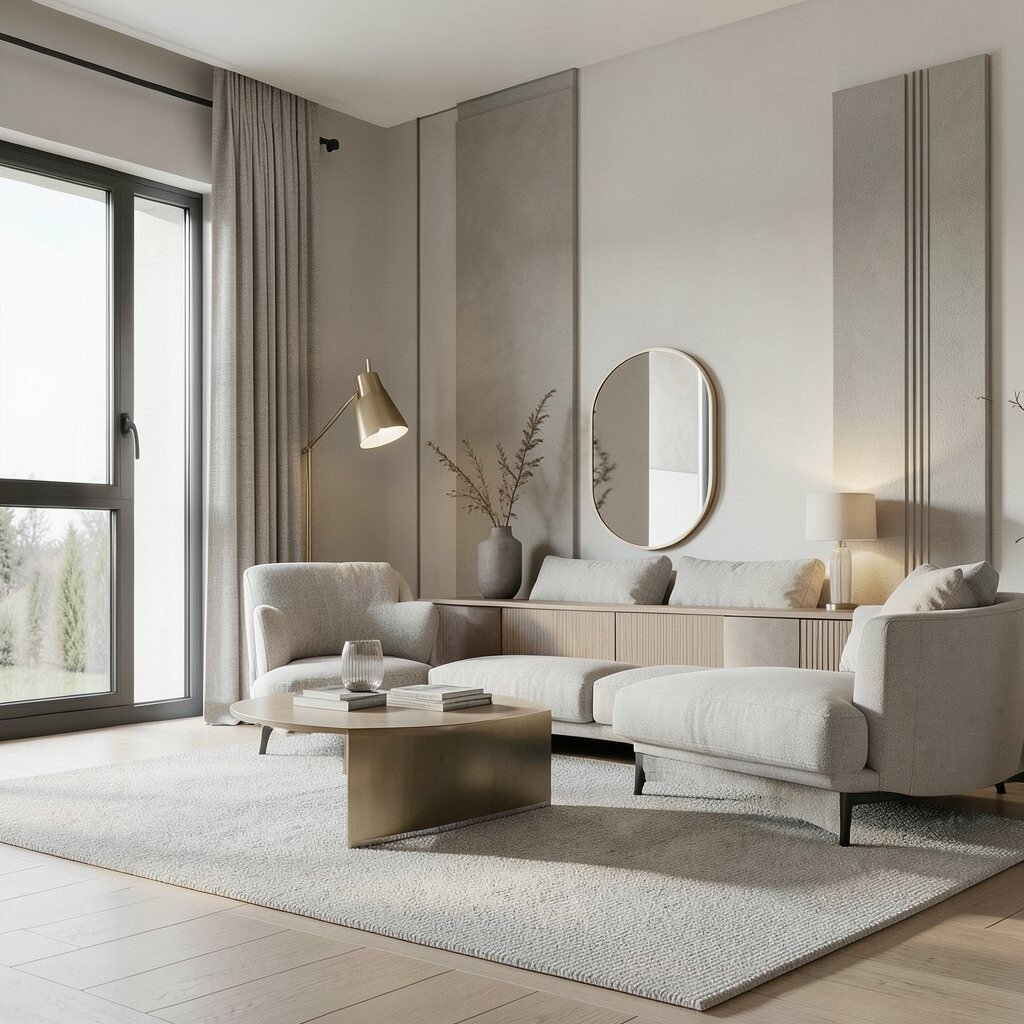
Instead of going fully flat, use layered neutrals so your eye has something to rest on. Think of a creamy rug under a light sofa, paired with slightly different shades of beige in the cushions.
When you add only one accent color, the whole room looks intentional. Choose something that matches how you want to feel, like muted sage for calm or deep terracotta for energy, then reuse it sparingly in two or three spots.
For practical balance, keep your accent items smaller and farther apart so the room stays open. A simple ceramic lamp, a framed print, or a slim book spine in the accent shade can do the job nicely. If you’re shopping on a budget, look for vintage finds that already have the right tone, because they often cost less than new matching sets.
3. Statement Lighting With Clean Lines
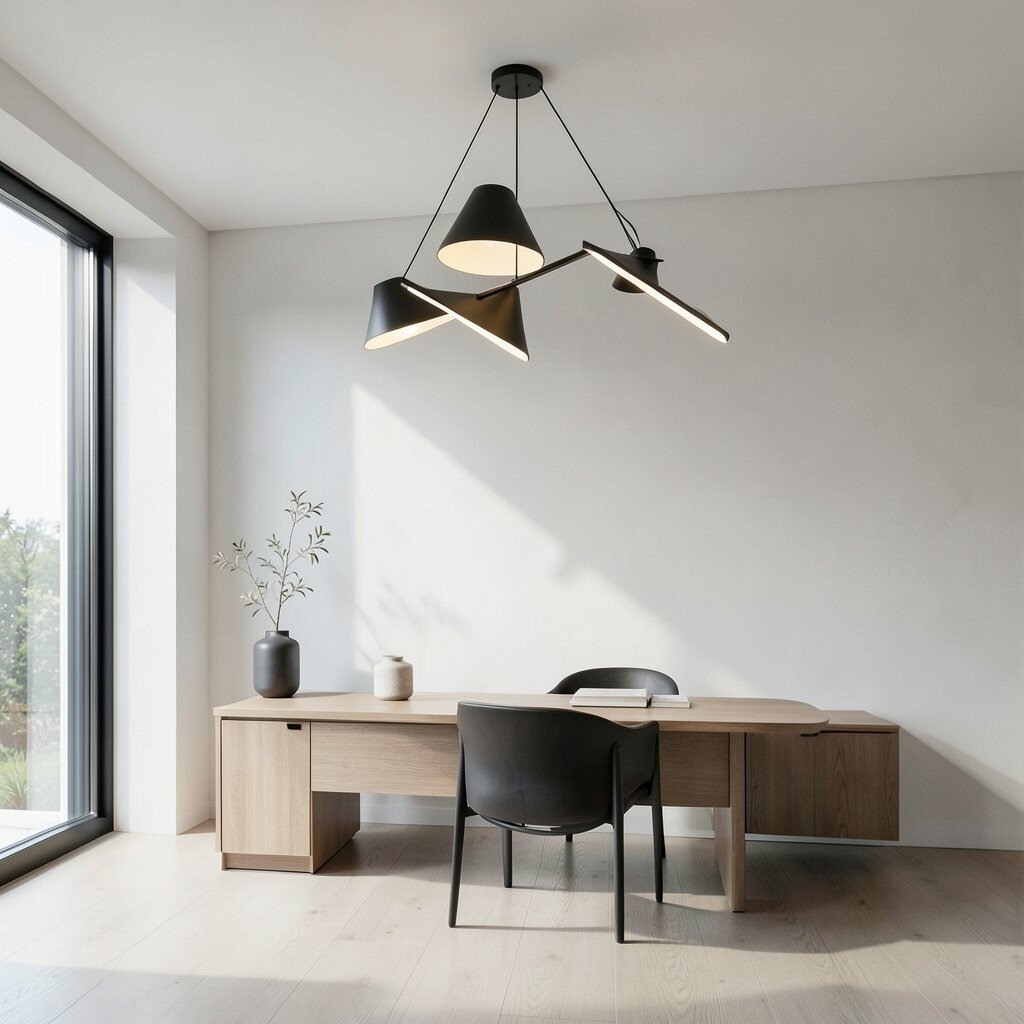
A modern minimalist room looks instantly more polished when the lighting has simple shapes. Try a floor lamp with a slim metal stem and a fabric or glass shade that scatters light gently.
Good lighting does more than look nice; it helps the space feel usable from morning to night. Aim for warm bulbs for the coziest glow, and use a dimmer if you can so the mood can shift with the evening.
To personalize, match the finish to your other hardware, like brushed brass or matte black. If you’re upgrading gradually, start with one standout lamp in the living area and let it set the style for everything else. This approach also helps cost control because you can invest in a single fixture instead of replacing every light source at once.
4. Floating Shelves That Keep the Floor Clear
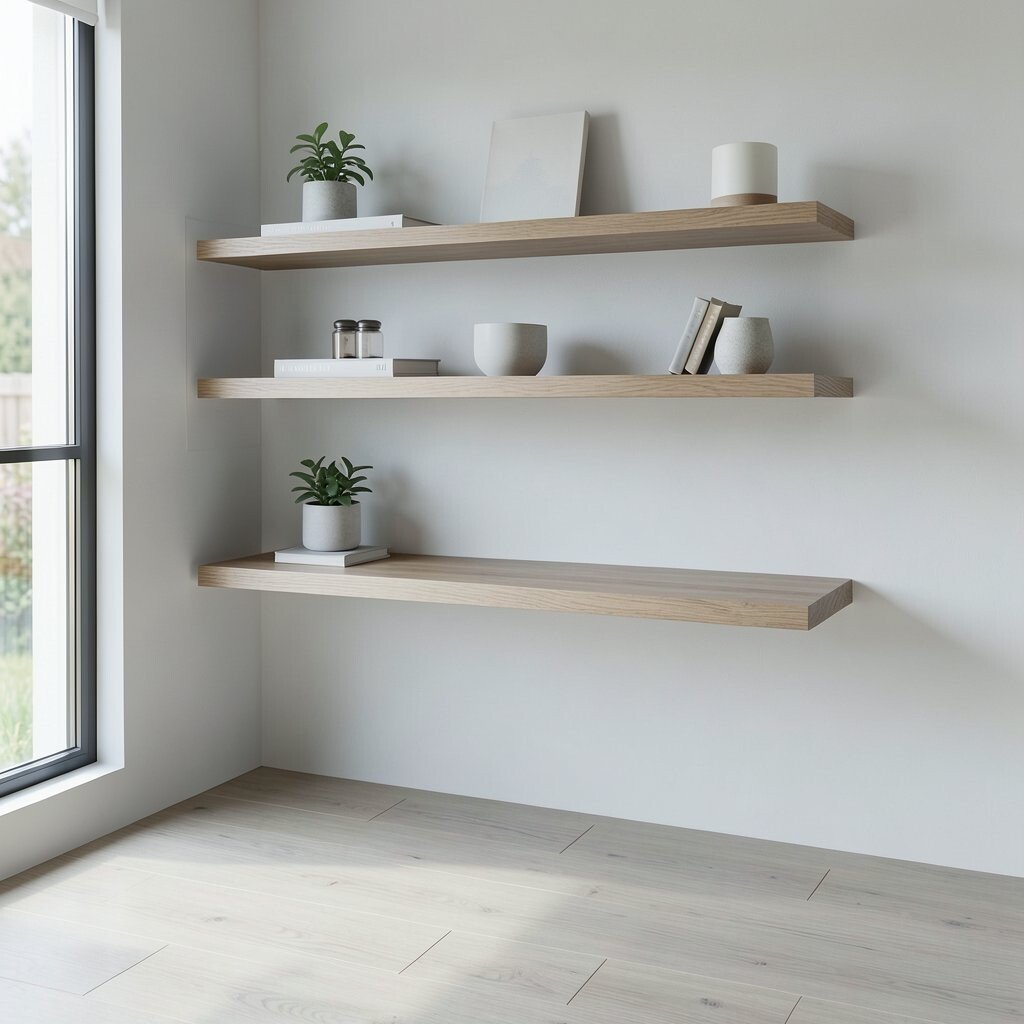
Wall-mounted floating shelves make a room feel lighter because they free up the floor. Visually, you get tidy vertical lines that match minimalist design.
To avoid clutter, style them like a gallery with a few meaningful objects instead of many small items. Place books stacked neatly, use one or two framed photos, and leave some empty space so the shelves breathe.
If you want a practical upgrade, store everyday essentials in labeled baskets or slim organizers behind the shelf styling. Choose shelf depth carefully, because shallow shelves look crisp while deep ones can feel heavy. You can also update the look by adding a fresh wood tone shelf if your walls feel too gray or too stark right now.
5. Low-Profile Furniture for a Sleek Look
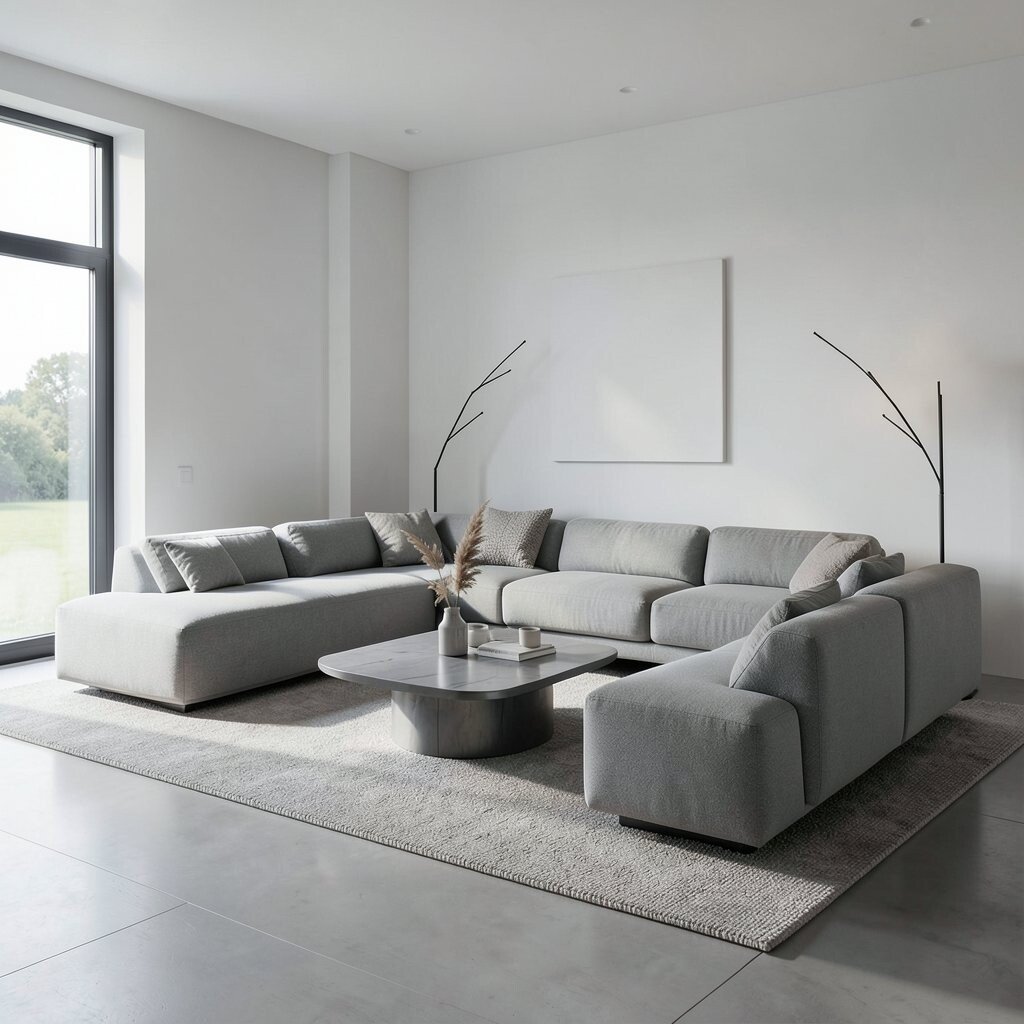
Low seating and clean shapes help minimalist spaces feel modern and calm. A low sofa, a platform bed, or a low credenza keeps lines close to the eye level.
This layout helps the room feel bigger, especially when you sit and move around. It also makes cleaning easier because there’s less stuff blocking pathways and fewer hard-to-reach corners.
When choosing pieces, look for sturdy frames and simple legs that don’t visually weigh down the room. You can keep the style consistent by matching the wood or metal finish across larger items. If your budget is tight, consider buying one major piece secondhand and then add fresh cushions and linens to make it feel current.
6. Curtains That Hang High and Float Light
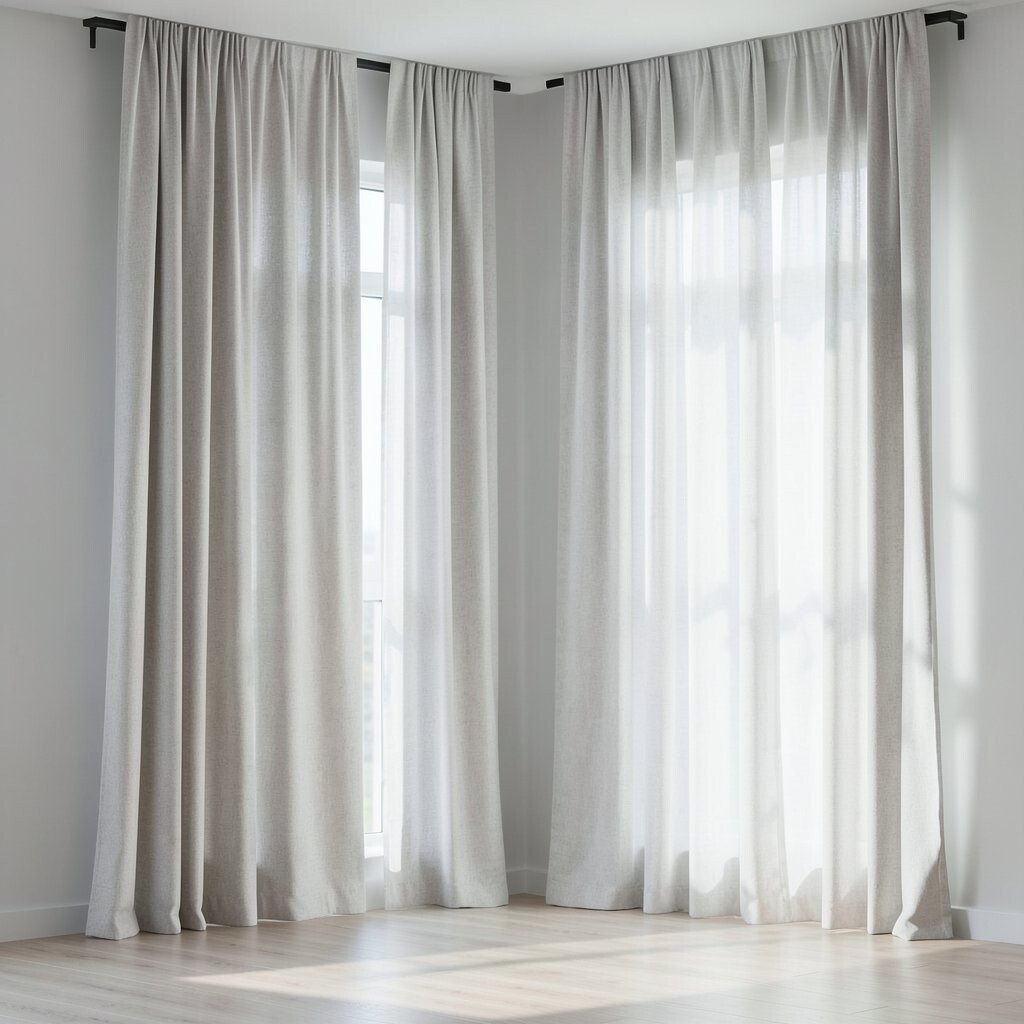
Ceiling-height curtains make windows look taller and the entire room feel more elegant. Use a rod positioned near the ceiling so the fabric pulls the eye upward.
For visual comfort, go for light, smooth fabrics that catch natural light without turning the room shiny. Sheer panels or airy semi-sheer curtains work especially well in small spaces because they add softness while keeping airflow and brightness.
If you want more privacy, layer a thinner curtain with a thicker blackout panel on the inside track. Keep the curtain color close to the wall tone for a minimalist effect, then add one warmer accent in the styling like a throw or rug. Buying longer lengths can be worth it because they often look more expensive even when you’re not spending much.
7. Open Space Styling With Intentionally Empty Corners

Minimalist decor isn’t only about adding; it’s also about leaving room for air. Those empty corners give the eye a place to rest, and they help everything else look sharper.
Instead of filling every spot, choose one corner to decorate lightly with a tall plant, a slim floor vase, or a narrow stand. Keep the items spaced so the area doesn’t feel crowded, even if it’s near high-traffic zones.
To personalize, pick a plant type that matches your lifestyle, like a low-maintenance snake plant or a trailing vine for soft movement. This choice saves money over time because a healthy plant costs less than constant decor replacements. If you love seasonal changes, swap the plant pot color or add a simple wreath-like branch arrangement for holidays without adding more objects.
8. Monochrome Art That Adds Calm Character
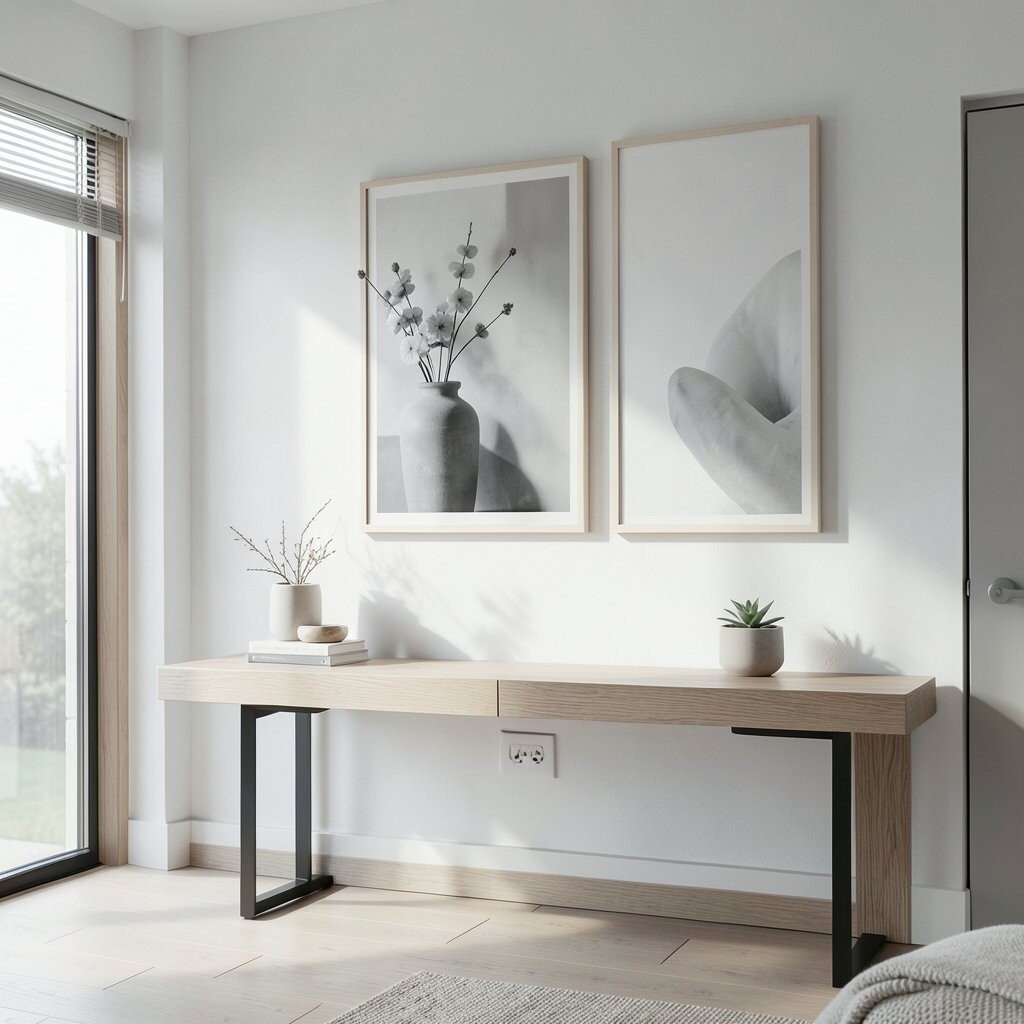
Large, simple artwork in one color family can make your space feel modern without chaos. A black-and-white photo series, a muted abstract print, or a single oversized canvas instantly anchors the room.
Minimalist art works best when you choose a consistent frame style. Matte frames and thin profiles feel current, and they look clean against light walls.
For practical placement, hang art at eye level but leave enough margin so it doesn’t look cramped. If you’re unsure about scale, measure the wall area and aim for art that feels balanced rather than tiny. Budget-friendly options include high-quality prints or framed posters from craft stores that look surprisingly premium with good matting.
9. Texture-First Rugs That Feel Soft Underfoot
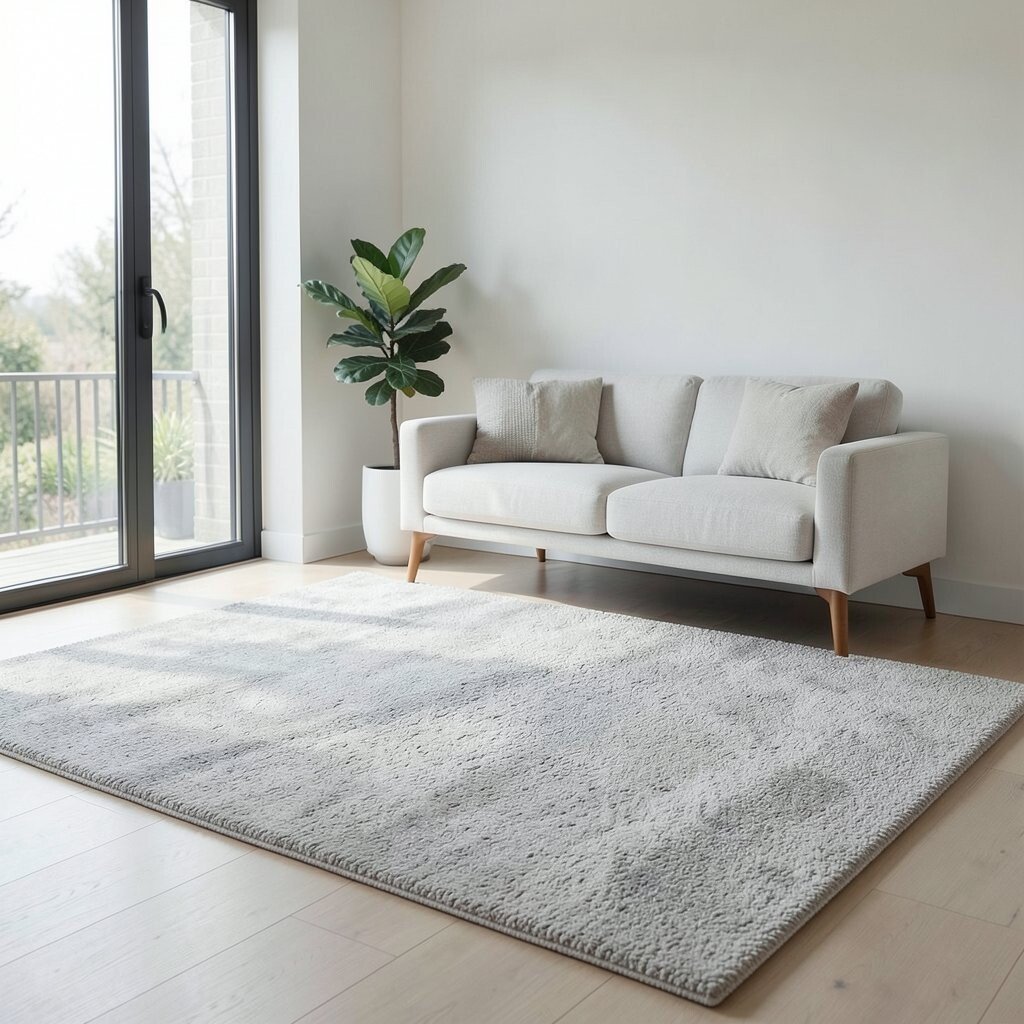
A minimalist room can still feel cozy when you choose a rug for texture. Look for natural fibers like wool, flatweave, jute, or a low-pile option that feels smooth but grounded.
Texture adds depth without extra color, so the space looks layered but not busy. A rug also helps define zones, like separating the living area from the dining nook.
If you want personalization, pick a pattern that stays subtle, such as a tone-on-tone weave or a gentle geometric line. In terms of current trends, textured neutrals are staying popular because they photograph well and hide everyday wear. For practical buying, measure your space and choose the rug size that lets the front legs of furniture rest on it for a tidy, well-planned look.
10. Slim Storage Bins for Easy Daily Order
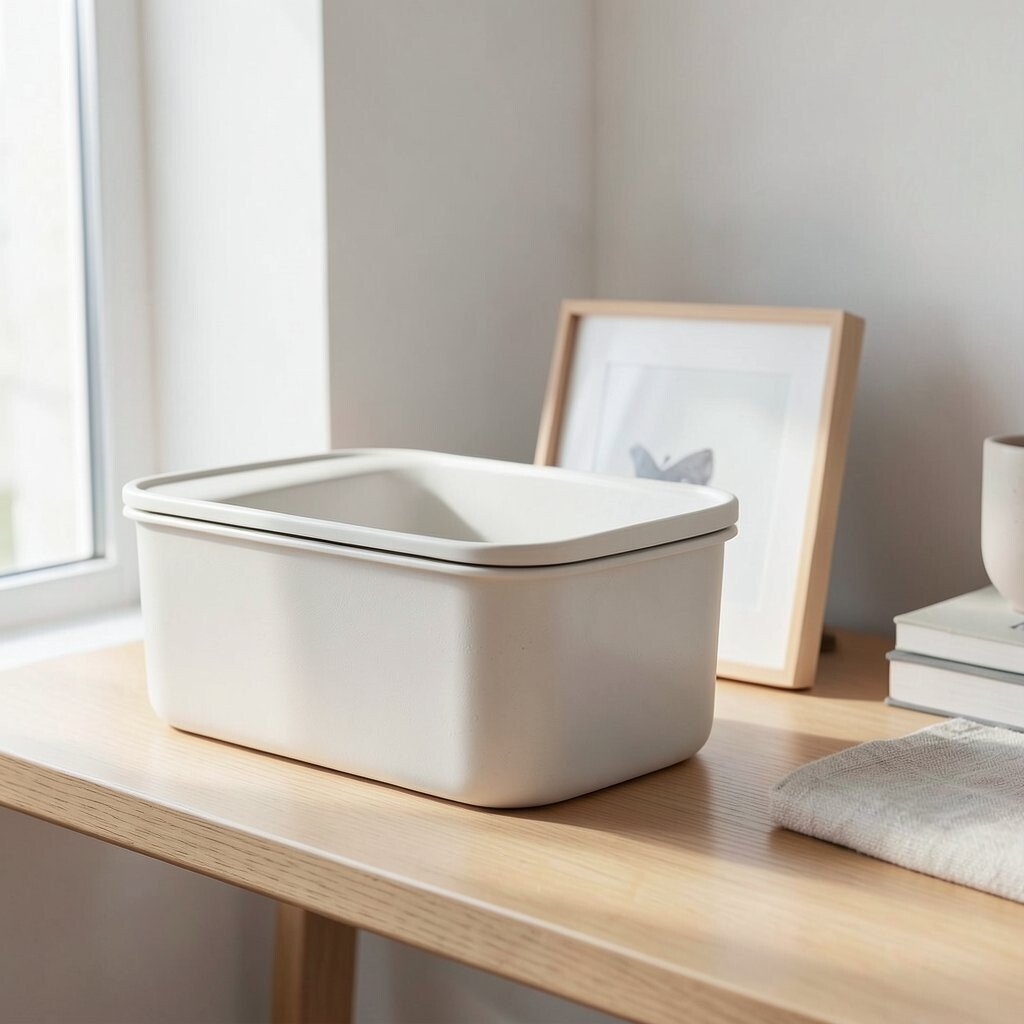
Hidden organization supports minimalist style, because clutter is the enemy of calm. Use slim storage bins for cords, remotes, stationery, or small kitchen items.
When everything has a neat place, you can enjoy the room without constant tidying. Choose bins in muted colors like cream, gray, or natural woven tones so they blend into the look.
To personalize, match the bin materials to nearby decor, like pairing woven baskets with a jute rug. This keeps your space feeling “designed” rather than merely put away. If you’re cost-conscious, repurpose drawer organizers and small containers you already own, then add labels in your own handwriting on a separate card if you prefer a softer feel.
11. Curated Book Shelves With Vertical Calm

A book shelf can look minimalist when it’s curated rather than fully packed. Keep most volumes standing, but leave space between groups so the shelf looks intentional.
To improve the look quickly, rotate your displays so you only show a portion at a time. You can store the rest in a cabinet or closet, then swap them seasonally for a fresh feel without buying new items.
For personalization, mix in a few items that matter to you like art books, a small sculpture, or a travel photo in a simple frame. Current trends often favor neutral covers and clean silhouettes, so you can choose books that naturally blend. If you want a budget win, use what you already have and keep the arrangement tight, because styling matters more than having expensive volumes.
12. Simple Mirrors That Brighten Without Clutter
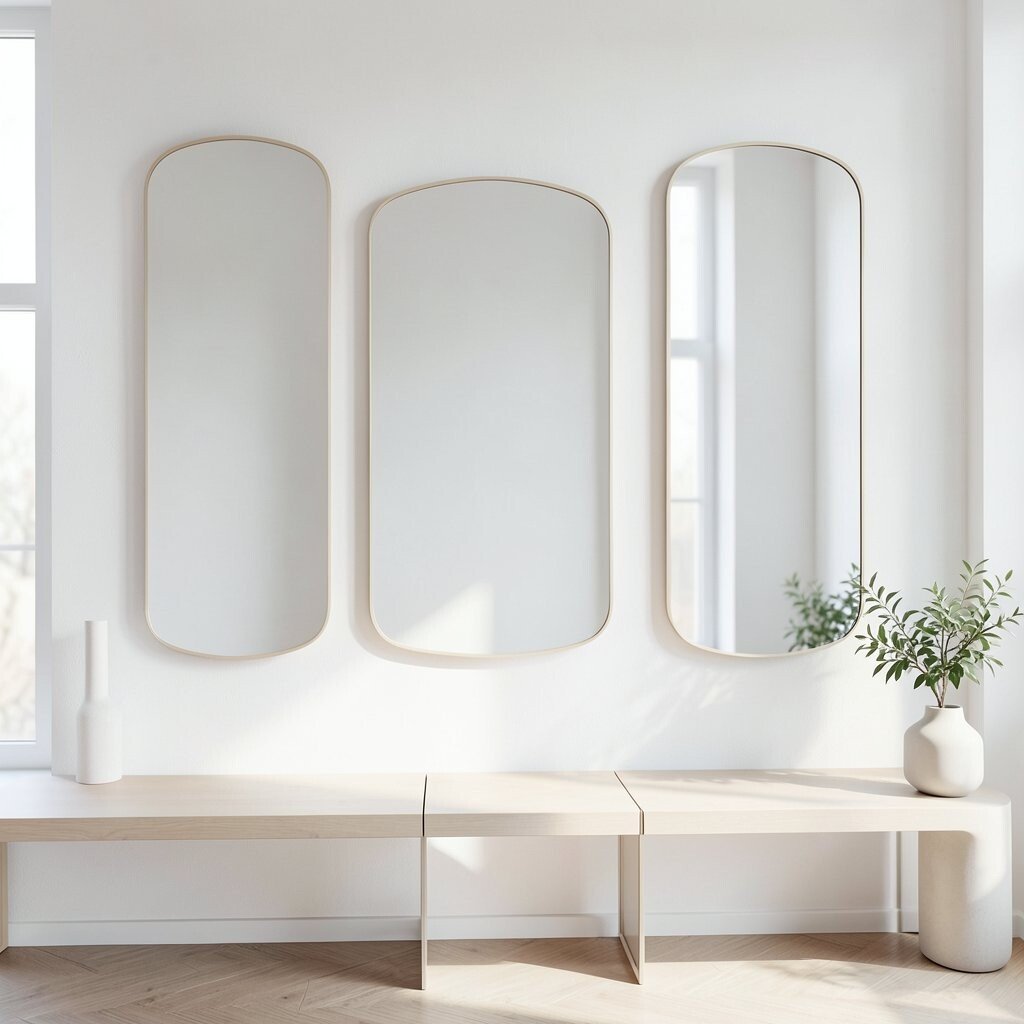
A minimalist mirror adds light and depth while staying visually light. Choose a thin frame, a frameless style, or a simple rounded rectangle depending on your furniture lines.
Place a mirror where it can bounce daylight from a window, so your room feels brighter without needing extra lamps. Mirrors also help make narrow spaces feel wider, especially in hallways and small living areas.
If you want to personalize, pick a shape that echoes other elements, like rounded edges if your chairs are curvier. For practical installation, measure the wall space and use a level so it hangs straight, because even small misalignment can look off. Cost varies widely, but you can find great deals at thrift shops and marketplace listings if you’re willing to refinish or repaint the frame.
13. Single-Focus Plant Styling for a Fresh Modern Feel
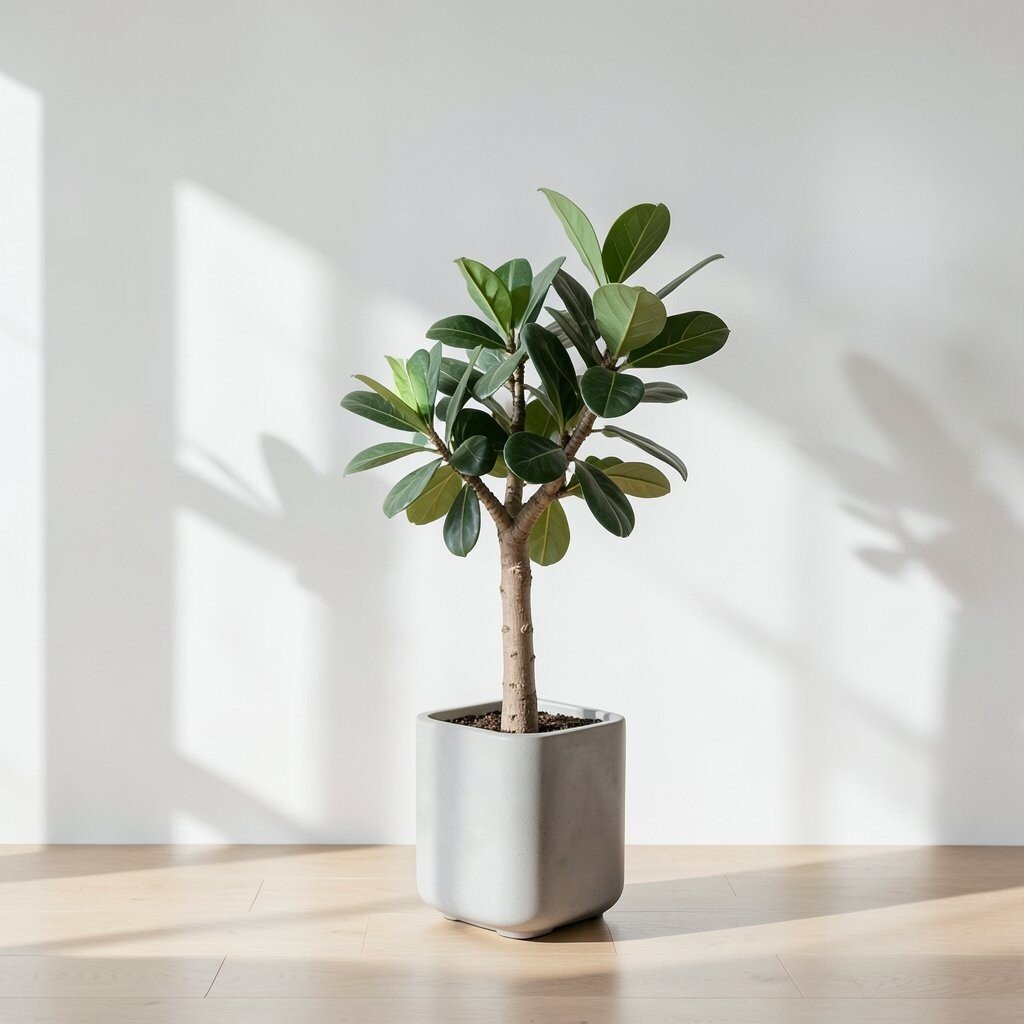
Plants bring life to minimalist decor because they add organic color and softness. A single tall plant in a clean pot can create a bold, calm moment by a window or corner.
Choose a plant that fits your light level and watering habits, then keep the pot simple. Matching pot colors to your palette helps everything feel cohesive, like a matte white pot with warm beige textiles.
For practical care, group plants by their needs so watering is easier. If you travel often, consider low-maintenance choices like pothos or ZZ plants, which handle neglect better than delicate varieties. This can save money too because healthy plants last longer and you avoid frequent replacement.
14. Minimal Wall Hardware and Thoughtful Display Levels
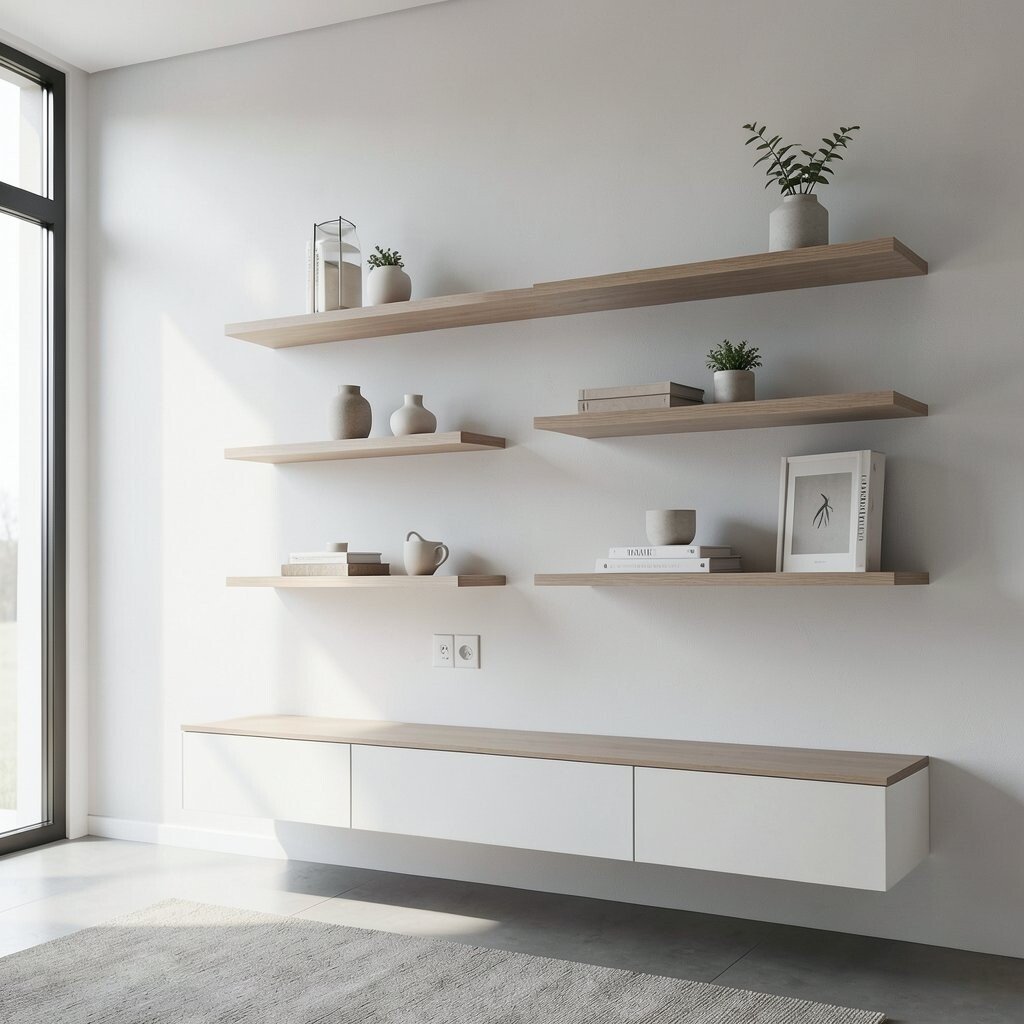
Modern minimalist decor looks sharper when your wall hardware and placement feel consistent. Use the same finish for curtain rods, hooks, and picture rails so everything stays in the same visual family.
Another easy upgrade is to think about display height. Items placed slightly above eye level often feel more curated, while grouping too low can look accidental.
To personalize, create a small “story” with one or two items rather than a full wall of decor. A couple of frames, a single shelf with one sculpture, and a plant can tell a nice visual tale without clutter. If you’re working with a budget, start by tightening screws, swapping mismatched knobs, and filling old holes with simple patch work before buying anything new.
15. Neutral Curtains and Bedding With a Crisp Fold
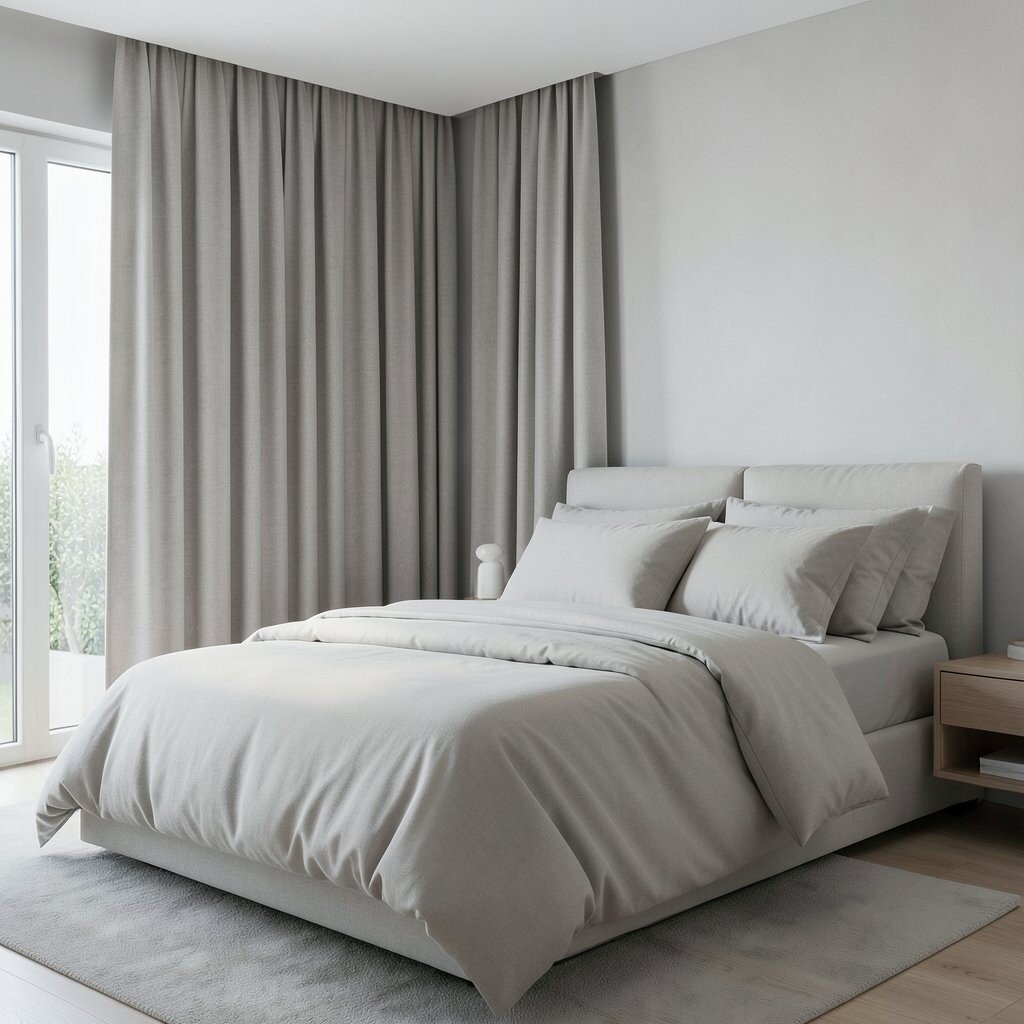
Bedroom minimalist style becomes effortless when your bedding looks smooth and intentional. Choose a solid color or subtle texture, then focus on neat folds and clean lines.
Benefits show up fast because a tidy bed makes the whole room feel calmer. Crisp bedding also works as a practical base for easy seasonal swaps, like switching pillow covers while keeping the sheets the same.
For personalization, layer a light throw at the foot of the bed and add two or three pillows with matching tones. If you want a current trend that still feels timeless, look for textured weaves and matte finishes instead of shiny satin. Cost-wise, you can invest in one set of quality bedding and refresh the look with a new cover set when you’re ready, rather than replacing everything at once.
16. Personal Art Ledges and Tray Styling for Small Surfaces
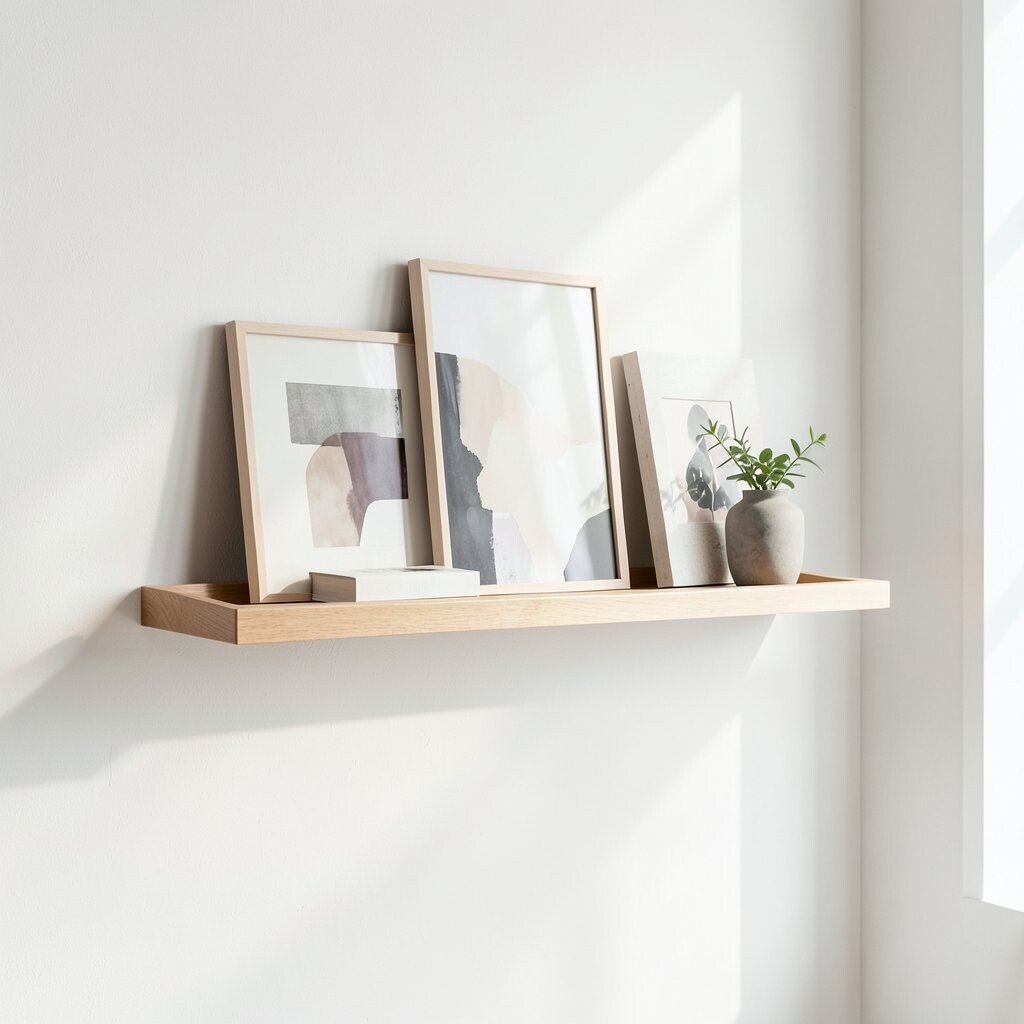
Small surfaces can still look minimalist when you style them in a controlled way. Use a tray on a coffee table or bedside table to corral items like a candle, a book, or a small dish.
This approach keeps daily life easy, because you can tidy in seconds by clearing and resetting the tray. It also helps your decor look intentional rather than scattered, which is a huge win in real homes.
To personalize, choose items that have meaning, like a small photo, a souvenir in the right color, or a pen cup that matches your metal finish. For uniqueness, rotate one “hero” object at a time so the surface always feels fresh without becoming cluttered. If you’re mindful of cost, make your own tray styling by using things you already own, then upgrading only one piece like a new candle holder or a better tray.