Plants change the whole mood of a room. With a few simple habits, you can keep them healthy and happy for a long time.
1. Start With Light That Actually Fits

Your plants can’t thrive if their light needs are ignored. Look at where the sunlight lands throughout the day, because bright windows can still be too dim for some plants and too harsh for others.
Notice how leaves behave in different spots. If leaves stretch, lean, or get paler, your plant is likely reaching for more light, while scorched, crispy patches often mean the sun is too direct. Rotate pots weekly to keep growth even, and use a sheer curtain when midday rays feel intense.
2. Learn Your Water Rhythm by Checking the Soil

Watering feels simple until you realize plants drink at different speeds. The easiest way to get it right is to check the soil, not the calendar.
Stick a finger about an inch deep, and if it feels dry, it’s usually time. If it’s still damp, wait and let oxygen reach the roots, because overwatering is one of the quickest ways to cause yellowing and soft stems.
Choose a consistent method that matches your plant style, like bottom watering for some moisture lovers or careful top watering for most standard houseplants. Make sure water drains freely, and empty any saucer after a few minutes so roots don’t sit in a puddle.
3. Use Pots That Breathe and Drain
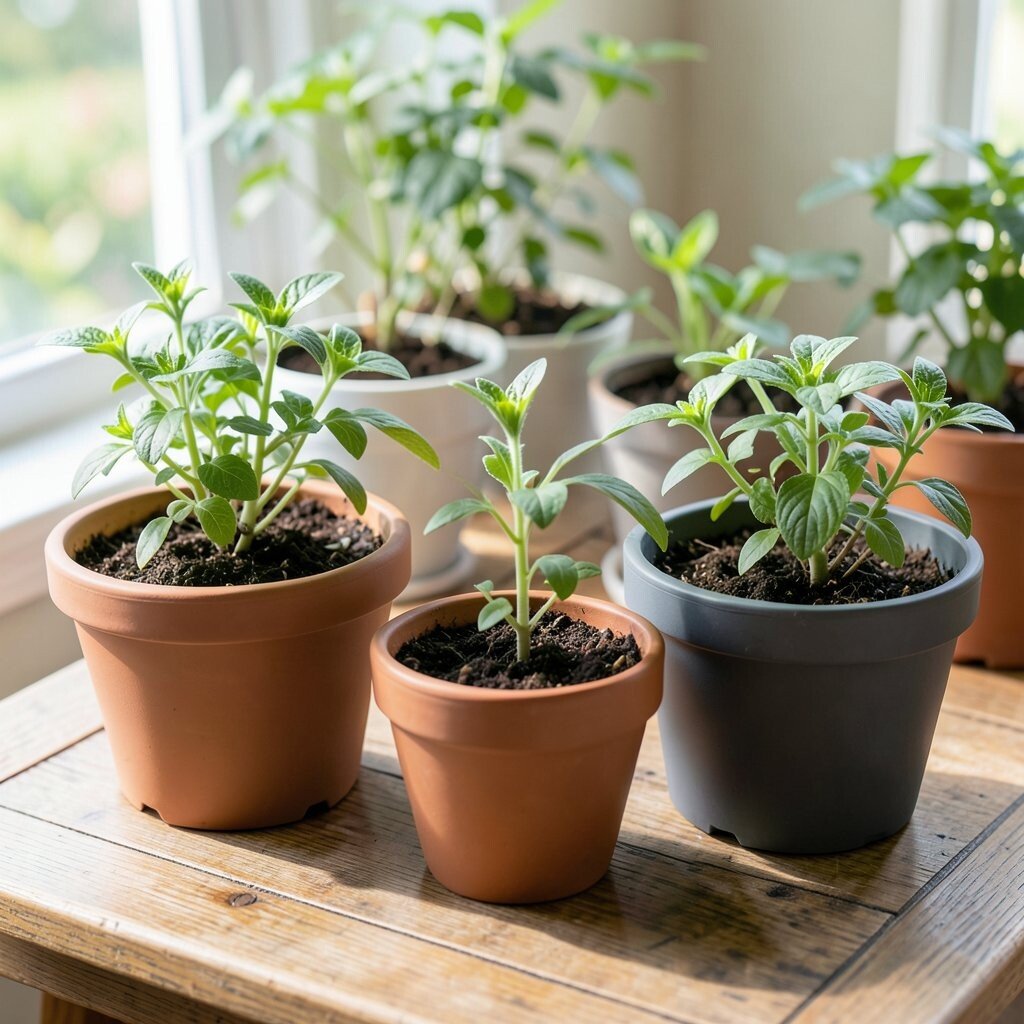
Even a great plant can struggle in the wrong container. A pot with drainage holes helps prevent root rot by letting extra water escape.
Materials also matter for how fast soil dries. Clay tends to dry more quickly, while plastic holds moisture longer, so you can adjust based on your home’s humidity and how often you water.
For styling without sacrificing health, keep your plant in a nursery pot inside a decorative cachepot. That way you get the look you want and the drainage you need, and it’s an easy upgrade that fits most budgets.
4. Pick a Soil Mix That Matches the Plant

Healthy roots love the right texture. A good soil mix balances moisture and airflow so water doesn’t just sit around.
For many common houseplants, a standard potting mix can work when combined with extra perlite or bark for better drainage. For plants that like drier conditions, you can add more gritty material, and for moisture-loving varieties, you can choose blends that hold water a bit longer.
5. Feed With Gentle Fertilizing, Not Guesswork
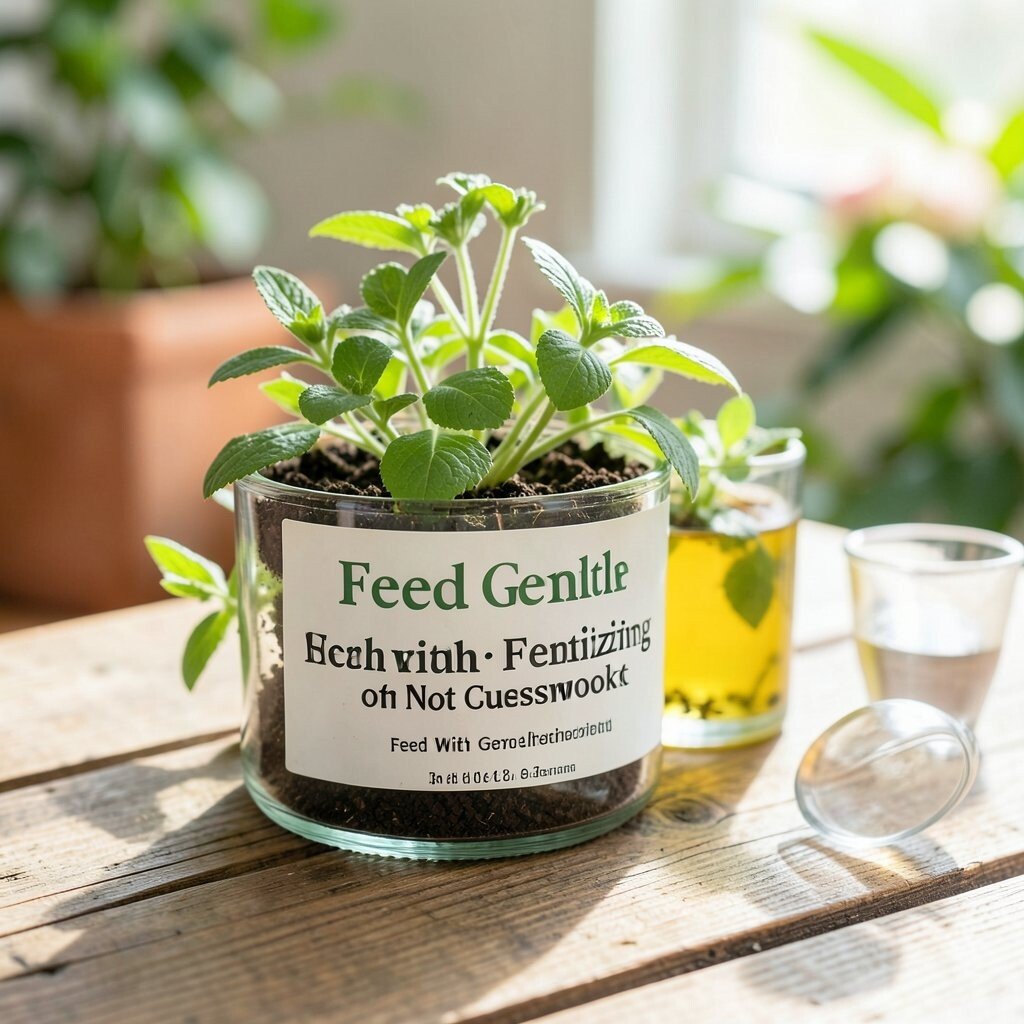
Plants use light to make energy, but they also need nutrients to build strong leaves. Fertilizing gives a helpful boost, especially during spring and summer.
Choose a balanced liquid fertilizer and apply at the recommended amount, then adjust based on how your plant looks. If growth is slow or new leaves are small, it may be time to feed, while rapid growth with limp stems can mean you’re pushing too hard.
If your plant is resting or the days are darker, scale back. Many plant parents find that lighter feeding in fall and winter keeps growth steady without burning roots.
6. Match Humidity to Your Indoor Reality

Indoor air can get surprisingly dry, especially with heating in winter. Leaves may curl or develop brown tips when moisture levels drop.
Look around your home for clues, like whether your plants sit near vents or drafts. If air feels dry, group plants together, run a humidifier if you enjoy it, or use a pebble tray under the pot to increase nearby moisture.
7. Keep Leaves Clean for Better Photosynthesis

Dust builds up on leaves, and it can block light the way a smudgy window does. A quick wipe can bring back the shine and help plants breathe better.
Use a soft damp cloth or a gentle rinse for plants that tolerate it. Let leaves dry naturally and avoid wiping too aggressively, because some plants have delicate leaf surfaces that bruise easily.
This simple routine also helps you spot problems early, like tiny pests or early yellowing. Plus, clean leaves make your plant look instantly healthier, which is always a nice boost for a living space.
8. Prune for Shape, Health, and New Growth

Pruning isn’t just about looks, it’s about helping the plant focus its energy. Removing dead or damaged leaves can reduce stress and prevent issues from spreading.
Use clean scissors and cut just above a leaf node when you’re shaping or encouraging branching. If a stem is leggy, trim it back to encourage fuller growth, and be mindful that some plants respond more slowly than others.
9. Rotate Your Plants for Even, Confident Growth

Most plants grow toward light, so they can slowly become lopsided. Rotating helps keep stems from leaning and leaves from crowding one side.
A weekly turn is an easy habit that takes only a moment. You’ll often see more balanced growth and a nicer overall shape, which makes your plant look intentional instead of accidental.
If you like symmetry, rotate in small consistent steps rather than a big swing all at once. This reduces sudden change and keeps growth steady.
10. Avoid Cold Drafts and Sudden Temperature Swings

Plants are sensitive to uncomfortable temperature shifts. A sunny window can feel warm, but a cold pane at night can chill leaves.
Keep plants away from heater vents, air conditioners, and doors that open often. If you notice leaf edges looking thin or stressed right after a cold night, it may be time to move the pot a little farther from windows.
11. Understand Root Health Before You Blame the Leaves

Leaf problems are often signals from what’s happening below the soil. When roots struggle, water and nutrients can’t move well, and the top growth suffers.
If your plant is wilting but the soil is wet, that can point to root stress. Gently check the soil and consider a careful potting look if problems keep repeating, because catching issues early is usually cheaper than replacing a plant.
Healthy roots are typically pale and firm, while damaged roots may look dark or mushy. If you do repot, refresh the soil and give the plant time to settle into its new home.
12. Repot at the Right Time for Better Space

Plants grow, and cramped roots can lead to stunted growth. When a plant seems to dry too fast, roots may be taking up all the space.
Choose a pot one size up and refresh the soil so roots have fresh nutrients and improved structure. Spring is a common time for repotting, but you can also do it when you see clear signs the plant has outgrown its container.
13. Propagate to Multiply Love and Reduce Cost
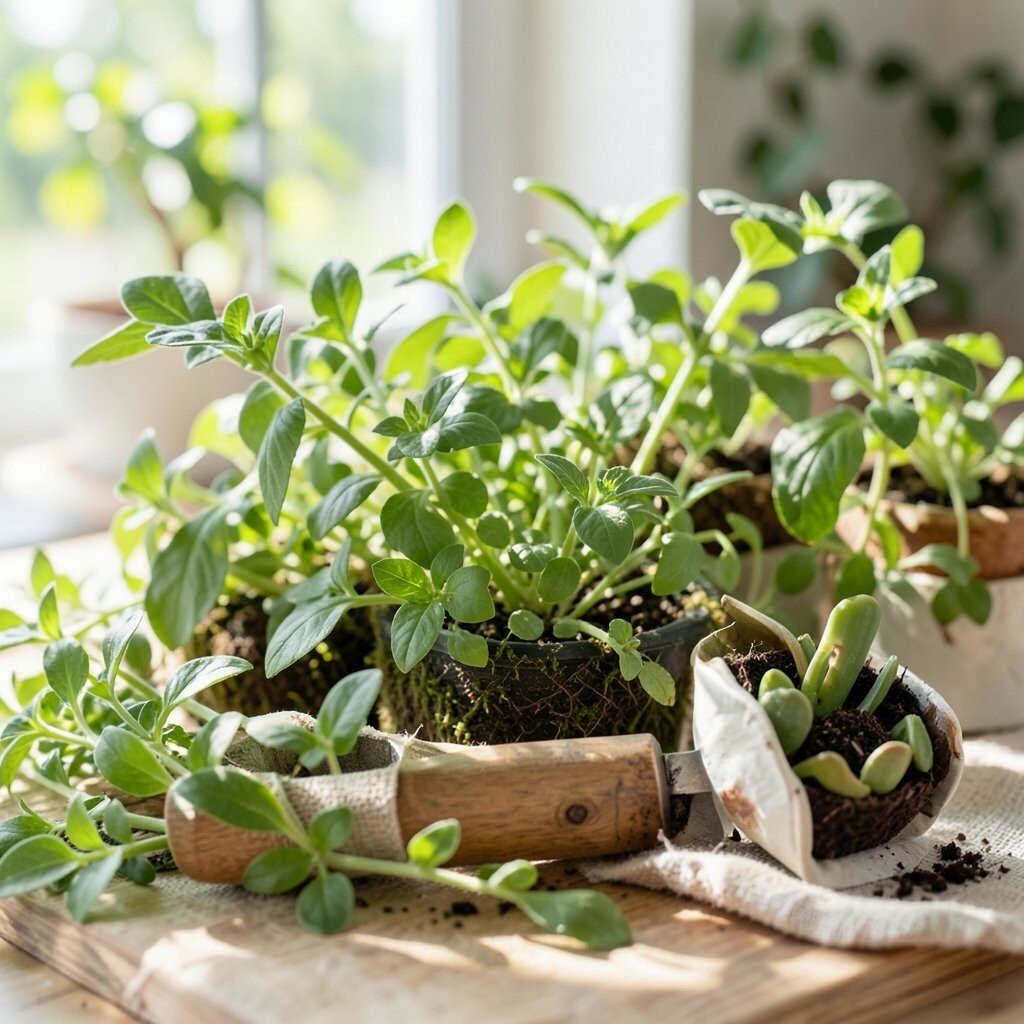
Propagation can feel like plant magic, but it’s actually a practical way to expand your collection. Many plants make it easy with cuttings, offsets, or leaf rooting.
Try simple methods that match the plant type, like water rooting for some varieties or soil rooting for others. If you already know how your plant likes light and moisture, you can use that knowledge to personalize the propagation setup.
Because you create new plants from your favorites, propagation often saves money over time. It also gives you a reason to prune confidently, since cut parts can become new starters.
14. Watch for Pests Early With a Quick Weekly Check
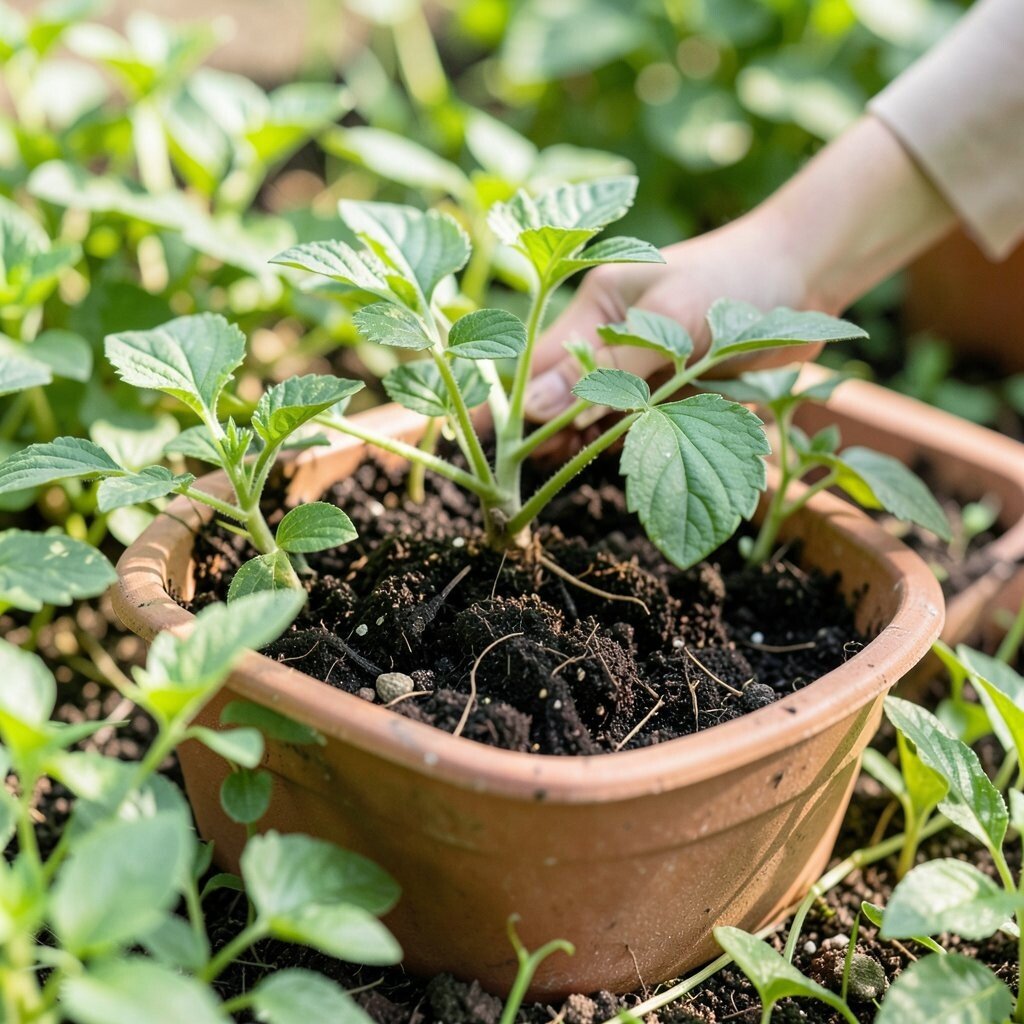
Pests are easier to manage when you spot them early. Tiny specks, sticky leaves, or webbing can show up before damage becomes obvious.
Inspect the undersides of leaves and the space where leaves meet the stem. Wipe plants regularly and isolate anything that looks suspicious, because pests spread fast between nearby pots.
If you catch a small problem, you can often start with gentle solutions like rinsing leaves or using insecticidal soap. Keeping plants spaced slightly apart helps too, especially during humid seasons when bugs love the environment.
15. Follow a Watering Schedule That Fits Your Lifestyle
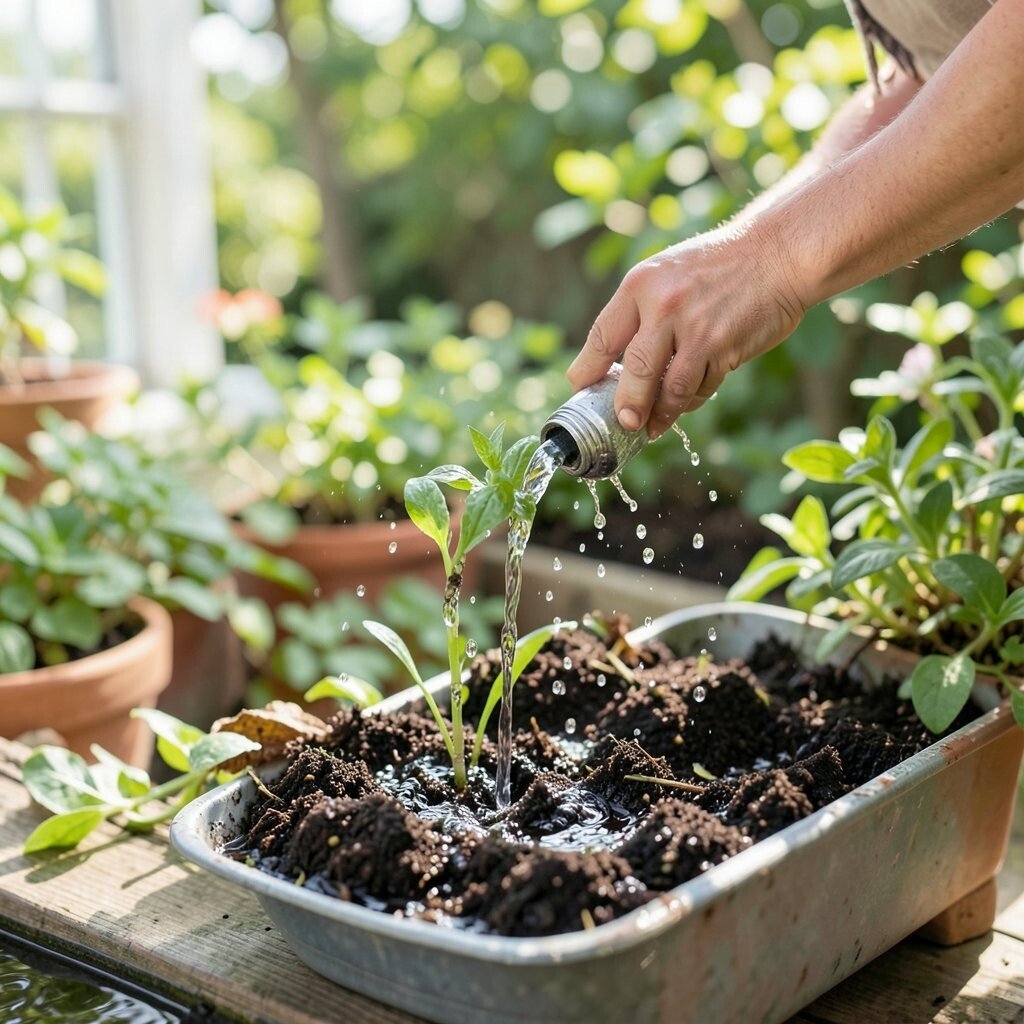
Consistency matters, but so does flexibility. A schedule that ignores your weekends, travel, or seasonal shifts can lead to forgotten watering and stressed plants.
Instead of relying on exact dates, build a routine around your habits and the soil’s dryness. Many people find that doing a quick check on a specific day each week keeps plants on track.
If you go away, plan ahead with self-watering solutions or ask for help before plants get too dry. Thinking ahead saves money and prevents the sad scramble to revive drooping leaves.
16. Choose the Right Planter Location for Real Life
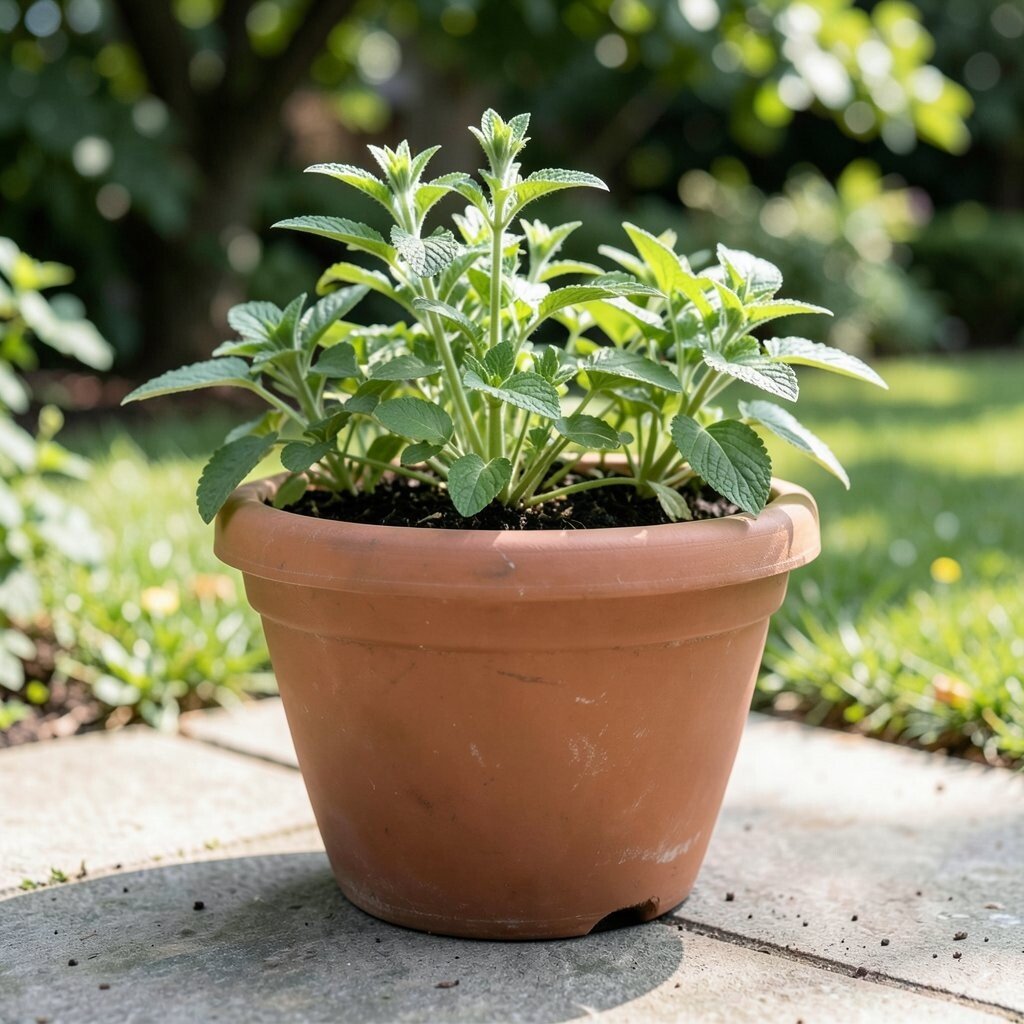
A beautiful plant spot can still be a tough environment for the plant. Bright kitchens, bathrooms, bedrooms, and hallways each have different air flow and humidity levels.
Consider how you use the space, because plants love stability. If a plant sits where sunlight moves dramatically or where people pass by frequently, it can still grow well, but you may need more attention to leaves that get knocked or heated.
Personalize the placement by pairing plants with your decor style, like placing trailing plants on shelves near books or grouping taller plants to frame a corner. When the plant feels like part of your home, you’re more likely to care for it regularly.
17. Try Seasonal Care Adjustments for Steadier Results
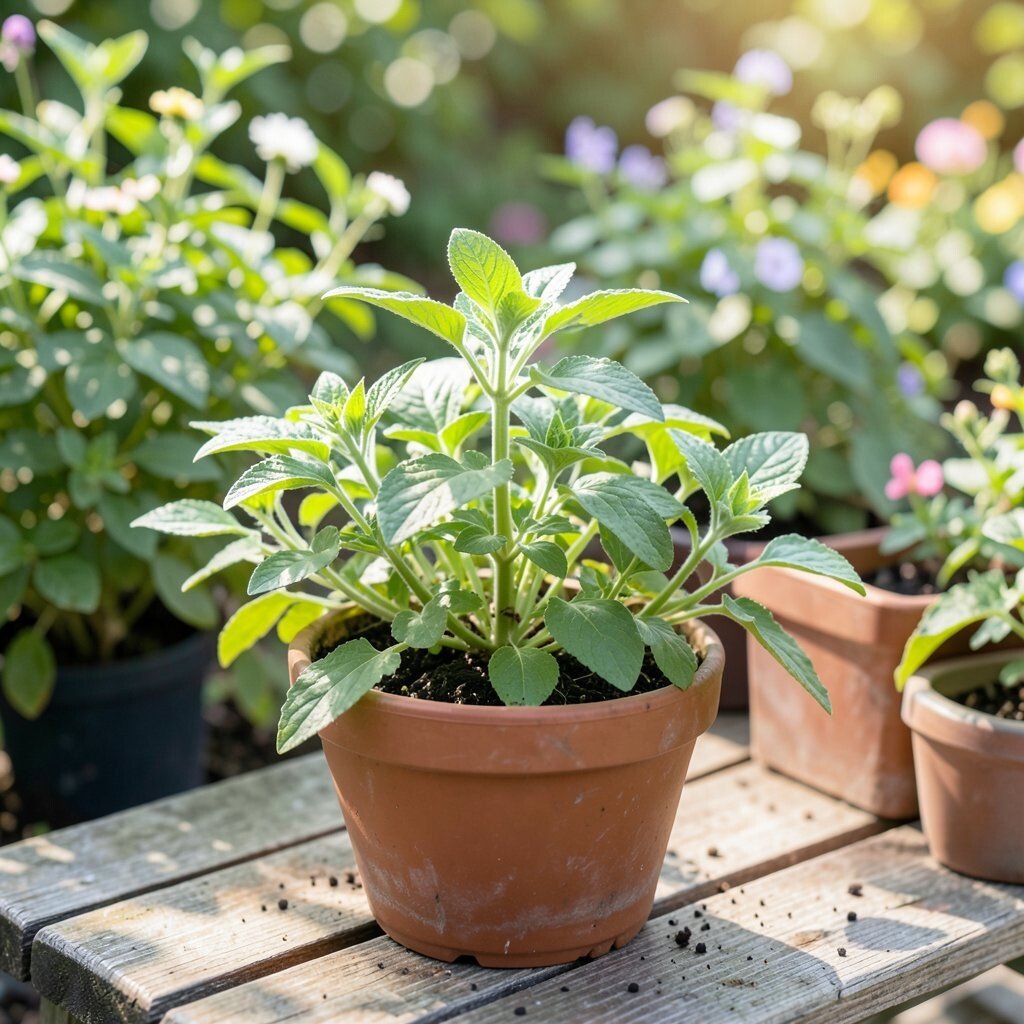
Plants change with the seasons, and your care routine should too. In brighter months, growth may speed up, while in winter many plants slow down.
Watch for signs like slower leaf production, darker color, or reduced thirst. Adjust watering frequency based on soil dryness and lighten up fertilizing when growth slows.
Seasonal shifts also affect humidity, drafts, and even how quickly soil dries in your home. When you match care to what your plant is doing, you reduce stress and avoid the common cycle of overcorrecting.
18. Grow With Companions Like Moss, Pebbles, and Covers
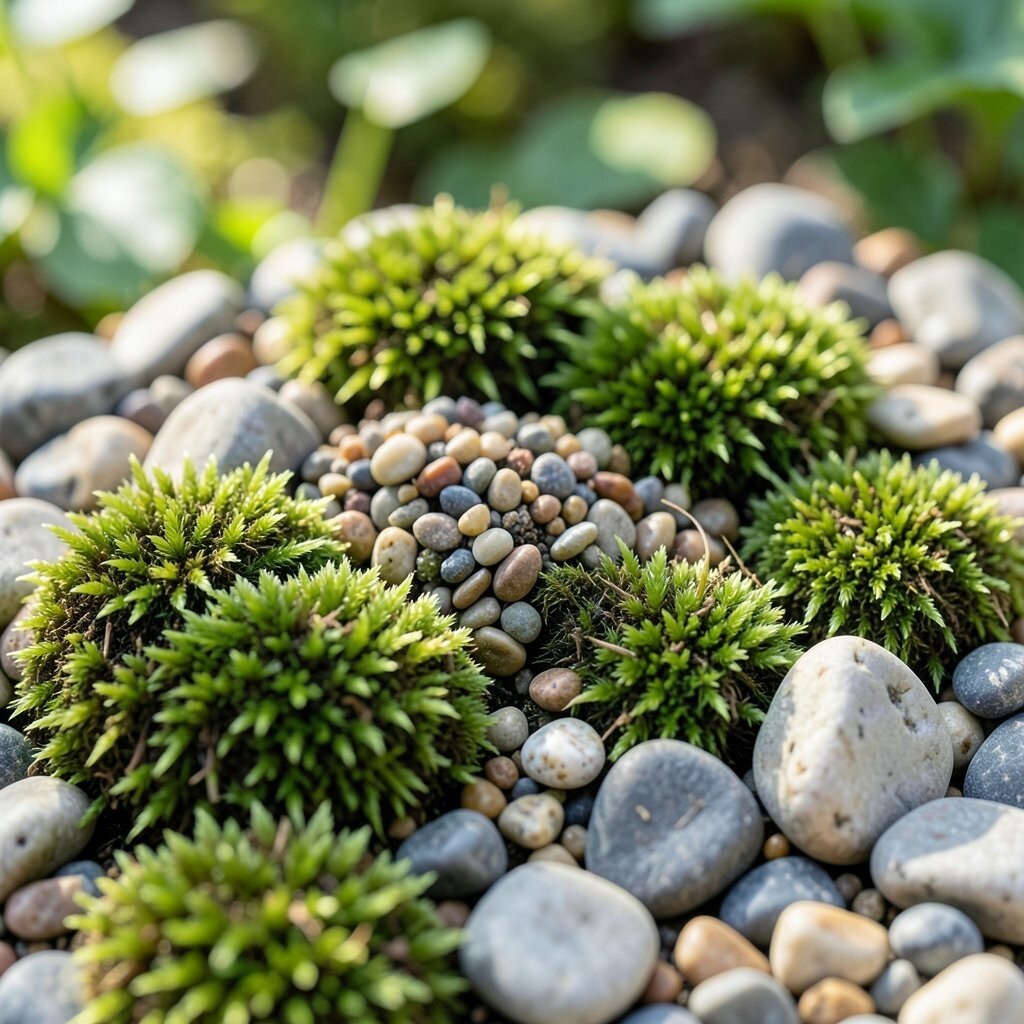
Small surface choices can make a big difference in the look and feel of your plant area. Top dressing can protect soil from splashing and help slow evaporation.
Some plant parents love using a thin layer of moss for moisture-friendly setups, while others prefer decorative pebbles for a tidy, modern look. If you use covers, make sure they don’t block drainage holes or keep soil overly wet for plants that prefer to dry.
This is also a chance to personalize your style without harming your plants. A small change in texture and color can make the whole arrangement feel like it belongs in your home.
19. Keep an Eye on Leaf Color as a Living Calendar
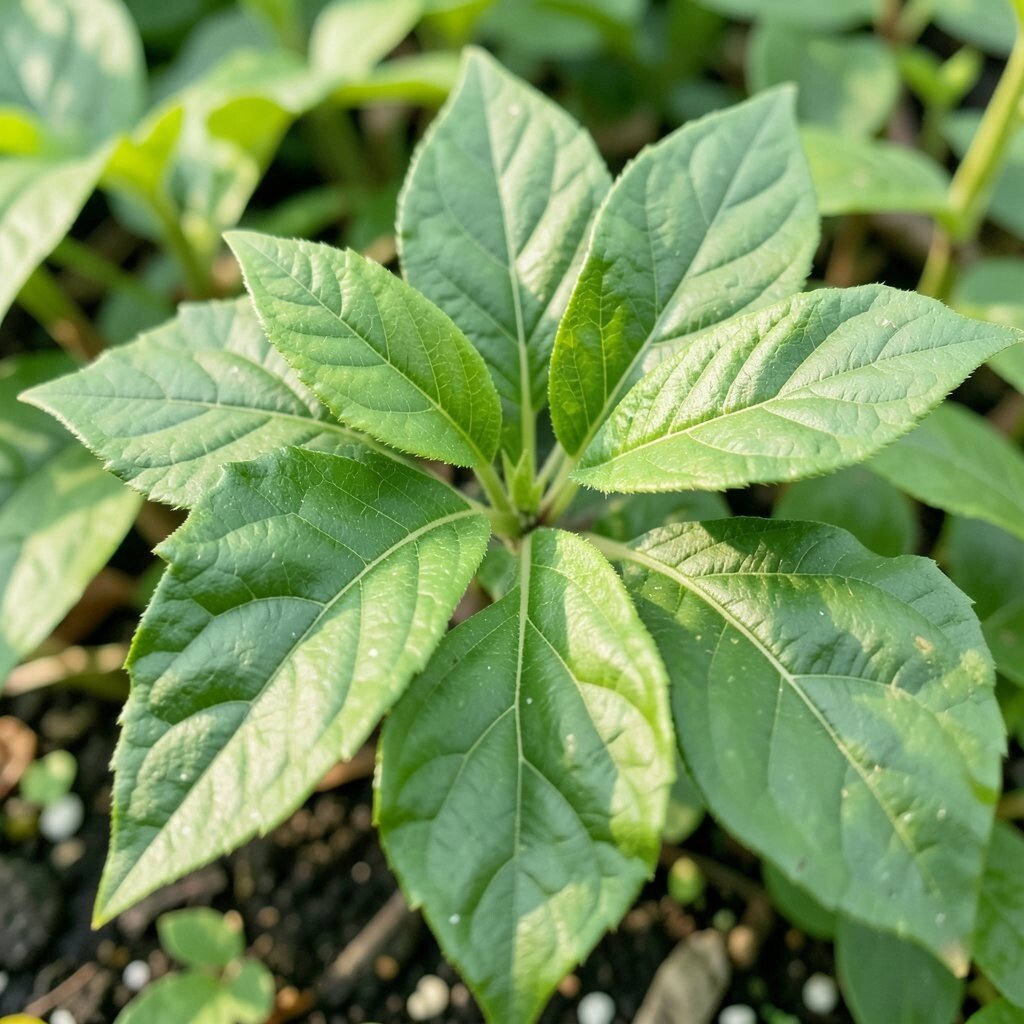
Leaves quietly tell you what’s working and what isn’t. A rich green color often means light and nutrients are balanced, while yellowing can signal stress.
Too much water may lead to yellow leaves and a weak stem, while too little water may cause drooping and crisp edges. If leaves fade gradually, the issue could be light, and if they turn unevenly, it may be related to watering patterns.
Instead of reacting wildly, adjust one factor at a time. This gentle approach helps you learn your plant’s habits and improves results without spending more money on repeated fixes.
20. Build Your Collection Around Plants You Truly Enjoy
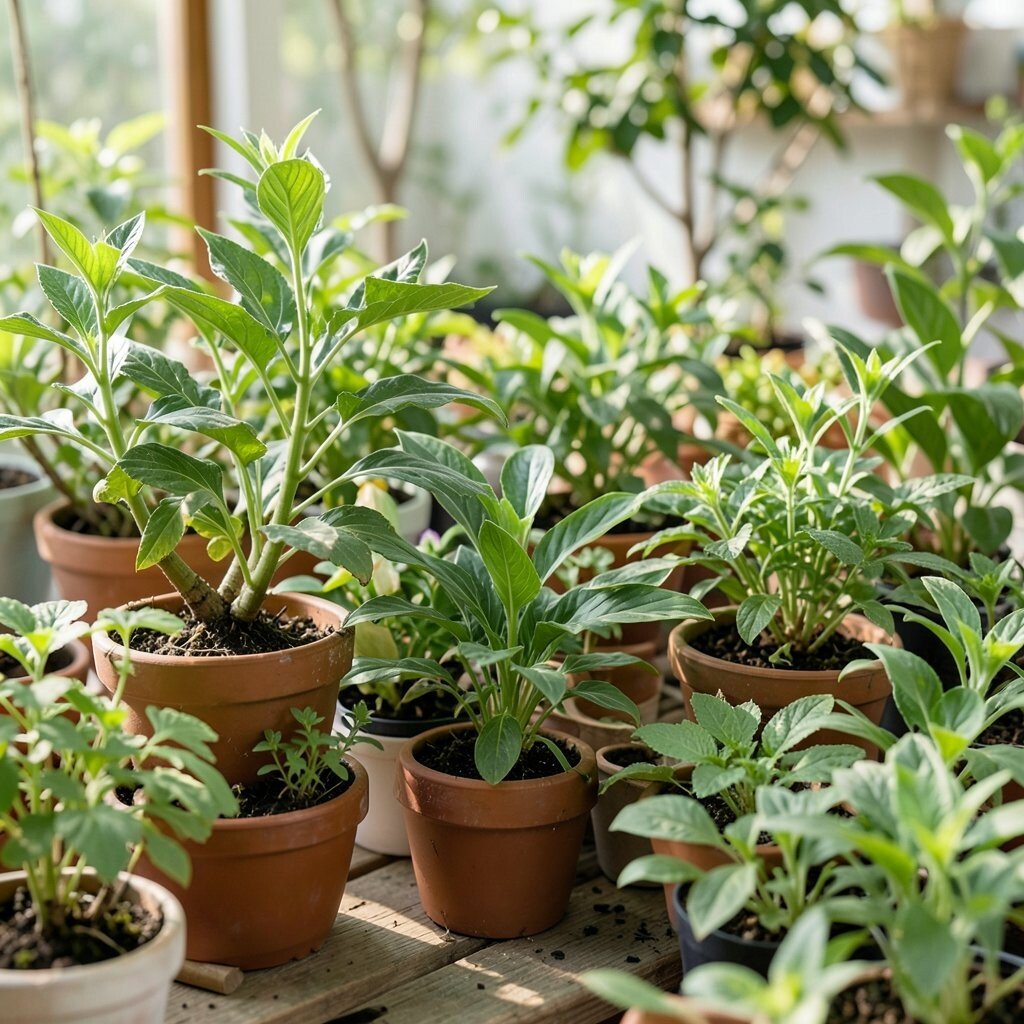
The best plant care is the kind you’ll actually keep doing. When you choose plants that match your taste and your schedule, success feels natural.
Start with a few varieties that fit your light and watering comfort, then branch out as you gain confidence. Many modern homes also favor stylish, low-maintenance favorites like hardy greens, airy trailing plants, and compact options for shelves.
Personalize your routine by combining plants with your daily life, like placing one near your desk for a weekly check or keeping a moisture-loving friend in a brighter bathroom. Over time, your choices shape a greener home that looks great and feels easy to maintain.