
The ceremony part of a wedding can quietly eat up more of your budget than you expect. When you plan early, you can steer those costs in a direction that feels meaningful.
Below are real-world details that help you budget with less stress and more confidence.
1. The venue’s ceremony fee is often just the start
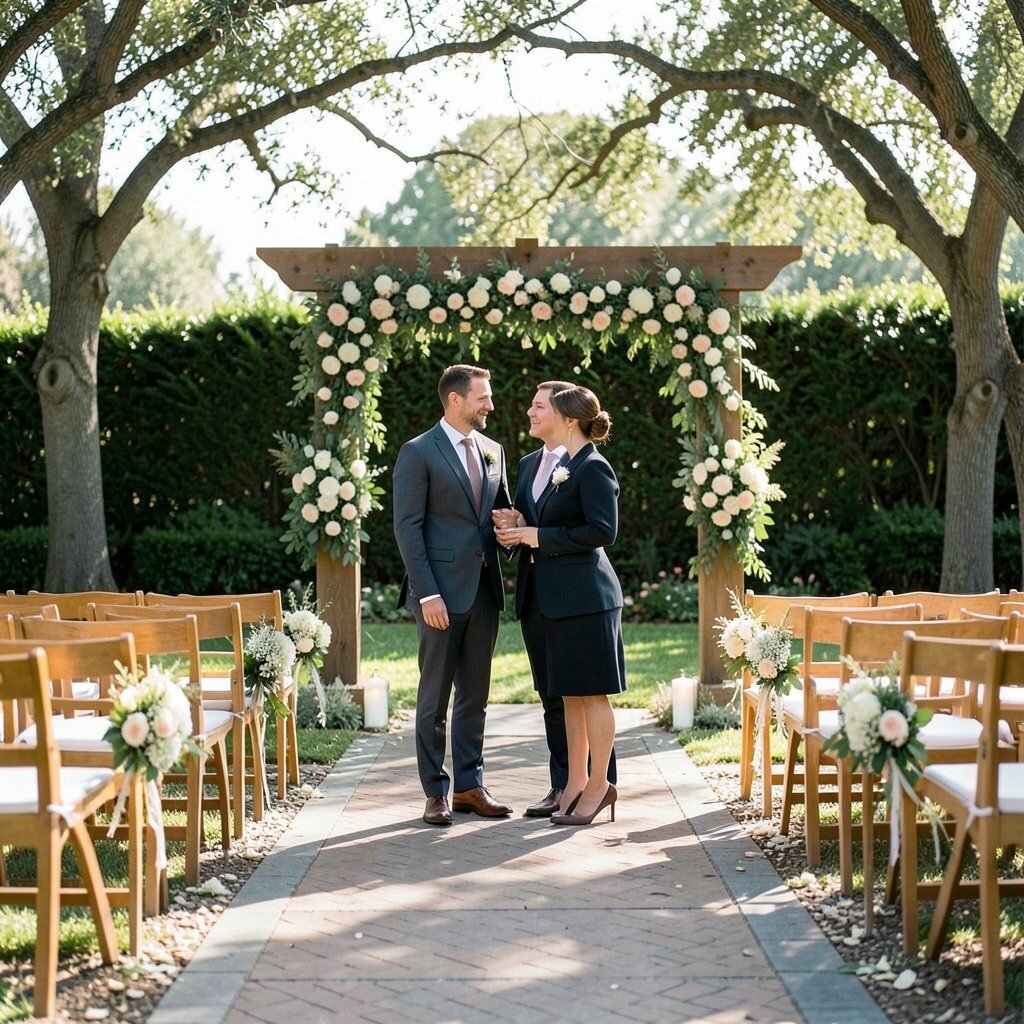
The ceremony line on your contract can look smaller than you imagine at first glance. Then you notice the same space used for seating, staging, and setup, which can trigger extra charges.
Ask how the ceremony fee ties into the rest of the rental agreement, because some venues bundle nothing together. You can save by choosing a room layout that reduces labor, like fewer moveable partitions and less reconfiguring. If you picture guests walking into a clean, bright scene with your aisle already ready, the cost becomes easier to justify.
2. You may need permits for sound, lights, or amplified music
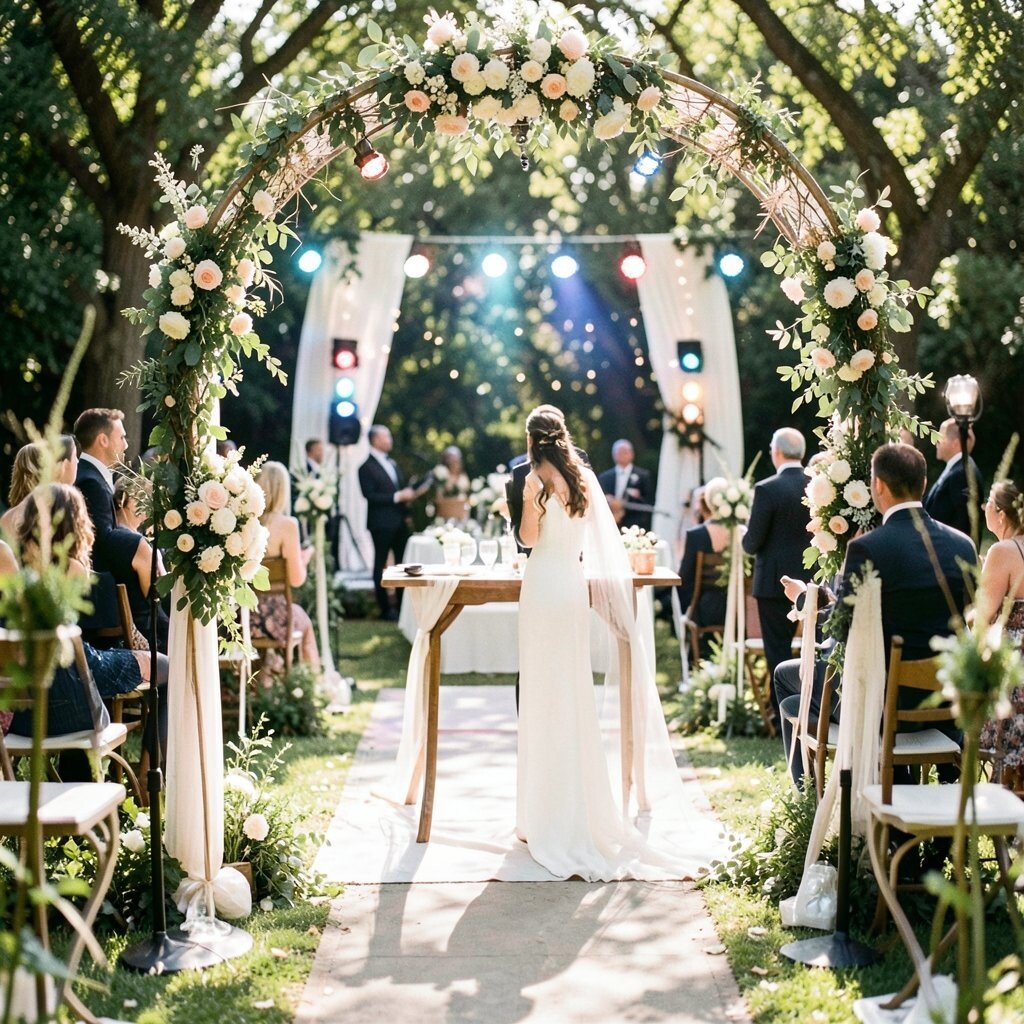
Even sweet vows can require paperwork. If you plan live music, microphones, or ambient lighting, some locations require permits or proof of compliance.
Check local rules before you lock anything in. It helps you avoid last-minute denials and lets you pick equipment that fits the venue’s limits.
When you imagine soft music carrying across the garden, the right sound plan keeps the mood beautiful instead of crackly. It also prevents you from paying for replacements that arrive too late.
3. Setup time has a price tag, and it changes everything
Vendors often charge based on hours, and setup can run longer than the ceremony itself. If your schedule is tight, you may end up paying for overtime or rushing fees.
Plan visual flow like a story: where aisles begin, where signage stands, and where personal items rest. Then build in extra minutes for lighting checks, microphone tests, and rehearsal touches.
You’ll feel calmer when everything looks intentional, not frantic. A few added hours early can protect both your budget and your stress.
4. Chairs, rentals, and “minor” furniture add up fast
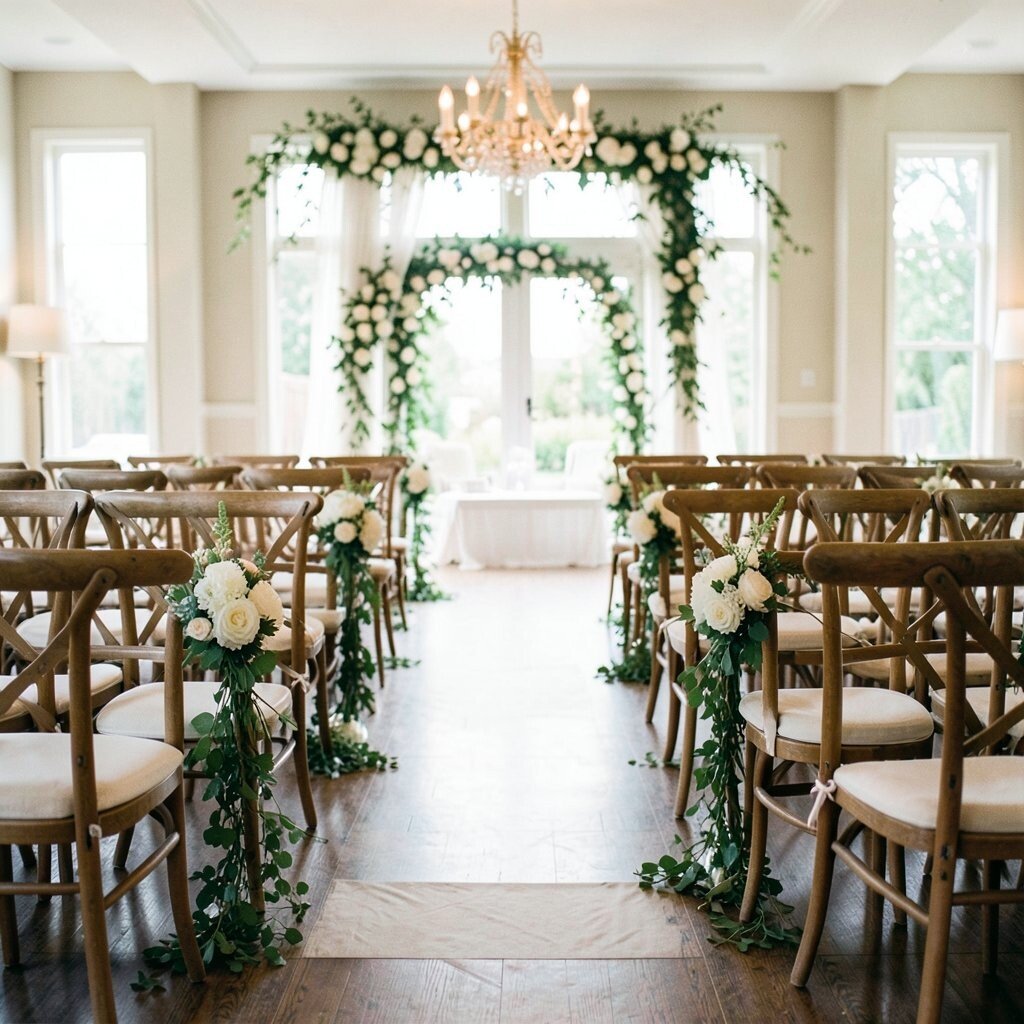
It’s easy to underestimate how quickly chairs and small furniture become a big bill. A ceremony that looks elegant in photos can require extra rental items for comfort and structure.
Consider practical seating like padded chairs, aisle runners, and a clear pathway for guests. Choose a style that matches your visuals while keeping the rental list short, like using one canopy shape instead of several separate pieces.
5. Flooring, weather protection, and ground prep can be hidden charges
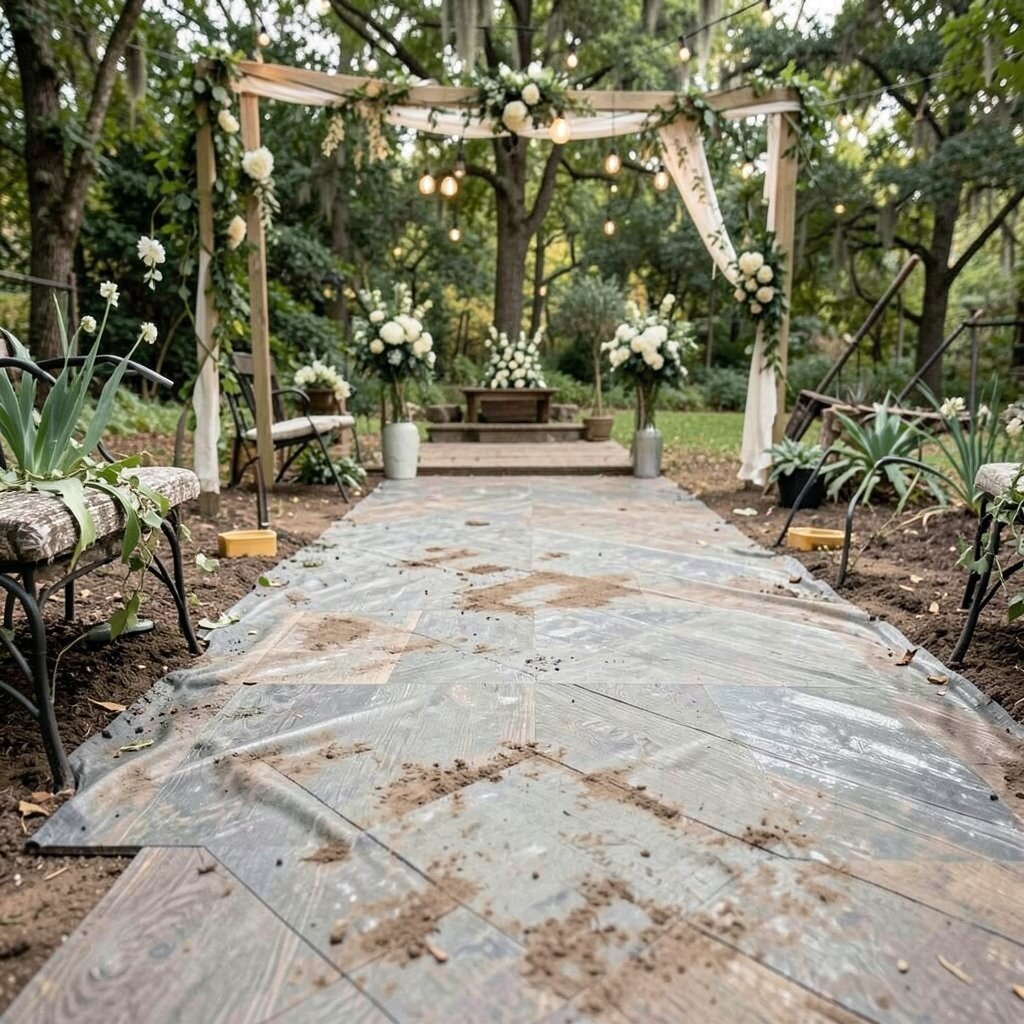
Outdoor ceremonies are stunning, but the ground has its own rules. Gravel, grass, sand, or uneven pathways can require mats, platforms, or additional labor.
If it rains, you might need coverings, waterproofing, or re-staging to keep guests safe. Paying for weather protection early can prevent the ugly scramble of shifting vows and muddy aisle photos.
Think about the visual you want when you picture shoes lining up on a clean surface. A well-prepared walkway looks confident and helps older guests feel comfortable.
6. The officiant’s travel fee is not always obvious
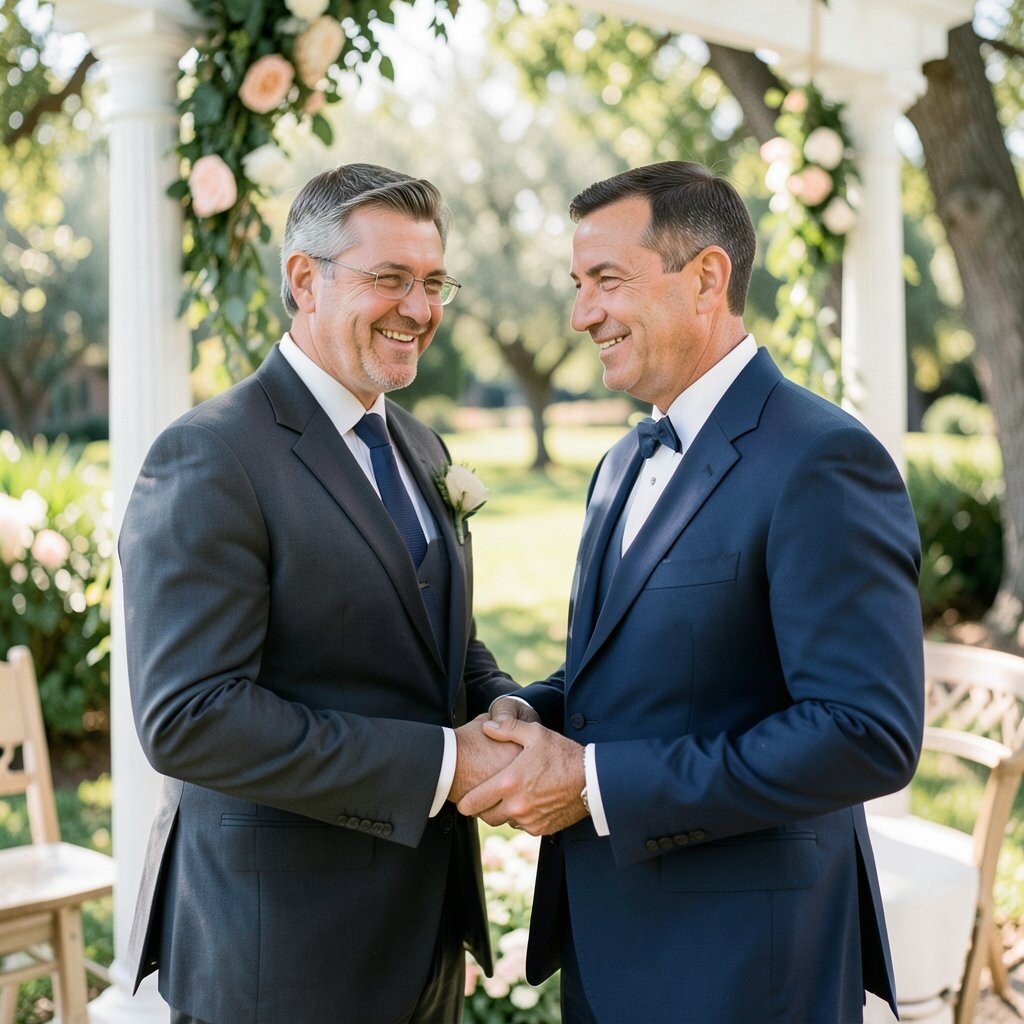
Your officiant might be local, but local travel can still cost money. Some charge mileage, parking, or a flat travel fee that shows up later in the contract.
Confirm travel terms early and ask what counts as “on time,” since the day-of timeline can affect fees. If you want personalization, consider choosing a site close to the officiant’s usual route.
When the officiant arrives calmly and starts preparations without pressure, the tone feels warm. That kind of smooth start can be worth more than you think.
7. Audio for vows includes more than a speaker at the front
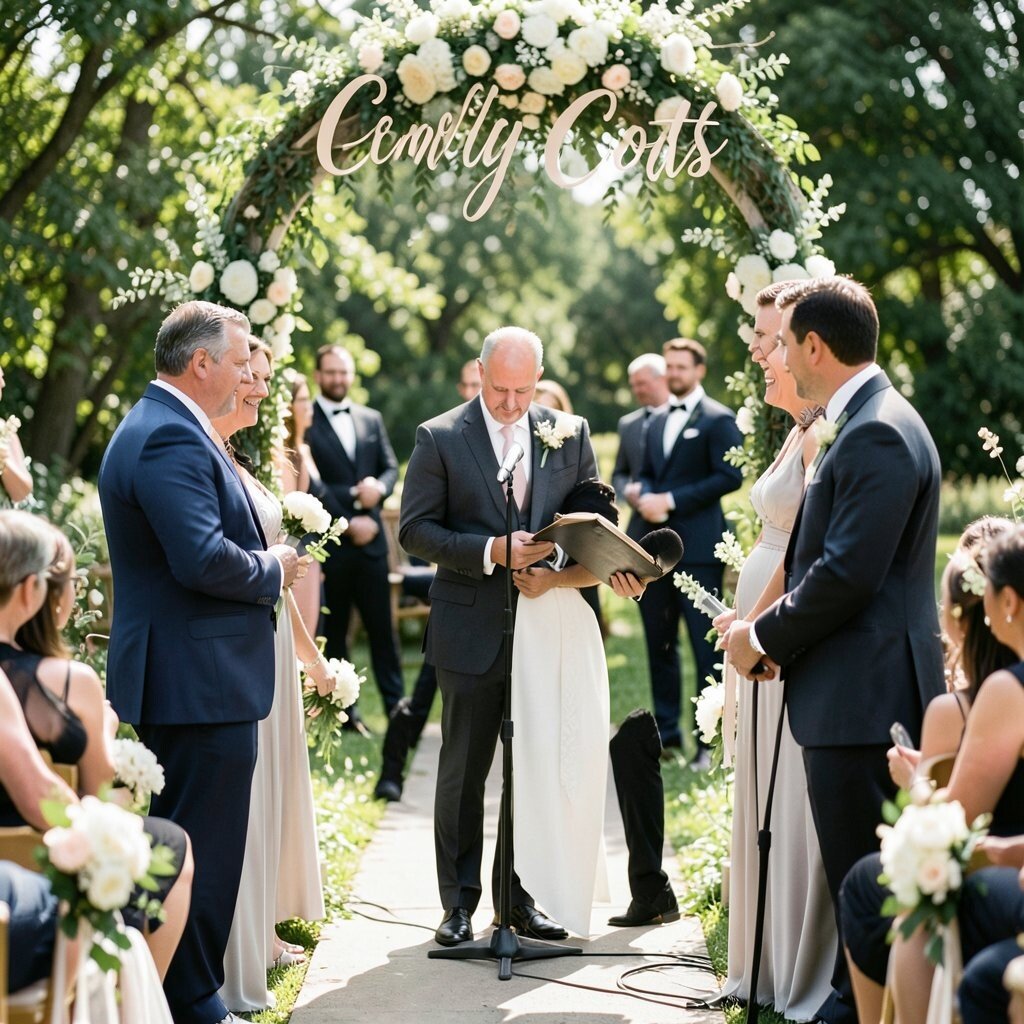
People often picture a microphone and stop there. But ceremony audio can require multiple pieces like a sound mixer, backup microphones, and speakers sized to the space.
Get a plan for where the sound will travel, especially outdoors or in venues with echoes. Better audio reduces repeats and uncomfortable pauses, which keeps the ceremony moving.
8. Photographer coverage rules can change what you truly get
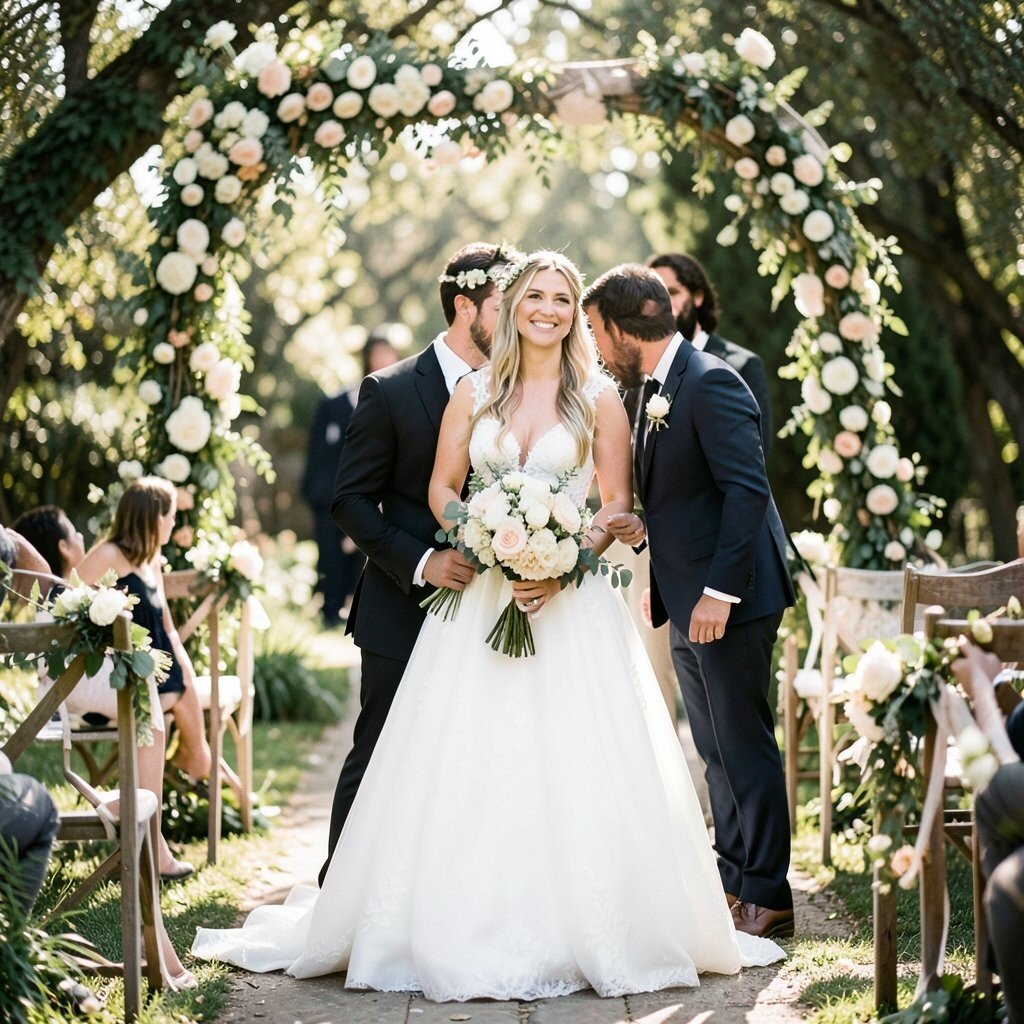
Photography packages sometimes separate “ceremony” from “getting ready,” and the boundaries can surprise you. If you need specific moments like arrivals, vows, or exit portraits, coverage hours matter a lot.
Ask how long your photographer can stay and whether they cover rehearsal time. When you imagine crisp aisle moments and natural candid emotion, you’re usually paying for access time, not just clicking.
9. Livestreaming can be pricier than you think, especially with tech help
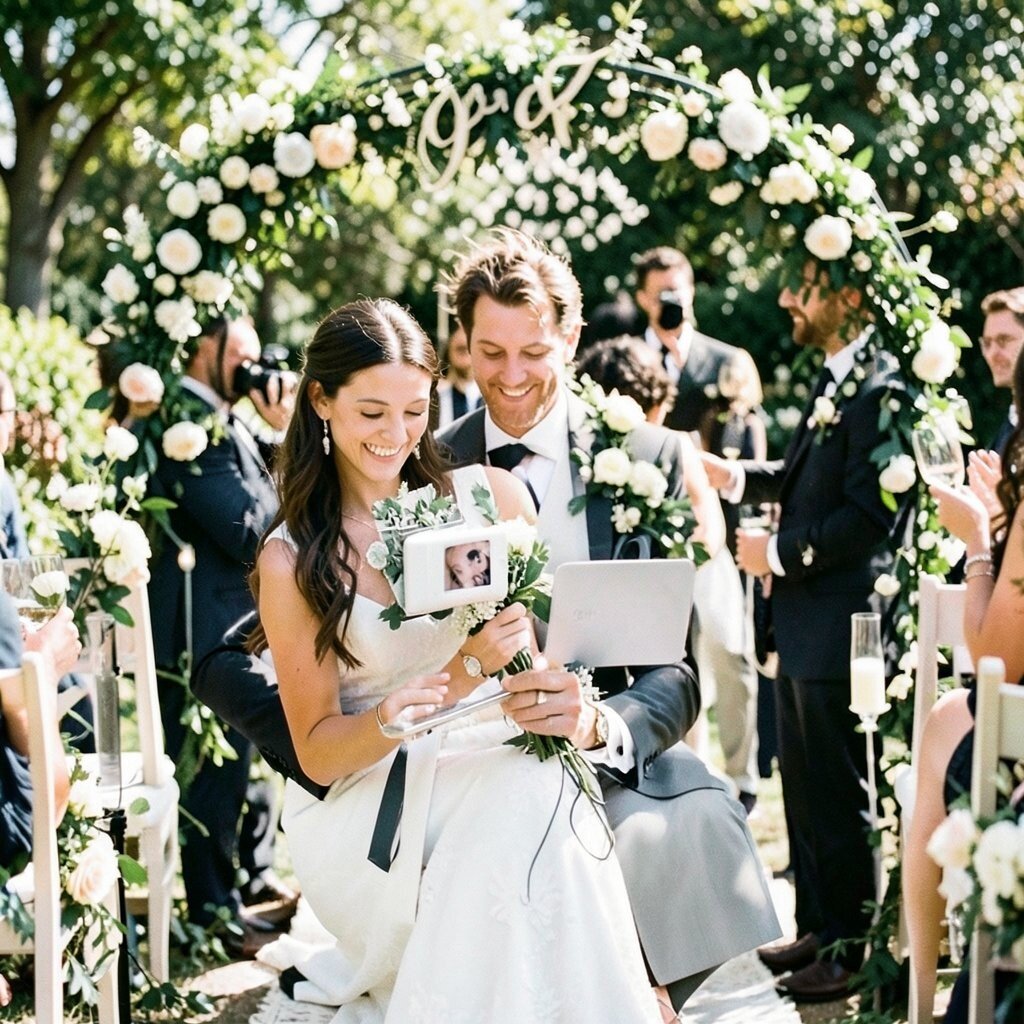
Live video for relatives can be a thoughtful addition. But livestreaming may require an operator, stable internet, and extra audio capture.
Consider the benefit of including guests who cannot travel, since it can turn separation into shared joy. You can also keep it simple by choosing a camera placement that captures the full scene without constant adjusting.
That clean, steady view can make family members feel present, not like they’re watching through fog. It also reduces the chance of last-minute tech fixes that cost extra.
10. Florals look straightforward until you count labor and delivery
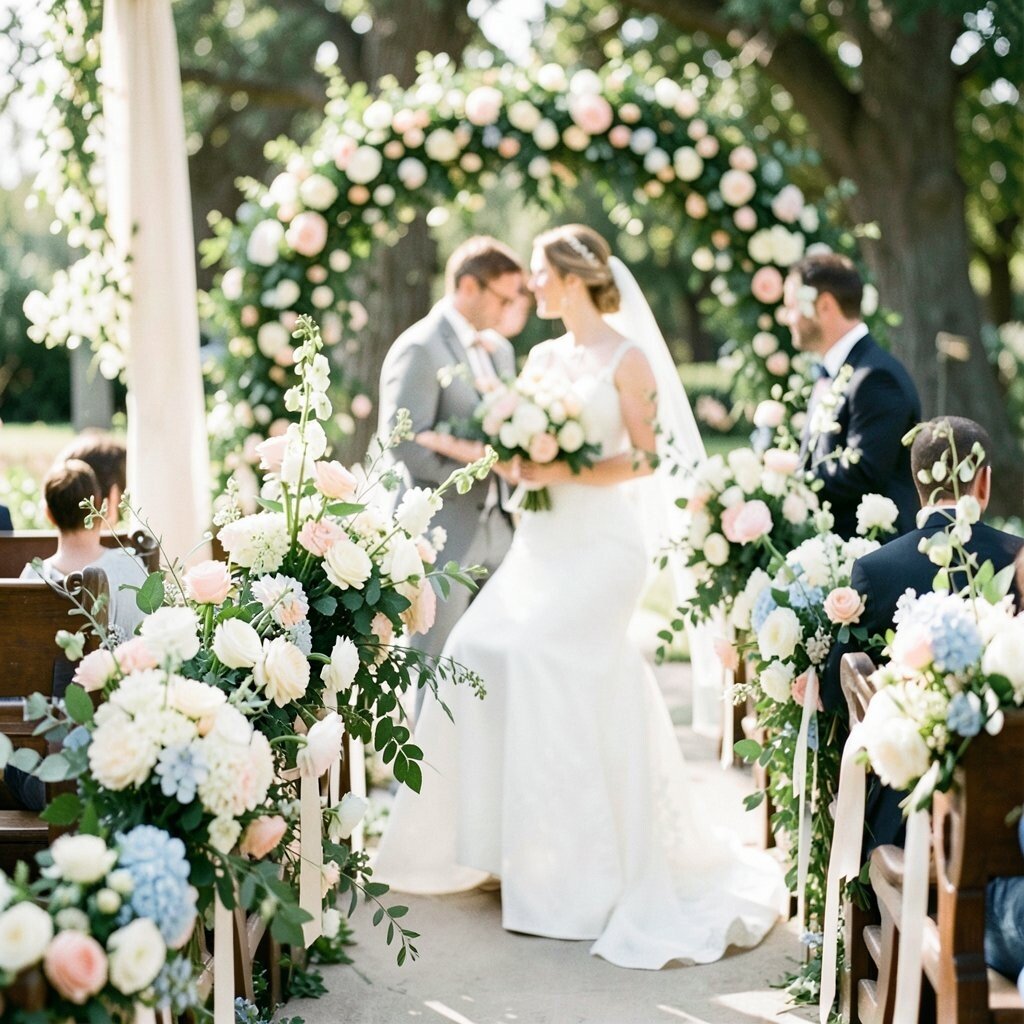
Bouquets and arch arrangements can feel like one-time purchases, yet delivery and labor shift the final price. Setup, breakdown, and transport take time, which vendors account for in their quotes.
Personalize with seasonal picks and a focused color story to reduce the need for multiple floral “types.” If you choose a design that supports your venue’s natural beauty, fewer pieces may still look rich on camera.
When the altar area looks balanced and lush, guests notice the care right away. You get more visual impact by investing in the places guests will actually look.
11. Programs, signage, and wayfinding are easy to forget
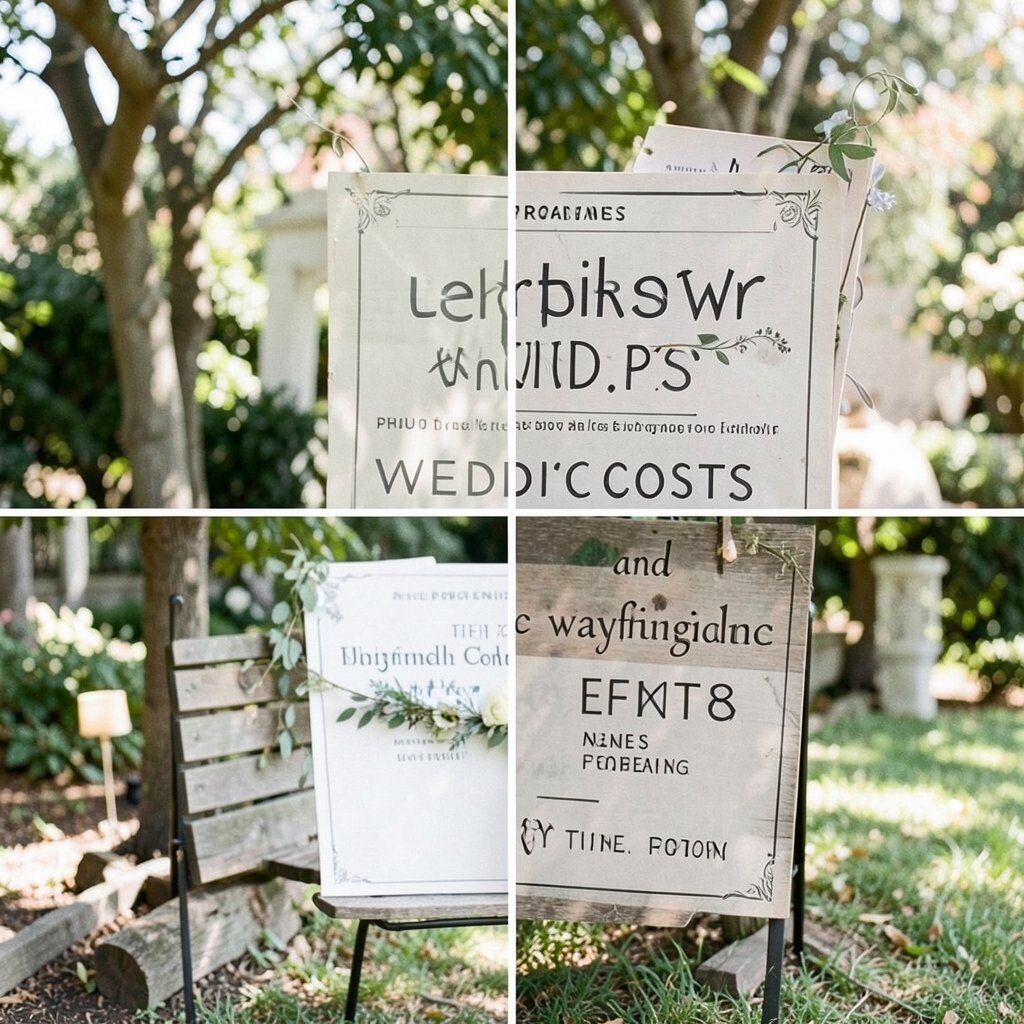
Guests need guidance, even when your ceremony feels simple. Programs, seating cards, escort signs, and direction markers can quietly become a cost center.
Design them to match your visuals while keeping them functional. Reusing one sign style across welcome, aisle, and ceremony spots can reduce printing and labor.
Clear wayfinding also helps the ceremony start on time, which protects the rest of your schedule. Less chaos usually means fewer last-minute purchases and fewer vendor changes.
12. Insurance might be required for certain ceremony setups
Some venues require event insurance, especially with rentals, open flames, or specialty structures. Even without dramatic elements, a venue might still ask for proof to cover accidents.
Factor insurance into your budget early so you can plan with confidence. The benefit is peace of mind for everyone, and it can prevent you from paying for emergency coverage later.
When your ceremony setup feels secure, you can focus on the vows instead of worrying about risk. That emotional win is real, even if it’s not visible in photos.
13. Aisle materials and decor choices affect both labor and cleanup
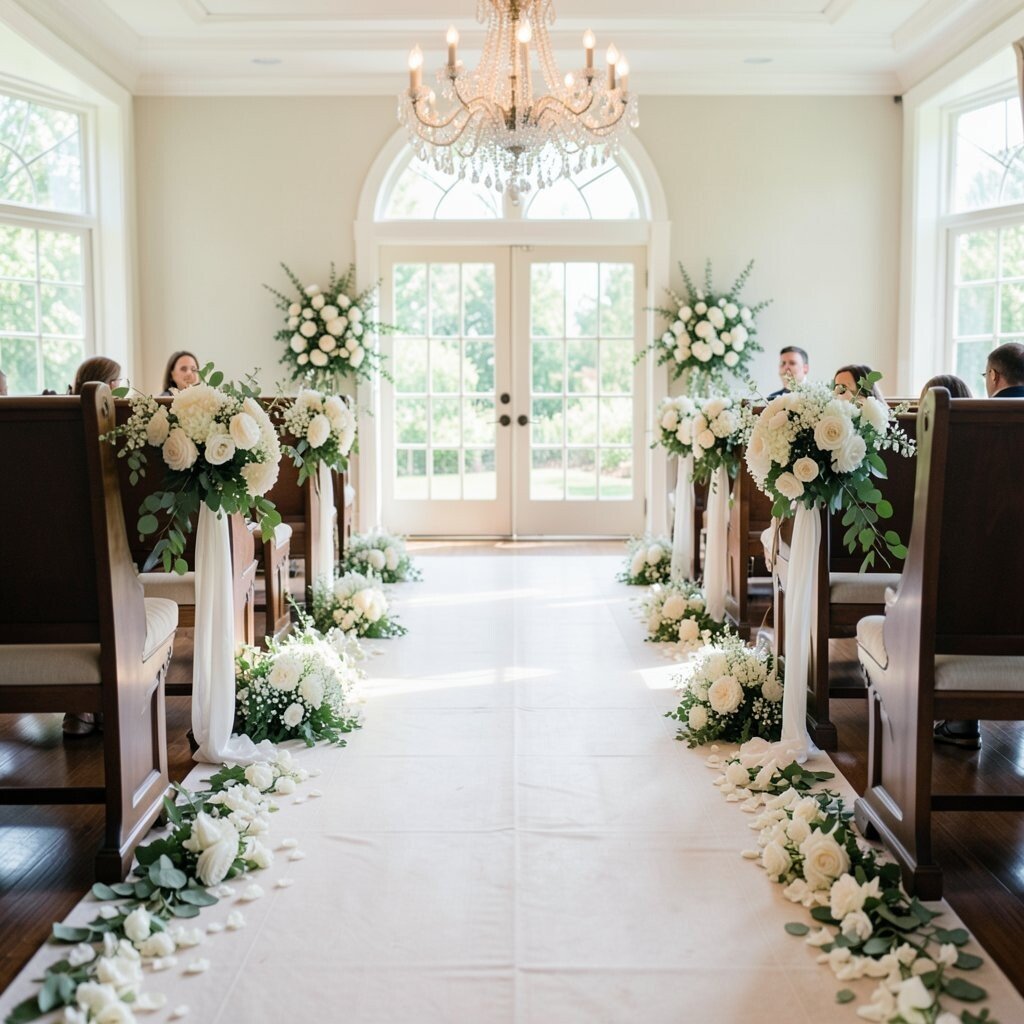
There’s a big difference between a simple aisle and one built with layers. Runners, petals, lanterns, or candles often require more setup time and careful cleanup afterward.
Choose decor that fits your cleanup capacity, especially if you want to reuse items. Many couples love the look of petals, but alternatives like reusable fabric or potted greenery can cut labor and make the after-ceremony moment easier.
When the aisle looks inviting and stays tidy, guests feel cared for from the first step. It also helps vendors finish on schedule so you’re not stuck waiting.
14. Rehearsal time can cost money when you book it separately
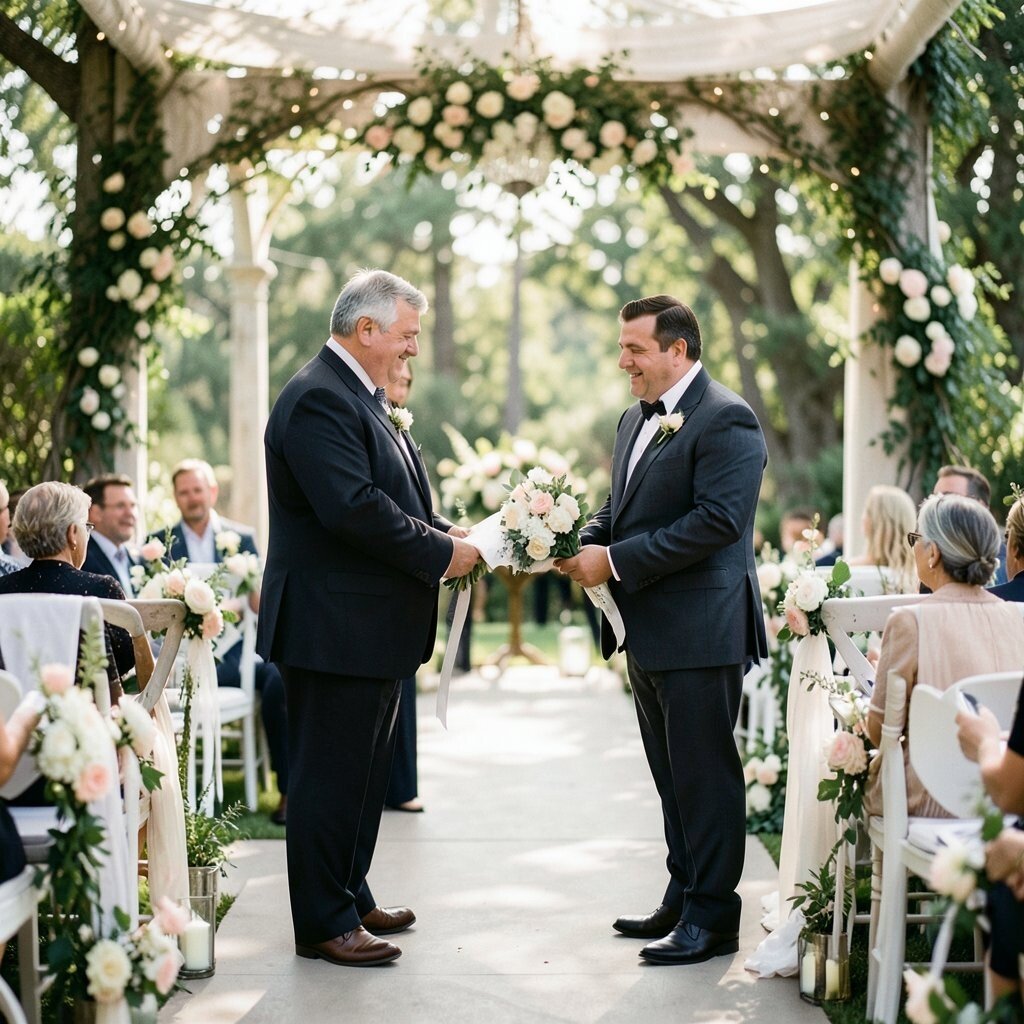
A rehearsal sounds small, but it can add rental fees and vendor charges. Some venues charge for rehearsal access, while some musicians or photographers bill by the hour.
If you want to reduce cost, ask whether rehearsal can be shortened or combined with another event window. Even a brief walkthrough for spacing can improve timing and reduce confusion during vows.
A smooth rehearsal helps everyone feel confident, which makes the ceremony feel more natural. That calm energy often shows in the way couples, families, and friends stand together.
15. Lighting and power needs can create surprising electrical costs
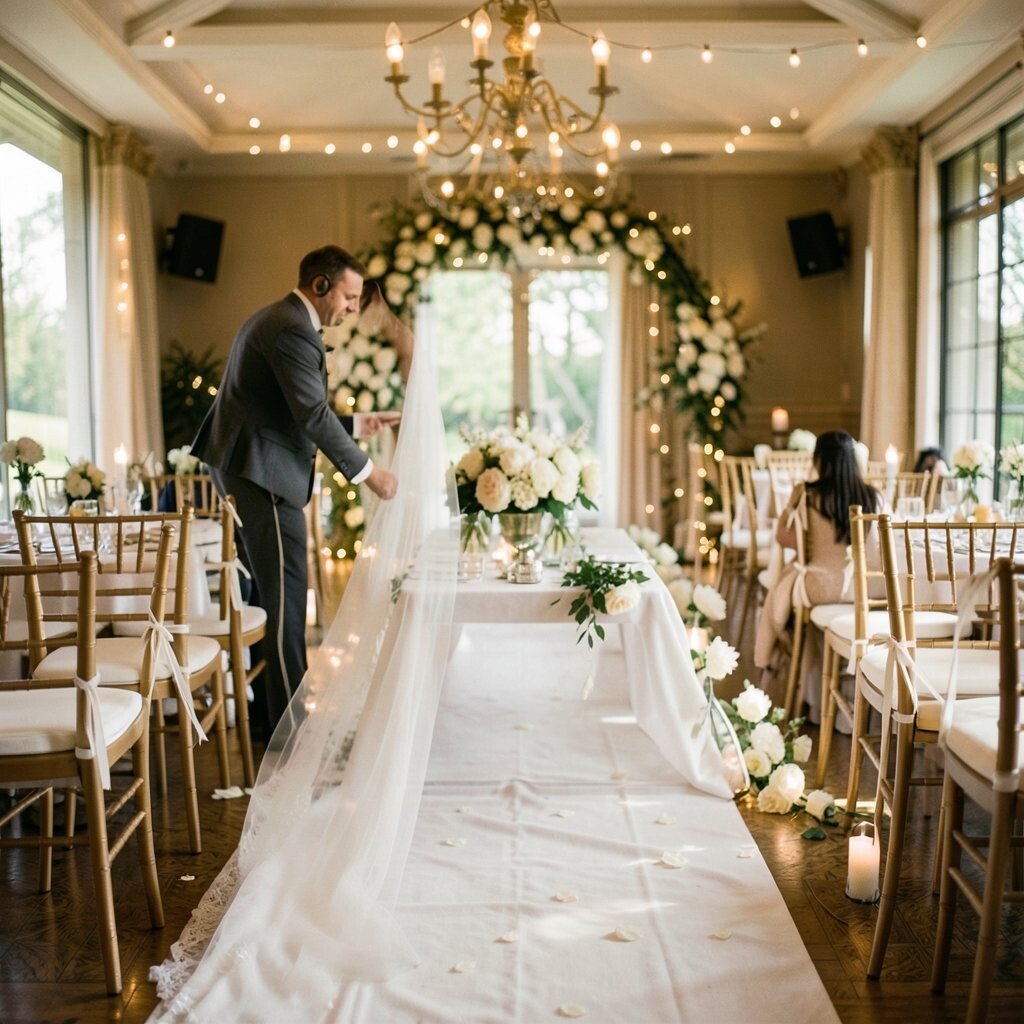
Ceremony lighting can look like “just decor,” yet it depends on power access and setup. If your venue has limited outlets, you might need extension cables, safe distribution, or backup lighting.
Ask who supplies power and who handles electrical labor. When the light hits your aisle gently and the focal point feels clear, the photos look intentional instead of washed out.
Strong lighting also makes guests more comfortable, especially during the darker evening hours. That comfort is a practical benefit, not just a mood boost.
16. City permits, vendor rules, and load-in procedures change costs
In busy areas, load-in windows and vendor access rules can add labor charges. Some venues require specific arrival times for trucks, and late arrivals can mean extra fees.
Plan your timeline by thinking like logistics, not just like ceremony. When vendors can move in smoothly, you pay for productive time rather than stalled time.
You’ll also get a cleaner visual setup, because items arrive to the right places quickly. That saves money while keeping your ceremony space looking crisp.
17. Taxes and service charges can reshape your final total
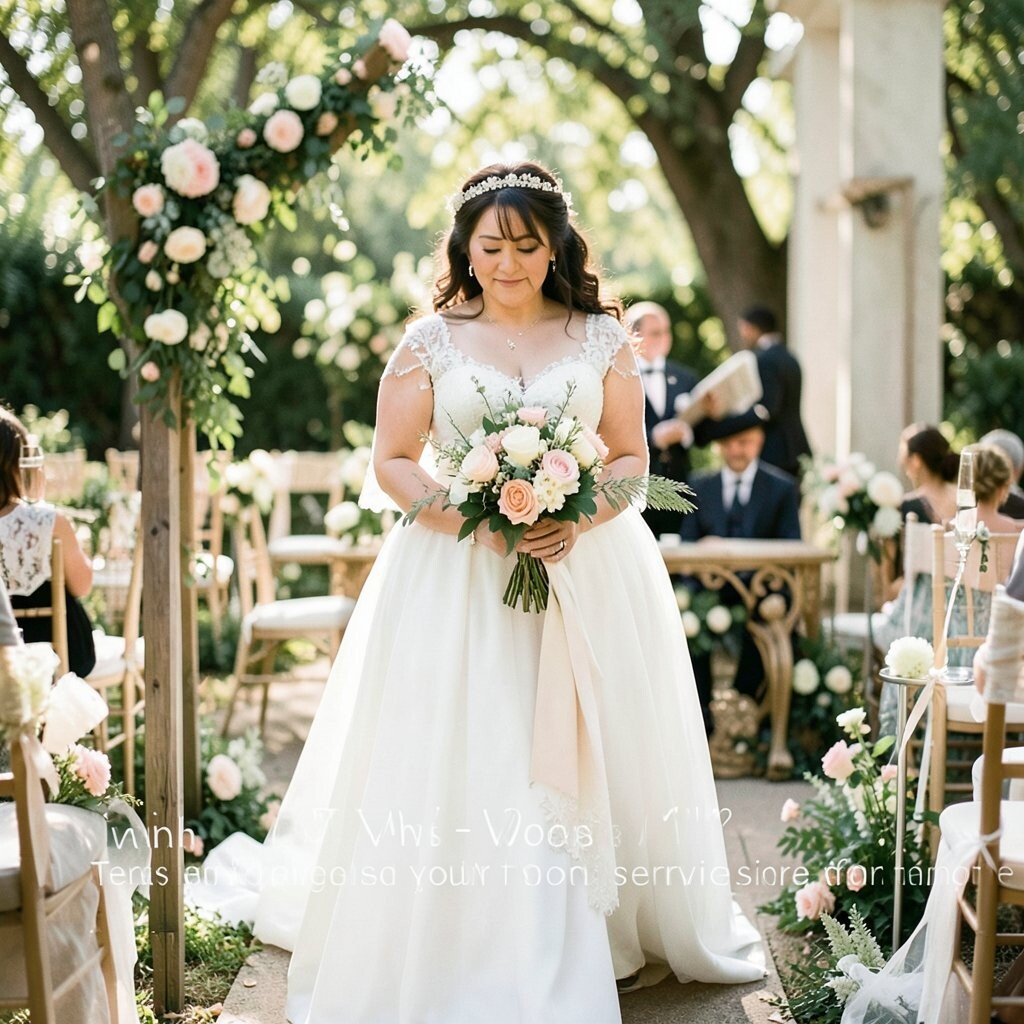
Even when you budget correctly, taxes and service charges can change what you actually pay. Different items may have different rates, and some costs are calculated after discounts.
Request itemized quotes and read what’s included in each line. This helps you spot fees that apply to ceremony-related services, like rentals, delivery, and labor.
When you understand the math, you can make smarter choices, like upgrading one meaningful element instead of spreading money too thin. Budget clarity also makes it easier to negotiate with vendors.
18. Add-ons feel optional, but they often protect the ceremony experience
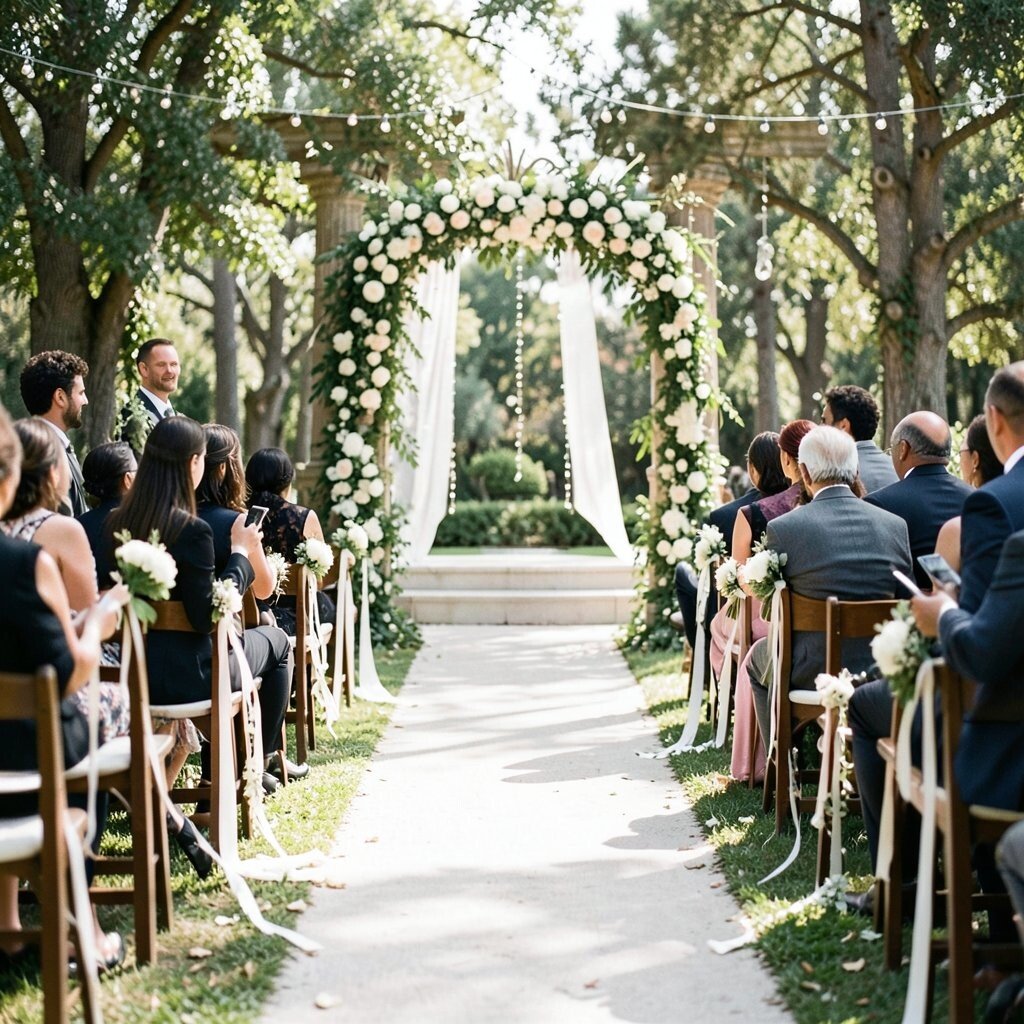
Extra services like a coordinator, a backup plan, or an extra assistant can seem unnecessary at first. Yet those supports can prevent delays and keep guests comfortable.
If you want personalization that doesn’t turn stressful, consider hiring help for the day-of timeline. A coordinator can also manage small details like greeting flow and vendor check-ins, so your ceremony runs on pace.
19. Choosing a ceremony style can lower cost while raising impact
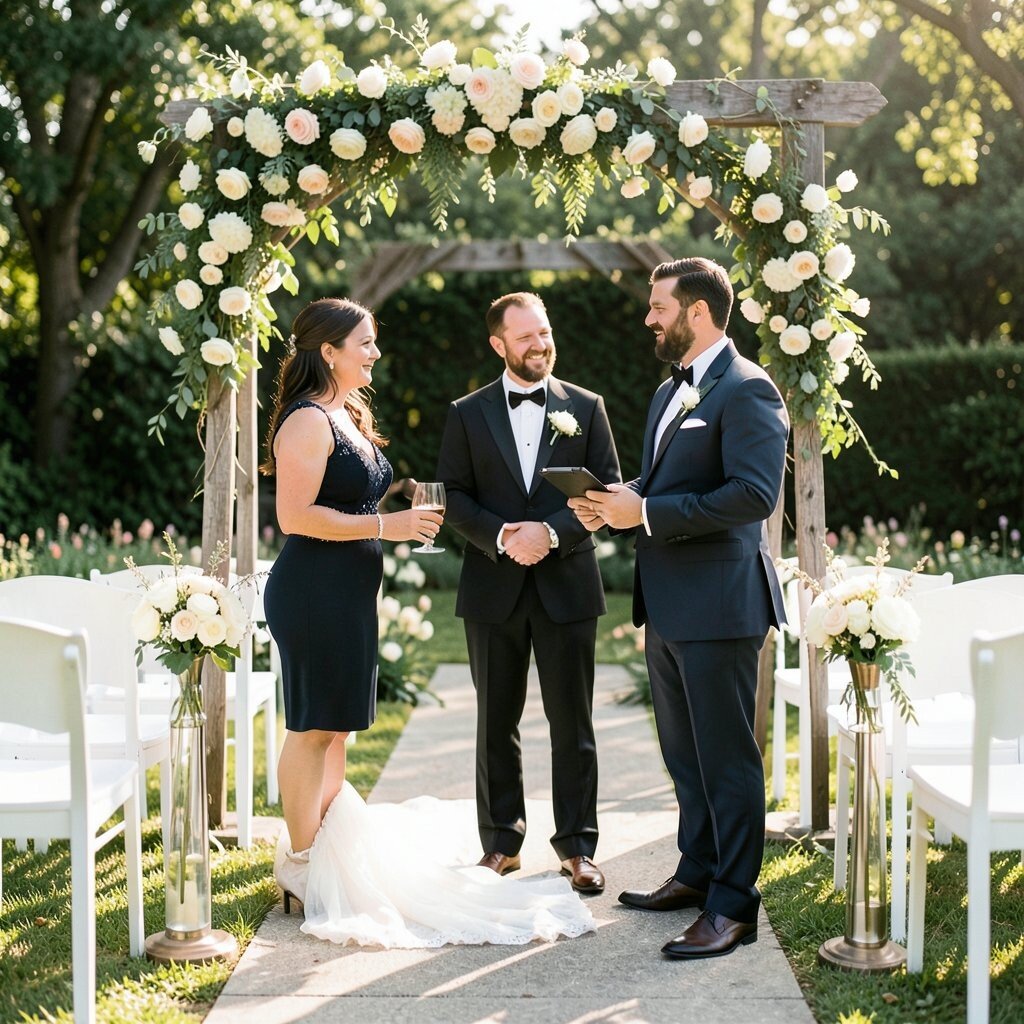
Your ceremony style decides what you need, from rentals to staffing. A minimalist setup may reduce floral and decor, while a more elaborate arch may require extra labor and structure.
Pick a theme that matches your natural setting, like using greenery in a garden or simple candles in a cozy hall. Then personalize through vows, music, and family involvement, because those pieces often feel priceless without heavy material costs.
When the style fits the space, everything looks richer, not busier. You end up with a ceremony that feels uniquely yours and stays within your budget.