
The rehearsal can feel small compared to the big day. But it quietly decides how calm and confident everything feels when guests are watching.
Most couples plan every detail, yet a few practical surprises still slip through. Once you know them, the walk from “almost right” to “perfectly natural” gets much easier.
1. The First Run-Through Is About Feel, Not Perfection
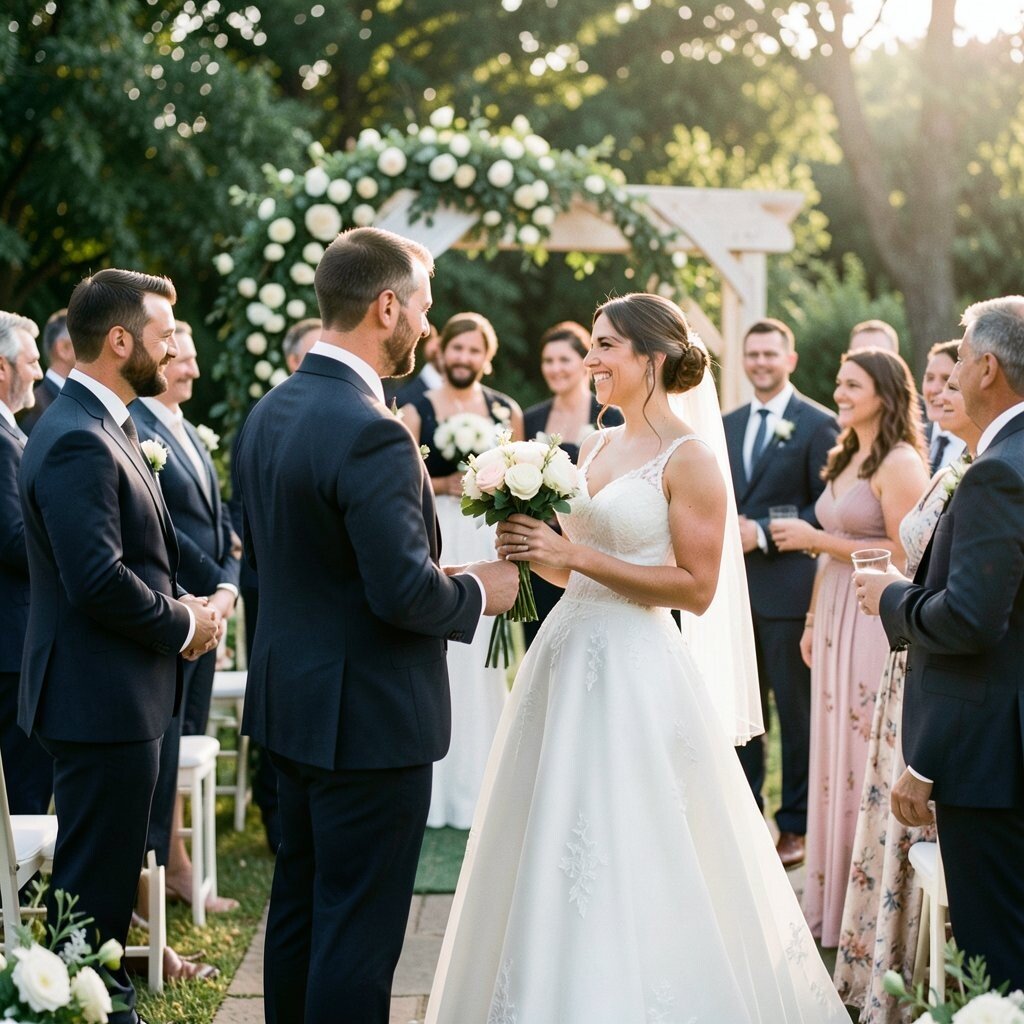
On rehearsal day, the ceremony space can look completely different in motion. You might notice the way light hits the aisle, how sound carries from the front, and where people naturally hesitate.
Instead of aiming for flawless cues, focus on comfort. When the couple, officiant, and wedding party get a shared rhythm, the big day feels less like a script and more like a story. This approach reduces stress because everyone knows what to do with their hands, feet, and faces as they walk.
2. Your Aisle Length Can Create Hidden Timing Problems
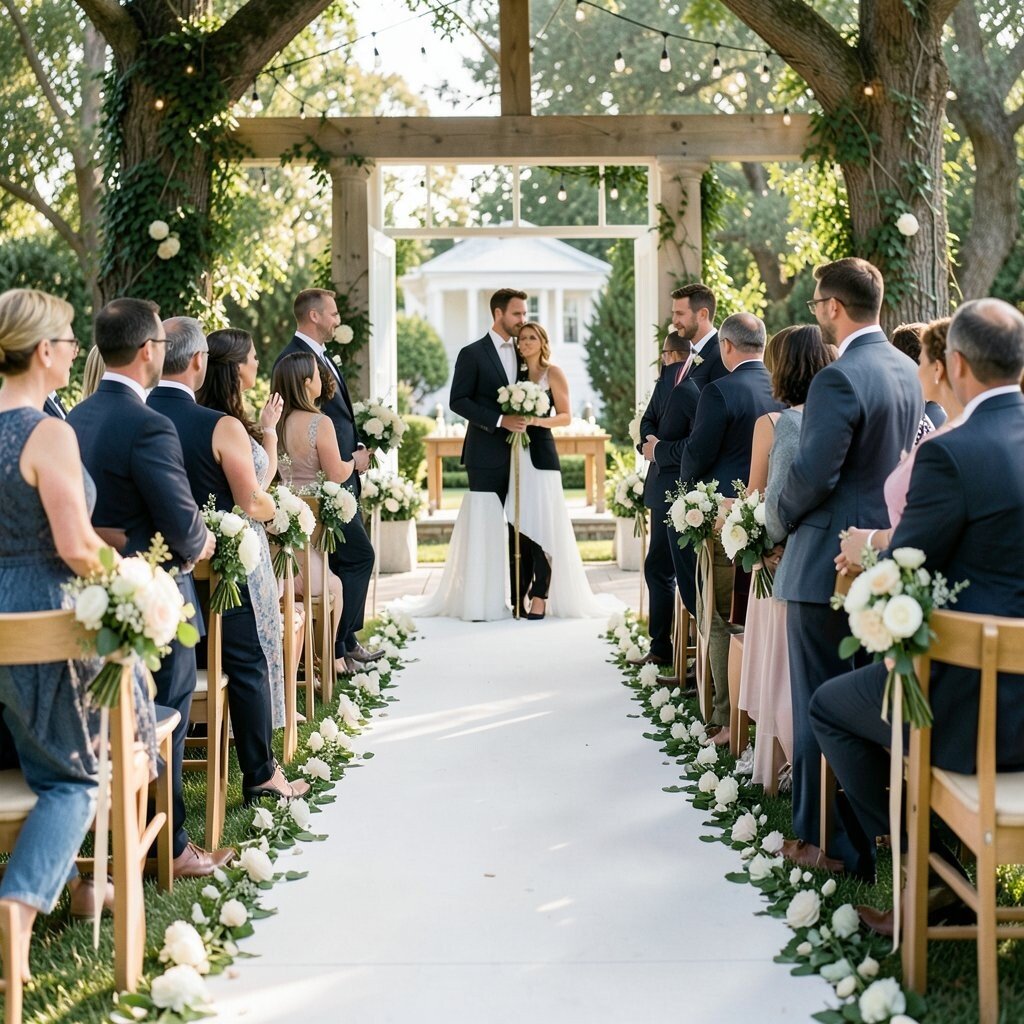
Even if you know your ceremony start time, walking distances can change everything. A long aisle often turns into a slow shuffle when shoes pinch, dresses snag, or guests lean in closer than expected.
Time the exact steps during rehearsal, including the pause for photos. Then adjust entrance spacing so the wedding party doesn’t bunch up near the front, which also helps the officiant keep a steady pace.
For personalization, you can build micro-moments into the walk, like a brief hand wave to a specific family group. Keeping those gestures consistent helps people remember where to look and how to move without losing timing.
3. Micro-Details Like Seat Rows Can Make Guests Confused
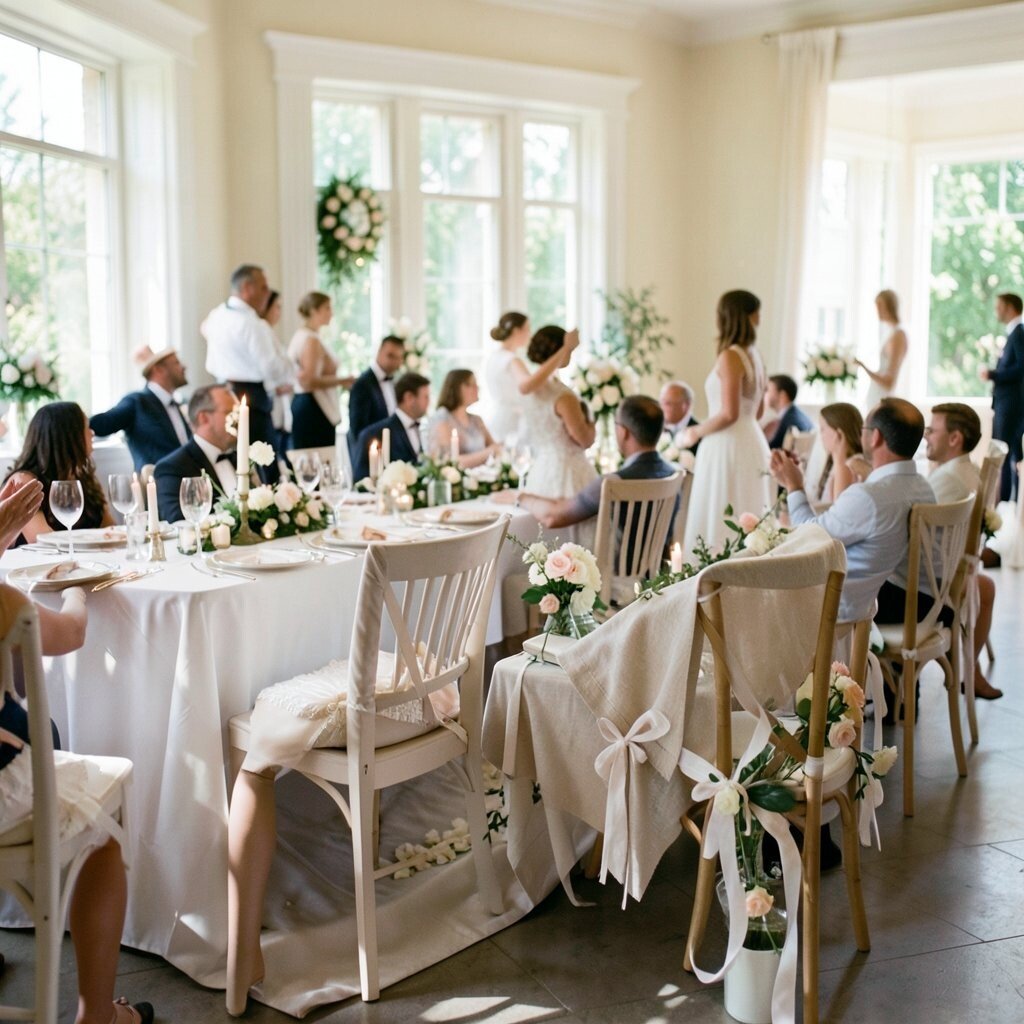
Rehearsals show you how seating actually works once people start walking past each other. You may realize that the row number system your coordinator uses doesn’t match how guests read the room.
Try a quick test during rehearsal by having someone guide a few volunteers from the aisle into seats. When guests don’t have to think too hard, you get a smoother start and fewer last-minute questions.
You can also personalize the flow by placing program signs where they’ll be noticed without blocking sightlines. It’s a small change, but it can make guests feel welcomed instead of rushed.
4. The Officiant Needs a Clear Map of Who Hands What to Whom
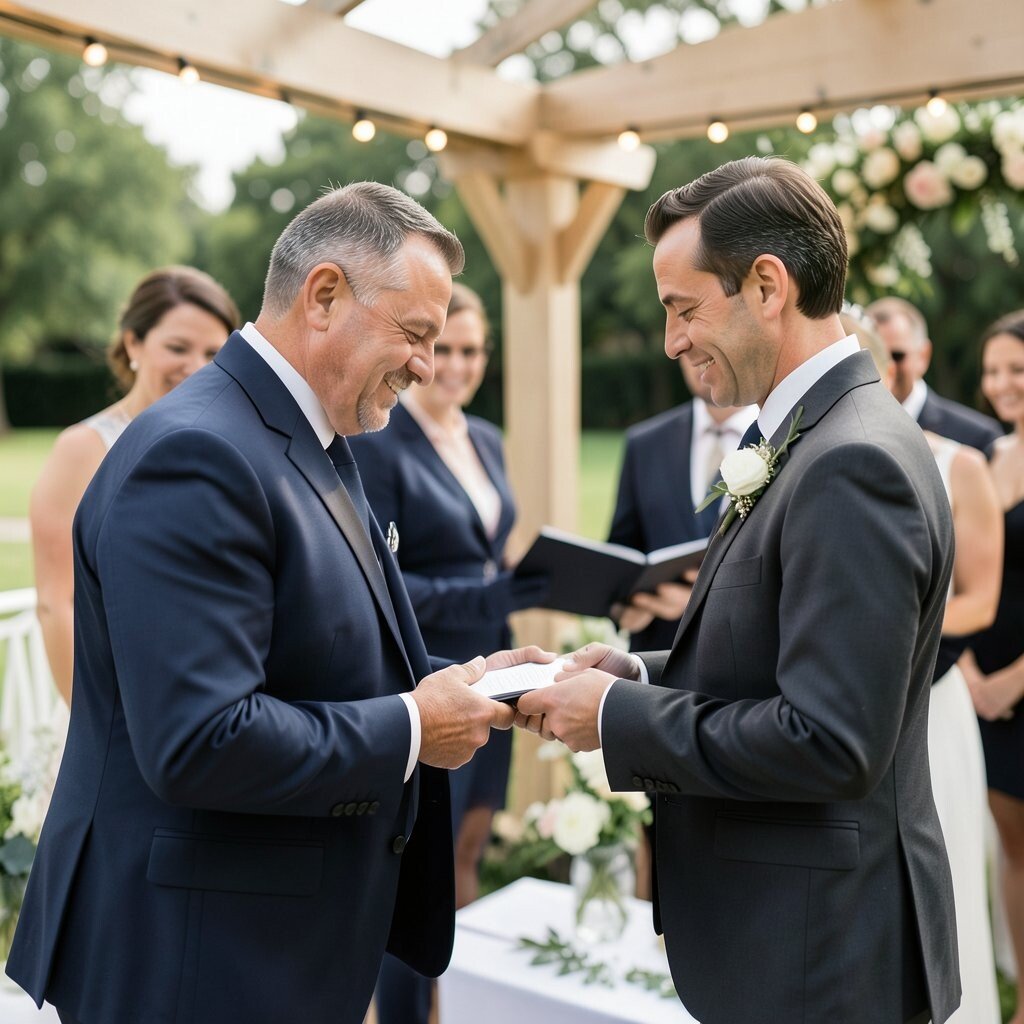
Many ceremonies depend on passing items, like rings, a unity candle, or a scripture book. During rehearsal, make sure the officiant knows who will bring each piece forward and who will take it back.
Walk through every handoff slowly so nobody is searching for a missing ring pouch or trying to figure out where the candle belongs. When the officiant has a clear plan, the moment feels calm and confident for everyone watching.
5. Sound Checks Are About More Than the Microphone
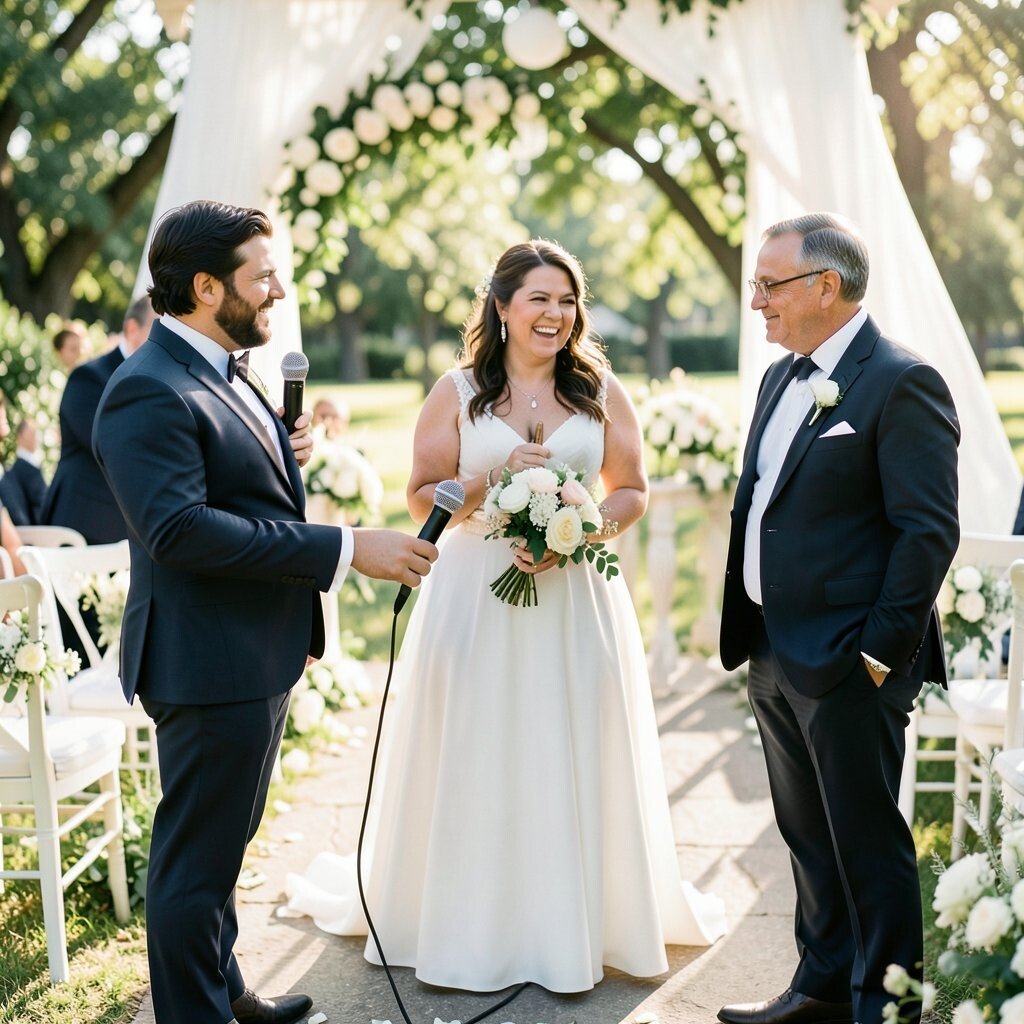
In a sanctuary, backyard, or rented hall, acoustics can surprise you. During rehearsal, you’ll hear how your voice sounds down the aisle and whether guests in back miss key words.
Do a quick sound check with the officiant standing in the same spot they’ll use on the day. Test music volume too, including how long the track runs before the next cue, since timing gaps feel bigger in real spaces.
If you want a personal touch, use natural spoken cadence that matches the room. A slower delivery often sounds clearer in echo-heavy spaces, and it can make the ceremony feel more intimate rather than amplified.
6. Parking and Arrival Rhythm Change the Ceremony Start More Than You Think
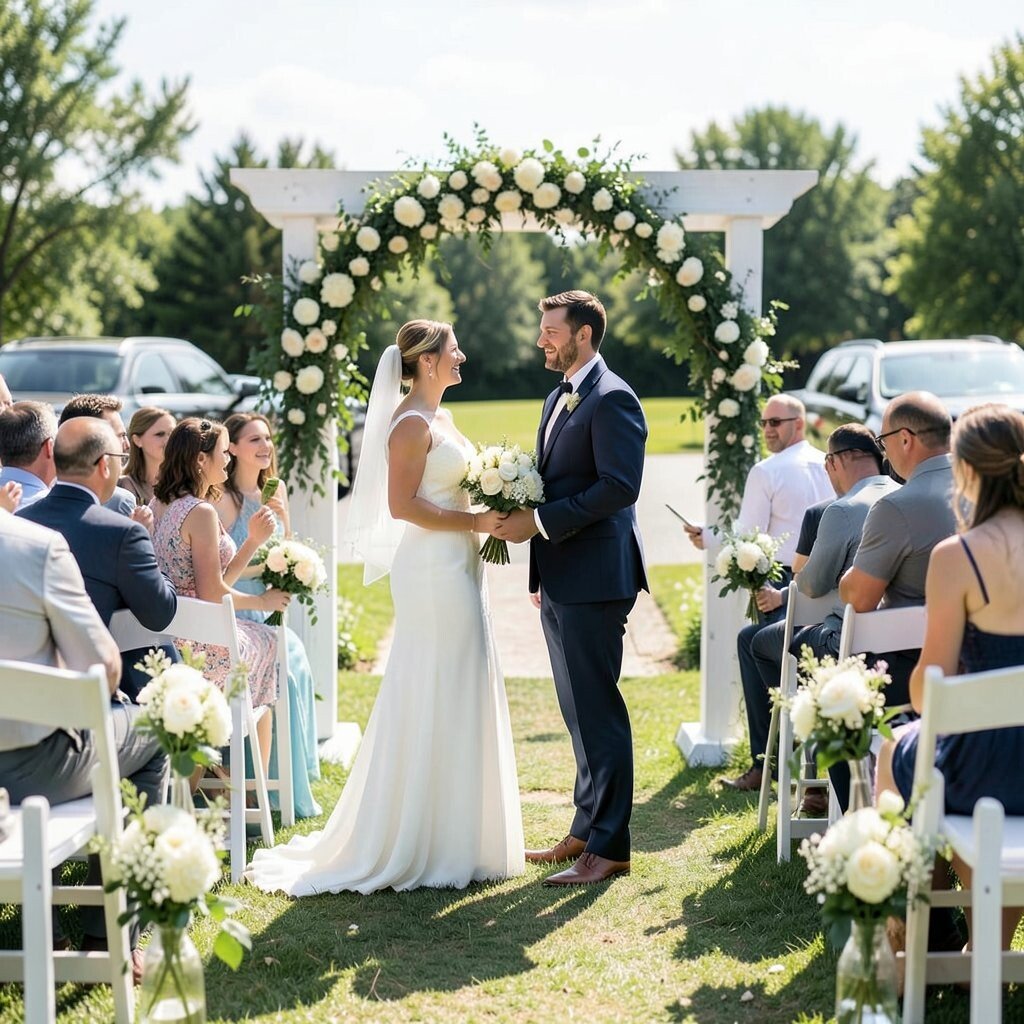
The ceremony start time is not only about the ceremony. It depends on who arrives early, who gets stuck in traffic, and how fast people can find their seats or dressing areas.
Create a realistic arrival plan during rehearsal by pretending the big day has already begun. When you rehearse the route from parking to the holding area, you can spot bottlenecks like narrow gates, confusing doors, or long walks in heels.
Personalize your plan by matching it to how your guests travel. If family members arrive in groups, stagger the walking so nobody ends up clustered at the wrong entrance, which helps your team stay relaxed.
7. Your Wedding Party’s “Where Do I Stand?” Moments Need Practice
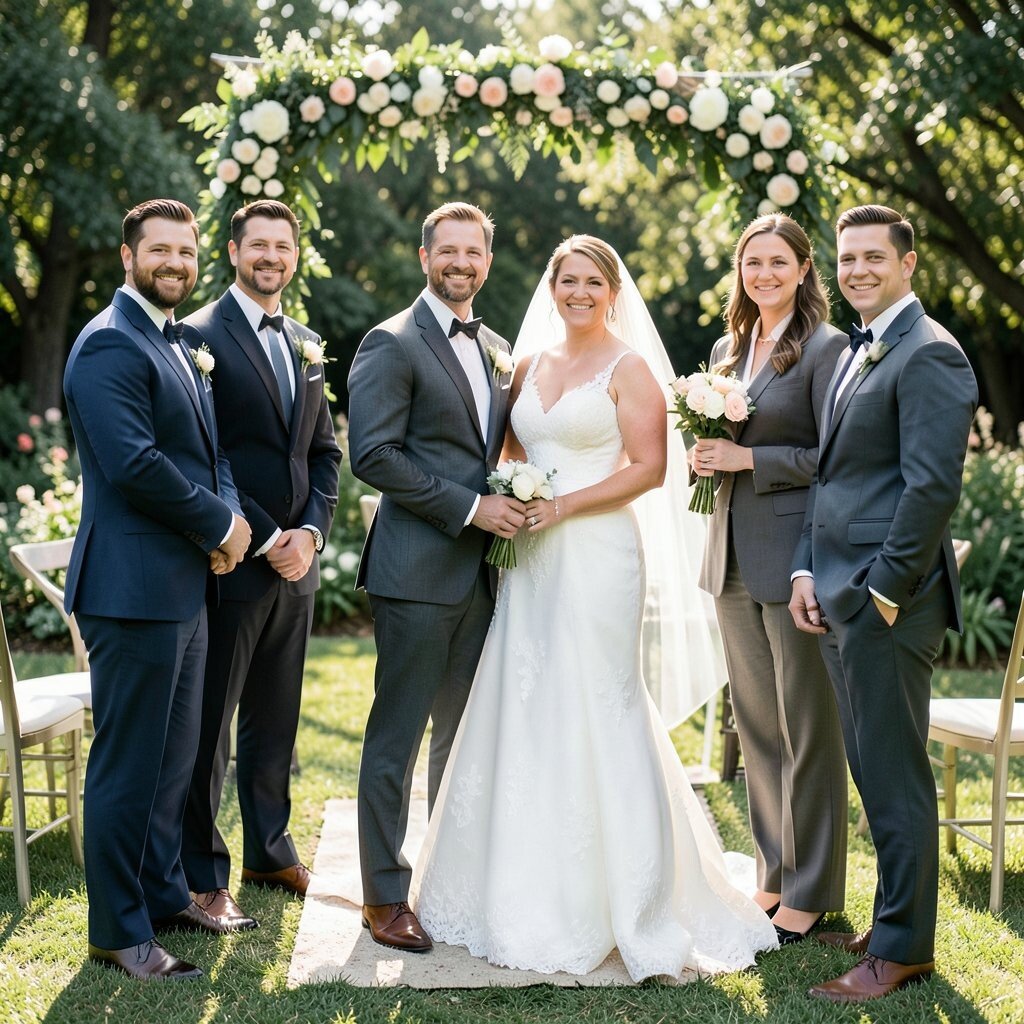
Some positions look obvious in your imagination, but they can feel unclear in real life. Rehearsal is when you notice how far apart people should be so photos don’t show awkward gaps.
Have your wedding party stand in place during rehearsal while the officiant says a few lines. When everyone practices the exact posture, the ceremony feels smoother and less like people are trying to remember instructions while performing.
8. Flower Girls and Ring Bearers Benefit From a Gentle Exit Plan
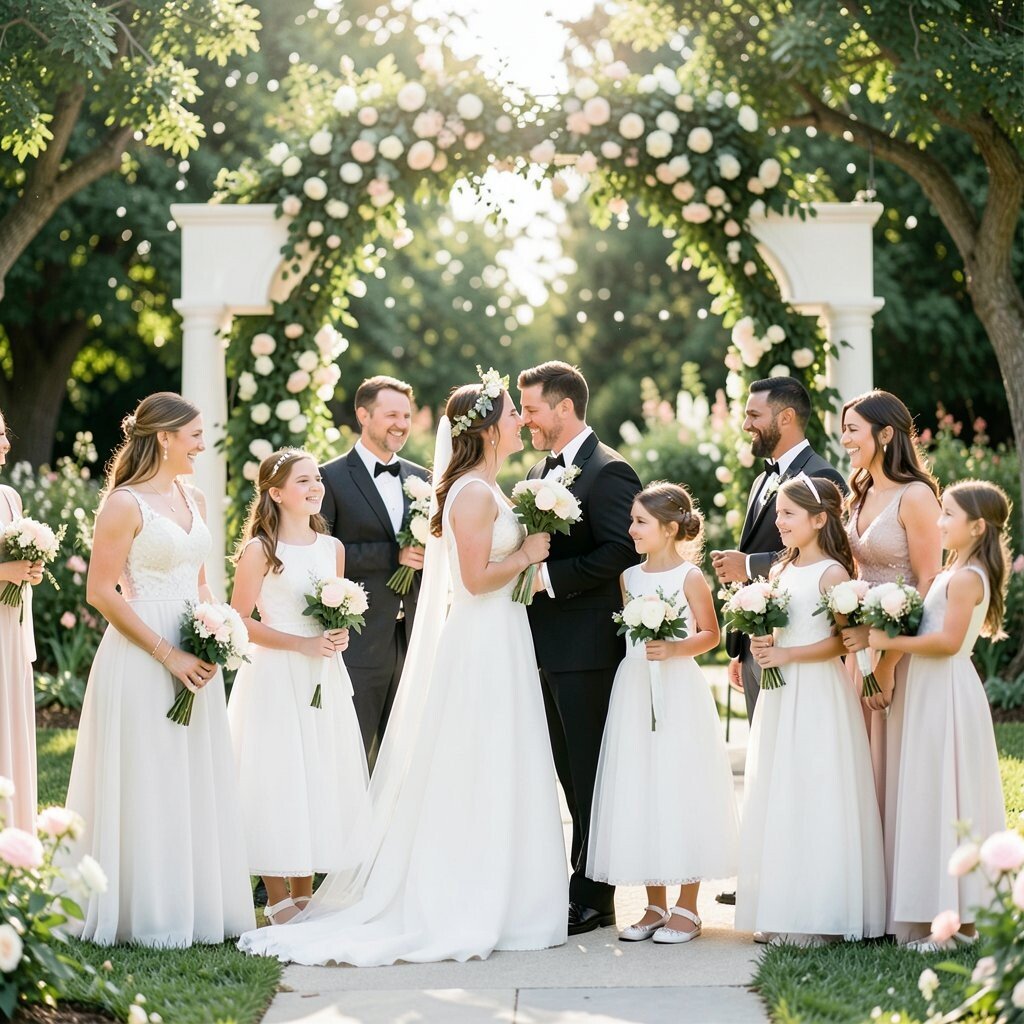
Kids often do their best work when they aren’t thinking about the next move. During rehearsal, practice both arrival and exit so they can transition without panic.
Ask a parent or trusted adult to know where to stand during the moment, because children sometimes look away at the wrong time. When you plan a calm path out, you reduce stress for everyone and keep the ceremony’s mood sweet and natural.
9. The Holding Area Can Become a Stress Trap Unless You Coordinate It
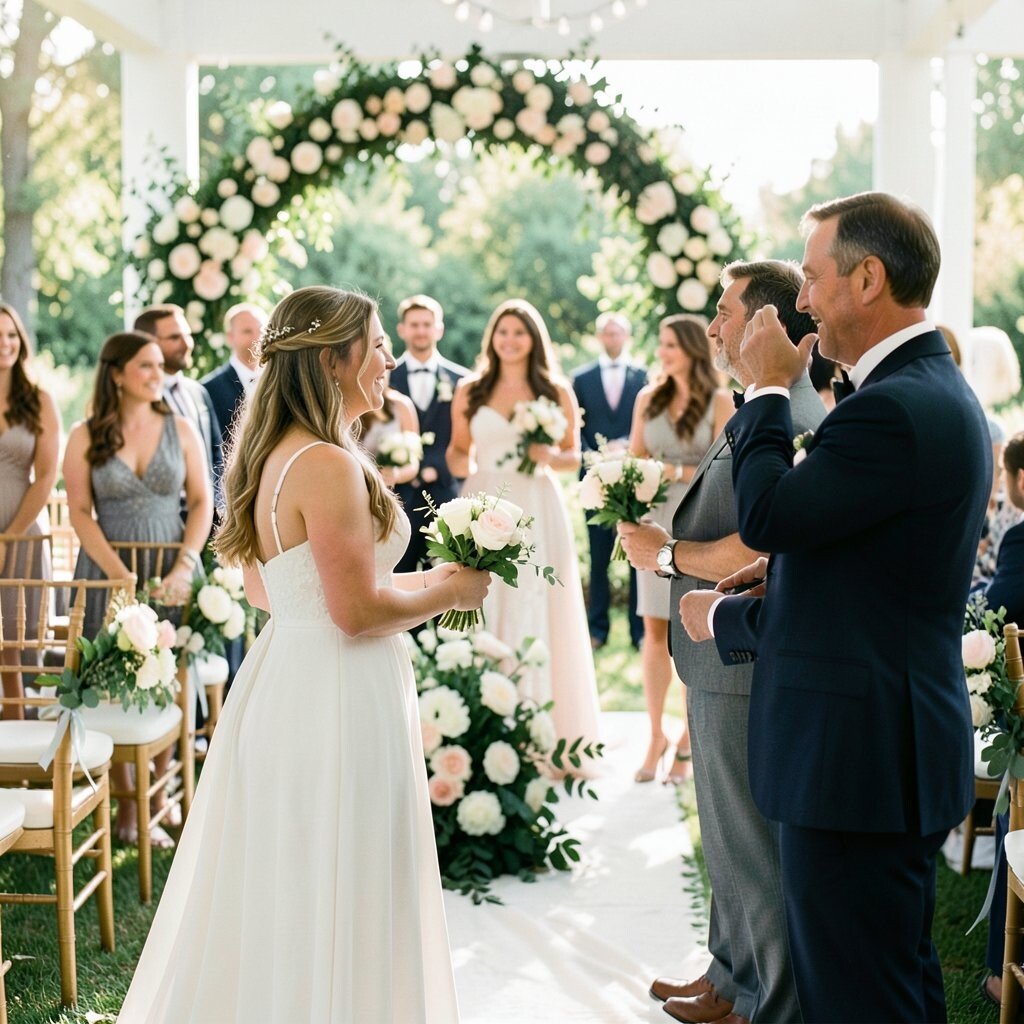
Many couples focus on the front of the ceremony, but the waiting spot can be where anxiety gathers. If people can’t find water, can’t sit, or keep crossing paths, energy gets tense before anyone even walks.
Use rehearsal to check the holding area layout. Make sure there’s room for the couple, wedding party, and any helpers to move in an organized way, and keep a small spot for touch-ups like blotting papers, safety pins, or extra hair ties.
It’s also a good moment for personalization, like setting a quiet playlist for the couple to hear while they wait. If your venue allows it, keeping a familiar scent nearby can help nerves settle and make the waiting feel like part of the celebration.
10. Weather and Venue Conditions Need a Real Plan for the Backup Space
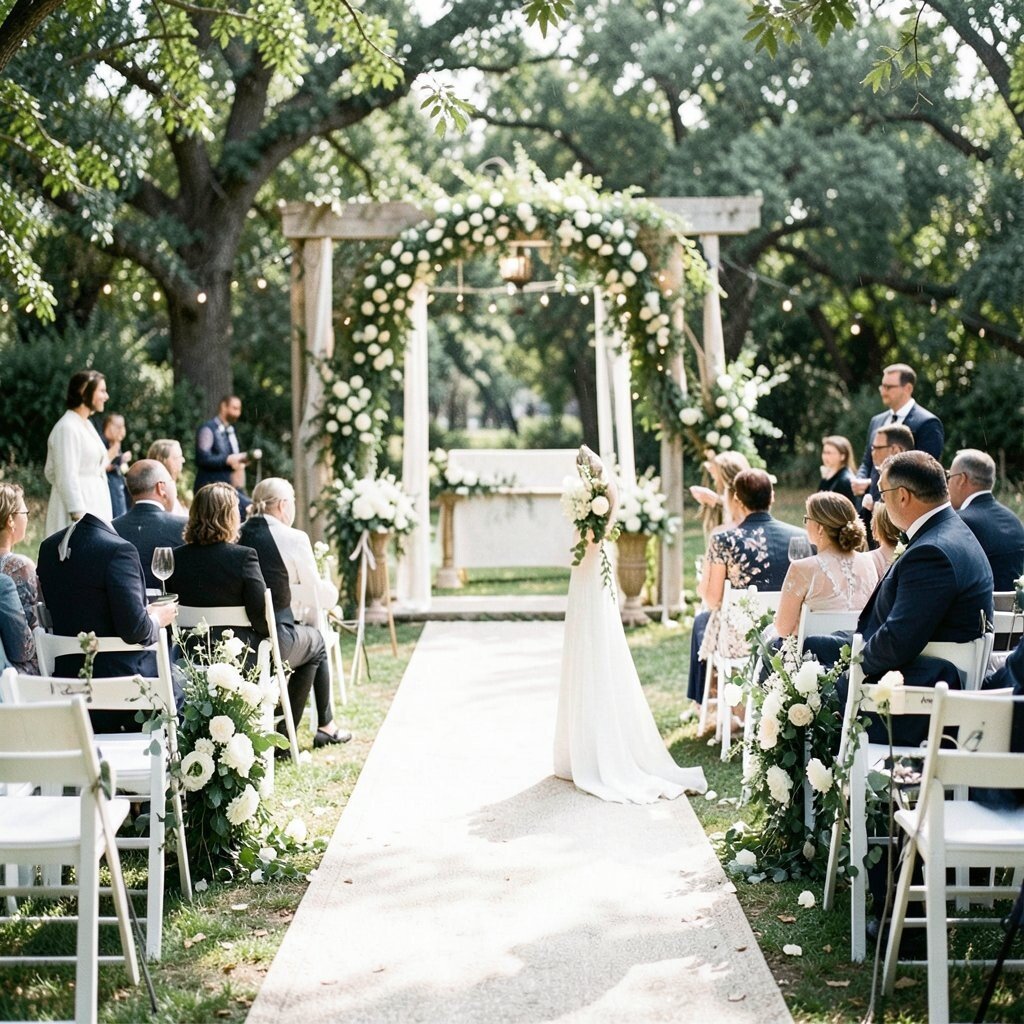
Even in calm forecasts, wind, sun glare, or sudden shade can change how everyone experiences the ceremony. Rehearsal helps you notice where shadows fall across faces and where hair and fabric might catch.
Discuss a backup plan during rehearsal with your team so you’re not scrambling on the day. Whether the backup involves an indoor spot or a different corner of the garden, having a map and a cue order keeps you in control.
11. Timing the Music With Walking Speeds Makes the Whole Ceremony Feel Seamless
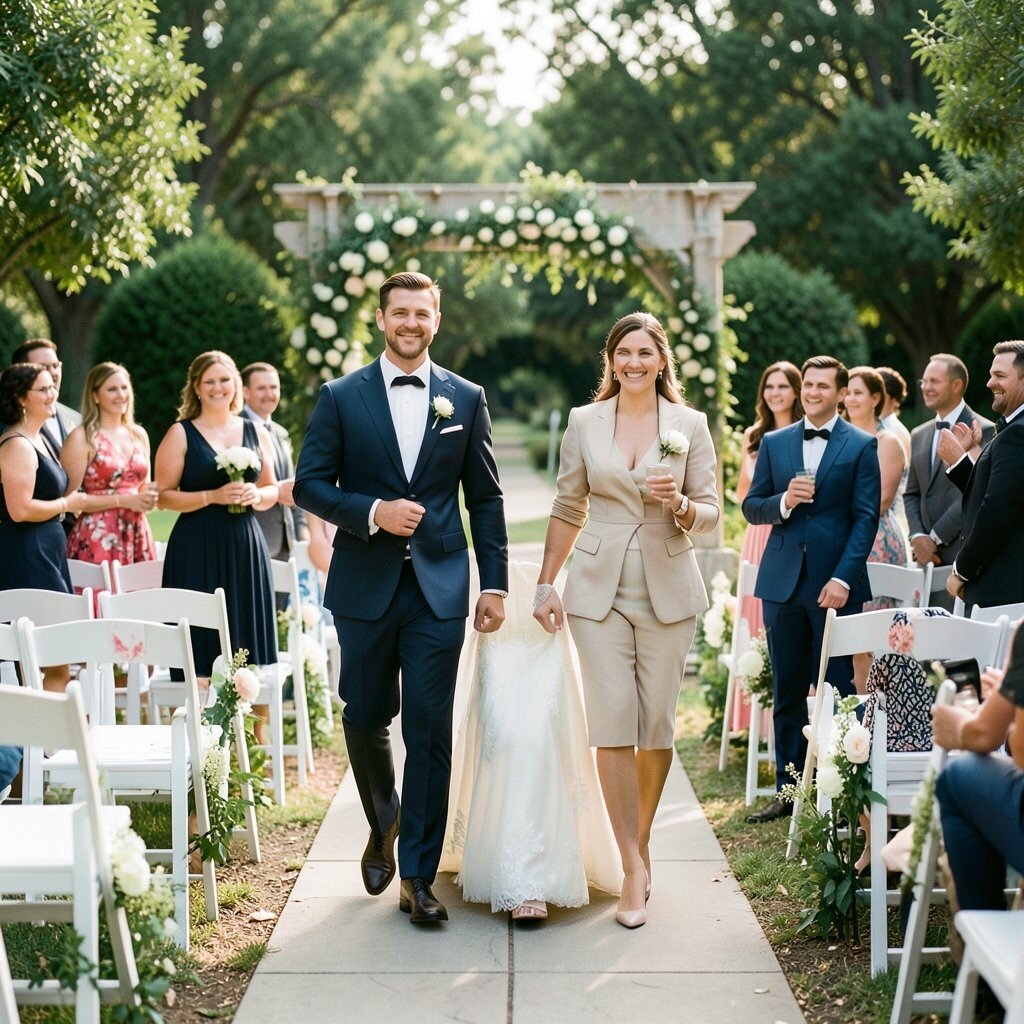
It’s common to pick song versions, but rehearsal reveals whether the start of the track actually matches your pace. People walk differently when they’re nervous, and the difference shows most clearly at the entrance and processional pause.
Test your cue timing by starting music at the exact moment the first person begins walking. Then adjust the cut points so the sound lands where it should, which helps guests follow what’s happening and keeps the ceremony from feeling rushed.
12. Small Budget Choices During Rehearsal Can Prevent Big Day Worries
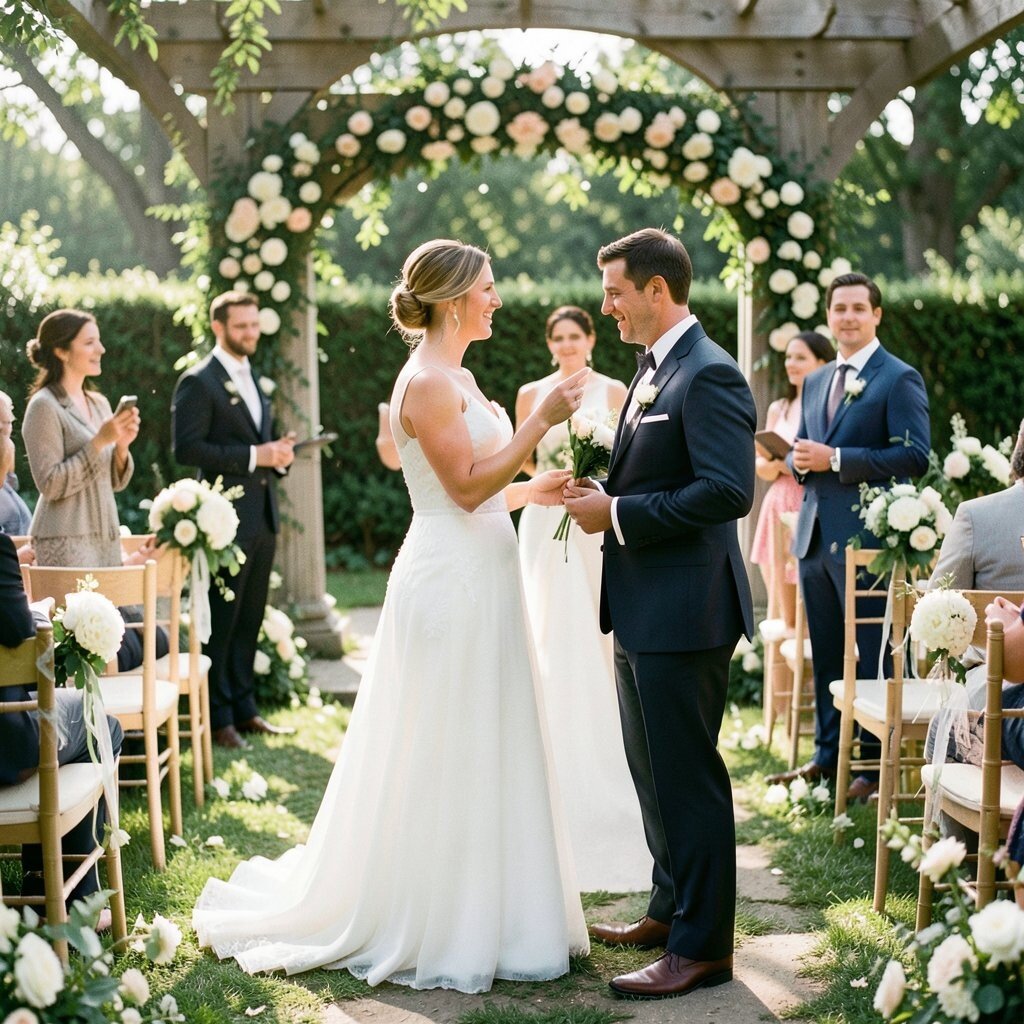
You can spend money in ways that prevent stress instead of chasing perfection. For example, rehearsal time might show that you need extra safety pins, a second microphone pack, or a simple fan for hot outdoor spaces.
Consider the cost of convenience by budgeting for rehearsal essentials like a reliable speaker test, printed cue cards for the team, or a clear set of labels for bins containing unity candle items, ring boxes, and programs. When you buy fewer “maybe” items and more practical ones, you get a smoother day without overspending.
Personalize your approach by choosing a few upgrades that fit your vibe, like comfortable shoes for the walk or a small lapel mic for the officiant if acoustics are tricky. These changes can feel like luxury, yet they often cost less than you’d expect when you compare them to the stress they remove.