A garden wedding feels effortless until you try to plan one. The good news is that small choices can make it feel magical and smooth.
The less obvious details are usually the ones that decide whether guests remember the day as cozy, calm, and beautiful.
1. Start with your weather reality
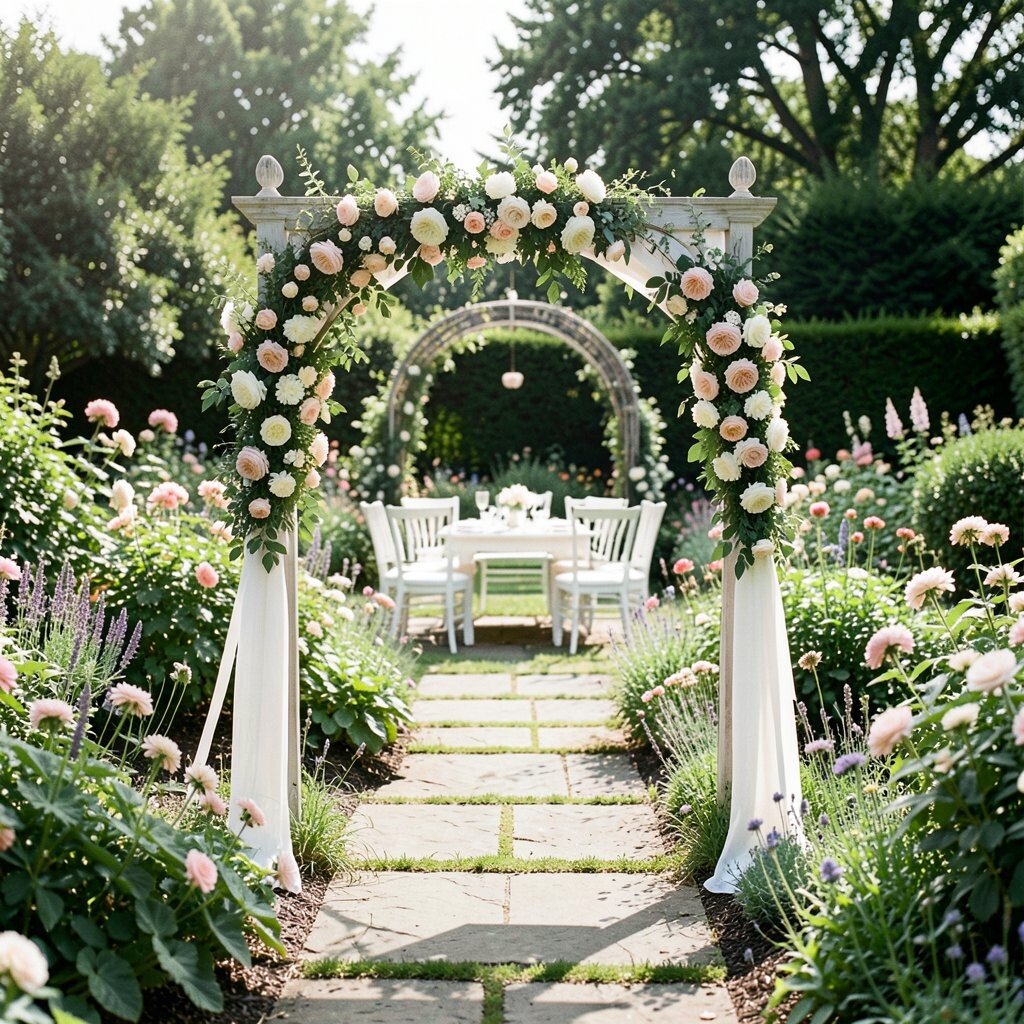
Think about your exact garden spot at different times of day, not just the forecast. Sun can become shade in a hurry when clouds roll in, and shade can turn into chilly wind when the sun drops.
Choose flexible options like clear umbrellas for photos and a simple indoor plan for dinner, even if you keep it informal. When you know where guests will stand, you can add seating, fans, or warm wraps so comfort stays high.
2. Measure twice, walk the path
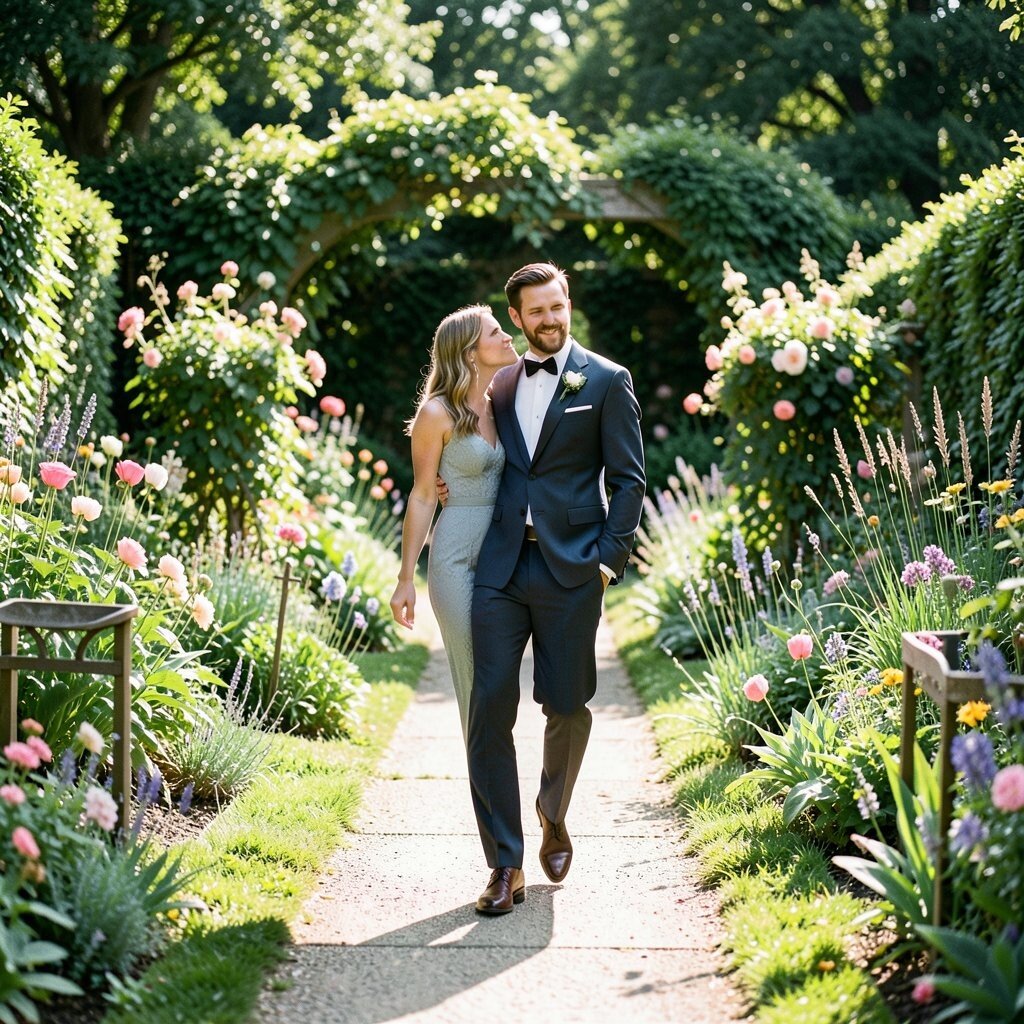
Walk the aisle like a guest, including heels, stroller wheels, and flowing skirts. A beautiful path can still be uneven, and one hidden dip can cause slow moments or awkward navigation.
Mark off where people will sit and where staff will move so you do not trap anyone with a crowd. It helps to lay down temporary fabric runners or use flat stones so the walk feels steady.
For a more personal touch, place small flower pots along the sides so the path looks cared for instead of crowded with rules.
3. Plan for bugs like you plan for vows
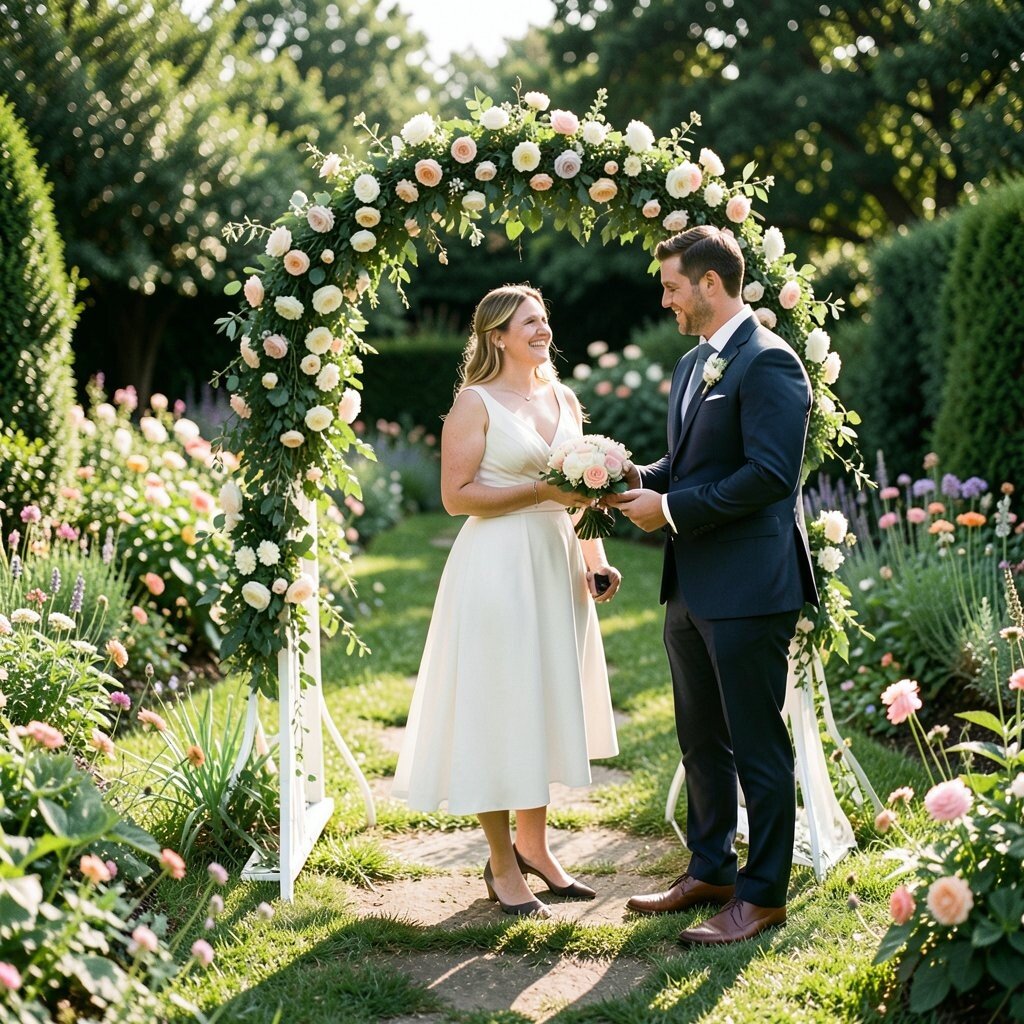
You want guests to focus on each other, not on swatting. Even a lovely garden can host mosquitoes and gnats, especially near water features or tall grass.
Set out discreet citronella candles, use screened lighting, and keep the food area tidy so pests are less interested. Staff can place fans near the dance area because moving air makes bugs less comfortable.
Offer a small kit in the restrooms or welcome area with bug spray and after-bite care so nobody feels stuck. It is a quiet kindness, and it reduces stress for you, too.
4. Choose shade and lighting that flatter faces
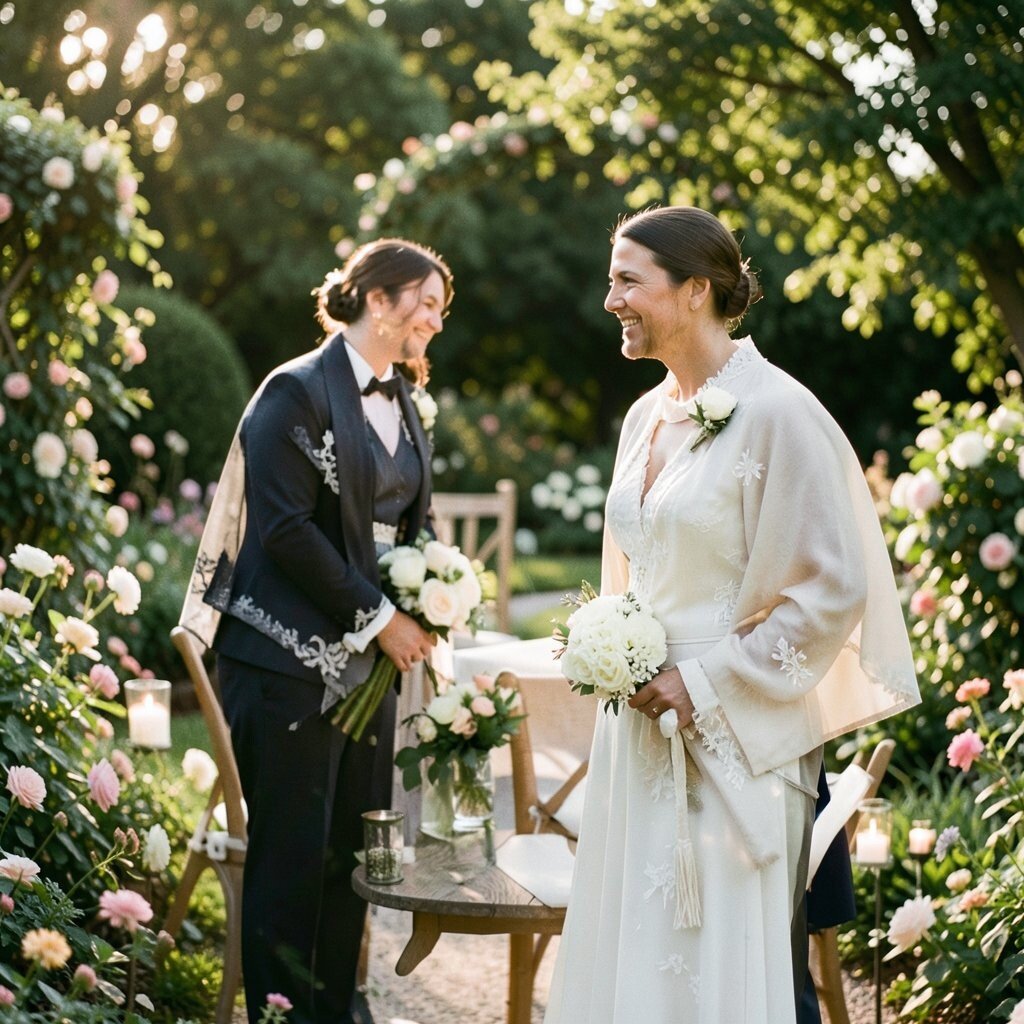
Garden light can be stunning, but harsh sun can wash out skin and make photos look flat. In late afternoon, dappled shade is gorgeous, yet it can also create dark patches if the ceremony is too close to tree trunks.
Work with your photographer to pick a spot where light hits faces evenly and where you can control shadows with simple positioning. If you will have evening moments, plan soft string lights or lanterns on stable stands so the glow feels warm instead of glaring.
5. Make the sound work outdoors
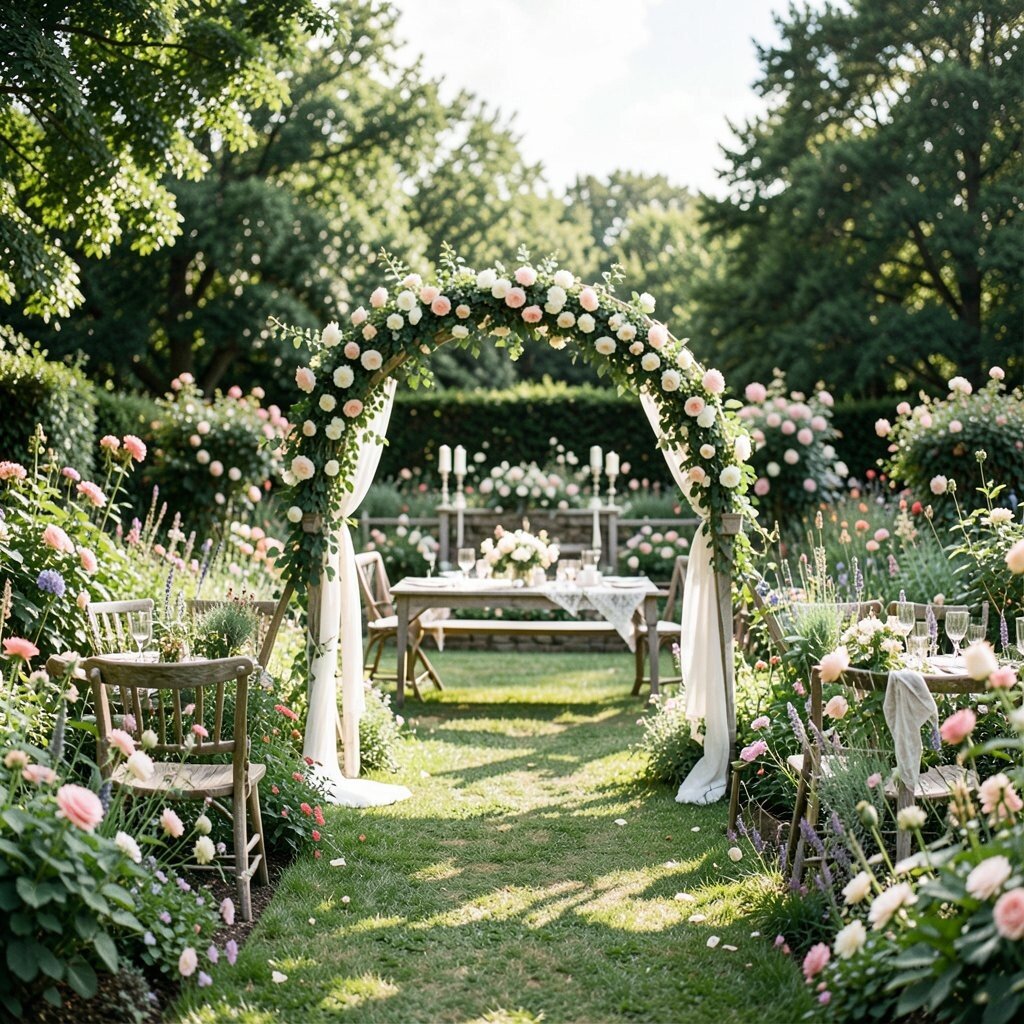
Outdoor sound carries in surprising ways, especially over grass and between trees. Wind can steal words, and a speaker set too low can sound distant.
Use a mic plan that covers the ceremony area and the cocktail space, not just the altar. A quiet rehearsal lets you test volume at a realistic distance, which saves you from last-minute panic.
Consider a handheld mic for readings and keep background music steady so it does not compete with vows or laughter.
6. Think about ground cover and cleanup
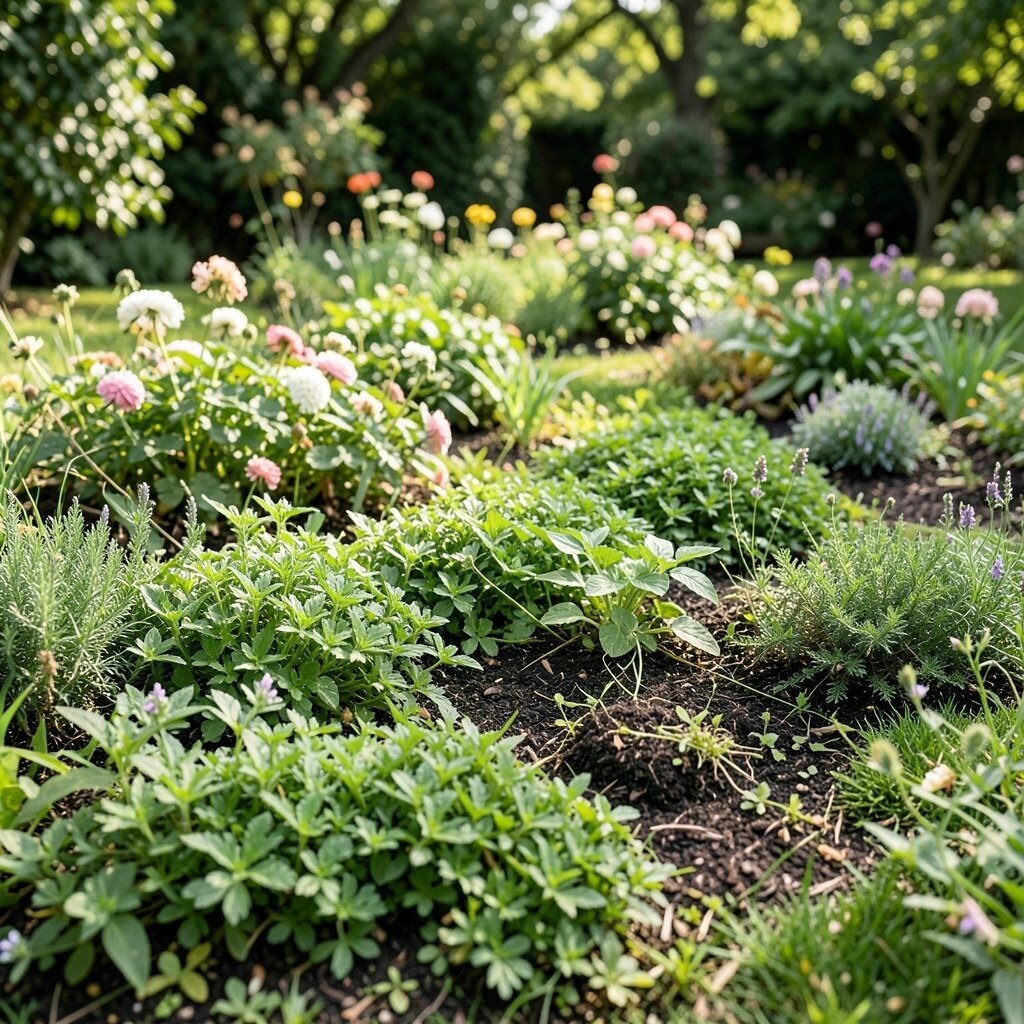
Grass feels natural, but it can turn into muddy footprints when rain arrives. If you are serving dinner on the lawn, a little mess can turn into a big problem for staff.
Use ground protection like boards or temporary flooring under heavy traffic areas. Then plan how you will remove it without tearing up the lawn, which helps your garden stay pretty for months afterward.
7. Personalize the seating layout without losing flow
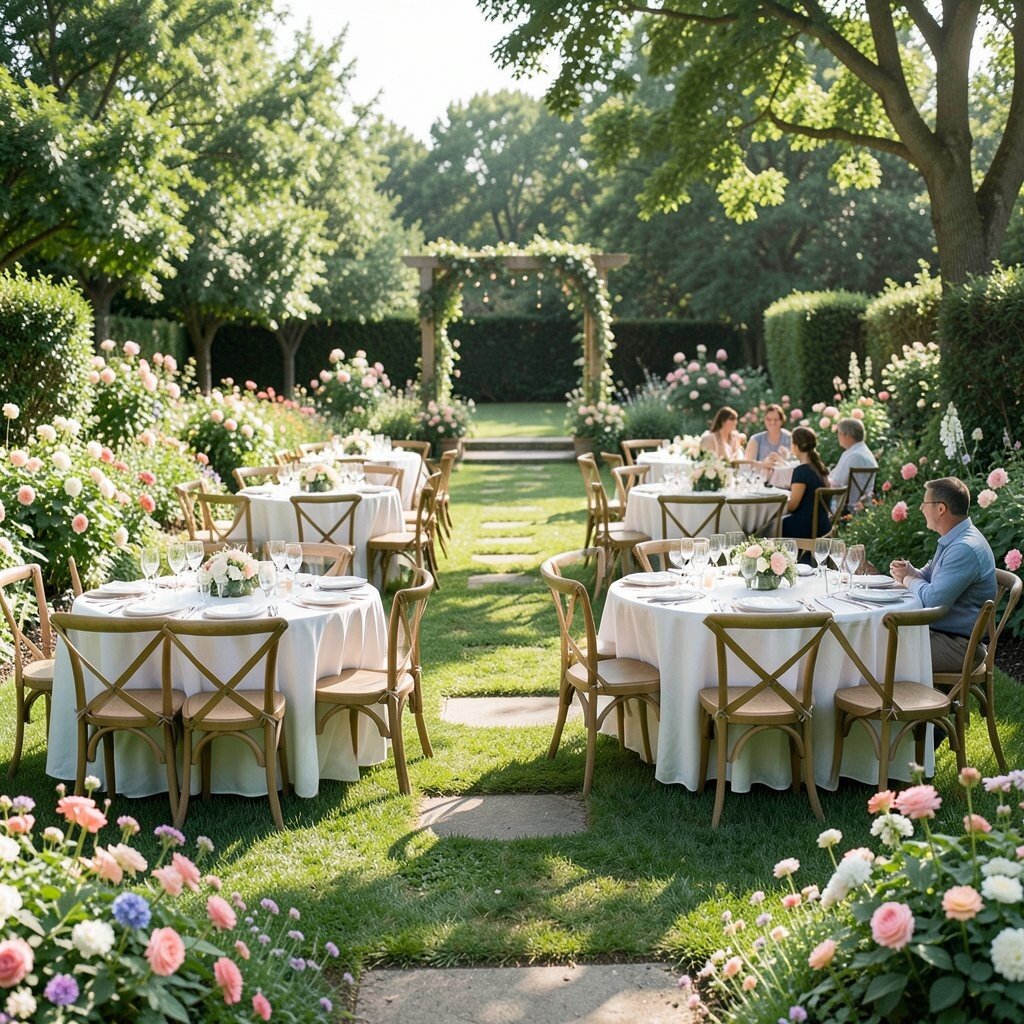
Chairs outdoors can look formal or relaxed, depending on how you arrange them. A scattered seating style can feel artsy, but it can also slow people down if you do not guide movement.
Try grouped seating with small aisle lanes so guests can find their spots quickly. Add family-style details like name cards placed on simple garden stakes for a gentle, personal touch.
If you want a unique look, consider mix-matched chairs in a tight color palette so the style feels intentional rather than random.
8. Budget for the invisible extras
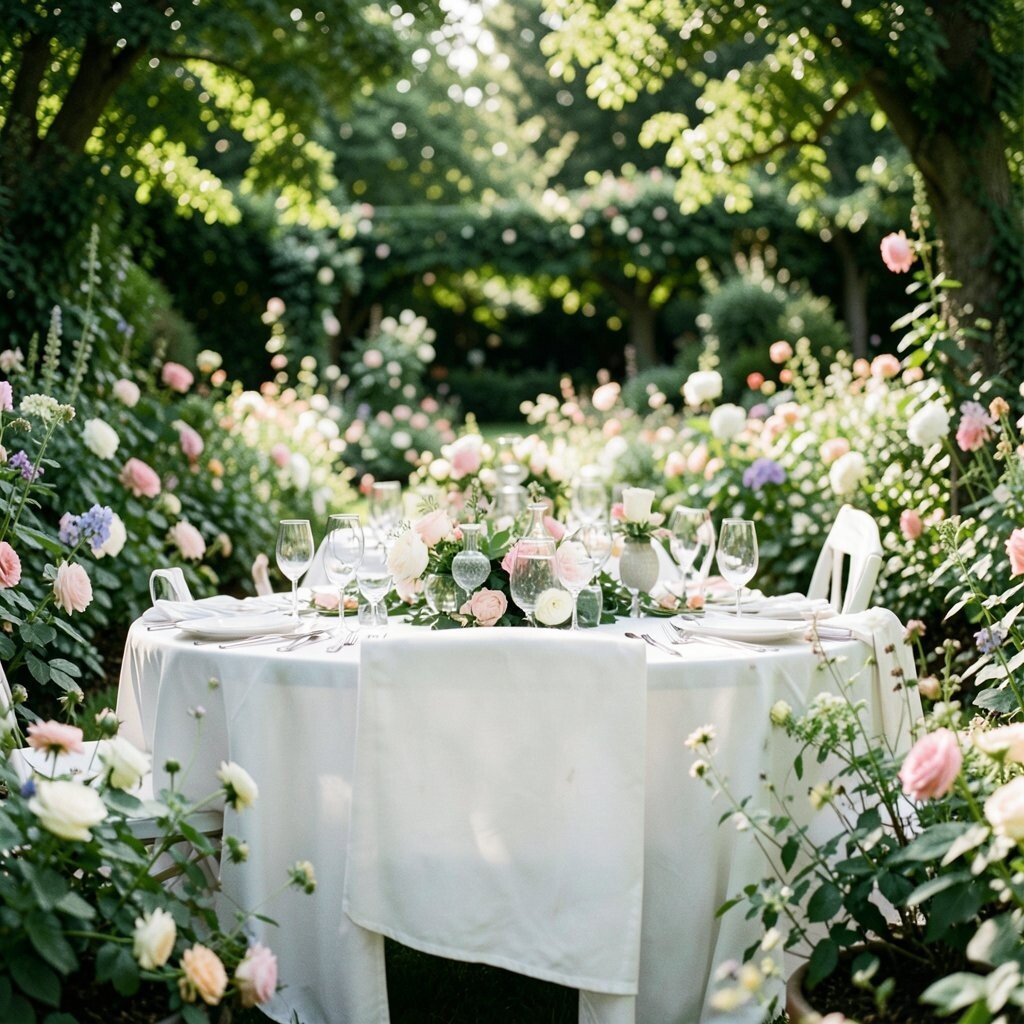
When people imagine a garden wedding, they picture flowers and photos, not permits, rentals, and weather gear. Yet those items quietly shape the total cost and your stress level.
Plan for rentals like tents, heaters or fans, power for lights, and extra linens for covered areas. Ask your vendors what is required outdoors, including delivery access and setup time, because garden logistics often add fees.
9. Make bathrooms feel like hospitality, not an afterthought
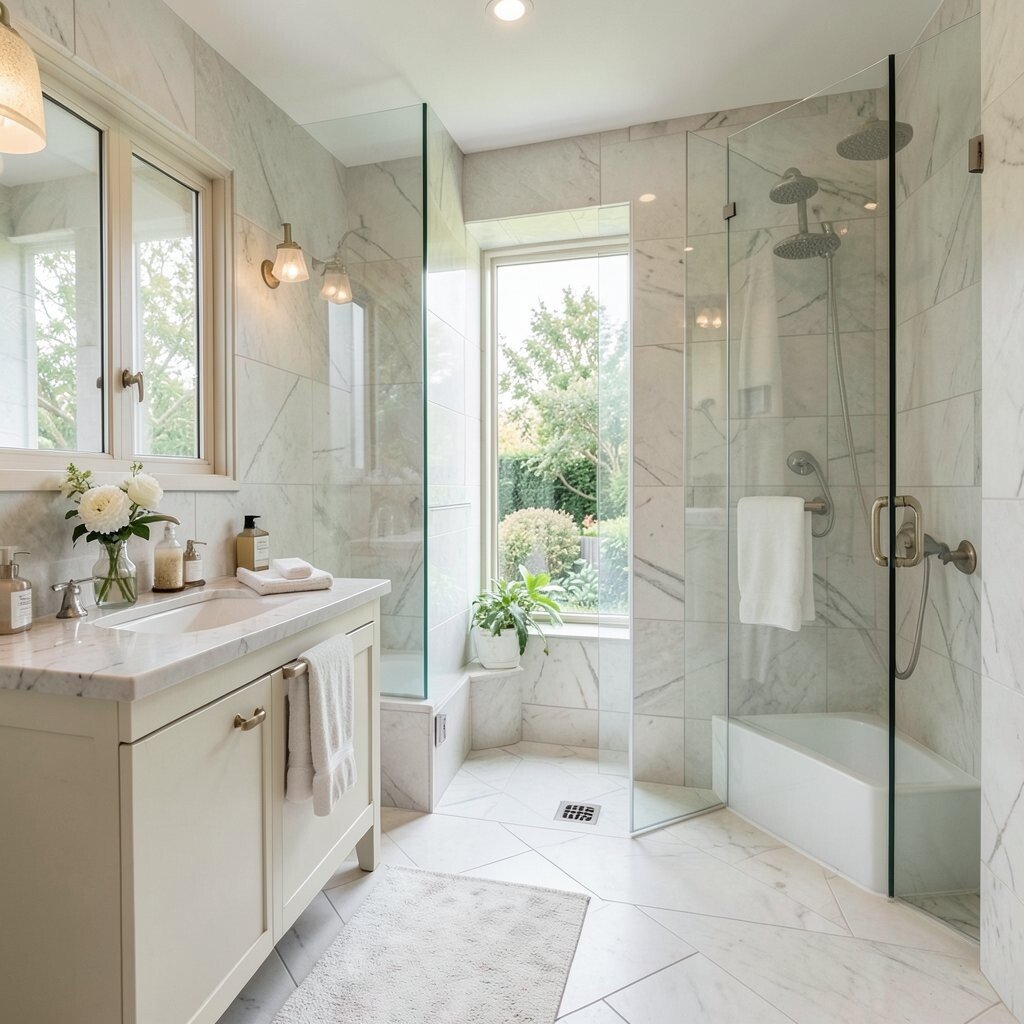
Outdoor restrooms can feel awkward to plan, but small details make a huge difference. Guests remember whether the restroom area was clean, easy to find, and stocked with what they needed.
Place the restrooms where guests can reach them without cutting through the party. Add soft lighting, trash bins, and a few comfort items like lotion wipes or breath mints so everyone feels cared for.
10. Get clear about water, power, and lighting safety
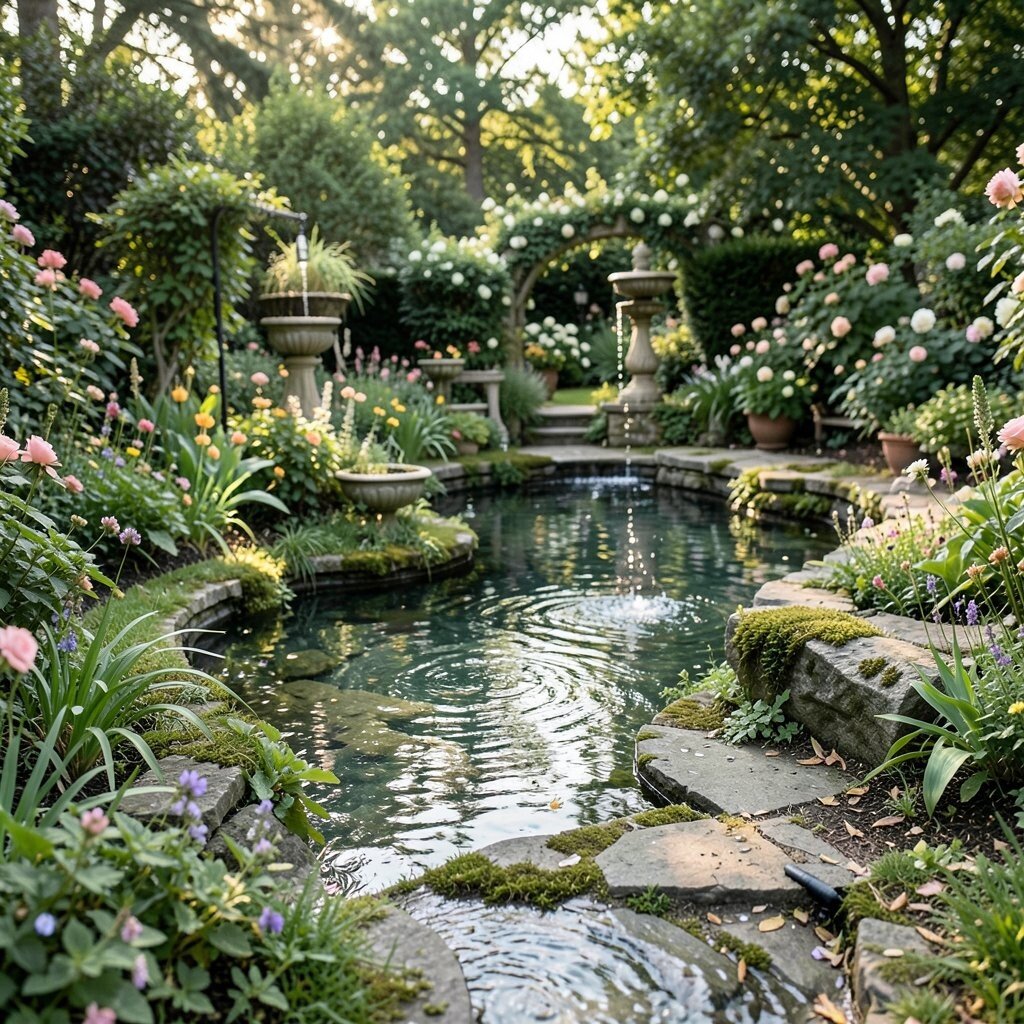
Garden lighting and music run on electricity, and outdoors is less forgiving than inside. If you do not plan power locations, cords can become hazards and lighting can flicker at the worst time.
Have an electrician or experienced rental team place safe, weather-appropriate connections. Then route cables along edges and secure them so you keep the walkway looking polished, not tangled.
When you use candles, stick to flameless options near fabric, seating, and décor so the ambiance stays worry-free.
11. Treat flowers as a system, not just a bouquet moment
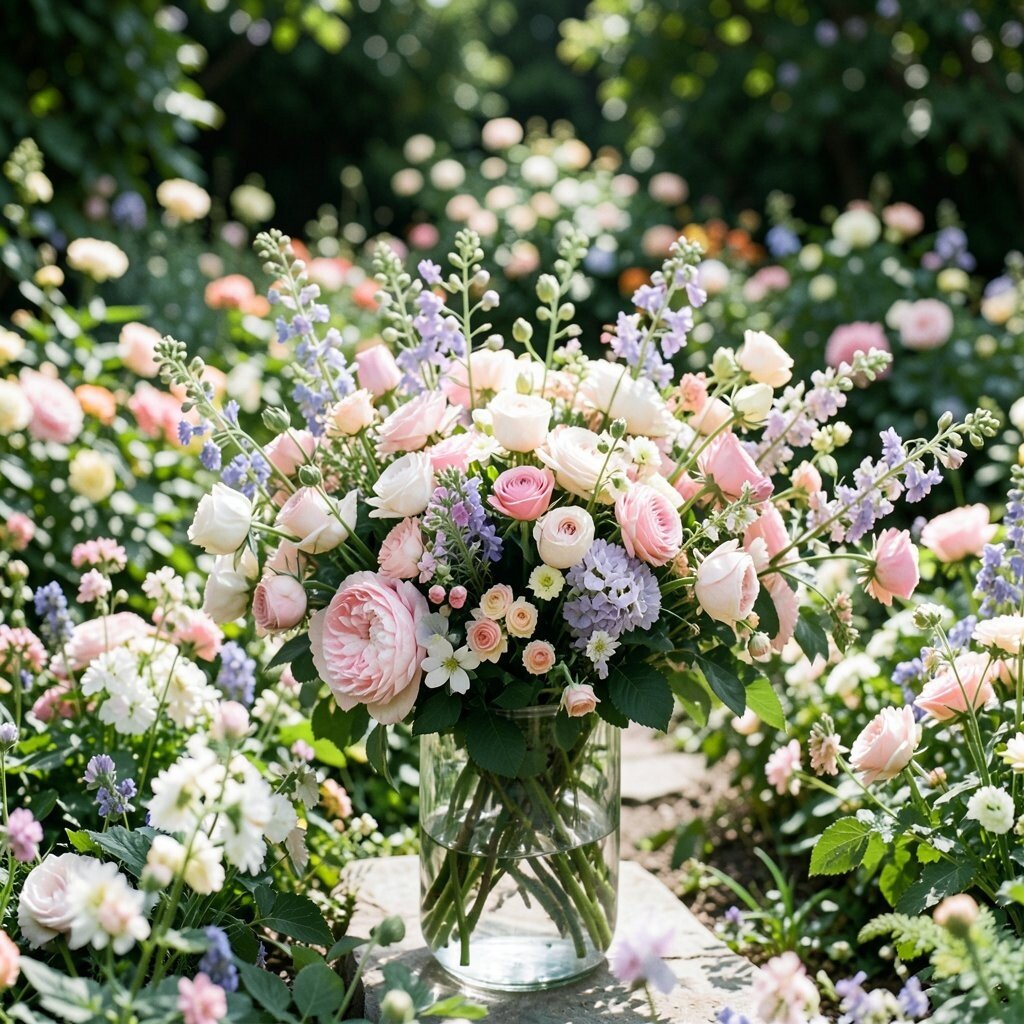
In a garden, flowers can blend into the background unless you plan their colors on purpose. The goal is to create harmony, not to overwhelm the plants already growing.
Use seasonal blooms that match the garden palette so your arrangements look like they belong there. If you want variety, choose a few statement stems for ceremony pieces and repeat smaller accents along walkways.
This approach saves money too, because you are not buying expensive off-season flowers for every single spot.
12. Work with the garden owner or neighbor early
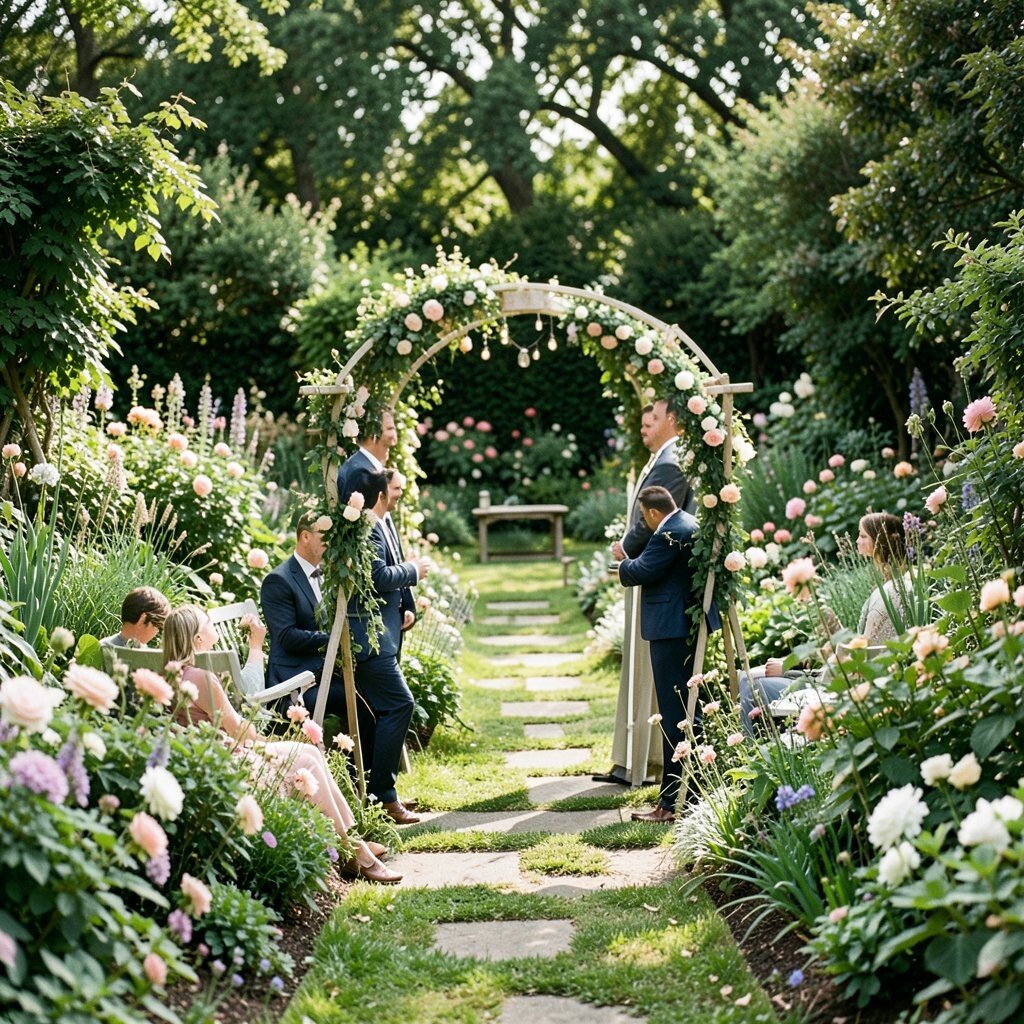
If the space is public or shared, rules might limit noise, timing, or vendor access. If it is a private garden, you still need to align on care, entry points, and cleanup.
Ask about boundaries for foot traffic, where equipment can be placed, and how watering or irrigation should be handled after the event. When you communicate early, you avoid awkward surprises and you protect the relationship.
13. Plan for privacy and sightlines during ceremony
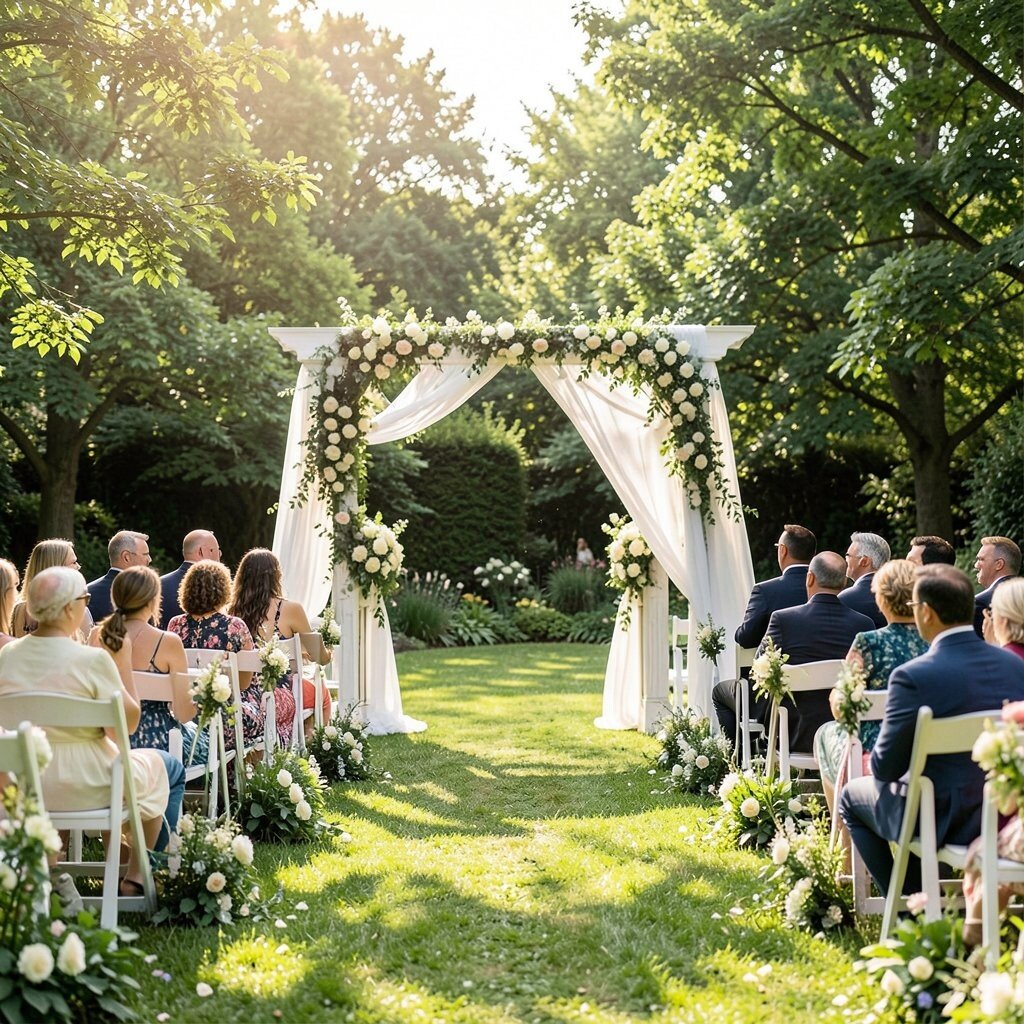
Many gardens are beautiful, but they can also have nearby roads, paths, or windows. Guests may feel uneasy if they can see through fences or if they feel watched.
Use tall planters, sheer screens, or strategically placed fabric to create comfortable sightlines. You can also angle seating so people face you while still enjoying the scenery beyond.
It is a small change that makes the ceremony feel like your own world, even in an open space.
14. Let the breeze become part of the look
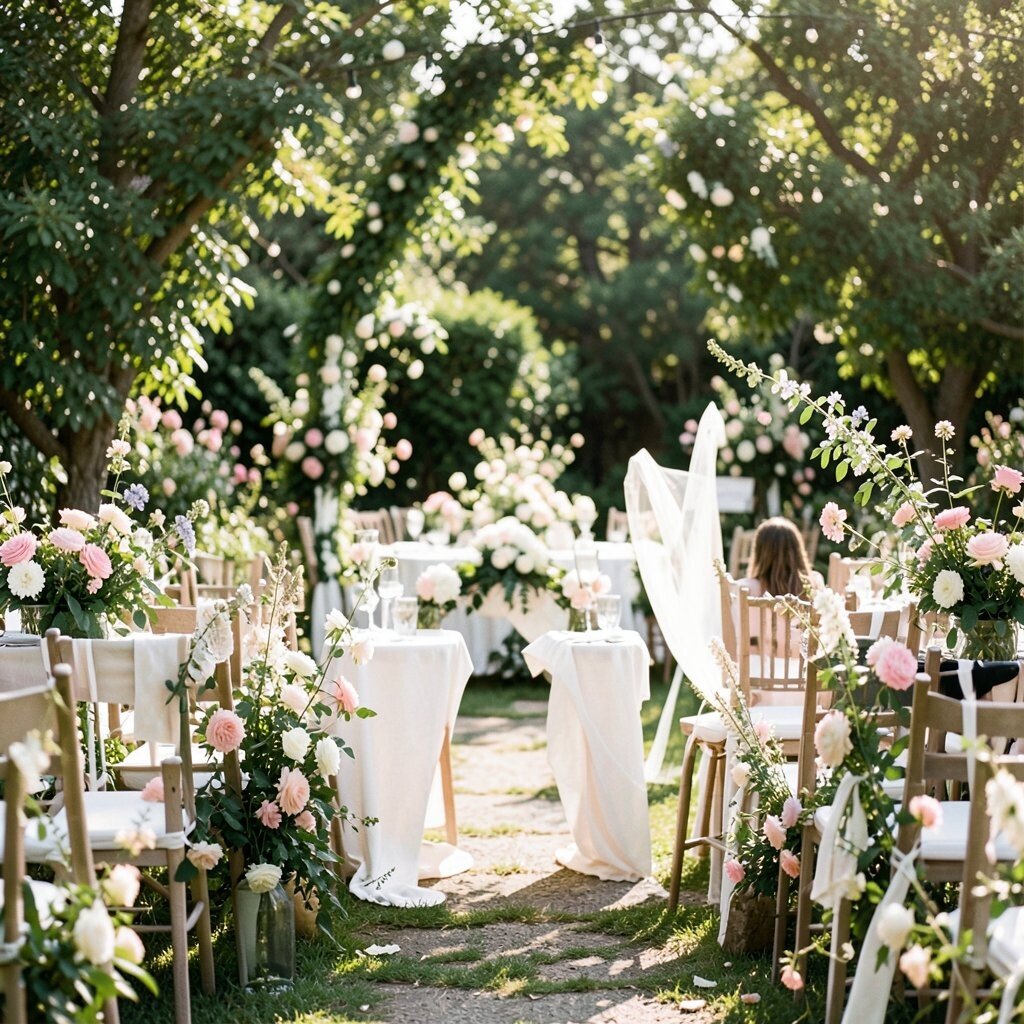
Outdoor air can lift tablecloths, flutter signs, and make veils dance in photos. Instead of fighting it, you can design with it in mind.
Choose heavier table runners, secure signage with weighted bases, and pick fabrics that handle wind well. For personalization, hang a few lightweight ribbons from posts so guests feel the movement and the garden looks alive.
15. Choose an easy food setup that guests actually enjoy

Food outdoors is wonderful, but complicated service can create long lines and warm plates. Garden weddings often run at a relaxed pace, so you want the meal to match that vibe.
Consider stations that allow guests to move naturally, like a salad bar plus grilled mains or a dessert table that does not require staff to hover constantly. If you do a buffet, plan enough serving time and add covers for food safety.
16. Use scent thoughtfully for comfort and romance
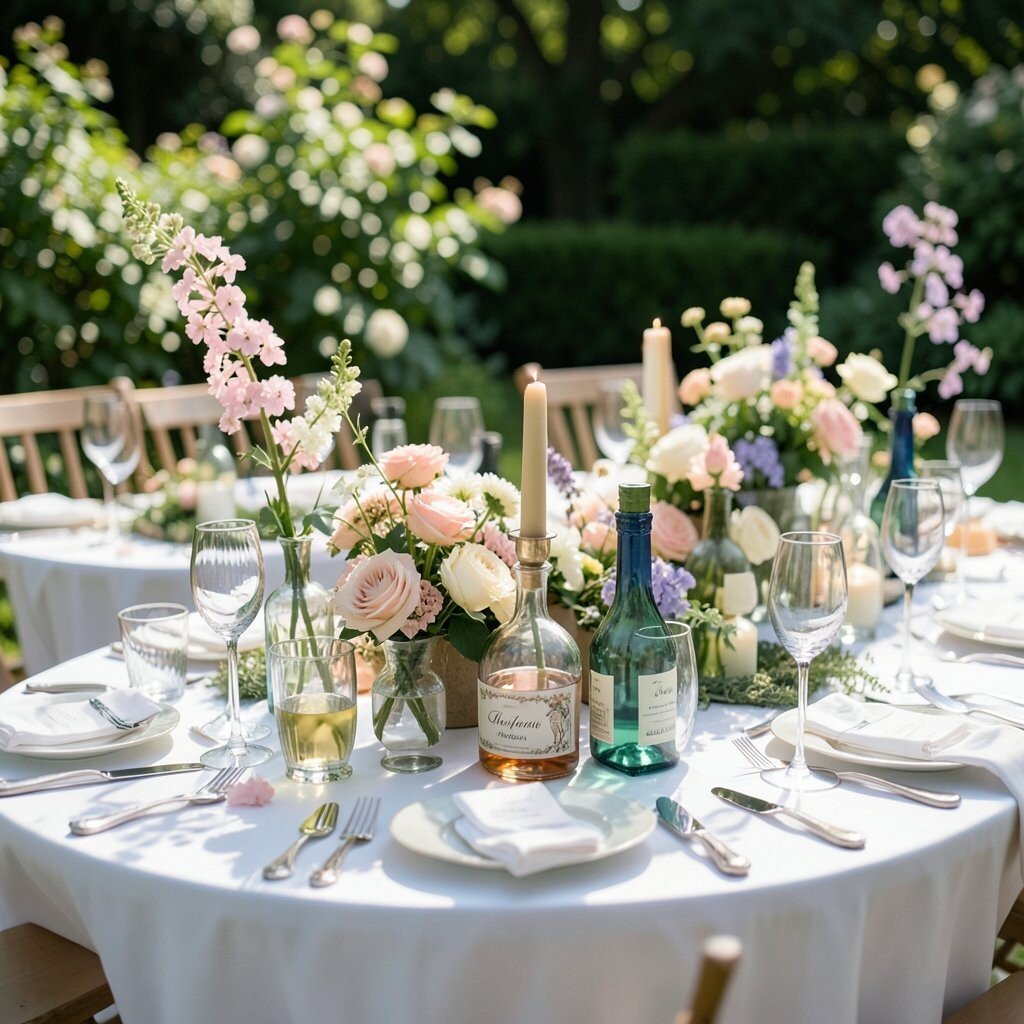
Garden scents can make the day feel unforgettable, but strong fragrances can also cause headaches. Some flowers and candles smell amazing in small doses and overwhelming in crowds.
Pick scents that feel fresh, like herbs and citrus, and keep heavy perfume choices optional. A simple strategy is to let the garden do the work by using fewer, better-scented elements near guests rather than everywhere at once.
For uniqueness, use a signature herb like rosemary or lavender in small favors, but keep the amount gentle so it remains enjoyable.
17. Make your timeline realistic for outdoor setup
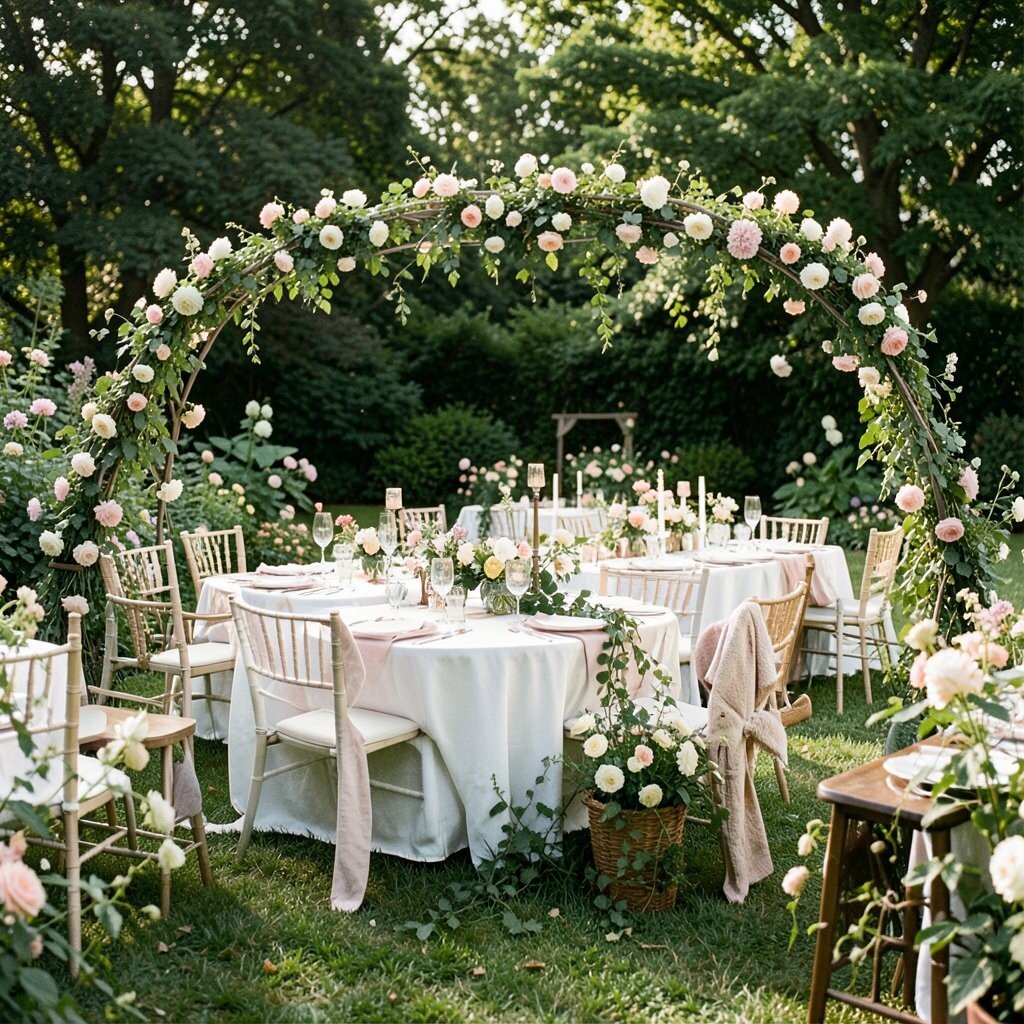
Outdoor weddings usually take longer because everything depends on ground conditions, wind, and lighting. Even a well-run plan can wobble if rain delays setup or if equipment has trouble reaching the site.
Build extra time for staging, leveling chairs, and final décor adjustments. A calm schedule helps you enjoy the day instead of rushing through it.
Give your vendors the same start time you are planning to use and share a site map so deliveries feel smooth.
18. Plan shade for guests who will not be moving much
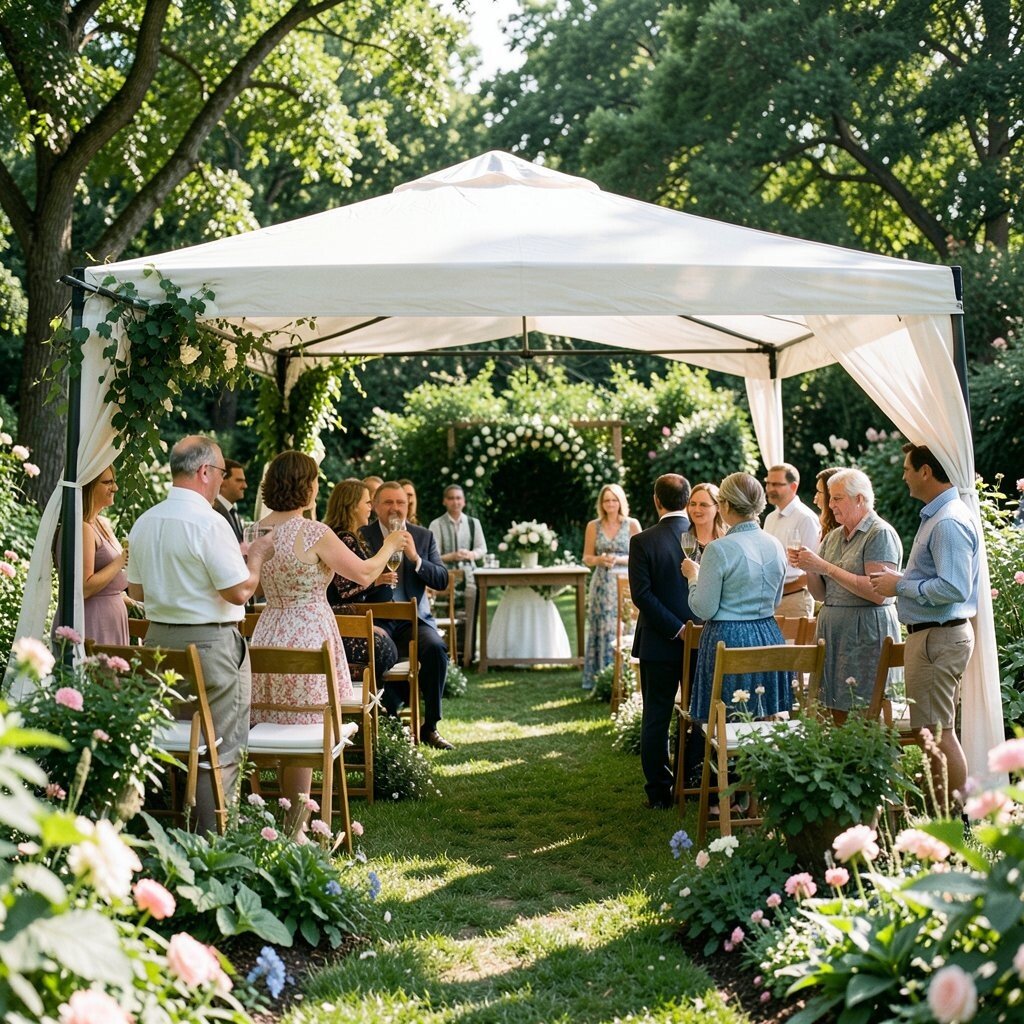
Even when the air feels nice, standing in one place can get tiring. Guests overheat, and then the mood changes fast.
Offer shaded zones with canopies, umbrellas, and extra seating near the ceremony. For a cozy and personalized look, add small parasols or fan favors that match your colors so shade feels like part of the design.
19. Choose attire that photographs and functions in grass
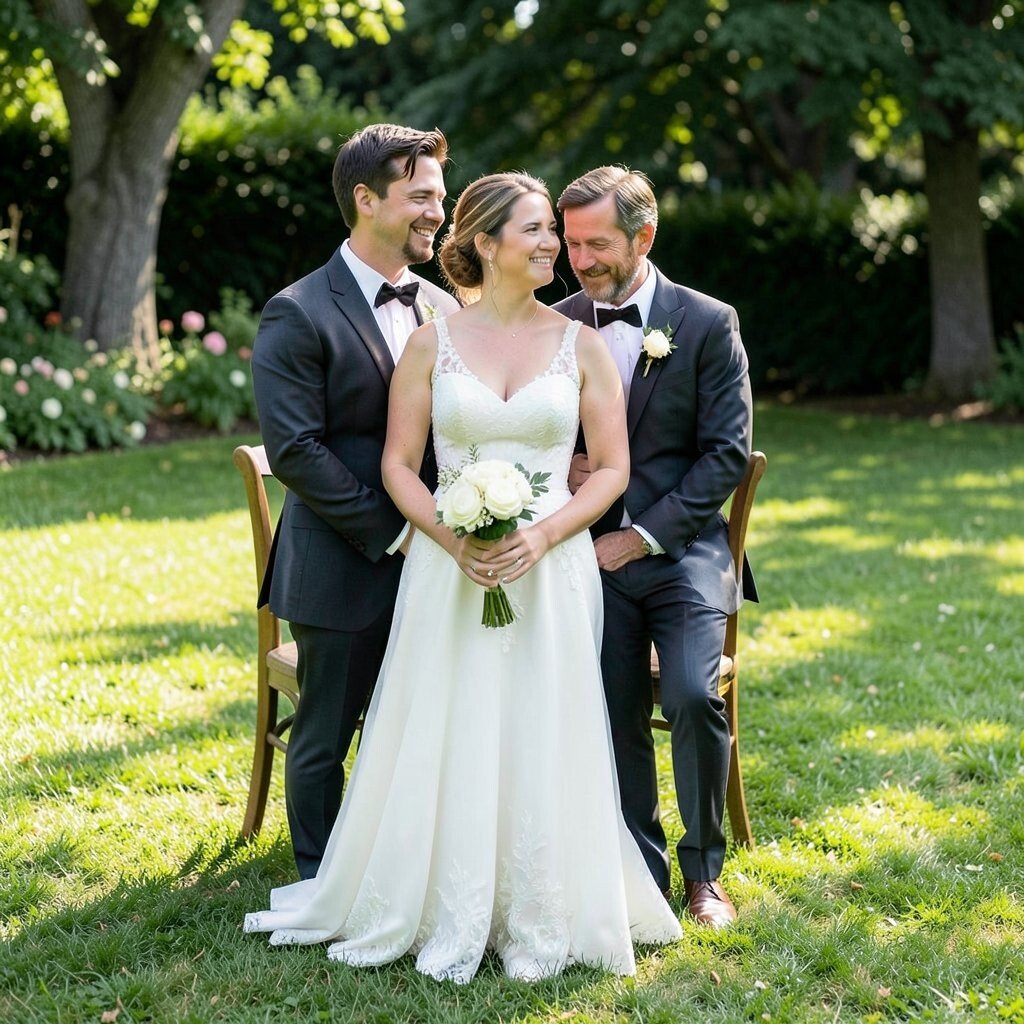
Garden weddings can make shoes, hems, and fabrics tricky. A beautiful gown can snag on branches, and a suit can pick up grass stains from the wrong angle.
Plan for comfort by choosing weather-friendly fabrics and bring a small emergency kit with lint remover and stain wipes. If you want a unique style, consider a detachable train or a shorter reception hem so dancing feels easy.
For guests, you can include gentle guidance on footwear in your welcome message so they arrive prepared without feeling judged.
20. Keep bugs away and still honor nature
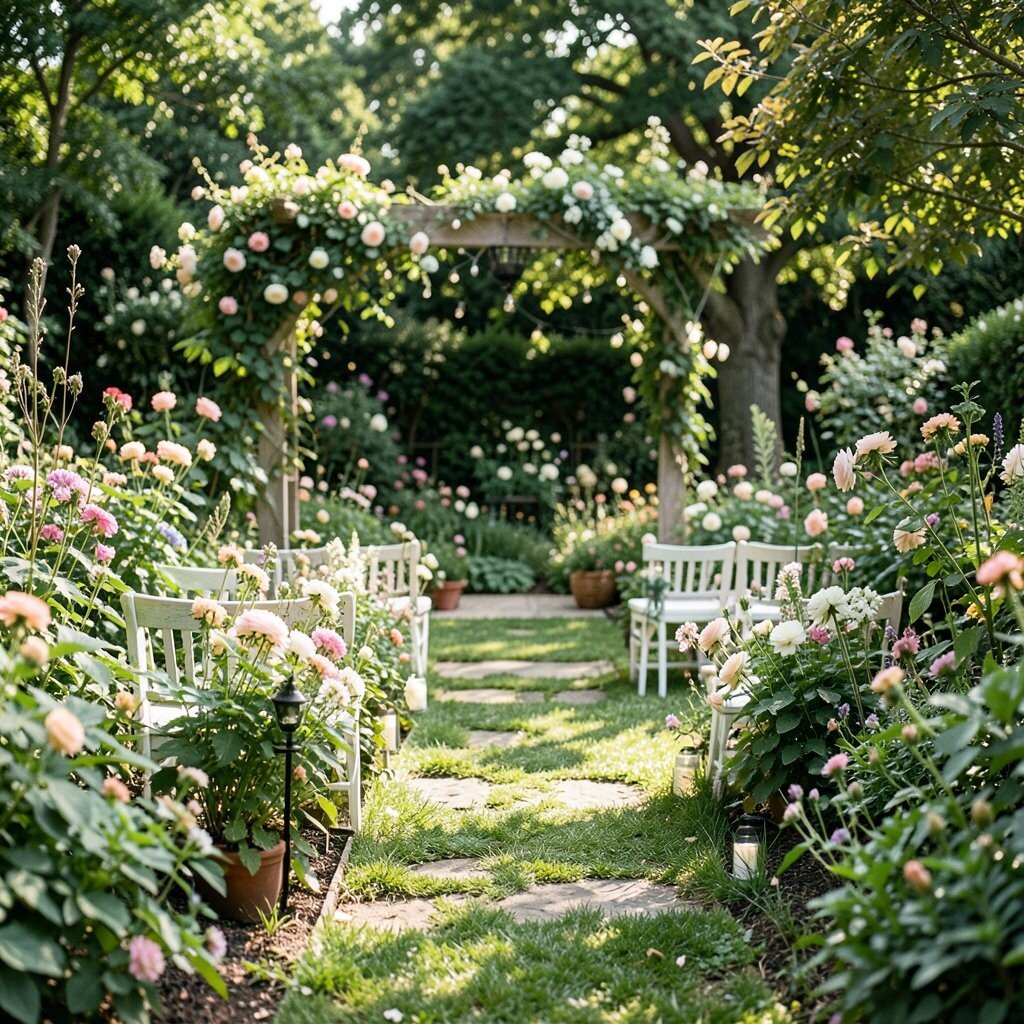
You do not have to make the garden feel artificial to keep pests under control. Good planning can help you respect the space while protecting guests.
Use native plantings strategically around perimeter areas to reduce standing water and attract beneficial insects. Place water features thoughtfully or use treatments that keep them clear without creating swarms.
This balance keeps your wedding unique and helps the environment feel like it is part of the story, not something you are fighting.
21. Build a teamwork plan for the day-of
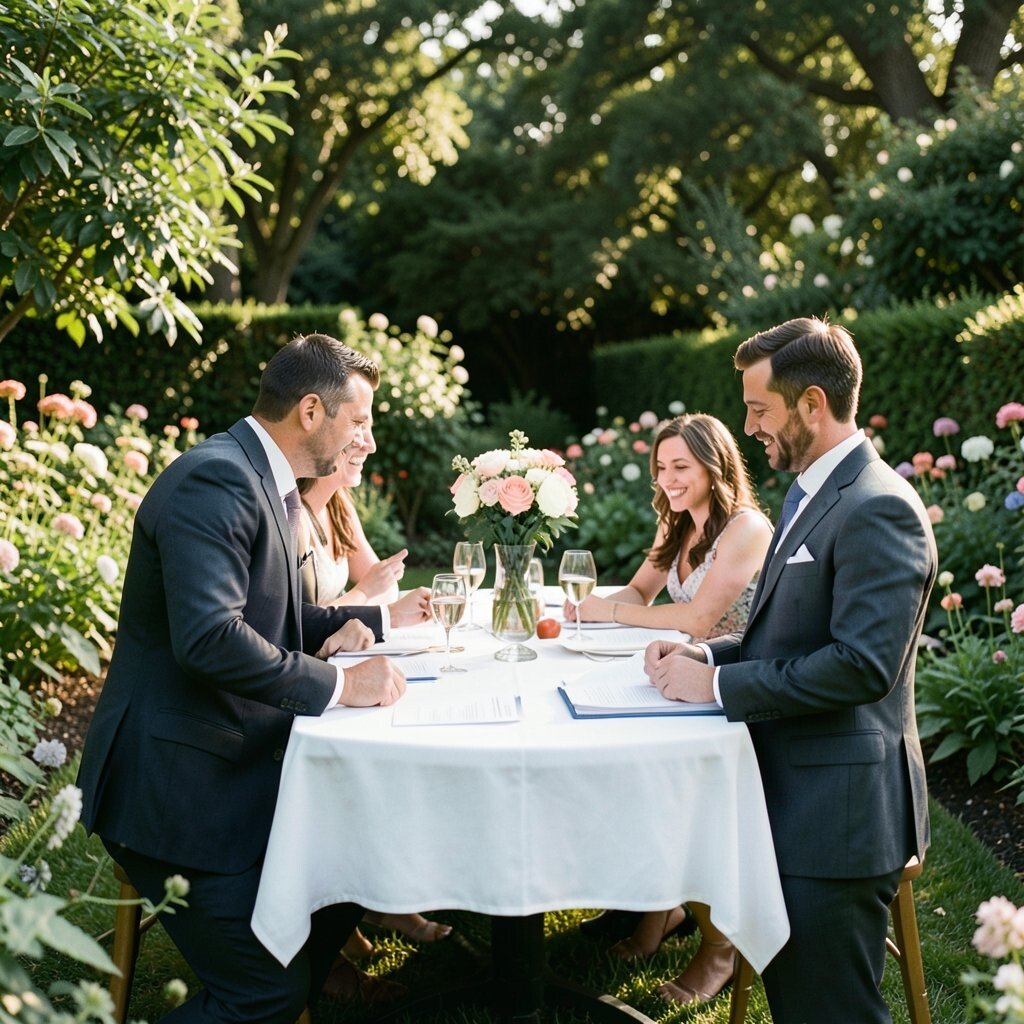
Garden weddings involve more moving pieces than many people expect, from setup and cleanup to power safety and guest guidance. Having a clear team plan keeps you present and stops confusion from growing.
Assign roles like décor lead, guest flow helper, and vendor point person so each task has a home. You can also create a simple communication routine using walkie talkies or a shared phone thread so decisions happen quickly.
When everyone knows what to do, the day feels effortless, and the garden looks even more beautiful because nothing is left to chance.