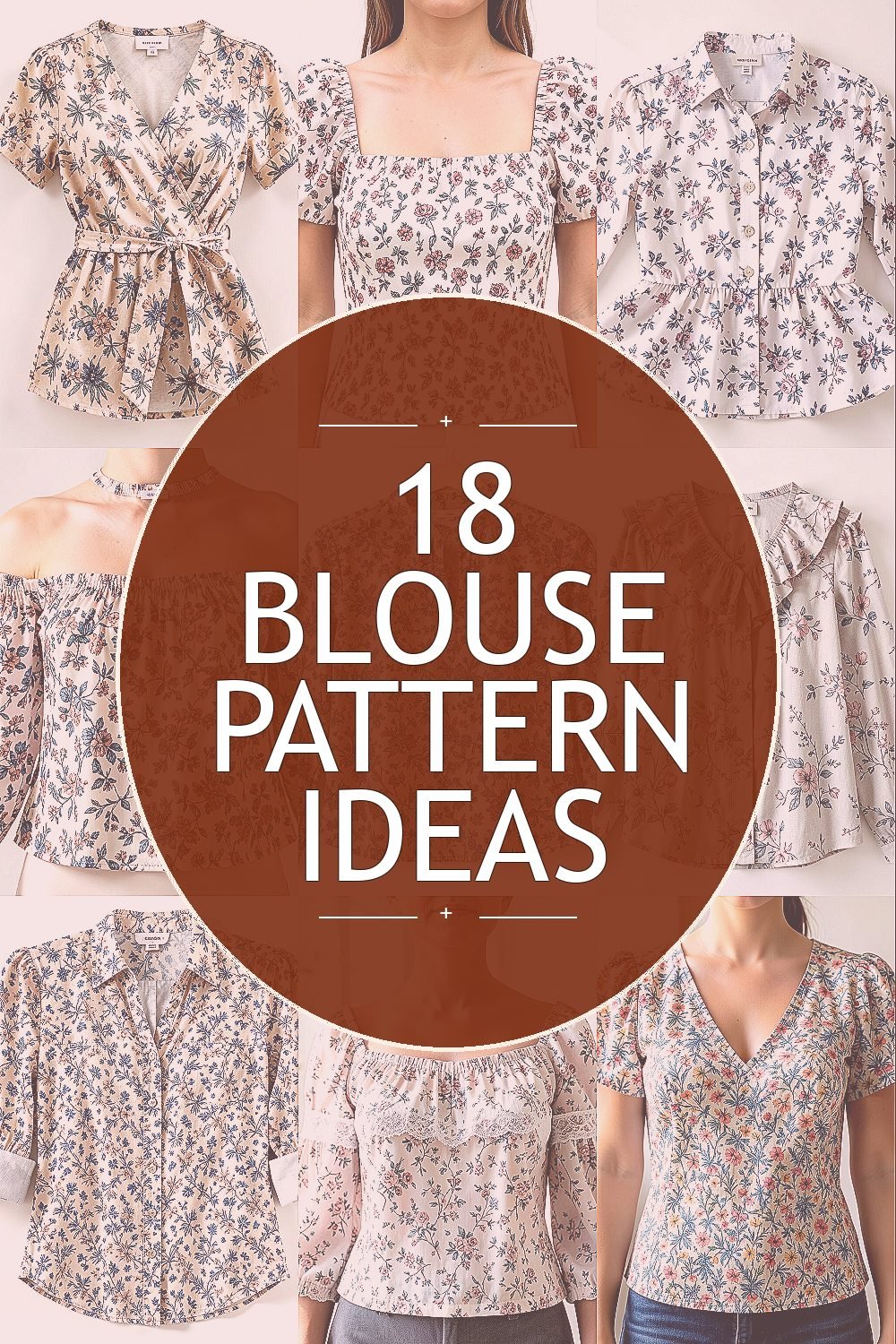
A great blouse pattern can make your everyday outfit feel brand new. The right shape, print, and fit can turn ordinary mornings into something you look forward to.
With a little fabric and a clear plan, you can sew pieces that match your style and your schedule. These ideas range from easy basics to showy details you can finish with confidence.
1. Wrap Blouse With a Tie Waist
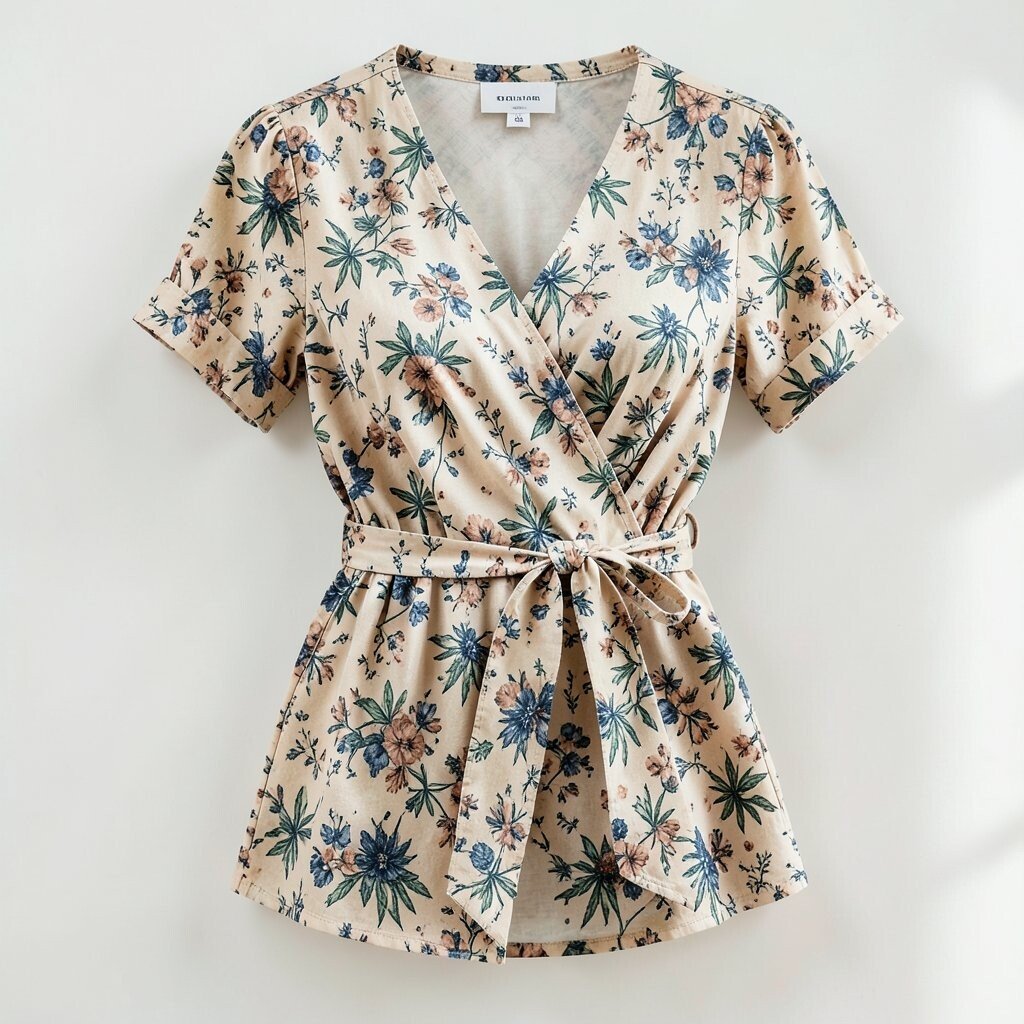
The wrap style hugs your shape and creates a flattering V at the neckline. You can picture soft jersey folding neatly around the body, with a tie that sits just right at the waist.
This pattern feels unique because you can choose where the wrap overlaps for more coverage or more drama. For practical sewing, stay careful with the order of the bodice pieces and press each seam so the fabric lays flat. Choose a flowy rayon or lightweight cotton for comfort, and if you love stretch, pick a knit that has good recovery. Personalize it by adding a contrast tie or sewing the wrap panels from two complementary prints.
2. Puff Sleeve Blouse With Square Neckline
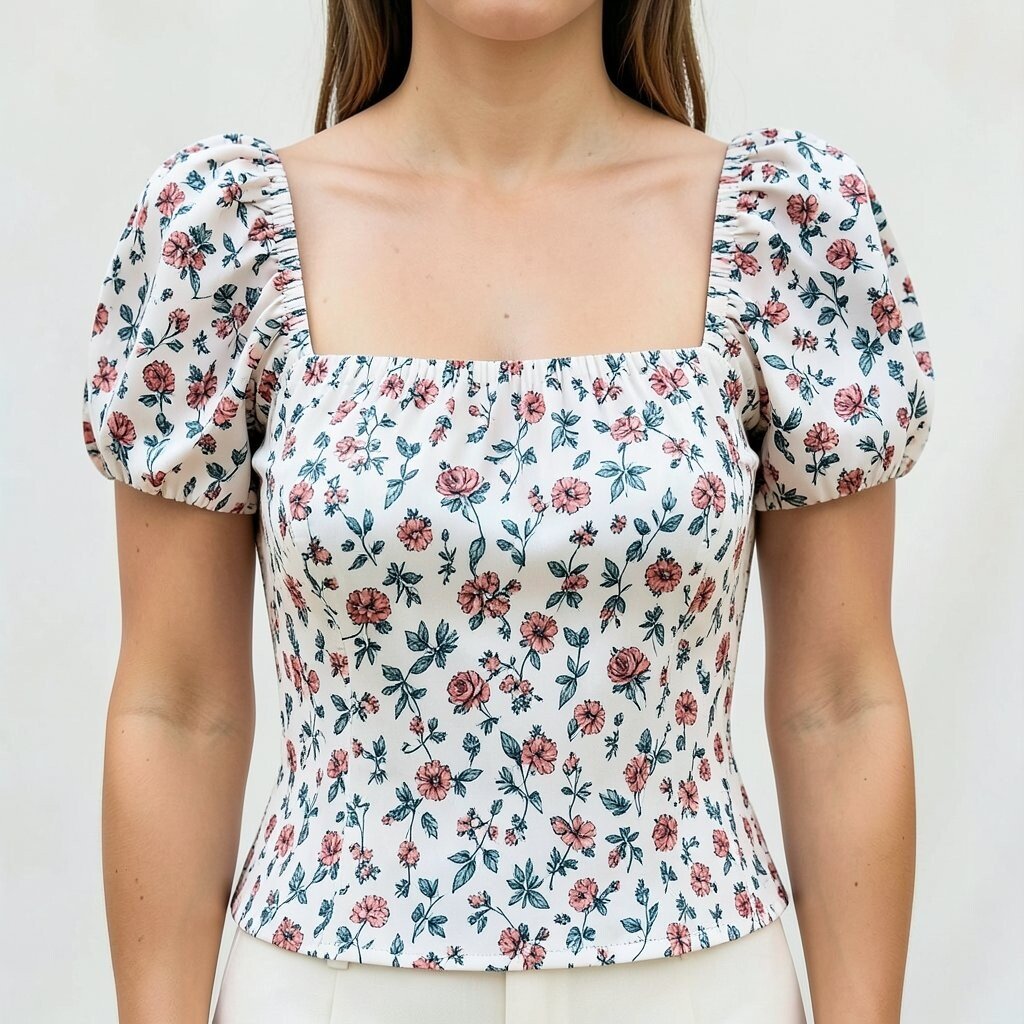
Imagine a square neckline framed by sleeves that look like little clouds. The fabric gathers at the shoulder, then turns into a rounded puff that adds instant charm to any outfit.
This blouse pattern gives you a current, “modern vintage” vibe without needing extra layers. Use a lightweight woven like cotton lawn or silk blend for the best puff shape. To make it fit you, adjust the shoulder width and add ease only where the puff needs it. For a cost-smart approach, buy yardage on sale and keep the skirt or bottom separate so you can mix and match.
Try a subtle stripe or micro-check for a polished look, or go bold with a solid color that pops in photos. If you want extra comfort, choose a pattern with a back neck closure you can open quickly.
3. Peplum Blouse With Button-Front Details
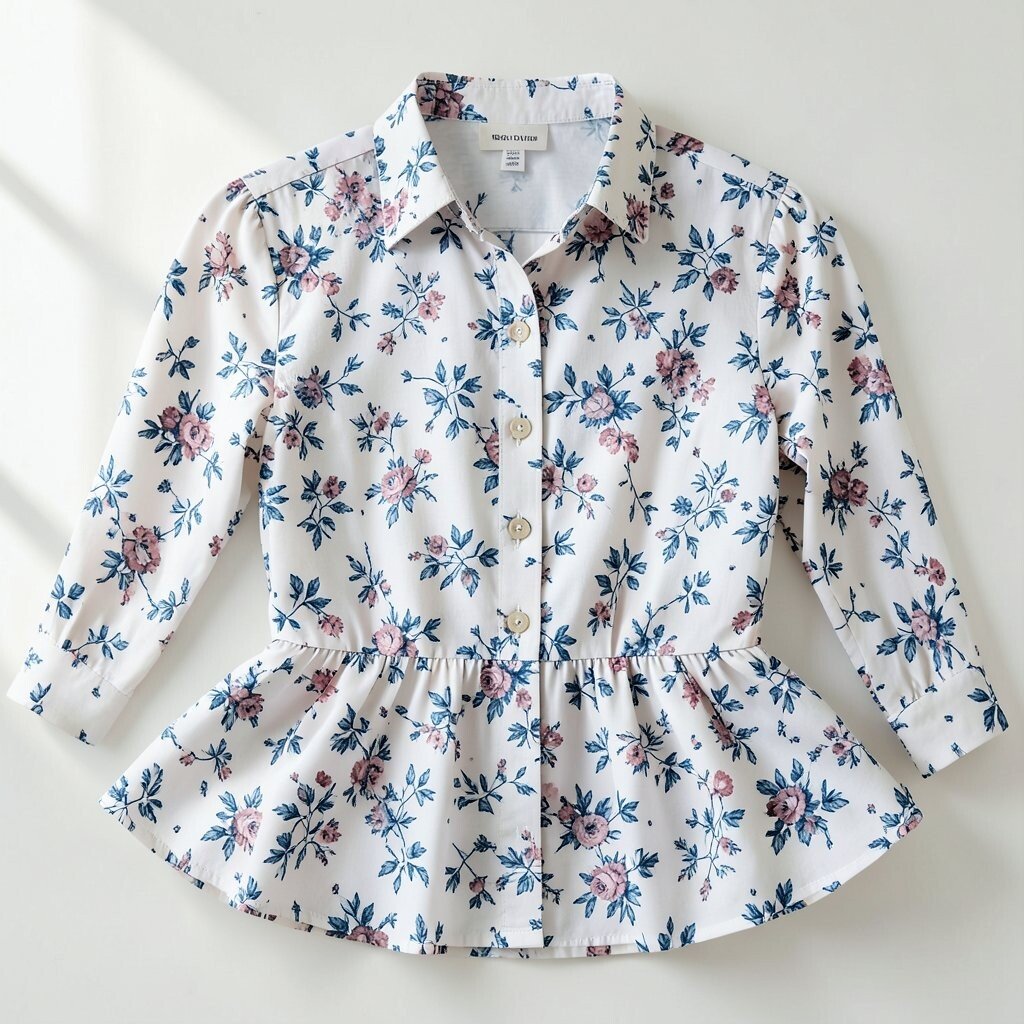
The peplum adds a playful flare at the hips, like your blouse is giving a small wave. You can almost see the fabric swish as you move, especially when the peplum panel is cut with a gentle curve.
This design is both elegant and practical because it helps balance proportions and defines your waist. Choose a midweight woven that drapes but holds shape, like crepe or a sturdy cotton blend. Add a front placket with buttons for a classic finish, and keep buttonholes neat by using a sharp needle and stable interfacing. For personalization, vary the button size and placement to match your taste.
If you want it more casual, shorten the peplum slightly and pair it with jeans. For budget planning, consider using one main fabric and a small amount of lining to control cost and complexity.
Keep pressing to a minimum by choosing fabrics that behave well, then focus on clean edges around the peplum seam. The result will look tailored without feeling too fussy.
4. Off-the-Shoulder Blouse With Elastic Neckline
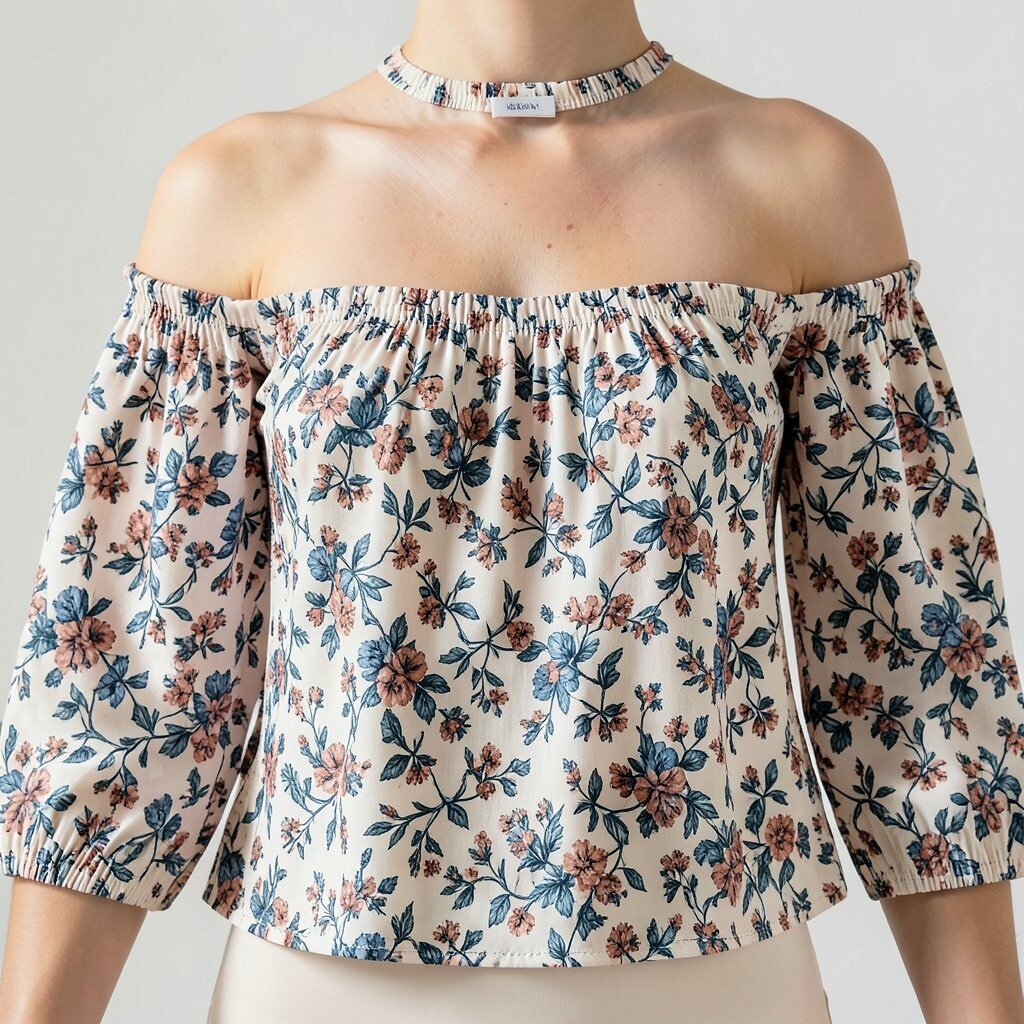
This style pulls the neckline down for a soft, breezy look. You’ll notice the gathered top edge creates a smooth frame around your shoulders.
Elastic at the neck makes it wearable for everyday life, so you don’t worry about constant adjusting. Use a knit with enough stretch, and pre-test the elastic width on a scrap so it sits comfortably. Personalize by choosing ruffles, smocking, or a clean hem depending on how romantic you want it to feel. For trendiness, pick a bold floral or a rich solid color that stands out against neutral bottoms.
5. High-Neck Blouse With a Small Keyhole Opening
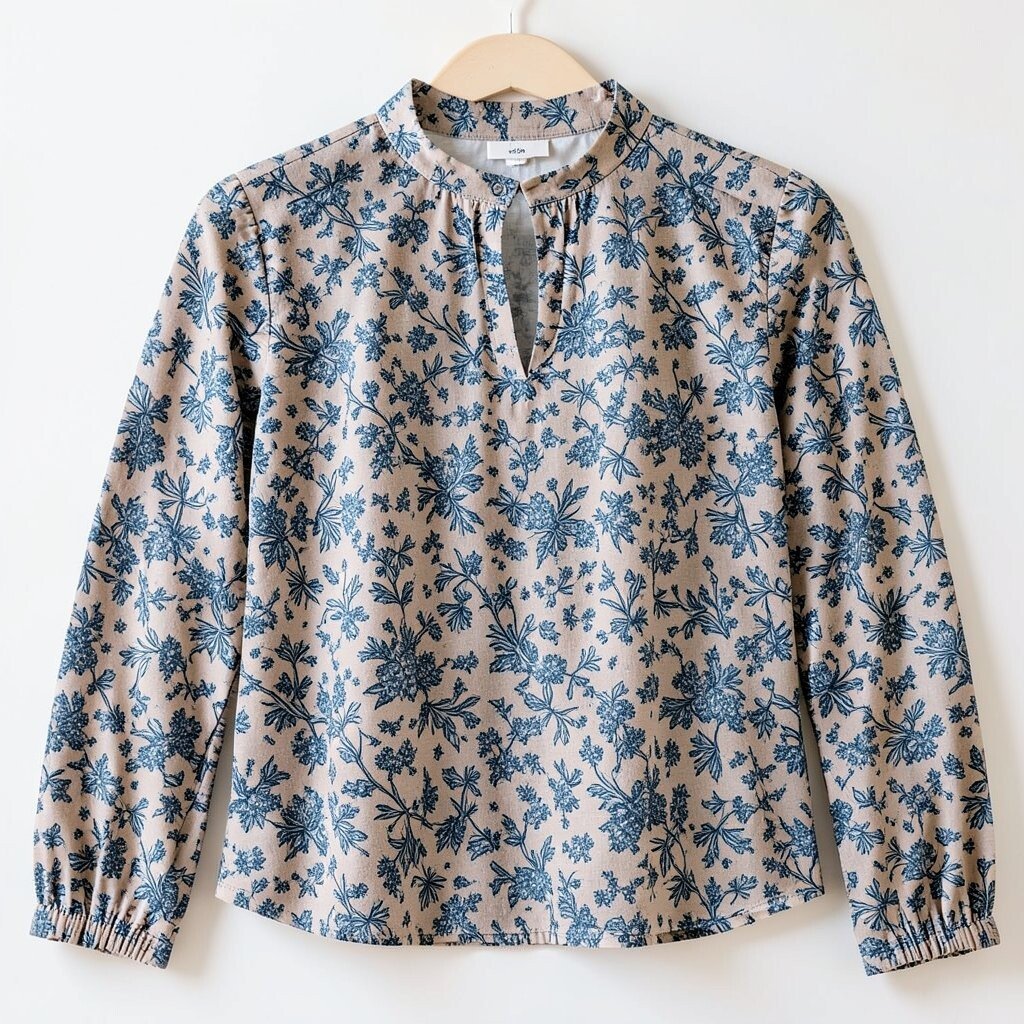
A high-neck blouse can feel chic and calm at the same time. Picture a smooth collar line that meets a tiny keyhole at the chest, giving just enough detail to catch the eye.
This pattern feels unique because it turns a simple neckline into a signature feature. For practical results, use interfacing that supports the collar without making it stiff, and stitch slowly around the keyhole edge. Choose a breathable fabric like cotton poplin or a light linen blend so it stays comfy in warm weather. To personalize, add tiny ties, a single button, or contrasting thread at the keyhole seam.
You can also experiment with sleeve options, like short cuff sleeves for a neat finish. If you are cost-conscious, this pattern works well with fabric remnants since the details are small.
Go for a modern look by using a solid color and keeping the rest of the design clean. The keyhole detail adds interest without extra bulk.
6. Ruffled Collar Blouse With Relaxed Fit
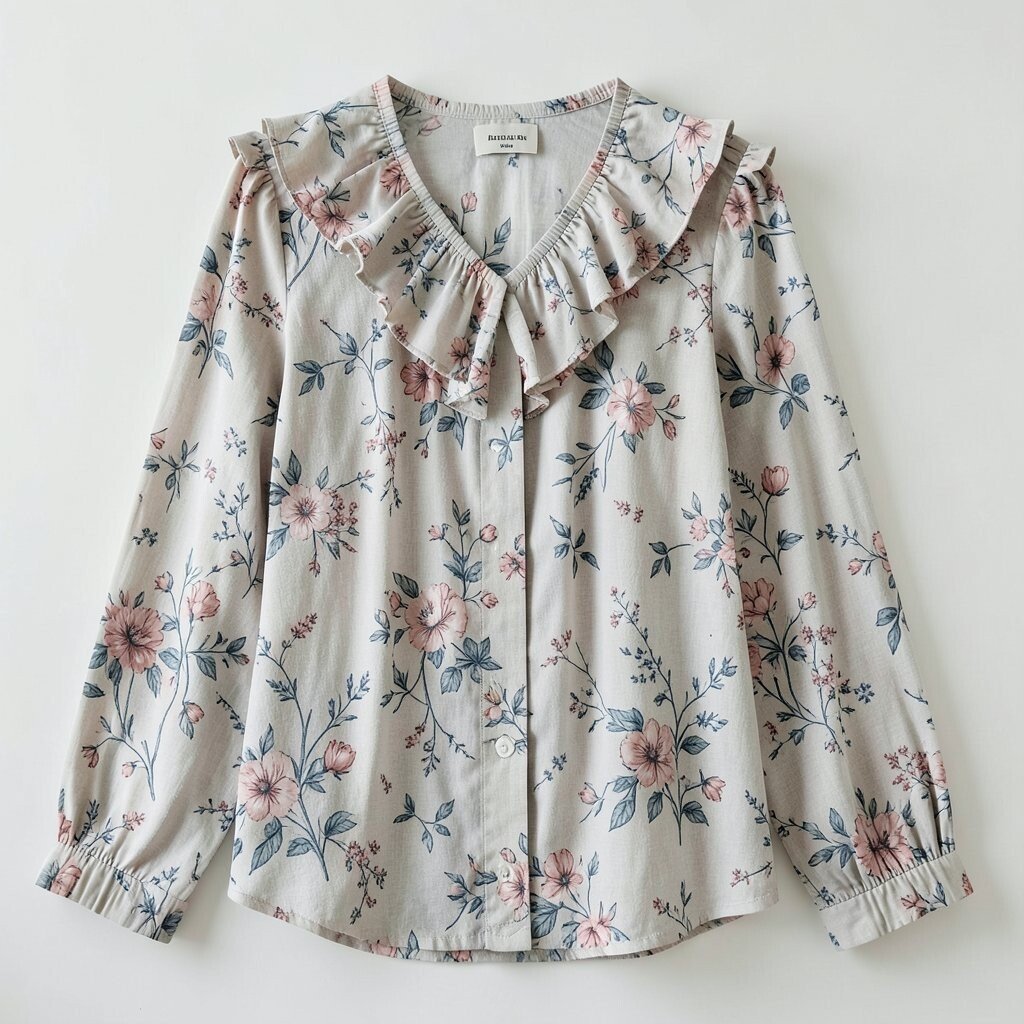
Think of a blouse that brings softness right at the neckline. A ruffled collar can look like a gentle fan of fabric that frames your face and adds a sweet touch.
This pattern stands out because the collar becomes the “main character,” even if the body stays simple. Choose a light fabric with movement, like airy cotton or crepe that doesn’t cling. Practical sewing tip is to make crisp gathers using evenly spaced stitches and then press carefully so the ruffle stays tidy. Personalize by making the ruffle wide for a bold look or narrow for a subtle vibe.
For cost considerations, you can use a smaller cut of fabric for the ruffle section and stretch your yardage farther. Trend-wise, ruffled necklines keep showing up in both casual and dressy wardrobes, especially in soft neutrals and pastel prints. Pair this blouse with high-waisted jeans or a pencil skirt to highlight the collar.
7. Shirt-Style Blouse With Roll-Up Cuffs
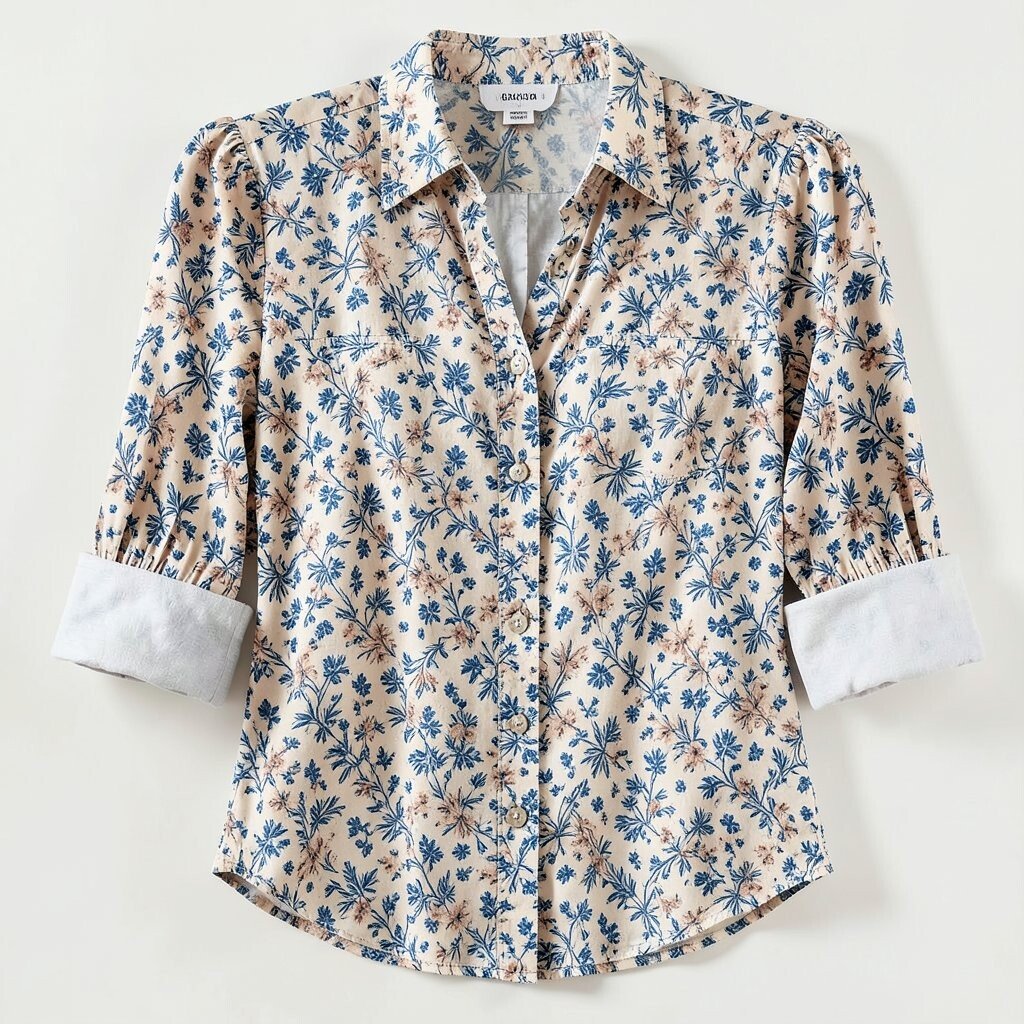
A shirt-style blouse brings classic structure with a cozy feel. You can picture a neat placket, a tailored collar, and sleeves that roll up to show a hint of skin and style.
This option is great because it works for both work days and weekend plans. For practical tips, choose cotton shirting or a durable rayon blend and add interfacing to the collar so it stays sharp. Adjust the fit at the shoulders and waist so it feels tailored, not boxy, and consider adding extra length if you love tucking. Personalize with contrasting topstitching or a fun inner cuff fabric.
To keep costs reasonable, focus spending on the main fabric and use simple lining-free finishing if your fabric handles seams well. Current style favors slightly relaxed silhouettes, so you can pick a pattern with gentle ease for a modern look. When you sew the cuffs, press the seam allowances evenly so the roll looks smooth.
Pair with slim trousers or denim, and you’ll always look put together without trying too hard.
8. Cold-Shoulder Blouse With Lace Trim
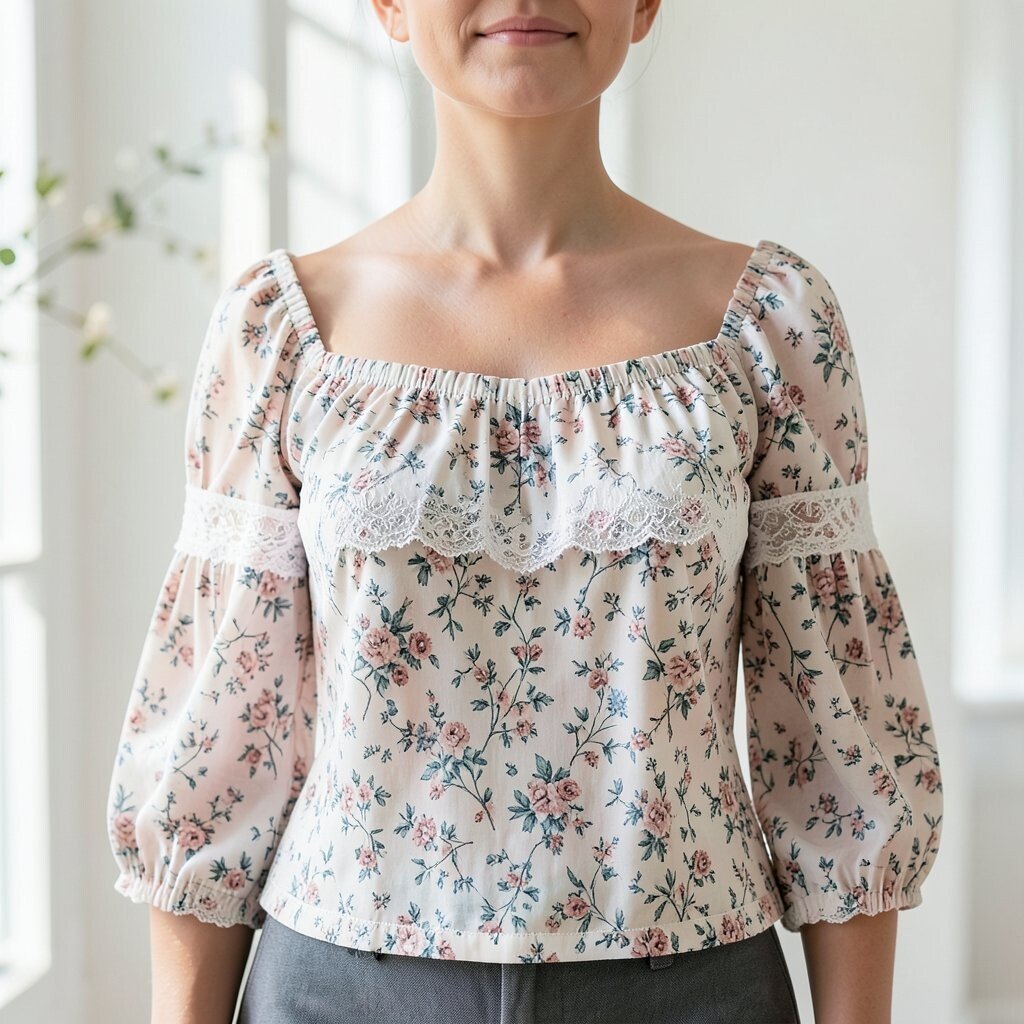
Cold-shoulder openings add a flirty peek while still keeping the blouse structured. The visual effect is clear: fabric around the arms and shoulders, then a cutout that shows a little skin.
This pattern is unique when you add lace trim along the edges for a delicate finish. Choose a fabric that pairs well with lace, like a soft woven cotton or a medium-weight knit, so the trim sits flat. A practical tip is to stabilize the cutout area with interfacing so stretching doesn’t cause uneven edges. Personalize by using lace only at the neckline or adding lace as a band across the chest.
For cost considerations, shop for lace on sale or pick a simple trim that uses less yardage. Trend-wise, delicate contrast details remain popular because they look expensive even when the construction is simple. If you want comfort, add a slightly longer sleeve line or a breathable lining layer at the back.
This blouse can become your go-to for nights out and casual get-togethers. Just make sure the cutouts are positioned based on your own arm movement.
9. Flutter Sleeve Blouse With V-Neck
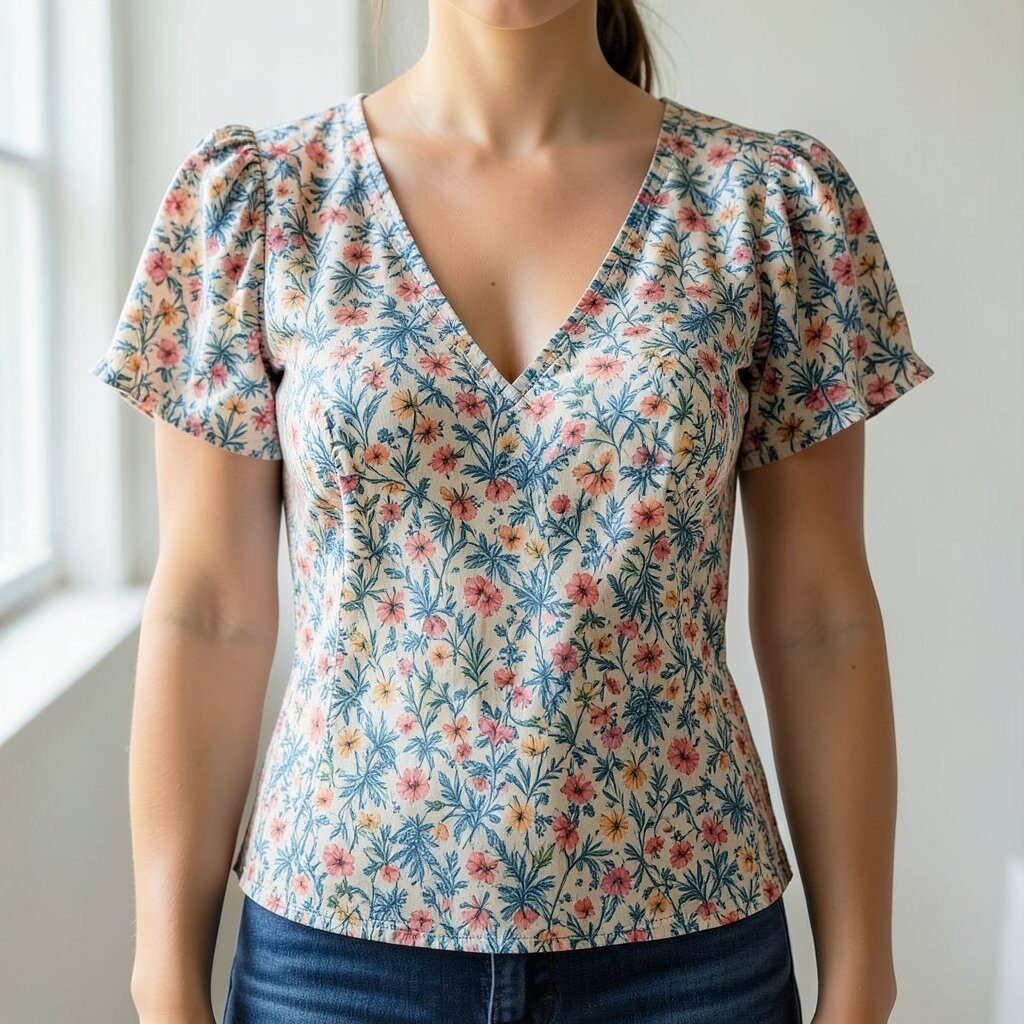
Flutter sleeves feel light and breezy, like a gentle breeze follows you around. You’ll see a flowing sleeve shape that drapes away from the upper arm and adds motion to every step.
This design stays unique because the V-neck draws the eye upward while the flutter adds softness. For practical sewing, pick a fabric that drapes well and doesn’t twist, such as viscose, crepe, or lightweight cotton gauze. Use clean finishing methods, like bias tape, so the inside edges feel neat. Personalize by choosing a contrasting thread color or adding small gathers at the sleeve cap.
10. Lace-Panel Blouse With Sheer Inserts
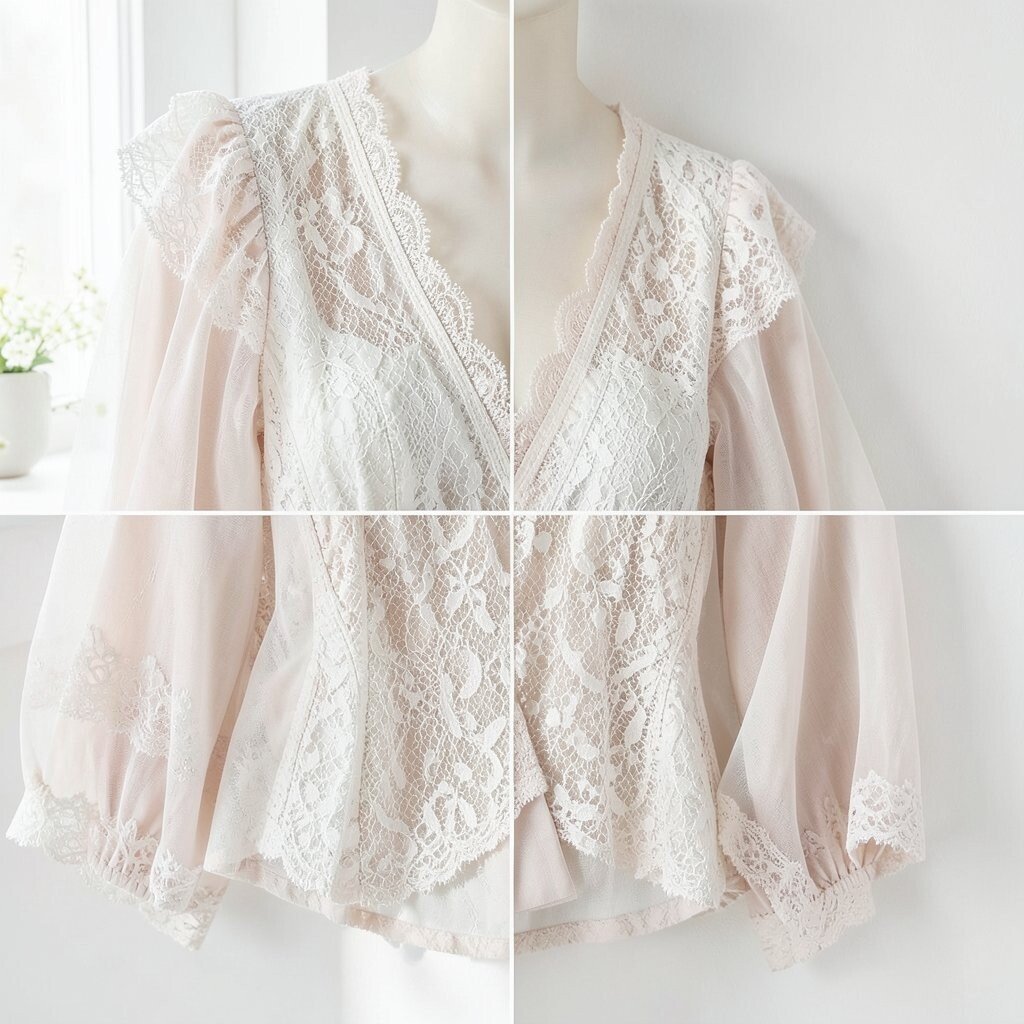
A lace-panel blouse can look daring and romantic, even when you keep the rest simple. Imagine a solid base with a lace section across the front, where texture turns into visual interest.
This pattern feels special because it plays with opacity and gives you a layered look. To sew it well, interface the solid sections lightly so they stay stable, and handle lace gently to avoid stretching. A practical tip is to practice matching placement on scrap fabric, especially if your lace has a repeat pattern. Personalize by placing the lace panel vertically, diagonally, or in a yoke-style shape.
For cost considerations, you can use lace only in the insert zones and rely on a more affordable fabric for the rest of the blouse. Current trends often feature mixed textures, so this piece will fit right in with modern wardrobes. If you prefer a more modest look, use a thicker lining under the sheer area.
Choose your neckline carefully and consider a comfortable closure that doesn’t pull on the lace. The end result can look like a boutique find.
11. Smocked Bodice Blouse With Puff Sleeves
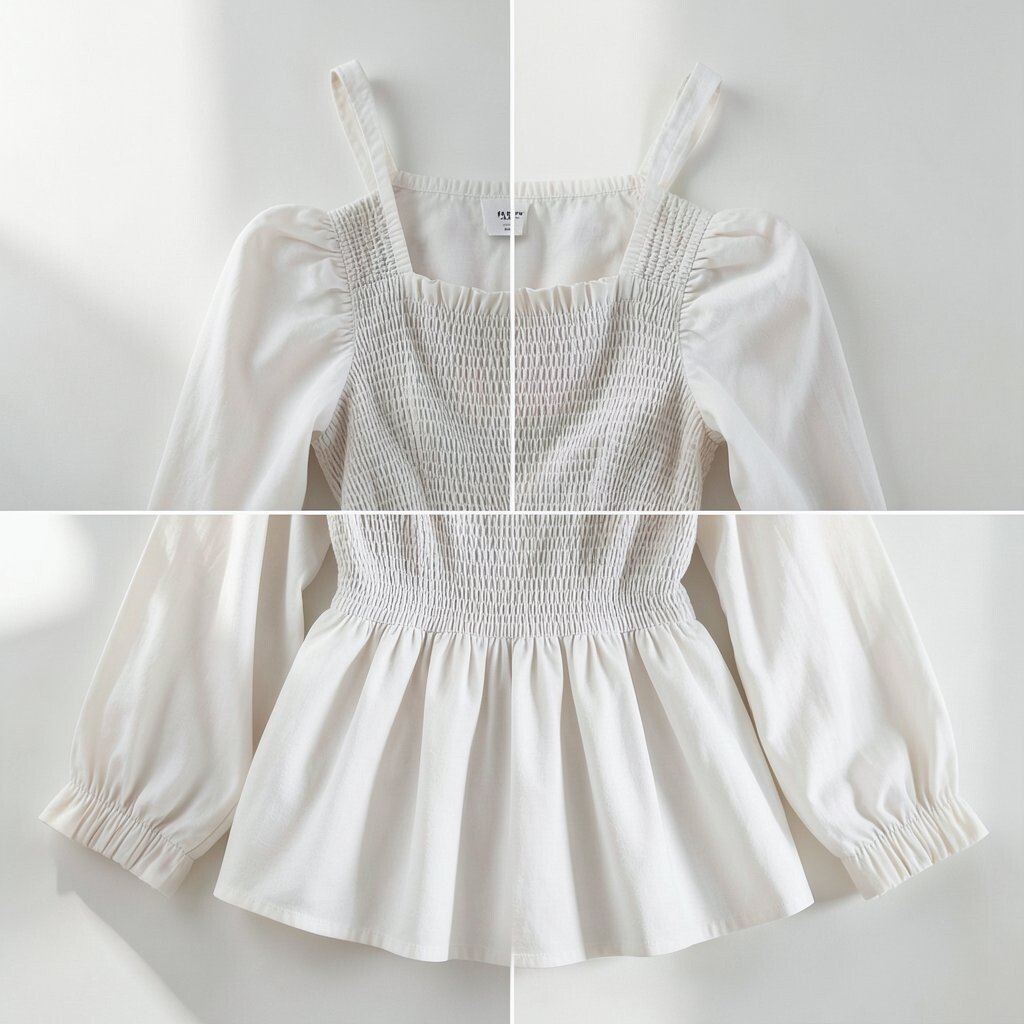
A smocked bodice gives you a built-in fit that feels snug without feeling tight. Picture rows of tiny gathers at the chest that stretch to hug your shape, then puff into soft sleeves.
This pattern is unique because the smocking does both style and function at once. For practical tips, use a fabric that responds well to smocking, such as cotton with good stretch, and test your elastic or thread settings on a scrap. Personalize by choosing a classic diamond smock or a simple grid pattern, and adjust the number of smocked rows for your comfort level. You can also make it more modern by pairing smocking with a clean high neckline.
For cost considerations, smocking can be thread-light compared to heavy embellishment, so you can save fabric money by using a smaller yardage piece if the pattern allows. Trend-wise, smocked tops keep returning because they look charming in both casual and dressy settings. Pair with linen trousers for a breathable summer outfit.
When you sew the sleeve attachment, keep tension even so the smock remains tidy and symmetrical.
12. Pegged Hem Blouse With Asymmetrical Wrap Edge
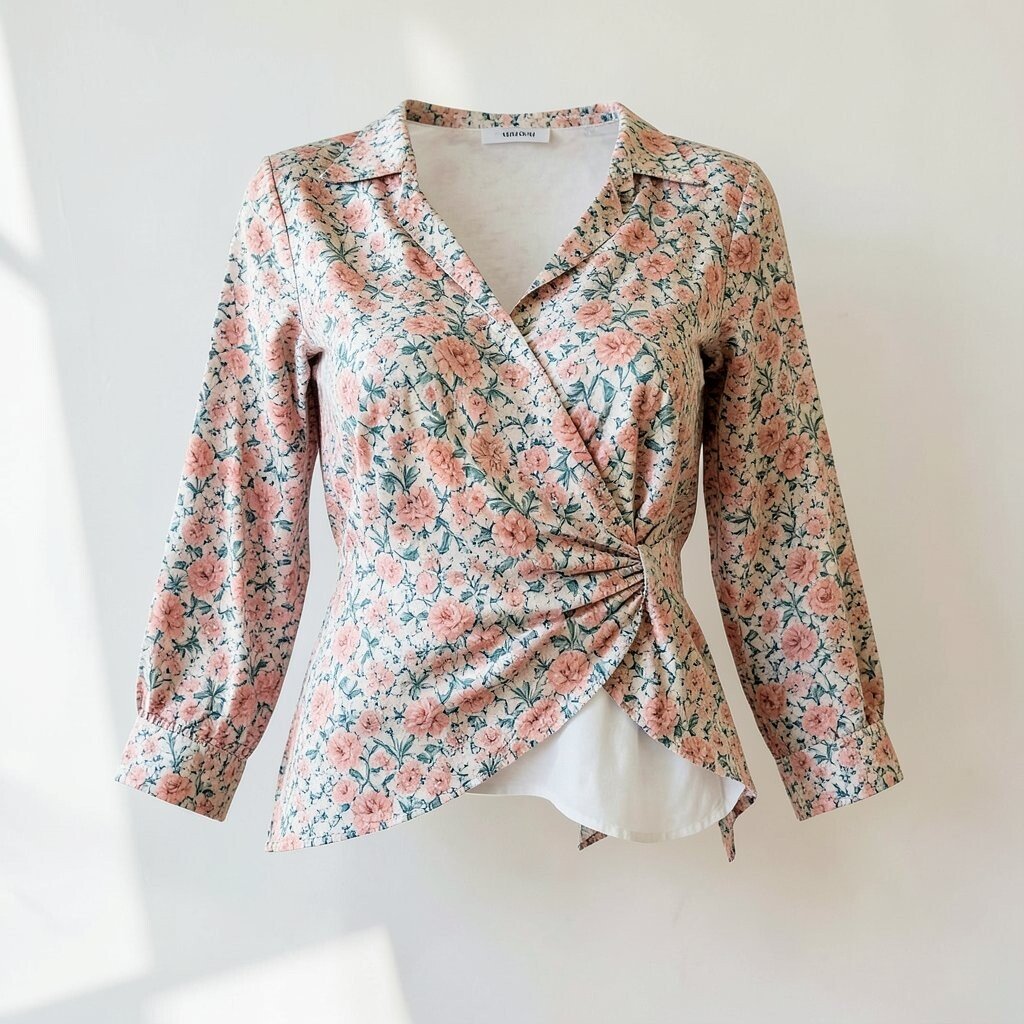
An asymmetrical wrap edge adds an artful twist that makes your outfit feel styled. You’ll see one side higher than the other, with a clean line that looks like it belongs in a fashion magazine.
This pattern stands out because the hem creates movement while still staying crisp. Choose a fabric with a stable drape, like lightweight crepe or structured satin cotton, so the lines stay sharp. Practical sewing tip is to baste the hem layers first, check your mirror fit, then stitch confidently. Personalize by changing the angle of the asymmetry or adding a small tie belt to reinforce the wrap look.
Cost considerations are manageable because the hem detail uses fabric efficiently and doesn’t require lots of extra panels. If you want a trendy look, pair it with a solid skirt or straight jeans to let the hem do the talking. For a softer vibe, make the hem edge from a contrast fabric that shows at the bend.
13. Kimono-Style Blouse With Obi Belt
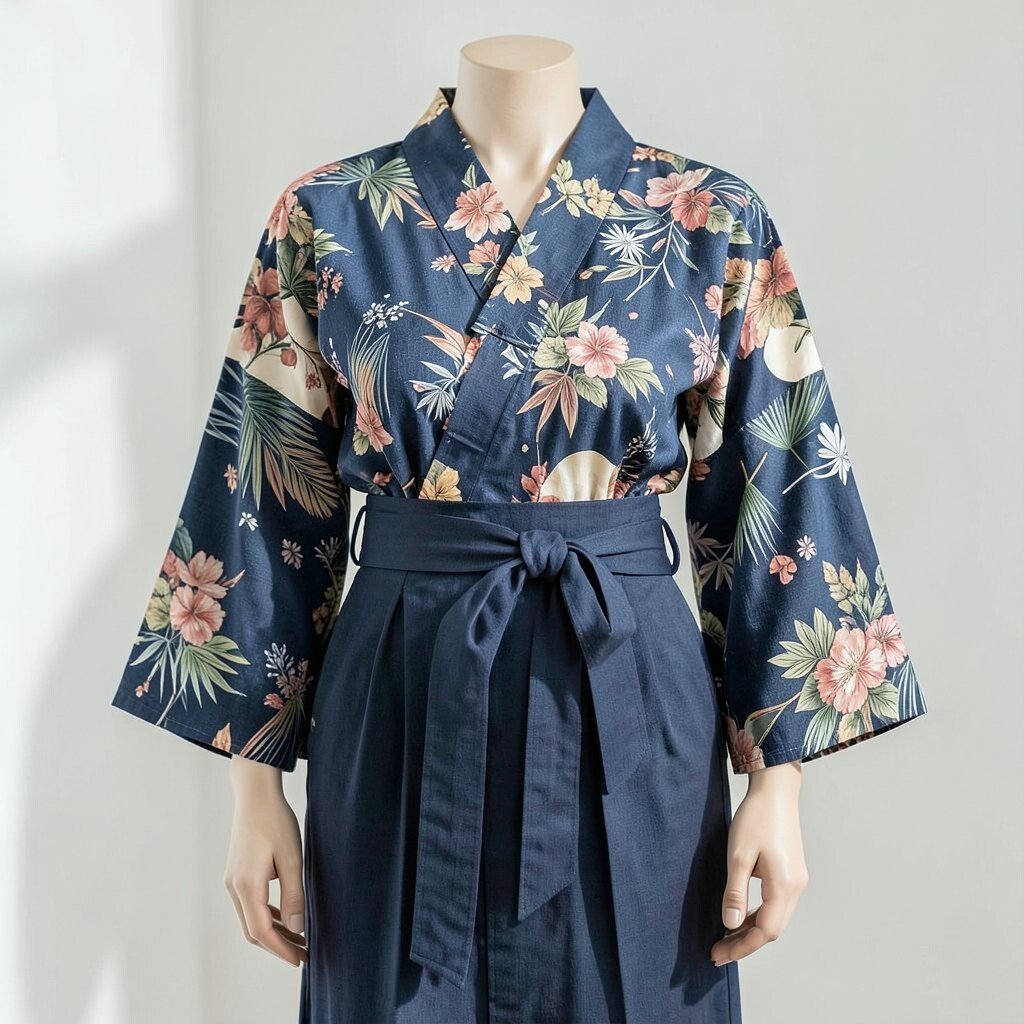
Kimono-style blouses have that cozy, relaxed elegance that never feels stiff. You can picture overlapping front panels, wide sleeves, and a belt tied around the waist like a chic accessory.
This pattern feels unique because you can wear it open like a light layer or close it for a tied look. For practical tips, choose a fabric with good drape, such as rayon, soft silk blend, or viscose, and keep your belt width proportionate to your body size. Personalize by using contrast piping along the front edges or adding a hidden snap for easy closure. Trend-wise, wrap layers and tie belts stay popular because they flatter many shapes.
For cost considerations, kimono styles often use less precise fitting, which can save time and allow you to use midweight remnants. If you love comfort, pick a breathable fabric and add slight length so it feels airy. When you press seams, use a press cloth to protect delicate fibers.
This blouse can become your favorite for travel days and warm evenings.
14. Pegged Waist Blouse With Waistband and Center Seam
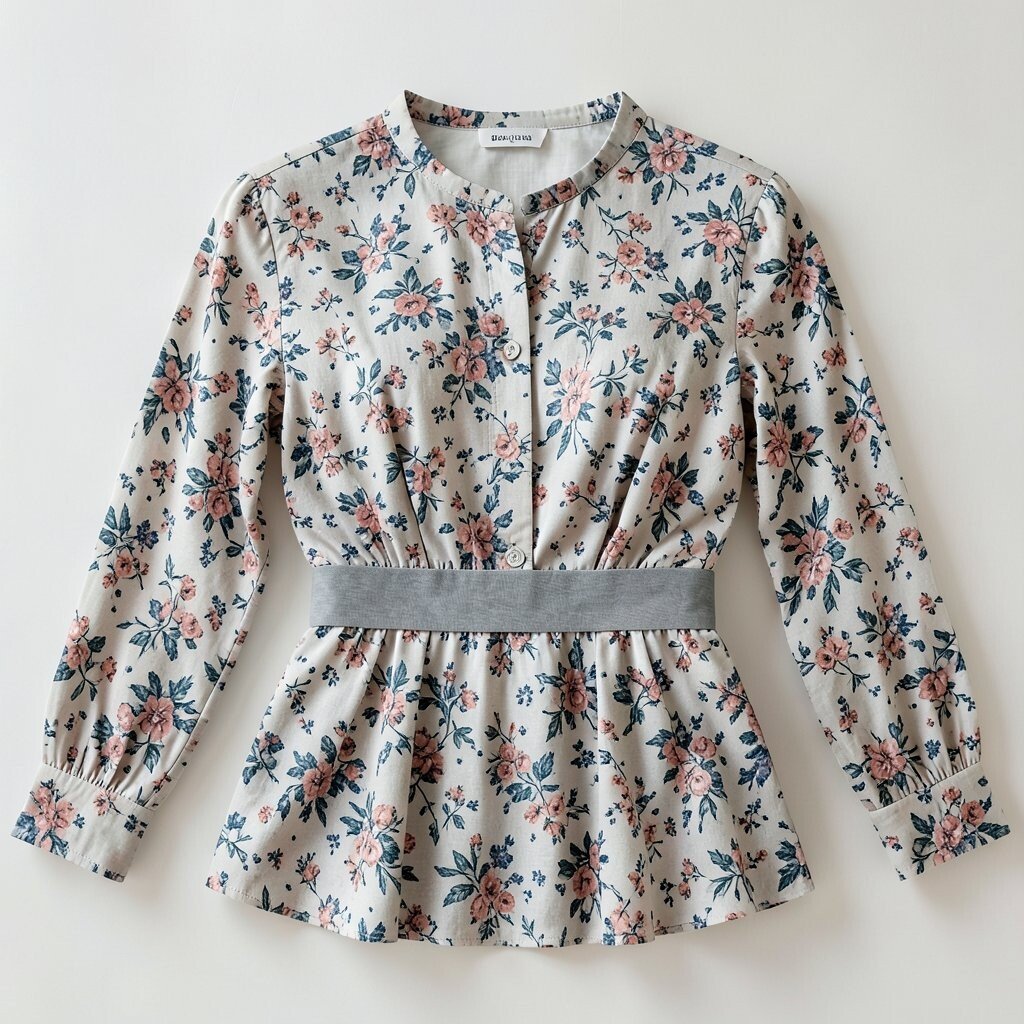
A peached, fitted waist design can make your blouse look tailored even if you keep it casual. Imagine a center seam that shapes the front, with a waistband that defines your silhouette right at the natural waist.
This style is unique because the structure comes from clever seam placement rather than heavy details. For practical sewing, keep seam allowances consistent and press toward the waistband for a clean finish. Choose a fabric with a little stability, like cotton sateen or a stretch twill, so the waistband holds its shape. Personalize by adding an optional pocket panel or a contrast waistband stripe.
Cost considerations are helpful here because you can use simpler fabrics and still get a polished look. Current trends often favor tailored basics, and this design fits right in with that idea. For comfort, include ease at the bust and check movement across your arms before you finalize seam lengths.
15. Cowl-Neck Blouse With Draped Front
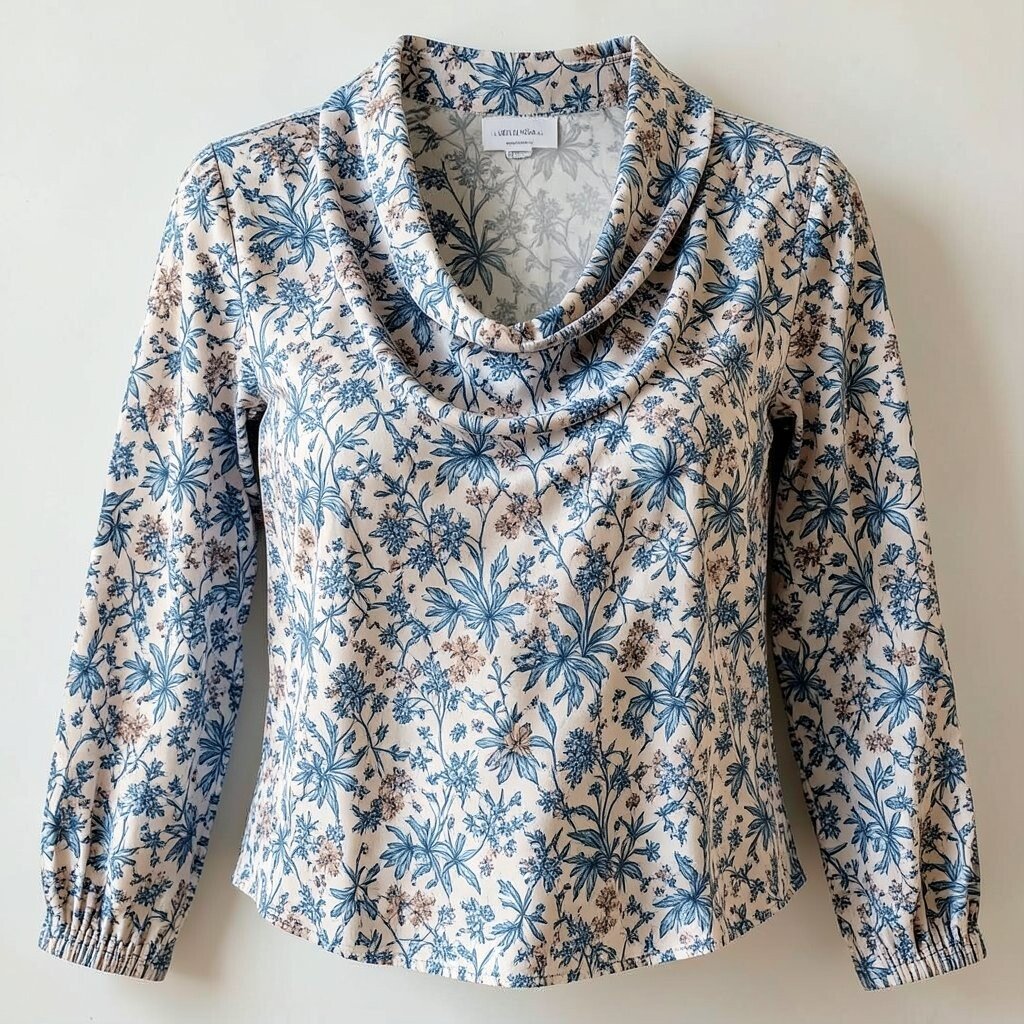
A cowl neck brings softness around your neckline and makes you feel wrapped in comfort. You’ll notice the fabric folds and layers in a curved shape that looks fancy without needing extra decoration.
This pattern feels unique because the drape does the work, turning basic fabric into something elegant. For practical tips, choose knit fabric with good recovery so the cowl stays in shape after wear. Add a center front stay or small reinforcement to prevent stretching, and make sure your neckline opening feels comfortable while moving. Personalize by selecting a deep solid color for a sleek look or a subtle print for a romantic vibe.
Cost considerations are decent because you can often get the look with one main fabric and minimal extras. Trend-wise, draped necklines show up in many modern wardrobes, especially in soft knits. If you want a dressier finish, topstitch the neckline lightly or add a narrow contrast band at the hem.
This blouse pairs beautifully with skirts, trousers, and even relaxed denim.
16. Raglan Sleeve Blouse With Contrast Stripes
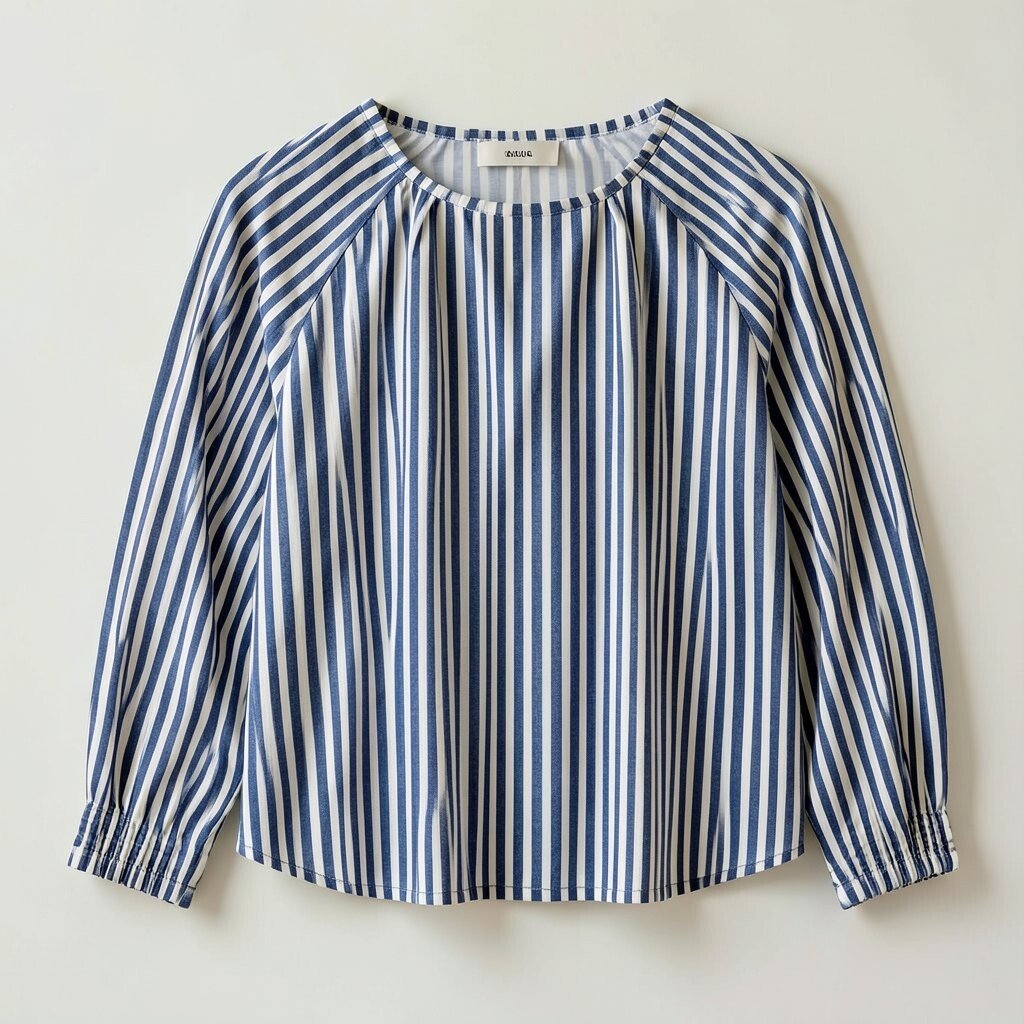
Raglan sleeves create a sporty look with seams that run from neckline to underarm. You’ll see that clean diagonal line, and when you add contrast stripes, the blouse instantly feels more playful.
This pattern is unique because it combines comfort with a design statement. For practical sewing, match the raglan seam angles carefully and use stable knit fabric so the seams don’t ripple. Personalize with stripe width, stripe color, or even a gradient effect using fabric panels. If you like a trendier vibe, choose bold contrast colors and keep the body solid.
Cost considerations can be smart because stripes let you use small cuts from leftover fabric, especially for sleeve bands. Current trends favor color blocking, and raglan sleeves make that look natural. For extra comfort, choose a fabric that stretches evenly and avoid overly thin material that shows seams.
17. Linen Buttoned Back Blouse With Pleated Yoke
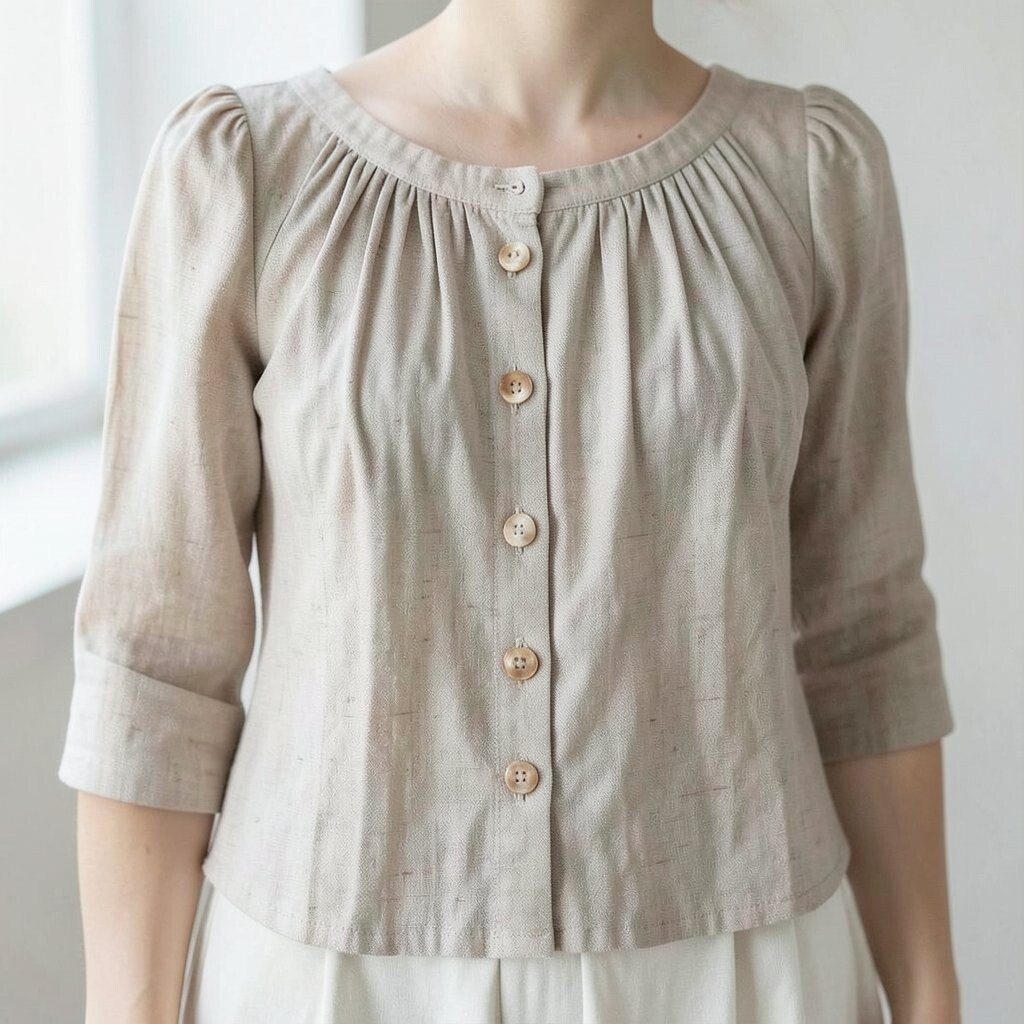
A pleated yoke adds texture and sophistication, especially when it sits right at the shoulders. You can picture neat folds that create a gentle volume, and a buttoned back that makes the fit adjustable.
This pattern feels unique because the interest is slightly behind the front, giving you a surprise detail when you turn. For practical tips, press pleats carefully and baste before stitching so folds stay accurate. Choose linen or linen blend for a crisp look that still feels breathable. Personalize by selecting buttons in wood tones, mother-of-pearl, or bold colors that match your wardrobe.
Cost considerations are manageable since yoke pleats use less fabric than full ruffles, and linen blends often come in a wide range of prices. Trend-wise, back details and hidden interest keep popping up in modern sewing communities because they feel special. If you want a neat finish, use interfacing on the facing and keep button spacing consistent.
When you wear it, the back closure can help with fitting so the blouse sits just right all day.
18. Off-Shoulder Blouse With Ruffled Hem and Neckline Ties
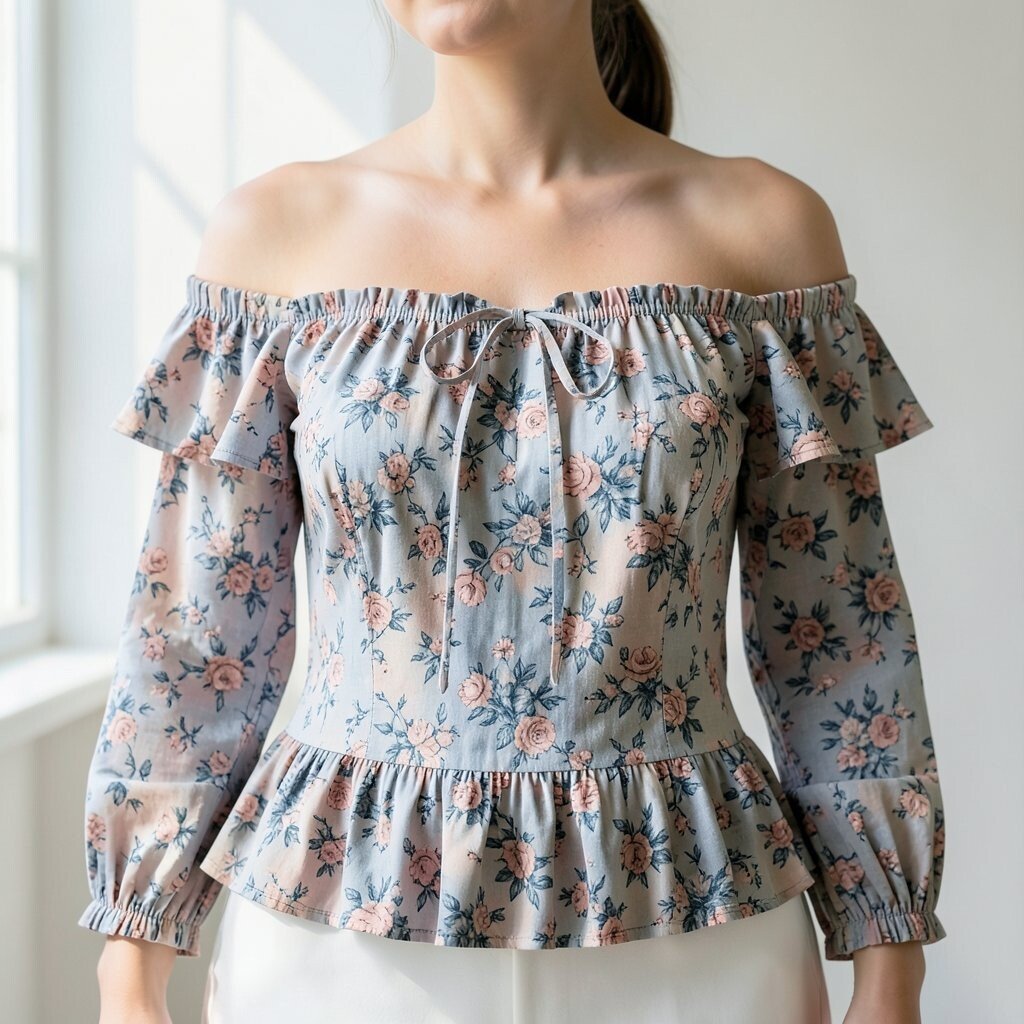
This design adds romance from two places: the neckline and the hem. You’ll notice ruffles that frame your shoulders and a second ruffle that sways near the hips for a sweet, lively silhouette.
This pattern stands out because the tie details let you control the snugness. For practical sewing, use a lightweight fabric that holds gentle ruffles, such as cotton voile or soft poplin, and anchor the ruffle seams so they don’t flip. Personalize by using ties in a contrast color or adding a small bow at the center front. If you want an airy look, keep the ruffles light and the gathers even.
Cost considerations are friendly because you can keep the pattern simpler on the body and focus fabric on ruffle sections. Current trends often highlight playful volume, and ruffled edges keep showing up in summer styles. Pair this blouse with simple solids to let the ruffles shine without extra visual noise.
Make it yours by adjusting the ruffle height and tie length so the blouse feels comfortable from morning to evening.