
Coastal Alaska trips can bring wind, rain, cold air, and bright sun in the same day. Layered clothes help you stay warm, dry, and ready for changing weather.
1. Base Layer With Soft Merino Wool

A soft merino wool base layer feels light and smooth under other clothes. It helps move sweat away from your skin, so you stay more comfortable on long walks or boat rides.
This layer works well because it keeps heat in without feeling bulky. Many people like it for its clean look and easy fit, and it can cost more than basic cotton, but it often lasts longer and does a better job in damp air.
You can pick a thin top if you run warm or a thicker one if you get cold fast. Neutral colors like gray, navy, and black are common now, and they make it easy to mix with other pieces.
2. Waterproof Shell Jacket Over Light Layers
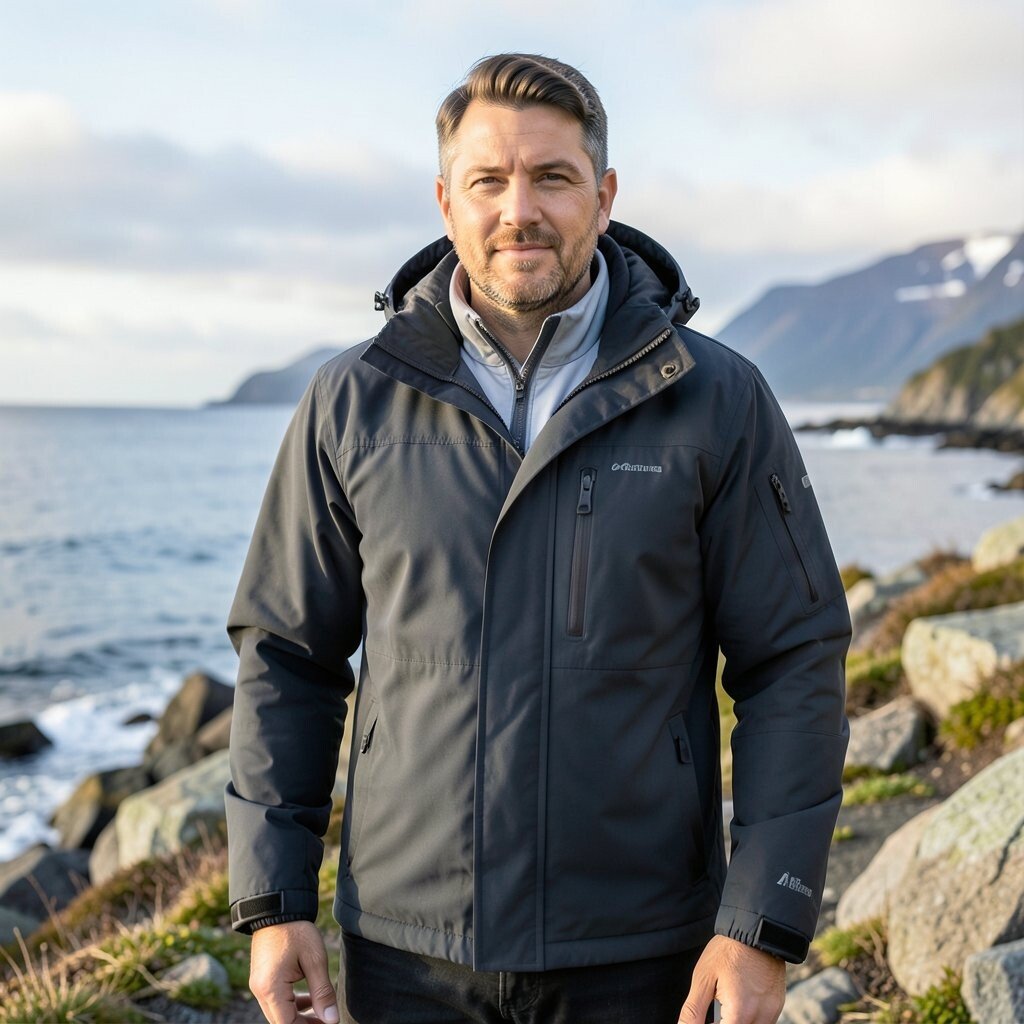
A waterproof shell jacket gives you a dry outer layer when rain starts or sea spray hits. It looks simple and neat, and it can fold up small when the sky clears.
This piece is useful because it blocks wind and water while still letting air move. Good shells can cost a lot, but many travelers think the price is worth it since one jacket can work for many trips and seasons.
Choose a shell with a hood and easy zippers so you can use it fast. Some people like bright colors for safety and style, while others choose dark shades for a more quiet look.
3. Fleece Midlayer for Easy Warmth

A fleece midlayer adds warm air without making your outfit feel heavy. It has a soft, cozy look that works well on deck, on trails, or around town.
This layer is nice because it dries fast and feels good after a cool breeze or light rain. Fleece is often cheaper than many technical fabrics, so it is a simple choice for many budgets.
You can wear a slim fleece under a shell or a bigger one over a base layer. Zip fronts, half zips, and hooded styles are all common, so it is easy to find one that fits your taste.
4. Insulated Vest for Core Warmth
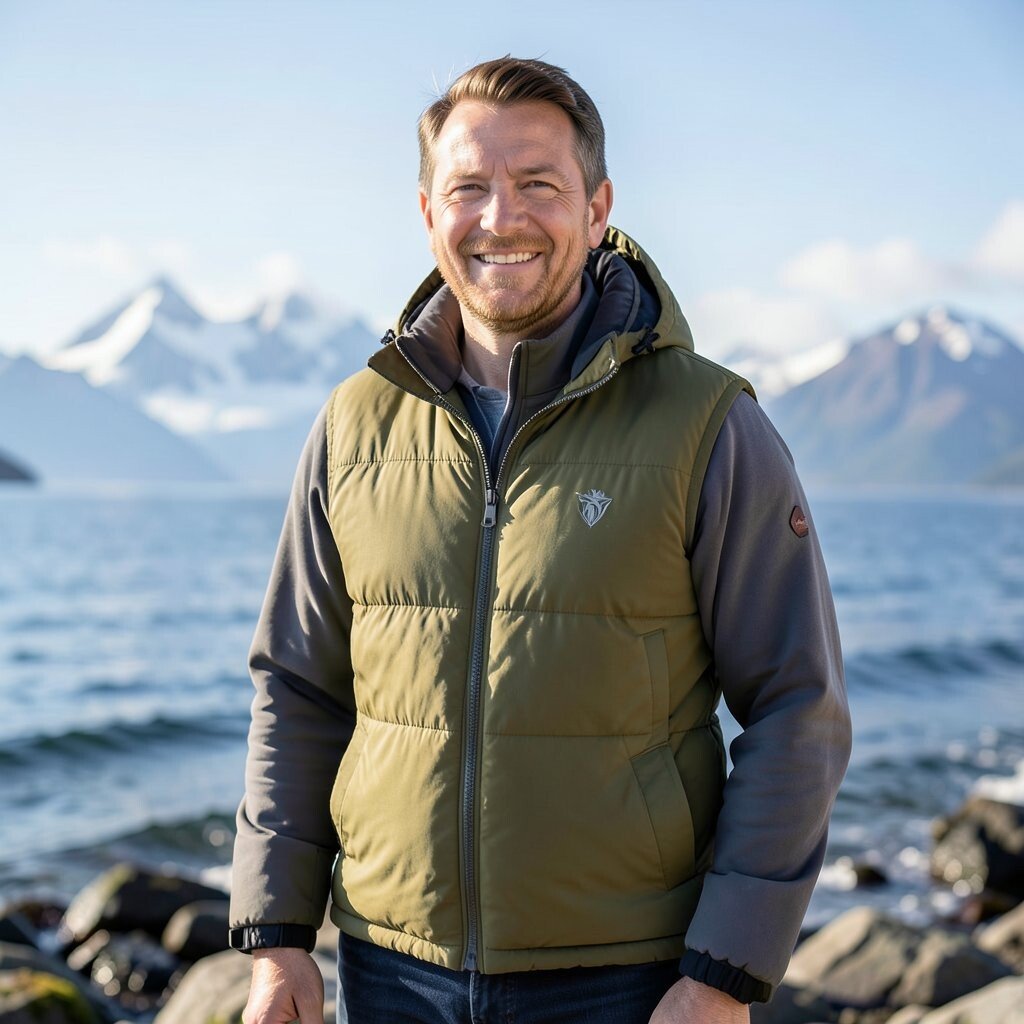
An insulated vest keeps your chest warm while leaving your arms free. It gives a tidy look and works well when the day starts cold but gets warmer later.
This is a smart layer for active travel because it adds warmth without too much bulk. Vests can range from low cost to high cost, and many new styles use light fill that packs down well.
Try a vest in black, olive, or soft blue for easy use with other clothes. If you want a fresh look, choose one with a matte finish or a quilted shape that feels current.
5. Thermal Leggings Under Travel Pants
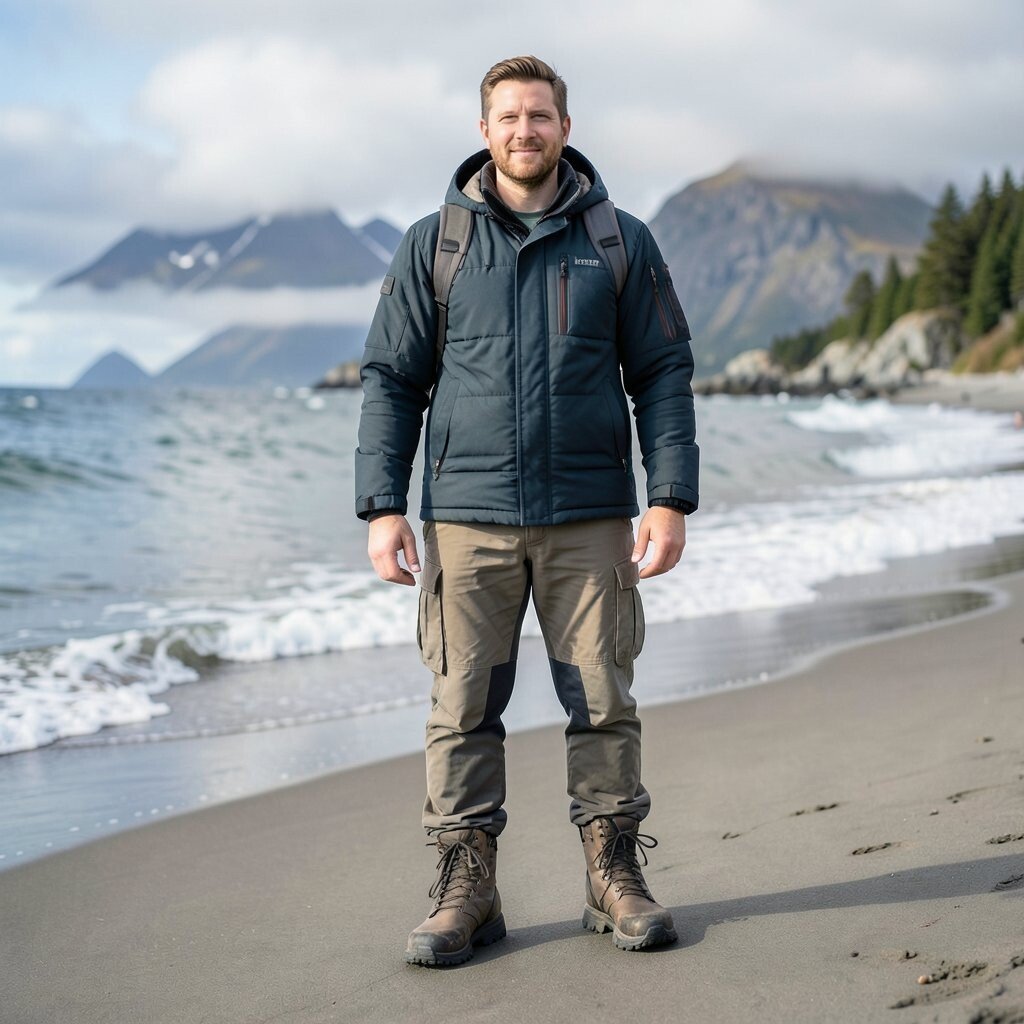
Thermal leggings can sit under your pants and help protect your legs from cold wind. They are thin enough to hide under most travel pants, so the whole outfit still looks neat.
This layer is very useful on boat trips, early walks, or long waits outside. Many pairs are low cost, and they can make a big difference when the temperature drops near the water.
Pick a pair with a soft waist and flat seams for better comfort. Some people use black leggings for a simple look, while others choose dark green or navy to add a small change in style.
6. Quick-Dry Hiking Shirt
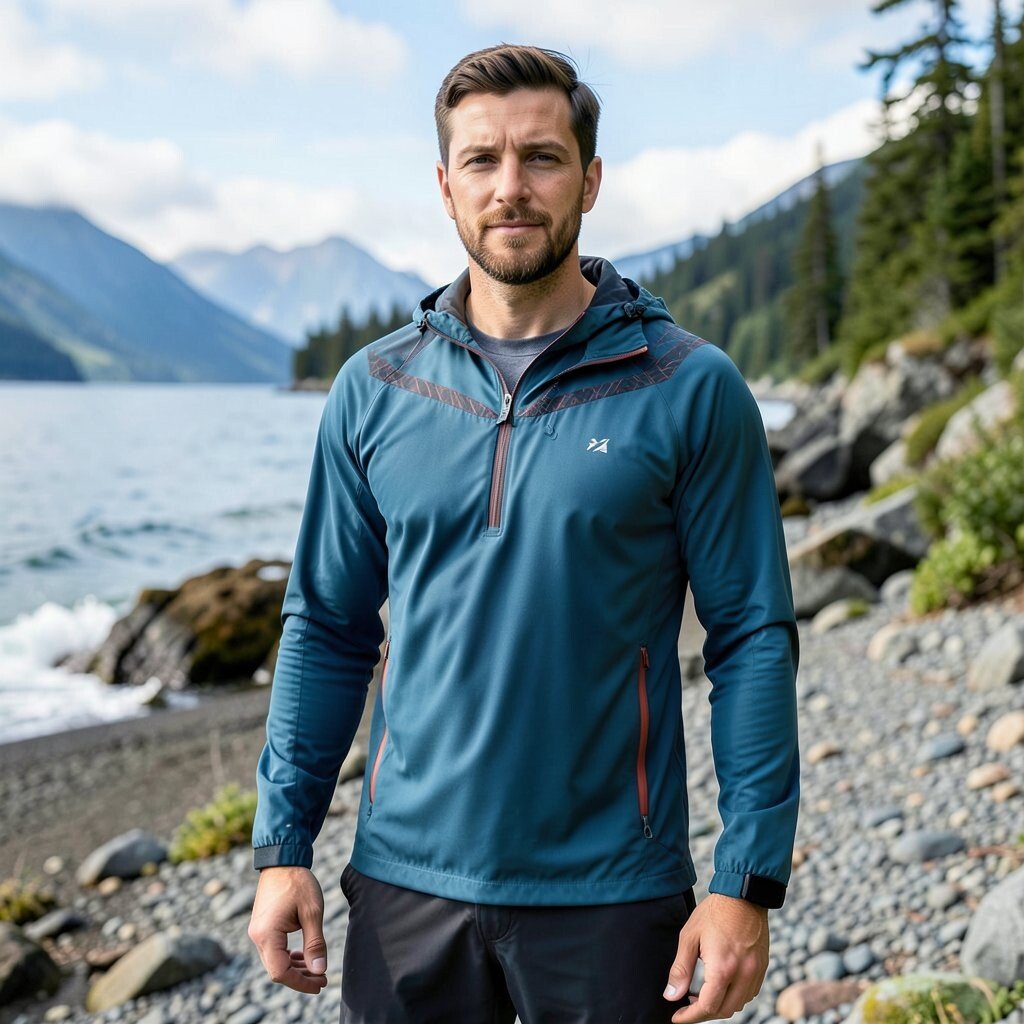
A quick-dry hiking shirt helps keep sweat from staying on your skin. It often looks like a plain button-up or a simple long-sleeve top, which makes it easy to wear in town too.
This shirt is helpful because it dries fast after rain or effort. It can also cost less than a full technical outfit, so it is a good pick for people who want value and comfort.
Light colors can help you feel less warm on sunny days, while darker colors hide marks better. Roll-up sleeves and chest pockets are useful details that many travelers like right now.
7. Packable Down Jacket for Cold Stops
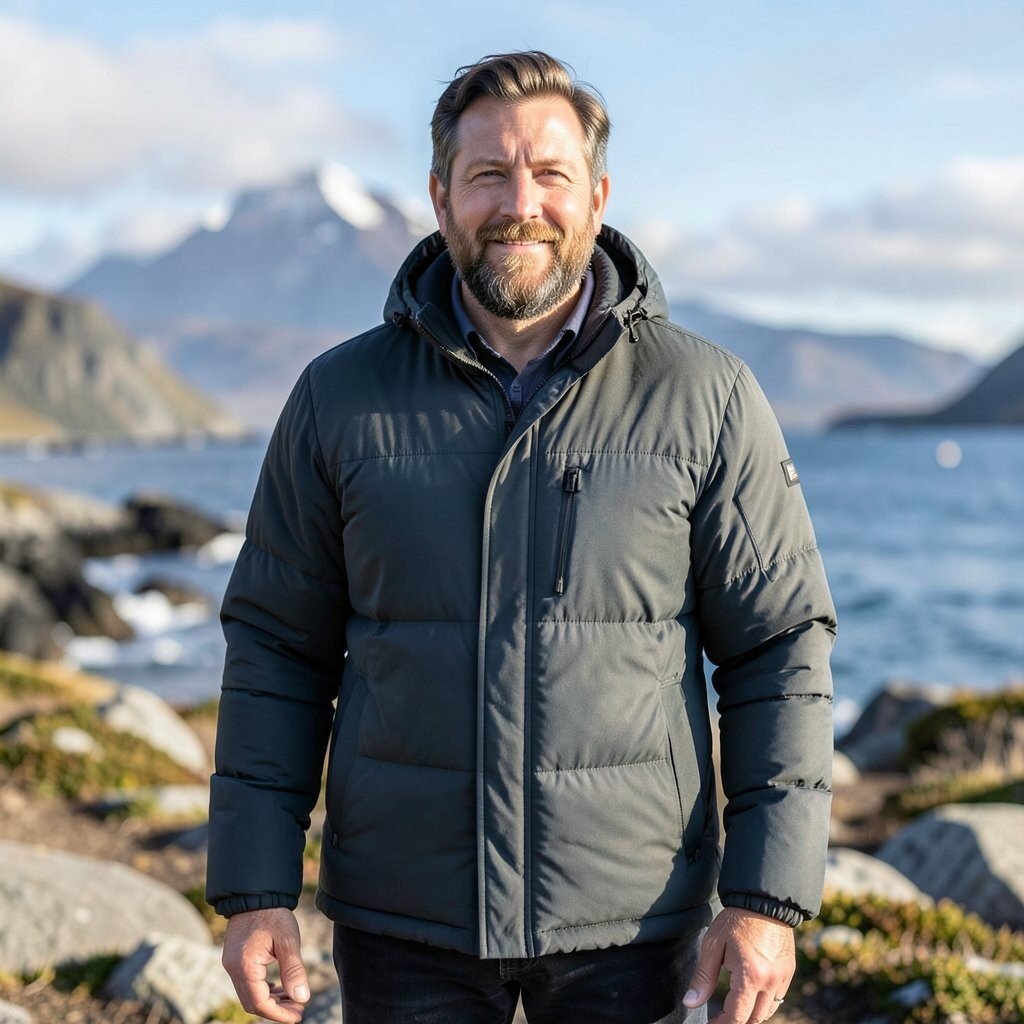
A packable down jacket gives strong warmth in a small shape. It is easy to stuff into a bag, which helps when the weather changes during a day out.
This layer is good for chilly mornings, boat decks, and evening walks near the coast. It can cost more than fleece, but it often feels lighter and warmer for its size.
Try a jacket with a slim cut if you want a cleaner look under a shell. Many current styles use soft colors like stone, mist, and forest green, which fit well with coastal scenery.
8. Rain Pants for Wet Trails
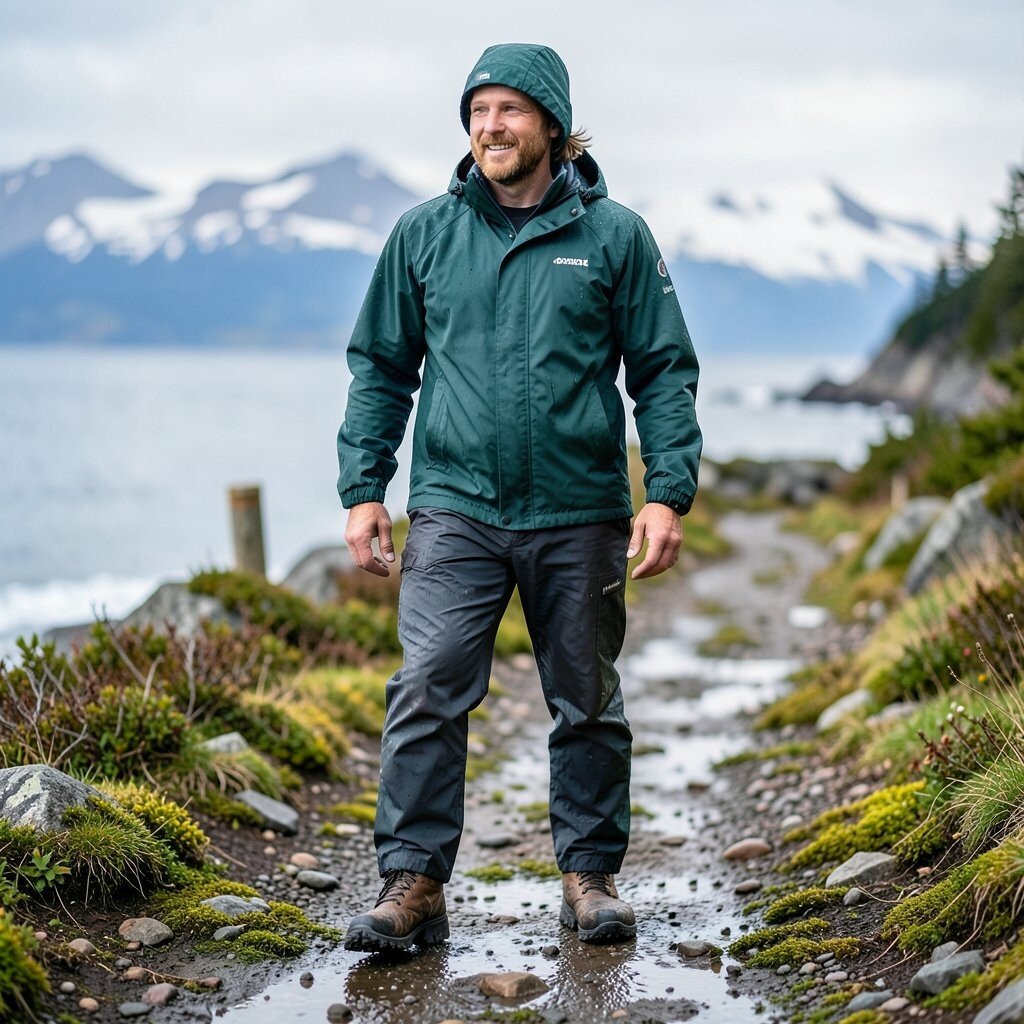
Rain pants help keep your lower half dry when paths are muddy or water is blowing sideways. They may not look fancy, but they can save a long day from feeling cold and damp.
This layer is useful because it slips over other pants and comes off fast when you no longer need it. Many rain pants are not too costly, and basic pairs can work just fine for casual outings.
Look for leg zips if you want easy on and off over boots. A simple fit works best, but some newer styles have a cleaner shape that looks less bulky than older ones.
9. Wool Socks With Strong Cushioning
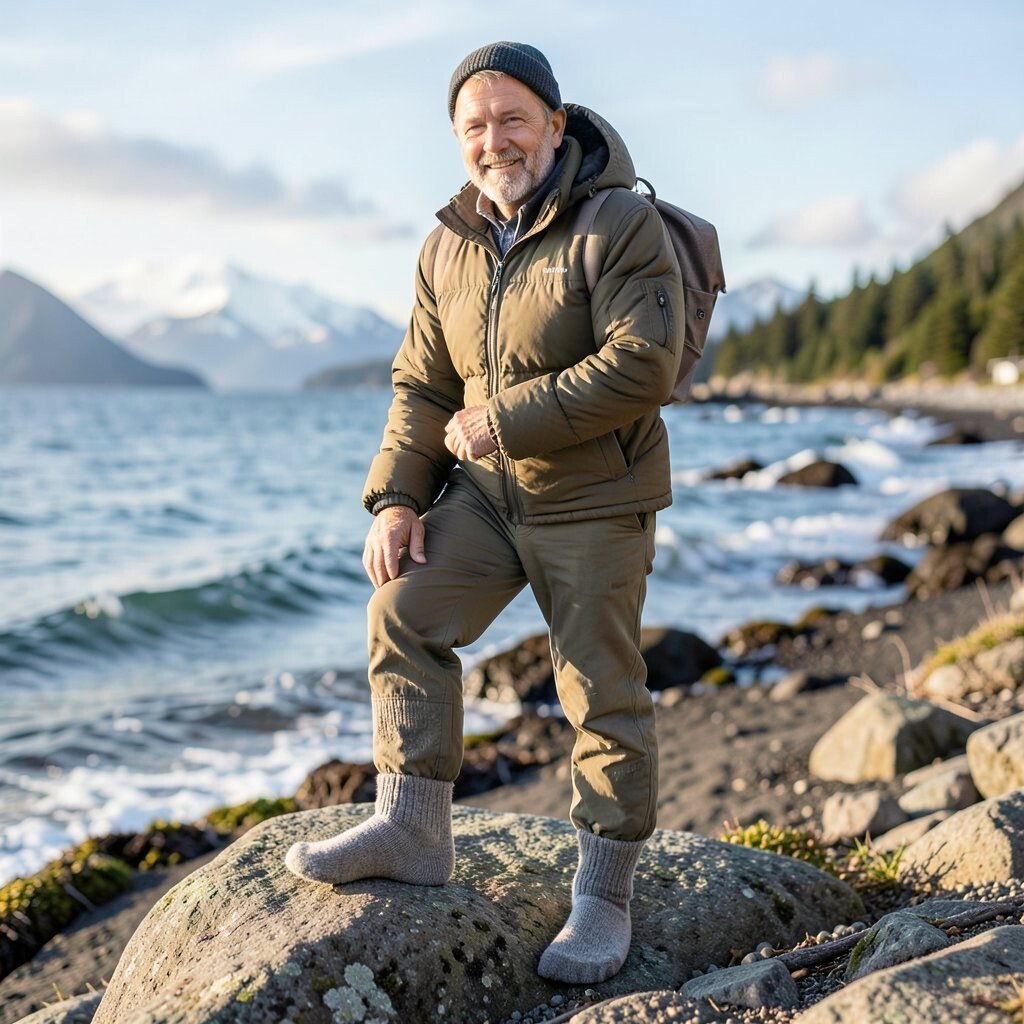
Wool socks keep feet warm even when shoes get damp. They also add soft padding, which helps on rocky paths and long days of standing.
This small layer can make a big change in comfort and is often worth spending a little more on. Good socks can last through many trips, and they are one of the easiest ways to improve your outfit.
Choose midweight socks for most days and thicker ones for colder weather. Fun stripes, muted colors, and simple patterns are all common, so you can match them to your style.
10. Waterproof Boots With Room for Layers
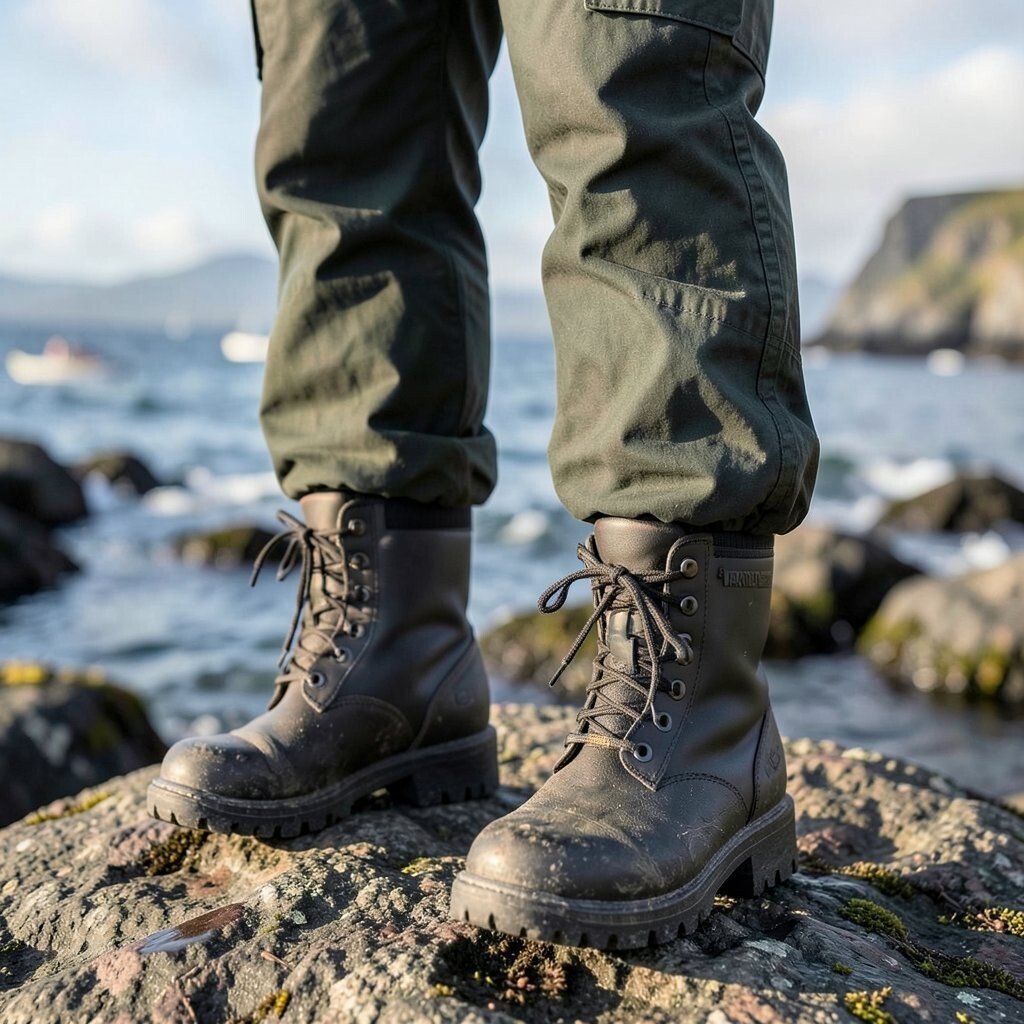
Waterproof boots help keep feet dry on wet ground, docks, and gravel paths. They also give a solid look that fits well with rugged coastal trips.
This choice is useful because it supports your feet and works with thick socks or thermal socks. Good boots can cost a lot, but they often last for years if you care for them well.
Pick boots with a good grip if you expect slick surfaces or uneven ground. Some people like tall boots for more coverage, while others choose shorter ones for a lighter feel and easier packing.
11. Beanie Hat for Fast Warmth
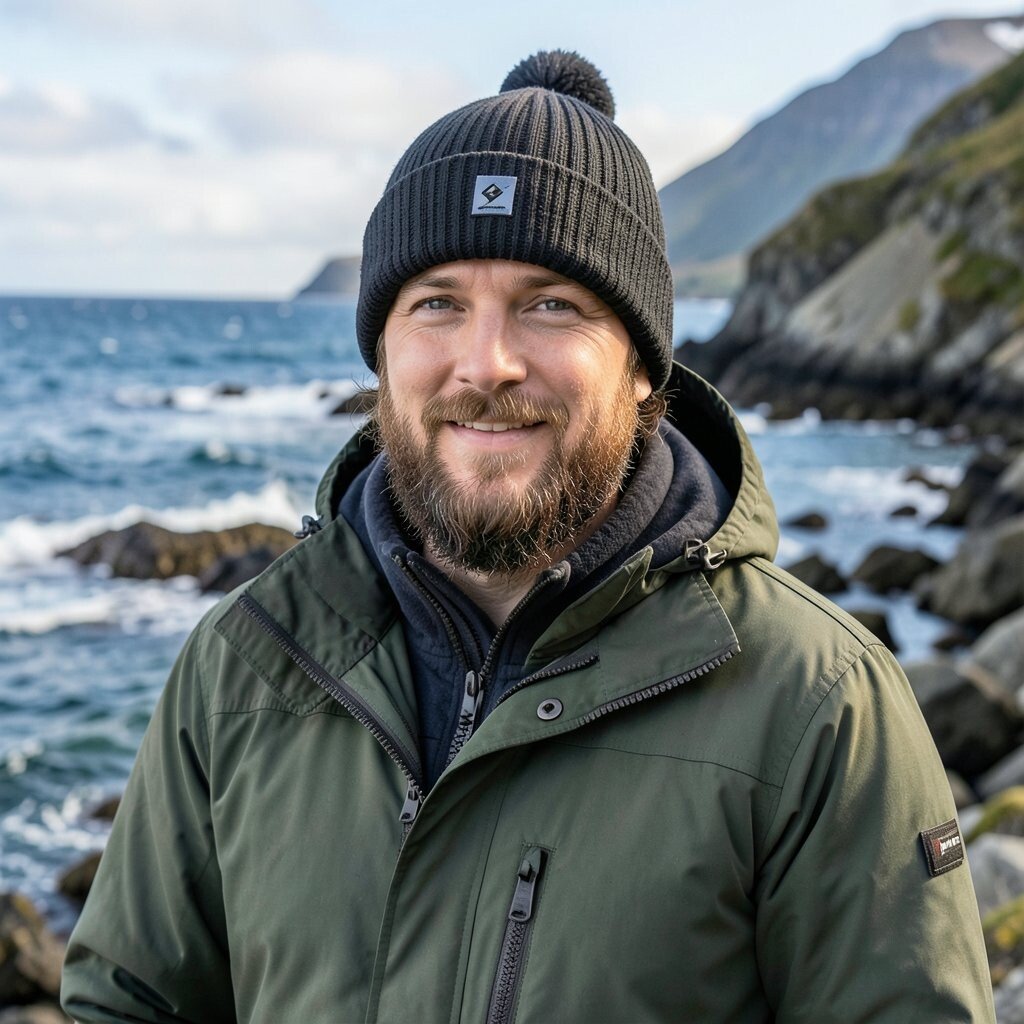
A beanie hat gives quick warmth when wind hits your ears and head. It is small, easy to pack, and simple to add to almost any outfit.
This layer is helpful because a lot of body heat can leave through your head in cold air. Beanies are also low cost, so they are one of the easiest items to buy for a trip.
Choose a ribbed knit for a classic look or a smoother knit for a cleaner feel. Earth tones, navy, and soft red are popular, but a bright color can make your outfit stand out in a nice way.
12. Neck Gaiter for Wind and Spray

A neck gaiter keeps wind off your neck and can pull up over part of your face. It is light, small, and easy to keep in a pocket when the weather is calm.
This piece helps a lot on boats or open paths where cold air can feel sharp. It is usually not expensive, and many travelers like it because it does more than a simple scarf.
Try a soft fleece gaiter for colder days or a thin one for mild weather. Some people like plain black, while others choose prints that add a bit of personality without taking up space.
13. Convertible Pants for Changing Weather
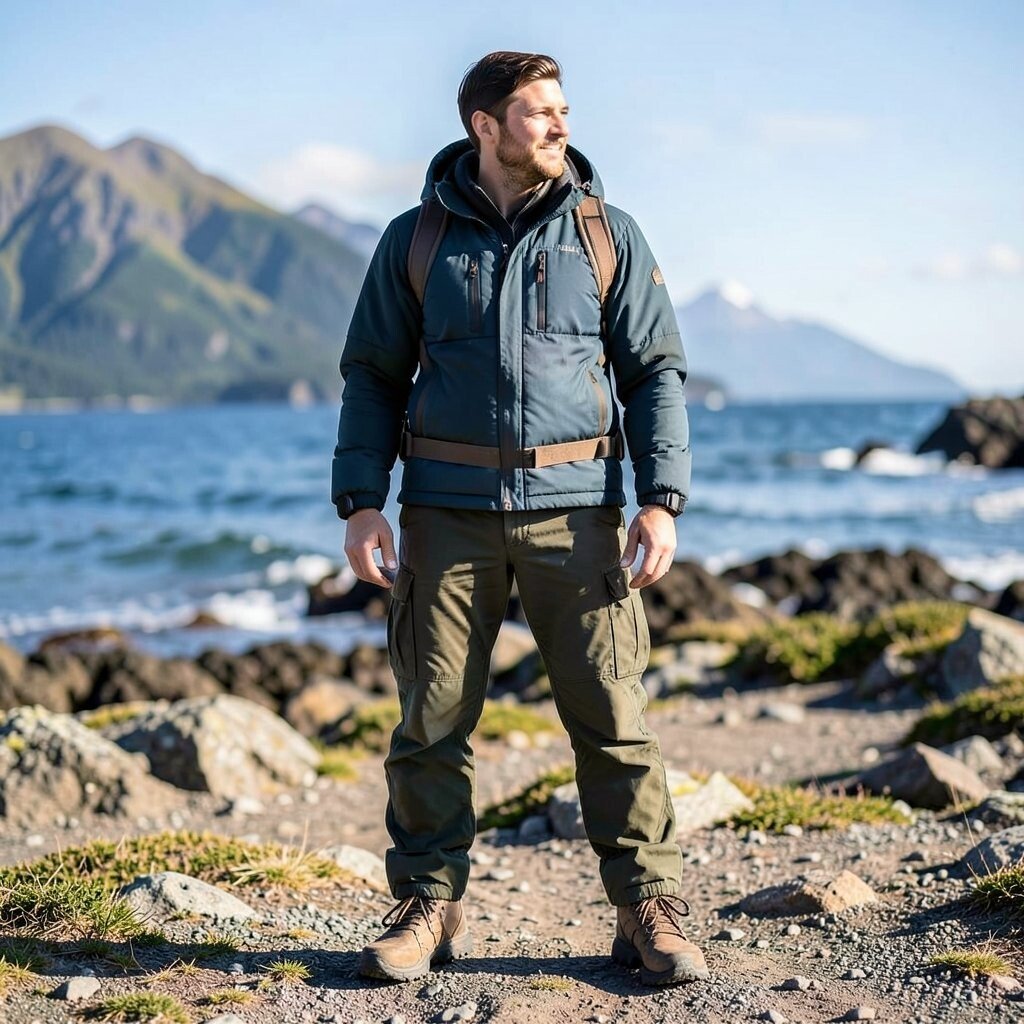
Convertible pants can shift from full-length pants to shorts with a zipper. They look practical and work well when a day starts cool and ends a little warmer.
This layer is useful for travel because it saves bag space and gives you more choices in one piece. The price can be fair for what you get, especially if you use them on many kinds of trips.
Pick a pair with a clean fit if you want to wear them around town too. Simple colors like khaki, gray, and dark green are common and easy to match.
14. Soft Hoodie Under a Shell

A soft hoodie can add comfort and warmth while still feeling casual. It gives a relaxed look that works well for ferry rides, camp stops, and slow walks near the shore.
This layer is nice because it is easy to wear and easy to wash. Many hoodies are low to mid cost, so they fit well in a simple travel plan.
Choose a thinner hoodie if you plan to wear it under a jacket. Some current styles use clean logos, muted colors, and smooth fabric that looks a bit neater than old bulky sweatshirts.
15. Lightweight Quilted Jacket
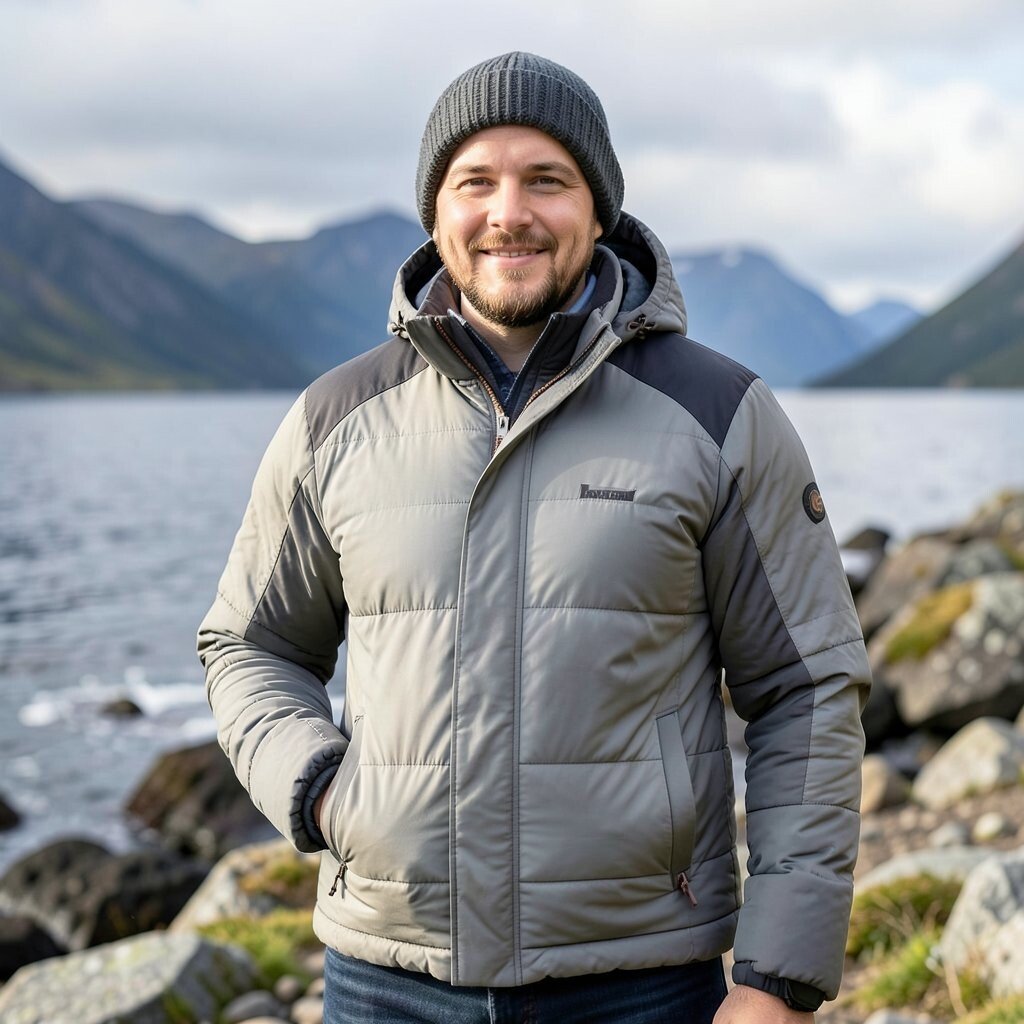
A lightweight quilted jacket gives a neat shape and a bit of warmth. The stitched lines add texture, which makes it look more polished than a plain coat.
This layer is useful for cool mornings and calm evenings when you do not need a heavy parka. It can cost less than a thick insulated coat, and it is often easier to pack.
Try one with a slim cut if you want to wear it over a sweater or fleece. Soft tan, slate, and olive are popular right now and work well with many other layers.
16. Base Layer Dress With Tights
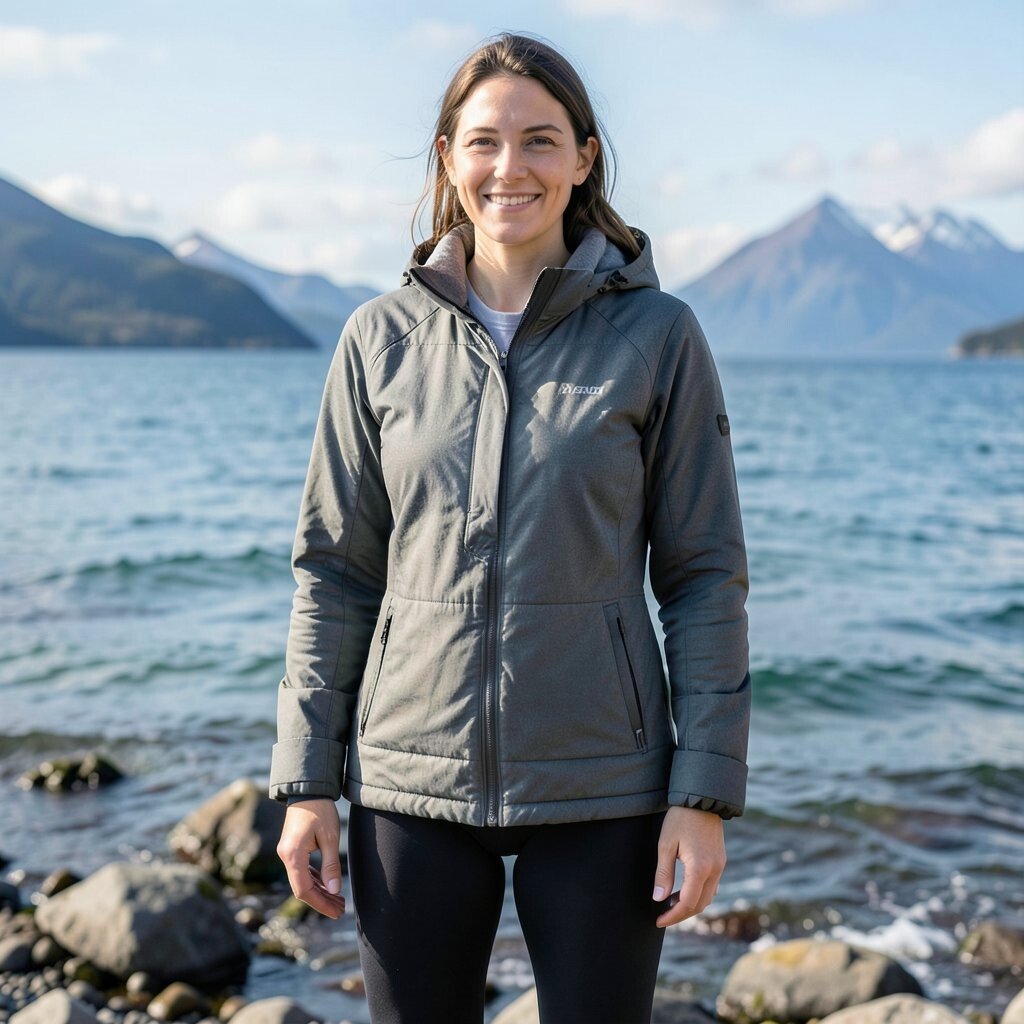
A simple dress with warm tights can be a good layered choice for coastal trips. It gives a neat look while still letting you add warm pieces under and over it.
This outfit works well when you want comfort and a little style in one set. Tights are often low cost, and you can swap them for thicker ones if the air feels colder.
Pick a dress in a knit or a soft jersey fabric so it feels easy to move in. Add boots and a jacket, and you get a look that feels calm, simple, and ready for damp weather.
17. Long Cardigan for Indoor and Outdoor Use
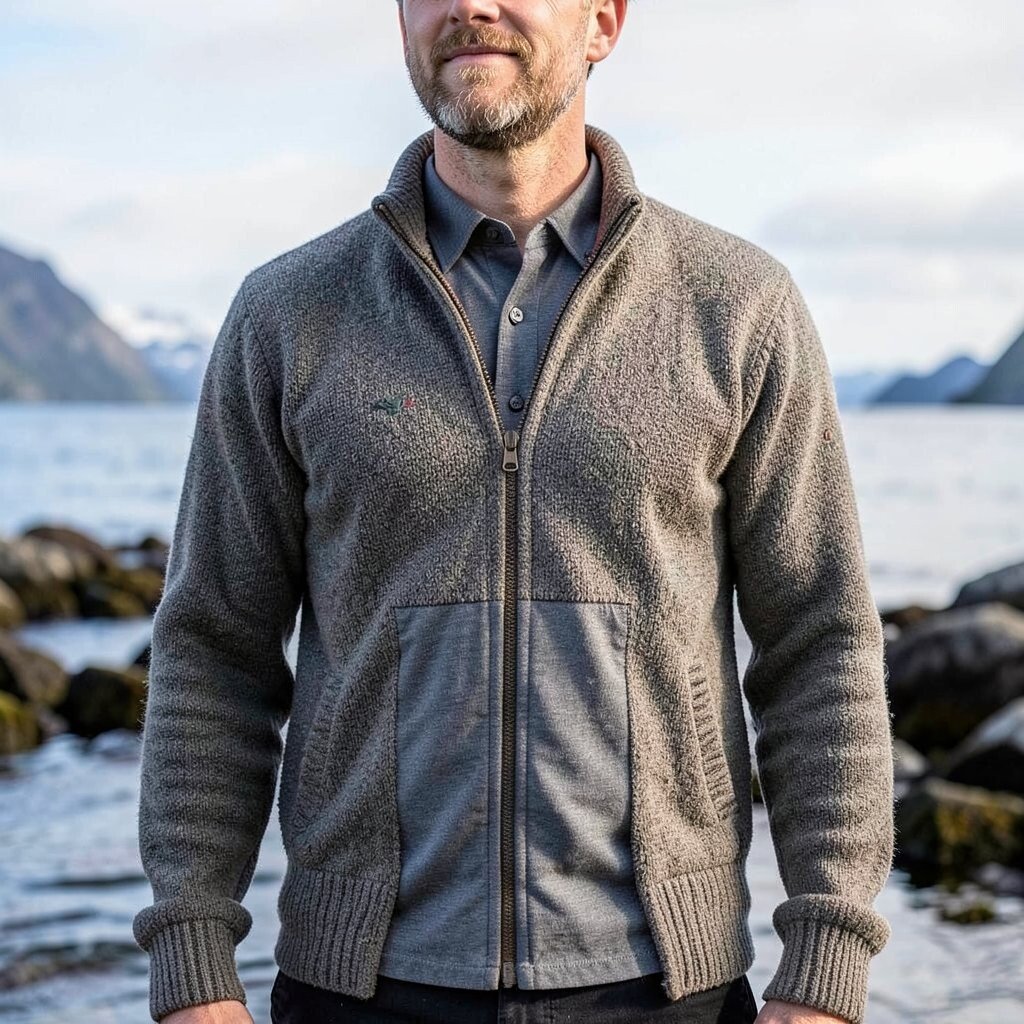
A long cardigan gives soft warmth and a relaxed look. It can work in a lodge, on a ferry, or during a quiet dinner after a day outside.
This layer is useful because it is easy to take on and off as the temperature changes. Many cardigans cost less than jackets, so they are a smart add-on for a travel bag.
Choose a thicker knit if you want more warmth or a lighter knit if you want more drape. Neutral shades are easy to use, but a soft blue or moss green can add a fresh touch.
18. Shell Vest for Active Days

A shell vest blocks wind on your core while keeping your arms free. It looks sporty and clean, which fits well with hikes, dock walks, and quick stops.
This layer is useful when you want less bulk than a full jacket. It often costs less than a full shell, and it can be a good choice if you already have warm sleeves underneath.
Try one with zip pockets so you can keep small items safe. Many travelers like simple dark colors, but color-block styles are also common and give a more modern feel.
19. Fleece-Lined Beanie and Gloves Set
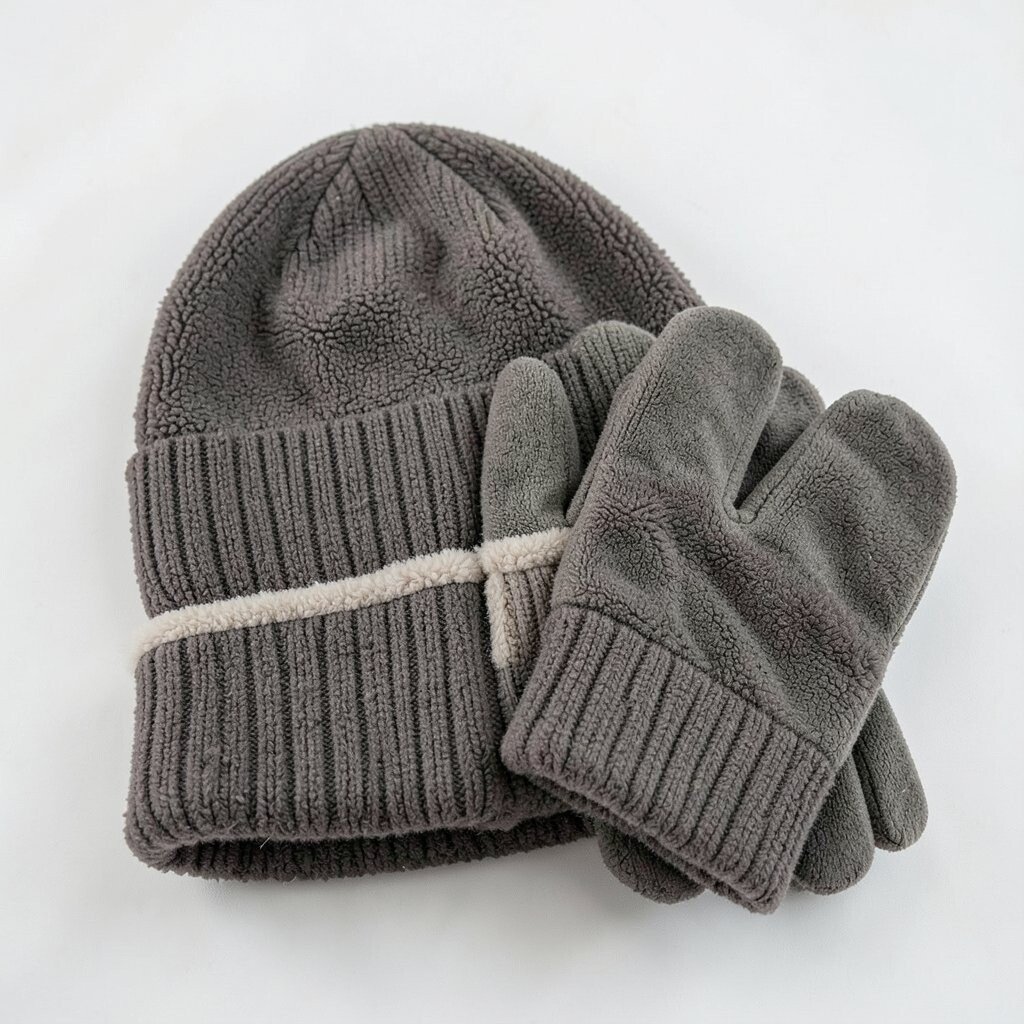
A fleece-lined beanie and gloves set gives easy warmth in one matched look. It can make your outfit feel more put together without much effort.
This set helps in cold wind because it protects both your hands and head at the same time. Sets are often a good value, since buying them together can cost less than buying each piece alone.
Pick a set in the same color family for a neat look, or mix shades for a more casual style. Many people now like soft neutrals, but a bold red or blue can be nice for quick spotting in a crowd.
20. Layered Shirt With Flannel Over It
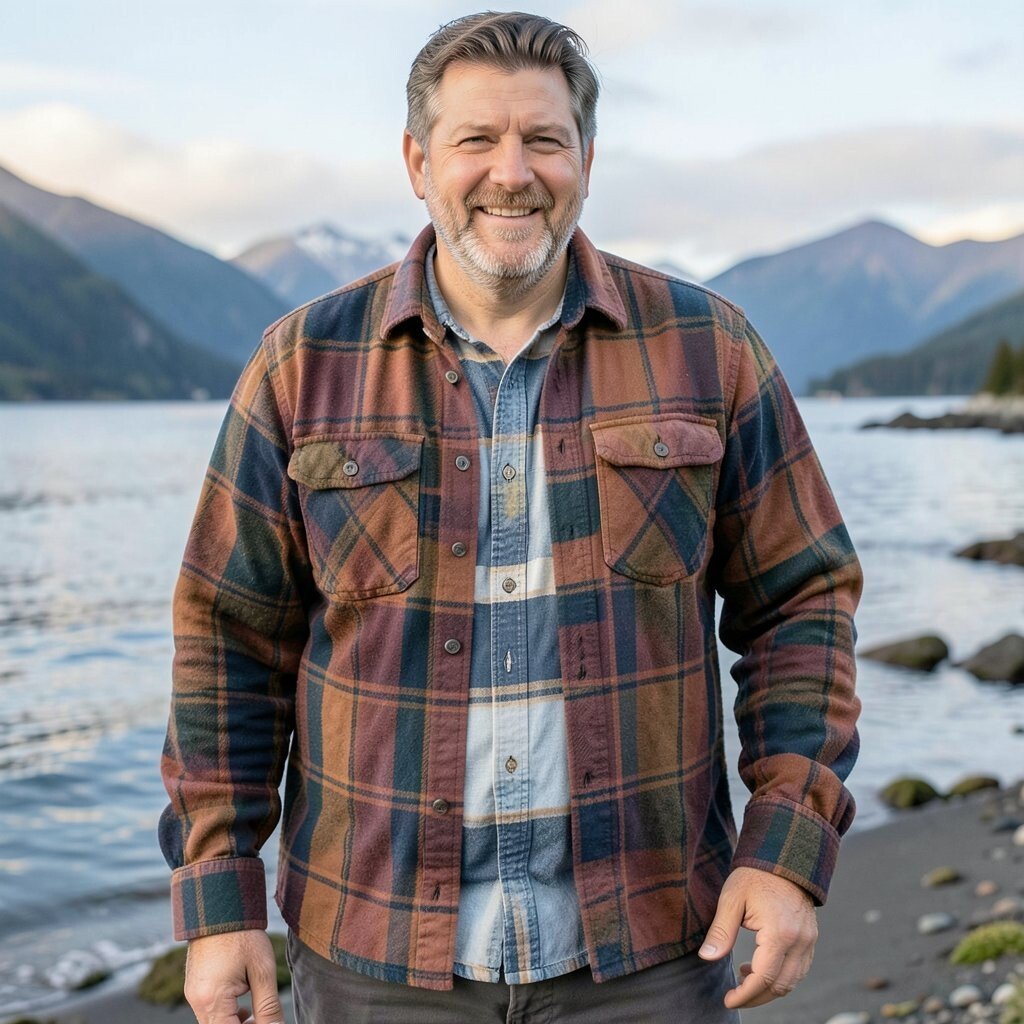
A flannel shirt over a simple top gives a warm, classic look. It feels easy and familiar, which makes it a good choice for laid-back coastal days.
This layer works well because you can button it up, leave it open, or tie it around your waist when the day warms up. Flannel is often not too costly, so it is a simple way to add warmth and style.
Choose a soft plaid if you want a cozy look, or go with a solid color for something quieter. Many people like to wear flannel under a shell when the weather is cold and damp.
21. Stretch Base Layer With Easy Movement
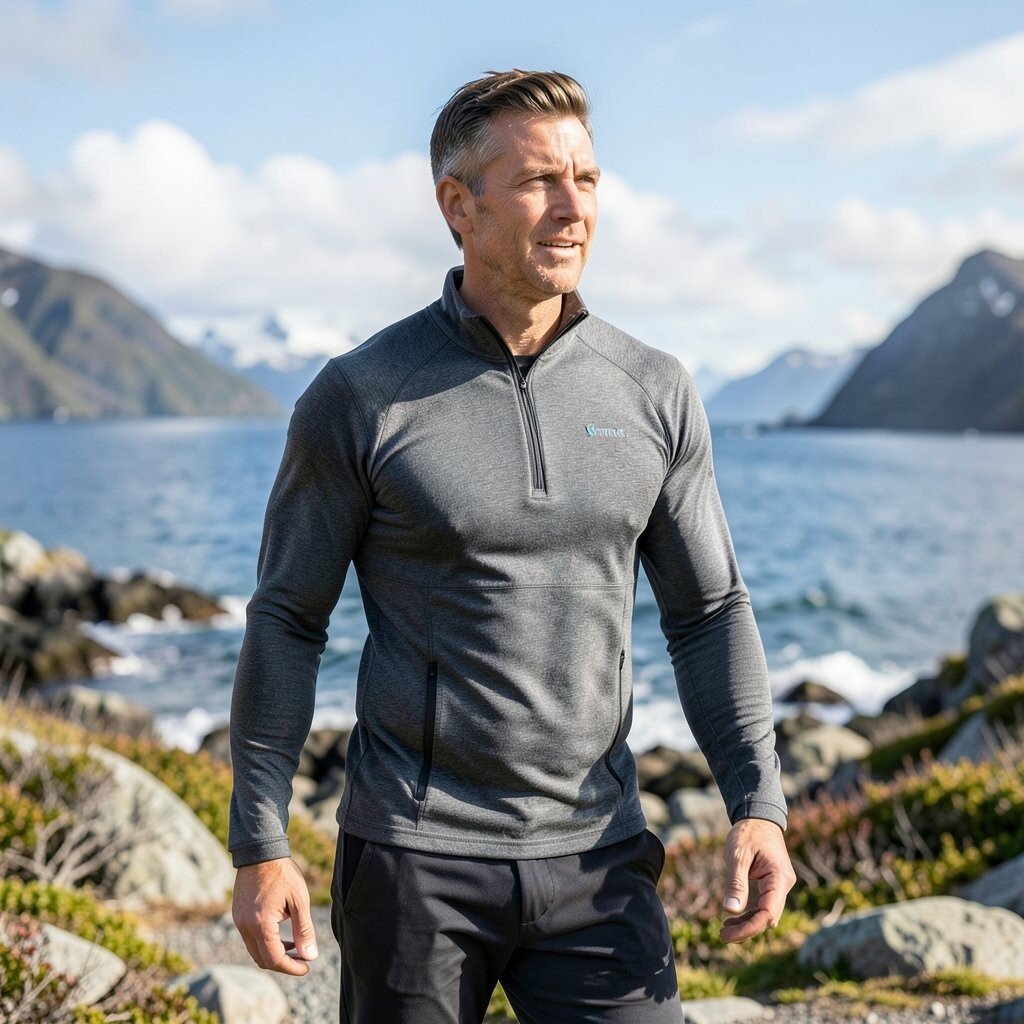
A stretch base layer helps you move with less pulling or bunching. It is good for climbing steps, carrying bags, or walking on uneven ground.
This layer is useful because it keeps a close fit without feeling stiff. The price can vary, but many midrange options give a nice mix of comfort and long wear.
Look for smooth fabric and flat seams if you want less rubbing. Simple colors work best under other clothes, and many current styles focus on a clean, fitted shape.
22. Oversized Scarf for Extra Coverage
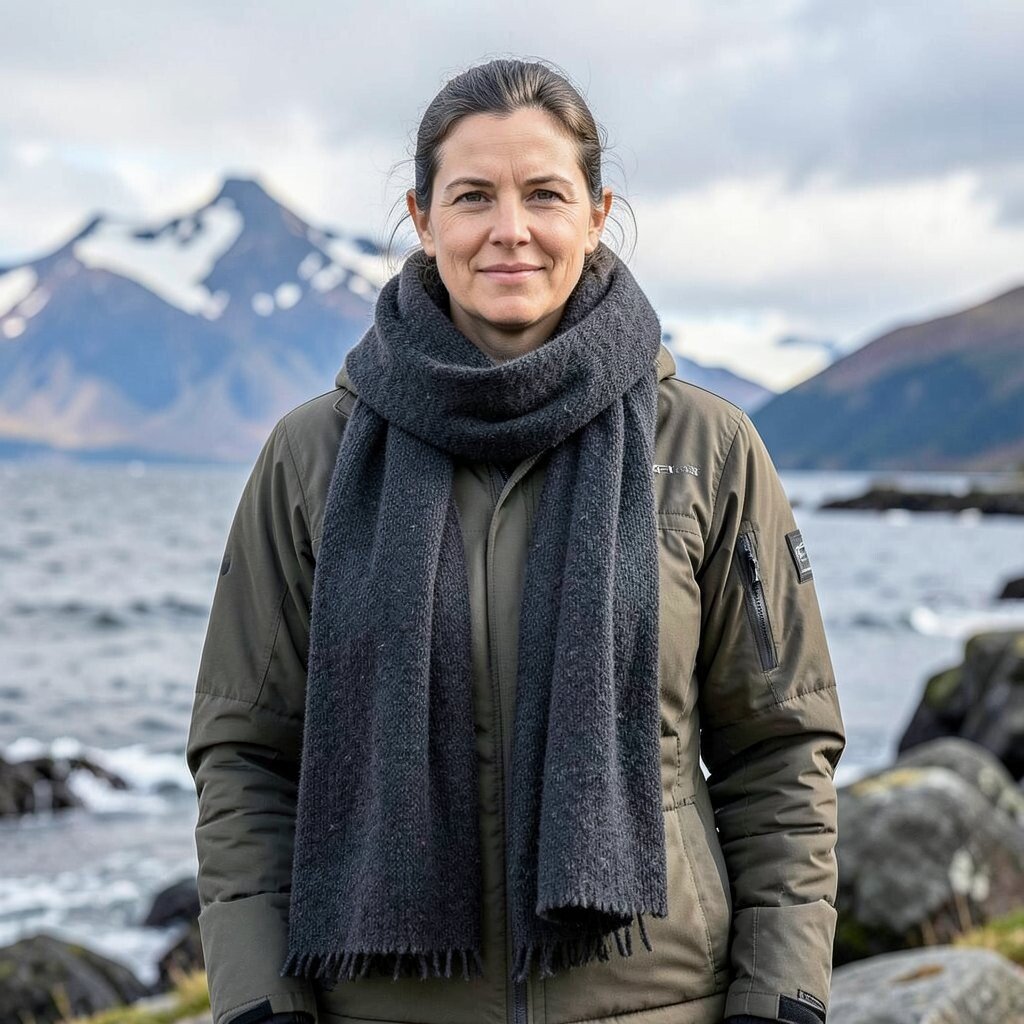
An oversized scarf can wrap around your neck, shoulders, or even part of your head. It adds a soft, cozy look and gives you more ways to stay warm.
This piece is useful because you can use it many ways during a trip. Scarves can be low cost, and they are easy to fold into a day bag or carry-on.
Try a wool blend if you want more warmth, or a softer knit if you want a lighter feel. Large checks, simple stripes, and plain tones are all common and easy to match.
23. Layered Tank, Shirt, and Jacket Combo
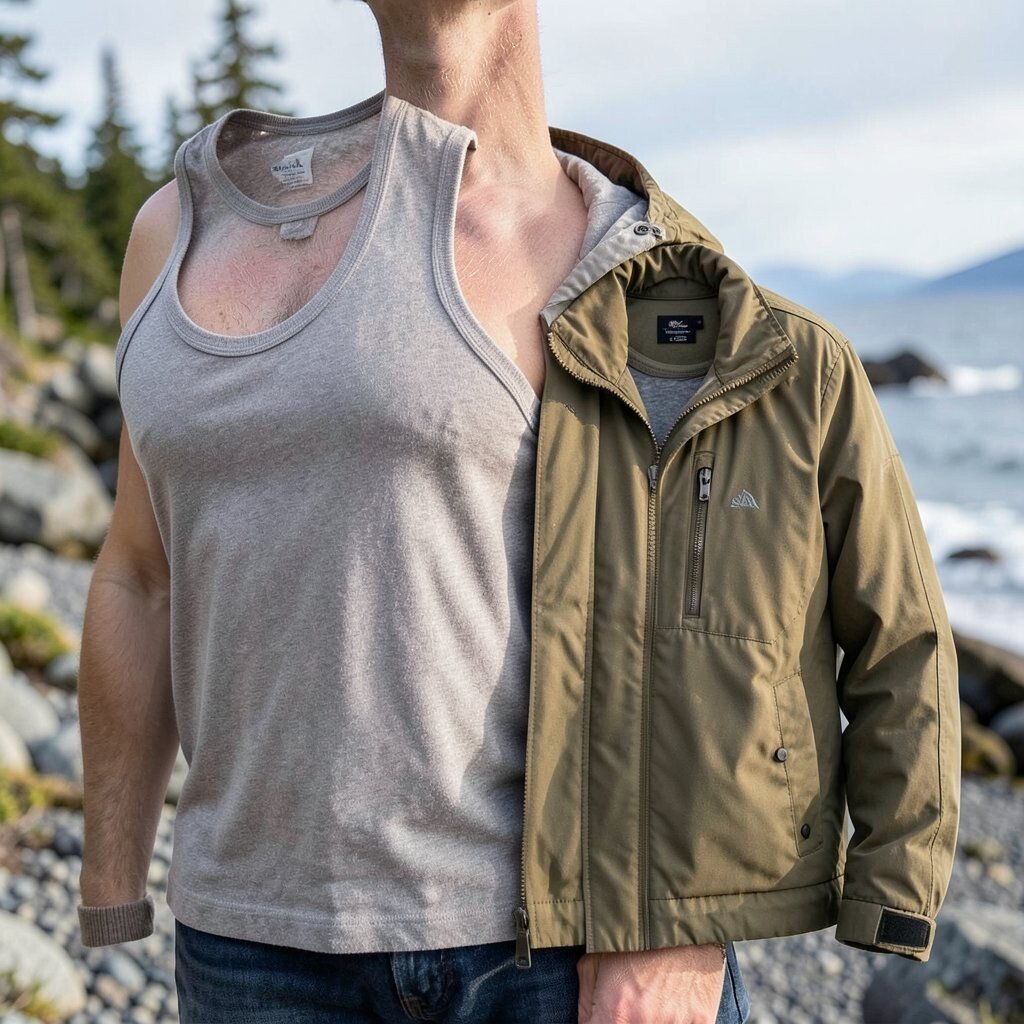
A tank under a shirt under a jacket gives you a simple three-part system for changing weather. It lets you remove or add pieces fast, which is helpful when the air shifts during the day.
This setup is useful because it gives you control without needing a lot of heavy clothing. It can also help you save money since basic pieces often cost less than one big coat.
Choose colors that work well together so each layer looks good on its own. Many people like this mix because it feels easy, clean, and ready for both travel and casual photos.
24. Mix-and-Match Neutral Layers
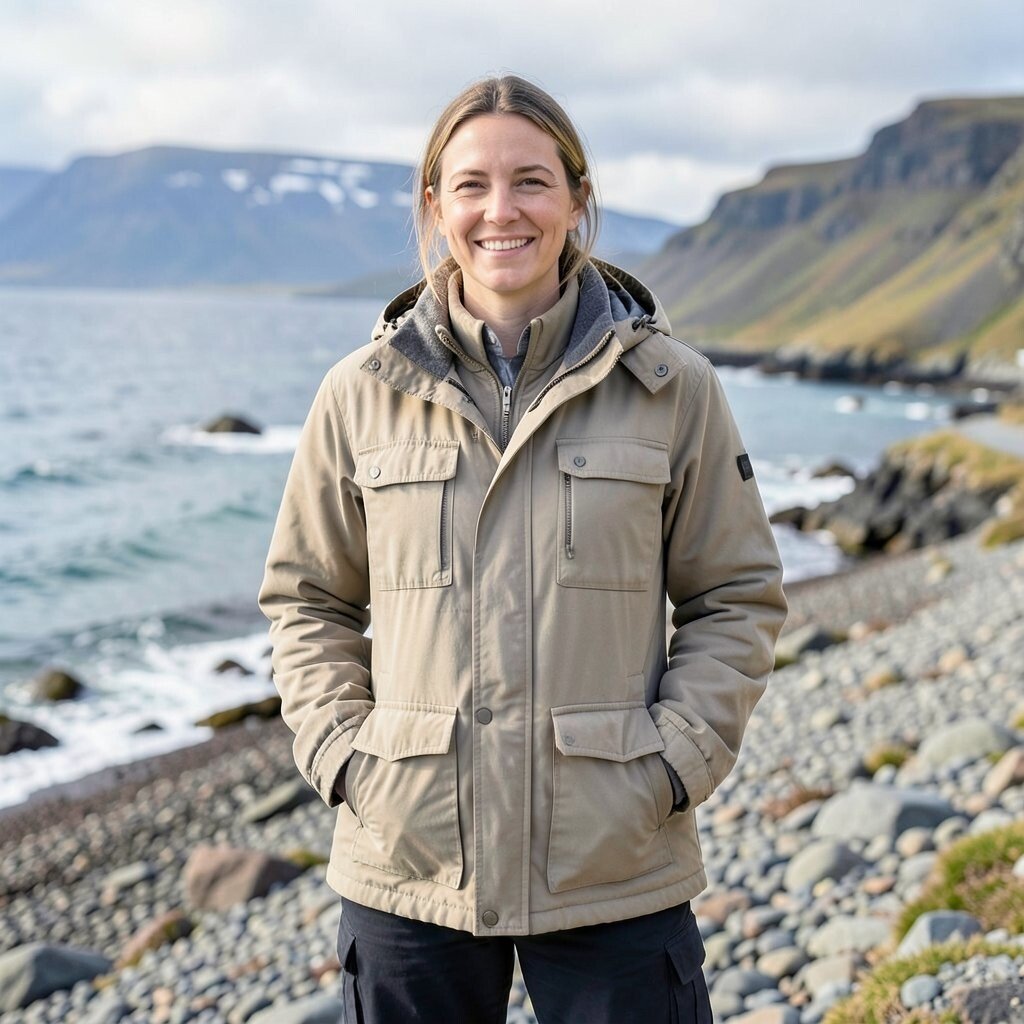
Neutral layers make it easy to build outfits that work together in many ways. Shades like black, gray, cream, navy, and olive can be mixed without much thought.
This style is useful for coastal Alaska because the weather can change fast and you may need to swap pieces often. It can also save money, since a small set of matching items can make many outfits.
Try to keep your main layers simple, then add one small item with color or texture for your own touch. This trend stays popular because it looks calm, works well in photos, and helps you pack with less stress.