
Sports shirts can do more than show a team name. Good shirt design can help a team look neat, feel united, and stand out on the field.
1. Bold Team Color Blocks
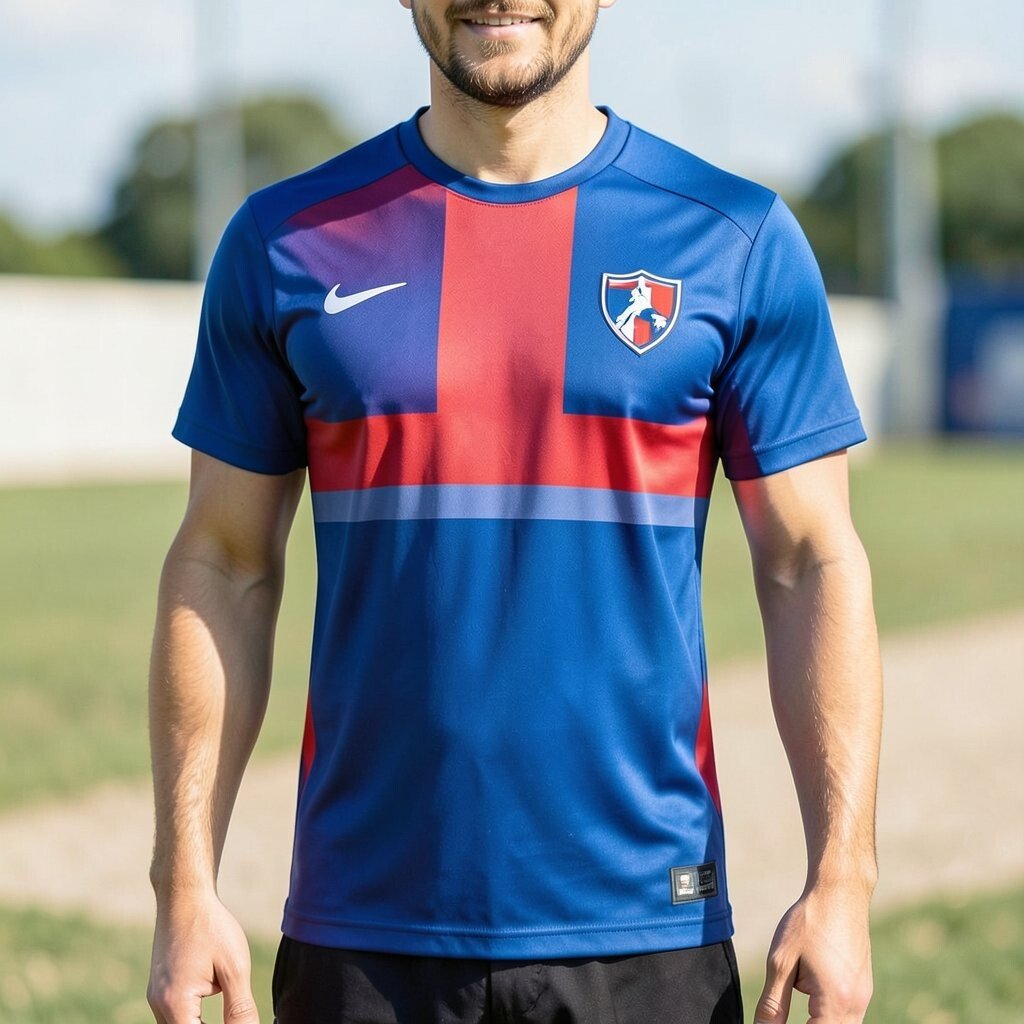
Bold color blocks make a shirt easy to spot from far away. They also give the design a clean look that works well for many sports.
You can use one main color with a second color on the sleeves, sides, or chest. This style is simple to print, so it can help keep costs lower for teams and clubs.
It also gives room for team names, player numbers, and small logos without making the shirt look too busy. Many teams like this style because it feels fresh and easy to wear for practice or game day.
2. Classic Striped Jerseys
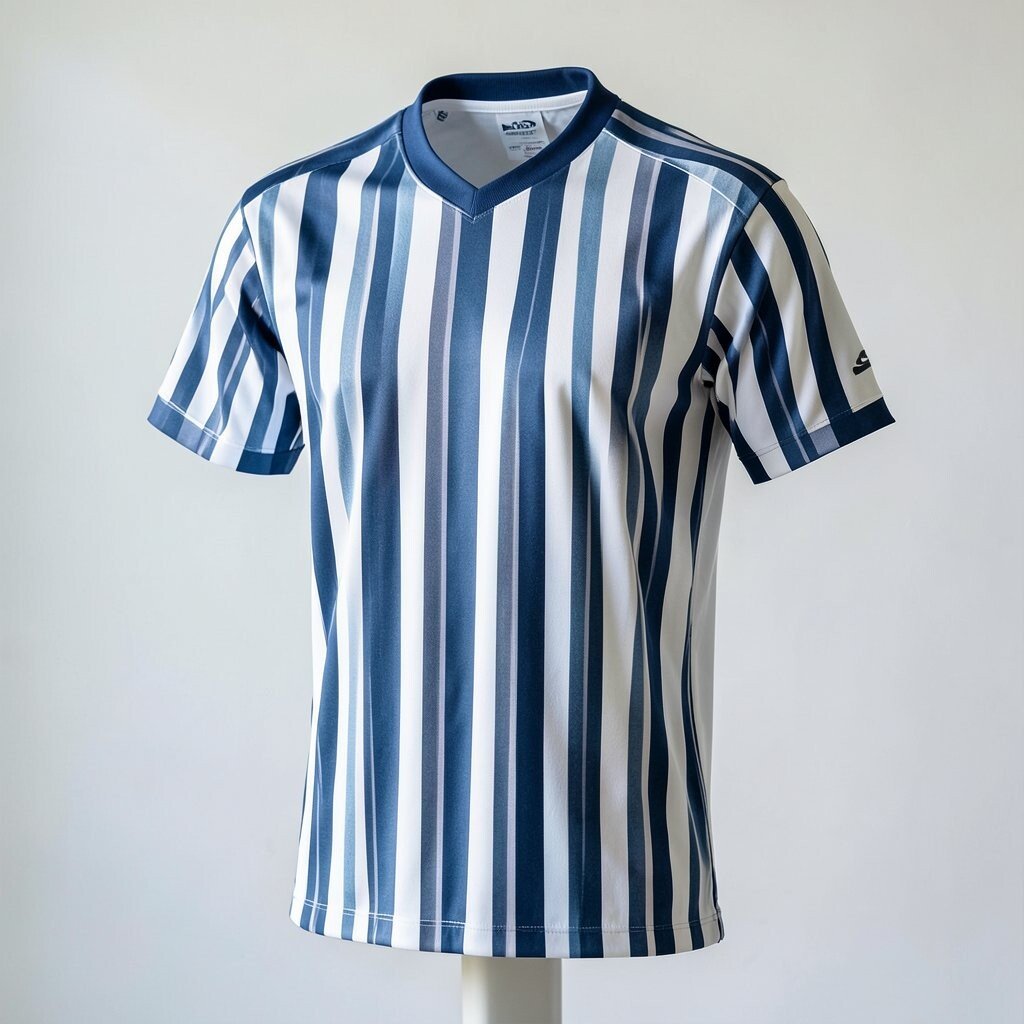
Stripes are a simple design choice that never feels old. They can make a shirt look sharp and easy to read on the field.
Thin stripes can give a light and fast feel, while wide stripes can look strong and bold. You can place them across the chest, down the sides, or on the sleeves for a more custom look.
Striped shirts also work well for many sports, from soccer to baseball to training groups. They are easy to match with shorts or pants, and they can fit both low and mid-range price plans.
3. Gradient Fade Shirts
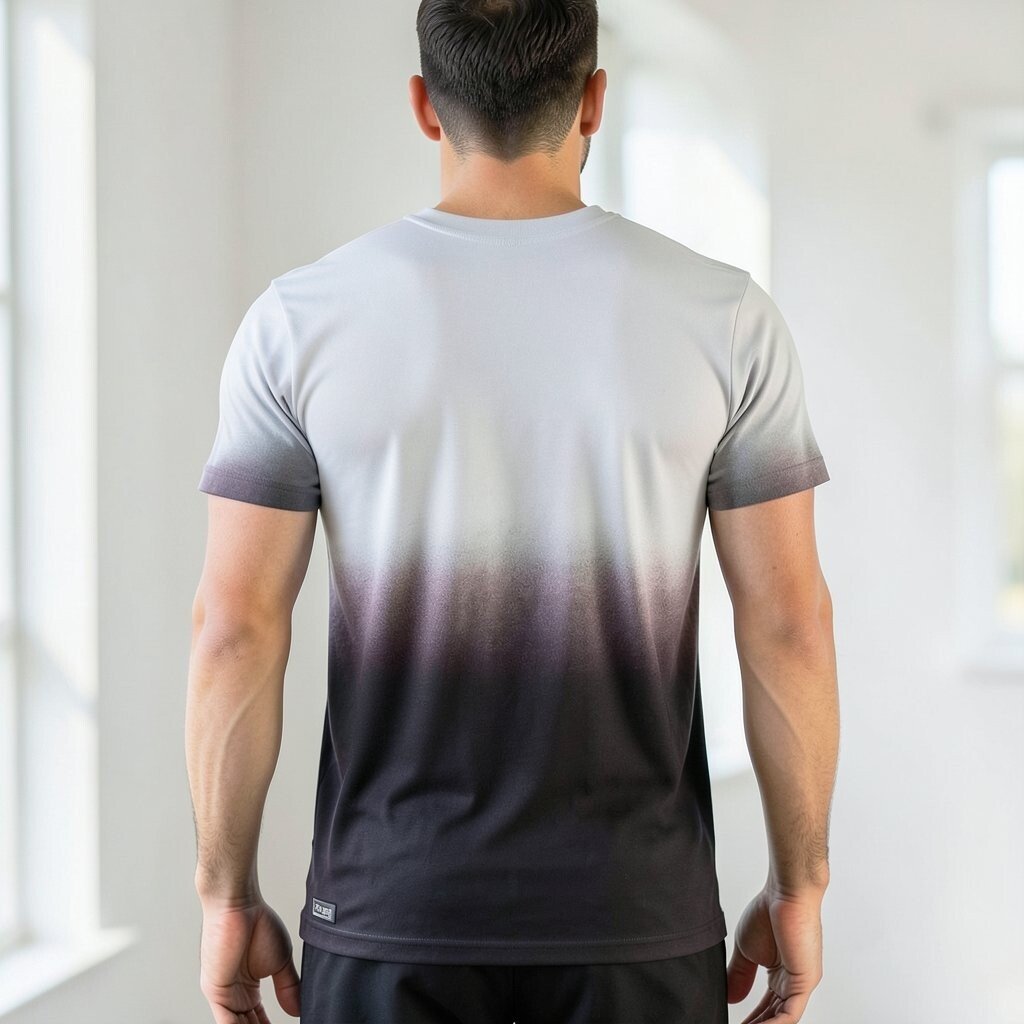
A gradient fade moves from one color to another in a smooth way. This gives the shirt a soft, modern look that can feel different from plain solid designs.
Teams can use dark-to-light fades or mix two bright colors for a more lively style. It is a good choice for groups that want a shirt with a bit more visual depth.
This design can also help a shirt stand out in fan gear or school sports lines. It works best when the rest of the shirt stays simple, so the fade remains the main focus.
4. Minimal Chest Logo Look
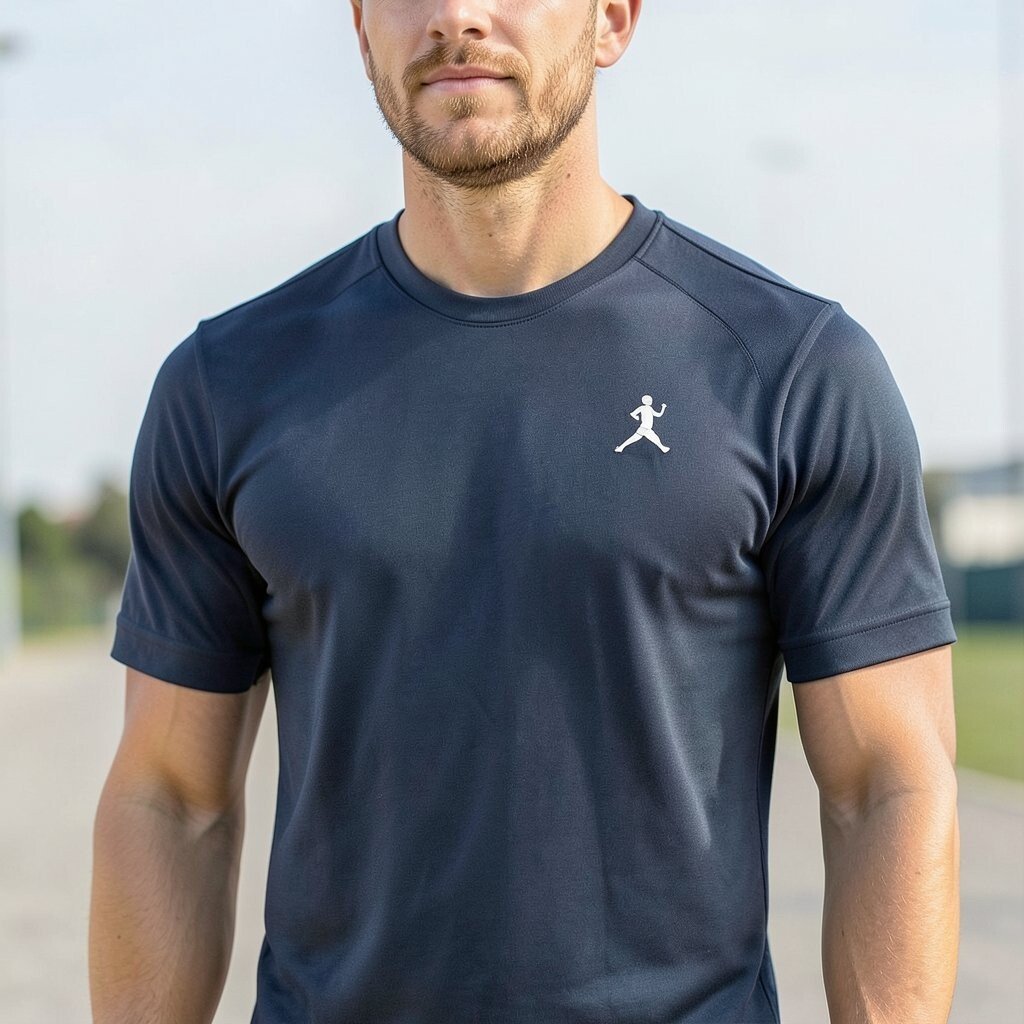
A small logo on the chest can make a shirt look clean and neat. This style works well for teams that want a simple and modern feel.
It is also a smart choice for practice shirts, warm-ups, and casual sports wear. Since the design uses less print space, it can often cost less than full-shirt art.
You can add player names or numbers on the back for a personal touch. This keeps the front easy to read while still giving the shirt a clear team identity.
5. Large Front Graphic Prints
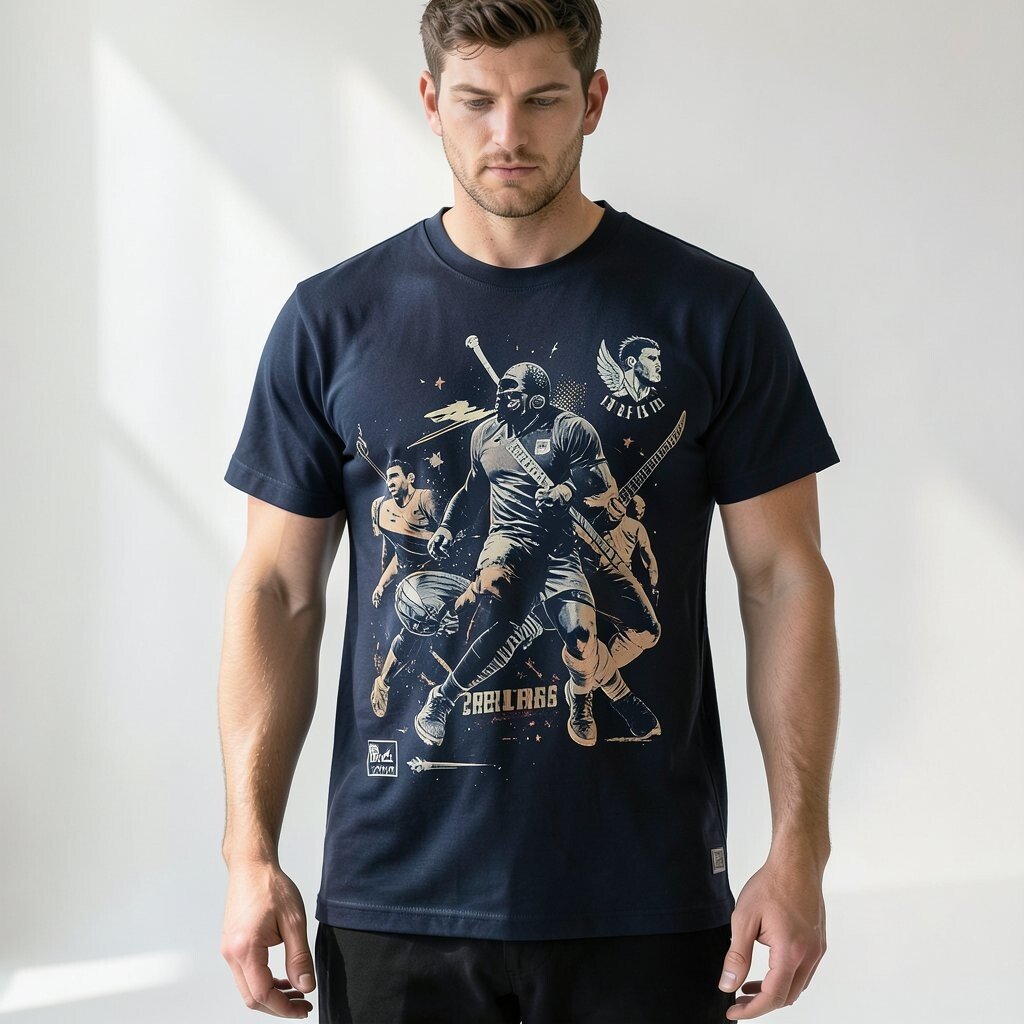
Large front graphics can make a strong first look. They are great for teams that want a shirt with more energy and a bold style.
You can use shapes, mascots, sports tools, or abstract art to fill the front panel. This kind of design works well for events, fan shirts, and special game days.
Because the art takes up more space, it may cost more to print than a small logo design. Still, many teams like it because it gives a big visual impact and makes the shirt feel special.
6. Side Panel Accent Designs
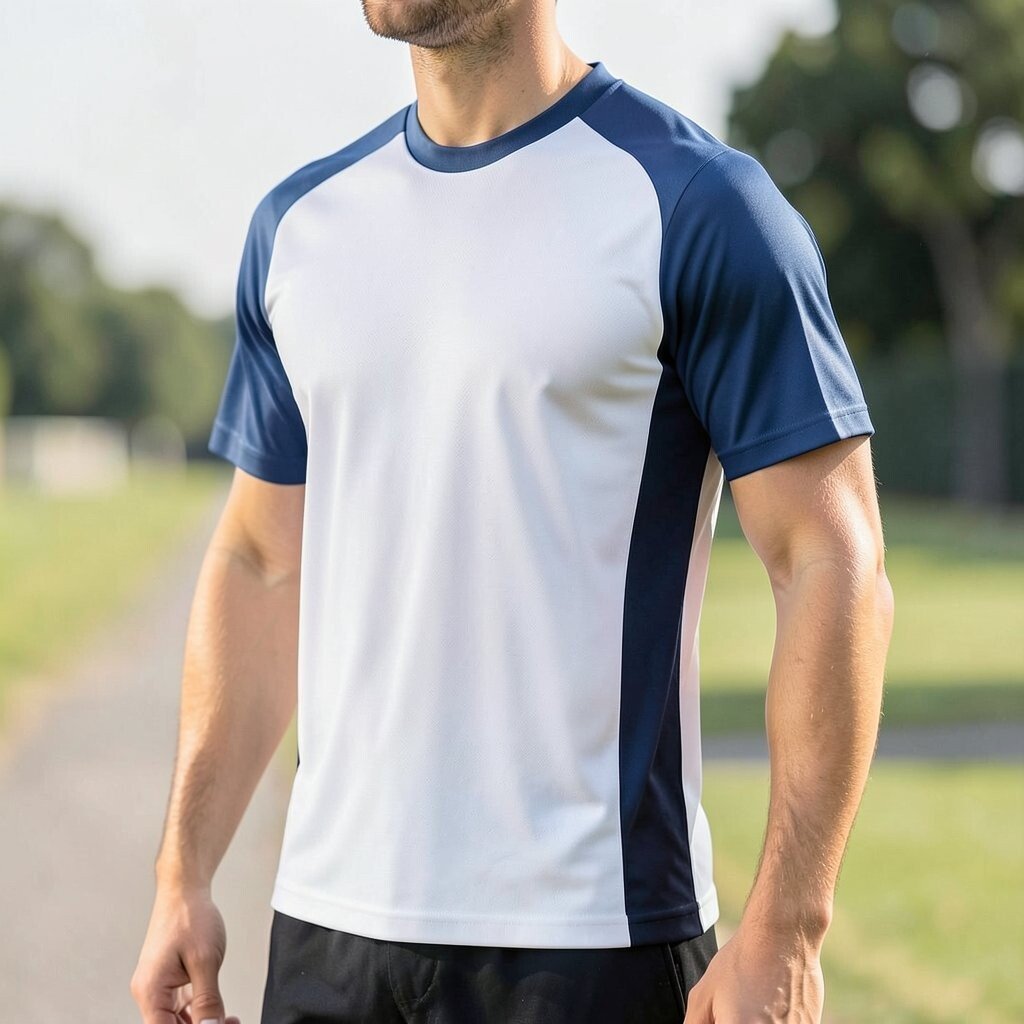
Side panels add style without taking over the whole shirt. They can make the body shape look longer and give the shirt a more active feel.
You can use one color or a printed pattern on the sides to make the shirt look different from basic team wear. This is a good way to add detail while keeping the front and back simple.
Side accents also help teams mix style and comfort. They can be placed in ways that work well with stretch fabric, which makes them useful for training and play.
7. Sleeve Pattern Details
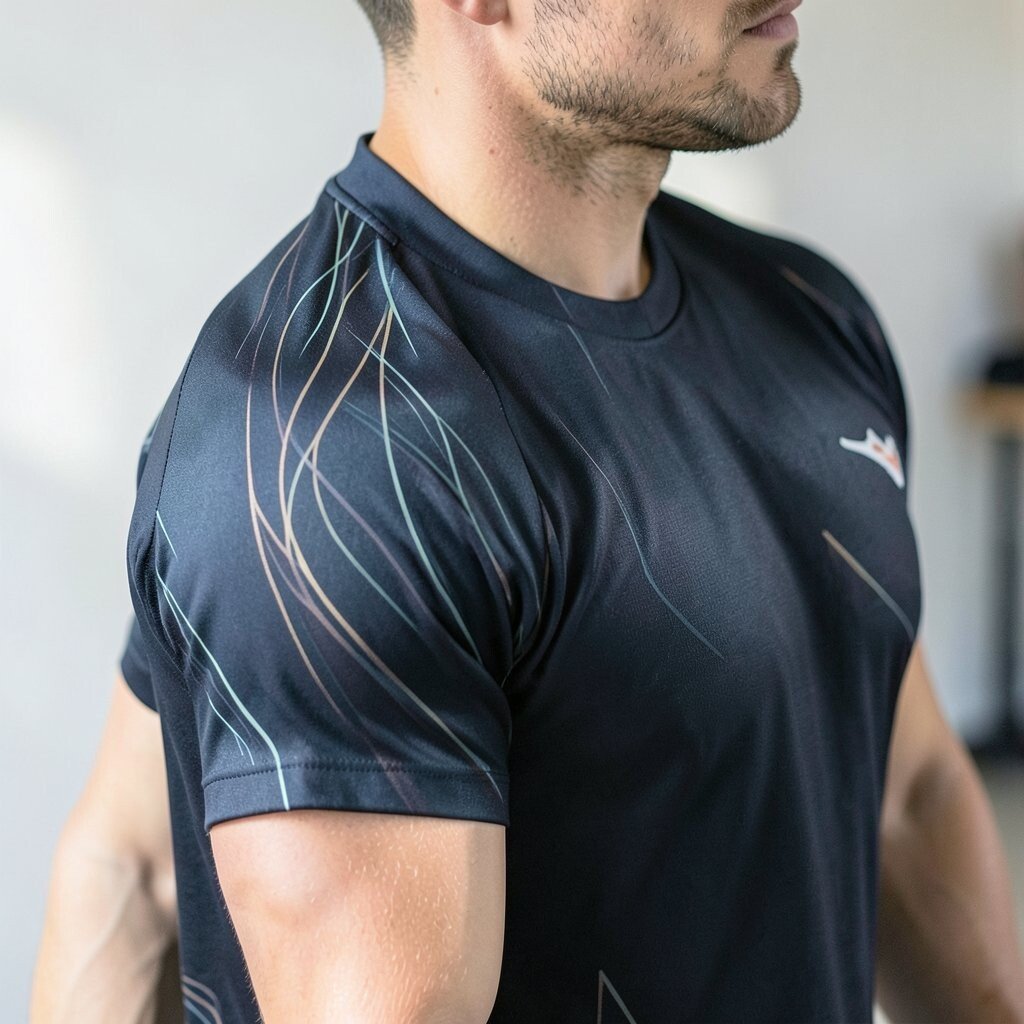
Sleeve details are a nice way to add style in a small area. They can include stripes, dots, lines, or even a tiny logo repeat.
This idea works well if you want a shirt that feels a little more custom without making the whole design too loud. It can also help teams match a school color or sponsor color in a neat way.
Because the print area is small, it can often be a lower-cost choice. It is also easy to make different sleeve looks for home and away shirts if a team wants more than one version.
8. Camouflage Sports Style
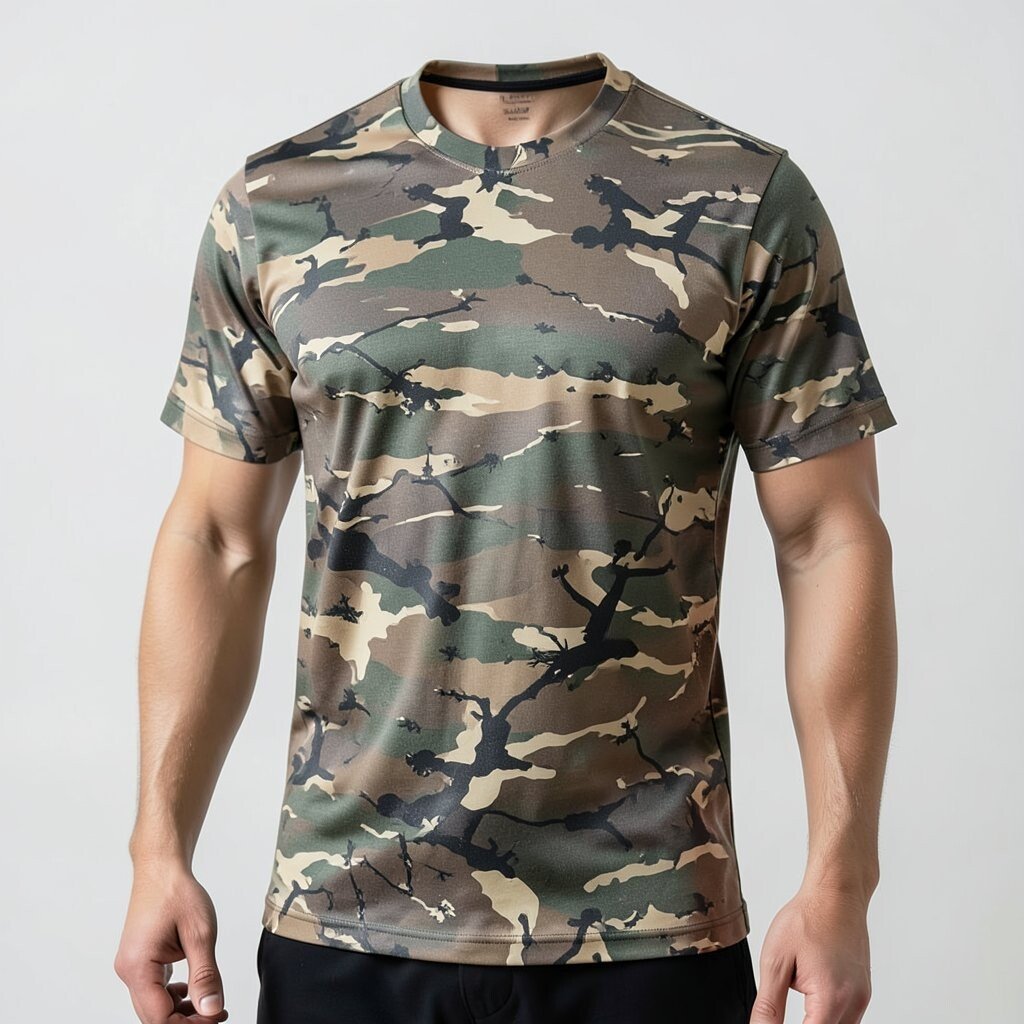
Camouflage prints are used a lot in sports apparel because they look bold and active. They can give a shirt a rugged feel that many players and fans enjoy.
You can use full camo or just small camo parts on the shoulders, sleeves, or side panels. This helps the shirt feel unique without making it hard to pair with other gear.
Camo shirts are popular in outdoor sports, training groups, and fan wear. They can be made in low-key colors or bright team colors, which gives teams more ways to make the look their own.
9. Retro Throwback Designs
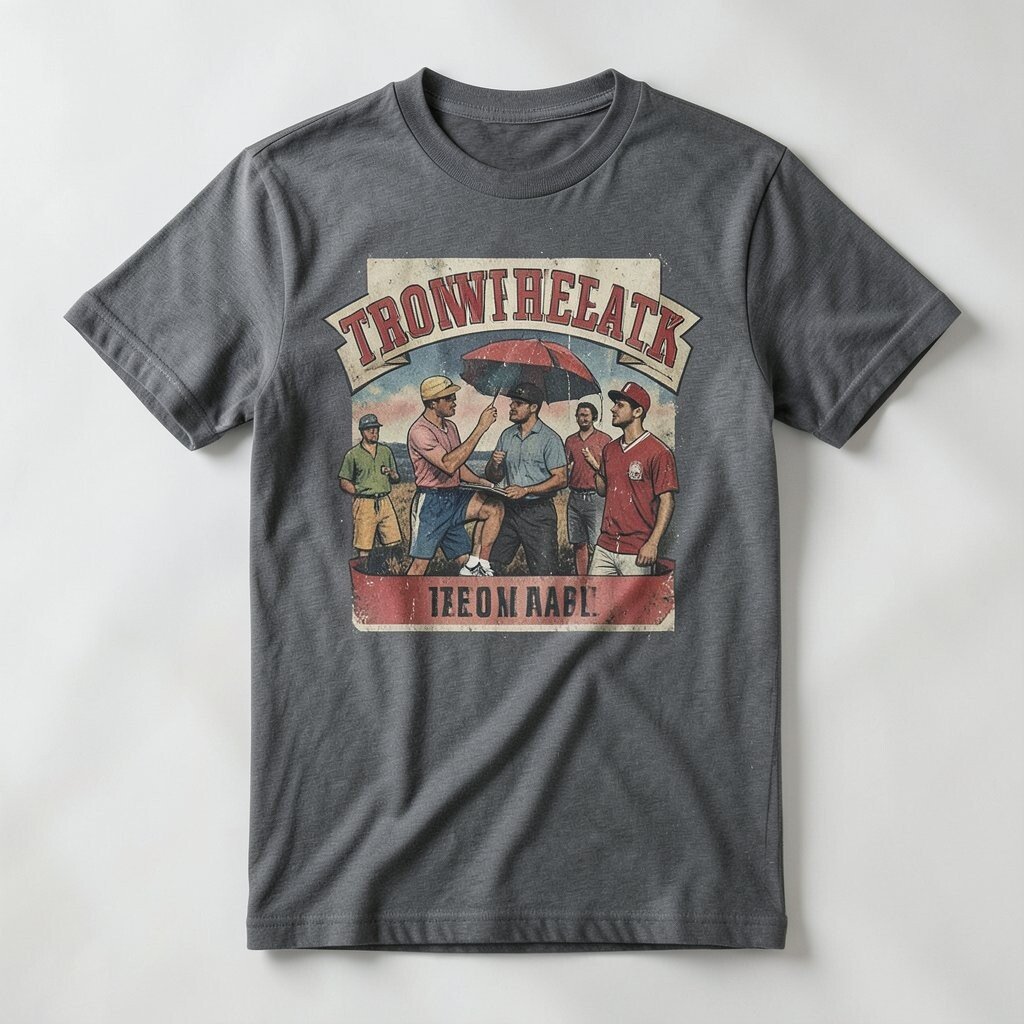
Retro shirts use old-school shapes, fonts, and color sets. They can bring back a classic sports feel that many people like right away.
These shirts often use block letters, thick stripes, and simple logos. That makes them easy to read and good for teams that want a timeless look.
Retro styles are also a good fit for school teams, club teams, and special event merch. They can be made with simple print methods, which may help keep the price fair.
10. Number Focus Shirts
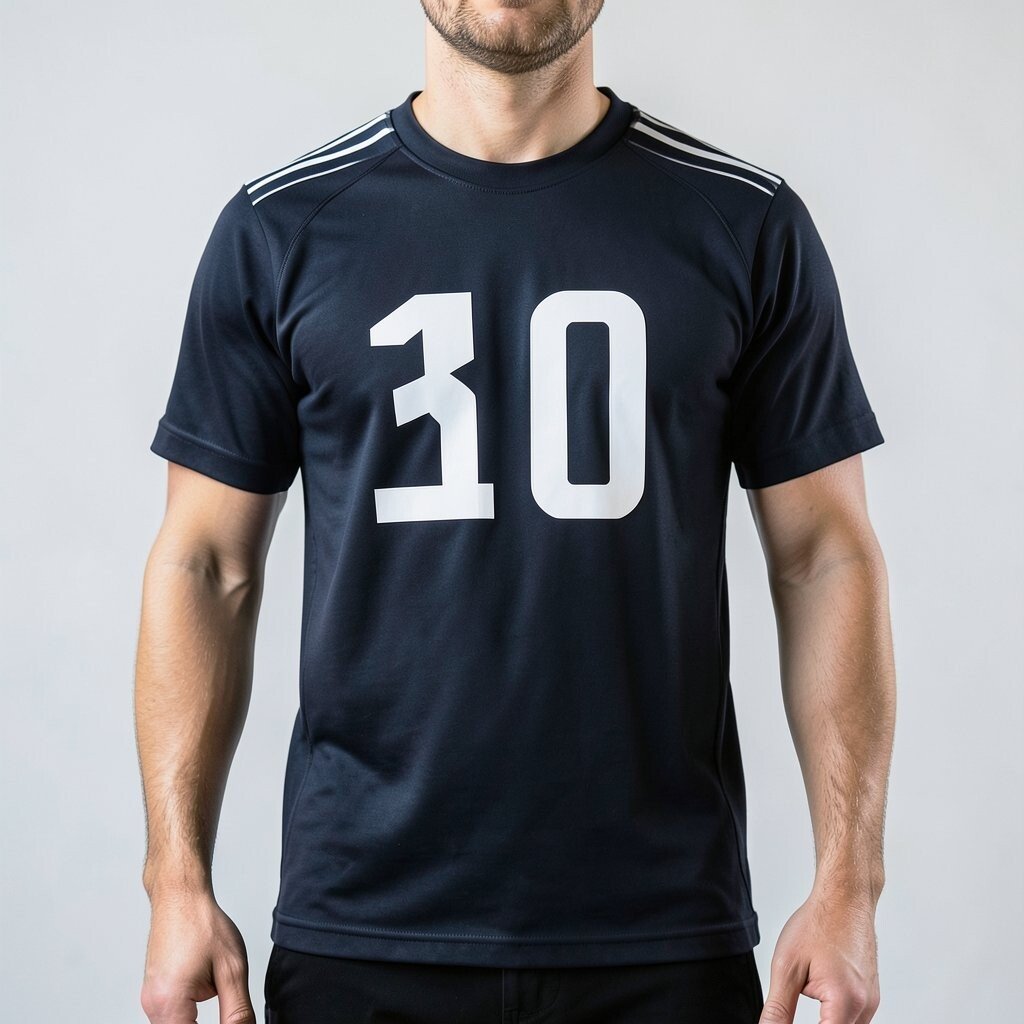
Some sports shirts put the player number at the center of the design. This makes the shirt easy to read and gives it a strong team look.
You can use large numbers on the front and back, with small details around them. This is a smart choice for sports where quick player ID matters.
To make it more personal, teams can use different number styles for home and away sets. The design can stay simple while still giving each player a shirt that feels like their own.
11. Name Banner Designs
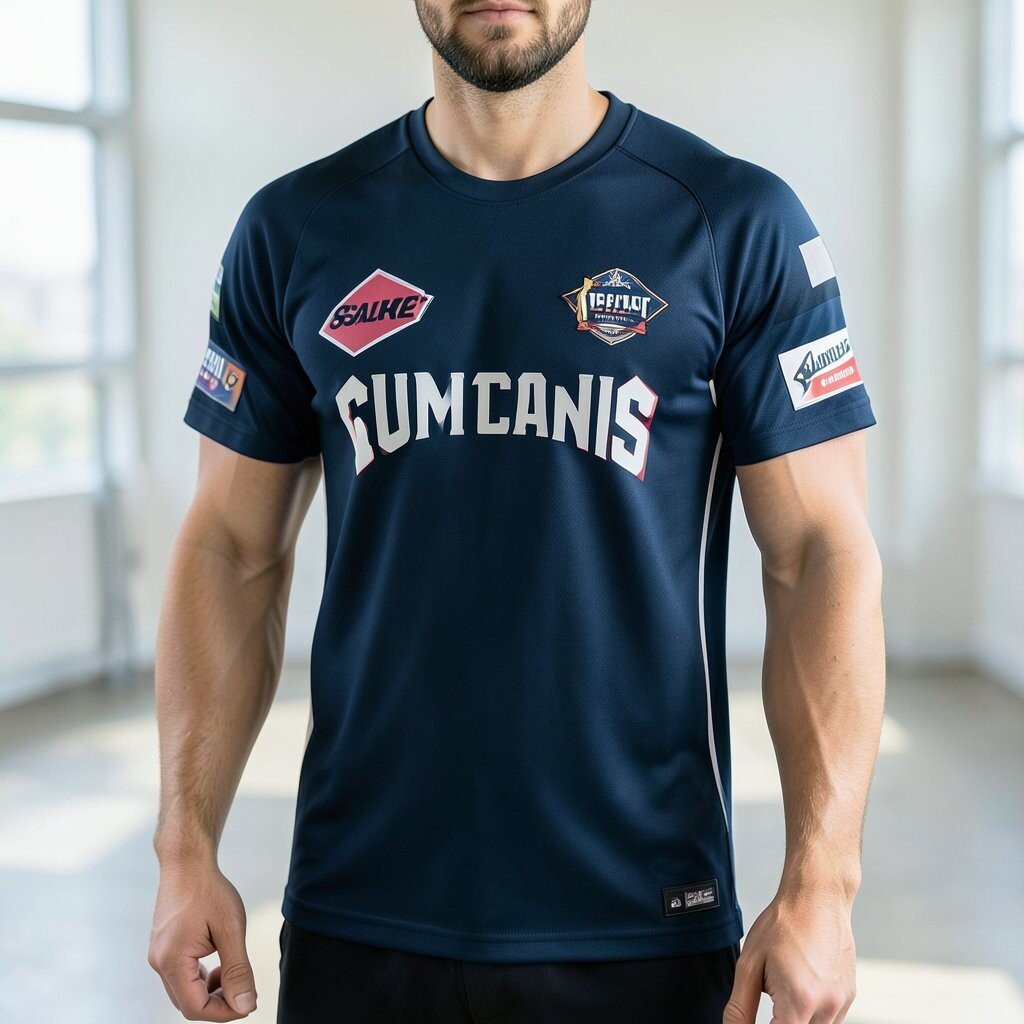
Name banners add a clear space for team or player names. They can sit across the chest, back, or top of the shirt in a way that feels neat and balanced.
This style is useful for youth teams, school groups, and leagues where people need to spot players fast. It also gives the shirt a more custom feel without needing a full graphic.
You can pair the banner with stripes, dots, or a small logo for more style. Since the banner uses a simple shape, it is often easy to print and can work with many budgets.
12. Tonal Print Patterns
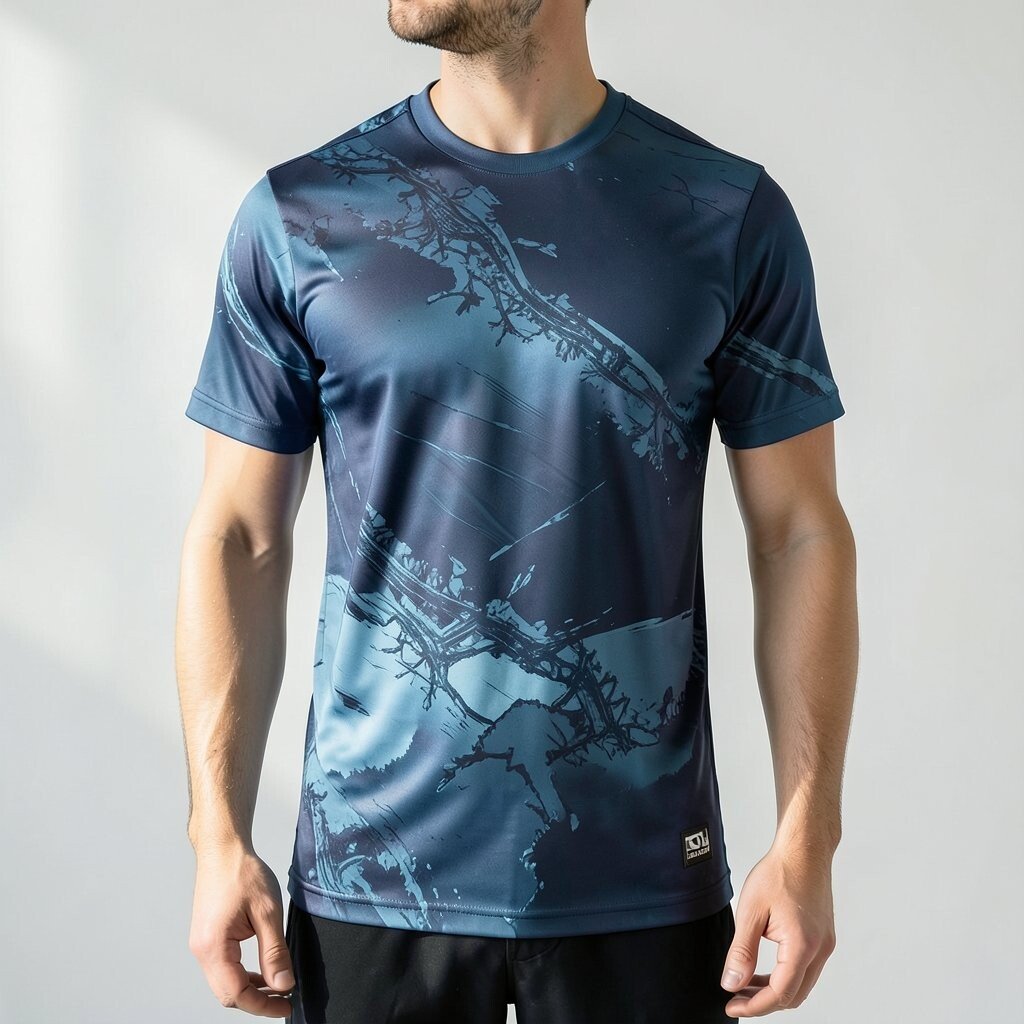
Tonal prints use one color in more than one shade. This makes the shirt look rich and detailed without using bright contrast.
The pattern may be a soft grid, a light wave, or a repeat of the team mark. It is a good choice for teams that want a clean shirt with a bit more depth.
Tonal looks are often used in modern sportswear because they feel calm and neat. They also work well for warm-ups, travel gear, and shirts that need to look good both on and off the field.
13. Mesh-Inspired Graphics
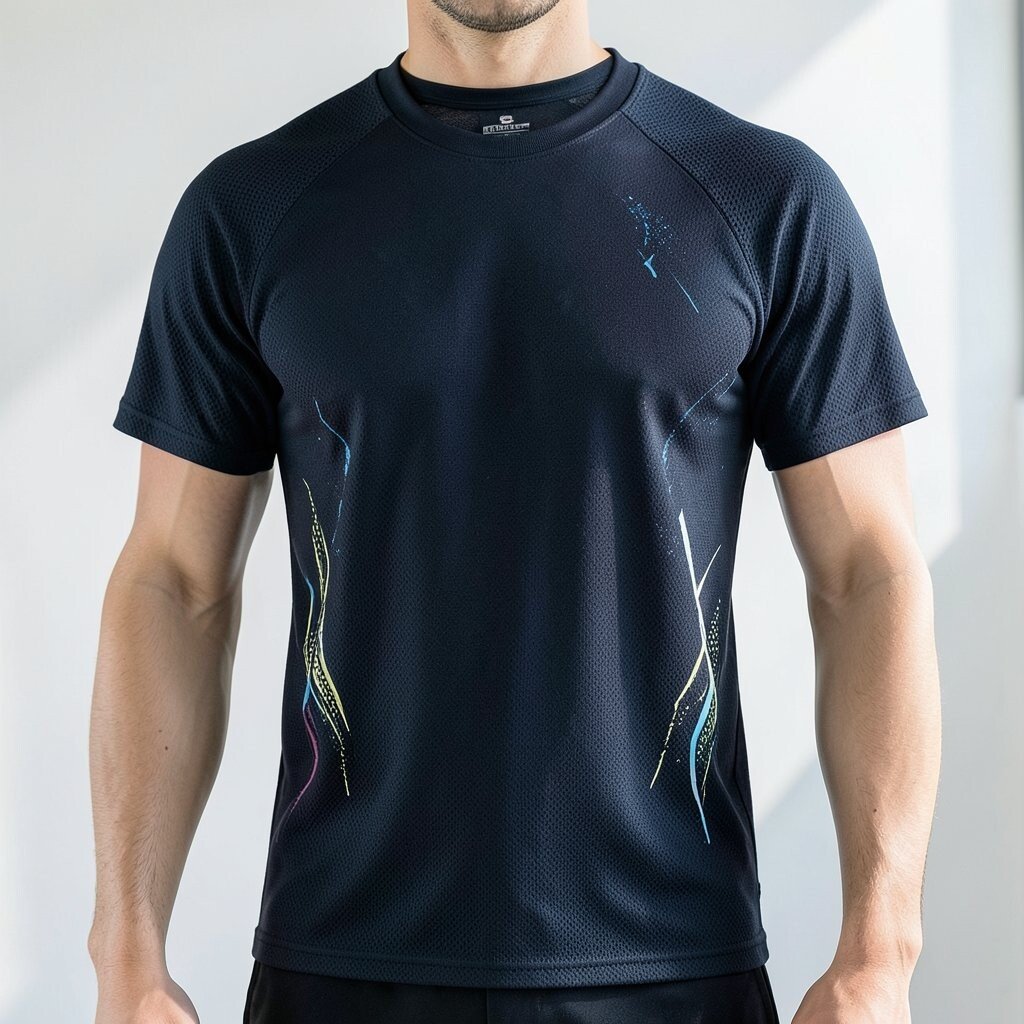
Mesh-inspired graphics copy the look of sports netting or breathable fabric. This can make a shirt feel fast and active even when it is just a print.
You can place the mesh look on the shoulders, sides, or chest for a light, sporty feel. It works well with bold team colors and clean text.
This style can help a shirt feel more modern and is often used in training wear. It is also a nice way to add detail without making the shirt too busy or too costly.
14. Watercolor Art Shirts
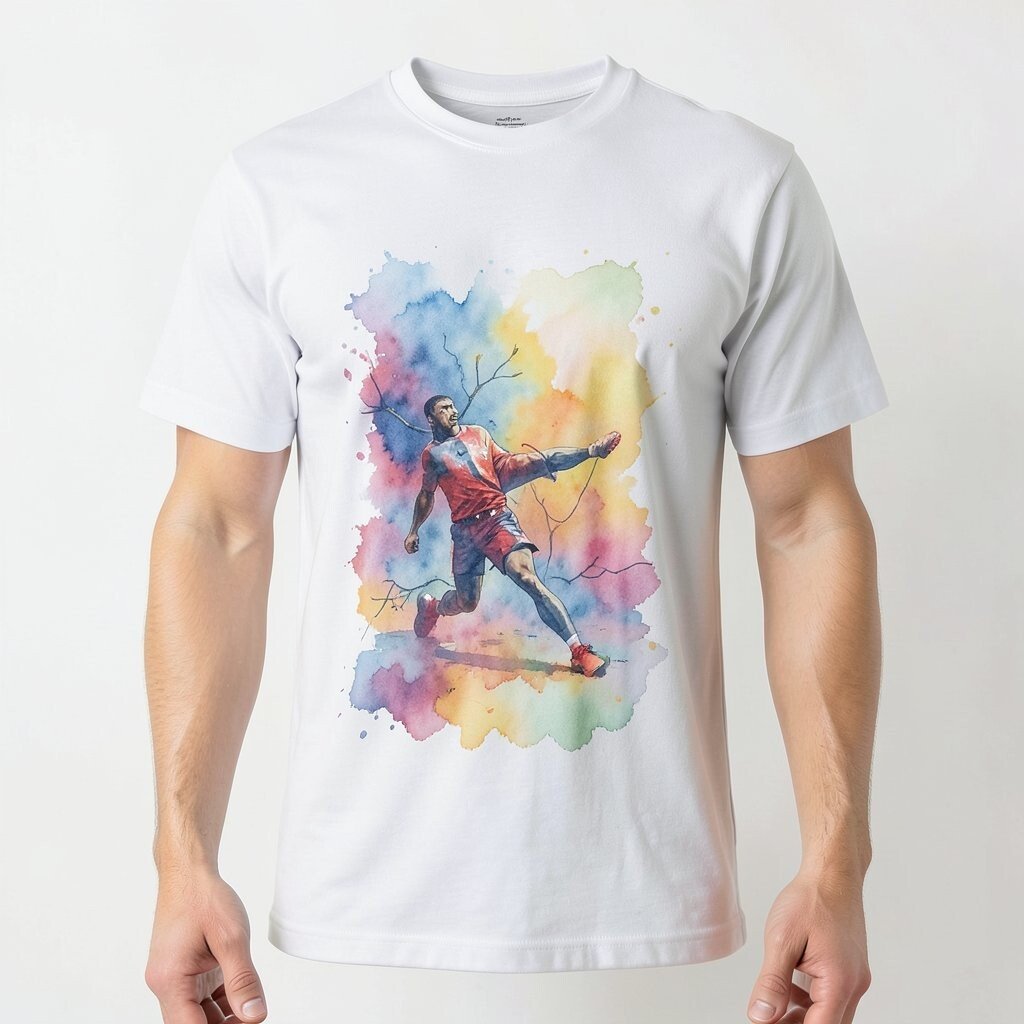
Watercolor designs use soft edges and mixed color spots. They give a shirt a creative look that feels different from plain sports prints.
This style works well for teams that want a more artsy feel or for events that need a fresh, fun look. You can use team colors in a soft wash so the shirt still feels tied to the group.
Watercolor art can be used on the whole shirt or just in one area behind the logo. It may cost a little more if the print is complex, but it can make the shirt feel very special.
15. Sharp Geometric Shapes
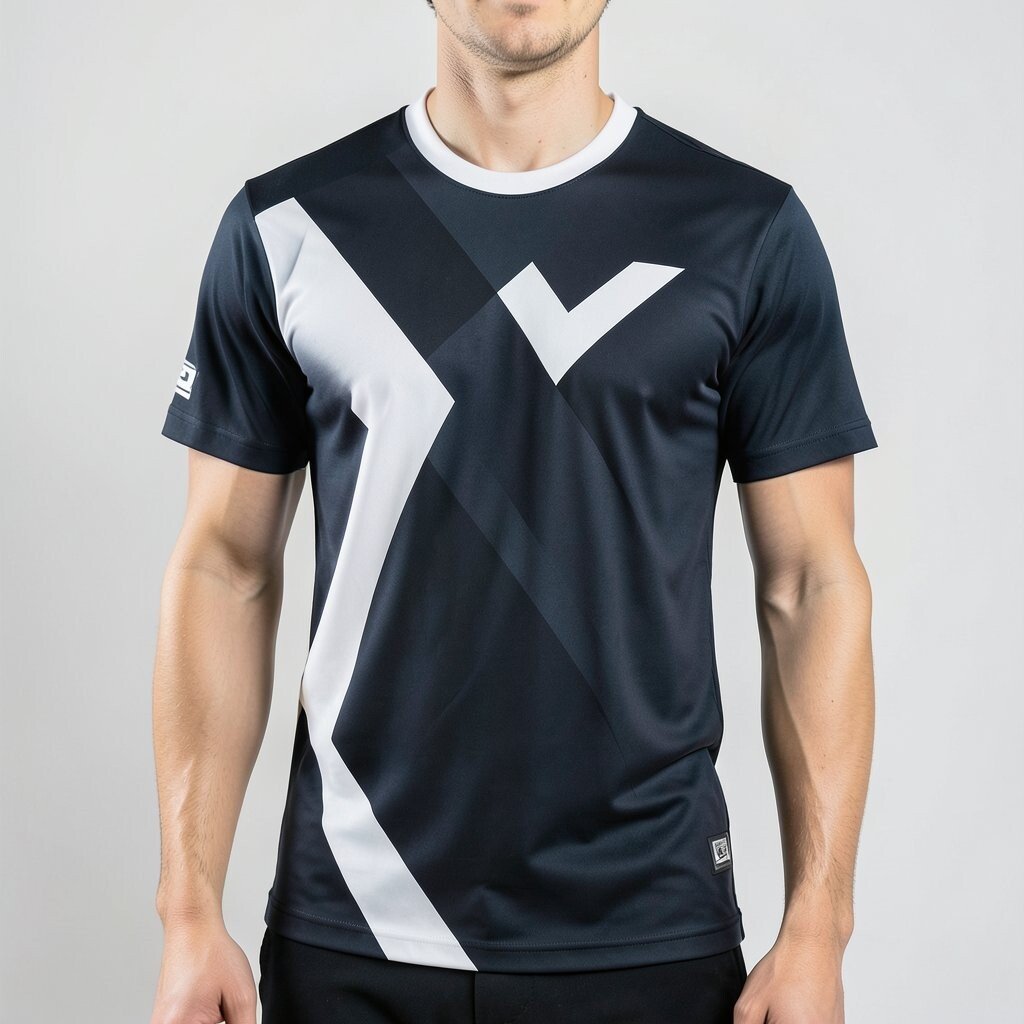
Geometric shapes use triangles, lines, blocks, and angles. They give a shirt a strong and modern look that many teams like.
This kind of design can make a shirt look fast and focused. It also gives you many ways to use team colors in a clean pattern.
Geometric shirts are easy to make more personal by changing the shape layout for each team. They can work for youth sports, adult leagues, and training groups that want a fresh style.
16. All-Over Print Styles
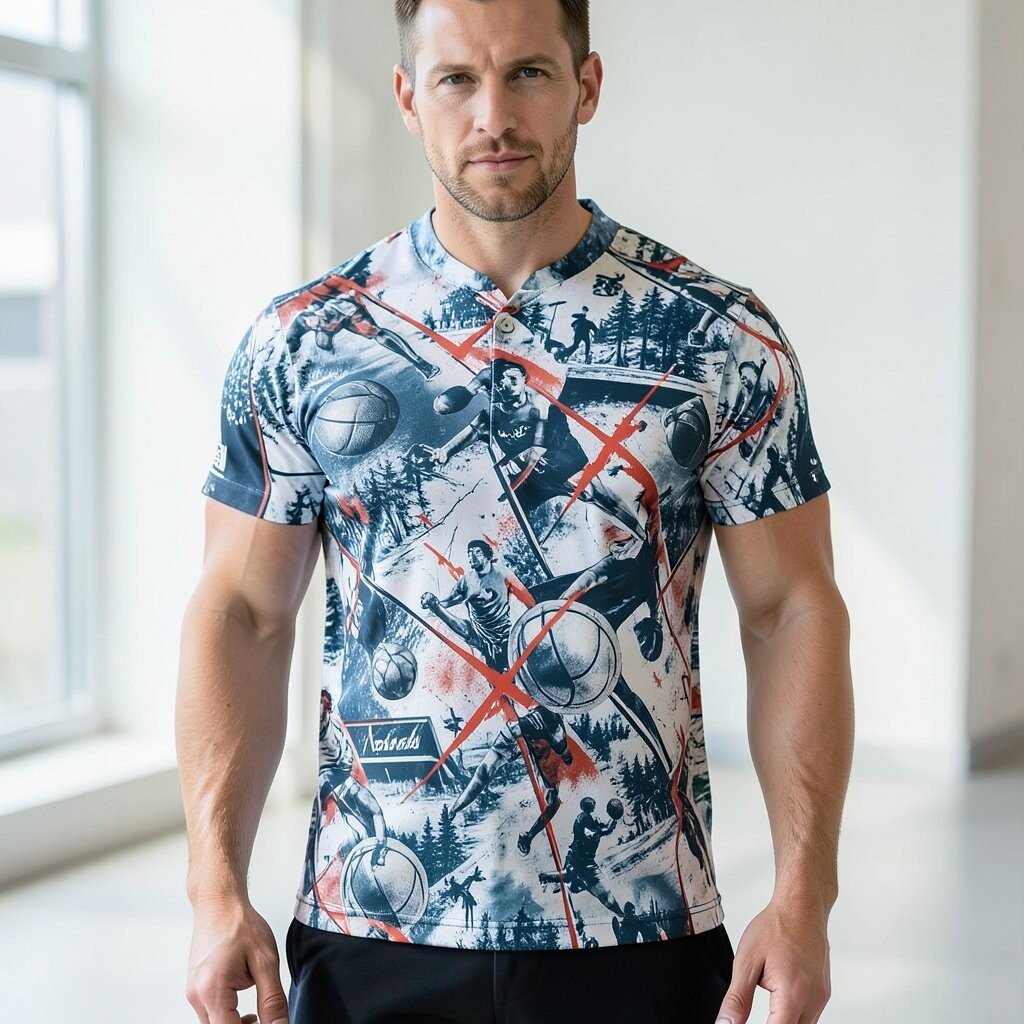
All-over prints cover most or all of the shirt with one pattern. This makes the shirt look bold and full of energy.
You can use stars, lines, brush marks, sports icons, or team symbols across the whole shirt. It is a good choice for clubs that want a strong visual identity.
These shirts can cost more because they use more print space and often need more care in making. Still, they are a popular pick for fan wear and special releases because they feel unique and hard to miss.
17. Two-Tone Raglan Shirts
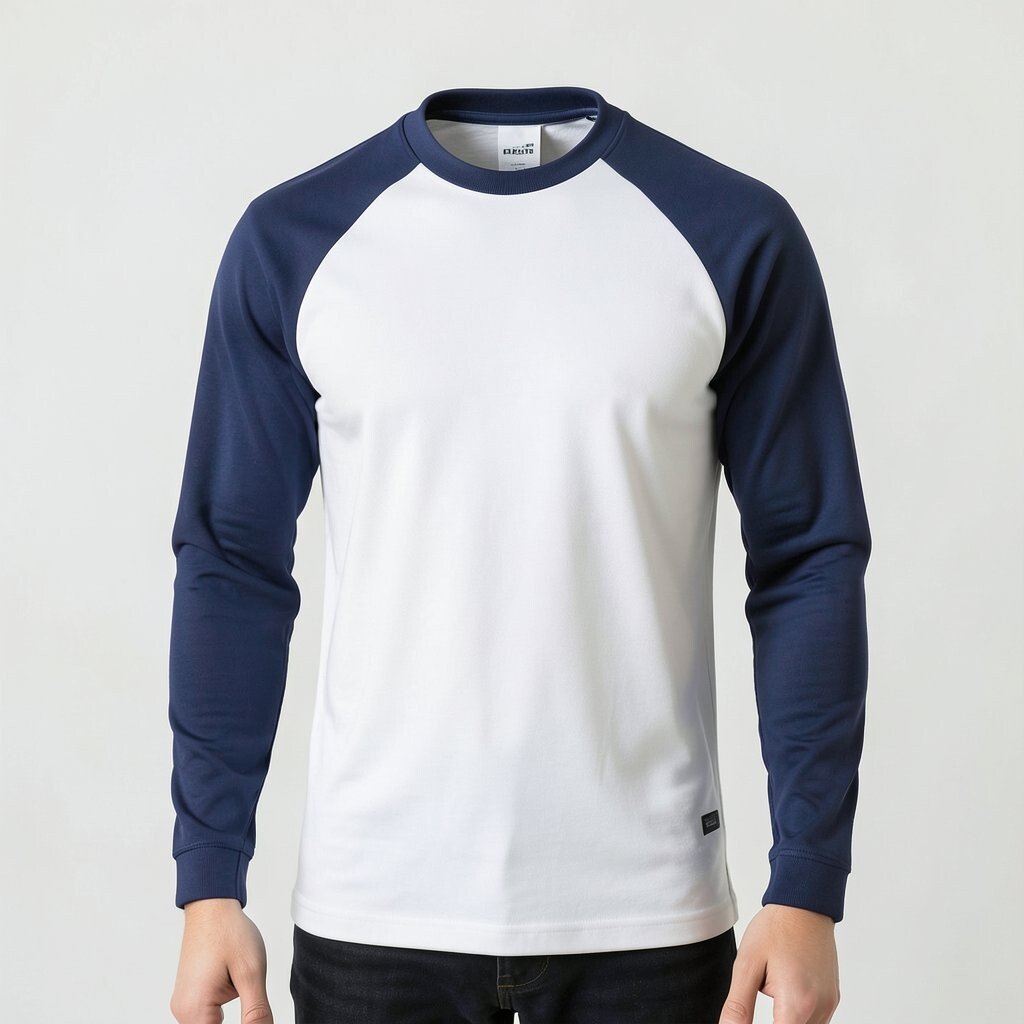
Raglan shirts use one color for the body and another for the sleeves. This gives the shirt a sporty look that is easy to wear and easy to style.
The shape of the sleeve line also helps the shirt feel active and relaxed. Many people like raglan shirts because they look good on many body types.
You can keep the design plain or add a logo, number, or small chest mark. This is a budget-friendly idea for teams that want a nice look without a lot of print work.
18. Sponsor-Friendly Layouts
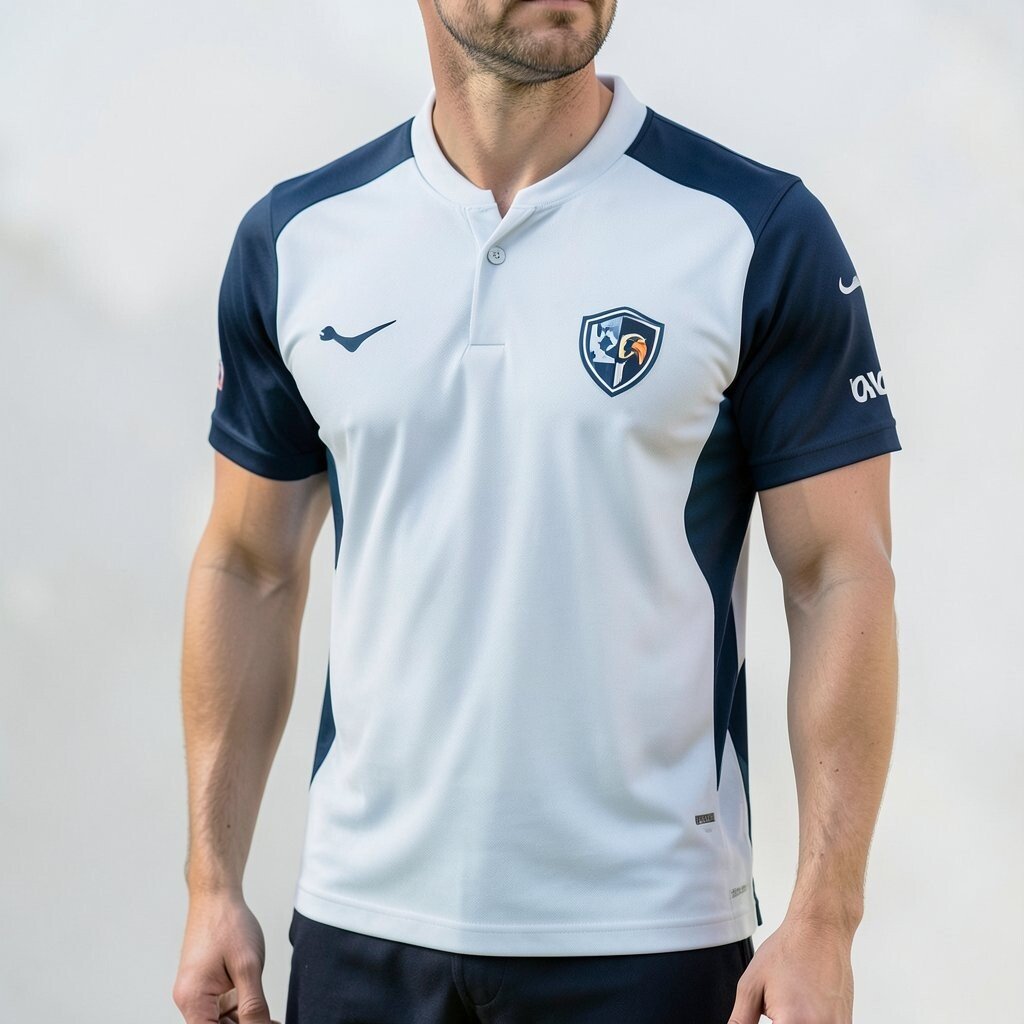
Some sports shirts need space for sponsor marks and team logos. A good layout can keep all of these parts neat and easy to read.
You can place the sponsor name on the front, sleeve, or lower back so it does not crowd the main team art. This helps the shirt look organized and still leaves room for style.
This kind of design is useful for leagues and clubs that need support from local businesses. It can also help lower shirt costs if sponsor money helps pay for the print run.
19. Youth League Fun Prints
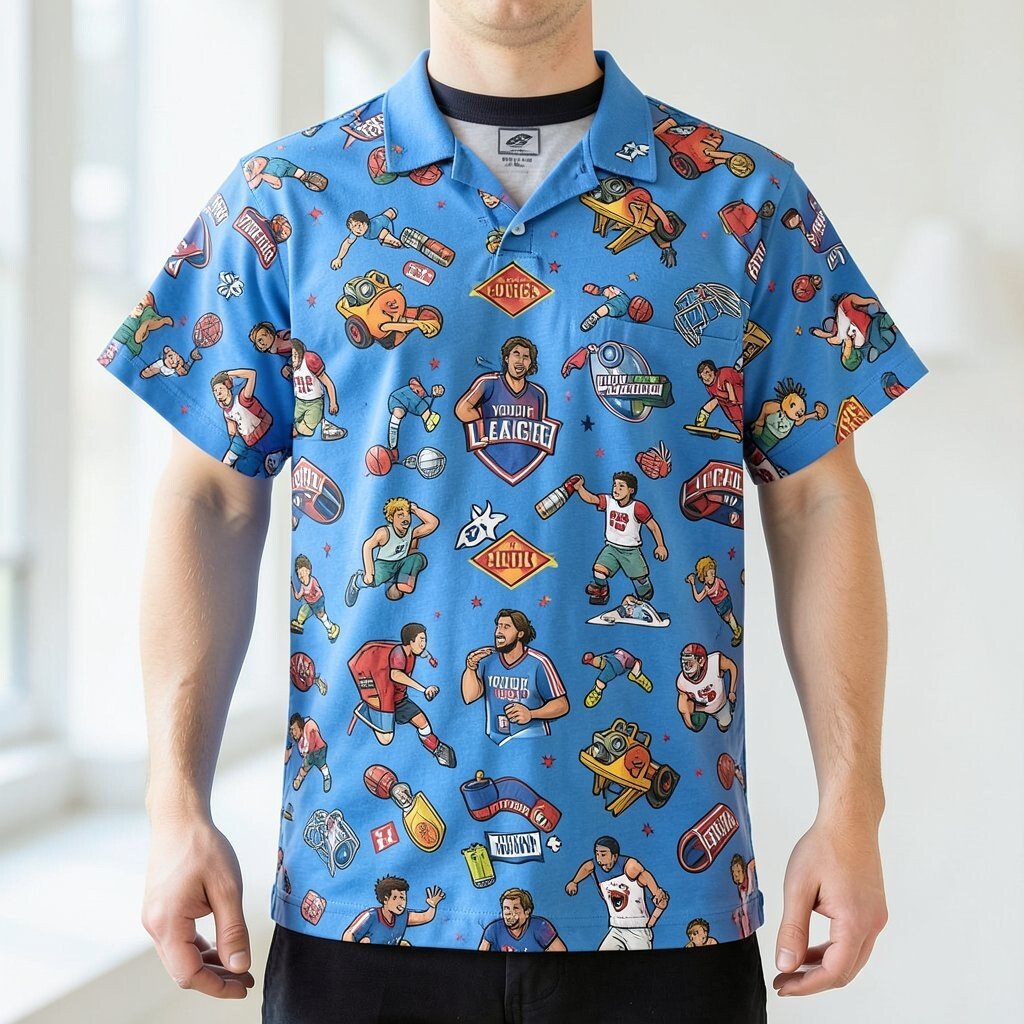
Youth shirts can use bright colors, fun icons, and simple shapes. These designs help young players feel excited to wear their team gear.
Animals, stars, lightning bolts, and simple mascots are all good choices for this age group. The design should be easy to read and not too crowded.
Parents often like youth shirts that are durable and not too expensive. A simple fun print can help with both, since it is easy to make and easy to clean.
20. Premium Performance Look
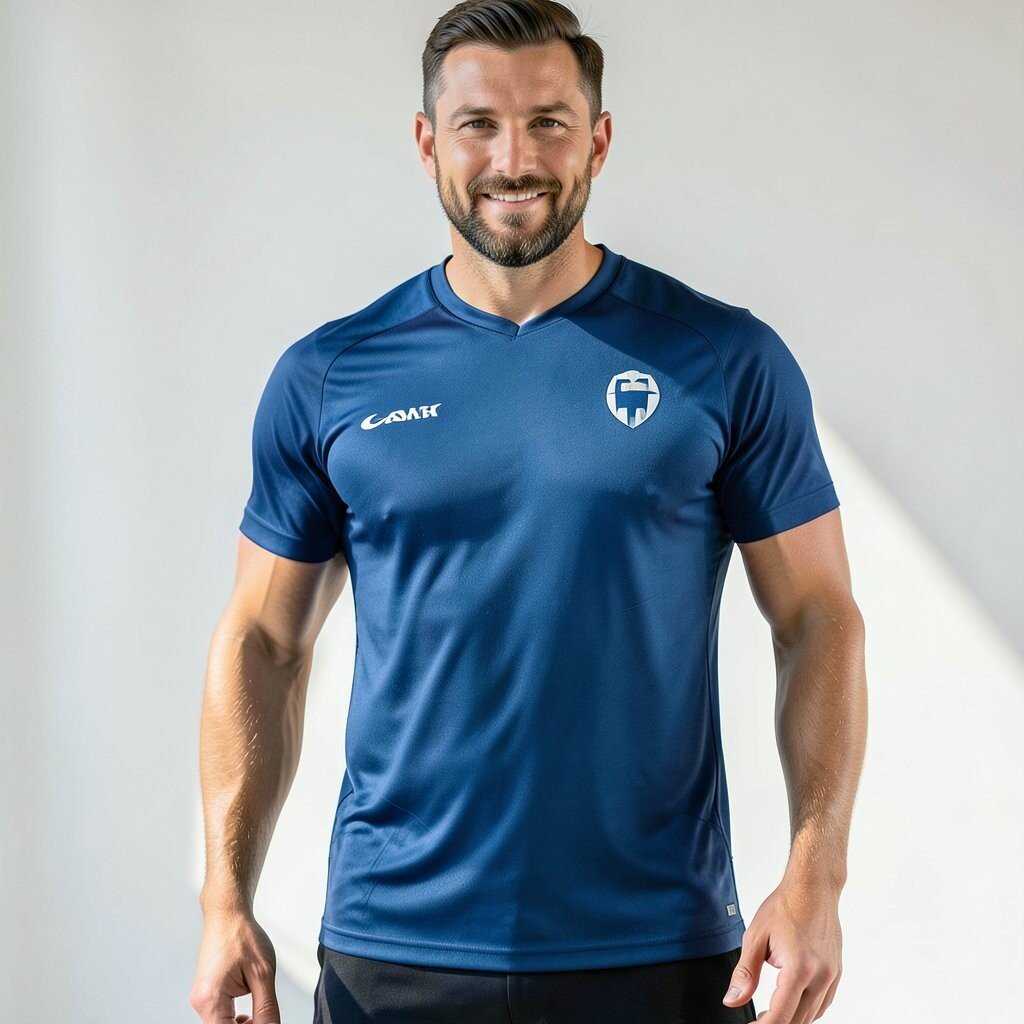
Performance shirts often use sleek lines and smooth shapes. They look clean and can match the feel of fast, active play.
These shirts may use moisture-wicking fabric, small mesh zones, and light prints that do not get in the way. That makes them useful for hard workouts and long games.
A premium look can come from small details like clean stitching, sharp logos, and a tight color plan. While these shirts may cost more, they often feel better and last longer.
21. Vintage Badge Style
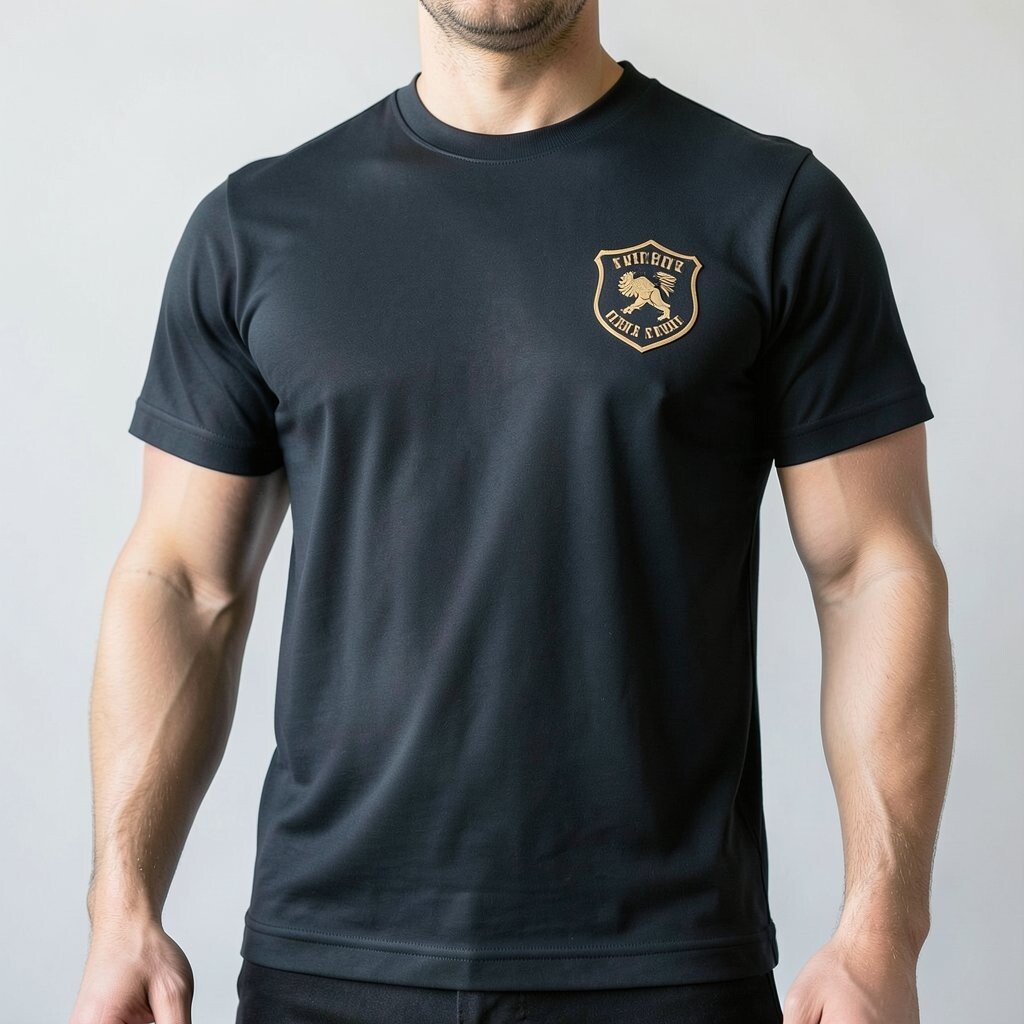
Badge designs use a seal or patch shape for the main art. They give the shirt a classic sports feel that can look strong and steady.
This style works well with old-school fonts, stars, laurel leaves, or shield shapes. It can make a team shirt feel more official without needing a lot of extra art.
Badges are a smart choice for clubs, school teams, and fan groups that want a proud look. They can also be made in simple colors, which helps keep print costs under control.
22. Abstract Line Art
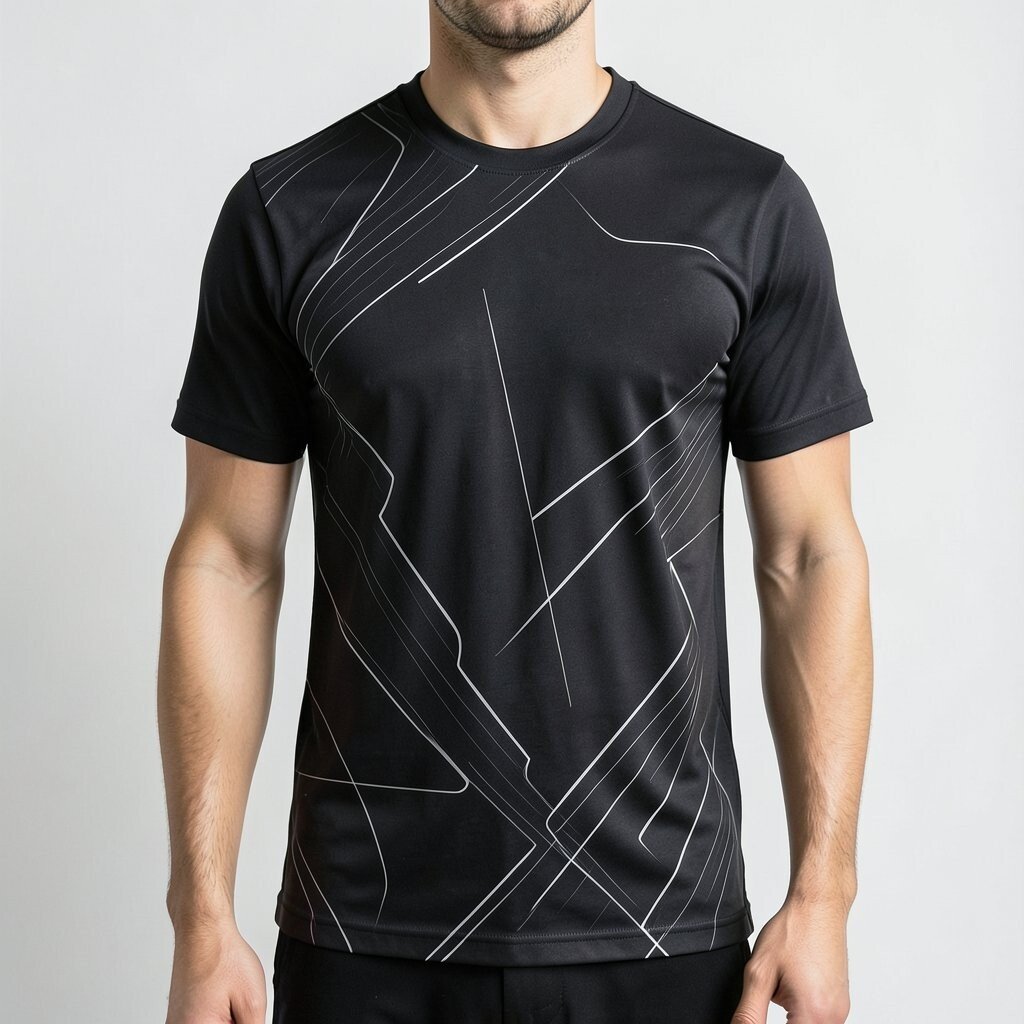
Abstract line art uses loose lines, curves, and shapes to make a shirt feel creative. It can give the shirt motion without using a full picture.
This style works well for teams that want something a little different from standard sports graphics. It can also help a shirt look modern and light.
Because the lines can be kept thin or simple, this design may not cost as much as a full print. It is a good choice for warm-ups, travel shirts, and team merch that needs a fresh look.
23. Personalized Player Editions
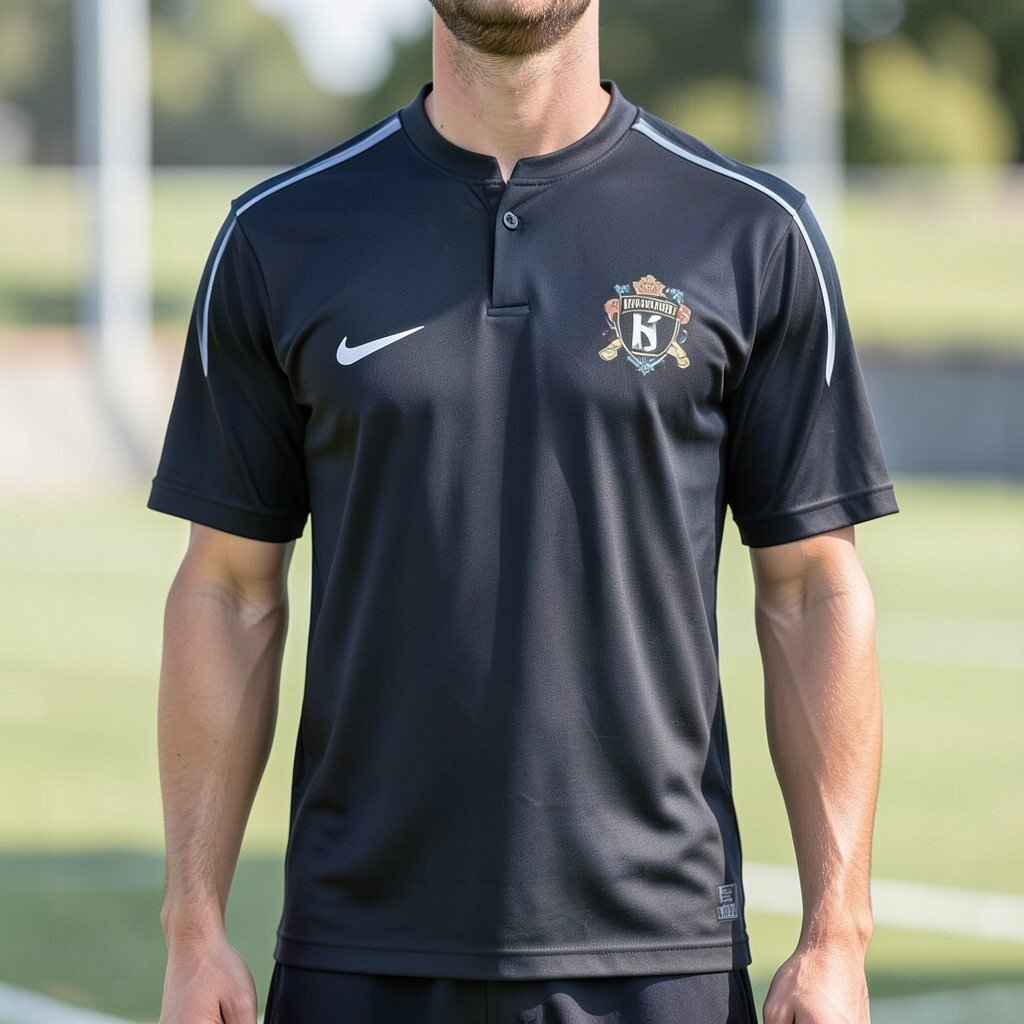
Personalized shirts make each player feel seen. You can add names, nicknames, numbers, or even a small symbol that fits the player.
This works well for team gifts, season shirts, and special event apparel. It also helps players keep track of their own shirt in a busy locker room or team bag.
Personal touches do not have to make the shirt costly if the base design stays simple. A clean layout with one personal detail can look neat and still feel special.
24. Event and Tournament Shirts
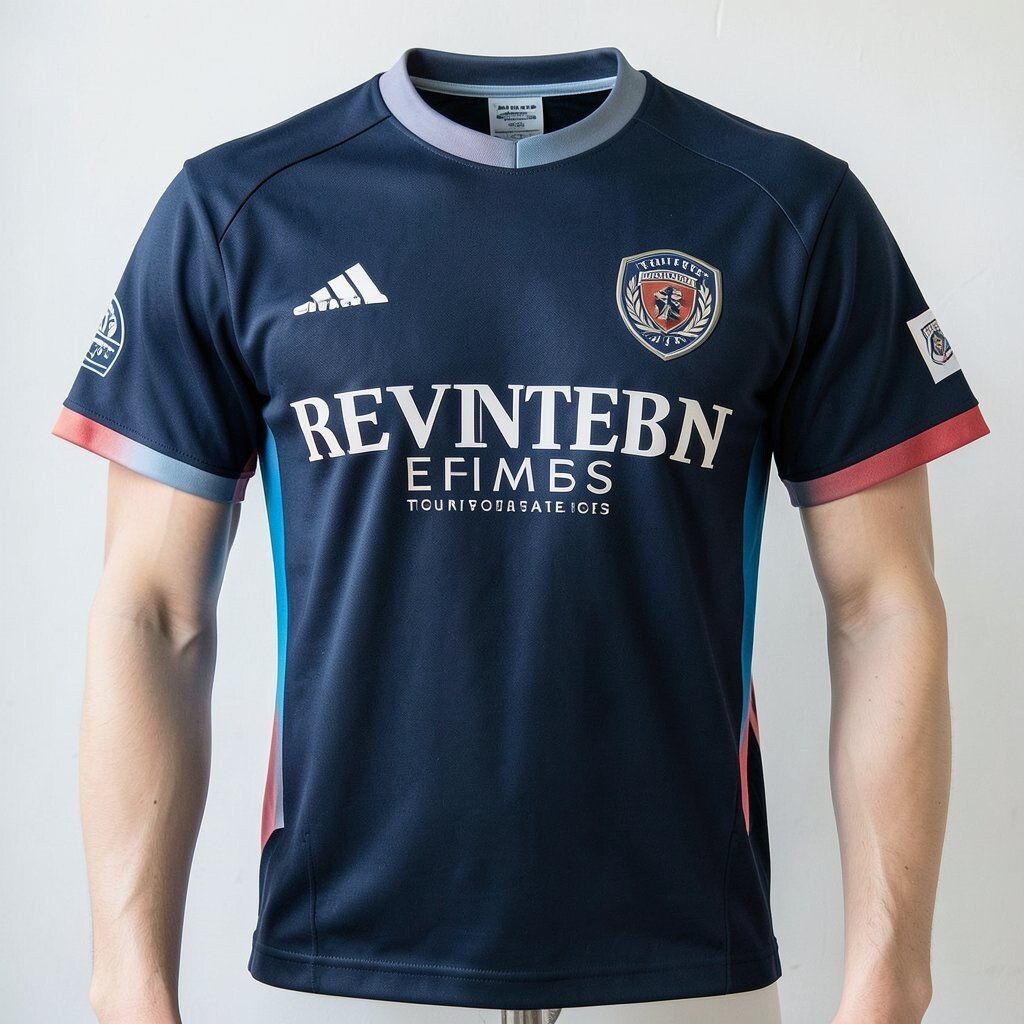
Event shirts are made for a one-time game, camp, or tournament. They often use a date, place name, or event theme to mark the day.
These shirts can be bright, simple, or bold, depending on the group. They work well as keepsakes because they remind people of the event long after it ends.
Since event shirts are often made in larger sets, they can be priced in a smart way for teams and families. A clear design with a strong event name helps the shirt look good and feel worth keeping.
25. Mixed Texture Style
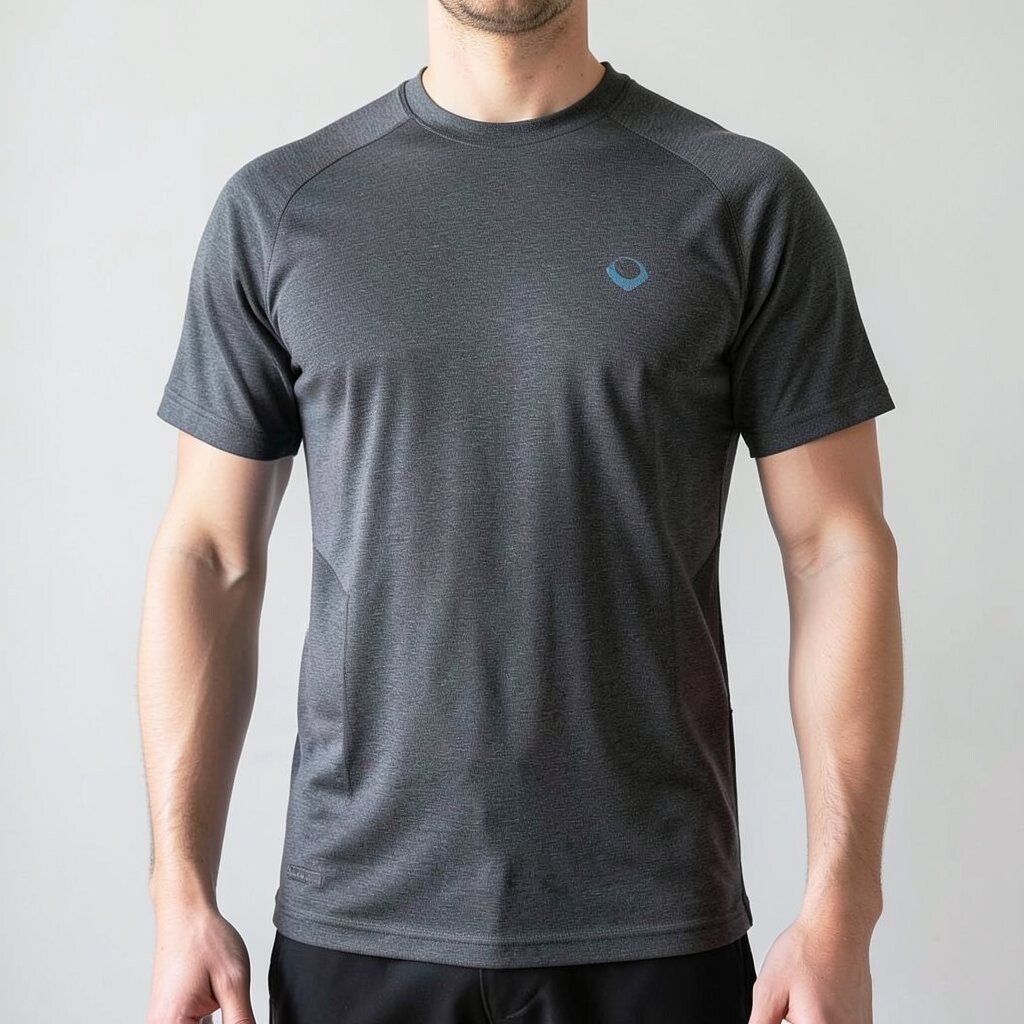
Mixed texture shirts use more than one kind of visual look in one design. You might see smooth blocks, rough brush marks, soft dots, or sharp lines all together.
This gives the shirt a rich and layered feel that can make it stand out from plain sportswear. It is a good fit for teams that want a shirt with more style but still want it to feel easy to wear.
You can keep the colors close together so the mix does not feel too loud. This style can work for fashion-minded teams, club merch, and sports apparel lines that want a fresh look without losing the team feel.