Cutting an old T-shirt can give you new parts for craft work and daily use. The right material can help you make clean cuts, save money, and add your own style.
1. Cotton T-Shirt Fabric
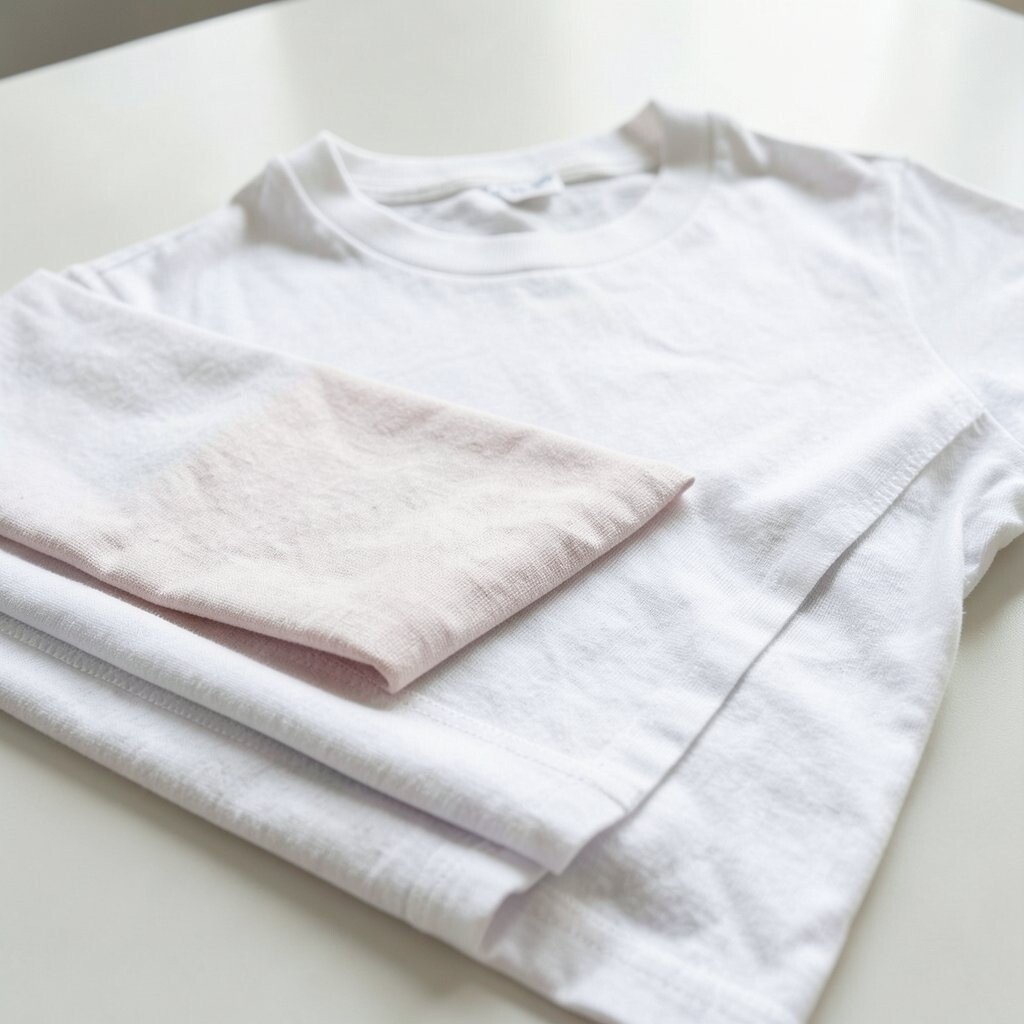
Cotton T-shirt fabric is soft, smooth, and easy to cut with basic tools. It has a plain look that works well for many craft ideas, from bags to headbands.
This material is a good pick because it does not cost much and is easy to find in old shirts. You can use bold colors, soft pastels, or simple white fabric to match your project.
Many people like cotton because it feels nice and takes glue, paint, and sewing well. If you want a clean edge, wash and press the shirt first so the fabric lies flat.
2. Jersey Knit Fabric
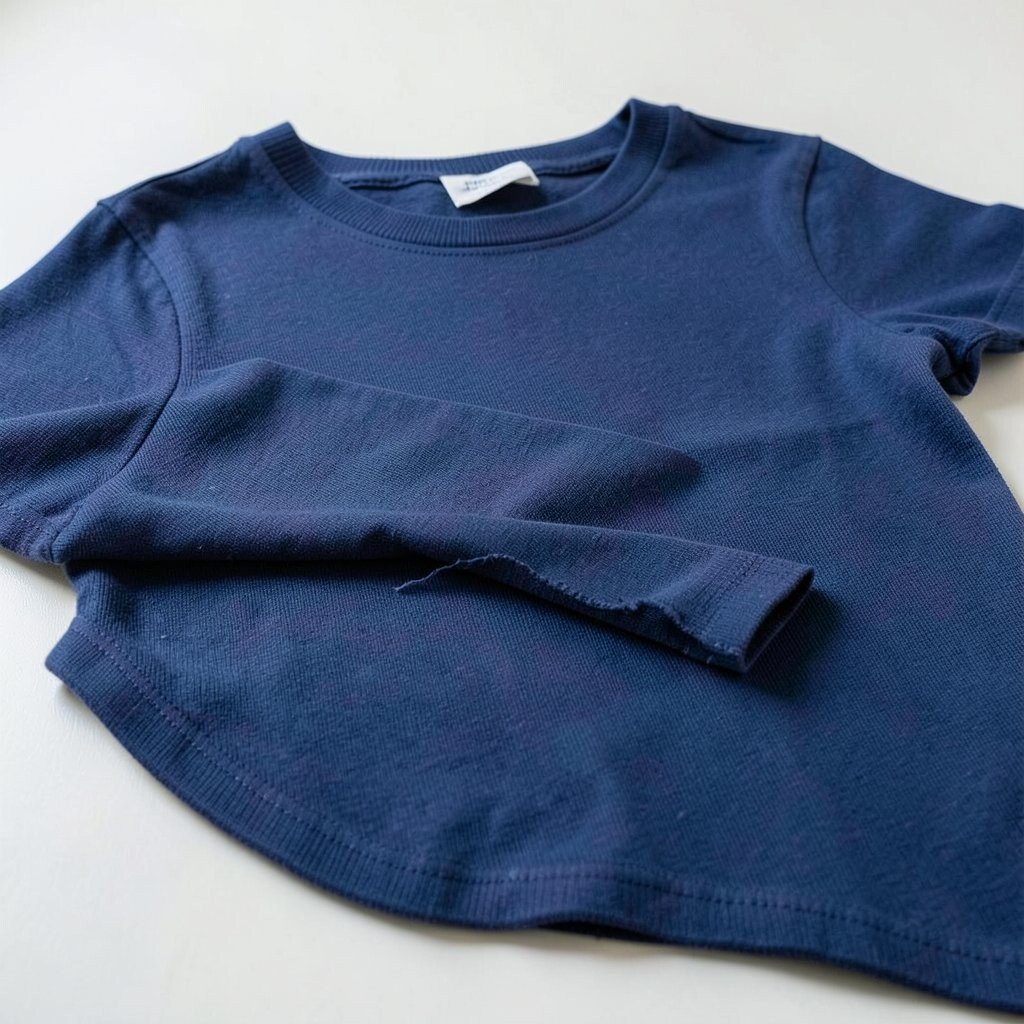
Jersey knit has a light stretch that makes it useful for soft crafts and fitted items. It often has a smooth front and a slightly rougher back, which gives it a simple, casual look.
This fabric is popular for hair ties, wraps, and comfy home items because it bends with ease. It can cost very little if you use shirts you already have at home.
One thing that makes jersey knit unique is the way it curls at the cut edge. You can use that curl as part of the design, or trim it down if you want a neater finish.
3. Graphic Print Shirts
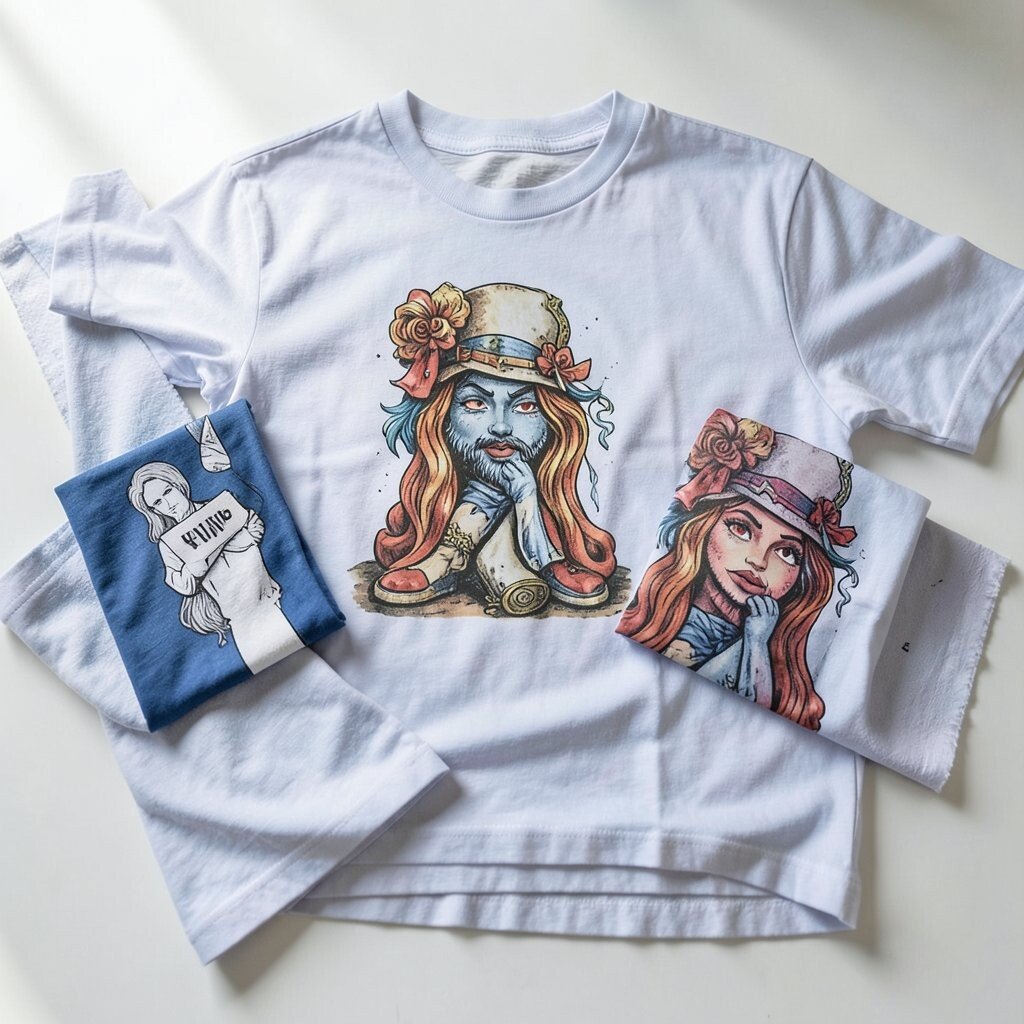
Graphic print shirts add bold words, logos, or pictures to your craft work. They can turn a plain item into something that looks fun and personal right away.
This material works well for tote bags, pillow patches, and wall art because the print does much of the design work for you. It is also a low-cost choice when you use old event shirts or free promo shirts.
If you want a more balanced look, cut around the best part of the print and leave the rest out. This helps you make a neat piece that feels made just for you.
4. Ribbed Neckline Fabric
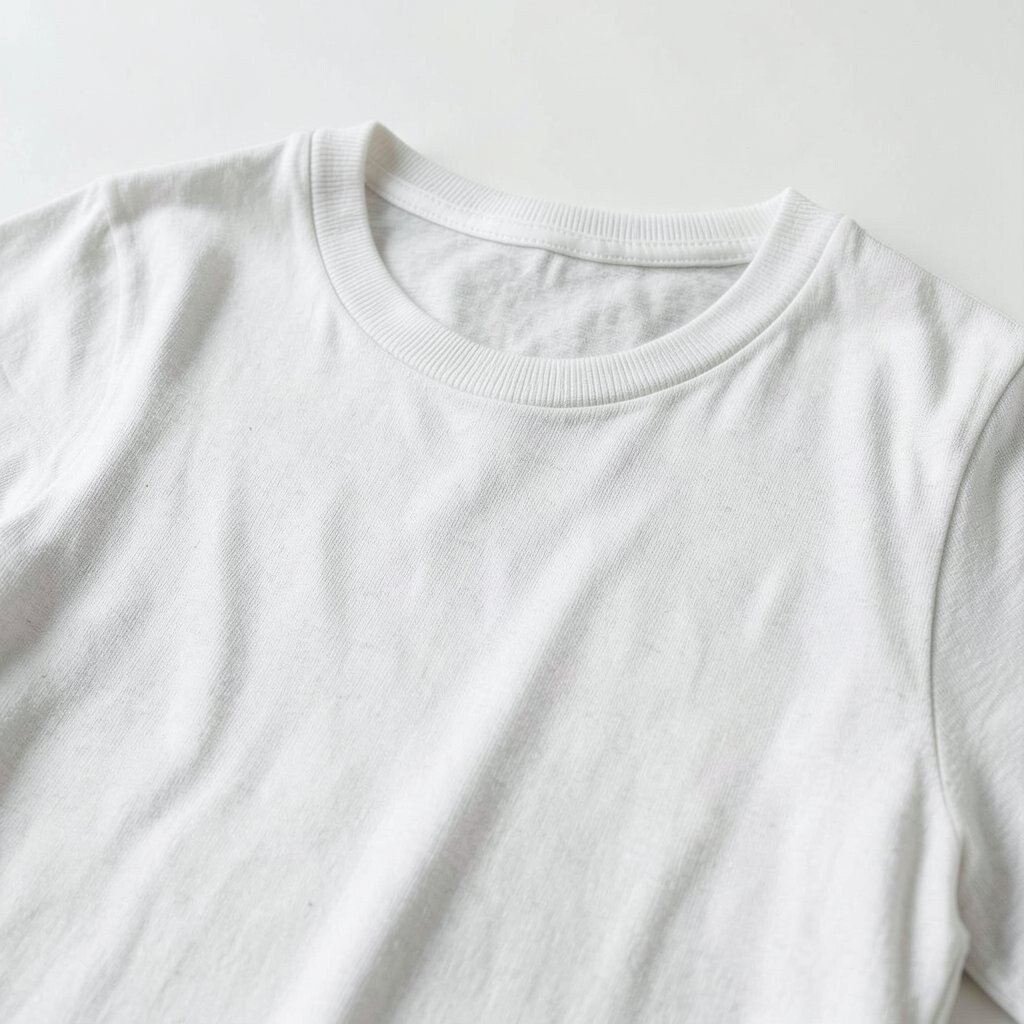
Ribbed neckline fabric has a thick, stretchy feel that is easy to spot by touch. It often comes in a band shape, which makes it useful for small trims and edge work.
You can use it for wrist bands, small ties, and clean borders on craft pieces. It adds a tidy look and can help hold shape better than thin fabric.
This part of a shirt is often ignored, so using it can save waste and cut your costs. Many makers like it because it gives a project a neat finish without much extra work.
5. Sleeves
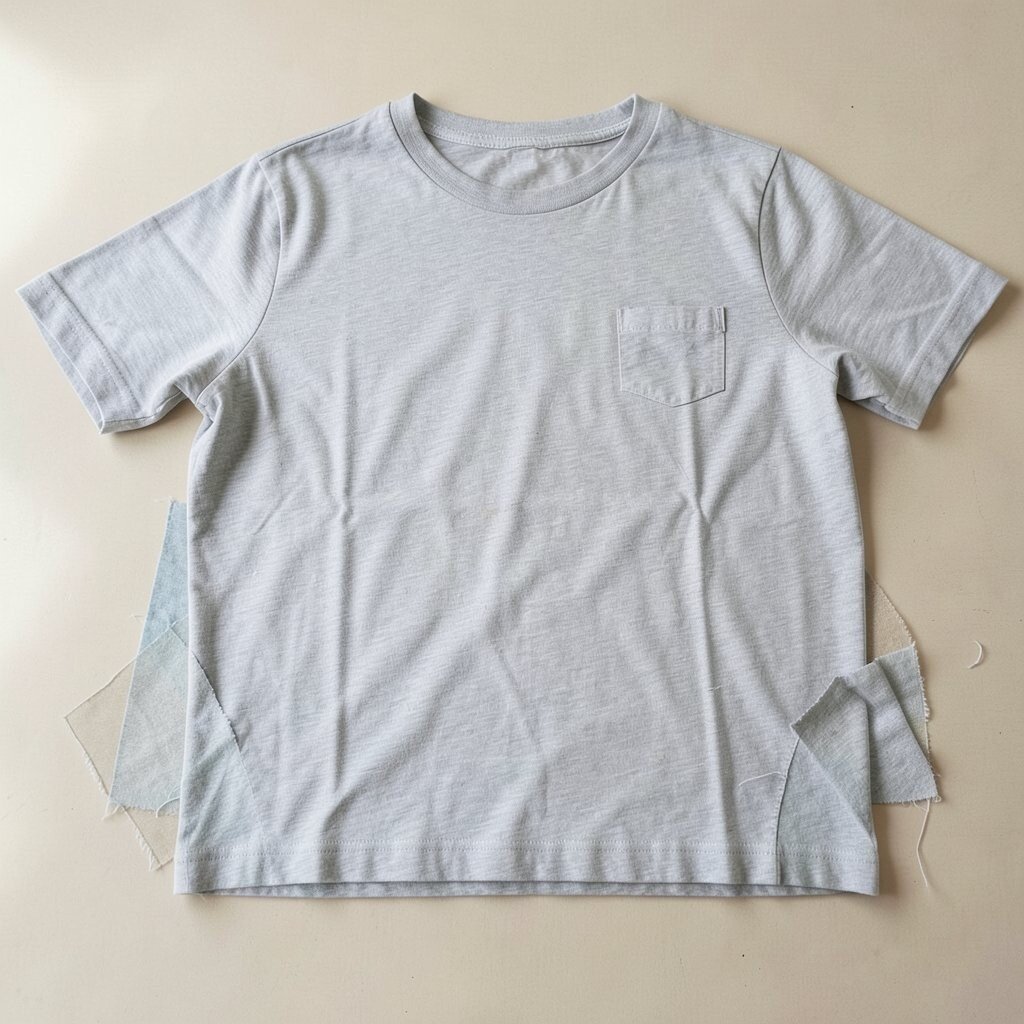
Shirt sleeves are great for smaller projects because they already have a tube-like shape. Their curved form can help you make pouches, soft toys, and simple wraps.
Sleeves are easy to cut and use, and they often give you enough fabric for a useful item. If the shirt is thick, the sleeve can also add a bit more strength to your craft.
You can keep the sleeve hem if you want a finished edge on one side. That small detail can make the final piece look more planned and less like leftover fabric.
6. Shirt Hem
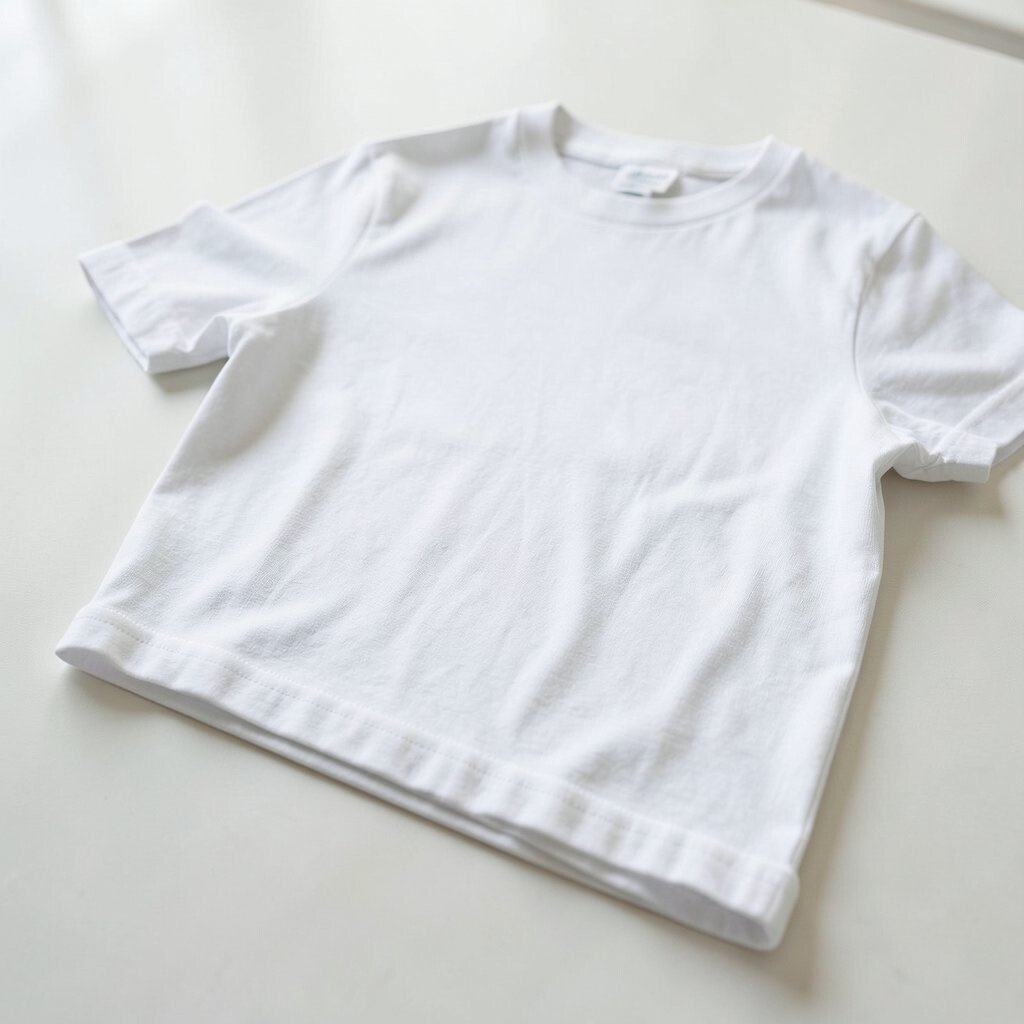
The shirt hem gives you a ready-made edge that can save time in your project. It looks neat and can help your craft hold shape without extra sewing.
This part is good for ribbon-like strips, ties, and simple decor pieces. It can also add a clean line to bags or fabric art made from old shirts.
Many people use hems because they are useful and often free. If you want a more polished look, place the hem where it will show on the outside of the project.
7. Shirt Seams
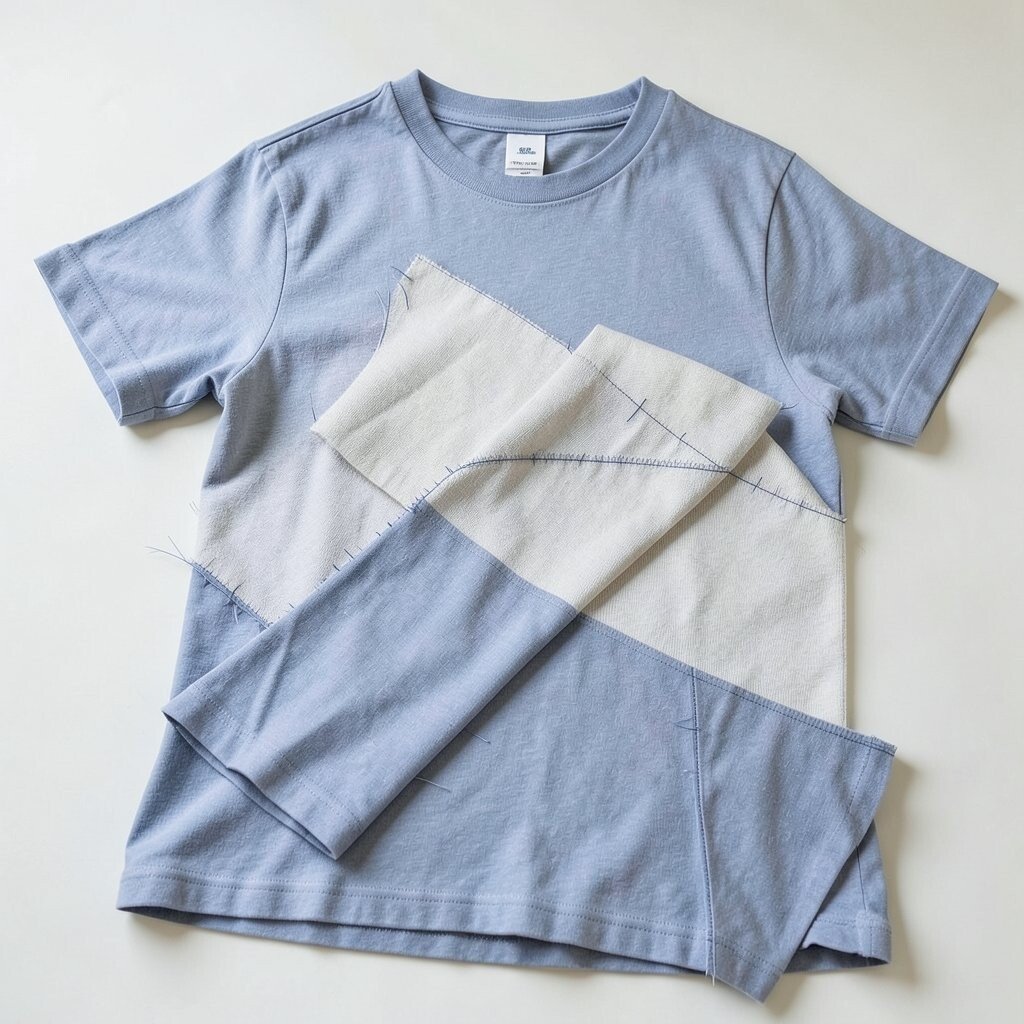
Shirt seams are the stitched lines that hold the shirt together. They are thicker than the rest of the fabric and can be used as strong strips for crafts.
These strips are helpful when you need a sturdy part for handles, ties, or small loops. They can also add a raw, handmade look that fits current craft trends.
Seams are a smart choice if you want to use every part of the shirt and keep waste low. Cut them carefully so the stitches stay neat and do not pull apart too fast.
8. Tank Top Fabric
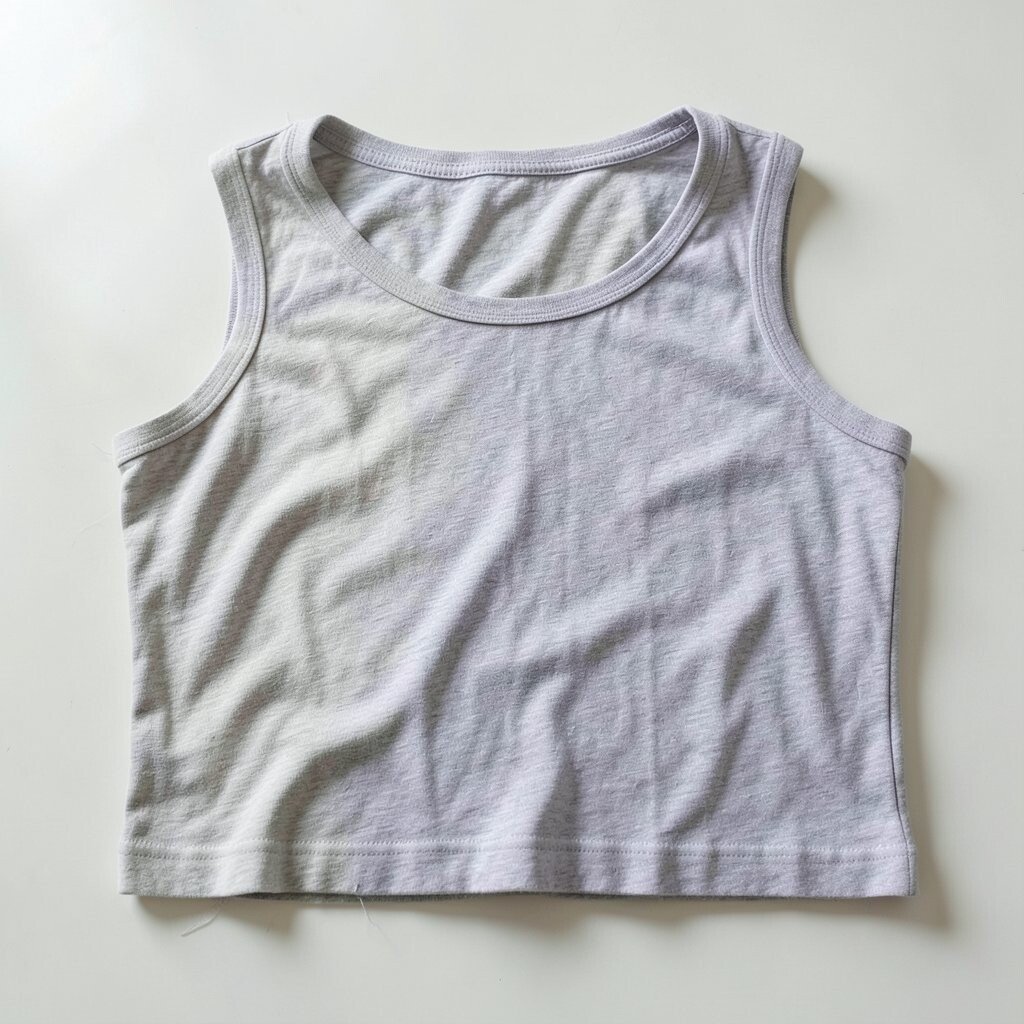
Tank top fabric is usually light, soft, and easy to handle. It works well for warm-weather items, small wraps, and simple home crafts.
This material often comes in bright colors and easy shapes, which makes it nice for personal projects. It is also cheap if you reuse old tank tops from your closet.
Because tank top fabric is thin, it is good for layered looks and soft folds. You can pair it with thicker fabric if you want more support in your project.
9. Stretchy Spandex Blend
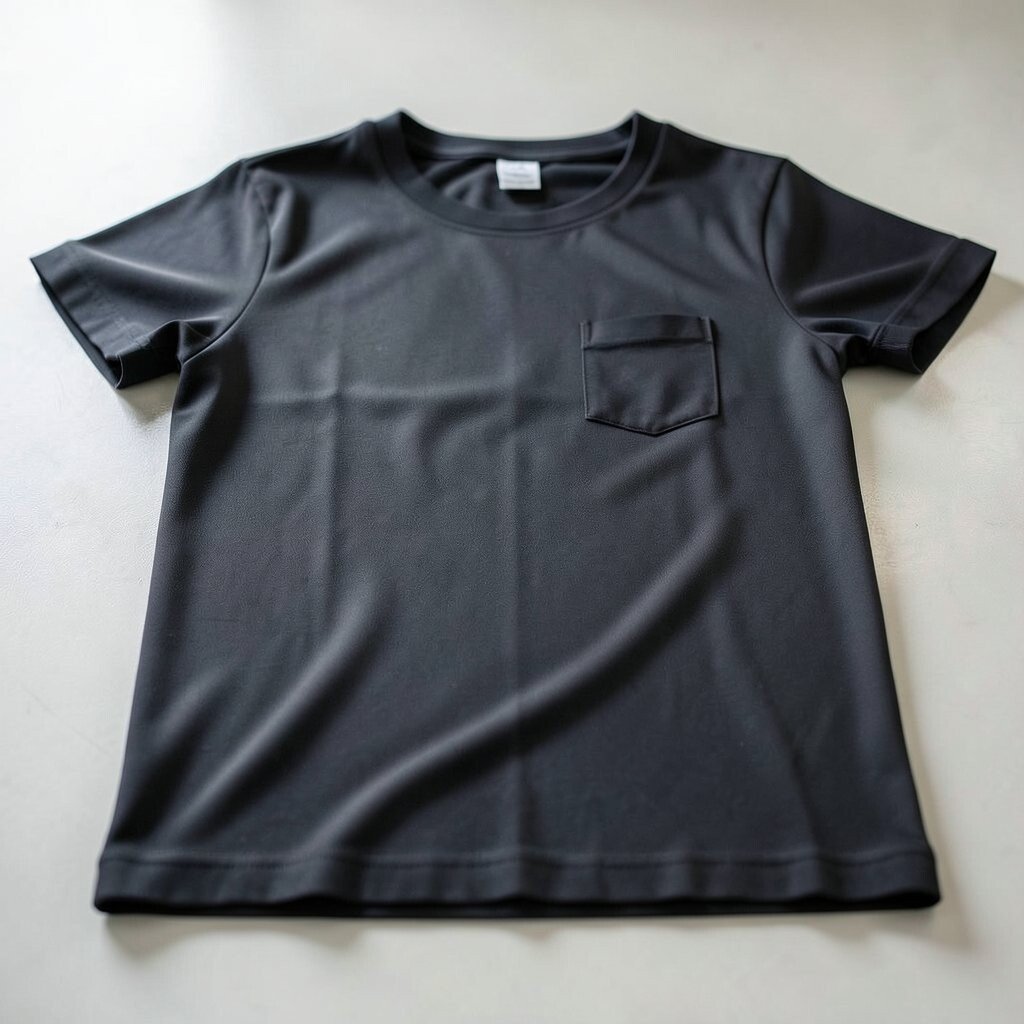
Spandex blend fabric stretches a lot and snaps back into shape. It has a smooth surface that can give your craft a sleek, modern look.
This material is useful for headbands, fitted covers, and items that need to move with the body. It can cost more in stores, but old workout shirts can make it a low-cost option.
One tip is to use sharp scissors so the fabric does not snag while you cut. If you want a neat edge, test the stretch before you cut the full piece.
10. Vintage Band Shirts
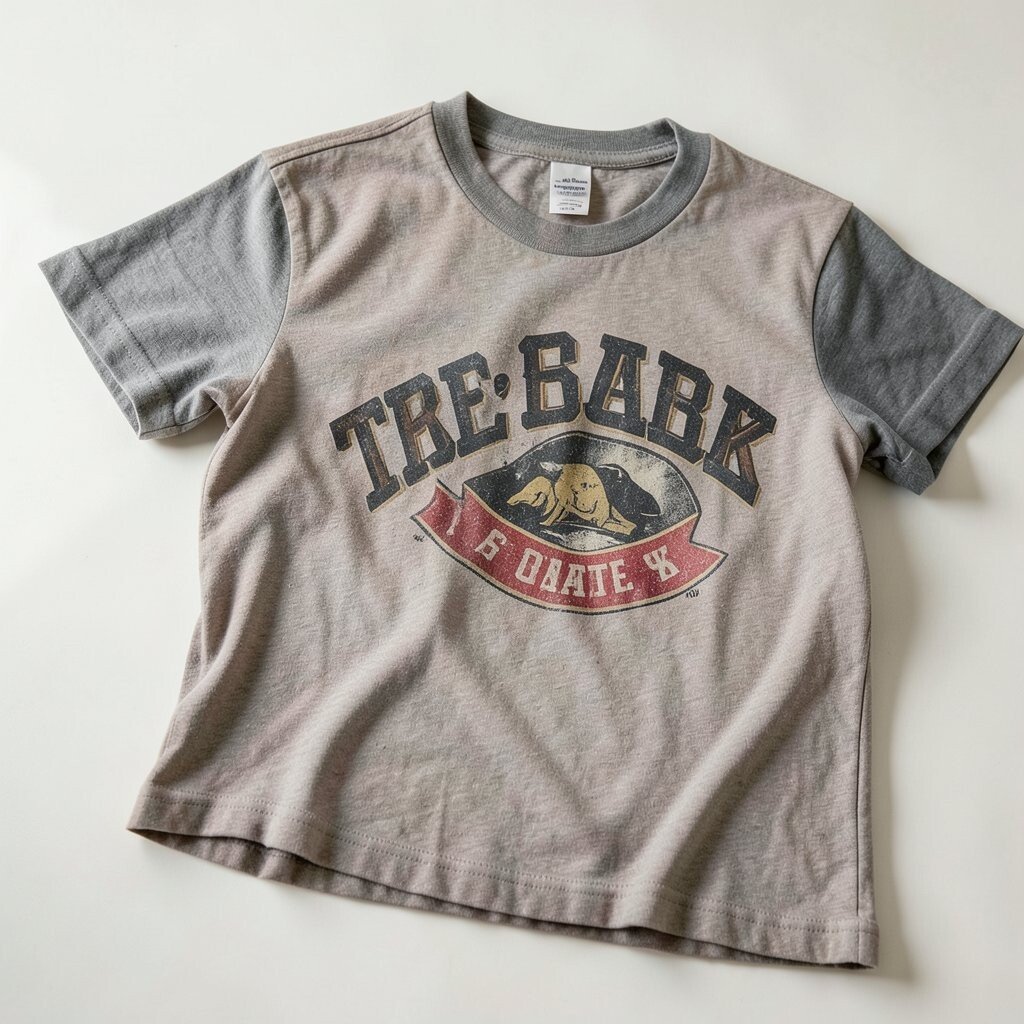
Vintage band shirts are loved for their worn look and old-school art. They can bring a cool, personal feel to crafts without much extra work.
People often use them for patchwork, framed art, and one-of-a-kind bags because the print already has style. These shirts can be cheap at thrift shops, but some rare ones may cost more.
The best part is that each shirt feels different and tells a small story. If you like a softer, faded look, vintage shirts can fit that style very well.
11. Plain White Shirts
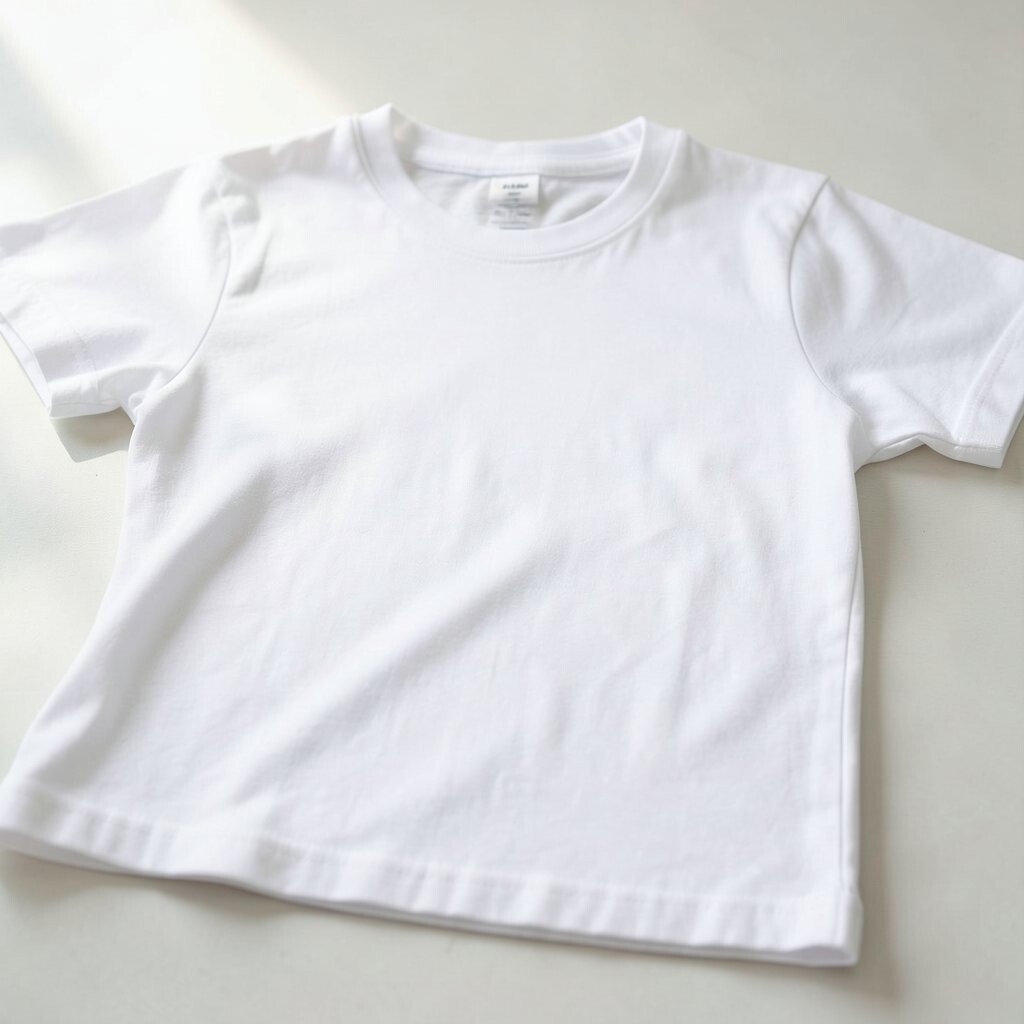
Plain white shirts give you a clean base for many creative projects. They are simple to cut, paint, dye, and sew, which makes them very useful.
This material works well when you want to make your own design from scratch. It is also one of the lowest-cost choices because many homes already have old white tees.
You can add fabric markers, tie-dye, or patches to make the shirt more personal. A plain base gives you room to try new ideas without worrying about a busy print.
12. Tie-Dye Shirts
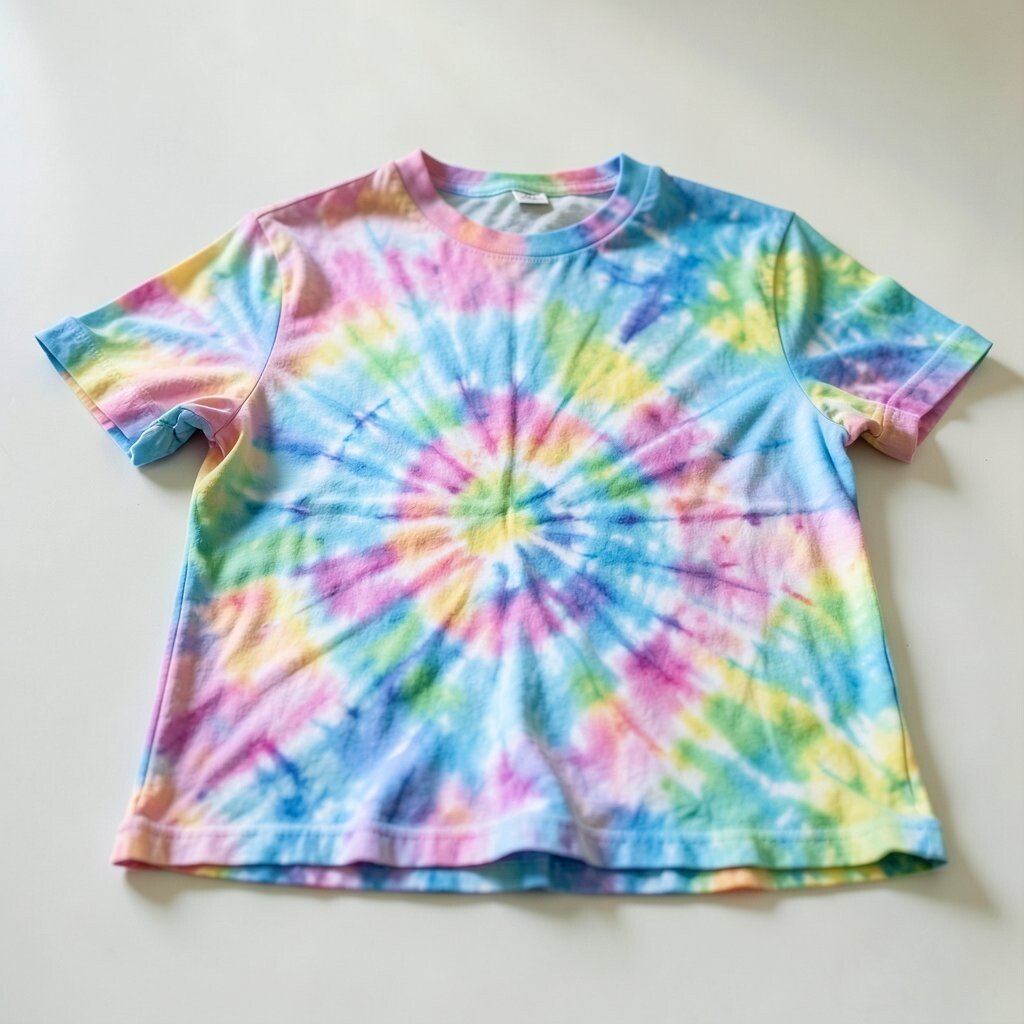
Tie-dye shirts have bright swirls and mixed colors that stand out right away. Their playful look can make simple cut pieces feel more lively and fun.
These shirts are great for kids’ crafts, summer items, and bold decor pieces. They can be made at home for very little money if you use dye and old shirts.
Because each tie-dye shirt looks a little different, your project will feel unique. If you want the colors to show well, cut the fabric in a way that keeps the best swirl in view.
13. Overly Worn Shirts
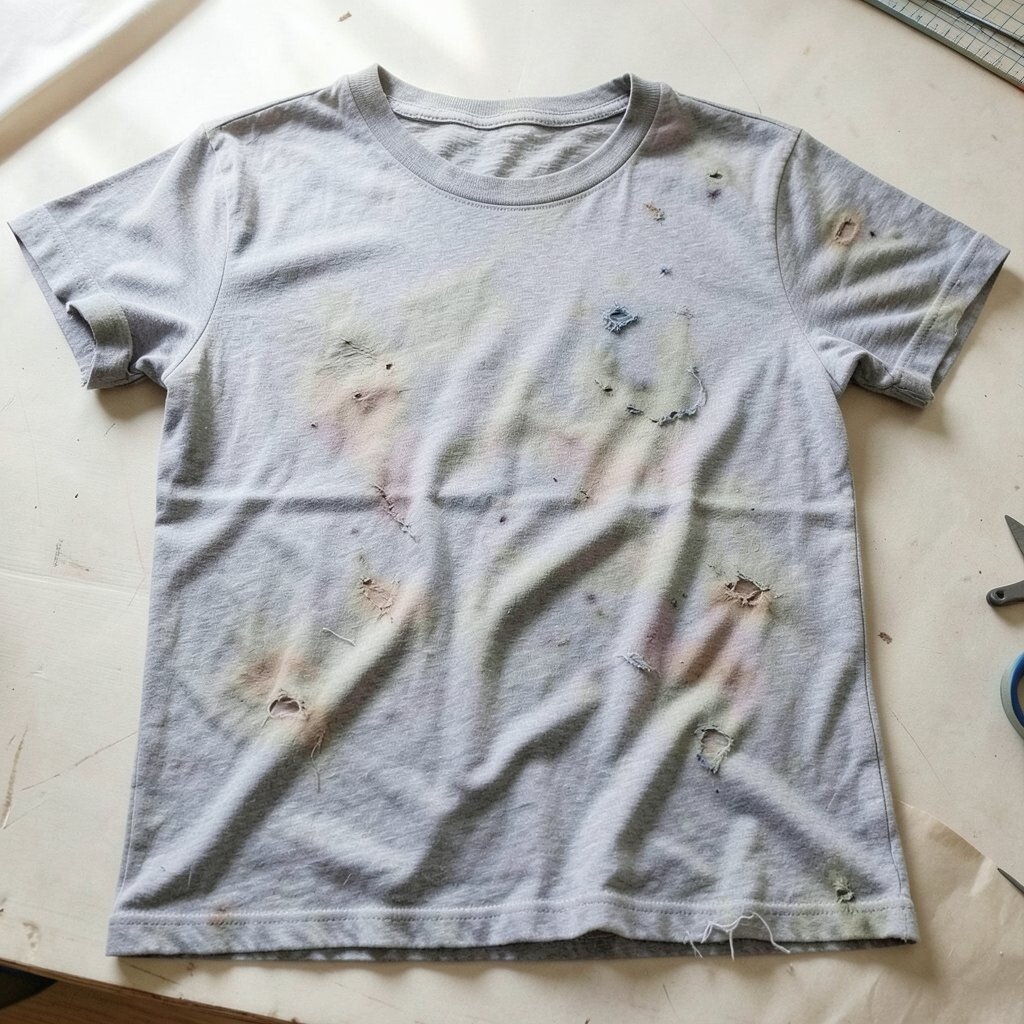
Overly worn shirts may have thin spots, soft texture, and a faded color. Even with those signs of age, they can still work well for many crafts.
You can use the stronger parts for strips, stuffing, or small decor items. This is a low-cost way to keep old clothes out of the trash and still make something useful.
The worn look can add charm to handmade items, especially if you like a relaxed style. Just check for holes in the wrong places before you cut so the final piece still holds up.
14. Thick Cotton Tees
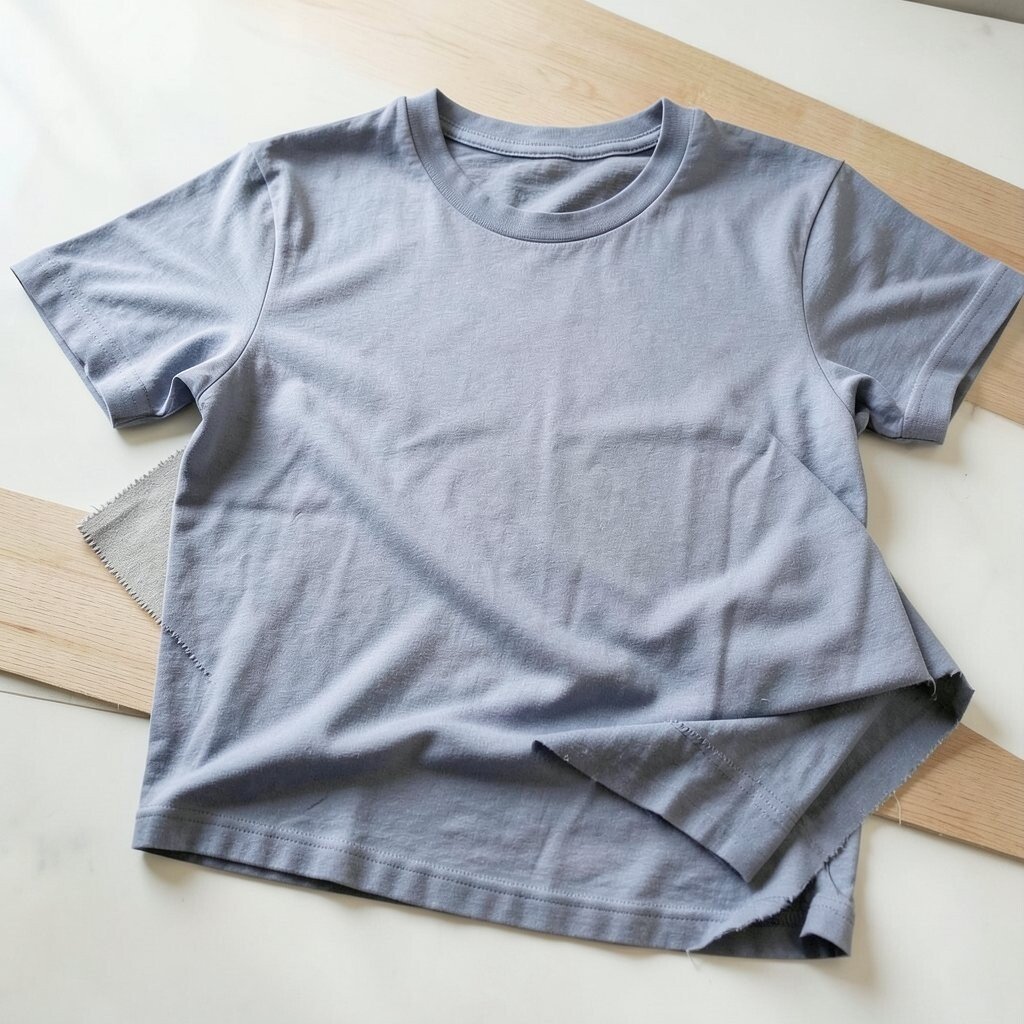
Thick cotton tees feel heavier and more solid than thin shirts. They are a good choice when you want a material that holds shape better.
This type of fabric works well for tote bags, cushion covers, and items that need a bit more strength. It may cost a little more than thin tees, but it can last longer in use.
Thick cotton also gives a smoother cut edge and a more stable sewing surface. If you want a craft that feels sturdy, this is a strong option to try.
15. Lightweight Summer Tees
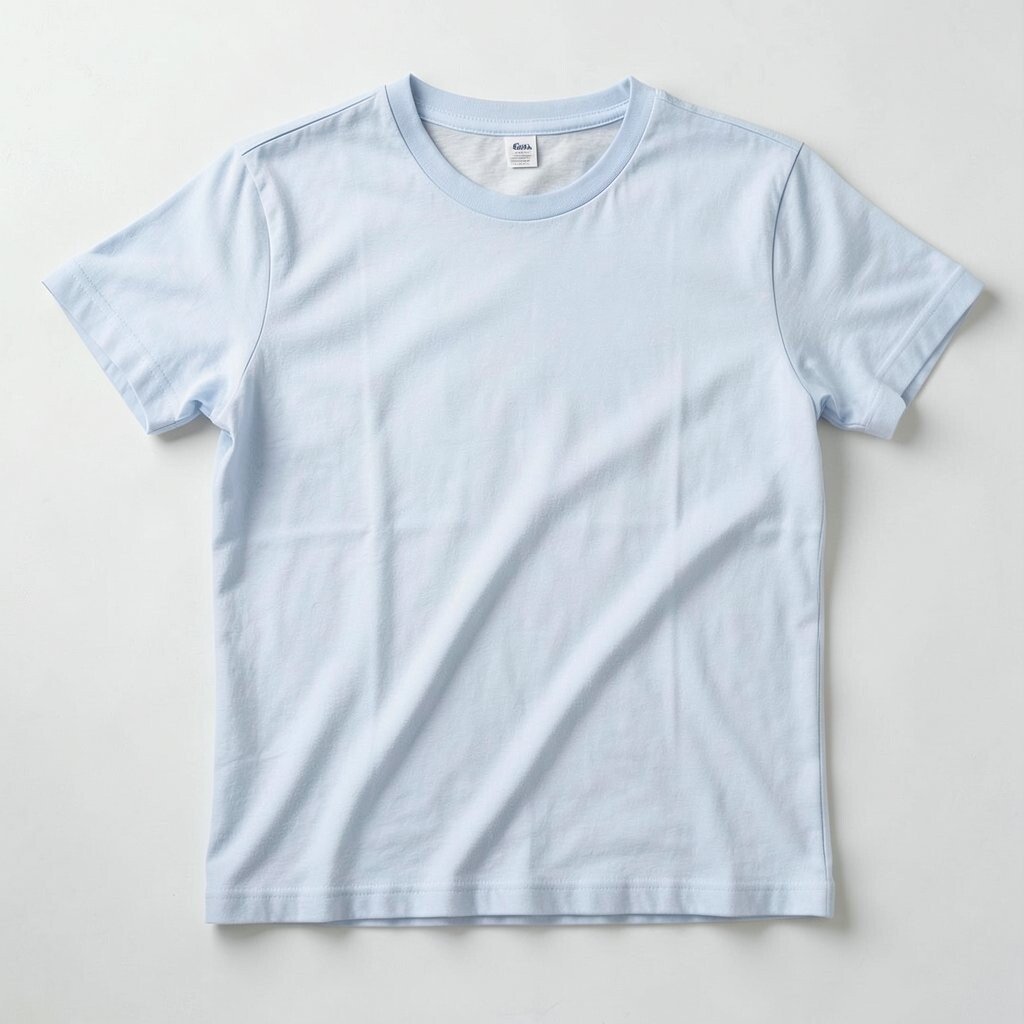
Lightweight summer tees are soft, airy, and easy to cut into thin strips. They are nice for warm-weather crafts that need a loose and easy feel.
You can use them for braided items, light scarves, and simple home decor. They often come in bright shades that fit fresh seasonal trends.
Because they are thin, they are easy to layer with other fabrics. If you want a soft drape and simple handling, this material is a good match.
16. Long-Sleeve Shirt Fabric
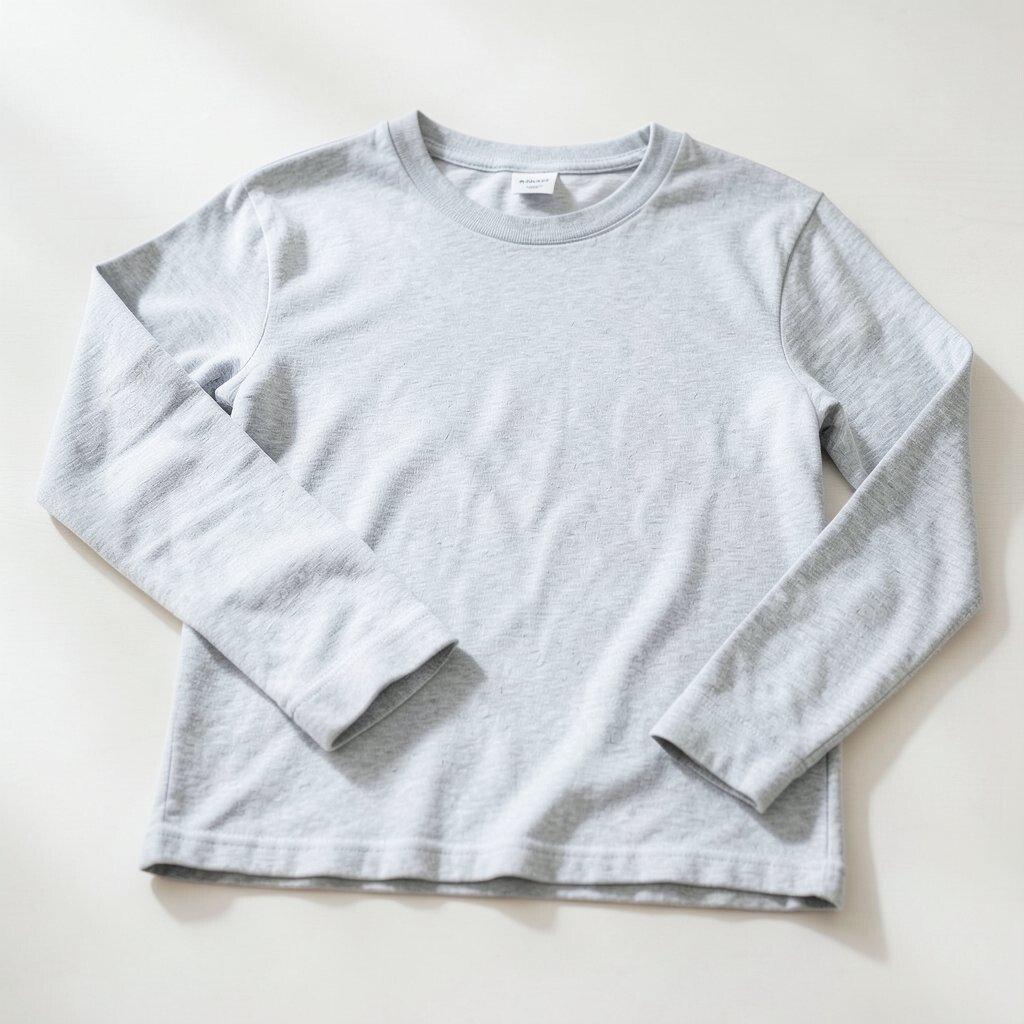
Long-sleeve shirt fabric gives you more material to work with than a basic tee. The extra length can help you make bigger pieces or more than one small item.
This fabric is useful for arm warmers, soft ties, and tube-style crafts. It can be low-cost if you reuse shirts that no longer fit or feel right to wear.
The sleeves can add long strips that are handy for wrapping and binding. If the shirt has cuffs, you can keep them for a neat edge on the final piece.
17. Printed Logo Fabric
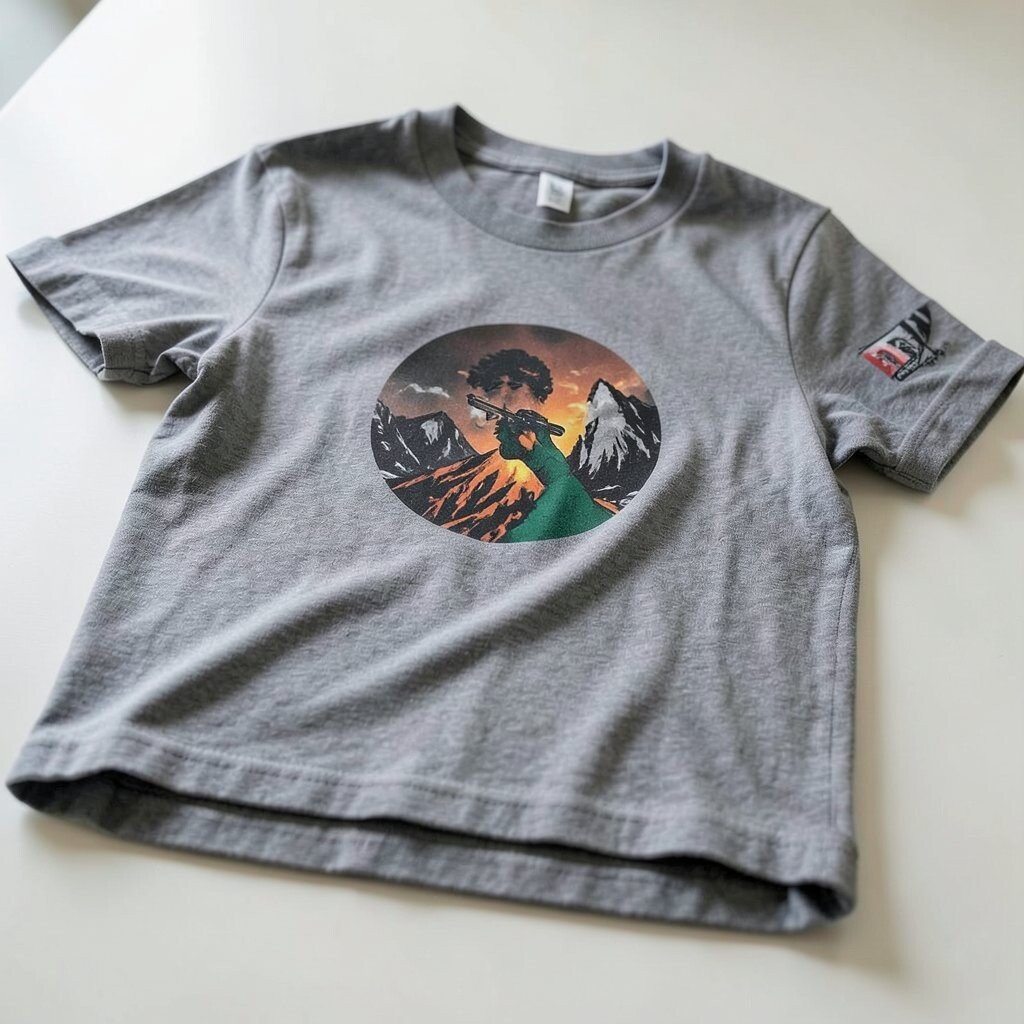
Printed logo fabric can give your project a strong, clear look. The logo may be small or large, but it often adds a bold point of focus.
This material is good for bags, patches, and mixed-media work because it gives a ready-made design. It can also be a low-cost choice if you use old work shirts or free event tees.
To make it feel more personal, cut the logo into a shape that fits your idea. You can place it in the center or use it as a small accent near the edge.
18. Soft Blended Fabric
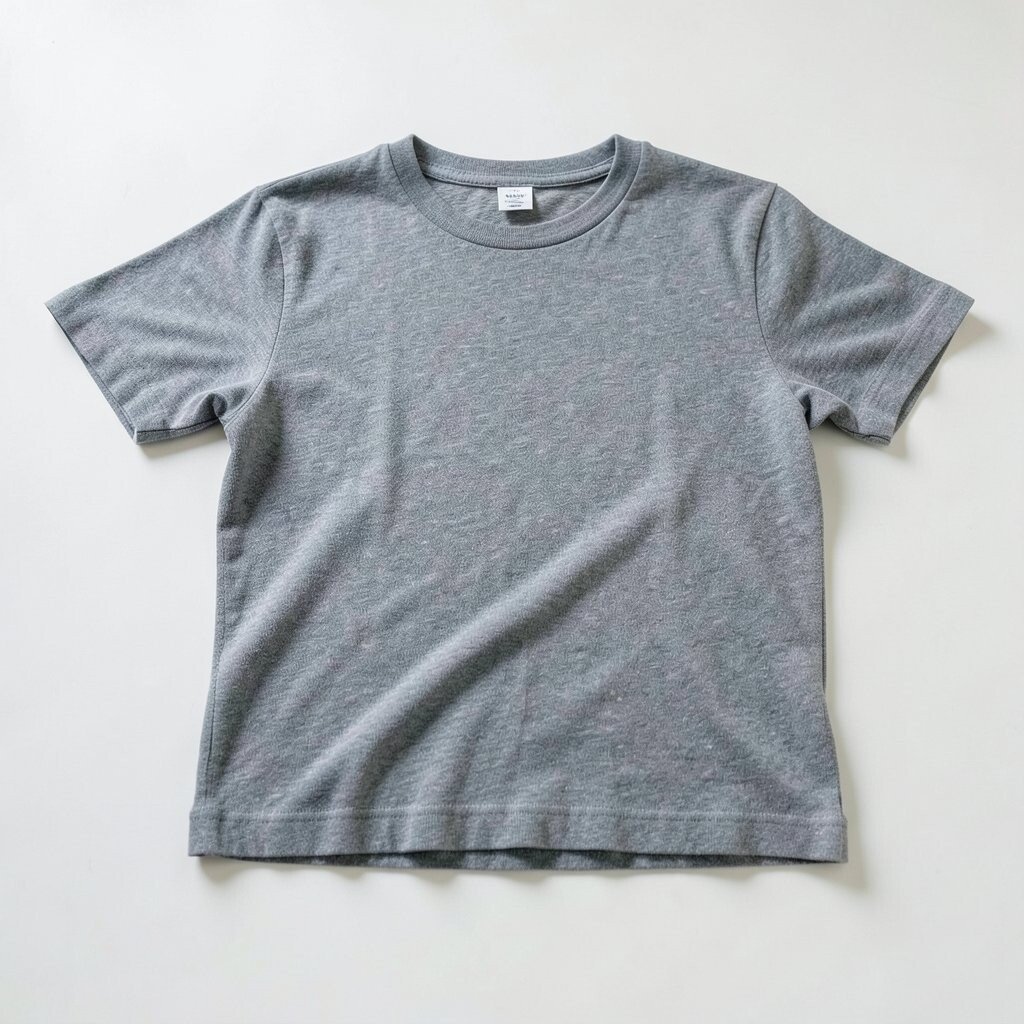
Soft blended fabric mixes cotton with other fibers, which can make it feel smooth and easy to wear. It often has a nice drape that works well in simple craft shapes.
This material is useful for items that need comfort and a clean finish. It can be found in many everyday shirts, so it is often easy to get at a low price.
Blended fabric may handle washing well and stay soft after use. If you want a fabric that feels smooth but still has a bit of strength, this is a good pick.
19. Recycled Scrap Strips
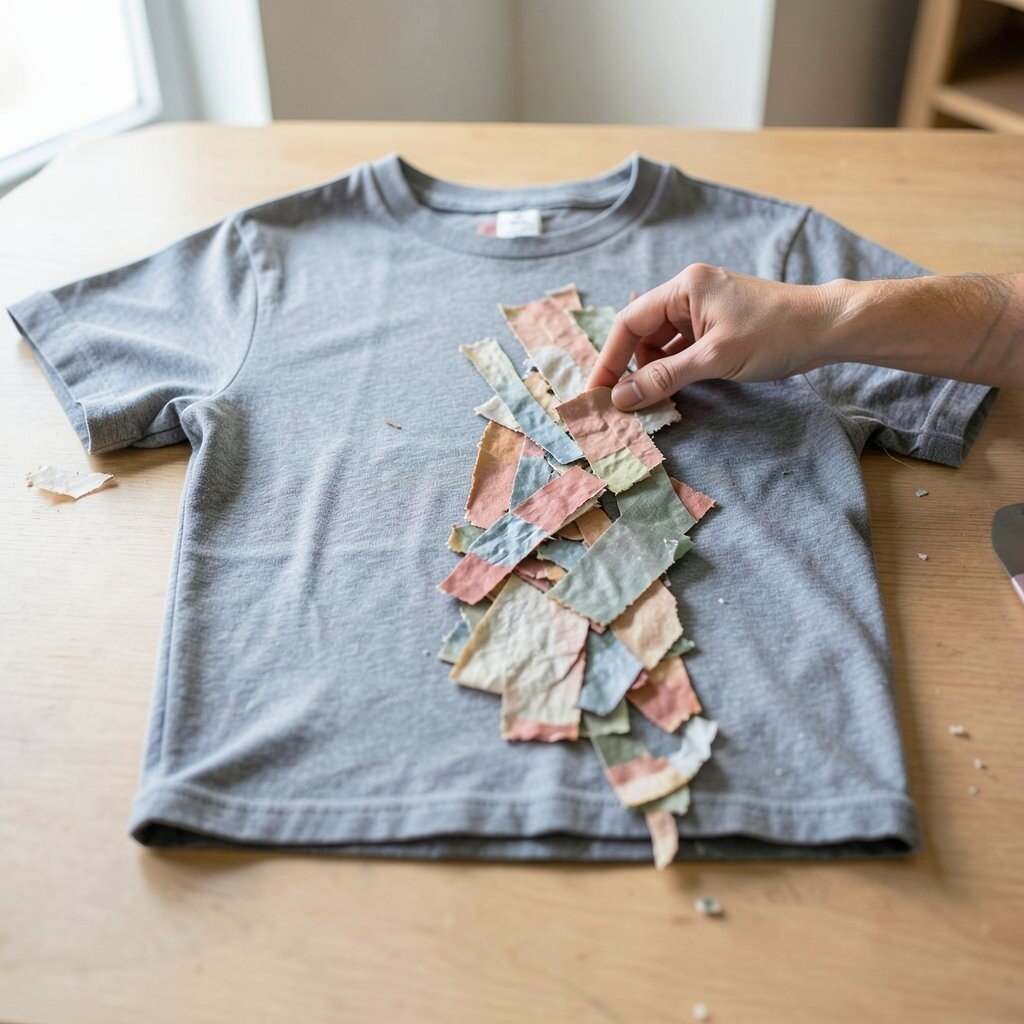
Recycled scrap strips come from leftover parts of shirts that might be too small for a full project. These strips can still be very helpful for braids, ties, and edge trim.
They are one of the cheapest materials because they use pieces you already have. Many makers like them because they cut waste and help each bit of fabric get used.
Scrap strips can also add color mix and texture to a project. If you sort them by shade or size, you can make cleaner patterns and more personal designs.
20. Custom Cut Panels
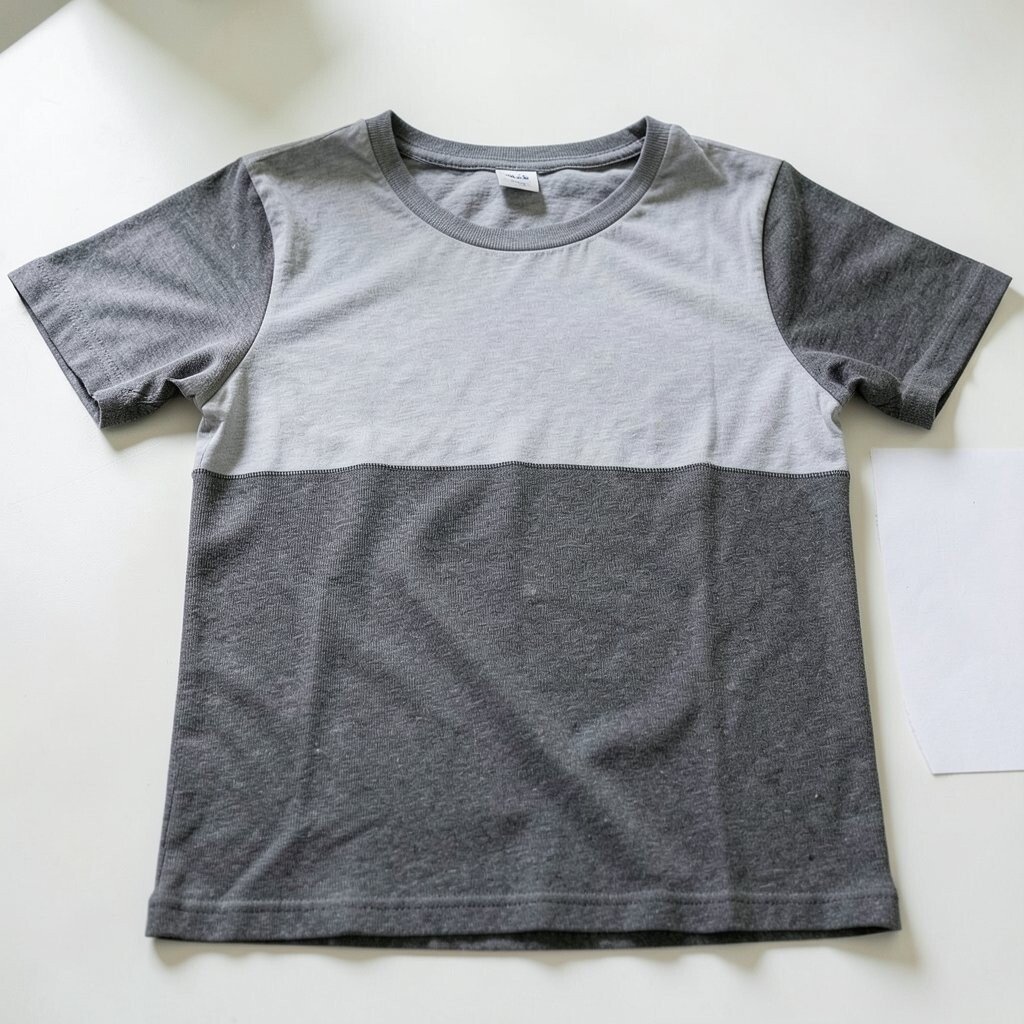
Custom cut panels are shirt pieces cut into the exact shape you need. This makes them useful for patches, art blocks, and planned craft layouts.
They can help you work faster because the size and shape are already chosen for the project. Many people like them for trend-based items that use clean lines and simple shapes.
You can make the panels more personal by choosing the best print area or mixing different shirt colors. This gives you more control over the final look and helps your project feel well made.