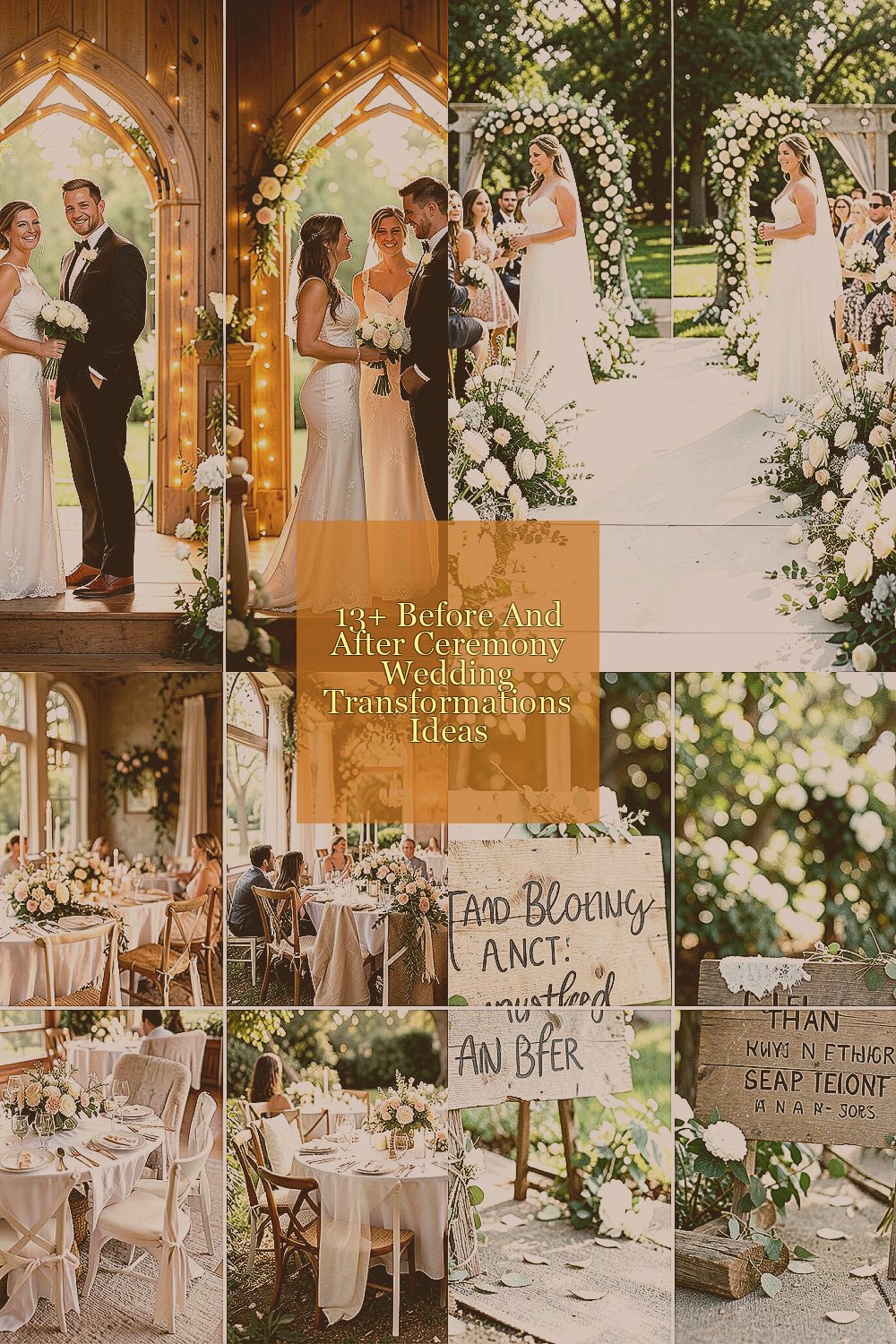
The ceremony day can feel like magic, especially when the same space shifts into something new. Small choices can make the “before” scene and the “after” scene feel like two different worlds.
1. Entrance Lighting That Changes Mood
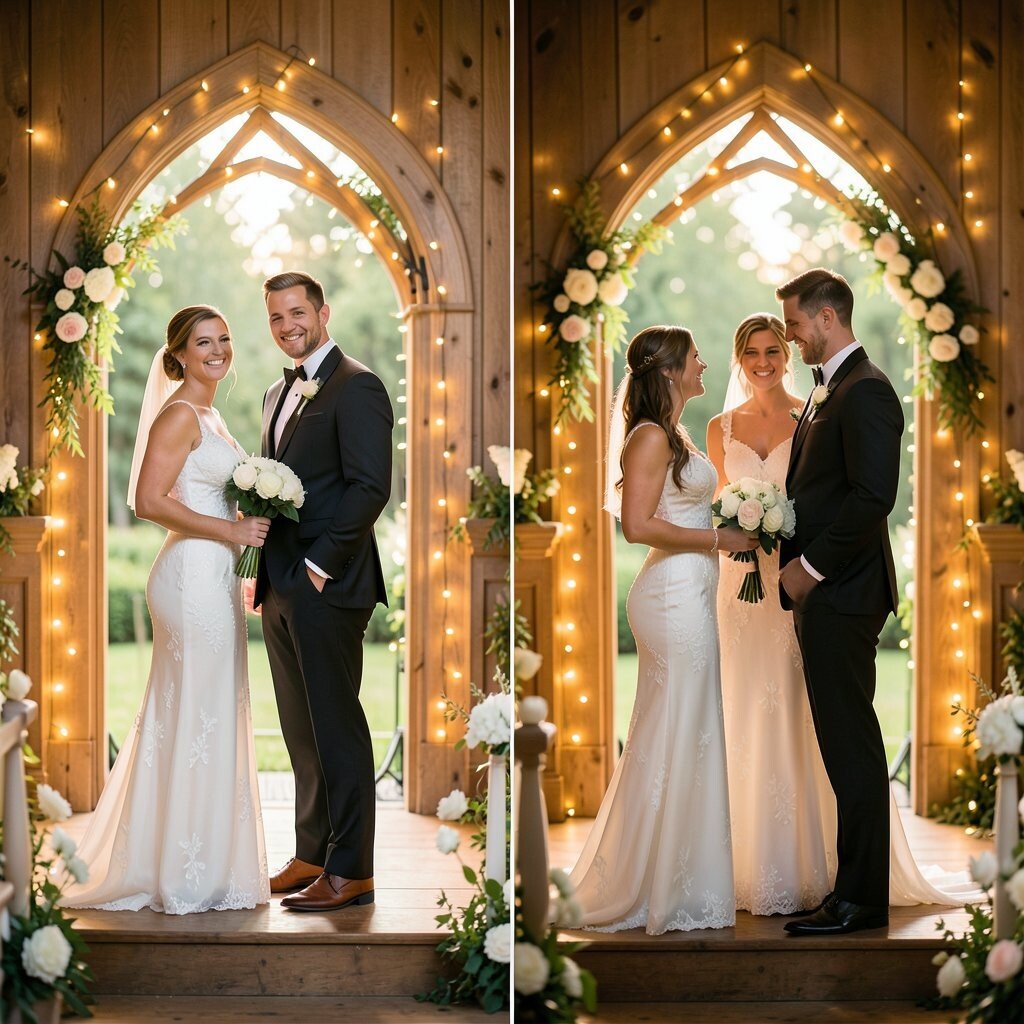
Start with a warm, soft glow that greets guests as they arrive. In your “after” look, swap to slightly brighter, more directional lighting that guides people toward the ceremony space.
You can use string lights, lanterns, or low uplights to shape what guests see first. After the couple is ready, adjust the placement so the light frames the aisle and doorway instead of the crowd.
Guests will feel the shift immediately, and photos will look richer with layered lighting. If you’re personalizing, match the lighting color to your florals, invitations, or even the bridesmaids’ dresses for a calm, coordinated look. For cost control, rent fixtures and keep the same bulbs, then reposition them after the ceremony begins. A current trend is using battery-powered lights for flexibility, so you can move them without extra setup stress.
2. A Two-Stage Floral Walkway
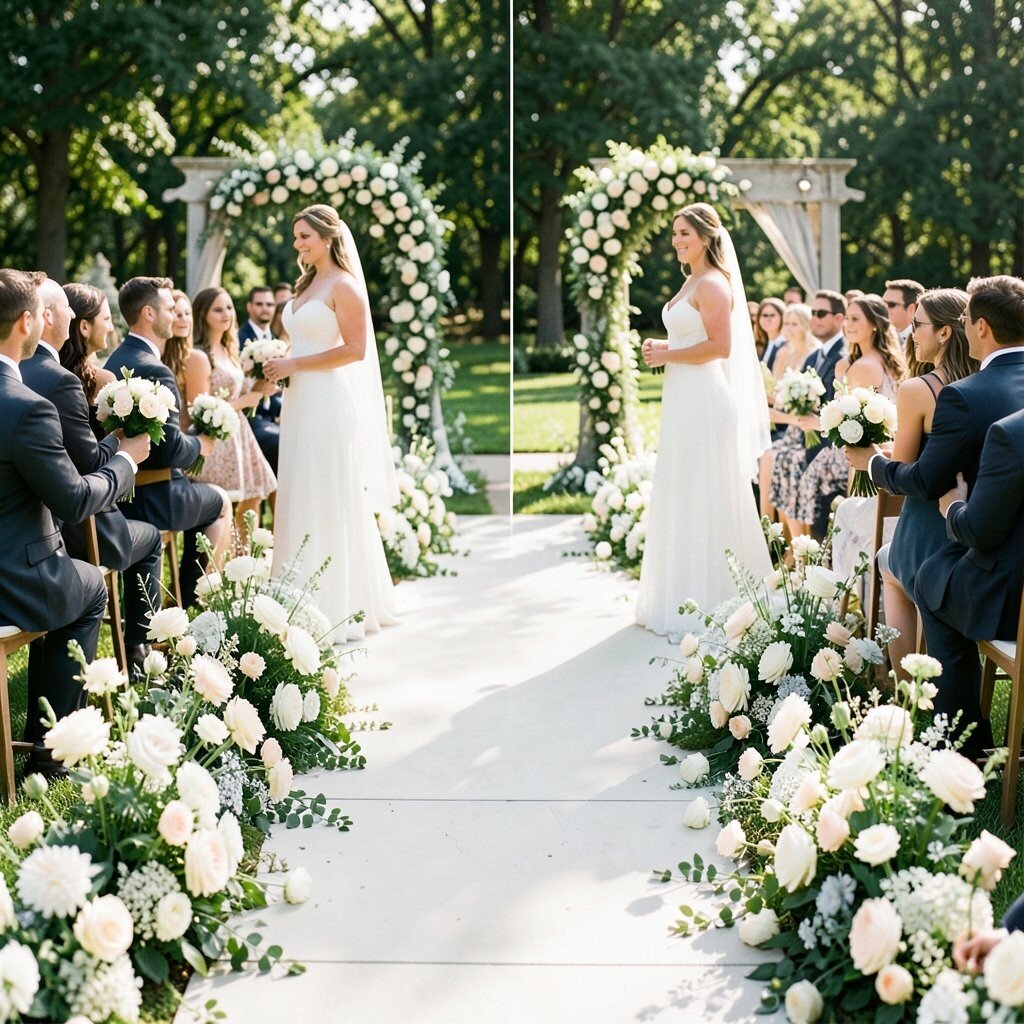
Before the ceremony, lay down a flower-focused walkway using a lighter arrangement that feels airy and fresh. After the ceremony, add fuller blooms or extra greenery so the aisle becomes a richer backdrop for photos.
This style creates a clear visual story, like the space is growing more meaningful as the day goes on. It also gives you practical photography benefits because guests will naturally look down the aisle and the couple will have a “statement” view behind them.
To keep it doable, pick a main flower that looks great in both stages, then change only the filler greens or ribbon ties. You can personalize with your favorite color blooms, plus a small touch that feels like you, such as herbs for a garden vibe or dramatic dark petals for a modern mood. Budget-smart couples often choose seasonal stems so the second stage stays lush without overspending. Many couples now plan for “photo moments” right on the aisle, making the after look feel purposeful instead of random decoration.
3. Seating Arrangement From Cozy to Celebration
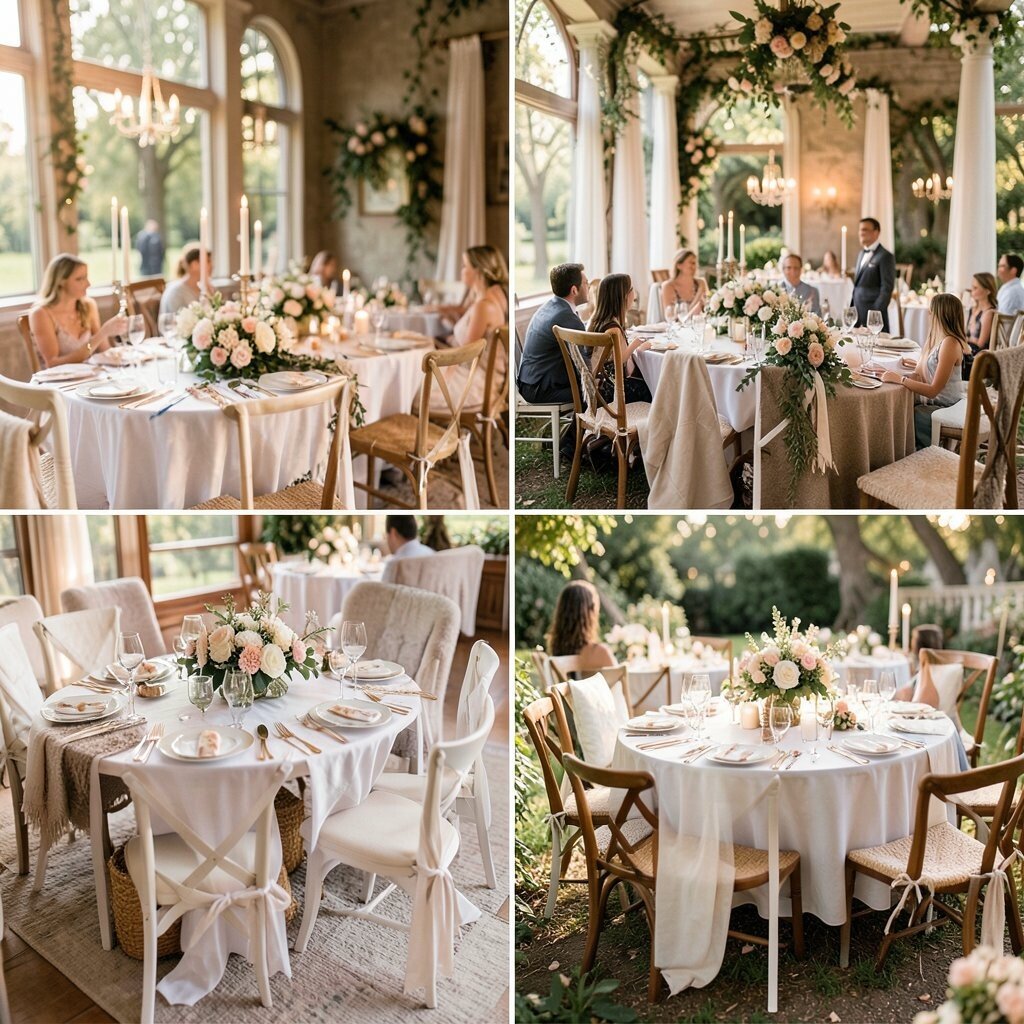
Before the ceremony, arrange seats so the room feels intimate, with comfortable sightlines and gentle spacing. After the ceremony, rework the same area so it feels like a welcoming celebration zone for families and friends.
You can keep the overall layout, but switch where you place runners, seat cushions, or small accent pieces. The benefit is that guests feel cared for during the ceremony, and they also see a more festive environment once the couple steps away for portraits.
For personalization, weave your theme into the details by matching seat accents to your cake design or stationery palette. Cost considerations matter here, so focus on items that can move easily, like fabric covers, removable sashes, or reusable signage bases. A popular trend is using minimal seat styling that still photographs well, which means less clutter and better “clean lines” in your wedding album.
4. Signage That Performs Two Jobs
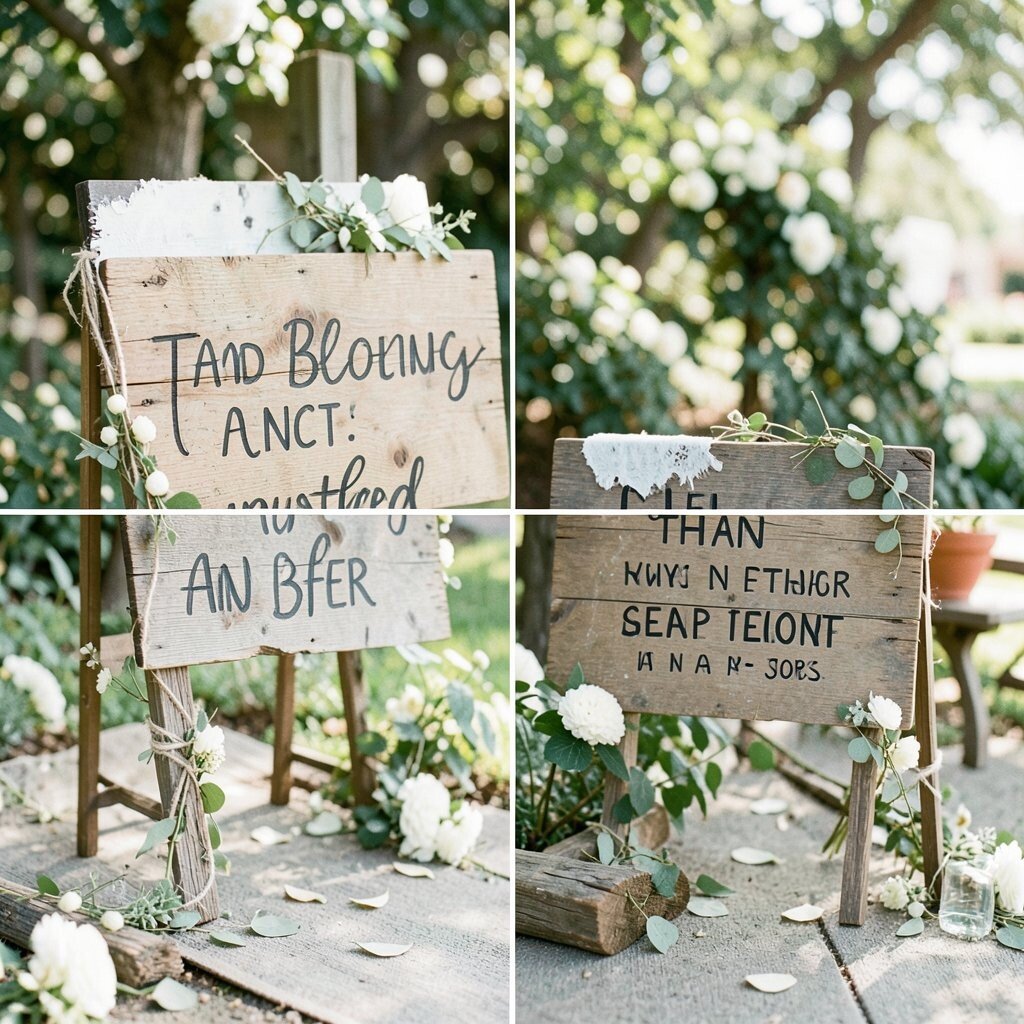
Before the ceremony, place wayfinding signs that help guests find the entrance, restrooms, and the aisle area. After the ceremony, rotate those same signs to show your vows, seating guidance for reception, or a fun quote near the photo spot.
Because the signs share the same design style, the whole event looks intentional instead of scattered. You also save money by reusing the boards while updating what they say.
5. Ceremony Backdrop That Evolves Into a Photo Corner
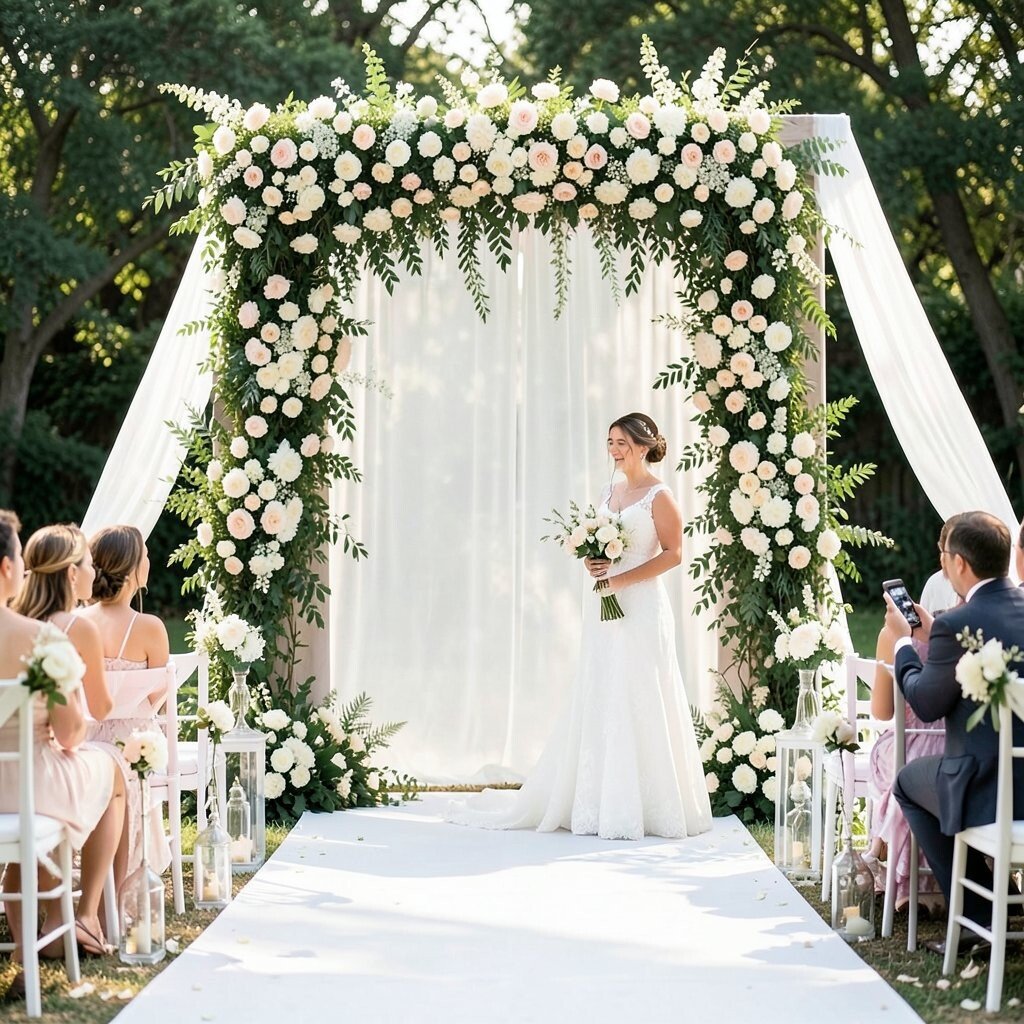
Before you walk down the aisle, build a ceremony backdrop that looks beautiful from the front row. After you finish, use that same structure to create a photo corner for couple portraits, family photos, and guest selfies.
This idea gives you uniqueness because the backdrop has more than one “life” on the same day. It also helps with cost considerations since you’re using one build for multiple picture moments.
Choose elements that can safely change, like fabric drapes, removable greenery, or adjustable frames. Personalize it with a small detail that matters to you, such as a monogram style, a favorite pattern, or a family heirloom-inspired motif. A current trend is adding interactive elements like a simple prop shelf near the backdrop, which keeps photos playful without extra complexity.
6. Abridged Aisle Decor, Then a Full Photo Glow
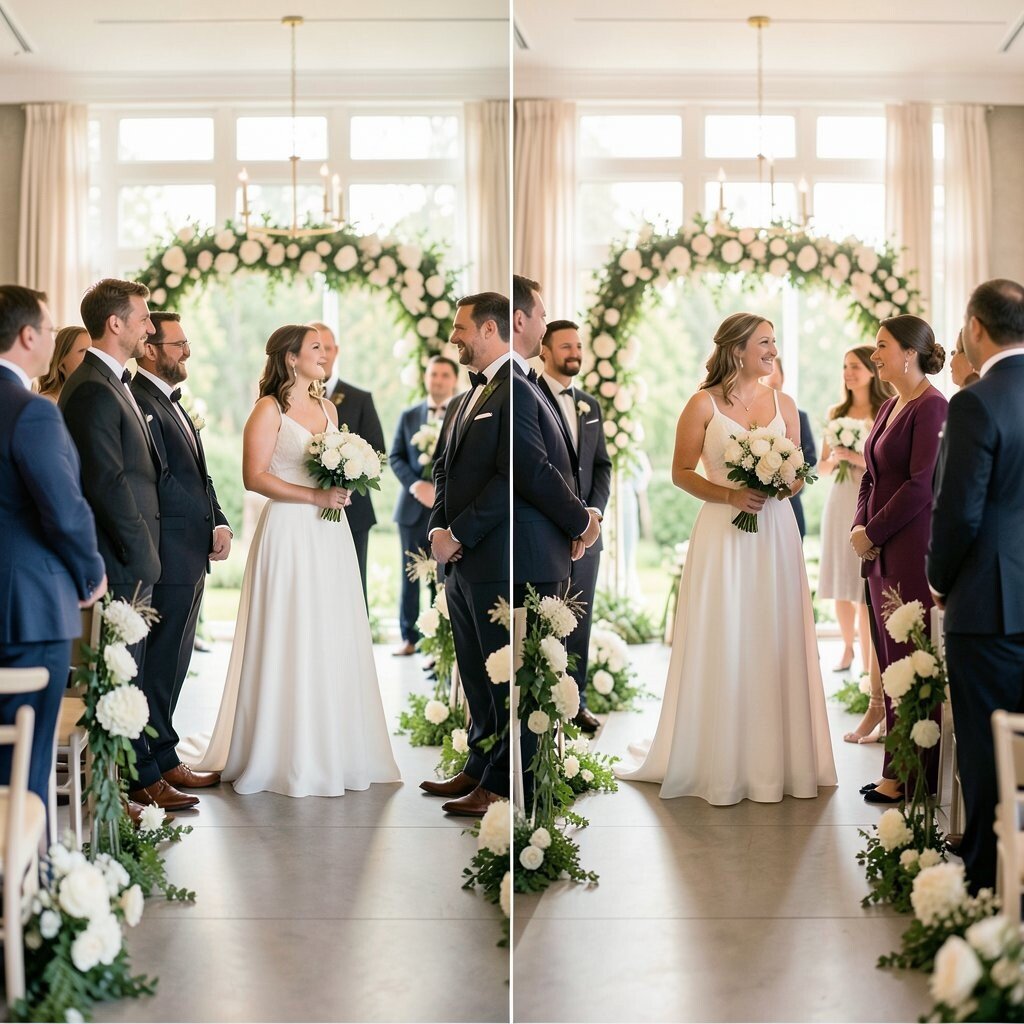
Before the ceremony, keep aisle decor shorter and lighter so the space feels uncluttered. After the couple says “yes,” add candles, taller stems, or hanging elements that create a glowing corridor effect.
That shift makes the “after” aisle feel cinematic and gives photographers clear lines to work with. Guests also enjoy the variety because they notice details right as they become important for photos.
To make it practical, use pieces that are easy to place quickly, like lanterns with handles or small vases that can be set along the edges. For personalization, use ribbon tones and metallic accents that echo your invitation suite. Cost-smart planning means renting larger pieces only if you’re truly going to use them twice, then using affordable holders for the rest.
7. Garden Tables Turn Into Dessert and Welcome Moments
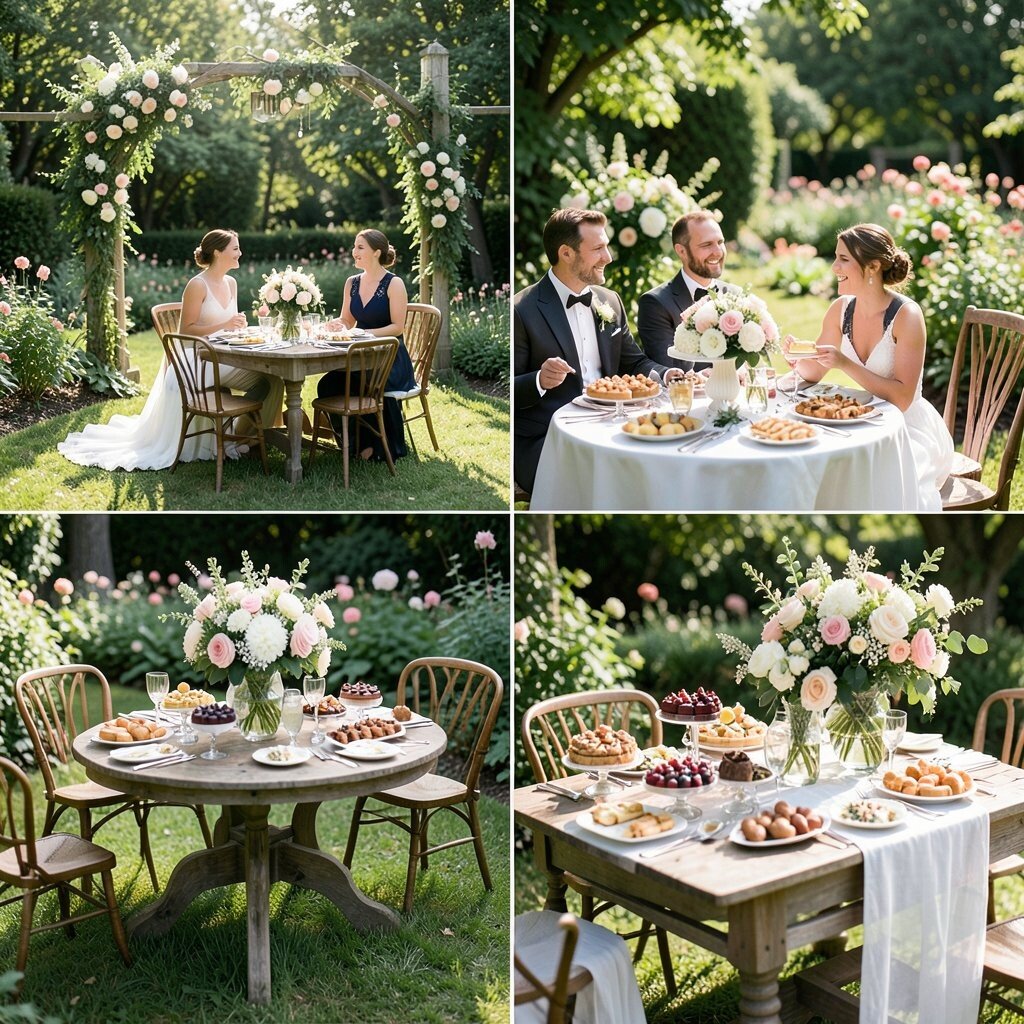
Before the ceremony, style a small seating or gift table area that looks neat, calm, and ready for guests. After the ceremony, shift it into a dessert station or a welcome display for late-arriving friends and family.
This helps your venue flow better, because the same space keeps doing good work instead of going quiet. The uniqueness comes from the different purpose, which makes the “before” and “after” scenes feel intentional.
For tips, use modular items that can move easily, like tray sets, cake stands, and removable greenery garlands. Personalize by adding photos in frames that match your theme, or by using themed menus that look great up close. When budgeting, plan for one main centerpiece and then rotate smaller items, so the table feels refreshed without buying a whole new setup. A current trend is adding a “strolling dessert” corner, which looks lively in photos and feels friendly for guests.
8. Aisle Runner Swap From Minimal to Romantic
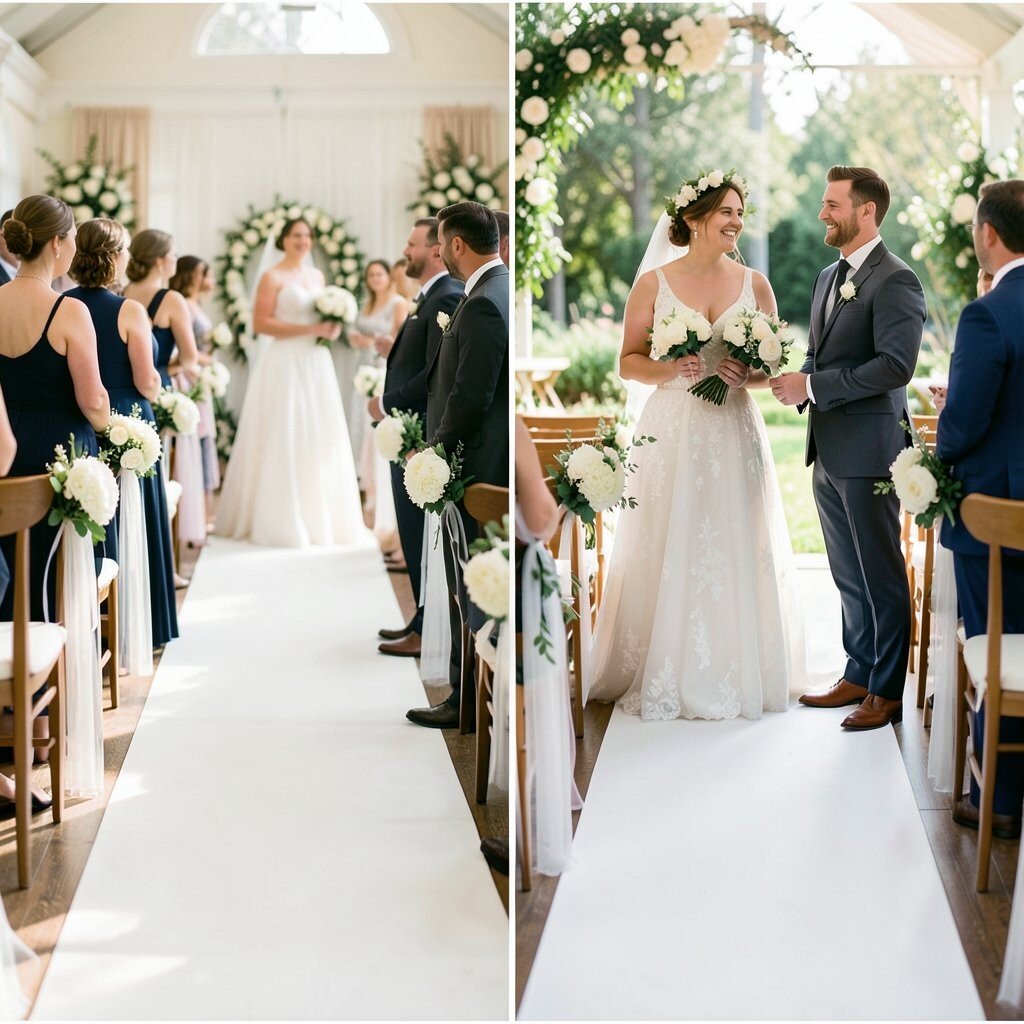
Before the ceremony, choose a clean runner that supports the aisle without stealing attention. After the ceremony, add a more romantic top layer with extra texture, like a second fabric runner or a more dramatic topper.
Guests get a smooth visual journey from arrival to vows, and your photos gain depth once the couple is ready to step into portrait time. This approach is also practical because it uses the same base while changing only the parts that create the mood.
Personalization ideas are easy here, since you can match the updated fabric to your bouquet colors or your cuff details on the groom’s outfit. For cost considerations, buy the cheaper base and rent or borrow the dramatic topper if you want a luxury look. A trend worth noting is mixed textures, where couples combine simple fabric with subtle sheen for a modern romance effect.
9. A Photo Area That Stays and Shifts
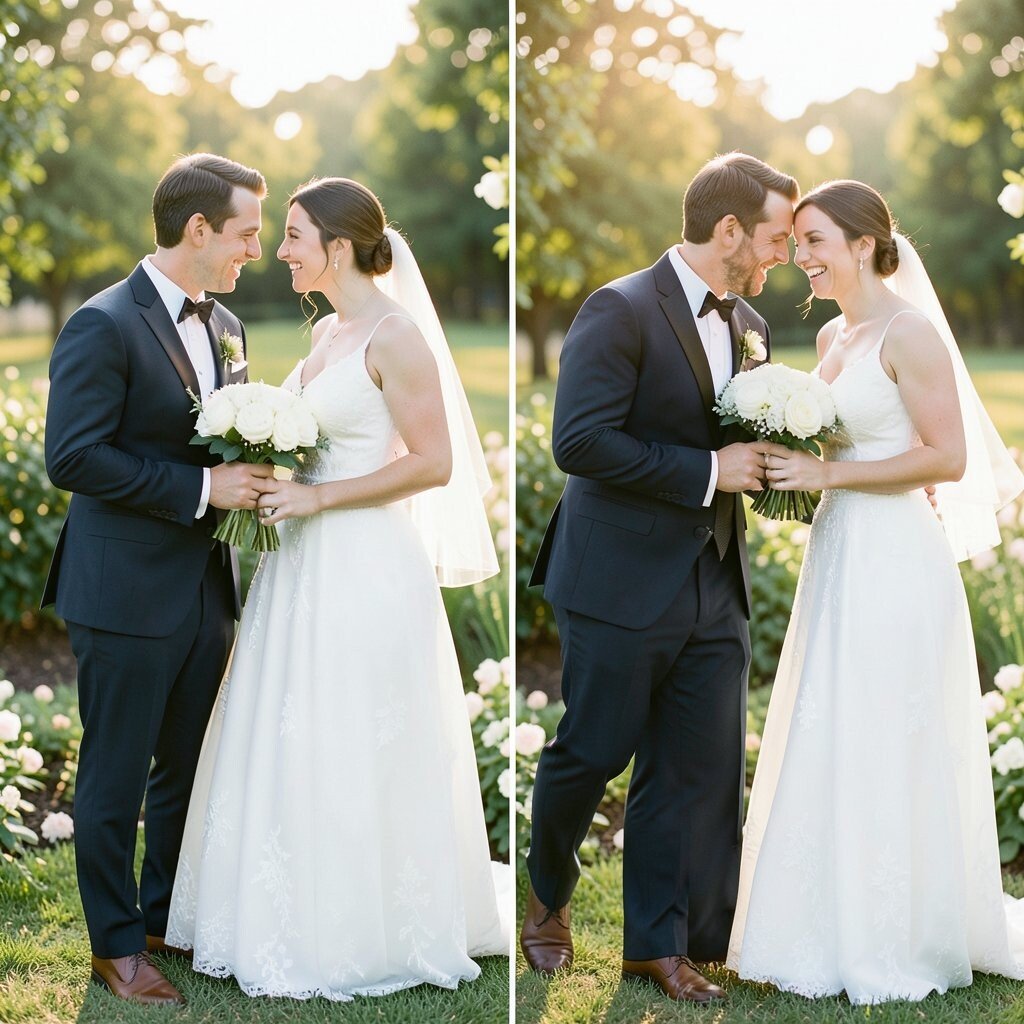
Before the ceremony, create a small photo spot that feels “just enough,” such as a backdrop with balloons or a floral arch near the edge of the room. After the ceremony, keep the same spot but reposition items so it frames the couple during portraits and later becomes a guest station.
This transformation is visually clear because the background stays consistent, while the foreground changes. It also benefits you because guests learn where to gather, which helps the day run smoothly without extra calls.
To personalize, add small details like your wedding hashtag on a board, plus subtle items that look like your daily life, such as books for a cozy vibe or travel accents for a globetrotting story. Cost considerations are manageable because you can reuse props and just swap smaller accessories. Many couples now focus on fewer, better photo spots instead of many scattered areas, so this shift supports a clean, modern look.
10. Candlelight Sequence From Calm to Dramatic
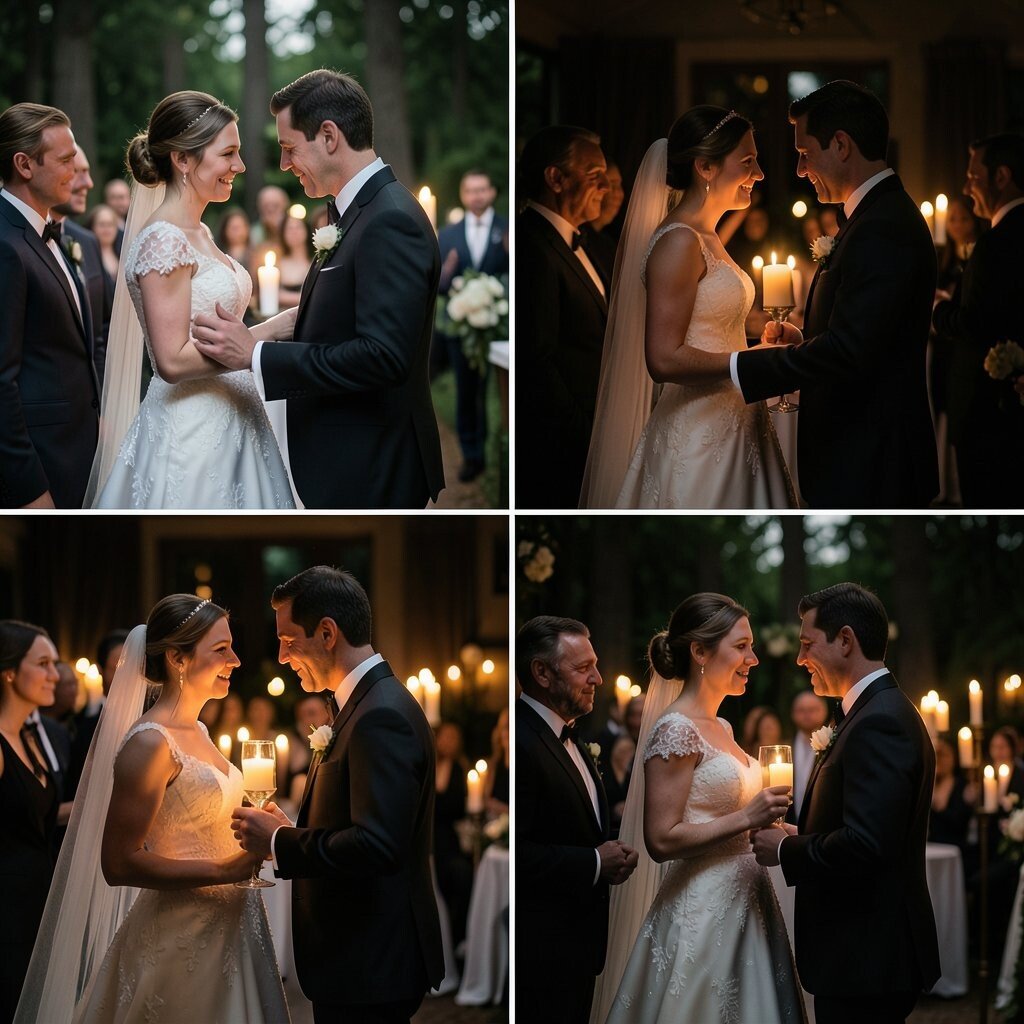
Before the ceremony, place candles in a way that feels soft and respectful, with lower heights and simple clusters. After the ceremony, expand the candle layout so it looks like a warm path guiding everyone toward the next moment.
The visual benefit is huge since candlelight adds natural glow, which flatters skin tones in photos. It also creates uniqueness because the mood grows, giving guests a feeling of “the day is evolving.”
For practical tips, choose safe, weighted candles and plan lighting time carefully so you’re not rushing. Personalize by using candle colors that match your theme, and add one meaningful element, like scented candles with a memory tied to your story. Budget-wise, tapers and glass holders can often be rented or reused, and LED candles can save money and reduce risk. A current trend is using mixed heights of candles rather than lining them perfectly, because it looks more organic and less staged.
11. Fabric Drapes From Ceremony Frame to Reception Glow
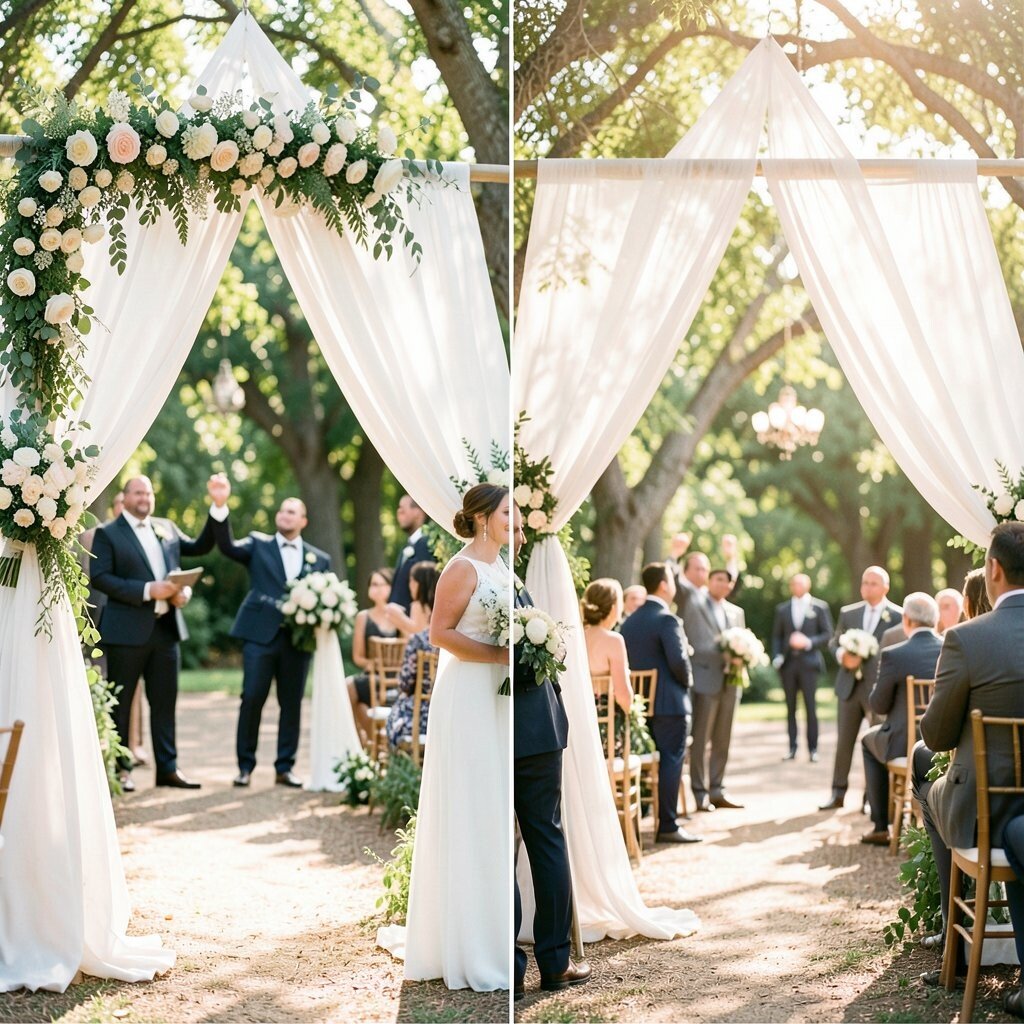
Before the ceremony, drape fabric in a focused way around the ceremony focal point so guests immediately understand where to look. After the ceremony, shift the same fabric to create a reception corner, a sweetheart photo space, or a ceiling-inspired glow effect.
This idea gives continuity, so your wedding feels connected instead of like separate events. It also saves money since you’re using one set of fabric across different moments.
To personalize, pick fabric textures that match your vibe, such as airy chiffon for a light, romantic feel or heavier satin for a more elegant look. Cost considerations can stay friendly if you rent fabric panels and reuse hardware, then place only a few upgraded accents like crystals or ribbon. Many couples now aim for soft movement in photos, and draped fabric naturally catches the breeze for a lively, current look.
12. Tableware and Welcome Displays That Match the Day’s Shift
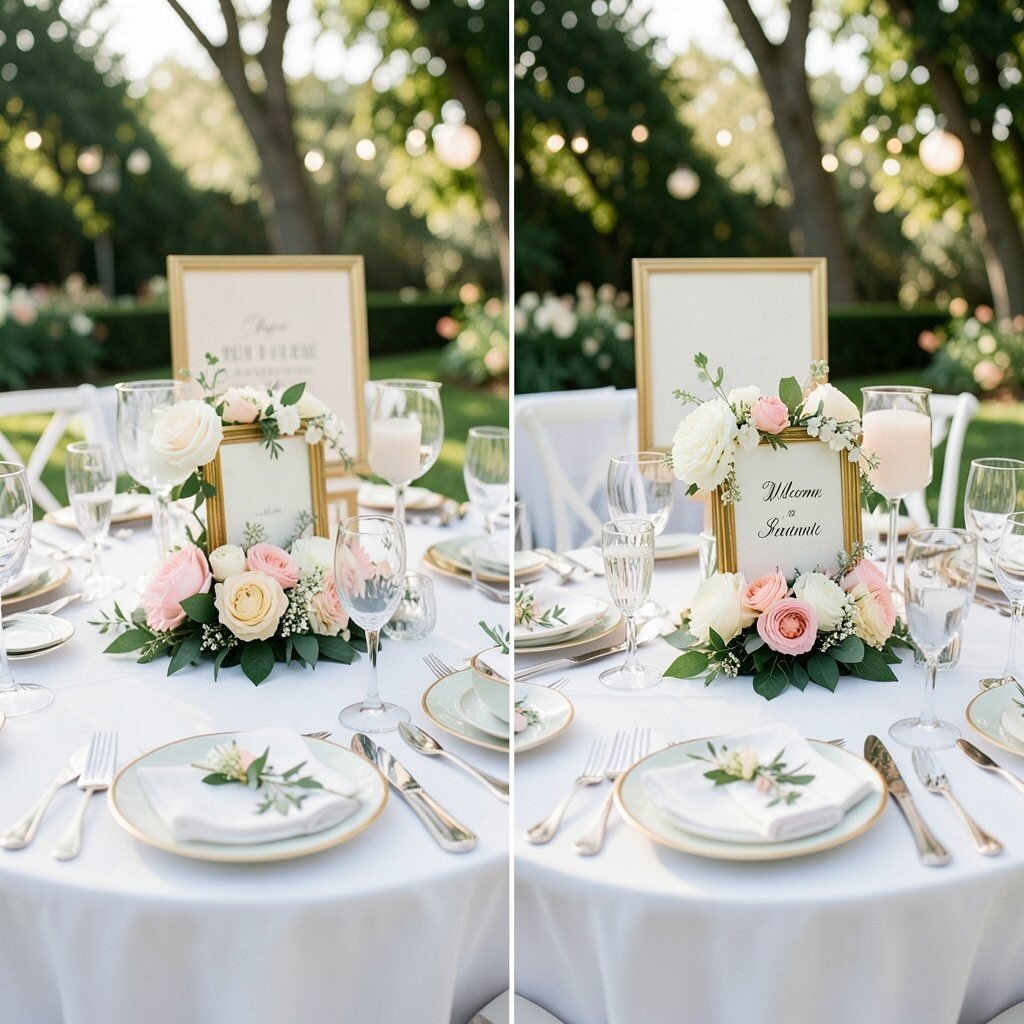
Before the ceremony, set up a small welcome display that signals hospitality without overwhelming the scene. After the ceremony, update it into a more celebratory layout with dessert menus, drink sign details, or a sweet memory wall.
This transformation helps guests understand the next part of the timeline without confusing signage changes. It also creates benefits for photography because the welcome area stays “active” and visually consistent.
Personalization ideas include adding your favorite engagement photo style in frames or using handwritten-style text that matches your invitations. For cost considerations, keep the base materials and change only inserts, labels, and printed cards. A trend right now is using interactive guest prompts on display boards, which encourages friendly participation before the reception gets busy.
13. Program Moments That Become Keepsakes
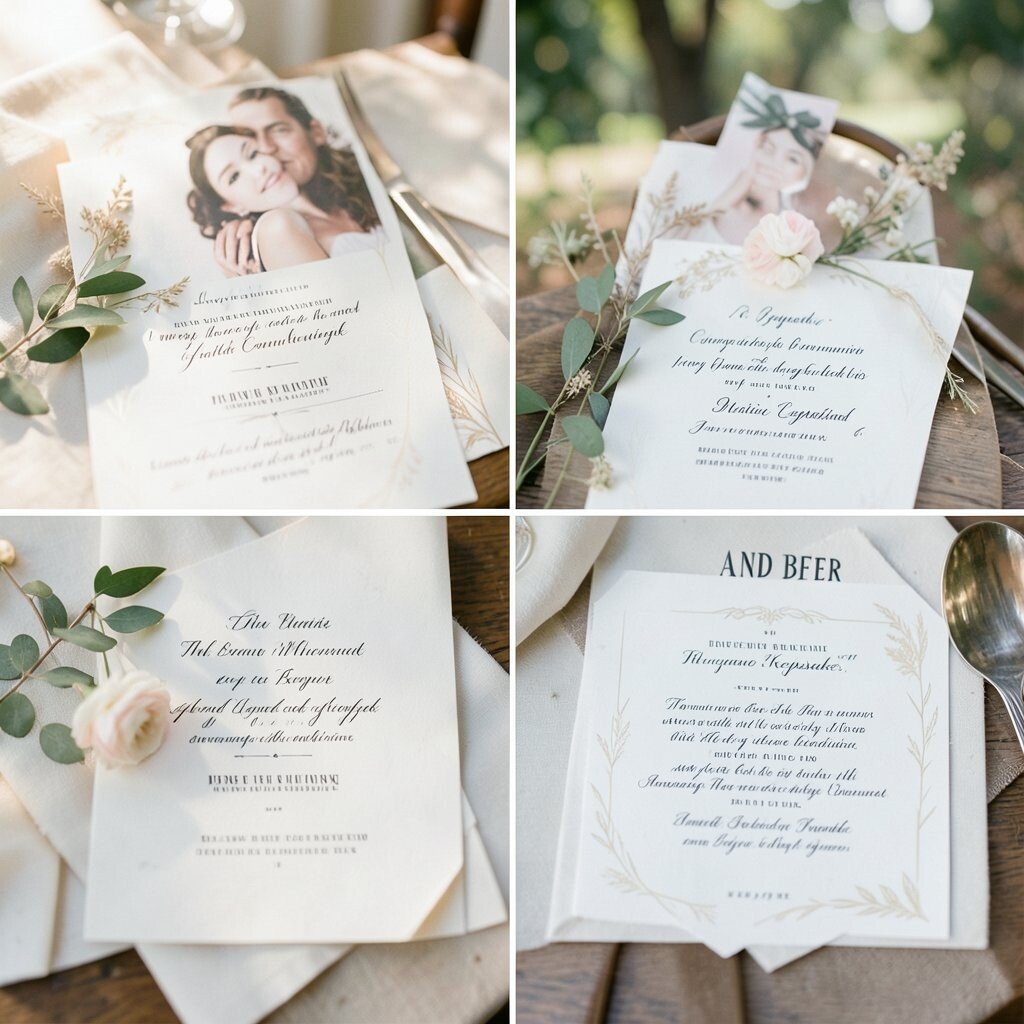
Before the ceremony, print programs that look beautiful and helpful for guests, with a clean, coordinated design. After the ceremony, repurpose the paper into a keepsake display or hand it to guests with a special add-on.
This makes the “before” and “after” feel connected, because the design style carries through even after the ceremony ends. The benefit is emotional, since guests remember the day and you get uniqueness without extra decor.
For practical tips, plan your layout so the program can hold a small photo or a short message that you can add later. Personalize by using your venue name, your wedding date, and a small symbol that represents your relationship. Cost considerations depend on printing quantity, so choose a quantity that matches your guest count closely and avoid last-minute reprints. Many couples now use programs as photo prompts or simple memory cards, which feels modern while still meaningful.
14. Ceremony Flowers That Become Reception Centerpieces
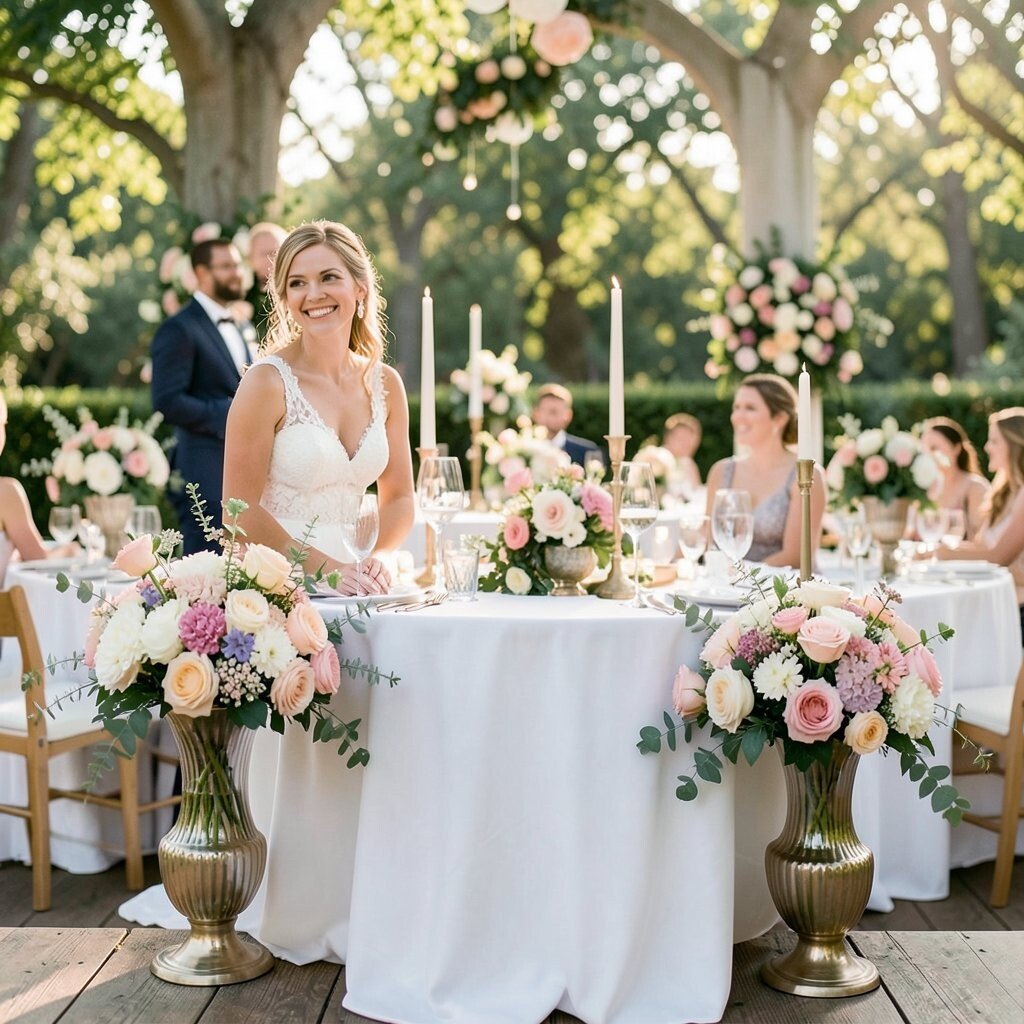
Before the ceremony, style flowers in a focused, story-driven way for the aisle and main focal point. After the ceremony, move those same stems into reception centerpieces, creating a clear link between ceremony romance and dinner sparkle.
This transformation is one of the most satisfying because it feels like the day is carrying forward naturally. It also offers strong practical benefits since you’re reducing waste and getting more use from the same floral investment.
To personalize, keep the core blooms and change the arrangement style, like making a more structured centerpiece from a looser ceremony arrangement. Cost considerations are favorable when you plan the build early, since reusing florals can lower the need for extra wholesale stems. A current trend is “same-stems, different styling,” where couples intentionally shift shape and height so it looks new on the reception tables.