The forest can make any story feel alive and close to your heart. A few smart choices in setting details can bring that magic onto your page, screen, or stage.
1. Moss-Lined Path That Feels Like a Secret
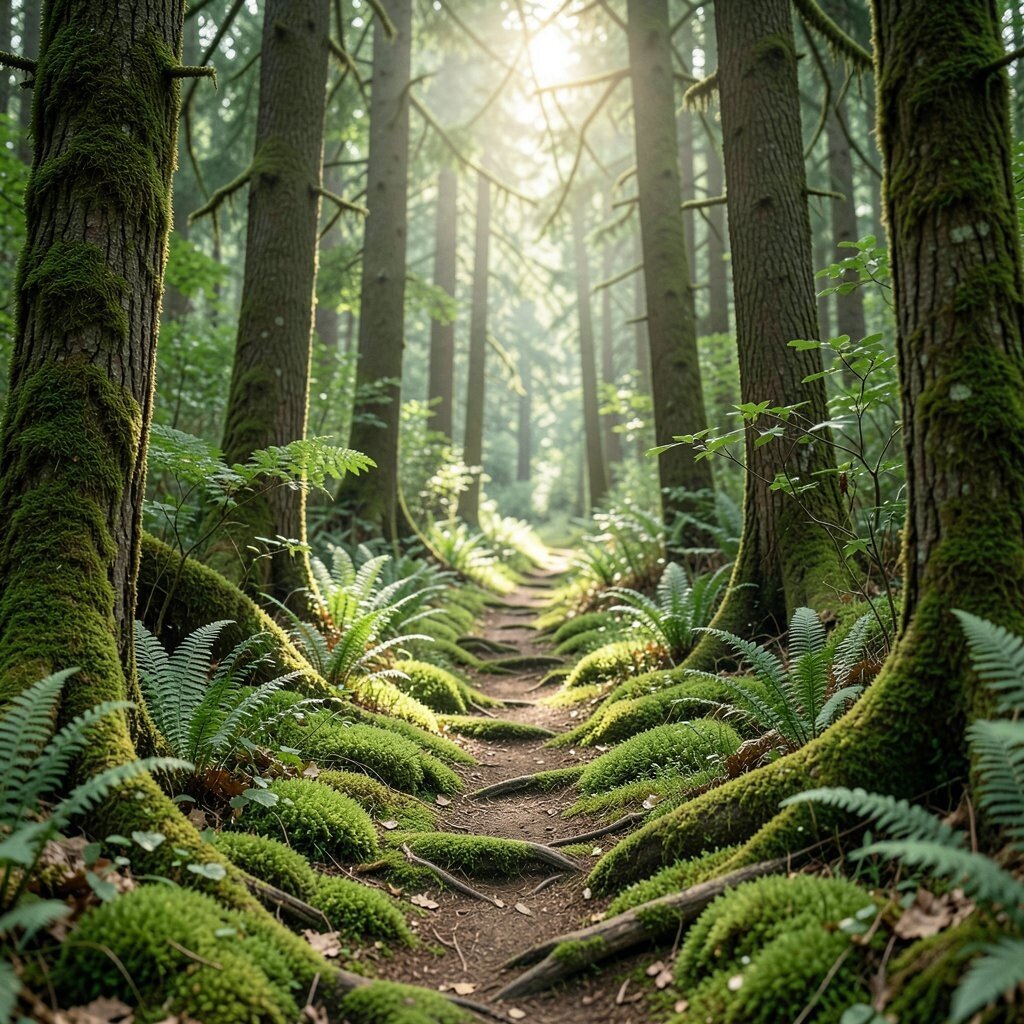
Picture a narrow path where moss hugs the ground and soft light filters through leaves overhead. Each step looks gentle, like the forest is guiding visitors without speaking.
Build the scene with a winding route and add small visual cues such as fallen twigs, shallow footprints in damp soil, and tiny stones half-hidden under green pads. This kind of path instantly creates a cozy mood and helps your audience focus on movement. Keep the materials simple for physical builds by using dyed cork, green felt, or textured model paste, then personalize with a few signature details like unusual leaf shapes or a ribbon of wildflowers.
2. Sunbeams Through Thin Canopy and Floating Dust
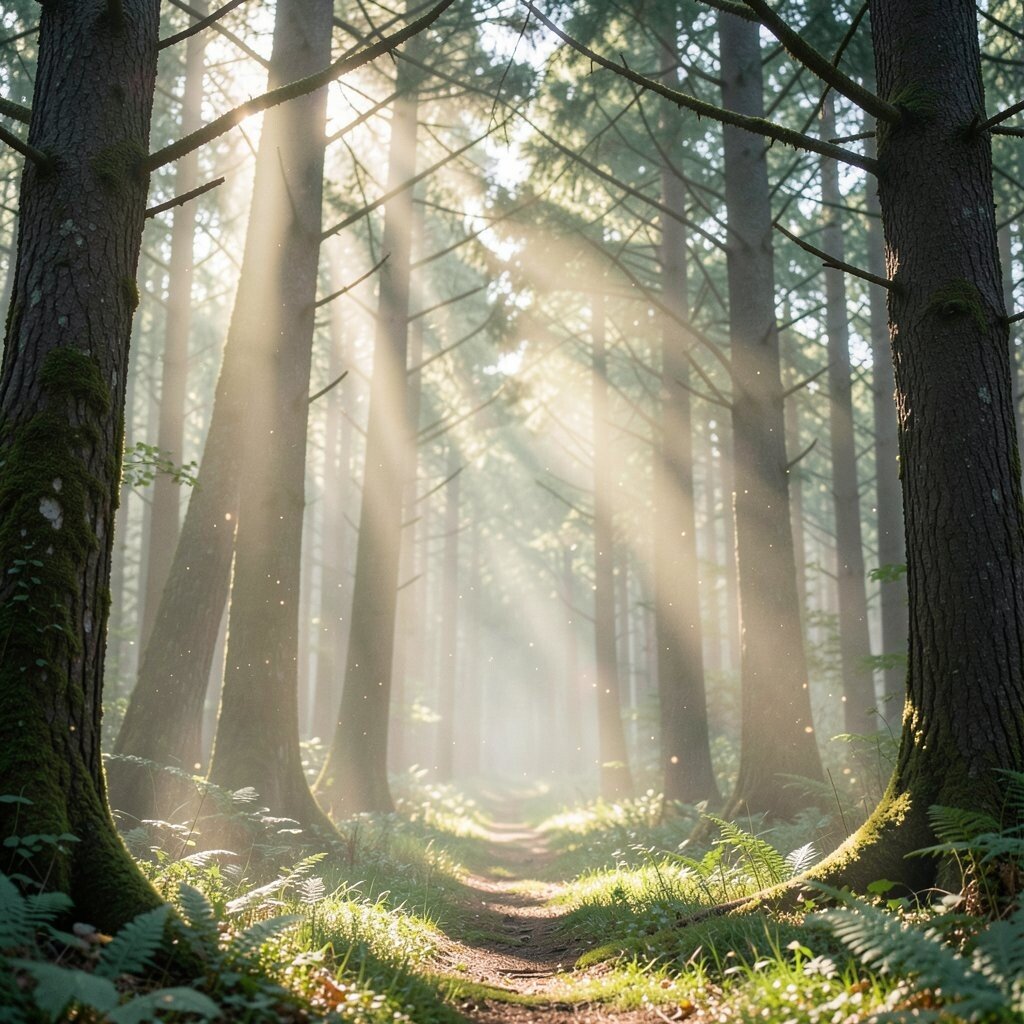
Imagine standing where tall, skinny trees let sunbeams split the air into bright stripes. Dust motes drift like glitter, and the whole space feels warm even when the wind is cool.
To sell the effect, angle your light so it breaks into bands and place subtle haze between the beams and the background. This gives your setting depth and makes characters stand out, especially during pauses or quiet moments. For a practical approach in photography or video, shoot with a slightly lower exposure and add light fog sparingly, then consider trend-friendly looks that pair warm highlights with cool shadows for a cinematic feel.
Personalize the scene by choosing a color theme for foliage and dust, such as amber for late afternoon or pale mint for morning freshness. If you are working on a budget, use a real window light plus a simple diffusion layer, then layer in post effects like light bloom to keep costs down.
3. A Creek That Writes Stories With Soft Ripples
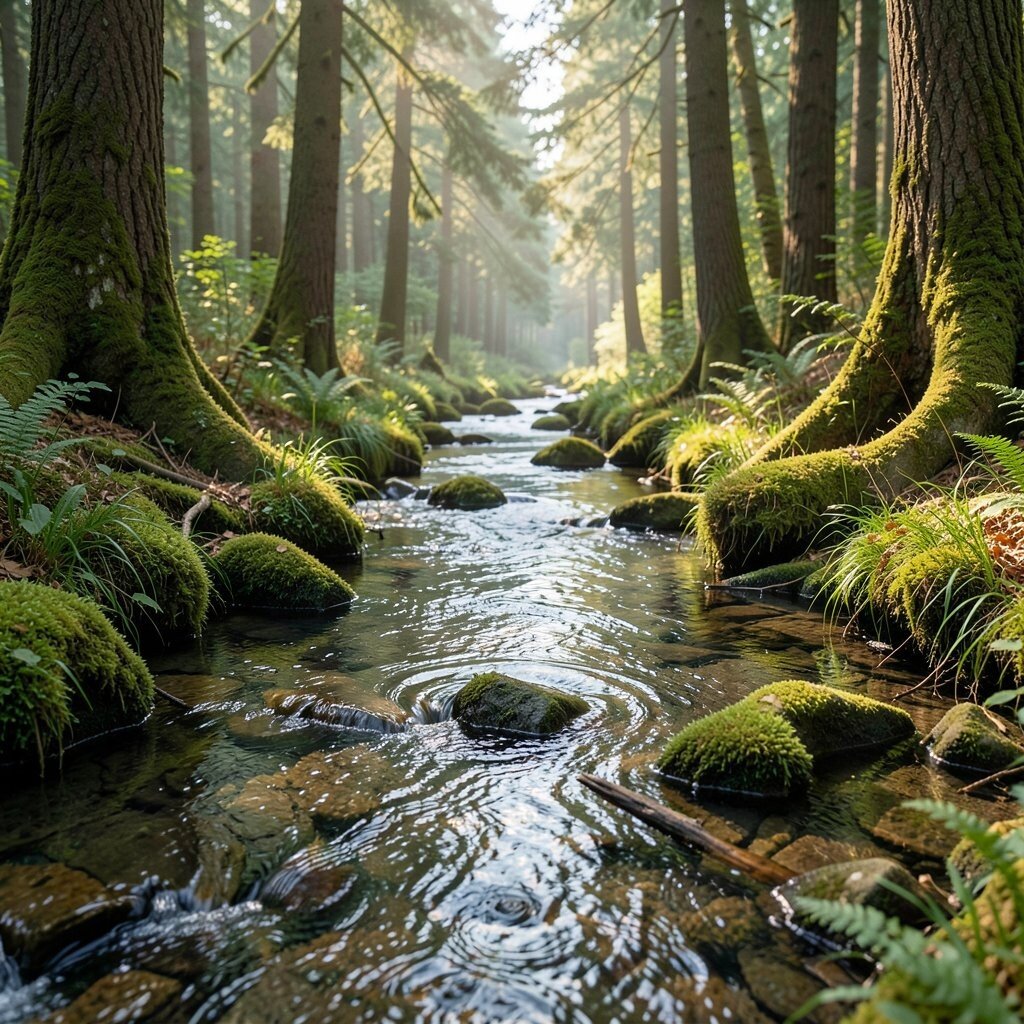
Visualize a small creek slipping through rocks, carrying silver reflections that move with every change in breeze. The soundless image still feels musical because the water surface keeps catching light.
Use layered water textures to show depth, such as clear resin, glossy acrylic medium, or even stacked translucent sheets for crafts. This detail benefits your project by making the setting feel active, not still, and it gives you natural places for reflections, silhouettes, and gentle motion. Add practical touches like foam “riverbanks,” smooth pebbles, and a few reeds for realism, then personalize with a distinctive bend shaped like the story’s symbol or an arrow pointing toward a key moment.
For a cost check, you can keep it affordable by using inexpensive craft stones and a simple water-like finish, then spend more on one standout element like a unique rock cluster or a tiny wooden bridge. Current trends in many creative spaces lean toward “micro-moments,” and a creek can provide that calm, intimate energy.
4. Tall Ferns and Frond Shadows at Human Height
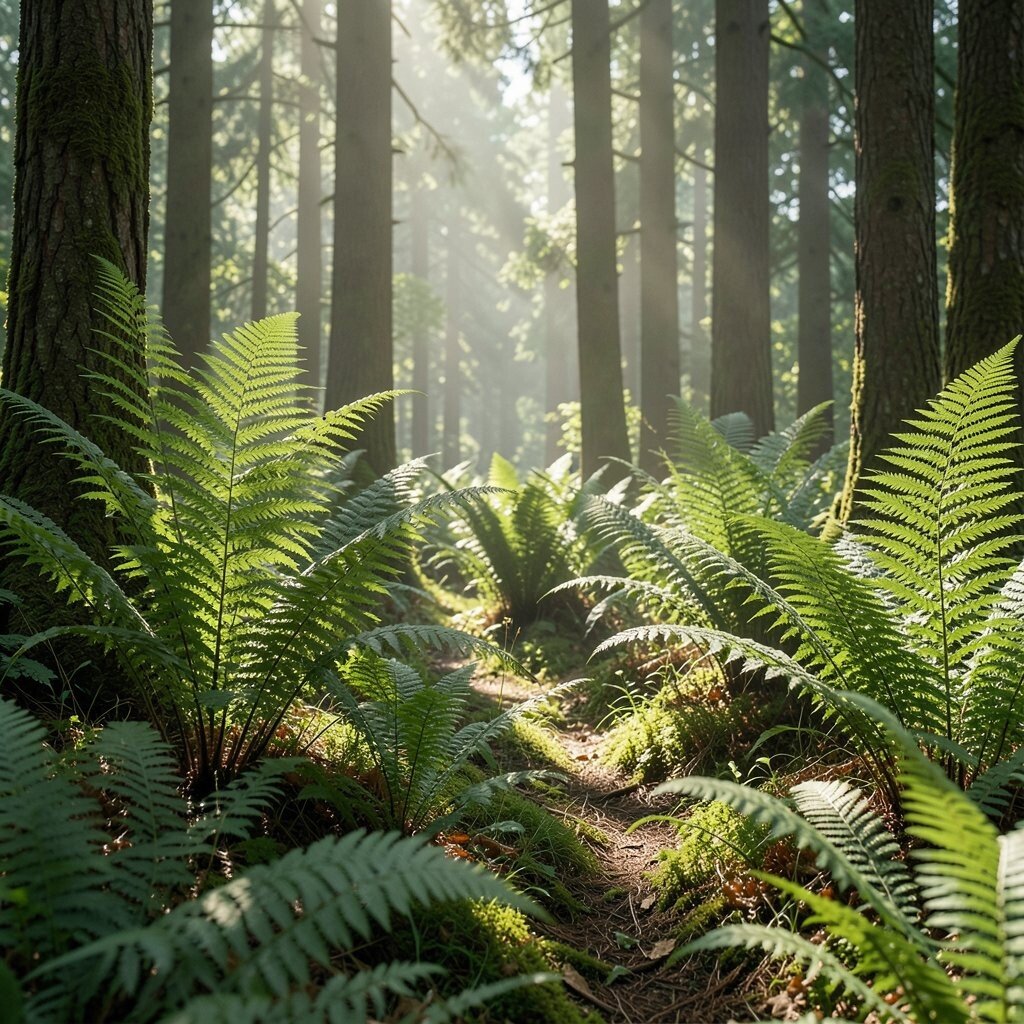
Think of walking into a forest where ferns reach up like green curtains. Their fronds cast delicate shadows that dance across boots, benches, or studio marks.
Arrange fern “walls” in uneven layers, leaving sightlines for your main subject to peek through. This supports strong composition and makes the space feel larger than it really is. For an easy build, use realistic faux fern garlands, paper-cut fronds, or dried plants pressed and sealed, then personalize by varying leaf density so one corner feels lush while another looks more open.
5. An Old Oak With Knots That Look Like Characters

Picture a massive oak trunk with deep knots and ridges that resemble faces, hands, or wise shapes. The bark texture invites you to stare longer, which makes the tree feel like it has a memory.
Choose one hero detail on the trunk, such as a knot shaped like an eye, a crack shaped like a smile, or a hollow that could hold a small secret. This benefits your project by giving you a natural storytelling focal point that does not need extra props. For practical tips, sculpt bark using foam, carve texture with tools, and seal it so it stays durable, then personalize by painting subtle moss stains around the “character” shapes to guide attention.
If you want a cost-effective route, focus on carving only the most important areas and keep the rest textured with simple sponges or stippling. Many recent cinematic settings use landmark trees to anchor emotional themes, so this idea fits modern storytelling rhythms.
6. Mushroom Circles That Suggest Old Magic

Imagine stepping near a cluster of mushrooms where the ground seems gently lit from below. The shapes look patterned, like a quiet invitation to sit and listen.
Build your circle with varied sizes and a mix of colors, such as pale cream caps, warm browns, and faint reds. This creates uniqueness and adds visual rhythm, which helps scenes feel designed instead of random. Keep it practical by using lightweight model mushrooms, craft foam pads, or painted foam “mats,” then personalize by placing one mushroom slightly taller like a “leader” to match your plot.
You can also add small ground details like leaf litter and tiny pebbles to avoid a flat look. For cost considerations, prioritize texture where the camera focuses, and use simpler materials toward the edges of the frame.
7. Hanging Vines With Tiny Leaves Like Falling Laughter
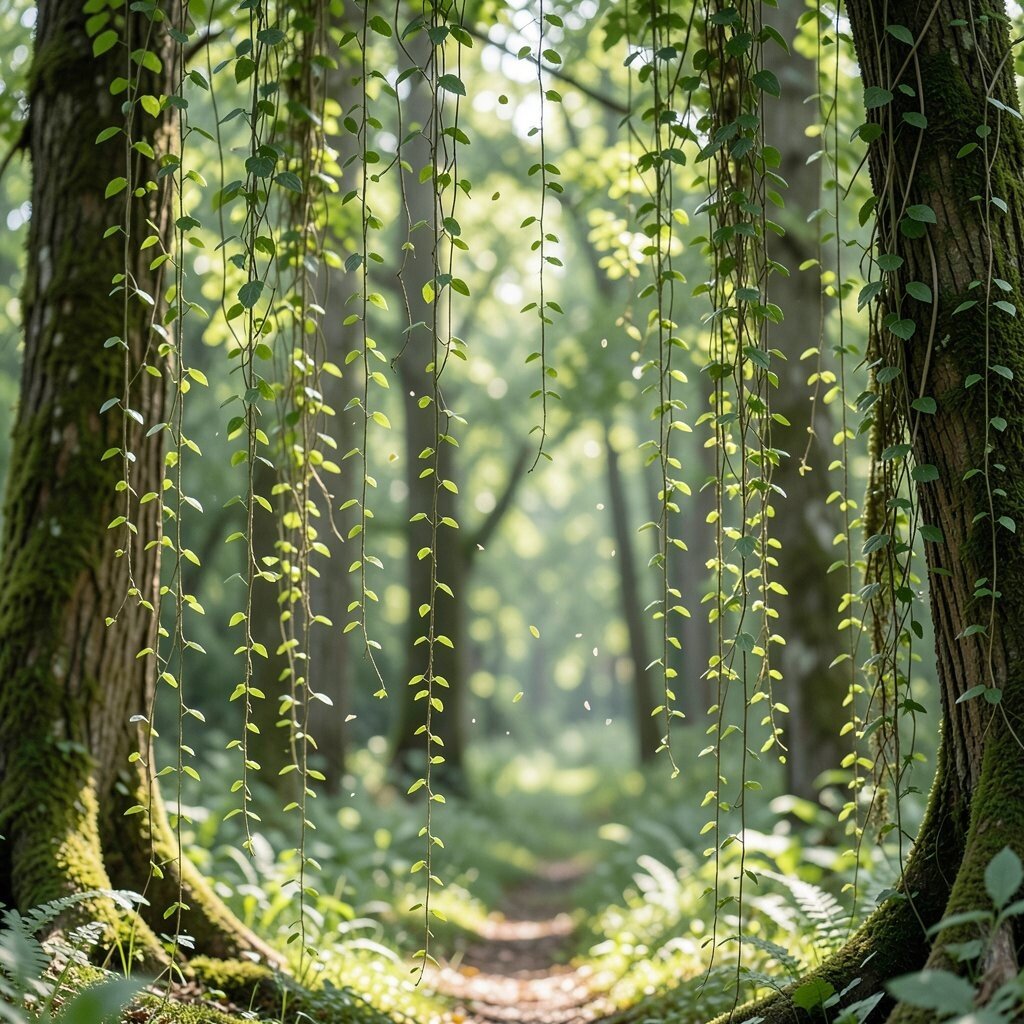
Picture vines draped from branches like gentle ropes, each one dotted with small leaves. They sway softly, and the whole scene feels playful without turning silly.
To make the vines look natural, vary their thickness and let some strands tangle while others hang in clean lines. This benefits your project by framing characters and creating a sense of enclosure. For practical tips, secure vines with invisible wire or fishing line, then personalize by adding a few “signature” leaves in a different shade to hint at a nearby magical event.
8. A Quiet Clearing With Tall Grass Moving Like Waves
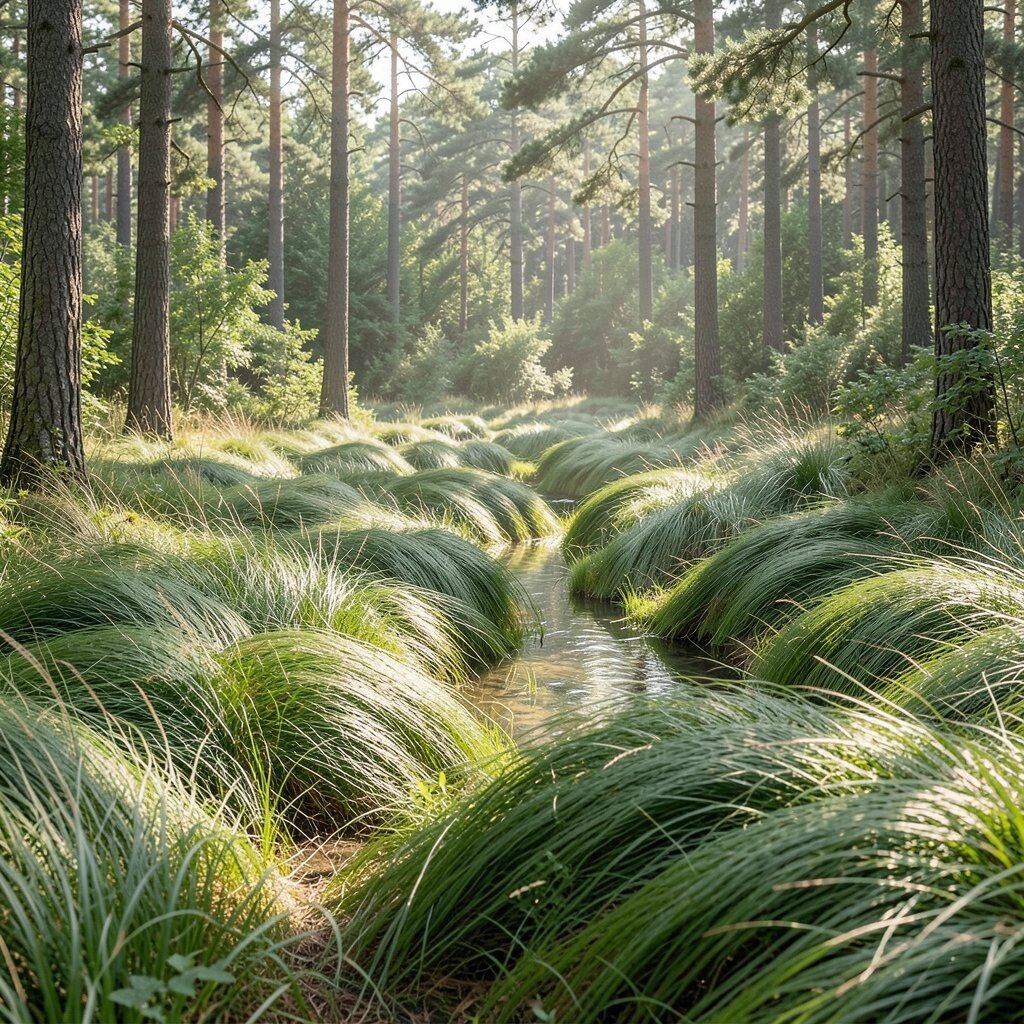
Imagine a clearing where tall grass ripples in the wind, forming soft hills and valleys. Sunlight catches the blades, and the space feels open but still sheltered by trees.
Choose a clearing shape that supports action, such as a wide oval for festivals or a smaller circle for intimate scenes. This is a strong visual benefit because it makes characters easier to stage, and it gives your audience a clear sense of distance. For an actionable build, use textured grass mats, static grass, or fine green yarn strands, then personalize with scattered petals, acorn caps, or a fallen branch placed like a natural prop.
If your budget is tight, focus texture on the foreground and keep the far background simpler with painted backdrop trees. Current trends often lean toward “lived-in” spaces, and a clearing with a few natural marks feels very believable.
9. Tree Stumps as Seats, Markers, or Small Altars

Visualize a ring of stumps where someone could sit, talk, or share a calm secret. The wood grain shows age, and the forest around it feels respectful.
Stumps can improve your scene’s practicality by giving you built-in seating and natural height differences for composition. Arrange them at varied angles so your characters can face different directions, then personalize with hand-painted symbols, smooth “wear” spots, or moss growing in specific patterns. For materials, use foam stumps, wooden slices, or carved cork, and seal everything to reduce mess and improve longevity.
When planning cost, decide which stump needs the most detail based on camera focus, and keep the others simpler. This idea also fits modern set design that favors modular props, letting you reuse the stumps in new scenes.
10. A Foggy Bend in the Trees That Hides What Comes Next

Imagine a road or trail curving behind trunks, with fog pooling low near the ground. You cannot see far, but you can feel that something is just beyond reach.
To create this effect, use layered distance cuts, darker tree shapes in the far background, and a light fog layer near the ground. The benefit is instant drama, because fog naturally slows the viewer’s eye and builds suspense. Keep it practical by using gauze, translucent film, or airbrushed mist on backdrops, then personalize with one visible landmark, like a faint lantern glow or a bent branch silhouette.
11. Waterfalls With Stone Steps and Weathered Rail Ridges

Picture a waterfall that does not just fall, but travels down uneven stone steps. Spray rises like tiny clouds, and the stones look old enough to hold stories.
Build small terraces using stacked textured foam or carved paper, then add a “flow” line where water would travel over each edge. This supports uniqueness because waterfalls with steps feel more crafted and less generic, and they give you multiple layers for staging. For practical tips, use clear gel medium or layered translucent sheets for water, then personalize with lichen patches, wet dark streaks, and one bright splash highlight that draws the eye.
If you are mindful about cost, keep water effects minimal and rely on strong lighting, since contrast sells the drama quickly. Many current projects also favor natural erosion marks and raw texture, so weathering details will match what audiences expect.
12. Flowering Understory That Shows Seasonal Change

Imagine the forest floor alive with tiny flowers, like a secret calendar written in color. A few blossoms signal spring, while darker greens and richer tones hint at deeper seasons.
Choose one flower “group” to repeat across the scene, such as small white blooms along a trail or clustered orange sparks near a stump. This benefits your project by making seasonality feel intentional, and it gives your audience a quick emotional cue. For practical building, use dried flower bits sealed in clear coating, painted craft foam, or realistic synthetic flowers, then personalize by picking colors that match your character outfits or brand palette.
Cost considerations matter here because floral pieces can add up, so limit high-detail blooms to the foreground and use simpler painted textures behind them. This also helps your scene read clearly, even when viewed quickly.
13. Rope Bridges, Log Crossings, and Simple Trail Challenges

Picture a log crossing that creaks in your imagination and a rope bridge swaying over a stream. The forest feels safe enough to step into, but adventurous enough to make you pay attention.
Adding crossings boosts practicality because it creates built-in pathways that shape character movement. It also adds uniqueness through texture variety, since rope, wood, and water react differently to light and shadow. For actionable tips, build a lightweight bridge with real rope and painted craft wood, and secure attachment points so it looks stable even in close-up shots. Personalize by adding small charms, carved notches, or braided rope patterns that reflect your story’s culture.
For cost, reuse materials like spare wood dowels and basic rope, then spend extra on one hero section where the camera lingers. A lot of recent storytelling leans into tactile tension, and a trail challenge is a simple way to deliver it.
14. Fallen Leaves That Form Leading Lines and Soft Arches
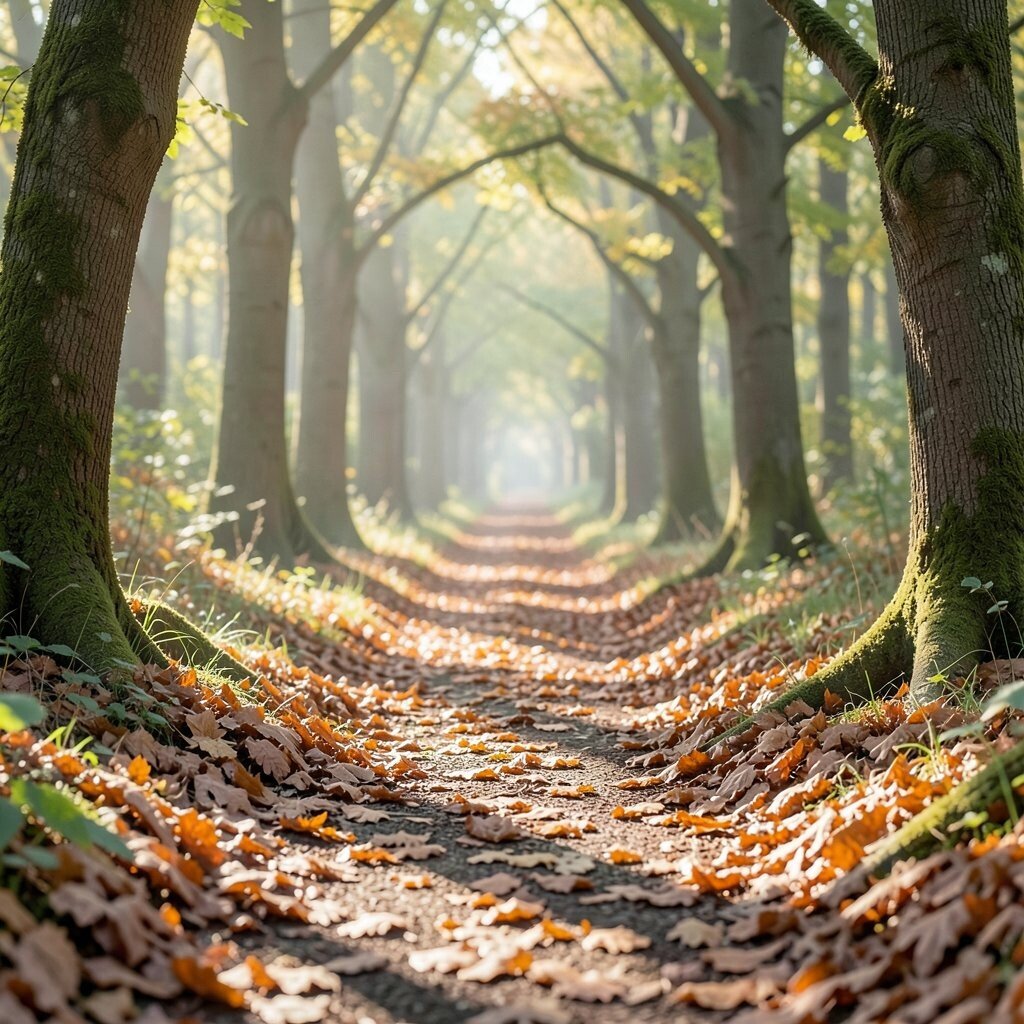
Imagine a forest path carpeted in leaves so evenly layered it looks like someone combed them. In the wind, the leaves shift just enough to create curved lines guiding your eye.
Use leading lines by arranging leaf piles in arcs that pull toward your subject’s position or toward a key object. This benefits composition and makes your scene feel guided, which is great for both storytelling and design presentations. Keep it practical by using paper leaves, real dry leaves sealed lightly, or colored craft flakes, then personalize by mixing one unusual leaf type, like a glossy dark leaf among muted browns, to create a memorable “signature” spot.
15. A Lantern Glow in the Trees That Feels Like a Friendly Myth
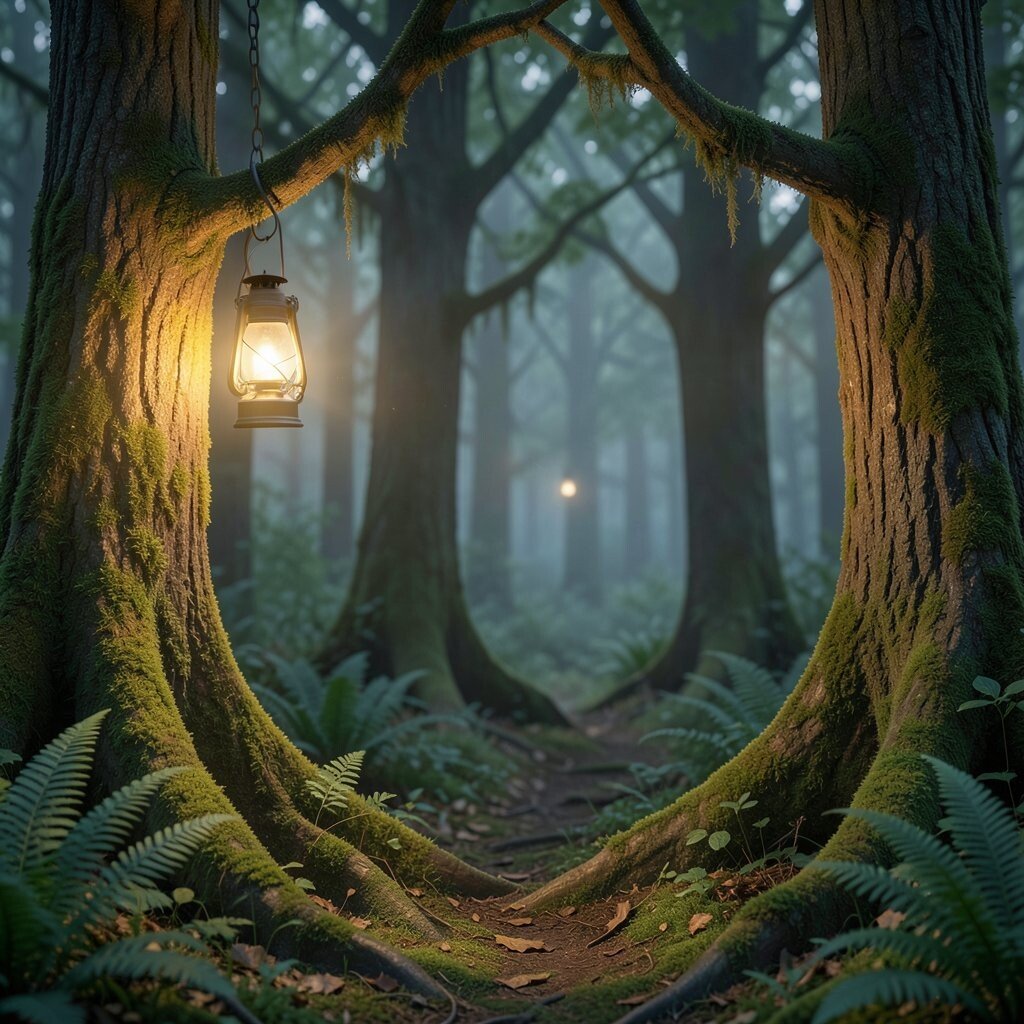
Picture a warm lantern floating near a branch, casting gentle light onto moss and bark. The glow makes everything look softer, like the forest is welcoming rather than warning.
Choose how the light interacts with the environment, such as shining on a path, lighting up a stump, or reflecting off a creek. This is a strong benefit because it creates mood control and helps your audience understand where to look. For practical tips, use small LED lanterns, hide cables, and add a subtle light haze so beams feel visible without overpowering the scene. Personalize the lantern theme with colors, carved shapes on the holder, or a ribbon tied to the branch matching character details.
Cost considerations can be managed by using one or two light sources rather than many, since focus light often looks more professional. Current trends also favor warm practical lighting, so a lantern scene feels fresh and story-ready.
16. A Hidden Stone Circle for Rituals, Meetings, or Rest

Imagine a stone circle half-swallowed by moss, where the ground feels level and quiet. The stones look worn smooth by time, and the center seems made for conversation or vows.
Arrange stones to create symmetry with a small twist, such as one stone slightly taller or a gap aligned with a tree trunk. This benefits your project by giving you instant structure and a believable meeting space. For practical building, use river stones, carve foam rocks, or print textured rock patterns onto cardboard, then personalize with safe, simple marks like engraved lines or painted symbols that match your story’s tone.
If you are watching cost, prioritize one detailed focal stone where light hits, and keep the rest consistent but simpler. This kind of setting also matches modern interest in cozy fantasy realism, where magic feels grounded in everyday forest textures.