The first thing you notice in a glass greenhouse is the light. With a few smart add-ons, that glow turns into healthier plants and easier days.
Small accessories can do big work when they match your crops and your routine.
1. Weatherproof Plant Labels That Still Look Nice

Clean labels can make your whole greenhouse feel organized and calm. When you can read what’s growing at a glance, you spend less time guessing and more time caring.
Choose labels designed for moisture and sun so they don’t fade after a season. Use a waterproof marker or engraving-style tags, and consider adding simple color coding for crops, sowing dates, or plant groups. Place labels where you can see them from the door, not buried behind leaves, so the info stays useful during busy watering days.
2. Clip-On Shade Cloth for Sudden Hot Spells

On bright summer days, glass can turn your greenhouse into a sun oven fast. A clip-on shade cloth softens that glare, helping delicate plants keep their leaves comfortable.
Look for a breathable fabric that reduces light without blocking airflow. Drape it on rails or tension cords and adjust it like a curtain when heat spikes, then pull it back when mornings cool down. For a quick personal touch, pick a shade level that matches your crop mix, such as lighter coverage for herbs and heavier coverage for leafy greens.
Many gardeners like this accessory because it’s easy to remove for watering and inspections. It also saves money compared with replacing stressed plants, and it fits current trends toward flexible, modular growing setups.
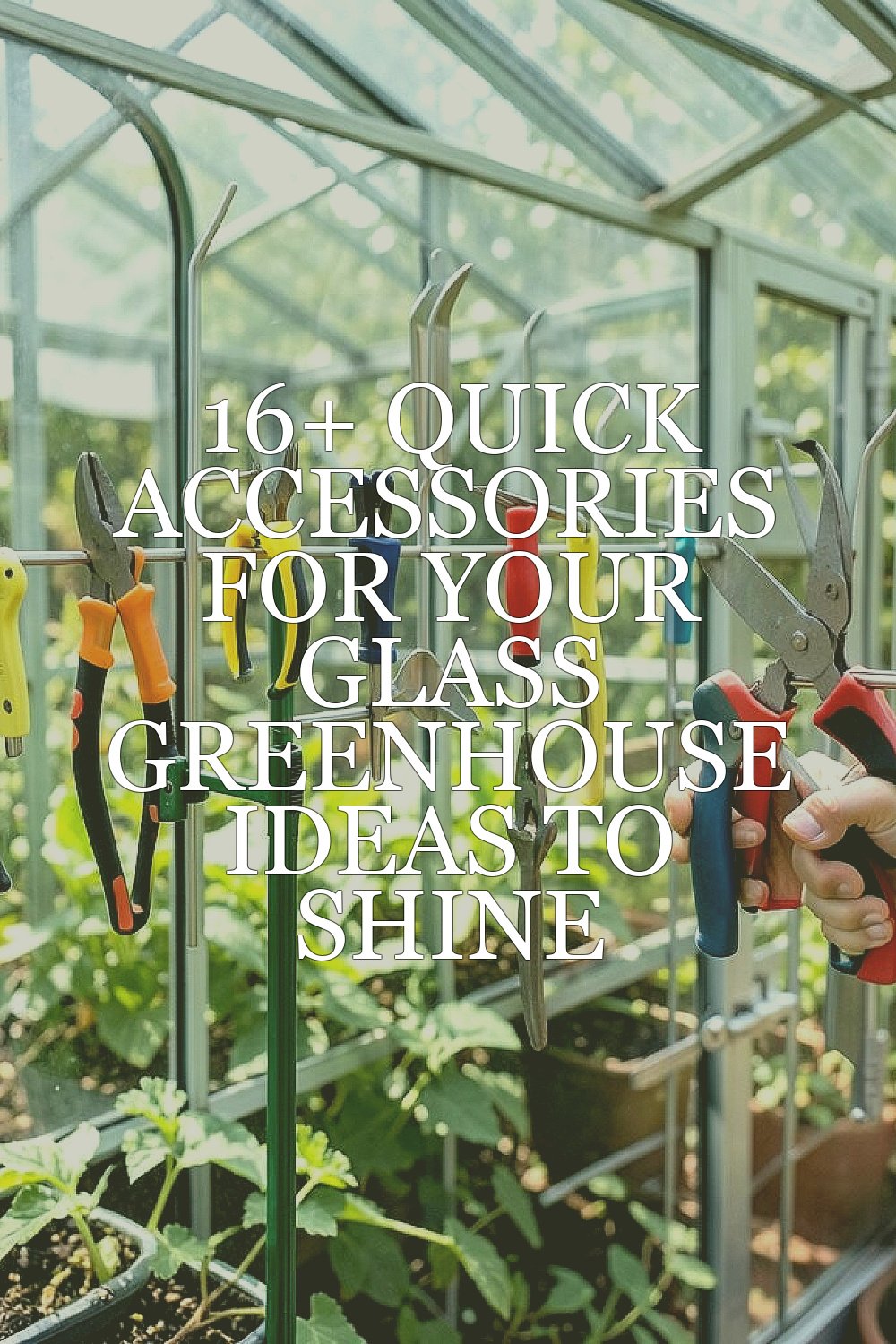
3. Magnetic Tool Holders for Your Daily Pruning Routine

Nothing slows you down like hunting for scissors around a cluttered bench. Magnetic tool holders keep pruners, snips, and small brushes within easy reach.
Mount them on the greenhouse frame or near a work zone where your hands naturally land. Use the strongest magnets you can find so they hold during wind gusts and vibration, and add a simple strap or hook for gloves. This little system also helps you keep tools cleaner because you can wipe them right after use.
If you want uniqueness, try mixing holder styles: one for metal tools, one for spare ties, and one for a plant marker pack. It’s also budget-friendly since most magnets are inexpensive and can last for years with basic care.
For personalization, paint the backplate a color that matches your bench or pots so the greenhouse feels like your space, not a storage room.
4. Drip Irrigation Lines With Easy Shutoff Valves

Watering by hand can be relaxing, but it can also be inconsistent, especially when you’re away for part of a weekend. Drip irrigation delivers water steadily at the roots, which often leads to healthier growth and fewer dry stress moments.
Install simple drip lines along your beds or benches, then add small shutoff valves so you can control each section. This helps you tailor schedules for seedlings, herbs, and thirsty flowering plants without flooding everything at once. Choose fittings that are compatible with your hose size so you avoid leaks and frustrating reassembly.
5. Weed Barrier Fabric Beneath Walkways

Even in a tidy greenhouse, weeds can pop up in the cracks and edges. A weed barrier under walkways and low-traffic zones cuts down on unwanted sprouts and saves you from constant pulling.
Lay the fabric under gravel or stepping stones, then seal the seams so weeds can’t slip through. Use a layer that lets water drain where you need it, because puddles can lead to slippery floors and messy cleanup. If you like a cleaner look, pair it with a neat edge strip so the greenhouse path stays crisp.
For cost considerations, this is often cheaper than repeated weed treatments and it pays off in less labor over time. Many gardeners also enjoy it because it matches the current trend toward low-maintenance greenhouse pathways.
6. Frost-Proof Row Covers for Quick Temperature Rescue
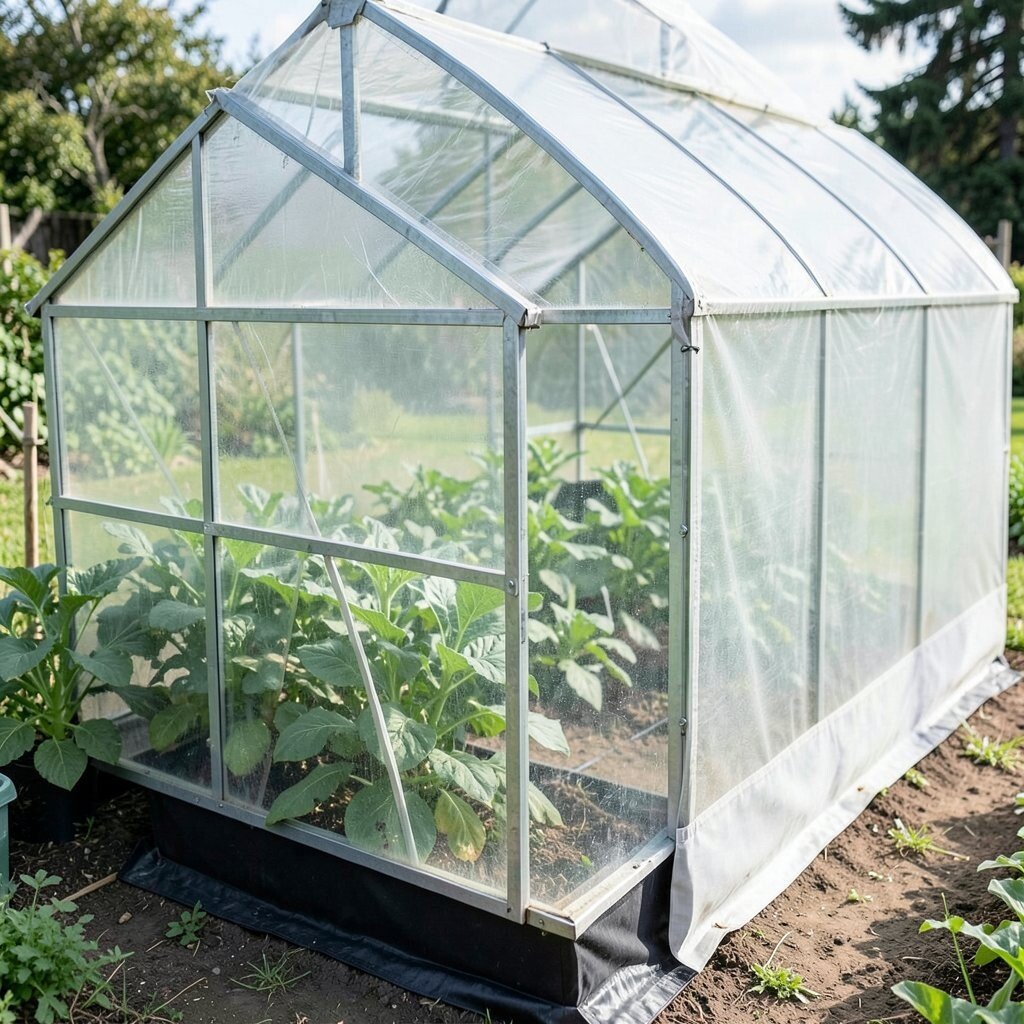
Cold nights can sneak up on you even when days feel warm. A row cover gives plants a gentle shield, so your greenhouse stays more stable when temperatures dip.
Pick lightweight covers that still allow airflow and moisture exchange. Drape them over hoops or anchor edges firmly so they don’t flap, especially in breezy weather. Pair them with your greenhouse routines by keeping the covers folded and labeled so you grab them quickly when you see a forecast change.
7. Small Circulation Fans for Even Airflow

Stagnant air can lead to weak growth and fungal problems, especially in tight greenhouse corners. A small circulation fan helps push fresh air around, so plants dry more evenly after watering.
Place the fan so it moves air across benches and toward far corners without blowing directly at seedlings. Use a timer if you want more hands-off care, and look for quiet models so you don’t feel annoyed during long check-ins. This accessory is popular right now because many gardeners focus on airflow and climate balance rather than chasing problems only after they appear.
For personalization, choose a fan color that looks good against your greenhouse frame, and secure the cord along a clip track so it stays neat.
8. Hanging Planter Rails for Vertical Space

Glass greenhouses often have great height, but many people only use floor-level space. Hanging planter rails let you grow upward, making herbs, trailing plants, and starter pots fit in without crowding.
Install sturdy hooks or rails along beams, then use strong hangers that hold weight safely. Keep pots light enough for easy movement, and hang them at a height that lets you water and harvest without stretching. If you want a unique greenhouse look, mix hanging heights so the plants form a gentle layered canopy.
Cost-wise, rails can be a one-time upgrade that saves space for years. Many gardeners are leaning into vertical growing because it keeps plants healthier and makes the whole greenhouse feel more lush.
9. Reusable Twist Ties for Neat Training

Training plants like tomatoes or cucumbers can turn messy fast when you use random string. Reusable twist ties keep stems supported while letting you adjust as plants grow.
Wrap the tie around the stem and anchor it to a trellis wire or stake, then tighten just enough to hold. Choose ties that grip well but don’t cut into soft stems, and keep a small bundle in a tool pocket so you can grab them quickly. This accessory is great for personalization because you can match tie colors to different plant rows.
Many people like twist ties because they reduce waste compared with throwing away ties after one season. It also saves time because they’re easy to remove and reuse.
10. Locking Greenhouse Storage Bins for Soil and Supplies

When soil bags and seed packets sit everywhere, your greenhouse becomes harder to manage. Locking storage bins keep everything in one tidy place and protect items from moisture and pests.
Choose bins with lids that seal well, then label them using your weatherproof labels or a durable marker. Store potting mix, extra trays, and small accessories in bins so you can restock quickly. For a practical twist, use one bin for clean tools and another for used items like empty plugs and transplant tags.
11. Easy-Read Thermometer and Hygrometer Combo

If you only guess when it’s too hot or too humid, plants pay the price. A clear thermometer and hygrometer reading helps you make better decisions without staring at plants all day.
Mount the sensor at plant height, not near the floor or right under a vent, so readings reflect what leaves experience. Use a model with a backlit screen if your greenhouse lighting changes during the evening. This kind of accessory fits current trends toward smart, data-friendly gardening even when you keep it simple.
For personalization, set up your phone schedule for quick checks or keep a small notebook near the reading station. It can save money by reducing plant losses and helping you avoid overcorrecting with too much venting or shade.
When you know your greenhouse climate, every adjustment feels calmer and more confident.
12. Drip Watering Timer for Stress-Free Weekends

Busy weeks can lead to missed watering, especially for thirsty seedlings. A drip watering timer schedules watering so plants get what they need even when you’re not there.
Choose a timer compatible with your irrigation setup, then start with short watering windows and adjust based on plant response. Add a rain or soil moisture check if your system allows it, so you avoid watering during already-humid days. This accessory is unique in how it gives you flexibility while staying simple to use.
Keep extra fittings nearby so you can fix small leaks quickly, which helps with cost control. Many growers like timers because they support sustainable habits by preventing wasted water.
13. Corner Bench Trays for Propagation Cleanup

Propagation creates mess, and mess makes cleaning feel endless. A corner bench tray catches drips, potting soil spills, and stray water so your floor stays cleaner.
Use shallow trays with a lip that fits the corners of your bench or work table. Place them under potting stations, and set a small hand brush nearby for quick cleanup between tasks. If you want a decorative touch, choose a tray color that matches your greenhouse style so it doesn’t look like random storage.
14. Airtight Seed Storage Canisters With Labels

Seeds are living plans, and they deserve calm storage. Airtight canisters protect seeds from humidity and help them stay viable longer.
Store seeds in cool, dry sections away from direct sunlight, then add clear labels with plant name and sowing notes. Keep a small “fresh pack” set aside so you use newer seeds first. For personalization, arrange canisters by season or by plant family so your seed selection becomes part of your routine, not a stressful search.
This accessory is often budget-friendly because a few good canisters last for years. It also matches a growing trend toward thoughtful planning and better seed-starting systems.
15. DIY Trellis Netting for Climbing Plants

Climbing plants look beautiful in glasshouses, but they need support to grow strong. Trellis netting guides stems upward and saves space so plants don’t sprawl everywhere.
Stretch the netting across a wire frame or attach it to hooks along beams. Train vines gently by tucking tendrils into the net openings, then adjust as they grow to avoid tight tangles. Choose durable netting that resists sagging, because netting that droops becomes hard to manage.
For practical tips, keep a little slack for daily growth, but avoid too much looseness that can snap stems. Cost-wise, netting is usually cheaper than buying many individual stakes, and it’s a quick way to make your greenhouse look lush fast.
16. Light-Reflecting Insulation Film for Dark Corners

Some glass greenhouses have shaded corners where plants grow slower. Light-reflecting insulation film bounces light around, helping your whole space feel brighter and more even.
Apply the film to walls or greenhouse sides where light seems to get “lost,” and keep it smooth for a clean look. Pair it with smart placement so reflective areas don’t glare too intensely at seedlings. Many gardeners love this idea because it supports more uniform growth without adding complicated lighting systems.
To personalize, choose a film tint that fits your style and keep edges neatly taped so it looks intentional. It can also reduce heating strain in some conditions because reflective surfaces may help manage heat patterns.
17. Removable Shade Panels for a Custom Look

Clip-on cloth helps, but removable shade panels add a more structured, polished feel. They give you a clear way to control light while turning your greenhouse into a design feature.
Install panels on tracks or magnetic mounts so you can slide them during peak sun and remove them at other times. Choose panel materials that block heat and glare but still allow airflow, so plants remain comfortable rather than overheated. This accessory feels unique because you can create zones where different crops get different light levels.
For cost considerations, start with panels only where they matter most, like the brightest south-facing section. Current trends favor modular greenhouse shading, and these panels are a practical step toward that style while keeping the system easy to manage.
When you finish setup, step back and watch how light shifts across leaves, because that visual cue tells you if the panel placement is perfect.