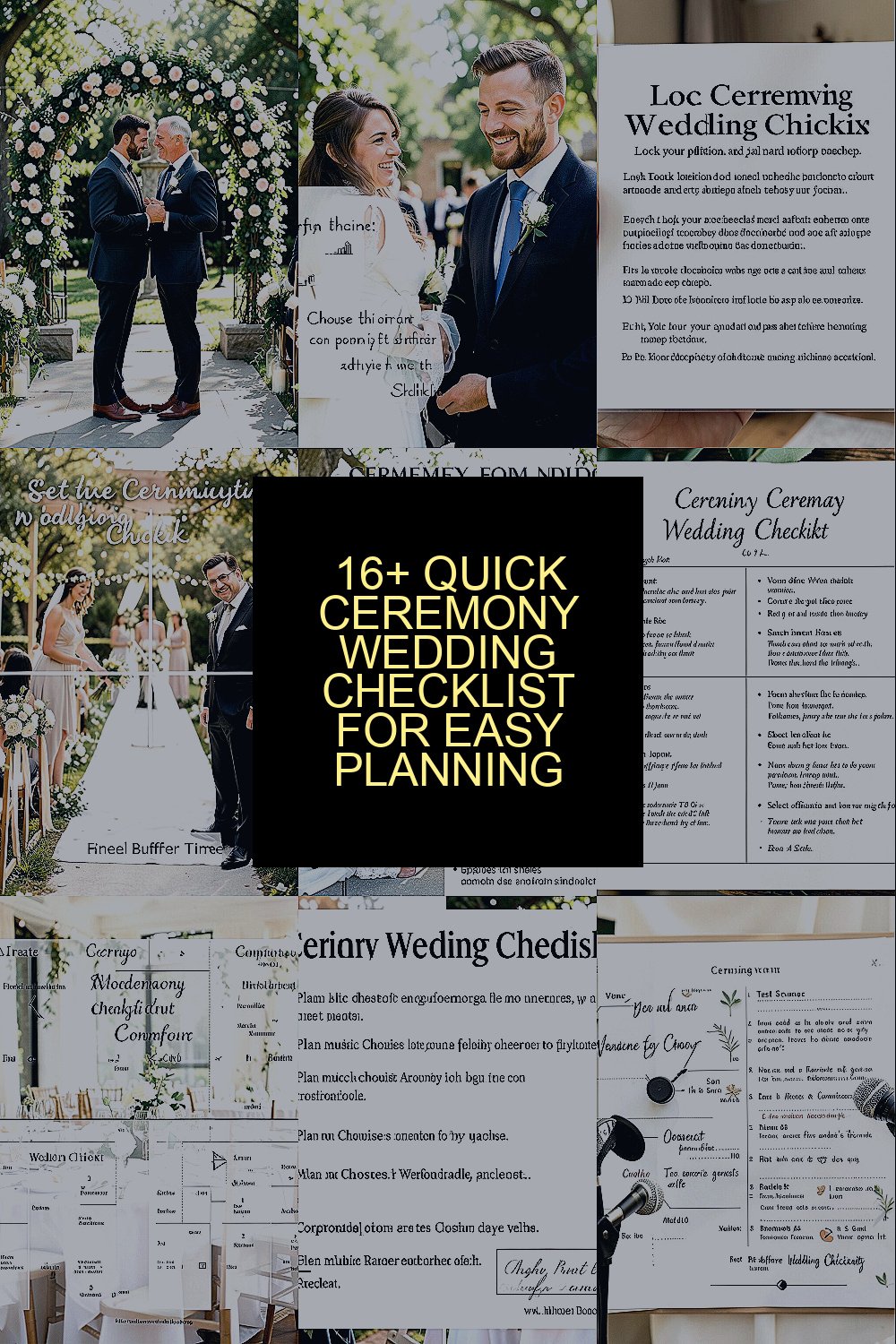
The ceremony is the heart of the day. When you plan it in small steps, everything feels calmer and more joyful.
1. Pick a ceremony vibe that feels like you
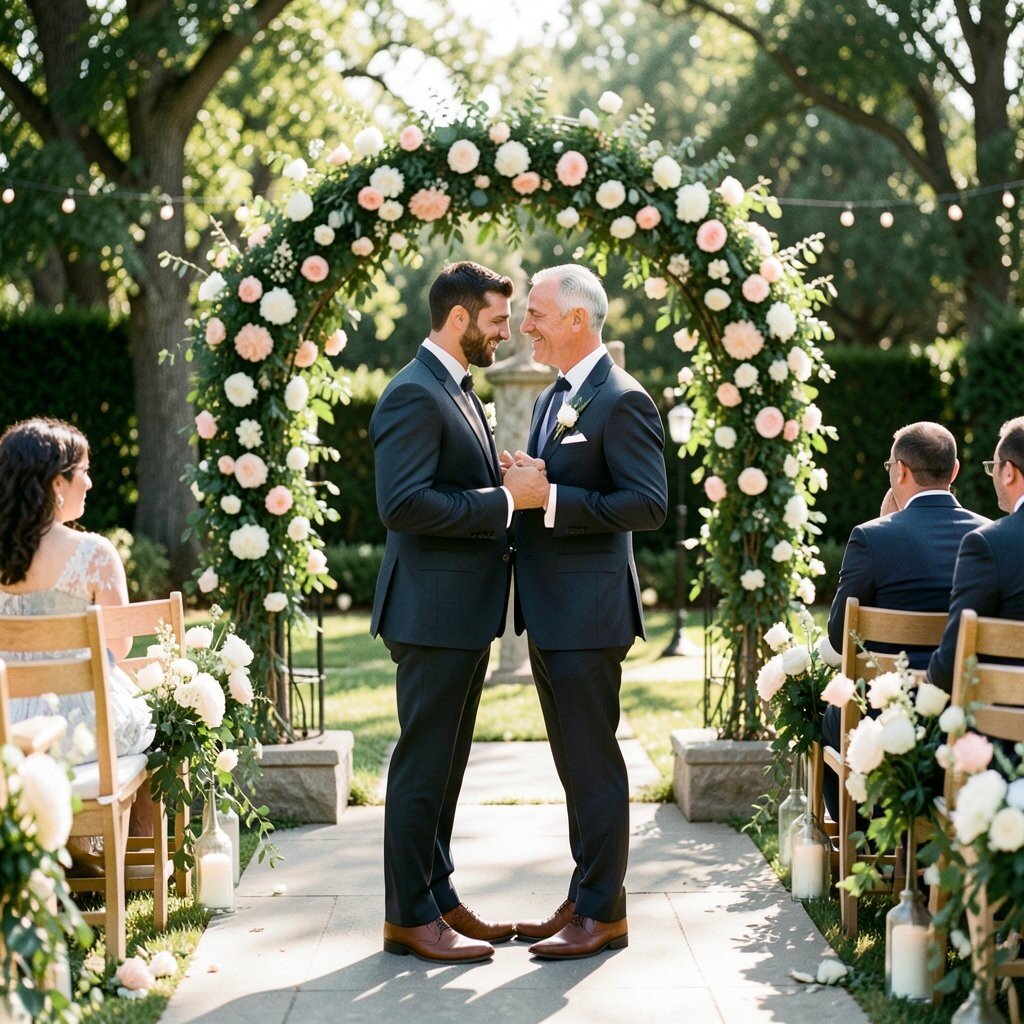
Start by picturing how you want guests to feel as they arrive. Think about the lighting, the music mood, and even the tone of your vows.
Try a simple mood board with a few photos, fabric colors, and favorite songs. This creates a clear direction so decisions feel easy instead of scattered.
2. Choose the officiant and confirm their style
Your officiant sets the rhythm of the ceremony. Look for someone whose voice and pacing match your personality.
When you meet, ask about how they handle personalization and what they need from you. This helps you avoid last-minute surprises and makes the script feel warm and natural.
Request a sample outline or past ceremony flow if they have it. You will spot what works for your group and what needs adjusting right away.
3. Lock your location and plan indoor backup
Choose a spot that you can picture with fresh eyes. Imagine the aisle, the seating lines, and where photos will happen.
Then plan what happens if weather changes fast. Having an indoor option or a covered area keeps the day feeling smooth.
For outdoor sites, think about sun angles and wind direction too. A few details like shade timing can save photos from looking harsh or blurry.
4. Set the ceremony timeline with real buffer time
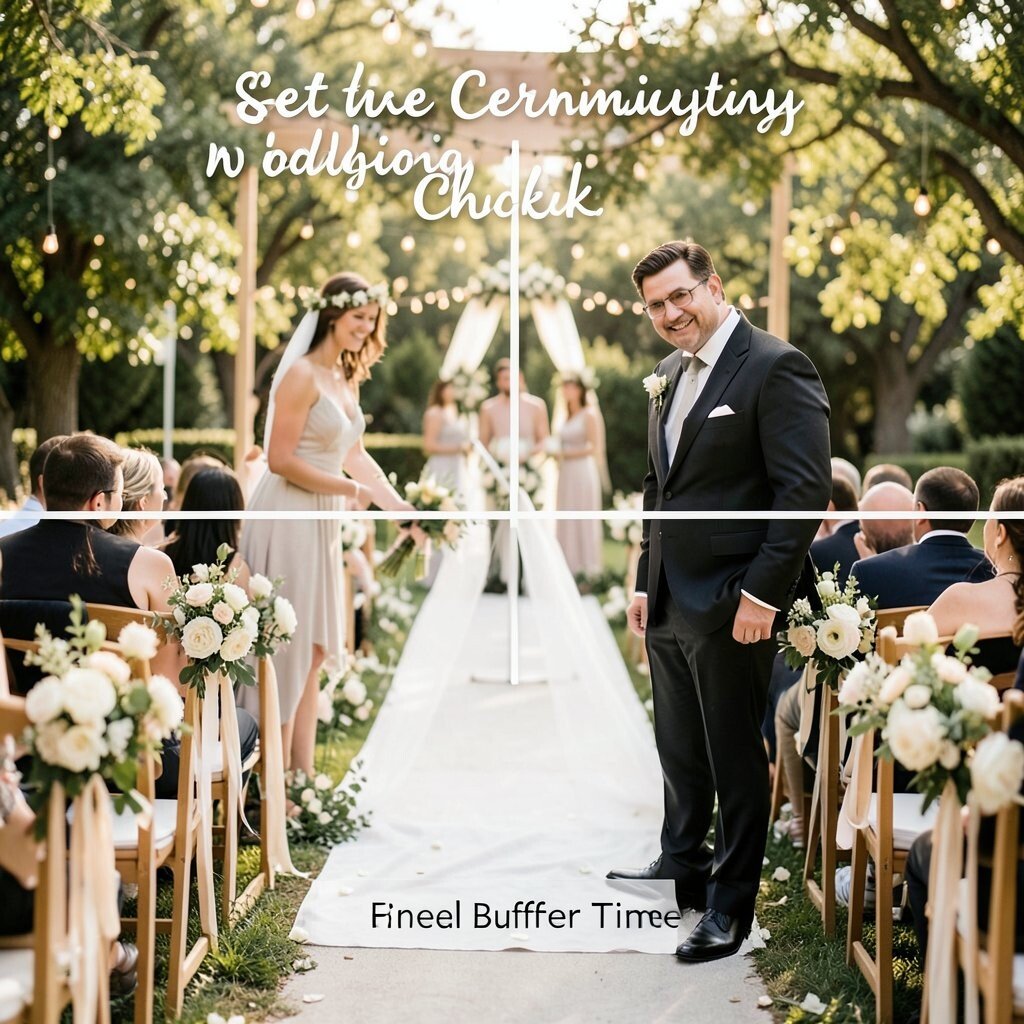
Decide when guests should arrive and when the processional begins. Use a timeline that includes time for seating, sound checks, and a calm walk-in.
Build in buffer time so you are not rushing between moments. You will feel more present when every transition has space to breathe.
5. Define roles for the wedding party and support crew
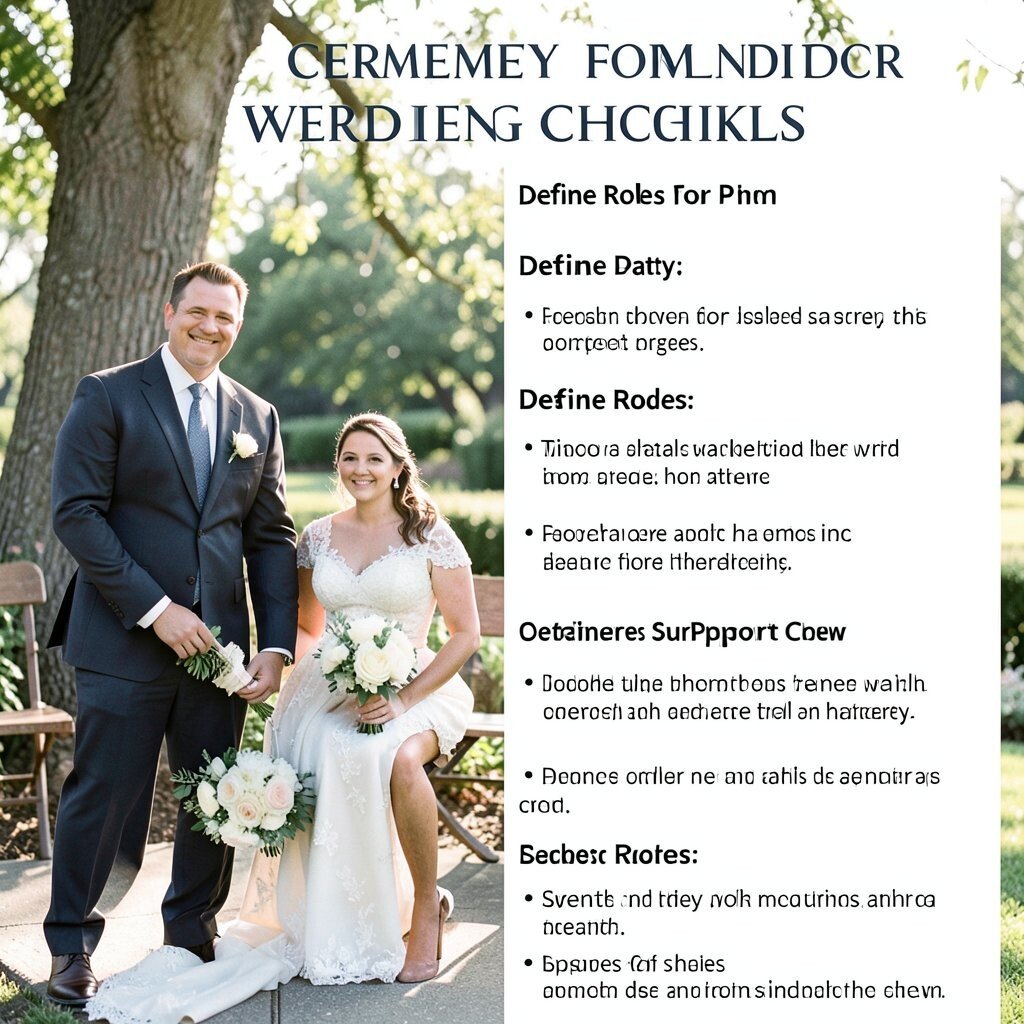
Assign roles like processional cues, ring handling, and greeting tasks. Even if your group is small, clear roles reduce confusion.
Write down who is responsible for programs, the guest seating guide, and any needed help during the ceremony. This gives you peace of mind and helps everything run like a team effort.
Consider adding a calm “runner” who can handle tiny issues quickly. Guests never see the effort behind the scenes, but they feel the ease.
6. Select officiant scripts and vow length that fit
Choose a script style that matches the energy you want. Some couples love traditional wording, while others want something playful and modern.
Keep vow length realistic so you can speak confidently. You will sound more like yourself when you do not cram too much into a short moment.
Practice aloud with your partner so you hear the pacing. If it feels tangled, trim it until the words feel effortless.
7. Create a clean seating plan for comfort
Guests feel valued when seating feels simple. If you have reserved sections, map them early and keep the layout easy to read.
Consider accessibility needs and mobility paths. A thoughtful seat plan prevents awkward surprises and helps older guests feel comfortable.
8. Plan music choices around ceremony beats
Pick music that marks each key moment clearly. Entrance songs, signing the register, and the recessional all create emotional motion.
Choose tracks that feel familiar enough to comfort guests. Familiar sounds help people settle in quickly and stay engaged.
Check current trends like acoustic instrumentals and soft modern covers. They sound fresh while still feeling elegant and timeless.
9. Test sound and microphones before guests arrive
Sound problems are the fastest way to steal joy from a ceremony. Plan a test run with the officiant and any speakers or microphones.
Ask the venue about outdoor acoustics or echo indoors. A quick adjustment can make every word audible without stress.
10. Prepare ceremony readings with personal meaning
Readings can add depth without making things complicated. Choose a poem, a passage, or a short message that connects to your story.
If you want it to feel modern, use a reading that sounds like real conversation. Guests respond when words feel heartfelt instead of overly formal.
Rehearse the reading for volume and pacing. When the delivery sounds natural, the moment feels calm and powerful.
11. Confirm the procession and recessional order
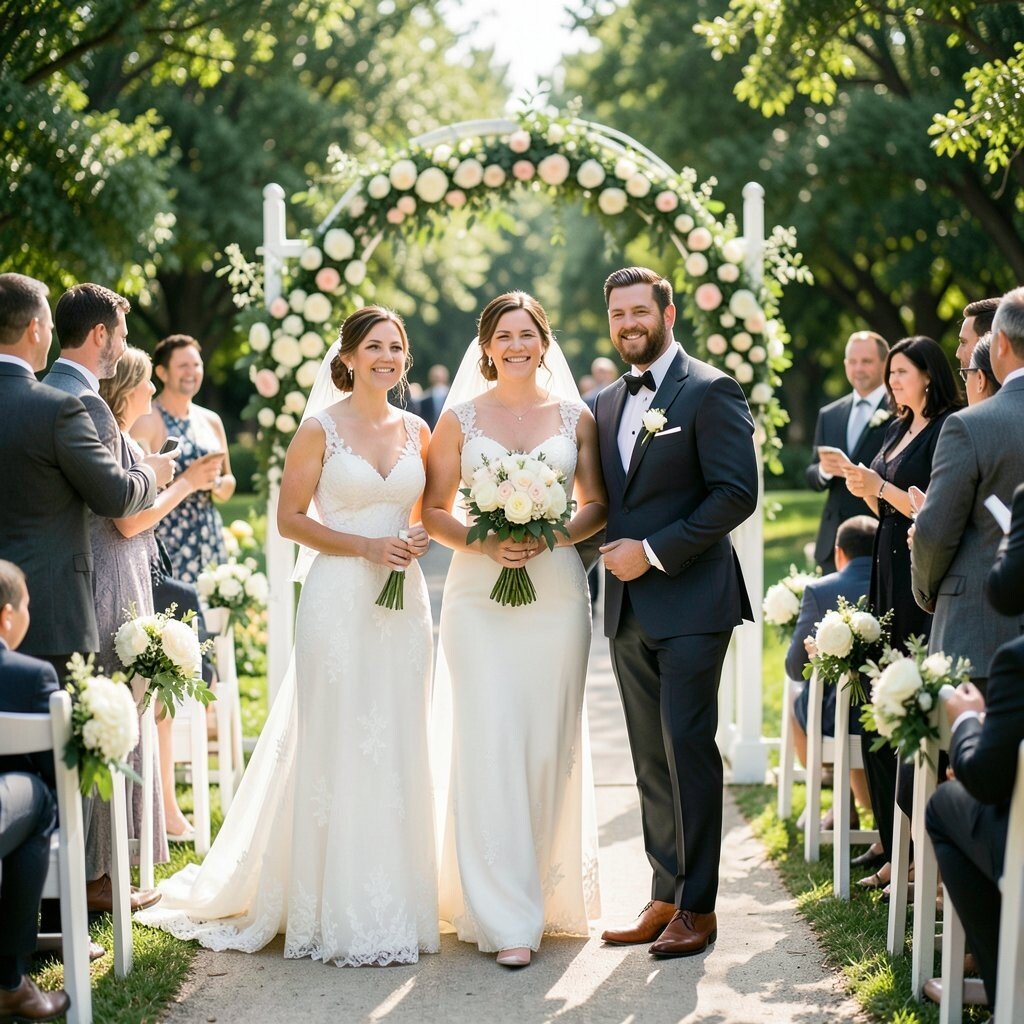
Decide who walks first and where each person stands. Visualize the line of movement so guests can see what is happening.
Practice the order once so nobody guesses at cues. Clear timing helps you avoid awkward pauses near the front.
If you want a unique touch, consider adding a brief moment for family photos after the recessional. It creates connection while still keeping the ceremony flow intact.
For cost planning, remember that extra logistics like rehearsal time or extra tech support can add up. Keep it simple by using what your venue already provides when possible.
12. Choose ceremony flowers and keep them manageable
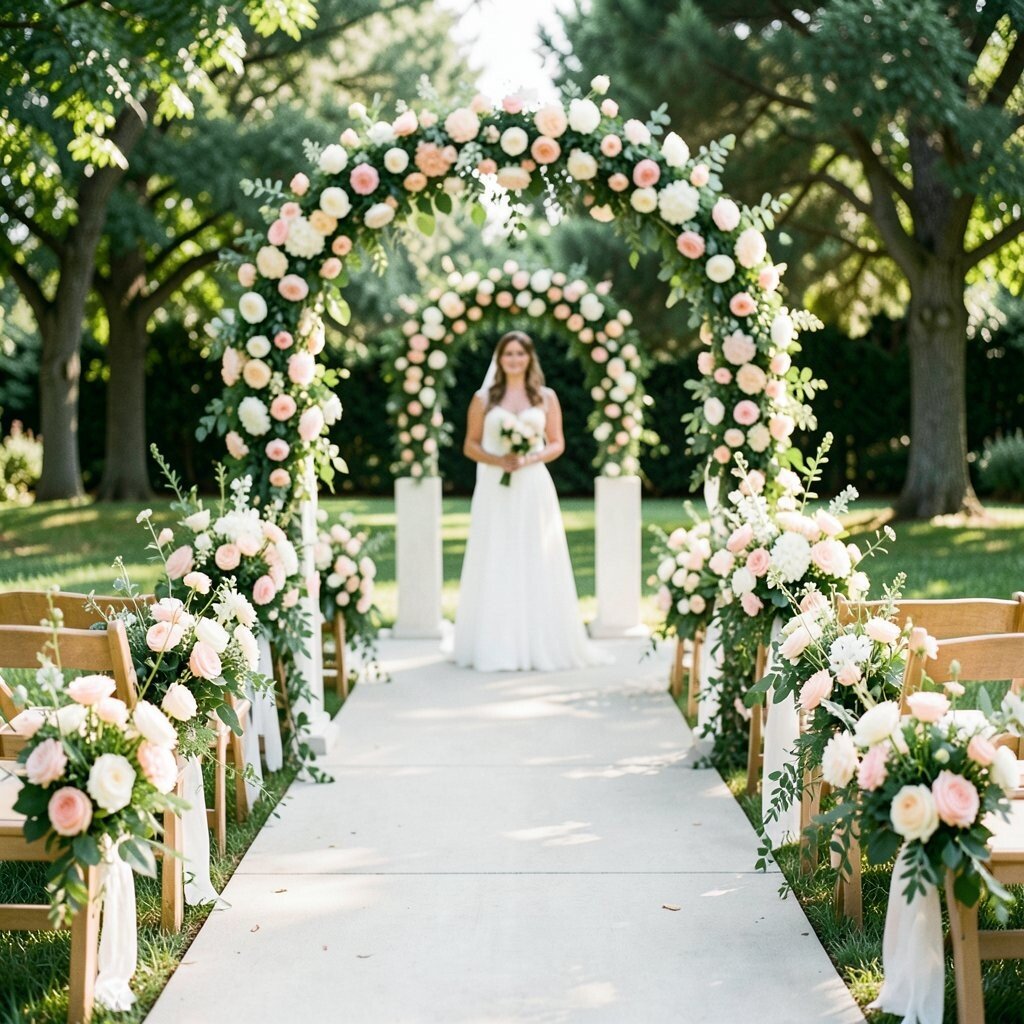
Flowers can look stunning without becoming expensive stress. Pick one or two main areas, like the entry or the aisle, and keep the rest minimal.
Think about what can be reused for photos and reception decor. A small floral plan often gives big visual impact while staying budget-friendly.
Current trends often favor greenery-forward looks and airy textures. That style photographs beautifully and can be created with fewer flowers.
13. Plan attire details for comfort and quick movement

Choose clothing that lets you move freely during processional moments. Comfort matters, especially when you are standing, walking, or adjusting rings and accessories.
For practical ease, pick shoes you can stand in for a while. Also plan for weather with layers, shawls, or a backup pair of flats.
Personalize with a meaningful detail like a pin, ribbon, or charm. Those small touches feel special in photos and in the way you remember the day.
14. Prepare rings, vows pages, and a backup plan
Gather your rings, vow pages, and any ceremonial items in one secure place. Assign one person to keep the items safe and ready.
Bring backups like an extra copy of vows or a spare pen. When details are ready, you can stay focused on each other.
Consider cost-friendly ways to make items look polished. Simple upgrades like elegant holders or small card sleeves can make a big difference.
15. Handle ceremony decor and signage that guide guests
Use decor that helps guests find where they need to go. Simple signs for restrooms, parking, or the seating area reduce confusion.
Make the signage match your ceremony style with fonts and colors you already love. Guests notice that the day feels intentional when everything ties together.
For a unique look, include a short welcome sign featuring your names and date. It also helps photographers by creating a clear visual moment before the ceremony.
16. Confirm permissions, permits, and timeline with the venue
Before the wedding day feels too close, verify what the venue allows. Ask about timing, music volume rules, and where guests can stand for photos.
Make sure you understand setup and cleanup windows too. When you know the schedule boundaries, you can plan your ceremony elements with confidence.
If you are outdoors, confirm any permission needs early. This prevents stress and possible extra fees from last-minute changes.
17. Run a short rehearsal that builds calm confidence
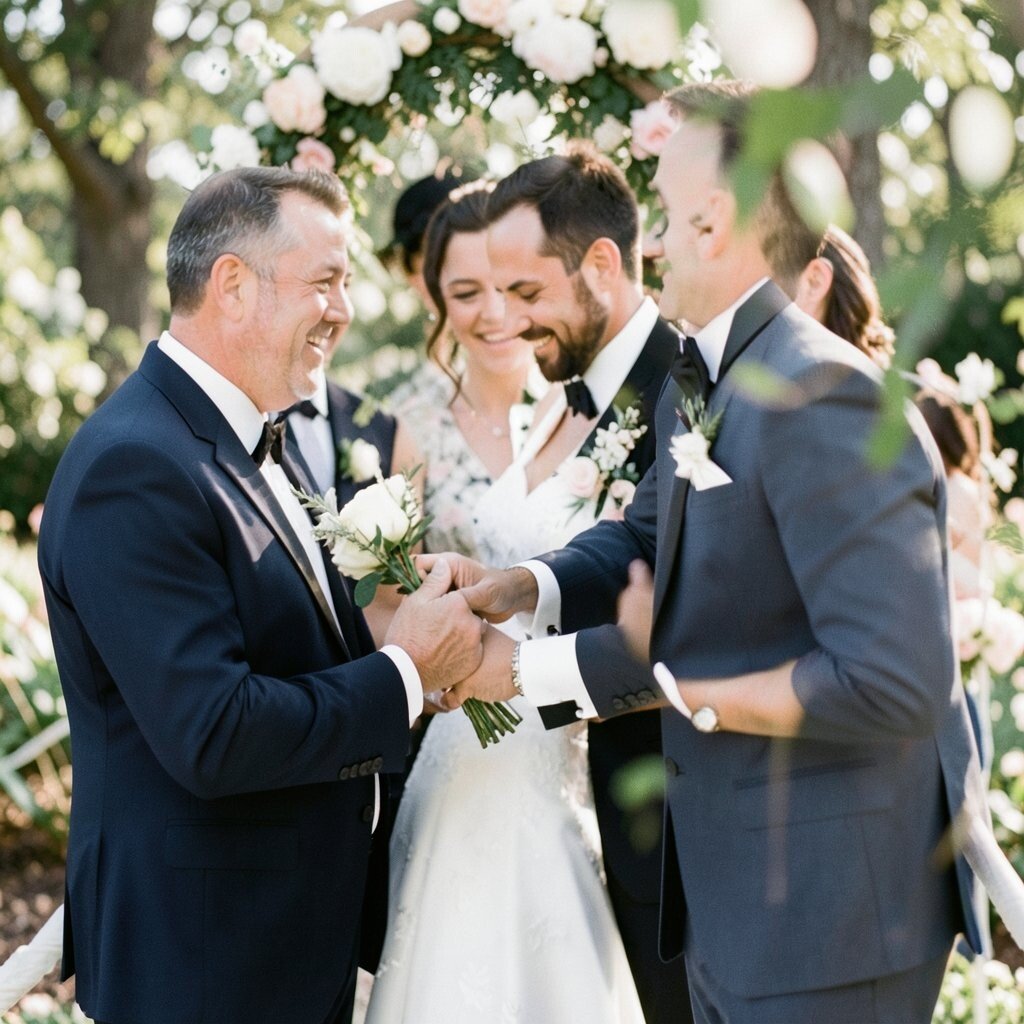
A brief rehearsal helps everyone understand cues without turning it into a long event. Walk through the processional, the front positioning, and the recessional movement.
Keep it light and friendly, focusing on what makes the ceremony feel smooth. When people know where to stand, you all relax and enjoy the moment.
After rehearsal, check that your music plays correctly and that your items are ready. That final check is a small step that boosts confidence and protects your budget from avoidable fixes.
End rehearsal with a quick moment of gratitude for the team. You will feel the difference when the day arrives and everyone moves together like a practiced group.