Your centerpiece can be both pretty and useful. Most people miss a few small details that make a huge difference.
Vegetables have more personality than you think, especially when you arrange them with care. The right approach can help your display look fresh for longer and feel more like you.
1. Start With Color Balance, Not Perfection
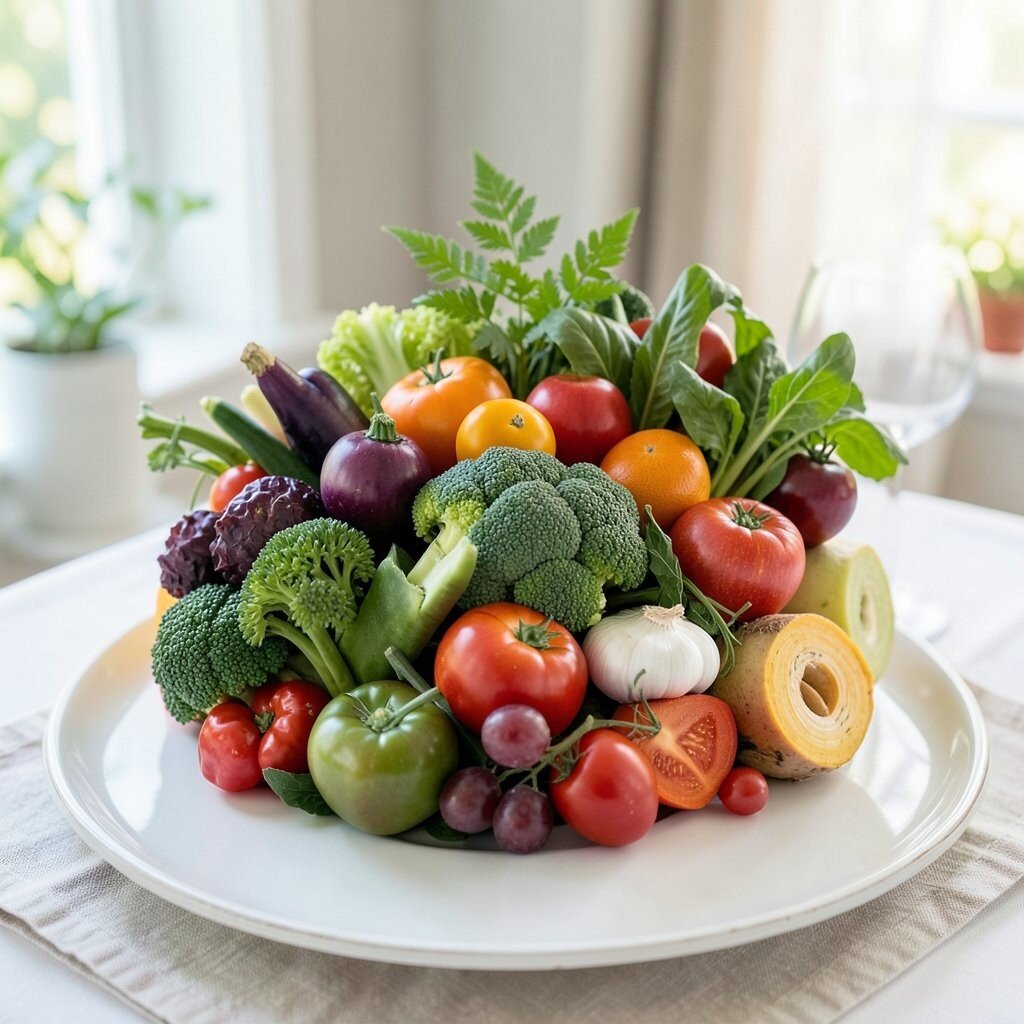
People often focus on making everything symmetrical, but that’s not what draws the eye. You get a better look when colors feel balanced instead of identical.
Choose a main color group like deep green, bright orange, or ruby red and pair it with softer shades like pale cabbage or white radish. Spread the bold colors at different heights so the centerpiece looks lively from across the table.
2. Water Changes Everything More Than You’d Expect

Fresh vegetables look crisp when their stems stay hydrated, and the difference shows fast. Even a short time without water can make leafy parts droop.
Use a shallow container under the arrangement or a hidden liner to hold moisture. Keep water away from places that should stay dry, like soft herbs that bruise easily.
If you’re using leafy greens, give them a light refresh before serving. A quick rinse and gentle drying helps them hold shape and stay bright.
3. Texture Is Your Secret Weapon for Visual Interest

One smooth ingredient can make an arrangement look flat, even when the colors are great. Mix in crunchy, ribbed, and bumpy textures so everything feels more natural.
Try adding carrots for firmness, cucumber for clean slices, and cauliflower for cloud-like texture. Small changes in texture make the centerpiece look styled, not just piled together.
For a natural look, let some pieces touch and others separate slightly. That tiny messiness reads as fresh, like a market find.
4. Pick Vegetables That Match the Length of Your Event

Some vegetables last longer than others, and that should guide what you choose. If your centerpiece needs to sit for hours, plan around sturdier picks.
Hardier options like radishes, carrots, and cabbage tend to hold up well. Softer items like tomatoes and sliced cucumbers can wilt faster, so use them closer to serving time or keep them whole.
5. Use “Edible Frames” to Make Small Pieces Look Grand

When the base is doing the work, the whole centerpiece looks more intentional. You can build height and structure using vegetable pieces that also look good.
Create a frame with thick cabbage leaves, large kale ribs, or even sturdy lettuce so smaller items feel supported. It’s a simple way to make everything look fuller without adding extra bulk.
For more impact, tuck colorful vegetables into the “frame” like they’re blooming. This also helps you keep the arrangement from sliding around.
6. Choose the Right Base for Stability and Easy Serving

A wobbly centerpiece is stressful, especially when guests are nearby. The right base keeps everything steady and helps you move pieces to plates.
Use a heavy serving platter, a cutting board with a non-slip grip underneath, or a sturdy container that won’t tip. Make sure your design still allows you to pick out vegetables easily without breaking the look.
7. Don’t Ignore the Smell of Fresh Produce

Vegetables bring their own aromas, and those scents can set the mood at your table. Crisp greens can feel clean and bright, while earthy roots add warmth.
Pair stronger-smelling vegetables like garlic or rosemary-infused herbs with milder items so the overall vibe stays pleasant. If you’re serving indoors, pay attention to how aromas spread when everything is cut and exposed.
Keeping cut surfaces slightly covered can help scents stay balanced. Guests often notice what smells inviting, even if they can’t name why.
8. Build in “Grab Zones” So Guests Don’t Rush to Disassemble It

People want to taste what looks good, but they don’t want to ruin the centerpiece. If the layout makes access difficult, guests may avoid it until later.
Arrange your centerpiece so there are clear areas where guests can take pieces without digging. Place bite-size items near the edge and keep delicate pieces grouped more centrally.
This also helps you serve faster during busy moments. You’ll spend less time fixing the display and more time enjoying your event.
9. The Shape of Your Cuts Changes the Feel of the Whole Piece

Even simple cuts can make vegetables look designed instead of accidental. The same ingredient feels different when you slice, spiral, or stack it thoughtfully.
Try slicing carrots into long ribbons, shredding cabbage for volume, or cutting radishes into even coins. Consistent shapes make the centerpiece look polished, and it’s easier to replace items when needed.
If you want a more playful vibe, use uneven sizes and stack them like a garden. Either way, keep the cuts purposeful so the centerpiece reads clearly.
10. Season Lightly to Keep the Look Fresh and the Taste Bright
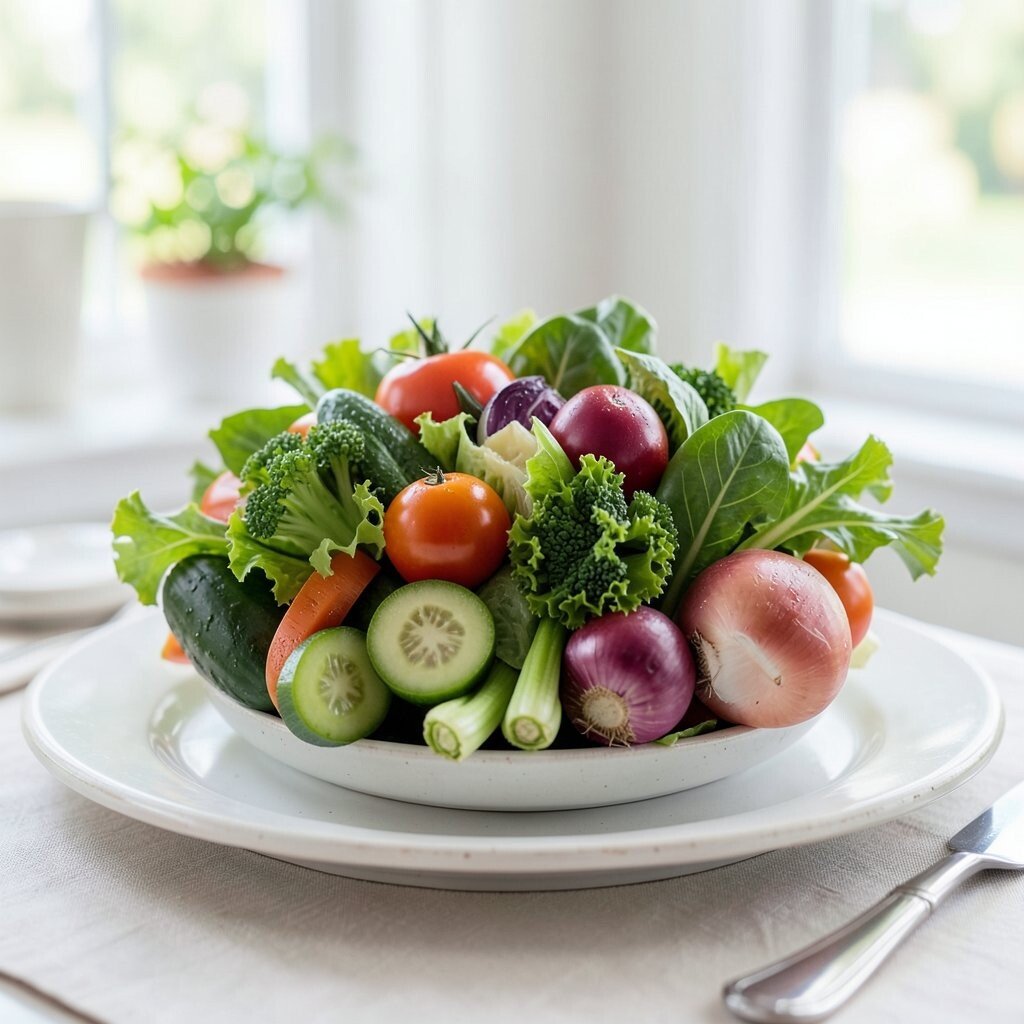
It’s tempting to over-season before guests arrive, but too much dressing can make vegetables look tired. Oily mixes can also soak into leaves and reduce crispness.
Use a light drizzle of olive oil or a small sprinkle of salt right before serving. If you’re making a sauce, offer it on the side so the centerpiece stays neat.
Crunchy vegetables taste best when they stay mostly dry on the outside. That’s one reason many people enjoy the first bite most.
11. Use Color-Coordinated Garnishes Without Overdoing It

Garnishes are like the finishing touches that help everything pop. Small accents can turn a vegetable pile into a real centerpiece.
Consider fresh herbs, thin cucumber ribbons, or edible flowers to add contrast. Keep the garnish count balanced so it supports the vegetables instead of stealing the spotlight.
For a current look, many people pair herbs with clean, minimal arrangements. The result feels modern, bright, and easy to photograph.
12. Plan for Food Safety Like a Real Pro
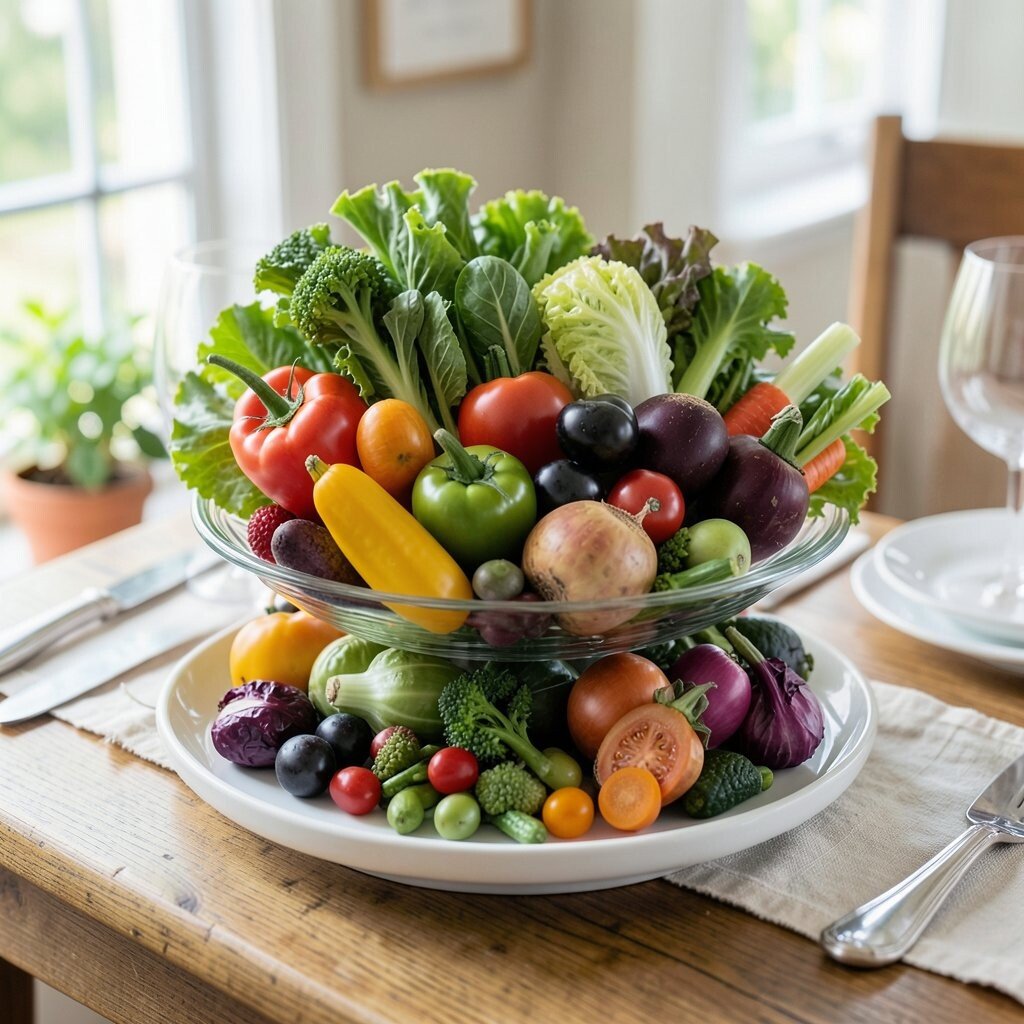
Vegetable centerpieces are food, so safety matters even if the display looks casual. Cut produce can spoil faster when it’s warm or left uncovered too long.
Keep arrangements chilled until guests arrive and store cut items in covered containers when needed. If your event runs long, rotate any wilting pieces out before they affect the rest.
Also pay attention to knives and boards used earlier for raw proteins. A clean setup keeps your centerpiece not only pretty, but trustworthy.
13. Personalize It With Theme-Based Vegetable Choices
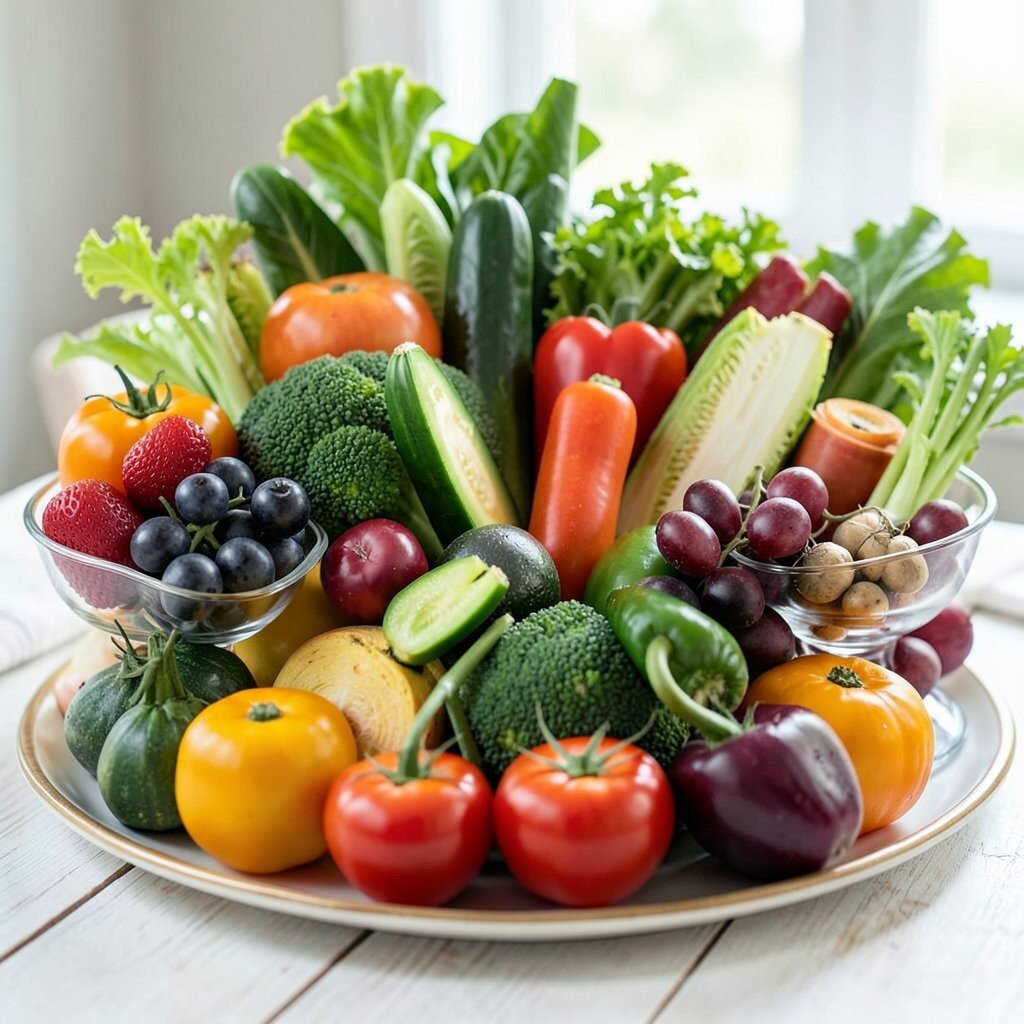
One of the easiest ways to make a centerpiece feel special is to match it to the occasion. Theme doesn’t have to mean complicated props.
For a fall vibe, use squash, pomegranates, and deep greens for a rich look. For spring, highlight peas, radishes, and lighter herbs for a crisp feel.
Even small personal choices matter, like your favorite color pairing or a vegetable someone in your family loves. When guests notice that thought, they treat the centerpiece like part of the celebration.
14. Think About Cost Before You Shop, Then Spend Strategically

Vegetable centerpieces can be budget-friendly, but only if you plan your spending. Some ingredients look fancy but aren’t necessary for the effect.
Choose affordable bases like cabbage and carrots, then save your splurge for one or two eye-catching items. Look for seasonal produce because it’s usually cheaper and more flavorful.
Buying a few items in bulk and using them in multiple ways helps your cost feel smaller. For example, you can snack on the pieces you remove early and use leftovers in a side dish.
15. Make It Photo-Ready With Height and Negative Space

People love taking pictures of centerpieces, and your arrangement can be designed for that. Height gives drama, while open space keeps the scene clean and readable.
Build a gentle slope with taller items in back and shorter items in front. Leave some breathing room so each vegetable stands out, instead of everything blending together.
Use a contrasting background like a solid tablecloth to make colors glow. This simple trick helps your centerpiece look vibrant even in indoor lighting.
16. Keep a “Refresh Kit” on Hand for Last-Minute Fixes
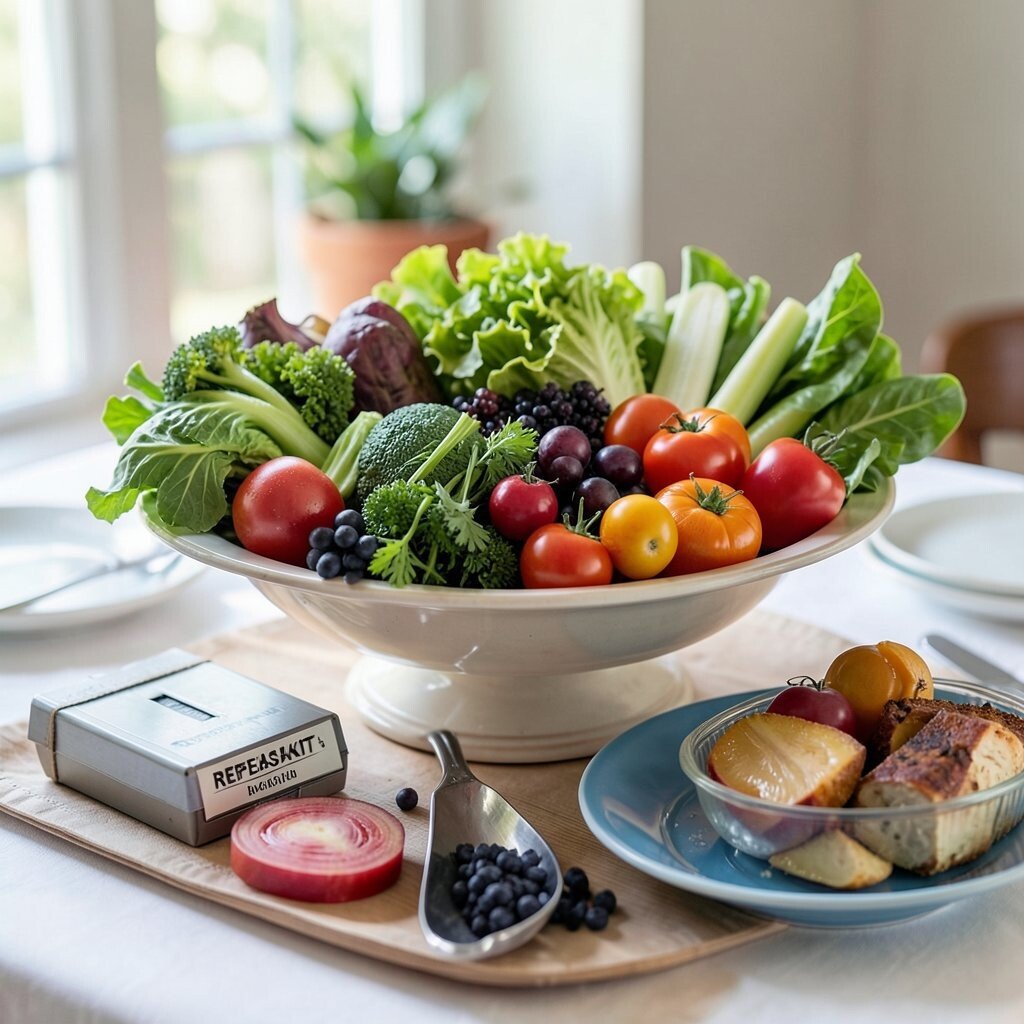
No matter how careful you are, vegetables can change during an event. A small refresh kit keeps your centerpiece looking lively when guests arrive.
Bring extra herbs, a damp paper towel, and a few backup vegetables that match your color scheme. If something wilts, replace it quickly and tuck the swap into a place that won’t break the overall balance.
You’ll feel more confident too, because you’re ready for real life. That calm approach often makes the final look better than the original plan.