
Woven tapestries bring warmth in a way paint never quite can. They soften a room and make your walls feel like they have a story.
1. Layered Weaving Over a Neutral Backdrop
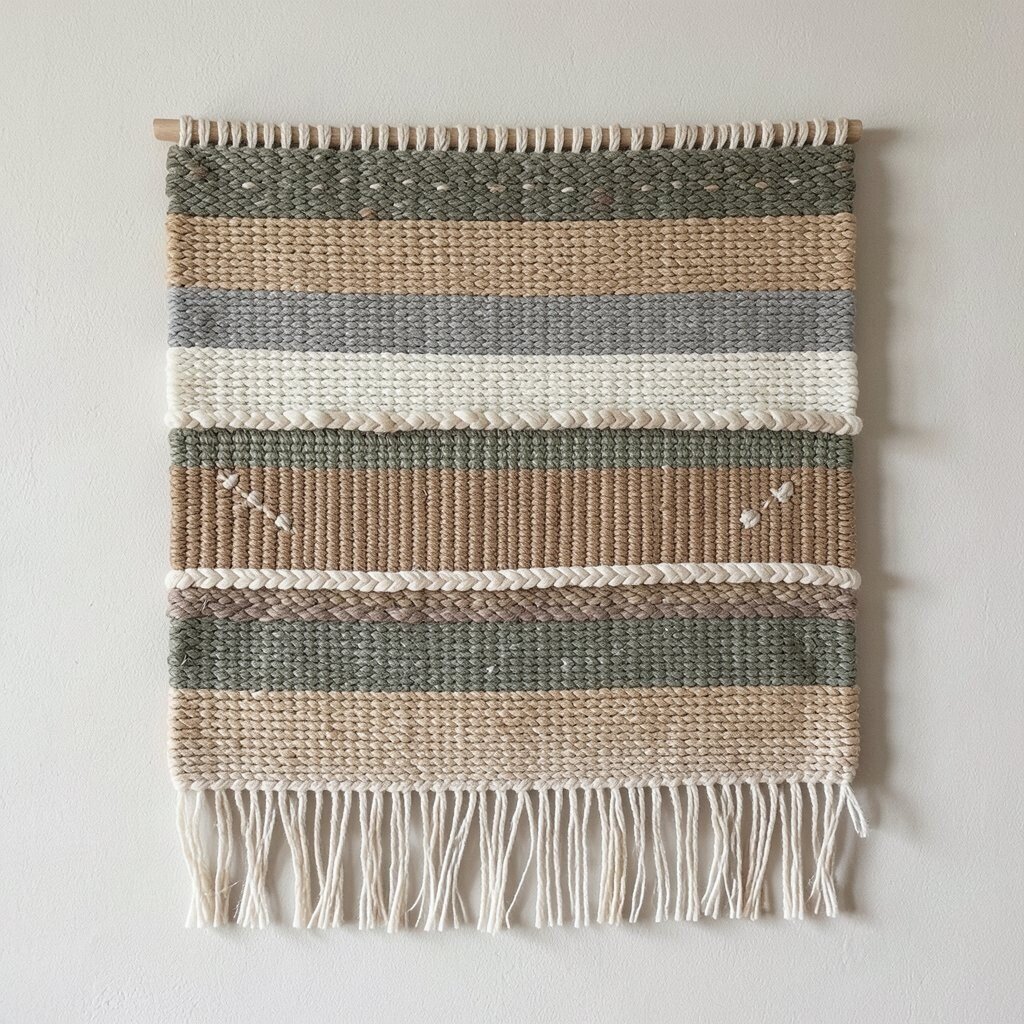
Start with a simple wall color so the texture can do the talking. Choose a tapestry with visible threads and hang it slightly off-center to make the composition feel relaxed.
Layer a second, smaller woven piece lower or higher to create depth without clutter. This style brightens the space by adding visual movement, even when the lighting is subtle. For easy personalization, match the thread colors to your throw pillows or rug tones so everything feels tied together.
2. Oversized Statement Tapestry for Instant Drama
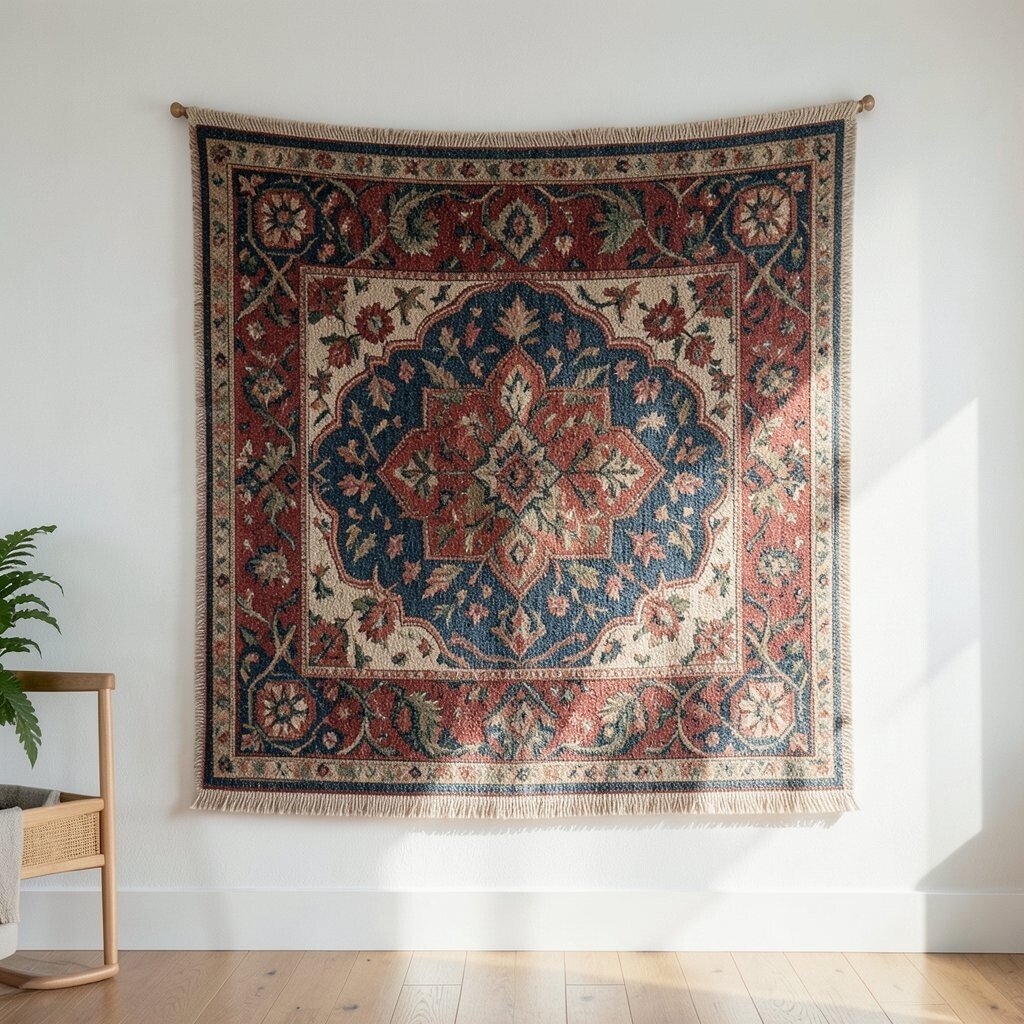
An oversized woven tapestry can make a living room feel instantly styled. Look for bold shapes or wide stripes that guide the eye across the wall.
Hang it where you usually set your focal point, like behind a sofa or bed. Choose lighter yarns or natural fibers if you want brightness without heaviness. If you’re budgeting, hunt for mid-size kits or ready-made weaves that still offer texture.
To keep it practical, measure the wall before you buy so the tapestry won’t look swallowed by the space. Consider using a tension rod or a simple curtain rod for a clean, sturdy hang. A large woven piece also helps a room feel cozy in colder months when you want more softness.
3. Symmetry With Two Matching Panels
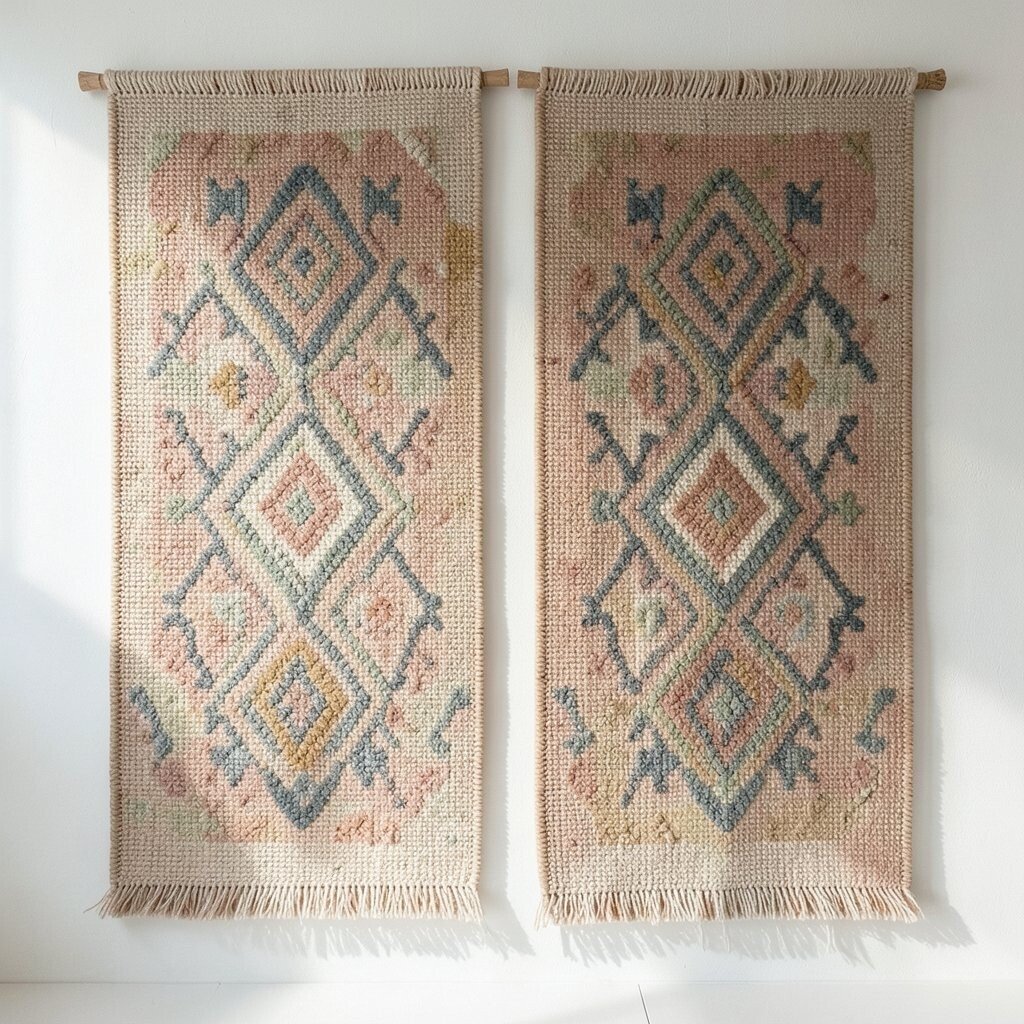
For a polished look, hang two woven tapestry panels on either side of a mirror or artwork. Keep them similar in height so the wall reads balanced at a glance.
This pairing boosts brightness by reflecting light from the central feature. It also creates a visual rhythm that feels calm and intentional. Try using the same base color, then vary the pattern scale so it stays interesting up close.
When you personalize, swap only one detail, like a color accent or border width. A good practical approach is to use removable hooks so you can adjust spacing without damaging paint. If you want lower cost, search for sets sold together or weave two smaller pieces into the same overall shape.
4. Fringe-Edge Tapestries for Soft Movement
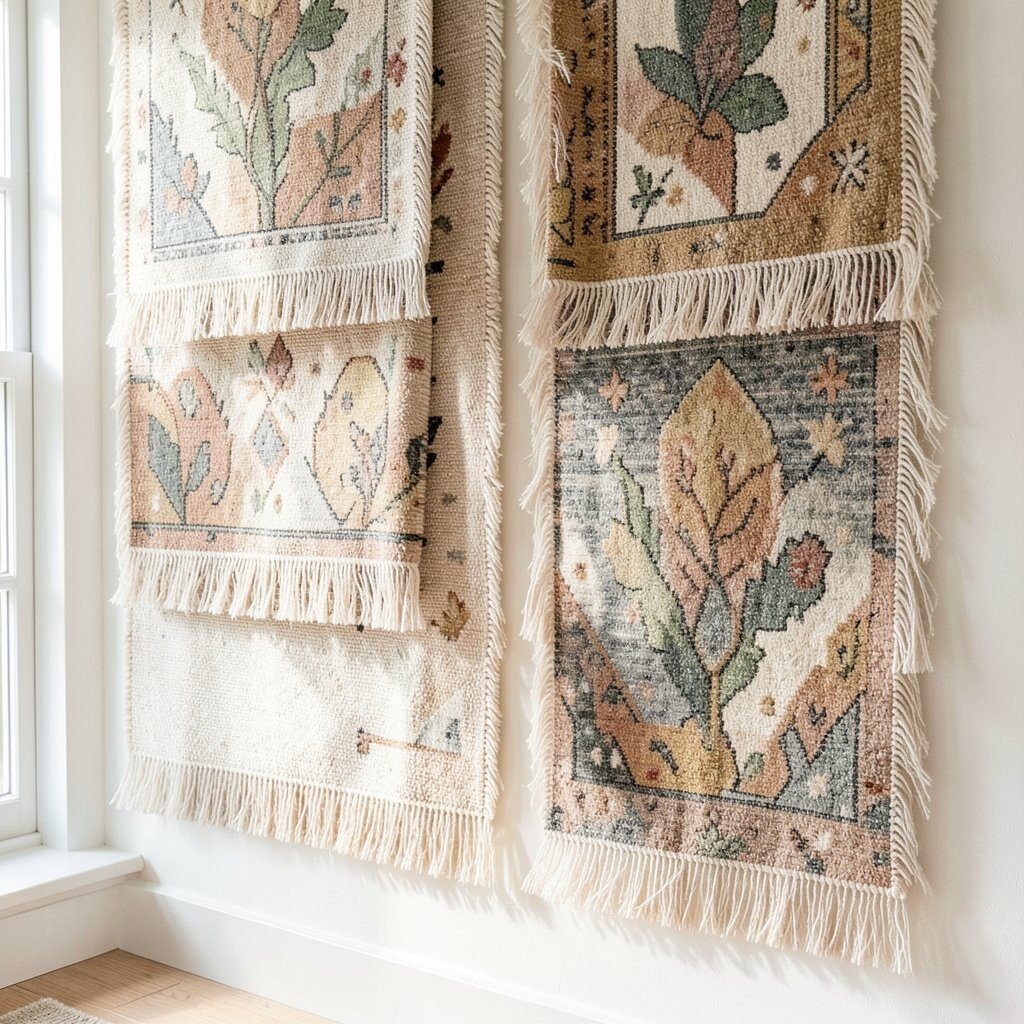
Fringe adds a lively edge that catches light as you move around the room. Pick a tapestry with a neat fringe line so it looks styled, not messy.
Hang it where it will sway slightly, like near a doorway or window with gentle airflow. The texture creates a warm glow because your eyes register depth and shadow. If you’re aiming for a brighter look, choose lighter fibers and keep the base pattern open so the wall doesn’t feel crowded.
5. Color-Blocking With Woven Bands
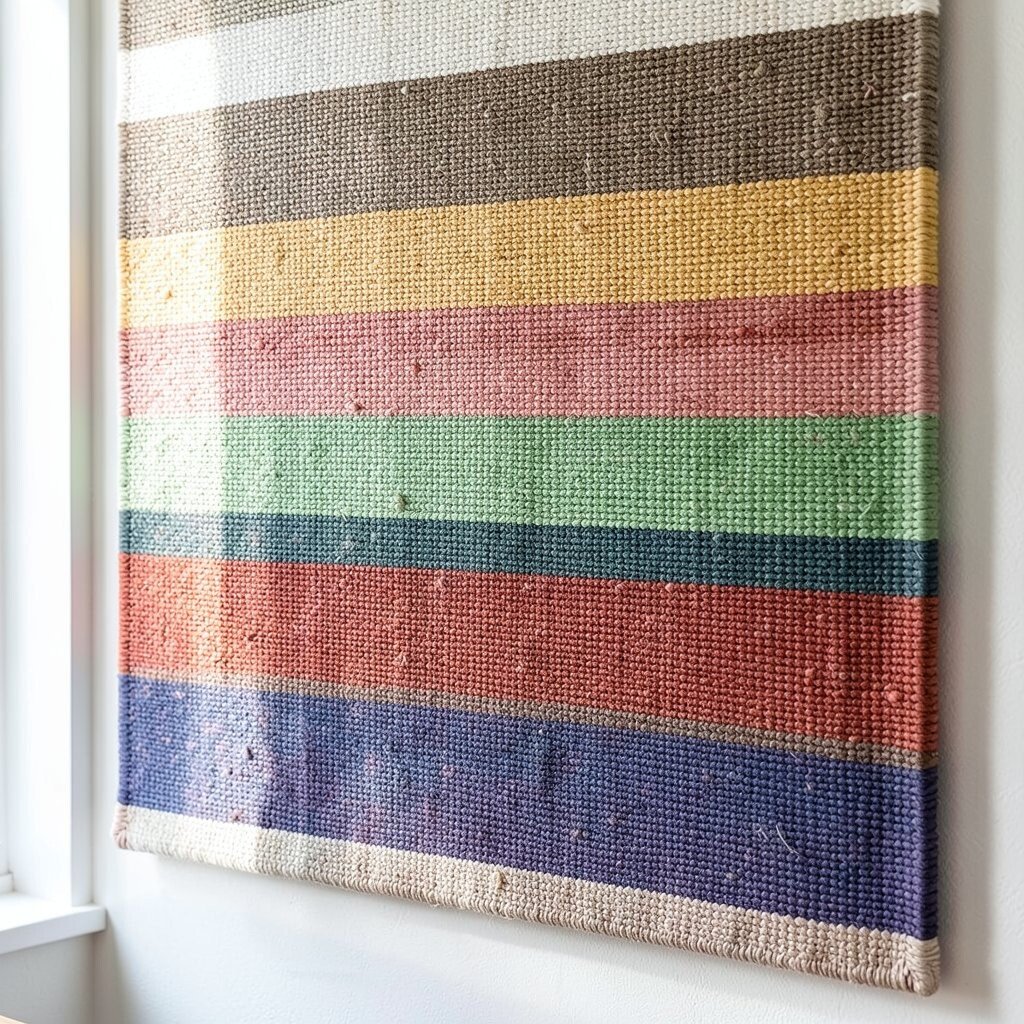
Woven tapestries with bold bands can energize a space fast. Think of horizontal stripes or stacked blocks that echo the colors you already use.
They’re especially great when you want more brightness but don’t want to repaint. Pick one strong color as the star and let the other tones act like supporting notes. To personalize, tie the palette to your favorite mug set, a plant pot, or a knitted blanket you already own.
For practical hanging, use a rod with clips so the tapestry stays straight even if the fabric relaxes. Many modern weaves are light enough to mount with standard hardware. If you’re cost-conscious, consider buying one larger piece and one small coordinating accent rather than several expensive ones.
6. Woven Texture Behind a Reading Nook Chair
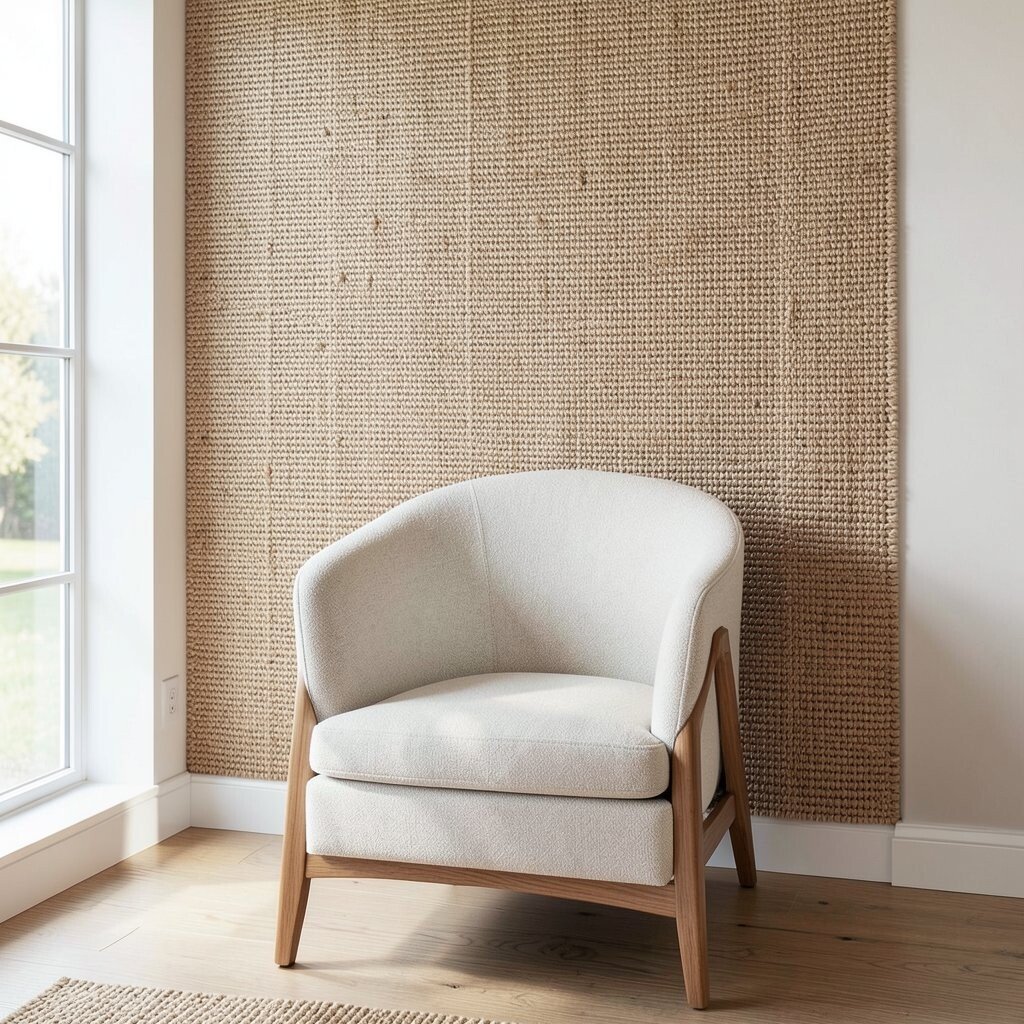
A tapestry placed behind a reading chair makes that corner feel like a mini retreat. Choose a weave with a gentle pattern so it doesn’t pull focus from your book.
The extra texture softens sound too, which is a nice bonus for a calm home. To keep it practical, hang it at eye level so it frames your resting spot. Pick colors that match your lamp shade so the whole nook looks intentionally lit.
7. Mini Tapestry Gallery Wall With Varying Sizes
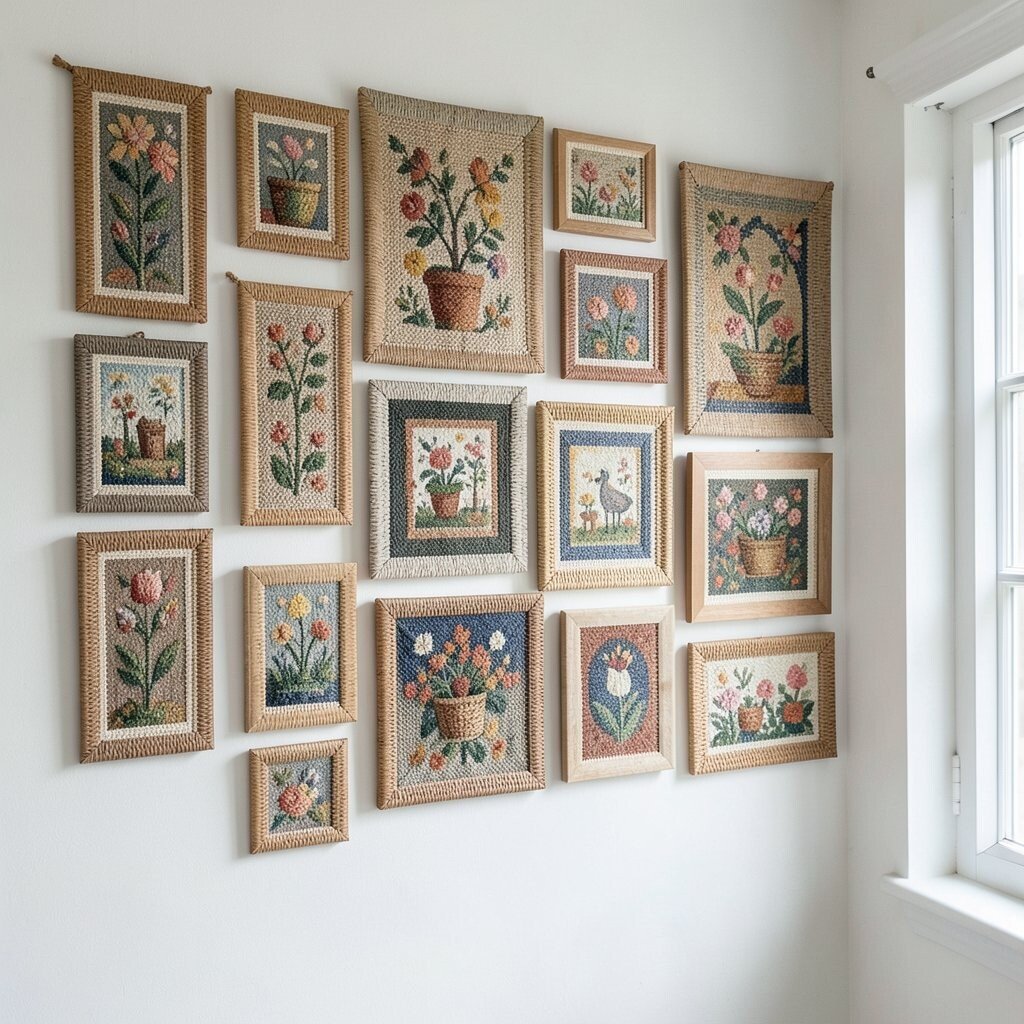
Instead of one big piece, build a playful gallery wall with small woven squares. Mix shapes, like rectangles and rounded corners, to keep it modern.
This approach brightens a room by making the wall feel full of interest without turning it heavy. Use a consistent background color across pieces so it still feels cohesive. For easy personalization, add a woven piece that includes a color from your curtains or art prints.
When hanging, keep the spacing even and measure twice so the layout looks neat. Lightweight tapestries are usually easier to reposition, so you can adjust until it feels right. If you’re mindful of cost, thrift stores and local makers markets often offer smaller, affordable treasures.
8. Monochrome Woven Art for Calm, Light-Filled Rooms
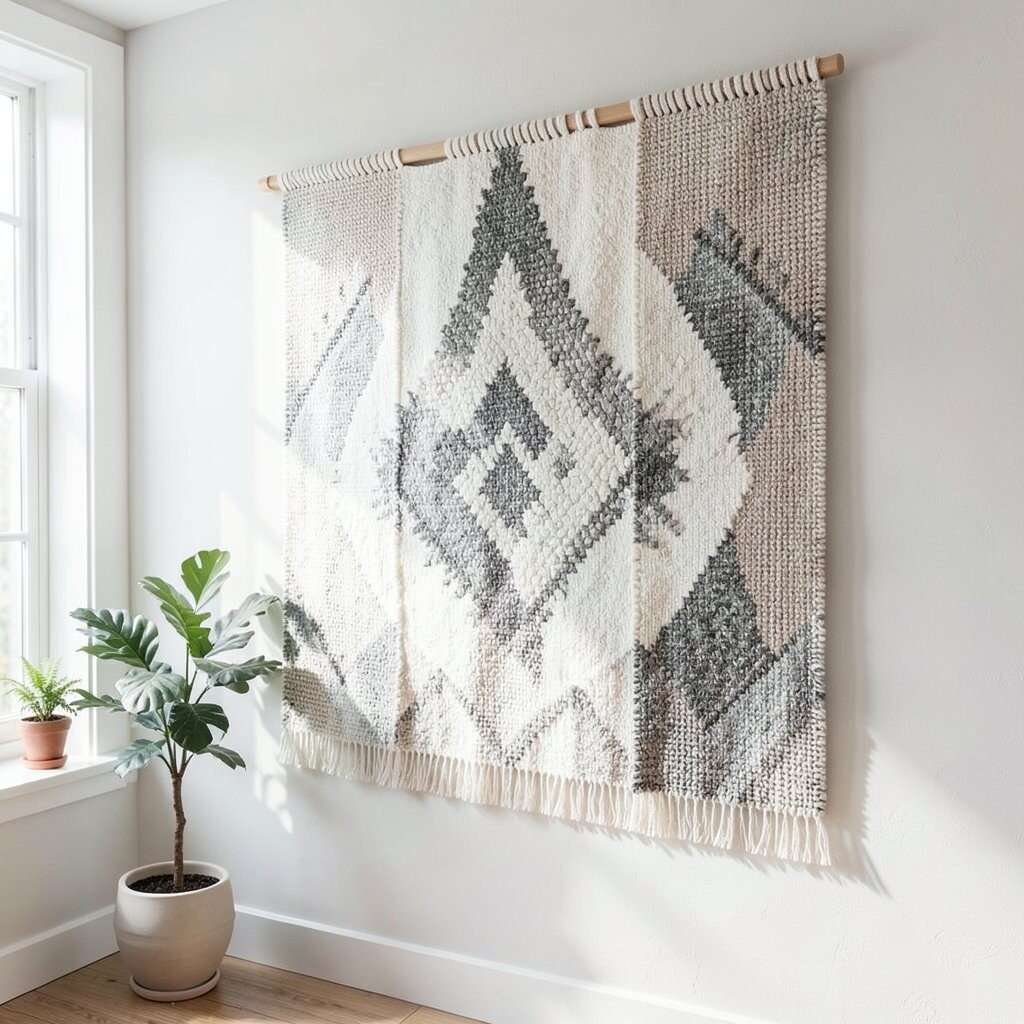
Monochrome tapestries bring a clean, modern calm to your walls. Look for off-white, oatmeal, or soft gray tones with visible weave variation.
This works beautifully in bright spaces because the threads create texture without loud color. You’ll get depth through shadows and highlights from the fibers. Pair the tapestry with warm wood furniture and creamy textiles for a natural, cozy look.
9. Botanical-Inspired Woven Designs
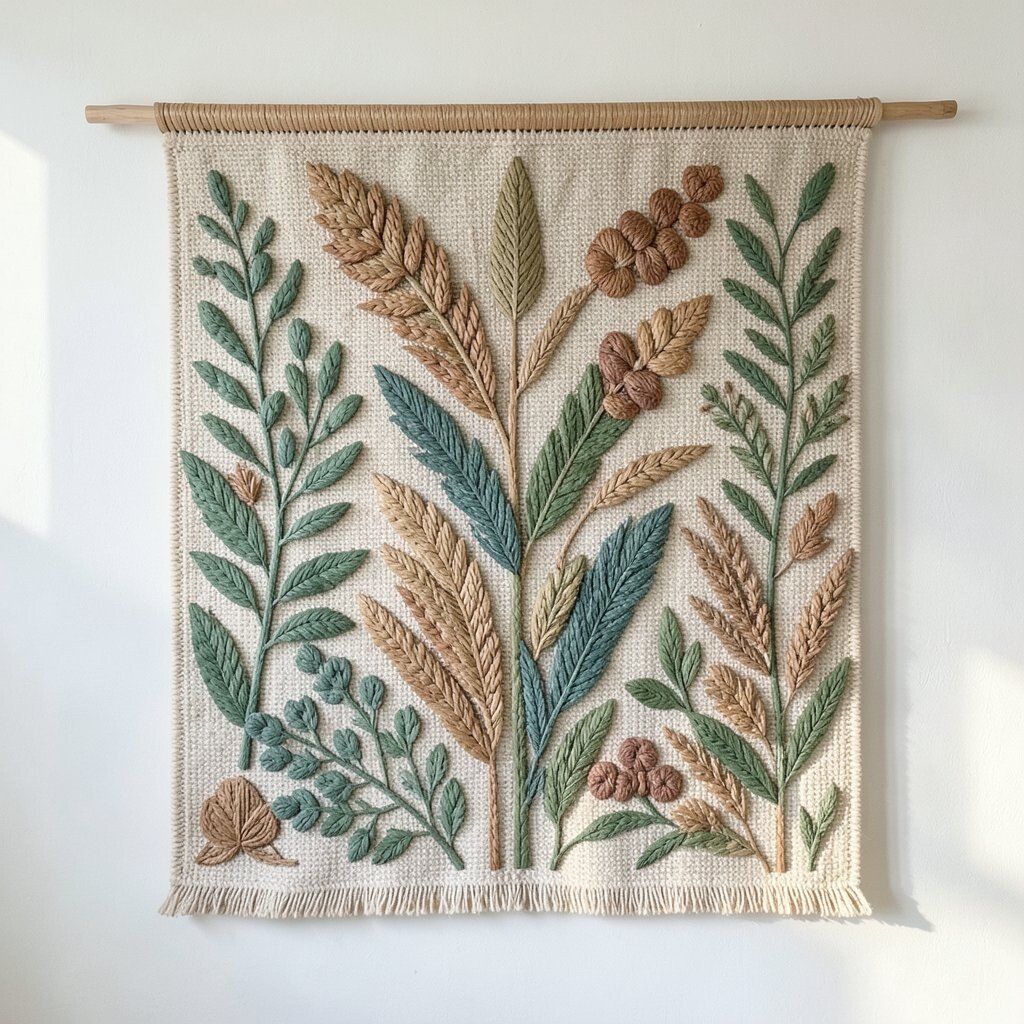
If you love plants, a botanical woven tapestry is an easy way to bring that vibe indoors. Choose leaf patterns, vine lines, or woven floral clusters in earthy greens and warm neutrals.
These designs brighten your space by adding color like fresh garden light. They also feel uniquely yours when you match the greens to the real plants you already have. For practicality, hang the tapestry near daylight so the fiber texture stands out clearly.
Personalize by repeating one leaf shade across small accessories like a pillow or a planter. To keep costs reasonable, choose a tapestry with fewer detailed colors, since multi-toned weaves can be pricier. Local artisans sometimes offer custom colorways too, which can fit your palette perfectly.
10. Geometric Weaves That Play With Perspective
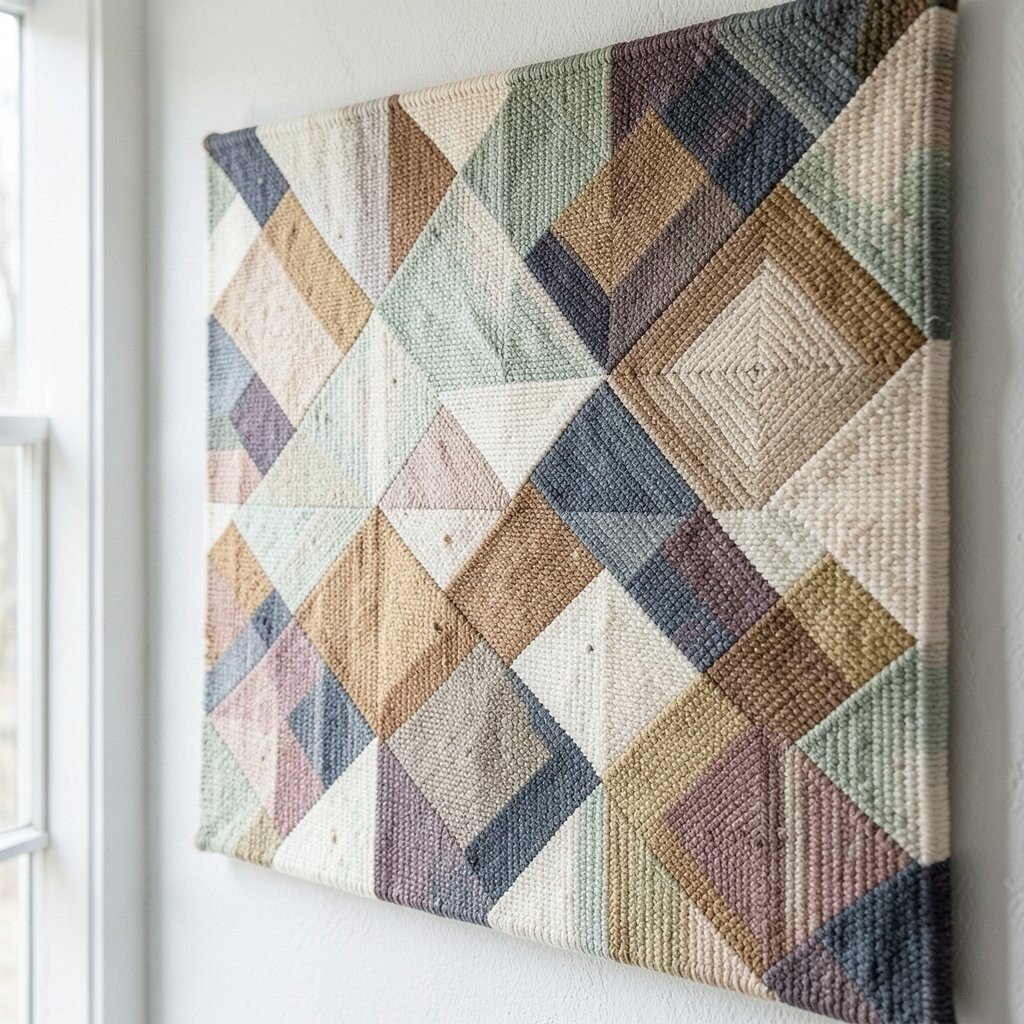
Geometric tapestries add a crisp, sunny energy to a wall. Look for patterns like chevrons, diamonds, or sunburst shapes made from contrasting threads.
The bold lines create movement, so even a plain room feels lively. When you hang one geometric piece, keep other wall items simple so it stays the star. For personalization, match line colors to your frames, lamp bases, or even the edging on your rug.
11. Woven Tapestry Mounted Like a Fabric Headboard
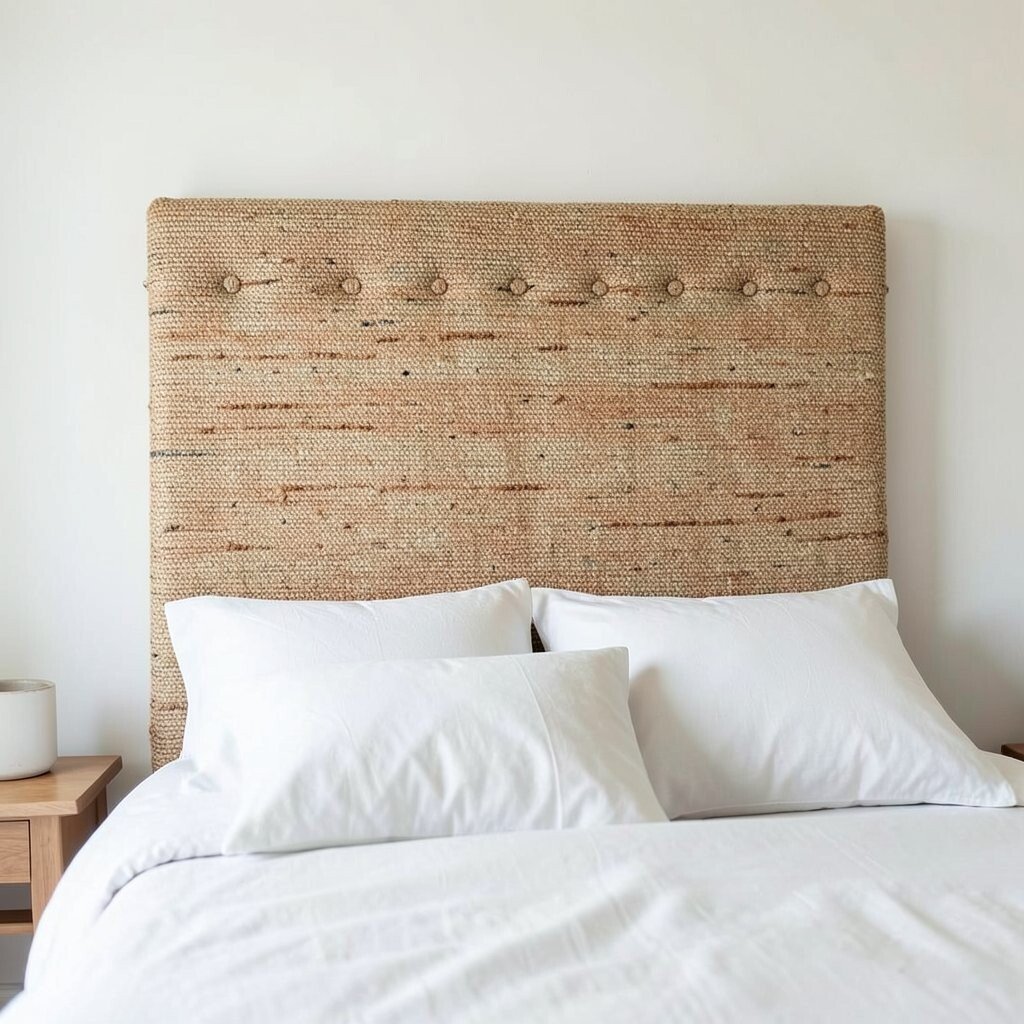
Transform the look of a bedroom by hanging a tapestry as a headboard backdrop. Choose a wide weave that aligns with the width of your bed or slightly wider for fullness.
This adds comfort and softness while also making the room feel more designed. The texture helps hide minor wall imperfections, which is a practical bonus. For personalization, coordinate the tapestry tones with your bedding and curtains so the whole sleep space feels cohesive.
12. Dialed-Back Earth Tones for Cozy Brightness
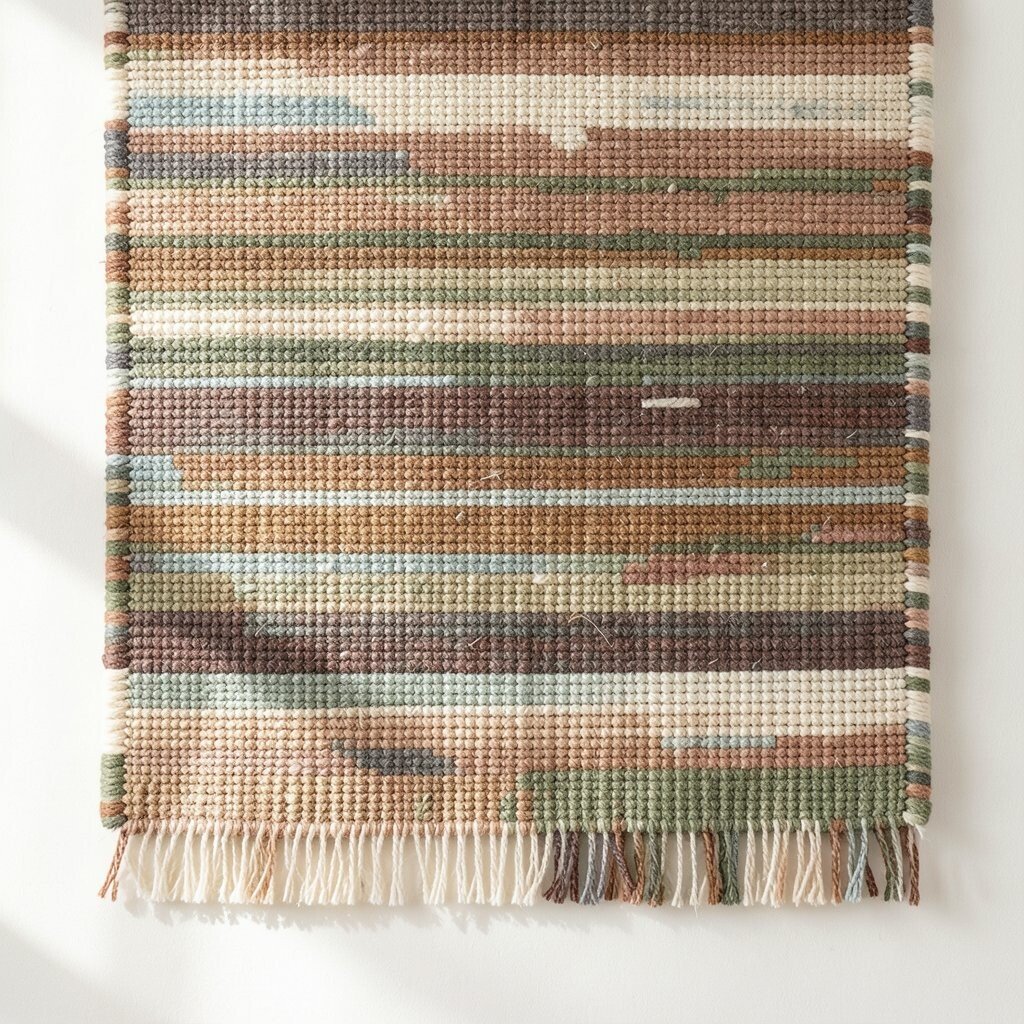
Earth-toned woven tapestries bring warmth without making a room feel dark. Think clay, sand, warm beige, and muted terracotta with visible thread texture.
The benefit is a bright, inviting look that still feels grounded. Pair it with natural materials like rattan, linen, and light wood for an effortless style. If you want it to feel current, choose a tapestry with clean lines and a modern border rather than overly busy motifs.
13. Bright Accent Border on an Otherwise Simple Wall
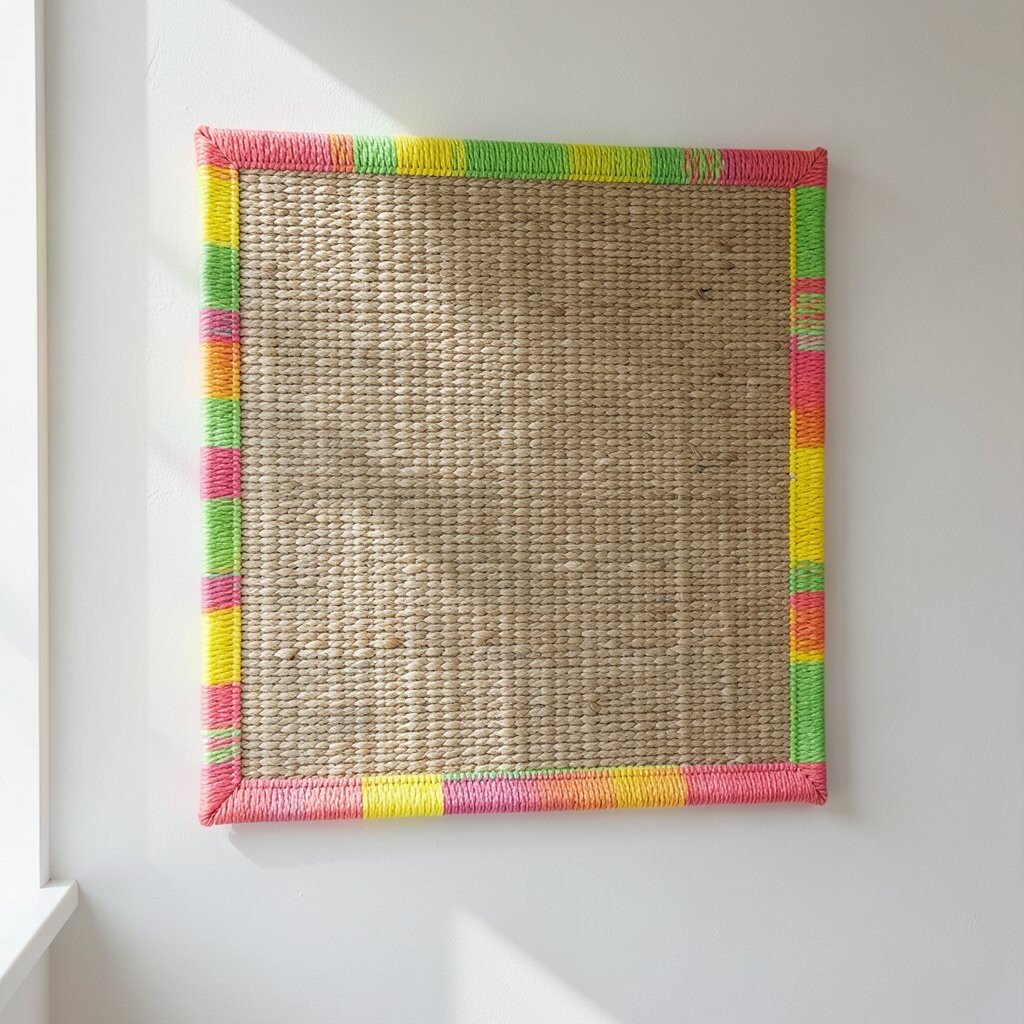
Instead of covering the whole wall, use a woven tapestry as a bright border piece. A narrower tapestry along the wall’s mid-height can frame a gallery wall or a dresser.
This method brightens the room because it adds color where your eyes naturally land. It also keeps costs in check since smaller textiles are often less expensive. For personalization, choose border colors that match your favorite art prints so it feels like part of the larger theme.
Hang it at a consistent height and use a level for clean lines. If you’re renting, consider removable adhesive hooks along the top rod line. A border weave also works great in hallways where you want warmth without taking up too much space.
14. Ombre or Gradient Thread Tapestry for a Light Effect
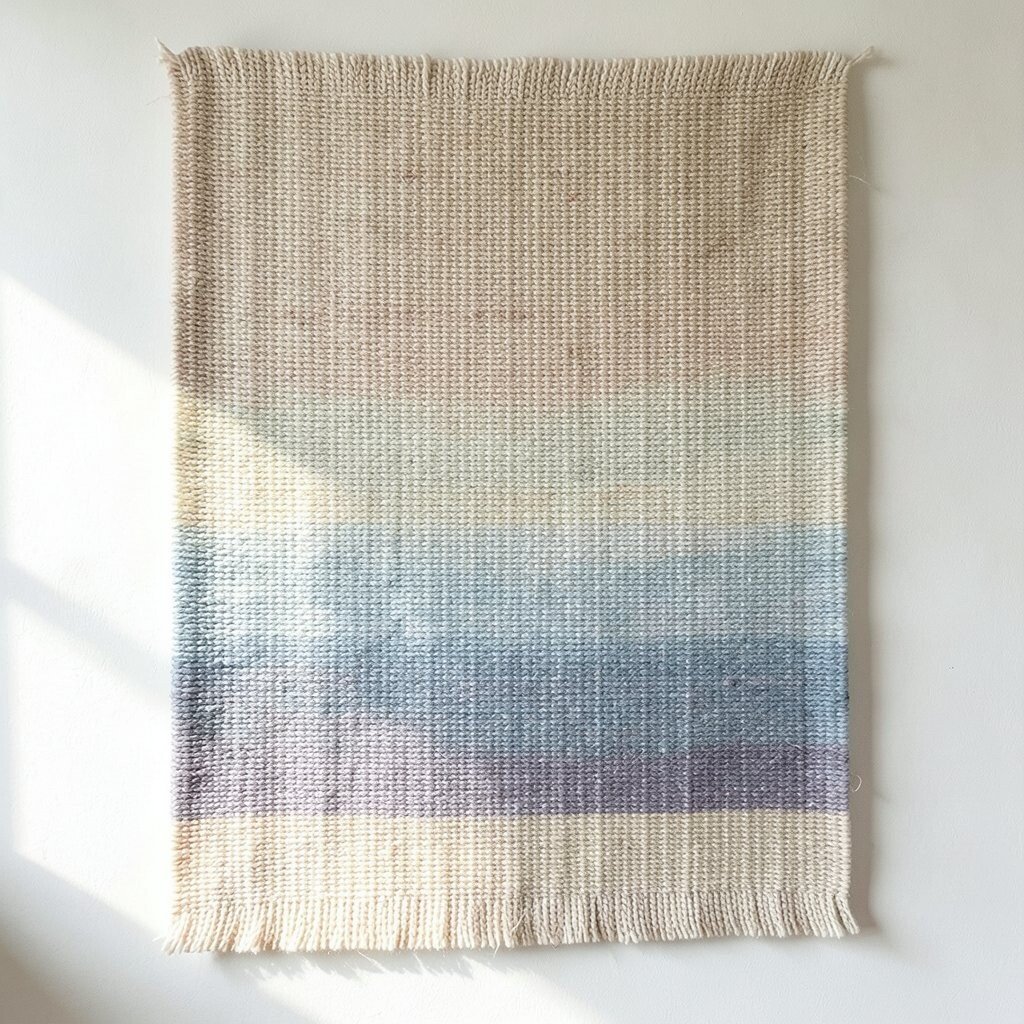
Gradient tapestries mimic the look of sunrise on fabric. Pick a weave that fades from light to slightly deeper tones so it feels airy.
This style brightens because your eyes read the color shift as motion and glow. It’s especially flattering in rooms with windows where the lighting changes through the day. To personalize, match the gradient range to your decor colors, like warm creams to soft golds or cool whites to gentle blues.
For practical tips, choose a tapestry with a balanced pattern so the gradient looks even from far away. If the threads are delicate, use a protective cloth when you clean or handle it. A gradient piece often makes a room feel larger, which is a helpful bonus in smaller spaces.
15. Woven Wall Art With Handmade Look Imperfections
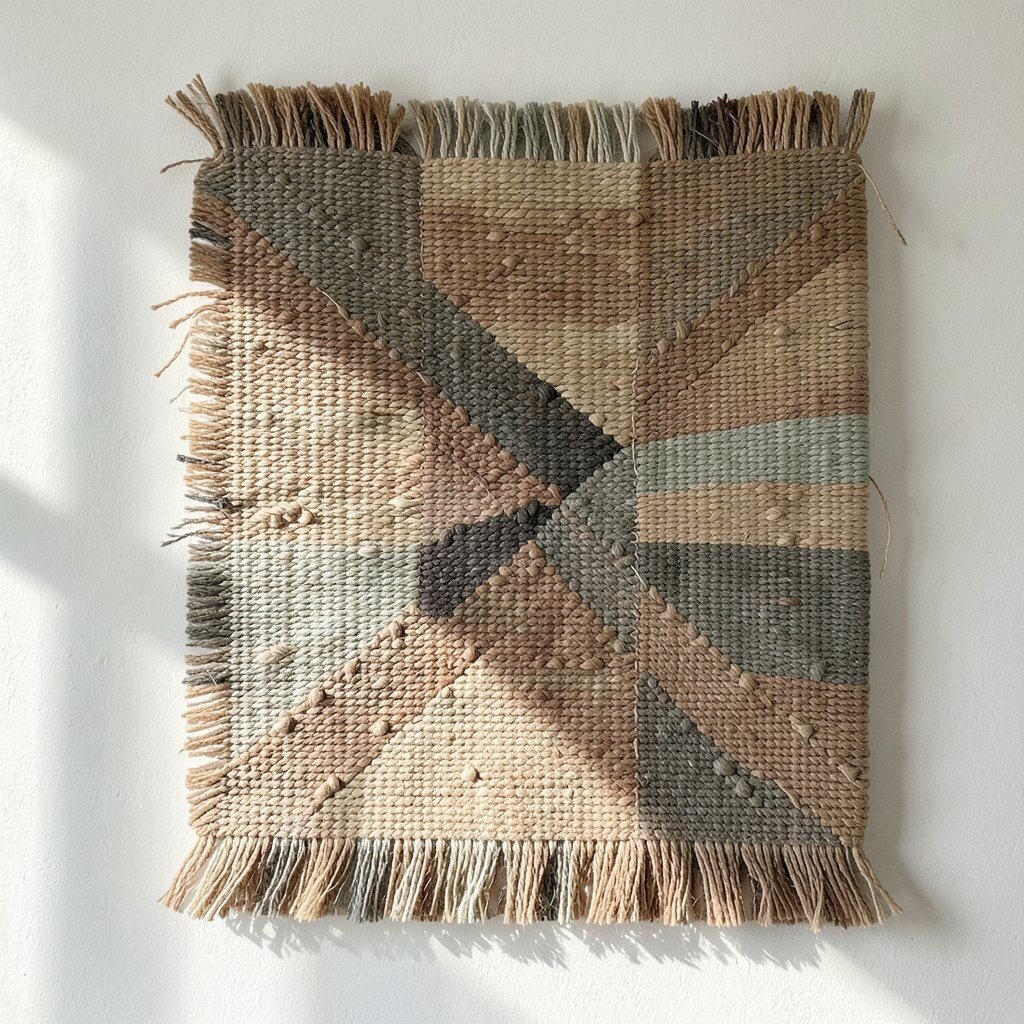
Some of the most charming tapestries look slightly handmade, with uneven lines and soft irregularity. Those little variations make the wall feel human and warm.
You get uniqueness instantly because no two weaves will look exactly alike. This benefit matters when you want your home to feel personal rather than mass-produced. For personalization, choose fibers that match your lifestyle, like thicker chunky yarns if you love cozy textures.
To keep it practical, hang the tapestry flat and secure the top so the fibers settle nicely. If you spot a color that you like but don’t want everywhere, echo it with one small accessory like a ceramic vase. Handmade-inspired textiles can sometimes be more affordable when you buy from emerging artists or local markets.
16. Three-Tier Vertical Weaving to Draw the Eye Up
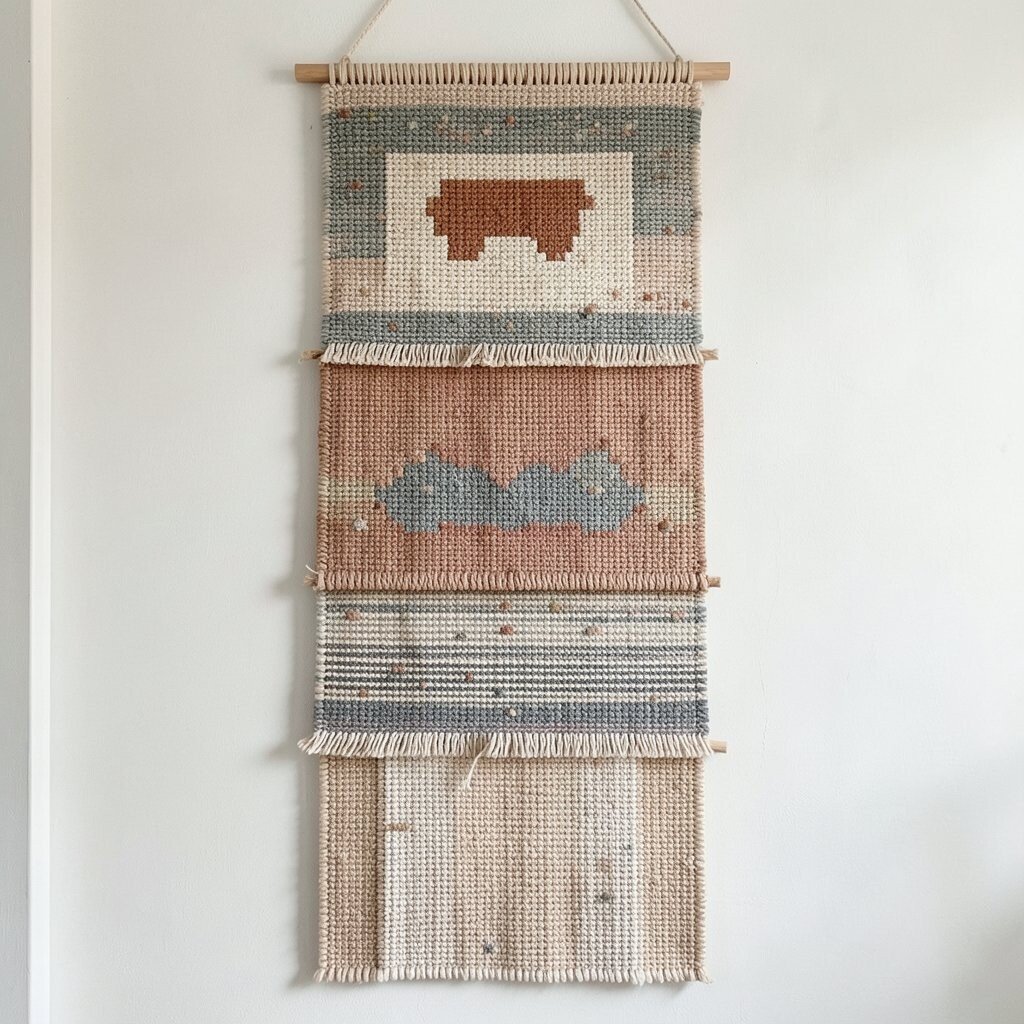
Vertical woven pieces can make ceilings feel higher while keeping the look soft. Use a set of three smaller tapestries stacked in a straight line.
This helps brighten because the eye travels upward and light fixtures feel more intentional. It also creates structure, especially in narrow hallways or beside stairs. For personalization, vary the patterns by keeping one shared color across all three tiers.
When you hang them, measure the spacing so the gaps feel even. Use lightweight hardware so you can adjust without stress. A vertical arrangement can cost less if you buy separate small pieces instead of one large premium tapestry.
17. Mixed Fiber Tapestry With Macramé or Knit Layers
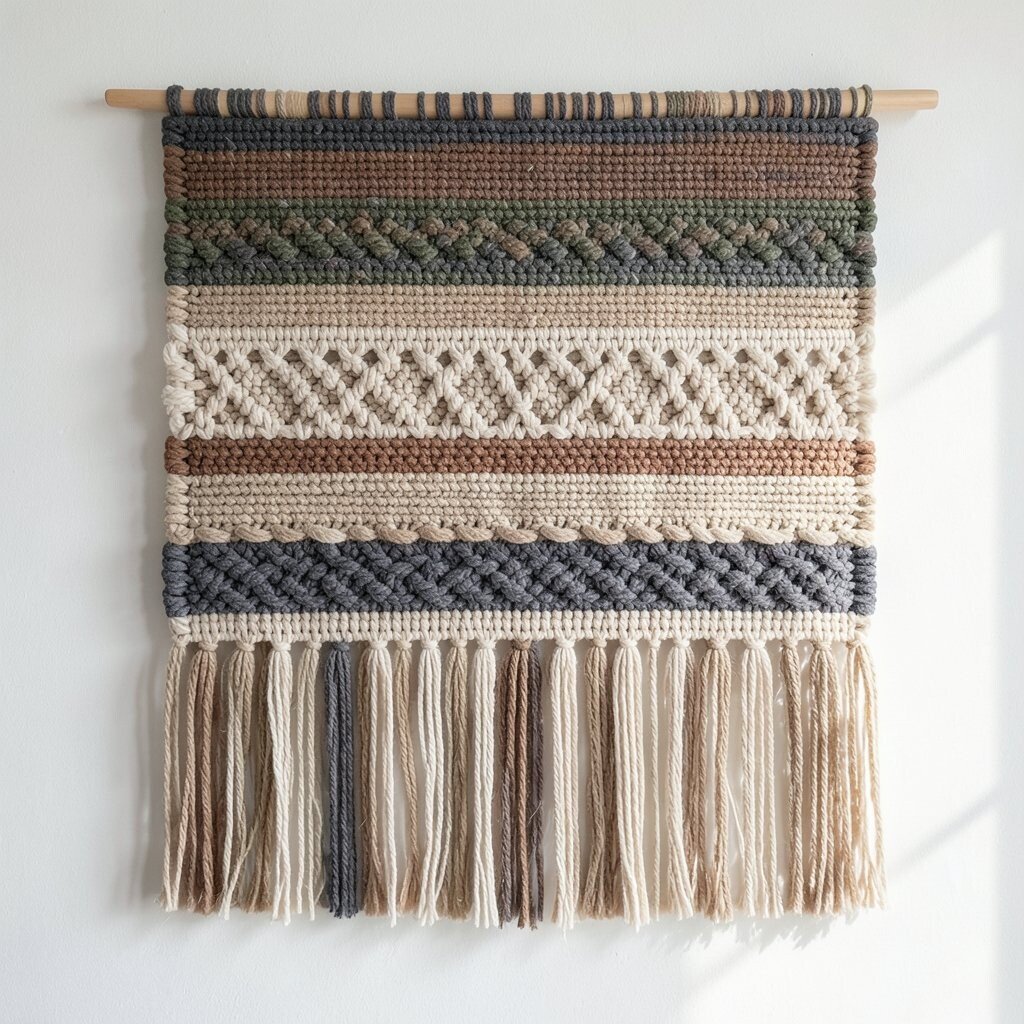
Combine woven tapestry texture with macramé or knit accents for a rich, layered wall. Look for pieces that mix flat weaving with airy fringe knots.
This mix feels uniquely modern and offers a tactile experience from different viewing angles. The benefit is visual depth, which makes even a simple room feel brighter and more inviting. For practical hanging, support heavier layers with a sturdier rod while letting lighter layers hang freely.
Personalize by choosing fibers that match your existing textures, like pairing with knit blankets or linen curtains. If you’re cost-aware, shop for bundles where one artisan creates multiple fiber types. The layered look can replace needing multiple wall art pieces because it already has variety.
18. Reclaimed-Style Woven Patchwork for a Vintage Glow
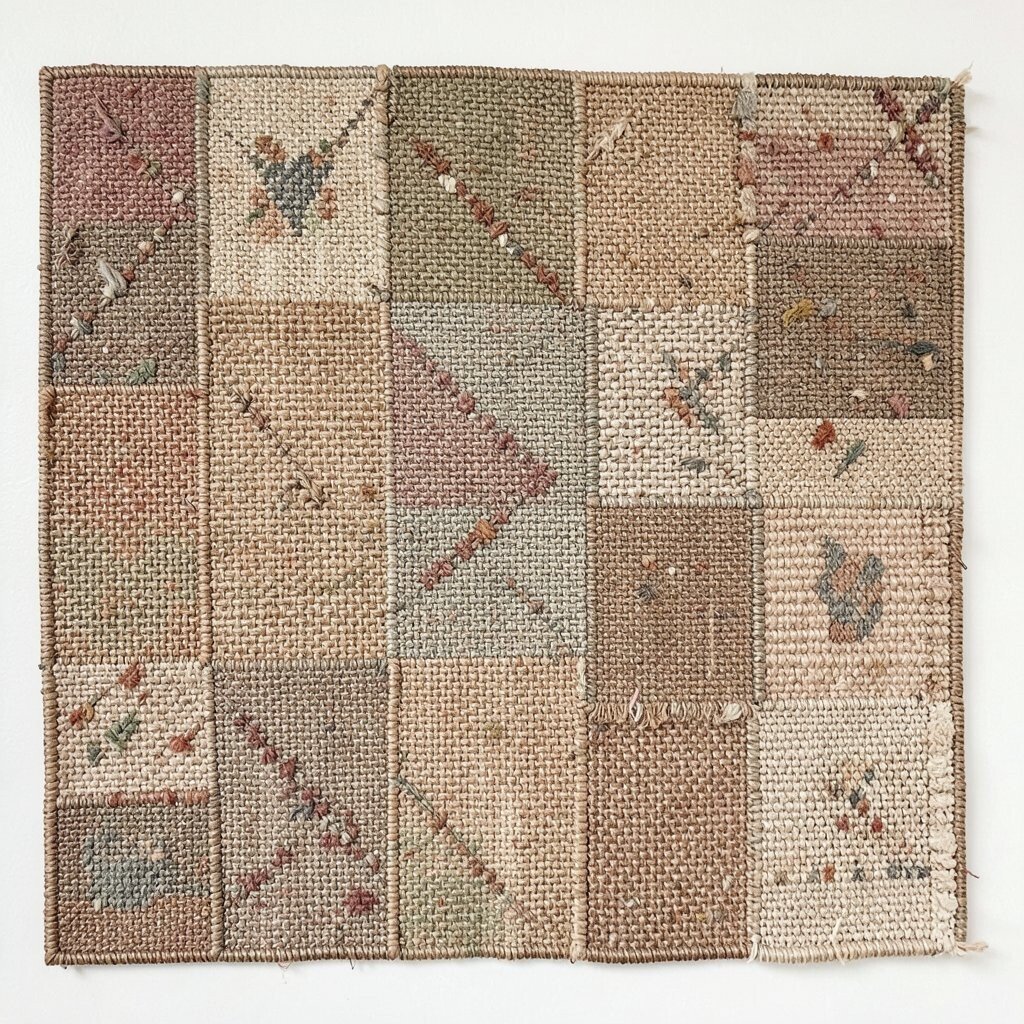
Reclaimed-style woven patchwork tapestries give a vintage glow with a modern twist. Look for fabrics that appear layered, with different thread thicknesses and color fading.
This style brightens by adding story and charm while still fitting in with today’s decor. It’s unique because the patchwork look can feel like your wall has layers of time. For personalization, select colors that match your current palette so it feels curated, not random.
When you hang it, consider pairing it with smooth, clean furniture so the texture stands out. For cost, keep an eye out for smaller patchwork panels or vintage-inspired reproductions that mimic the look. A reclaimed-style tapestry also hides the reality of busy rooms since the woven detail is naturally forgiving to everyday living.